Doctors Revision

Author name: doctorsrevision@gmail.com

Groups of muscles, origin, insertion, and nerve supply
Anatomy

Groups of muscles, origin, insertion, and nerve supply

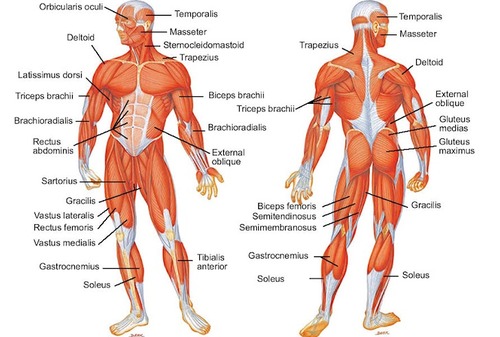
Groups of Muscles Comprehensive anatomical study of the major muscle groups of the human body, detailing their origin, insertion, nerve supply, and action. This guide is organized by anatomical region to facilitate clinical reasoning and surgical planning. 1. Introduction The human body contains over 600 skeletal muscles. These are organized into functional groups based on their anatomical location and the movements they produce. Muscles are named according to specific criteria: Size: e.g., gluteus maximus. Shape: e.g., deltoid. Location: e.g., tibialis anterior. Number of origins: e.g., biceps (two heads), triceps (three heads). Direction of fibers: e.g., rectus abdominis (straight). Action: e.g., flexor digitorum. 2. Muscles of the Head and Neck 2.1 Muscles of Facial Expression These muscles are unique because they insert into the skin rather than onto bone. They are all innervated by the Facial nerve (Cranial Nerve VII). Muscle Origin Insertion Action Frontalis Epicranial aponeurosis Skin of eyebrows and forehead Raises eyebrows, wrinkles forehead Orbicularis oculi Medial orbital margin, lacrimal sac Skin around orbit Closes eyelids Orbicularis oris Maxilla, mandible, surrounding muscles Lips Closes and protrudes lips Buccinator Maxilla, mandible, pterygomandibular raphe Orbicularis oris Compresses cheek (blowing, sucking) Platysma Fascia of deltoid and pectoralis major Mandible, skin of lower face Depresses mandible, tenses neck skin Clinical Correlation Bell’s Palsy Facial nerve palsy results in the paralysis of the muscles of facial expression on the affected side. Patients typically present with an inability to close the eye, a drooping corner of the mouth, and an inability to wrinkle the forehead. 2.2 Muscles of Mastication These muscles move the mandible and are all innervated by the Mandibular division of the Trigeminal nerve (CN V3). Muscle Origin Insertion Action Masseter Zygomatic arch Lateral surface of mandibular ramus and angle Elevates mandible (closes jaw) Temporalis Temporal fossa Coronoid process of mandible Elevates and retracts mandible Medial pterygoid Medial surface of lateral pterygoid plate Medial surface of mandibular ramus and angle Elevates and protrudes mandible Lateral pterygoid Lateral surface of lateral pterygoid plate, greater wing of sphenoid Neck of mandibular condyle, articular disc of TMJ Protrudes and depresses mandible (opens mouth) 3. Muscles of the Trunk 3.1 Anterior Abdominal Wall Muscles This group consists of three flat muscles and one vertical strap-like muscle. They function to protect viscera and increase intra-abdominal pressure. All are innervated by the Thoracoabdominal nerves (T7-T12); the internal oblique and transversus also receive supply from L1. Muscle Origin Insertion Action Rectus abdominis Pubic symphysis, pubic crest Xiphoid process, costal cartilages 5-7 Flexes trunk, compresses abdomen External oblique External surfaces of ribs 5-12 Iliac crest, pubic tubercle, linea alba Compresses abdomen, flexes and rotates trunk Internal oblique Iliac crest, inguinal ligament, thoracolumbar fascia Ribs 10-12, linea alba, pubis Compresses abdomen, flexes and rotates trunk Transversus abdominis Iliac crest, inguinal ligament, ribs 7-12 Linea alba, pubic crest Compresses abdomen (“corset” muscle) 3.2 Intercostal Muscles Essential for respiration, located in the intercostal spaces and innervated by the Intercostal nerves. External intercostal: Elevates ribs (Inspiration). Internal intercostal: Depresses ribs (Expiration). Innermost intercostal: Assists in expiration. 4. Muscles of the Upper Limb 4.1 Shoulder (Glenohumeral Joint) Muscles These muscles provide stability to the most mobile joint in the body. Muscle Origin Insertion Nerve Supply Action Deltoid Clavicle, acromion, spine of scapula Deltoid tuberosity of humerus Axillary n. (C5-C6) Abducts, flexes, and extends arm Supraspinatus Supraspinous fossa Greater tubercle of humerus Suprascapular n. (C5-C6) Initiates abduction (first 15°) Infraspinatus Infraspinous fossa Greater tubercle of humerus Suprascapular n. (C5-C6) Laterally rotates arm Teres minor Lateral border of scapula Greater tubercle of humerus Axillary n. (C5-C6) Laterally rotates arm Subscapularis Subscapular fossa Lesser tubercle of humerus Subscapular nn. (C5-C7) Medially rotates arm 4.2 Anterior Arm Muscles These muscles act primarily as flexors and are all supplied by the Musculocutaneous nerve. Biceps brachii: Flexes elbow, supinates forearm, weakly flexes shoulder. Brachialis: The primary flexor of the elbow. Coracobrachialis: Flexes and adducts the arm. 5. Muscles of the Lower Limb 5.1 Anterior Thigh Muscles (Quadriceps Femoris) Four muscles sharing a common insertion on the tibial tuberosity via the patellar ligament. All are supplied by the Femoral nerve (L2-L4). Rectus femoris: Extends knee and flexes hip. Vastus lateralis: Extends knee. Vastus medialis: Extends knee, stabilizes patella. Vastus intermedius: Extends knee. 5.2 Posterior Thigh Muscles (Hamstrings) Responsible for hip extension and knee flexion, innervated by the Sciatic nerve. Muscle Origin Insertion Action Biceps femoris Ischial tuberosity (long), Linea aspera (short) Head of fibula, lateral tibial condyle Extends hip, flexes knee, laterally rotates leg Semitendinosus Ischial tuberosity Proximal medial tibia (Pes anserinus) Extends hip, flexes knee, medially rotates leg Semimembranosus Ischial tuberosity Posterior medial condyle of tibia Extends hip, flexes knee, medially rotates leg 6. Clinical Relevance Rotator Cuff Tears The SITS muscles (Supraspinatus, Infraspinatus, Teres minor, Subscapularis) are common sites of injury. Supraspinatus tears are the most frequent, often occurring due to impingement under the acromion. Peripheral Nerve Palsies Radial Nerve Injury: Results in wrist drop due to paralysis of extensors. Femoral Nerve Palsy: Results in an inability to extend the knee and a loss of the patellar reflex. Sciatic Nerve Injury: Can result in foot drop if the common fibular division is affected. Facial Nerve Palsy vs. UMN Lesion Injury to CN VII paralyzes all facial muscles on the affected side (Bell’s Palsy). This must be distinguished from a stroke (Upper Motor Neuron lesion), which spares the forehead because the forehead receives bilateral cortical innervation. Summary Key Points Facial expression muscles are unique for inserting into skin (CN VII). Mastication muscles move the mandible (CN V3). The Rotator cuff provides essential stability to the glenohumeral joint. The Quadriceps extend the knee; Hamstrings flex the knee and extend the hip. Understanding nerve supply is required to predict motor deficits after trauma.
Functions and Types of muscles (Skeletal, Smooth, Cardiac)
Anatomy

Functions and Types of muscles (Skeletal, Smooth, Cardiac)

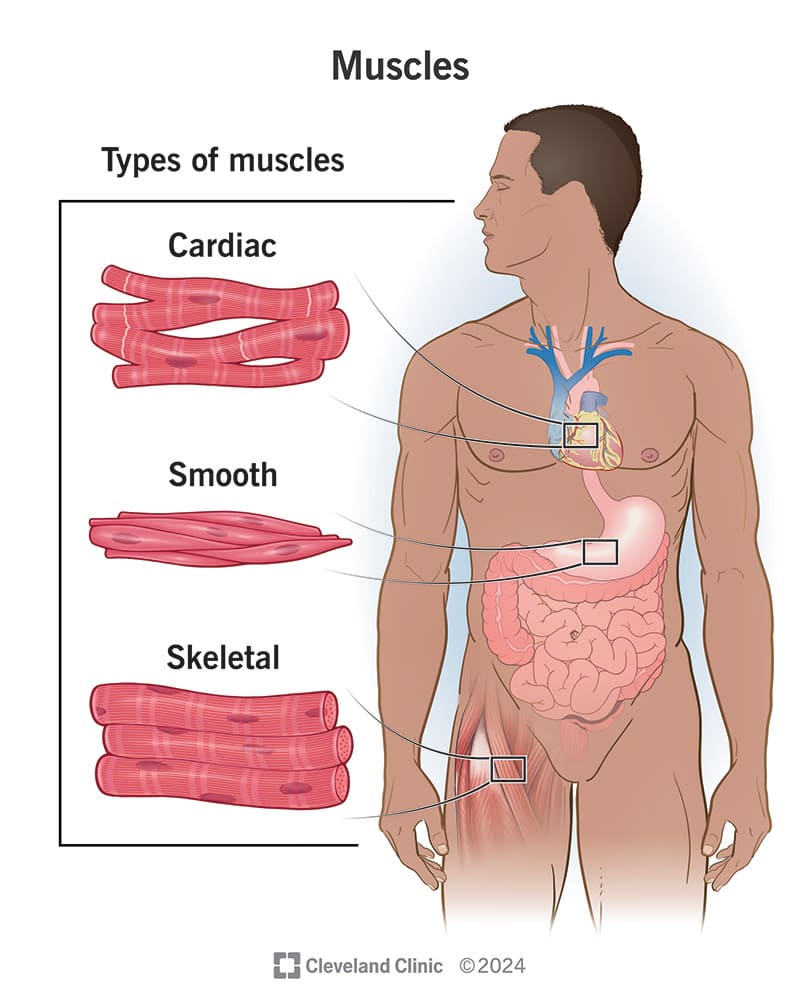
Functions and Types of Muscles A comprehensive anatomical and physiological study of skeletal, smooth, and cardiac muscle tissue, detailing their structural characteristics, functional roles, and clinical significance in medical practice. 1. Introduction Muscle tissue is a specialized tissue designed for contraction and is responsible for nearly all movement in the human body. Beyond locomotion, it performs vital roles in stability, heat generation, and the internal transport of substances. There are three distinct histological types: Skeletal, Smooth, and Cardiac. 2. Functions of Muscle Tissue Movement: Skeletal muscles produce voluntary movement by pulling on bones at joints (locomotion, facial expression). Smooth muscle handles involuntary movements like peristalsis and vascular constriction. Cardiac muscle provides rhythmic contractions to pump blood. Maintenance of Posture: Continuous contraction of skeletal muscles (specifically in the back, neck, and legs) maintains body position against gravity. These muscles are rich in Type I (slow-twitch) fibers. Joint Stabilization: Muscles provide dynamic stability by compressing joints during contraction. The rotator cuff muscles are a prime example of stabilizers for the glenohumeral joint. Heat Production: Muscle contraction is an exothermic process. Skeletal muscle accounts for approximately 85% of heat production during physical activity. Shivering is a mechanism of rapid, involuntary contraction to prevent hypothermia. Protection and Support: Abdominal muscles protect viscera, and pelvic floor muscles support pelvic organs. Key Point Muscle tissue is not just for movement; it is a metabolic engine that generates heat and a structural component that stabilizes the skeletal framework and protects internal organs. 3. Skeletal Muscle Skeletal muscle constitutes approximately 40% of total body weight. It is characterized as striated voluntary muscle. 3.1 Structure and Connective Tissue Skeletal muscle fibers are long, cylindrical, multinucleated cells with nuclei located peripherally. They range from 10 to 100 micrometers in diameter. Striations: Alternating light and dark bands caused by the arrangement of actin (thin) and myosin (thick) filaments within sarcomeres. Epimysium: Surrounds the entire muscle. Perimysium: Surrounds bundles of fibers called fascicles. Endomysium: Surrounds individual muscle fibers. 3.2 Fiber Types Feature Type I (Slow-twitch) Type II (Fast-twitch) Metabolism Oxidative (Aerobic) Glycolytic (Anaerobic) Fatigue Resistance High Low Color Red (High myoglobin) White/Pale (Low myoglobin) Specialization Endurance, posture Explosive, short-duration power 4. Smooth Muscle Smooth muscle is found in the walls of hollow organs and blood vessels. It is non-striated and involuntary. 4.1 Structure and Control Cells are spindle-shaped (fusiform) with a single central nucleus. They lack sarcomeres; instead, actin and myosin are anchored to dense bodies scattered throughout the cytoplasm and cell membrane. 4.2 Types of Smooth Muscle Single-unit (Visceral): Cells are connected by gap junctions and contract as a coordinated unit. Found in the stomach, intestines, and uterus. Multi-unit: Cells are not electrically connected and contract independently. Found in the iris of the eye, ciliary body, and arrector pili muscles. 5. Cardiac Muscle Forms the myocardium. It combines features of both skeletal (striated) and smooth (involuntary) muscle. 5.1 Intercalated Discs Cardiac muscle cells (cardiomyocytes) are branched and connected by intercalated discs, which contain: Desmosomes: Mechanical attachments. Gap Junctions: Allow rapid electrical coupling for synchronized contraction of the myocardium. 5.2 Unique Properties Automaticity: The ability to generate spontaneous action potentials (SA and AV nodes). Rhythmicity: Regular, repeating patterns of contraction. Refractory Period: A long refractory period prevents tetanic contraction, ensuring the heart has time to fill between beats. 6. Comparison of Muscle Types Feature Skeletal Muscle Cardiac Muscle Smooth Muscle Striations Present Present Absent Nuclei Multiple, peripheral Single/Double, central Single, central Control Voluntary (Somatic) Involuntary (Autonomic) Involuntary (Autonomic) Regeneration Limited (Satellite cells) None (Scar tissue forms) Capable 7. Clinical Relevance Pathology Muscular Dystrophies Inherited disorders like Duchenne muscular dystrophy (dystrophin gene mutation) lead to progressive skeletal muscle degeneration and severe weakness beginning in childhood. Pathology Hypertension Increased smooth muscle tone (vasoconstriction) in arteriole walls increases peripheral resistance. Medications like calcium channel blockers work by reducing this contraction. Pathology Myocardial Infarction (MI) Ischemic death of cardiomyocytes results in irreversible damage. Because cardiac muscle cannot regenerate, the area is replaced by non-contractile fibrous scar tissue, potentially leading to heart failure. Pathology Asthma Smooth muscle hyperreactivity in the bronchi leads to bronchospasm. Beta-2 agonists (bronchodilators) are used to relax this smooth muscle and open the airways. Clinical Key Point Skeletal muscle has some regenerative capacity via satellite cells, but cardiac muscle lacks this ability, making heart injuries permanent. Smooth muscle is the only type capable of significant hyperplasia and regeneration.

Definition of key terms (Muscle, Origin, Insertion)
Anatomy

Definition of key terms (Muscle, Origin, Insertion)

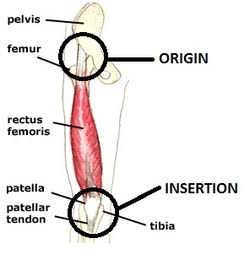
Definition of Key Terms: Muscular System Comprehensive anatomical study of the fundamental terminology of the muscular system, focusing on the hierarchical organization of skeletal muscle, the functional concepts of origin and insertion, and clinical applications for diagnosis and rehabilitation. 1. Introduction Understanding the fundamental terminology of the muscular system is essential for clinical practice. The terms muscle, origin, and insertion form the foundation upon which all knowledge of muscle anatomy, physiology, and pathology is built. These concepts enable the clinician to predict muscle action, identify sites of injury, and plan appropriate rehabilitation strategies. 2. Definition of Muscle A muscle is a soft tissue structure composed of elongated cells (muscle fibers) that have the specialized ability to contract and produce force. Muscle tissue is one of the four primary tissue types in the human body. It is responsible for movement, maintenance of posture, joint stabilization, heat production, and organ protection. Histological Classification Muscles are classified into three distinct histological types: Skeletal Muscle: Typically attached to bones via tendons; under voluntary control. Smooth Muscle: Found in the walls of hollow organs and blood vessels; operates involuntarily. Cardiac Muscle: Forms the walls of the heart; functions involuntarily. 2.1 Structural Organization of a Skeletal Muscle A skeletal muscle exhibits a hierarchical organization from the gross to the microscopic level: Muscle (Whole Organ): The complete muscle is surrounded by a dense irregular connective tissue sheath called the epimysium. This layer protects the muscle from friction against surrounding structures. Fascicle: The muscle is internally divided into bundles of muscle fibers called fascicles. Each fascicle is surrounded by the perimysium, which contains blood vessels and nerves. Muscle Fiber (Muscle Cell): Individual cells within the fascicle, surrounded by the endomysium, a delicate layer of areolar connective tissue. Myofibril: Thread-like structures within each fiber containing contractile proteins (actin and myosin) arranged in units called sarcomeres. 2.2 Muscle Attachments Muscles attach to bones through two primary structures: Tendon: A tough, cord-like band of dense regular connective tissue. Tendons are highly resistant to tension and efficiently transmit contractile force to the skeleton. Aponeurosis: A broad, flat sheet of connective tissue that serves the same function as a tendon. Key Points A muscle is a contractile tissue composed of fibers organized into fascicles. The epimysium, perimysium, and endomysium surround the whole muscle, fascicles, and fibers, respectively. Tendons connect muscles to bones and transmit force. 3. Definition of Origin The origin of a muscle is the attachment site that remains relatively fixed during muscle contraction. It serves as the anchor point from which the muscle pulls. 3.1 Characteristics of the Origin Proximal Location: Usually located on the bone closer to the axial skeleton. (Example: Biceps brachii origin is on the scapula). Greater Stability: The bone at the origin site is typically larger and more stable, providing a firm anchor for contraction. Multiple Origins: Some muscles have more than one. These are named by the number of heads: bi- (2), tri- (3), or quadri- (4). 4. Definition of Insertion The insertion of a muscle is the attachment site that moves during muscle contraction. It is typically the distal attachment, farther from the trunk or center of the body. 4.1 Characteristics of the Insertion Distal Location: Usually located on the bone farther from the axial skeleton. (Example: Gastrocnemius insertion is on the calcaneus). Greater Mobility: The bone at the insertion site is more mobile, allowing the muscle to produce movement at the joint. Reversibility of Action: Roles can reverse depending on the movement. In a pull-up, the insertion (hand) is fixed, and the origin (trunk) moves toward the insertion. Functional Note Origin and insertion are functional concepts rather than absolute anatomical designations, as their roles can reverse based on stabilizing forces or gravity. 5. Related Anatomical Terms Muscle Belly: The thick, central contractile portion of the muscle located between the origin and insertion. It is the part that bulges or shortens during contraction. Tendon: Primarily composed of parallel collagen fibers. They are relatively avascular and contain Golgi tendon organs to detect tension and prevent injury. Ligament: Dense regular connective tissue connecting bone to bone. Their function is to stabilize joints and limit excessive movement. Fascicle: A bundle of muscle fibers surrounded by perimysium. Arrangements include parallel, fusiform, pennate, circular, and convergent. Muscle Fiber: Multi-nucleated cells containing myofibrils. They range from 10 to 100 micrometers in diameter. 6. Summary Table: Key Terms Term Definition Clinical Relevance Muscle Contractile tissue composed of fibers producing force. Target of rehabilitation; site of strains/tears. Origin The relatively fixed, proximal attachment. Less commonly injured; avulsions may occur. Insertion The movable, distal attachment. Common site of tendinitis and avulsion fractures. Tendon Connective tissue connecting muscle to bone. Site of tendon rupture. Ligament Connective tissue connecting bone to bone. Site of sprains; crucial for stability. Muscle Belly The thick, contractile central portion. Site of muscle strains and contusions. 7. Clinical Relevance Understanding muscle origins and insertions has direct clinical applications: Muscle Testing: Knowledge of attachments allows clinicians to test strength by placing a joint at a mechanical disadvantage (e.g., abducting the arm against resistance to test the deltoid). Injection Sites: Intramuscular injections are administered into the muscle belly to avoid major nerves and vessels. Avulsion Fractures: Occur when a tendon or ligament pulls a fragment of bone away. Common at the tibial tuberosity (patellar ligament insertion) or ischial tuberosity (hamstring origin). Surgical Approaches: Surgeons must plan incisions to preserve muscle function and avoid important neurovascular structures based on attachment maps. Clinical Key Points The origin is fixed/proximal; the insertion is movable/distal. Avulsion fractures commonly occur at muscle insertion sites. Knowledge of attachments is essential for surgical planning and injection technique.

Categories: Memory, forgetting, attention, concentration, intelligence, emotions
Medical Psychology

Memory, Forgetting, Attention, Concentration, Intelligence and Emotions

Mental Processes A comprehensive anatomical and psychological study of memory, forgetting, attention, concentration, intelligence, and emotions for Medical students. 1. Memory Definition: Memory is the mental process by which information is encoded, stored, and retrieved over time. It enables individuals to retain and use past experiences, learn new skills, and adapt to changing environments. Memory is not a single entity but a system of interrelated processes and storage systems. 1.1 The Three Processes of Memory Memory involves three fundamental processes that operate sequentially and interactively: Encoding: The process of converting sensory input into a form that can be stored. Effective encoding requires attention and often involves elaboration (making meaningful associations) and organization. Storage: The retention of encoded information over time. Storage can be brief (seconds to minutes) or long-lasting (years to decades). Retrieval: The process of accessing stored information when needed. Retrieval can be deliberate (recall) or triggered by cues (recognition). 1.2 Stages of Memory Stage Duration Capacity Characteristics Sensory Memory 0.5-3 seconds Very large Brief retention; iconic (visual) or echoic (auditory). Short-Term Memory (STM) 15-30 seconds 7 +/- 2 items Temporary storage; vulnerable to interference. Working Memory Seconds to minutes Limited Active manipulation of information; includes phonological loop and visuospatial sketchpad. Long-Term Memory (LTM) Minutes to lifetime Essentially unlimited Relatively permanent storage; requires consolidation. 1.3 Types of Long-Term Memory Explicit (Declarative): Involves conscious recollection. Episodic: Personal experiences and events. Semantic: General knowledge and concepts. Implicit (Non-declarative): Operates without conscious awareness. Procedural: Skills and habits (e.g., riding a bike). Priming: Facilitated processing of previously encountered stimuli. Conditioning: Learned associations. 1.4 Brain Structures in Memory Hippocampus: Critical for encoding new explicit memories and consolidation. Amygdala: Modulates emotional memory and consolidation of significant events. Prefrontal Cortex: Supports working memory and strategic retrieval. Cerebellum & Basal Ganglia: Involved in procedural memory. Clinical Correlation Pathological Memory Loss Alzheimer’s Disease: Progressive decline in episodic memory. Korsakoff’s Syndrome: Caused by thiamine deficiency in chronic alcoholism; produces severe anterograde amnesia and confabulation. Dissociative Amnesia: Memory loss for personal information due to psychological trauma. 2. Forgetting Definition: Forgetting is the loss or failure to retain information over time. It is a normal adaptive process that prevents information overload, though pathological forgetting indicates neurological or psychological disorders. 2.1 Theories of Forgetting Theory Explanation Example Decay Theory Memory traces fade over time if not used. Forgetting a phone number learned briefly. Interference Theory Competition between similar memories. Learning French interferes with old Spanish. Retrieval Failure Information is stored but lacks cues to access it. Tip-of-the-tongue phenomenon. Motivated Forgetting Unconscious suppression of unpleasant memories. Trauma survivor unable to recall details. Key Strategy Spaced Repetition Hermann Ebbinghaus demonstrated that 50% of learned information is forgotten within the first hour. Spaced repetition (reviewing material at increasing intervals) is the most effective strategy to counteract the forgetting curve. 3. Attention Definition: Attention is the cognitive process of selectively concentrating on specific aspects of information while ignoring other distractors. It is a limited resource. 3.1 Types of Attention Selective Attention: Focusing on one stimulus (e.g., listening in a noisy room). Divided Attention: Multi-tasking (e.g., driving while talking). Sustained Attention: Maintaining focus over time (e.g., monitoring vitals during surgery). Alternating Attention: Shifting focus between tasks with different demands. Clinical Relevance ADHD: Characterized by inattention and impulsivity. Delirium: Acute onset of impaired attention and awareness. Hemispatial Neglect: Usually due to right parietal damage; failure to attend to the contralateral side of space. 4. Concentration Definition: Concentration is the mental process of directing and sustaining focused attention on a specific task while excluding distractions. 4.1 Factors Affecting Concentration Factor Effect Clinical Implication Sleep Deprivation Reduces sustained attention. Risk of errors in night shift clinicians. Fatigue Decreases cognitive endurance. Rest breaks improve performance. Substance Use Alcohol impairs; stimulants may enhance temporarily. Long-term use causes cognitive deficits. 5. Intelligence Definition: Intelligence is the mental capacity to learn from experience, adapt to new situations, and handle abstract concepts. 5.1 Theories of Intelligence Spearman’s g Factor: General intelligence underlies all cognitive abilities. Gardner’s Multiple Intelligences: Eight independent intelligences (Linguistic, Musical, Logical, etc.). Emotional Intelligence: The ability to perceive and manage emotions; critical for professional success. Clinical Note Intellectual Disability Diagnosed when IQ is below 70 with concurrent deficits in adaptive functioning. Levels include Mild (50-70), Moderate (35-49), Severe (20-34), and Profound (<20). 6. Emotions Definition: Emotions are complex psychological states involving subjective experience, physiological arousal, expressive behavior, and cognitive appraisal. 6.1 The Four Components of Emotion Subjective Experience: The conscious “feeling” (happy, sad). Physiological Arousal: Autonomic changes (HR, BP, respiration). Expressive Behavior: Facial expressions and body posture. Cognitive Appraisal: Evaluation of a situation’s significance. 6.2 Major Theories of Emotion James-Lange Theory: Emotion results from physiological arousal (we feel afraid because we tremble). Cannon-Bard Theory: Arousal and emotional experience occur simultaneously. Schachter-Singer Two-Factor: Emotion requires physiological arousal plus a cognitive label. Context: Northern Uganda In Northern Uganda, where communities have experienced prolonged conflict, the psychological impact of stress and trauma on child growth and mental development has been documented extensively, emphasizing the need for trauma-informed care. 7. Summary Tables 7.1 Memory Systems Overview System Type Duration Brain Structure Sensory Pre-attentive < 3 sec Sensory cortices STM Explicit 15-30 sec Prefrontal cortex Episodic Explicit/LTM Lifetime Hippocampus Procedural Implicit/LTM Lifetime Basal ganglia/Cerebellum

Categories: Thinking, reasoning, consciousness, sleep, sensation, perception
Medical Psychology

Thinking, Reasoning, Consciousness, Sleep, Sensation and Perception

Mental Processes A comprehensive study of higher-order cognitive functions including Thinking, Reasoning, Consciousness, Sleep, Sensation, and Perception. 1. Thinking Definition: Thinking is a cognitive process involving the manipulation of mental representations (images, concepts, symbols, and ideas) to form new associations, solve problems, make decisions, and create new knowledge. It is a higher-order mental process that goes beyond immediate perception and memory. 1.1 Types of Thinking Type of Thinking Description Example Perceptual/Concrete Thinking based on direct sensory experience and immediate reality. A child sorting objects by color or shape. Conceptual/Abstract Thinking using ideas, concepts, and symbols rather than concrete objects. Understanding justice, freedom, or democracy. Reflective Thinking Deliberate, careful consideration of ideas and experiences. A clinician analyzing a complex case before making a diagnosis. Creative Thinking Generation of novel, original ideas and solutions. An artist developing a new painting style. Critical Thinking Objective analysis and evaluation of information to form judgments. Evaluating the strength of evidence in a research study. Directed/Associative Thinking that follows a logical sequence or makes free associations. Problem-solving vs. daydreaming. 1.2 Elements of Thinking Thinking involves several key structural elements: Concepts: Mental categories that group objects, events, or ideas based on shared characteristics. Propositions: Statements that express relationships between concepts. Mental Images: Visual representations of objects or events in the mind. Schemas: Organized frameworks of knowledge that help interpret new information. 1.3 Problem-Solving and Decision-Making Problem-Solving Steps: (1) Identifying and defining the problem, (2) generating possible solutions, (3) evaluating alternatives, (4) selecting and implementing the best solution, and (5) assessing the outcome. Common Obstacles: Mental set (fixation on familiar solutions), functional fixedness (inability to see new uses for objects), and confirmation bias. Heuristics (Mental Shortcuts): — Availability Heuristic: Judging probability by ease of recall. — Representativeness Heuristic: Judging by similarity to prototypes. Clinical Relevance Impaired Thinking Impaired thinking is a hallmark of several psychiatric and neurological conditions. In Schizophrenia, thought disorder manifests as disorganized speech and delusions. In Dementia, thinking becomes concrete and inflexible. Cognitive rehabilitation aims to restore or compensate for these impaired abilities. 2. Reasoning Definition: Reasoning is the cognitive process of drawing inferences, conclusions, or judgments from evidence, premises, or principles. It enables prediction, explanation, and justification of beliefs. 2.1 Types of Reasoning Type Description Clinical Relevance Deductive Drawing specific conclusions from general principles; must be true if premises are true. Applying general medical knowledge to a specific patient. Inductive Drawing general conclusions from specific observations; conclusions are probable. Formulating a diagnosis from presenting symptoms. Abductive Inferring the most likely explanation from incomplete observations. Differential diagnosis in clinical practice. Analogical Solving problems by comparing to similar situations. Using analogies to explain medical conditions to patients. 2.2 Errors in Reasoning (Cognitive Biases) Confirmation Bias: Seeking information that confirms pre-existing beliefs while ignoring contradictory evidence. Availability Heuristic: Overestimating the likelihood of events that are easily recalled (e.g., overdiagnosing a rare condition recently seen). Anchoring Bias: Relying too heavily on the first piece of information encountered. Attribution Bias: Attributing behavior to internal characteristics rather than situational factors. 3. Consciousness Definition: Consciousness is the state of awareness of oneself and the environment, including the ability to perceive, think, feel, and respond to stimuli. 3.1 Levels of Consciousness Level Characteristics Clinical Significance Alert Fully aware, oriented to time, place, and person. Normal baseline state. Confusion Disorientation, difficulty following commands. Seen in delirium, infections, metabolic disturbances. Lethargy Drowsy but arousable; reduced alertness. Early sign of CNS depression. Obtundation Difficult to arouse; requires strong stimulation. Moderate CNS impairment. Stupor Unresponsive except to vigorous, repeated stimuli. Severe CNS dysfunction. Coma Unarousable, unresponsive to all stimuli. Severe brain injury, overdose, stroke. Clinical Tool Glasgow Coma Scale (GCS) The standard tool for assessing level of consciousness across three domains: Eye opening (1-4), Verbal response (1-5), and Motor response (1-6). Scores range from 3 (deep coma) to 15 (fully alert). 4. Sleep Definition: A naturally recurring state of altered consciousness characterized by reduced responsiveness, decreased muscle activity, and distinct brain activity patterns. 4.1 Stages of Sleep Stage Brain Waves Function N1 (Light Sleep) Theta waves (4-7 Hz) Onset of sleep; relaxation. N2 (True Sleep) Theta with sleep spindles Memory consolidation; motor skill learning. N3 (Deep/Slow-Wave) Delta waves (0.5-4 Hz) Physical restoration; growth hormone release. REM Sleep High-frequency waves Vivid dreaming; muscle atonia; emotional processing. 4.3 Sleep Disorders Insomnia: Difficulty falling or staying asleep; causes daytime fatigue. Sleep Apnea: Repeated pauses in breathing; characterized by loud snoring. Narcolepsy: Sudden, uncontrollable daytime sleep episodes; includes cataplexy. Restless Legs Syndrome (RLS): Irresistible urge to move legs, worsening at rest. Parasomnias: Abnormal behaviors like sleepwalking or night terrors. 5. Sensation Definition: The process by which sensory receptors detect, transduce, and transmit physical energy from the environment into neural signals. 5.1 The Process of Sensation Reception: Detection of energy by specialized receptors. Transduction: Conversion of energy into electrochemical signals. Transmission: Relay of signals through pathways to the CNS. 5.2 The Five Classical Senses Sense Receptor Pathway/Cortex Vision Rods and Cones (Retina) Optic nerve → Lateral geniculate nucleus Hearing Hair cells (Cochlea) Auditory nerve → Cochlear nucleus Touch Mechano/Thermo/Nociceptors Spinal cord → Thalamus → Somatosensory cortex Taste Taste buds (Tongue) CN VII, IX, X → Solitary nucleus Smell Olfactory receptors Olfactory bulb → Piriform cortex 6. Perception Definition: The process by which the brain organizes, interprets, and gives meaning to sensory information. It is an active, constructive process. 6.1 Principles of Perceptual Organization (Gestalt) Figure-Ground: Separation of an object from its background. Proximity: Near elements are perceived as a group. Similarity: Similar elements are grouped together. Continuity: Preference for smooth, continuous patterns. Closure: Filling in gaps to perceive complete objects. Common Fate: Elements moving in the same direction are seen as a unit. 6.3 Perceptual Constancies and Illusions Constancies: Size, Shape, and Color constancy allow stable perception despite changes in sensory input. Illusions: Errors in interpretation, such as the Mueller-Lyer (line length) or Ponzo (size-distance) illusions. Clinical Relevance Perceptual Disturbances Hallucinations: Perceptions in the absence of external stimuli. Illusions: Misperceptions of real stimuli. Agnosia: Inability to recognize sensory information despite

Definition of mental processes & how they affect behavior
Medical Psychology

Definition of mental processes & how they affect behavior

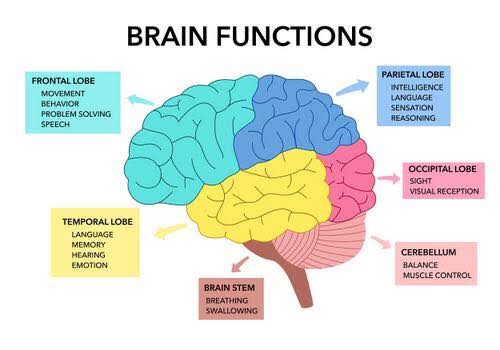
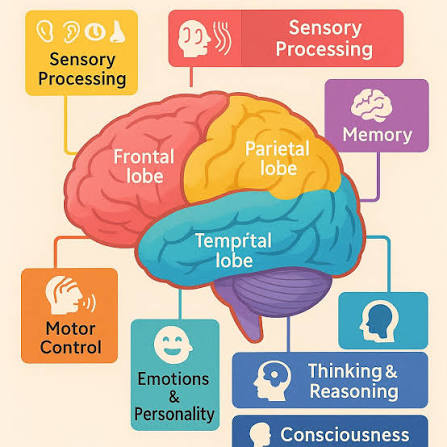
Mental Processes A comprehensive study on the internal activities of the mind, their categories, neurobiological foundations, and their profound influence on human behavior within a clinical context. 1. Introduction to Mental Processes Mental processes represent the internal activities of the mind that enable individuals to interpret, organize, and respond to information from the environment. These processes form the foundation of human cognition and are essential for adaptation, learning, and survival. Understanding these is fundamental to clinical medicine, as disturbances in these processes underlie numerous psychiatric and neurological conditions. For the clinical medicine student in Uganda, knowledge of mental processes provides the basis for assessing cognitive function, diagnosing mental health disorders, and formulating management plans for patients presenting with altered mental states. 2. Definition and Characteristics Definition Mental Processes (also called cognitive or psychological processes) are the internal, dynamic activities of the mind through which an individual acquires, stores, retrieves, and uses information. They include thinking, reasoning, perception, memory, attention, consciousness, and emotion, operating both consciously and unconsciously. 2.1 Characteristics of Mental Processes Internal: They occur within the individual and are not directly observable; they must be inferred from behavior, self-report, or physiological measures. Dynamic: They are active and continuously changing to adapt to new information. Interactive: simultaneous operation where one affects the other (e.g., attention affecting perception). Goal-Directed: They serve adaptive functions to help organisms respond to challenges. Individual Variation: Efficiency and style vary based on genetics, experience, and health status. Key Distinction Mental processes are distinct from mental states. A mental state (like anxiety) is a temporary condition, whereas a mental process is the ongoing operation that produces or maintains that state. 3. Components and Types of Mental Processes Category Description Examples Cognitive Activities involved in acquiring and using information. Thinking, reasoning, problem-solving. Perceptual Organization and interpretation of sensory data. Sensation, perception, recognition. Memory Encoding, storing, and retrieving information. Short-term, long-term, recall. Attentional Selection and focus of mental resources. Selective, divided, and sustained attention. Consciousness Awareness of oneself and the environment. Wakefulness, sleep, altered states. Emotional Experiencing and regulating feelings. Emotion recognition, mood. Motivational Initiating and sustaining goal-directed behavior. Drive, incentive, goal-setting. 3.1 Cognitive Processes Thinking involves manipulating mental representations to form concepts and solve problems. Reasoning is the process of drawing conclusions from evidence. These rely heavily on the prefrontal cortex for executive functions. 3.2 Perceptual Processes Sensation is the detection of physical energy by receptors. Perception is the subsequent organization of these signals into meaningful experiences, influenced by prior knowledge and expectations. 3.3 Memory Processes Includes Encoding (conversion to storable form), Storage (maintenance over time), and Retrieval (accessing info). It comprises subsystems like sensory memory, working memory, and long-term memory. 4. Relationship Between Mental Processes and Behavior Mental processes serve as the mediators between environmental stimuli and behavioral responses. No behavior occurs without underlying mental activity. 4.1 Mediators of Behavior Appraisal: Evaluating a stimulus for relevance or threat (e.g., appraising a snake as dangerous triggers avoidance). Decision-Making: Weighing alternative responses based on goals. Learning and Memory: Past rewards increase the likelihood of repeated behavior; punishments suppress them. 4.2 How Specific Processes Affect Behavior Perception: Shapes responses; two people may react differently to the same medical procedure based on expectations. Emotion: Fear triggers flight; anger triggers aggression. The amygdala modulates these responses. Motivation: Directs behavior toward goals like hunger (biological) or achievement (psychological). The Biopsychosocial Model Behavior results from the interaction of Biological factors (genetics, brain structure), Psychological factors (mental processes, coping styles), and Social factors (culture, family, SES). 5. Neurobiological Basis of Mental Processes Brain Structure Primary Mental Processes Clinical Relevance Prefrontal Cortex Executive functions, planning, working memory Impaired in ADHD, Schizophrenia Hippocampus Memory encoding and consolidation Damaged in Alzheimer’s disease Amygdala Emotion processing, fear conditioning Hyperactive in Anxiety/PTSD Thalamus Sensory relay, attention modulation Altered consciousness in Thalamic stroke Cerebellum Motor learning, procedural memory, timing Ataxia Temporal Lobes Auditory processing, language comprehension Wernicke’s aphasia Parietal Lobes Spatial perception, sensory integration Neglect syndrome Occipital Lobes Visual processing, pattern recognition Visual agnosia, cortical blindness Reticular Activating System Arousal, wakefulness, attention Coma Role of Neurotransmitters Dopamine: Reward, motivation, and executive function. Serotonin: Mood regulation and sleep. Acetylcholine: Essential for memory and attention. Norepinephrine: Modulates arousal and alertness. 6. Clinical Relevance Cognitive Impairment: Assessed via tools like MMSE (Mini-Mental State Examination) and MoCA (Montreal Cognitive Assessment) in dementia or brain injury. Psychiatric Disorders: Depression involves negative cognitive biases; Schizophrenia involves disorganized thinking and hallucinations. Substance Use: Alcohol impairs judgment by depressing CNS activity; stimulants increase dopamine, potentially causing paranoia. Pain Management: Pain perception is modulated by attention and anxiety. Cognitive-behavioral approaches target these mental processes. 7. Summary Table: Mental Processes and Behavioral Effects Mental Process Effect on Behavior Clinical Example Perception Guides response to environmental stimuli Hallucinations in Schizophrenia Attention Determines what info guides behavior ADHD: impaired sustained attention Memory Past experiences shape current responses Amnesia: inability to form new memories Thinking Enables problem-solving and planning Dementia: disorganized thinking Reasoning Supports decision-making and judgment Frontal lobe damage: impaired judgment Emotion Motivates approach or avoidance Depression: persistent low mood Motivation Influences goal pursuit and persistence Anhedonia: loss of motivation 8. Key Points Mental processes are internal, dynamic mind activities mediating between stimuli and behavior. They include cognitive, perceptual, memory, attentional, consciousness, emotional, and motivational categories. Key structures include the prefrontal cortex, hippocampus, amygdala, and thalamus. Neurotransmitters like dopamine and serotonin are critical modulators. Clinical assessment of these processes is essential for diagnosing psychiatric and neurological conditions.

Developmental disorders in childhood and adolescence
Medical Psychology

Developmental disorders in childhood & adolescence

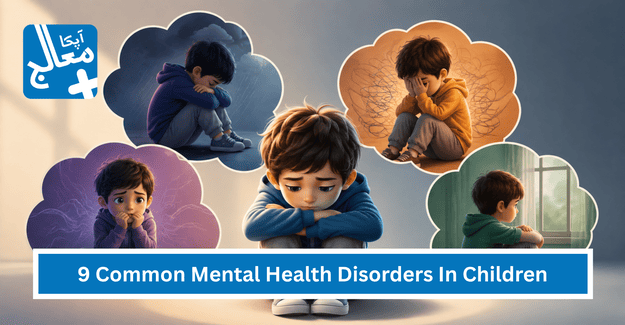
Developmental Disorders A comprehensive study of conditions characterized by significant impairment in physical, cognitive, language, social, or behavioral development. These disorders typically manifest during the developmental period and have lifelong implications for the individual and society. 1. Introduction Developmental disorders result from a complex interaction of genetic, environmental, and neurological factors. In Uganda, these disorders are often underdiagnosed due to limited specialist services, cultural beliefs, and significant social stigma. Clinical and medical officers play a vital role in recognizing early warning signs and initiating the appropriate referral pathways to optimize lifelong outcomes. 2. Autism Spectrum Disorder (ASD) Definition: A neurodevelopmental condition characterized by persistent deficits in social communication and social interaction across multiple contexts, combined with restricted, repetitive patterns of behavior, interests, or activities. 2.1 Diagnostic Criteria (DSM-5) A. Persistent deficits in social communication and interaction: Social-emotional reciprocity: Abnormal back-and-forth conversation; reduced sharing of interests or emotions. Nonverbal communicative behaviors: Poor eye contact, abnormal body language, and a lack of facial expressions. Relationships: Difficulty adjusting behavior to various social contexts; absence of interest in peers. B. Restricted, repetitive patterns of behavior: Stereotyped movements: Hand-flapping, lining up toys, or echolalia (repeating words/phrases). Insistence on sameness: Inflexible adherence to routines or ritualized patterns of behavior. Fixated interests: Highly restricted interests that are abnormal in intensity or focus. Sensory issues: Hyper- or hyporeactivity to sensory input (adverse response to specific textures/sounds; indifference to pain). 2.2 Epidemiology and Aetiology Global prevalence is approximately 1%, with a male-to-female ratio of 4:1. Risk factors include advanced parental age, prenatal exposure to valproate, and genetic syndromes like Fragile X. There is no scientific evidence linking vaccines to autism. Clinical Presentation in Uganda Children with ASD in Uganda are frequently mislabeled as “possessed,” “cursed,” or “stubborn.” Common presenting complaints include delayed speech, inability to play with peers, and extreme tantrums when routines are disrupted. Some may display “savant skills” in music or mathematics. 2.3 Management Early Intervention: Speech therapy, occupational therapy, and behavioral interventions like Applied Behaviour Analysis (ABA). Educational Support: Special needs education with Individualised Education Plans (IEPs). Pharmacological: No medication treats core symptoms. Risperidone or aripiprazole may be used for severe irritability or self-injury. 3. Attention Deficit Hyperactivity Disorder (ADHD) Definition: A neurodevelopmental disorder characterized by a persistent pattern of inattention and/or hyperactivity-impulsivity that interferes with functioning. Symptoms must be present before 12 years of age and in two or more settings (e.g., home and school). 3.1 Subtypes Predominantly inattentive: Difficulty sustaining attention, following instructions, and completing schoolwork. Appears forgetful and easily distracted. Predominantly hyperactive-impulsive: Excessive fidgeting, inability to remain seated, excessive talking, and difficulty waiting for turns. Combined presentation: Meets criteria for both inattention and hyperactivity. Etiology & Complications Global prevalence is 5–7%. Heritability is approximately 75%. Untreated ADHD increases the risk of conduct disorder, substance abuse, and unemployment. In Uganda, these children are often punished for “laziness” or “disobedience.” 3.2 Management Behavioral: Parent management training and classroom behavior modification. Pharmacological: Stimulants (Methylphenidate, Amphetamines) are first-line. Non-stimulants include Atomoxetine. Support: Seating near the teacher, breaking tasks into small steps, and allowing movement breaks. 4. Specific Learning Disorders (Dyslexia) Definition: Persistent difficulties learning academic skills, with onset during school-age years. Dyslexia refers specifically to impairment in reading accuracy, fluency, or comprehension despite adequate intelligence. 4.1 Clinical Features and Management Features: Slow/inaccurate reading, letter reversals (b/d, p/q), word substitutions, and poor spelling. Management: Structured literacy instruction (e.g., Orton-Gillingham approach), multisensory teaching, and accommodations such as extra time for tests or text-to-speech technology. 5. Intellectual Disability Definition: Characterized by deficits in intellectual functioning (reasoning, problem-solving) and adaptive functioning (social skills, self-care) with onset during the developmental period. 5.1 Causes Genetic: Down syndrome, Fragile X, Phenylketonuria (PKU). Prenatal: Fetal alcohol syndrome, TORCH infections, iodine deficiency. Perinatal: Birth asphyxia, prematurity, hypoglycemia. Postnatal: Meningitis, encephalitis, head trauma, severe malnutrition, lead poisoning. 6. Cerebral Palsy (CP) Definition: A group of permanent disorders of movement and posture caused by non-progressive disturbances in the developing fetal or infant brain. It is the most common physical disability in childhood. 6.1 Classification Spastic CP (70–80%): Increased muscle tone, hyperreflexia, and contractures (Hemiplegia, Diplegia, Quadriplegia). Dyskinetic CP: Involuntary movements (chorea, athetosis) due to basal ganglia injury. Ataxic CP: Poor coordination and depth perception (cerebellar involvement). 6.2 Risk Factors and Management Risk Factors: Prematurity/low birth weight (most significant), birth asphyxia, kernicterus (severe jaundice), and maternal infections. Management: Multidisciplinary rehab (Physio/OT/Speech), orthopaedic interventions (tendon release, Baclofen, Botox), and assistive devices (wheelchairs, orthoses). 7. Down Syndrome Definition: A chromosomal disorder caused by the presence of an extra copy of Chromosome 21 (Trisomy 21). It is the most common chromosomal cause of intellectual disability. 7.1 Clinical Features and Complications Dysmorphic Features: Flat facial profile, upslanting palpebral fissures, epicanthal folds, protruding tongue, and single palmar crease. Medical Complications: Congenital heart disease (40–50%), gastrointestinal anomalies (Hirschsprung disease), hypothyroidism, and increased risk of leukemia. 8. Summary Table: Developmental Disorders Disorder Core Deficit Key Features Management Autism (ASD) Social communication Repetitive behaviors; sensory issues Behavioral therapy; family support ADHD Attention & Impulse control Inattention; hyperactivity; impulsivity Stimulants; behavioral therapy Dyslexia Reading ability Phonological deficits; poor spelling Phonics; assistive technology Intellectual Disability Intellectual & Adaptive function Delayed milestones; poor reasoning Special education; vocational training Cerebral Palsy Motor control Spasticity; posture abnormalities Physiotherapy; orthopaedics Down Syndrome Chromosomal (Trisomy 21) Dysmorphic features; heart defects Early intervention; cardiac screening 9. Clinical Assessment Developmental History: Precise milestone history, pregnancy/birth history, and educational history. Physical Examination: Growth parameters, dysmorphic features, and full neurological exam. Screening Tools: Denver Developmental Screening Test (DDST), Ages and Stages Questionnaire (ASQ), M-CHAT (Autism), and Conners Rating Scale (ADHD). Investigations: Karyotype/microarray, metabolic screening, and neuroimaging (CT/MRI). 10. Key Points Developmental disorders are underdiagnosed but have significant lifelong impact. ASD focuses on social deficits; ADHD on focus and impulse control. Cerebral Palsy is a non-progressive motor disability. Down Syndrome requires regular screening for cardiac and thyroid complications. Early identification and intervention dramatically improve outcomes.

Cognitive Growth (Jean Piaget) & Moral Growth (Kohlberg)
Medical Psychology

Cognitive Growth (Jean Piaget) & Moral Growth (Kohlberg)

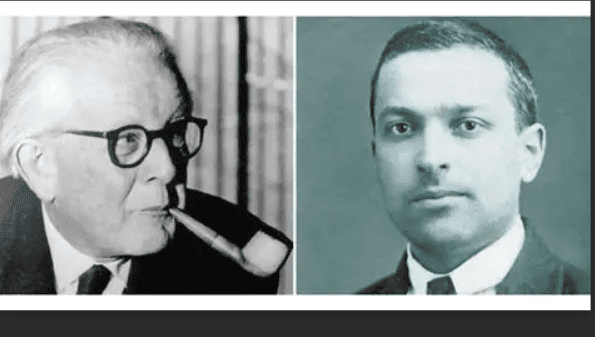
Theory of Cognitive and Moral Development A comprehensive study of Jean Piaget’s stages of intellectual growth and Lawrence Kohlberg’s levels of moral reasoning, with exhaustive detail on milestones, core concepts, and clinical applications in pediatric and adolescent medicine. PART A: JEAN PIAGET’S THEORY OF COGNITIVE DEVELOPMENT 1. Introduction Jean Piaget (1896–1980) proposed that cognitive development occurs through an invariant sequence of four qualitatively distinct stages. Each stage represents a fundamentally different way of understanding and interacting with the world. Progression is driven by the interaction between maturation, experience, and equilibration—the process of balancing existing knowledge with new information. 1.1 Core Concepts Schemas: Mental frameworks or categories that organize knowledge. These become increasingly complex as children develop. Assimilation: The process of incorporating new information into existing schemas. Accommodation: Modifying existing schemas or creating new ones to fit new information that does not fit current frameworks. Equilibration: The internal drive to maintain cognitive balance through the processes of assimilation and accommodation. 2. SENSORIMOTOR STAGE (BIRTH TO 2 YEARS) In this stage, infants learn about the world through sensory experiences and motor actions. Knowledge is limited to what can be directly perceived and manipulated. The child progresses from reflexive behavior to intentional, goal-directed action. 2.1 Key Achievements and Substages Reflexes (0–1 month): Newborns respond to environmental stimuli with innate reflexes such as sucking, grasping, rooting, and the Moro reflex. Primary circular reactions (1–4 months): Infants repeat pleasurable actions centered on their own bodies (e.g., thumb-sucking). Secondary circular reactions (4–8 months): Infants repeat actions that produce interesting effects on the environment (e.g., shaking a rattle to hear the sound). Coordination of secondary schemes (8–12 months): Infants begin to combine actions to achieve specific goals (e.g., removing a cover to reach a hidden toy). Tertiary circular reactions (12–18 months): Toddlers experiment actively with “trial and error” to discover new outcomes (e.g., dropping objects from different heights). Mental representation (18–24 months): The child develops symbolic thought and deferred imitation. Landmark Milestone Object Permanence: The understanding that objects continue to exist even when they are out of sight. This typically develops fully toward the end of the sensorimotor stage. 2.2 Clinical Relevance Object permanence is assessed clinically through the peek-a-boo game and hidden object tasks. Failure to develop this by 12–18 months may indicate cognitive impairment. Encouraging sensory-motor play and object permanence games supports healthy development. 3. PREOPERATIONAL STAGE (2 TO 7 YEARS) This stage is characterized by the emergence of symbolic thought and language. Children begin to use words, images, and symbols to represent objects; however, thinking remains egocentric and illogical by adult standards. 3.1 Key Characteristics Symbolic function: Children engage in pretend play, use language to represent absent objects, and draw pictures symbolically. Egocentrism: The inability to distinguish one’s own perspective from that of others. Demonstrated by the “three mountains task,” where the child assumes a doll sees exactly what they see. Centration: Focusing on only one aspect of a situation while ignoring others. Irreversibility: The inability to mentally reverse actions (e.g., failing to realize that a ball of clay rolled into a “snake” can be rolled back into a ball). Animism: Attributing life and intentions to inanimate objects (e.g., “the moon follows me”). Artificialism: Believing that natural phenomena are created by humans (e.g., “someone made the sun”). Clinical Application Health education for preoperational children must be concrete and visual. Abstract explanations are not understood. Use play therapy, picture books, and role-playing to help them process medical experiences. Clinicians should counsel caregivers that egocentrism is developmental, not a sign of defiance. 4. CONCRETE OPERATIONAL STAGE (7 TO 11 YEARS) Children develop the ability to think logically about concrete, tangible events. They can perform mental operations—actions carried out in the mind rather than through physical manipulation. 4.1 Key Achievements Conservation: Understanding that quantity (number, mass, volume) remains constant despite changes in appearance. Classification: The ability to group objects into categories and subcategories based on multiple attributes (e.g., sorting by color AND shape). Seriation: The ability to arrange objects in a logical quantitative order (e.g., ordering sticks by length). Reversibility: Understanding that mental operations can be reversed (e.g., 3 + 5 = 8, therefore 8 – 5 = 3). Decentration: The ability to consider multiple aspects of a problem simultaneously. 4.2 Limitations and Clinical Relevance Thinking remains tied to concrete reality; “what if” scenarios and abstract metaphors are not yet accessible. School-age children benefit from hands-on learning, diagrams, and step-by-step instructions. Informed assent for medical procedures should be concrete. 5. FORMAL OPERATIONAL STAGE (12 YEARS AND ABOVE) Represents mature, abstract reasoning. Adolescents can think hypothetically, reason deductively, and consider multiple variables simultaneously. 5.1 Key Achievements Hypothetical-deductive reasoning: The ability to formulate hypotheses and systematically test them. Abstract thought: Understanding complex concepts such as justice, love, freedom, and identity. Propositional logic: Reasoning about statements without reference to concrete reality. Metacognition: Thinking about one’s own thinking processes. Idealism: Constructing idealized visions of society. Adolescent Egocentrism Newfound abstract thought may produce the “imaginary audience”—the belief that others are constantly observing and evaluating them. This is critical when discussing sensitive health topics like substance use or sexual health. PART B: LAWRENCE KOHLBERG’S THEORY OF MORAL DEVELOPMENT 6. Introduction Lawrence Kohlberg (1927–1987) proposed that moral reasoning progresses through three levels, each containing two stages. He assessed this through hypothetical moral dilemmas, most notably the Heinz dilemma (deciding whether to steal a drug to save a life). 7. LEVEL 1: PRECONVENTIONAL MORALITY Typical of young children (4–10 years). Moral reasoning is based on direct consequences to the self. Stage 1: Obedience and Punishment Orientation: Behavior is defined by authority. An action is wrong if it results in punishment. Reasoning: “Heinz should not steal because he will go to jail.” Stage 2: Individualism and Exchange: Behavior is guided by self-interest and “fair deals.” Recognizes different viewpoints based on personal needs. Reasoning: “It’s fair to steal if he promises to pay back later.” 8. LEVEL 2: CONVENTIONAL MORALITY Typical of adolescents and most adults. Reasoning is based on conformity to social norms and laws.

Psycho-sexual stages (Sigmund Freud) & Social growth (Erik Erikson)
Medical Psychology

Psycho-sexual stages (Sigmund Freud) & Social growth (Erik Erikson)

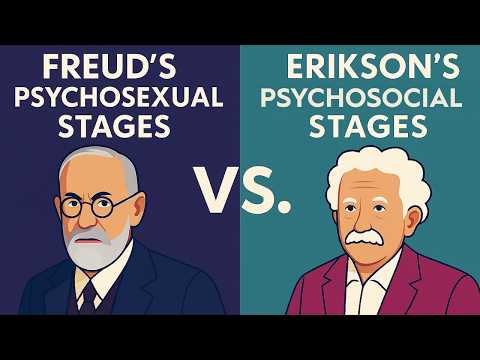
Developmental Theories: Freud & Erikson Comprehensive notes on the stages of human development, contrasting Sigmund Freud’s psychosexual model with Erik Erikson’s psychosocial framework, with specific focus on clinical implications and the Ugandan context. PART A: Sigmund Freud’s Psychosexual Stages 1. Introduction to Freud’s Theory Sigmund Freud (1856–1939) proposed that personality development occurs through five sequential stages. Each stage is defined by the concentration of libidinal (psychosexual) energy on a specific erogenous zone. Successful navigation results in a healthy personality, while failure to resolve conflicts leads to fixation—a persistent focus that influences adult behavior. 1.1 Structural Model of the Psyche The Id: Primitive, pleasure-seeking instincts. The Ego: Rational mediator between the id and reality. The Superego: Internalized moral standards and values. 2. The Psychosexual Stages Stage 1 The Oral Stage (Birth to 1 Year) Erogenous Zone: Mouth (lips, tongue, gums). Tasks: Weaning and establishing trust through feeding. Development of the ego begins. Fixation: Overindulgence or frustration leads to overeating, smoking, alcohol dependence, or excessive dependency in adulthood. Stage 2 The Anal Stage (1 to 3 Years) Erogenous Zone: Anus (bowel and bladder control). Tasks: Toilet training and delaying gratification. Fixation: Harsh training results in anal-retentive traits (perfectionism, rigidity). Lenient training results in anal-expulsive traits (disorganization, cruelty). Stage 3 The Phallic Stage (3 to 6 Years) Erogenous Zone: Genitals. Complexes: Oedipus Complex (boys) and Electra Complex (girls). Boys experience castration anxiety, leading them to identify with their father, through which the superego forms. Fixation: Results in sexual dysfunction, difficulty with authority, or narcissistic traits. Stage 4 The Latent Stage (6 Years to Puberty) Erogenous Zone: None (sexual feelings are dormant). Tasks: Development of social competence, intellectual pursuits, and defense mechanisms. Stage 5 The Genital Stage (Puberty to Adulthood) Erogenous Zone: Genitals (mature sexual expression). Tasks: Establishing identity, balancing personal desires with social responsibility, and consensual relationships. PART B: Erik Erikson’s Psychosocial Stages 7. Introduction to Erikson’s Theory Erik Erikson expanded Freud’s work into a lifespan model. He proposed eight stages, each defined by a central crisis. Successful resolution produce a basic virtue—a psychological strength. Erikson emphasized the role of social and cultural influences over biological drives. 8. The Pediatric Psychosocial Stages Stage 1 Trust vs. Mistrust (0–1 Year) Virtue: Hope. Clinical Relevance: Critical for promoting breastfeeding and kangaroo mother care. In Uganda, early skin-to-skin contact is vital for establishing this trust. Stage 2 Autonomy vs. Shame and Doubt (1–3 Years) Virtue: Will. Clinical Relevance: Toilet training must be patient. Forceful methods contribute to encopresis or enuresis. Stage 3 Initiative vs. Guilt (3–6 Years) Virtue: Purpose. Clinical Relevance: Children benefit from play therapy and preschool education. Community-based development programs in Uganda support this stage. Stage 4 Industry vs. Inferiority (6–12 Years) Virtue: Competence. Clinical Relevance: Monitor school performance. Deworming initiatives and health programs in schools support physical and mental industry. Stage 5 Identity vs. Role Confusion (12–18 Years) Virtue: Fidelity. Clinical Relevance: Risk behaviors (substance use, unsafe sex) may signal role confusion. Comprehensive sexuality education is essential for healthy identity formation. 9. Comparison Table: Freud vs. Erikson Feature Freud (Psychosexual) Erikson (Psychosocial) Focus Libidinal energy / Biological instincts Social and cultural context Span Childhood only (5 stages) Lifespan (8 stages) Driving Force Id, Ego, Superego Social crises and cultural demands Failure Outcome Fixation on erogenous zone Failure to acquire basic virtue Application Uncovering repressed conflicts Developmental assessment and counseling 10. Key Points Summary Freud: Focused on biological drives; unresolved childhood conflicts lead to adult fixations. Erikson: Emphasized conscious choice and social environment across the entire lifespan. Clinical Use: Erikson’s framework is more widely applied in modern counseling and developmental assessment. Early Experience: Both theories agree that early childhood experiences are the foundation for adult personality.

General physical stages of growth
Medical Psychology

General physical stages of growth

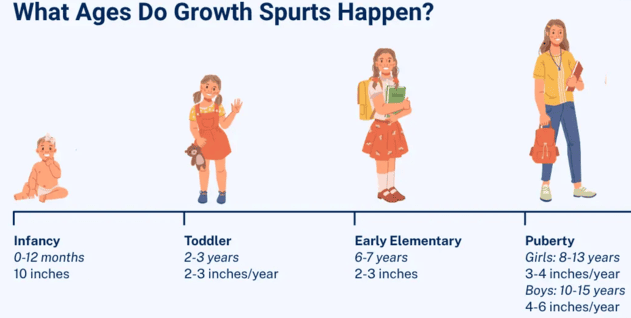
Physical Stages of Growth Human physical growth proceeds through a series of distinct, predictable stages from conception to maturity. Each stage is characterised by specific anatomical, physiological, and behavioural features. Recognition of these stages enables clinicians to anticipate normal developmental changes, identify deviations, and provide age-appropriate health guidance to caregivers. 1. Prenatal Period (Conception to Birth) The prenatal period encompasses the 40 weeks of gestation and is divided into three trimesters. This is the most rapid period of growth in the human lifespan. 1.1 First Trimester (0–12 Weeks) The fertilised ovum undergoes rapid cell division and differentiation. By the end of the first trimester, all major organ systems have begun formation. Clinical Alert: Teratogens The embryo is particularly vulnerable to teratogens—agents that cause congenital malformations. These include alcohol, certain medications, radiation, and infections such as rubella, toxoplasmosis, and syphilis. 22 Days: The heart begins beating. 4 Weeks: Limb buds appear. 1.2 Second Trimester (13–27 Weeks) The fetus grows from approximately 7.5 cm to 35 cm in length. Weight increases from 30 g to about 1,000 g. Lanugo: Fine hair covers the body. Vernix caseosa: A waxy coating protects the skin. Quickening: The mother begins to feel fetal movements at 18–20 weeks. Viability: By 24 weeks, the fetus reaches the threshold of viability, though survival requires intensive neonatal care. 1.3 Third Trimester (28–40 Weeks) The fetus gains approximately 200 g per week. Subcutaneous fat is deposited, and organ systems mature in preparation for extrauterine life. The brain undergoes rapid development, with gyri and sulci becoming more defined. Lung surfactant production increases, reducing the risk of respiratory distress syndrome. By 37 weeks, the fetus is considered term. 2. Infancy (Birth to 12 Months) Infancy is characterised by the most rapid postnatal growth rate. Birth weight typically doubles by 6 months and triples by 12 months. Length increases by 50% during the first year. 2.1 Neonatal Period (0–28 Days) This period represents the transition from intrauterine to extrauterine life. Physiological adaptations include closure of the ductus arteriosus and foramen ovale, expansion of the lungs, and establishment of independent temperature regulation. Normal Weight Changes Newborns lose 5–10% of birth weight in the first week due to fluid loss, then regain it by 10–14 days. Anterior Fontanelle: Measures 1.5–3 cm and pulsates with the heartbeat. 2.2 Physical Growth Patterns in Infancy Weight: Average birth weight is 2.5–4.0 kg. Gain is 20–30 g/day in the first 3 months, then 15–20 g/day until 6 months. Length: Increases by 25 cm in the first year (50 cm at birth to 75 cm at 12 months). Head Circumference (HC): Increases by 12 cm in the first year, reflecting rapid brain growth. Chest Circumference (CC): Equals head circumference by 6–12 months. 2.3 Motor Milestones 2 Months: Head lag disappears when pulled to sit; lifts head when prone. 4 Months: Rolls from prone to supine; brings hands to midline. 6 Months: Sits with support; transfers objects between hands. 9 Months: Sits independently; crawls; pulls to stand. 12 Months: Walks with support (cruising); may take first independent steps. 3. Toddlerhood (1–3 Years) Toddlerhood is marked by increasing independence, exploration, and the development of locomotion. Growth rate slows compared to infancy but remains steady. 3.1 Physical Growth Weight: Gains approximately 2 kg per year. Birth weight quadruples by 2 years (~12 kg). Height: Gains approx. 10–12 cm/year. Height at 2 years is approximately 85 cm. Head Circumference: Increases by 2 cm in the second year. Fontanelle Closure: Posterior by 2–3 months; anterior by 12–18 months. Dentition: Primary (deciduous) teeth erupt; 20 teeth are present by 30 months. 3.2 Motor Development 15 Months: Walks independently; stoops to pick up objects. 18 Months: Runs stiffly; climbs stairs with assistance; builds tower of 3–4 blocks. 24 Months: Runs well; kicks ball; climbs furniture; builds tower of 6–7 blocks. 36 Months: Rides tricycle; stands on one foot briefly; alternates feet on stairs. 4. Early Childhood / Preschool (3–6 Years) Early childhood is a period of steady growth and refinement of motor skills. Children become more coordinated and begin to engage in structured play. 4.1 Physical Growth & Proportions Growth Rate: Weight gains ~2 kg/year; Height gains ~6–8 cm/year. Body Proportions: The trunk lengthens; legs become proportionally longer. The characteristic “toddler pot belly” diminishes as abdominal muscles strengthen. Dentition: Primary dentition is complete; first permanent molars erupt around 6 years. 4.2 Motor Development 4 Years: Hops on one foot; catches ball with body; draws a person with 2–4 parts. 5 Years: Skips; catches ball with hands; draws a person with 6–8 parts; prints some letters. 6 Years: Rides bicycle with training wheels; ties shoelaces; copies a triangle. 5. Middle Childhood / School Age (6–12 Years) Characterised by slow, steady growth and the development of physical stamina and coordination. This is the period of the “latent phase” (Freud) and “industry versus inferiority” (Erikson). 5.1 Physical Growth Growth Rate: Weight gains ~2–3 kg/year; Height gains ~5–6 cm/year. Body Proportions: Approach adult proportions. The trunk and limbs elongate; the head appears smaller relative to the body. Dentition: Loss of primary teeth and eruption of permanent teeth begins. By 12 years, most permanent teeth except third molars have erupted. Muscle Mass: Increases gradually; boys develop more muscle mass than girls. 5.2 Motor Development Fine Motor: Writing, drawing detailed pictures, and playing musical instruments. Gross Motor: Running, jumping, swimming, and team sports. Handedness: Right or left dominance is firmly established. 6. Adolescence (12–18 Years) Transition from childhood to adulthood, marked by the pubertal growth spurt and sexual maturation. Divided into early (12–14), middle (14–16), and late (16–18) adolescence. 6.1 The Pubertal Growth Spurt The second most rapid period of growth after infancy, driven by growth hormone and sex steroids (oestrogen and testosterone). Girls typically enter the spurt 1–2 years earlier than boys. Girls: Peak height velocity at approx. 12 years (range 10–14). Average gain: 8–10 cm/year. Total gain: ~25 cm. Boys: Peak height velocity at approx. 14 years (range 12–16). Average gain: 10–12 cm/year. Total gain: ~28 cm. 6.2 Sexual Maturation (Tanner

Scroll to Top