Glycolysis step 4

CNS Topography Quiz

CNS Topography Exam

CNS Topography Quiz

Systems Anatomy

Enter your details to begin the examination.

🛡️ Privacy Note: Results are for tracking and certification purposes only.

Routes of Administration

Routes of Administration

Routes of Drug Administration

Routes of Administration


Fundamental Definitions and Concepts


What is a Drug?

In the strictest scientific sense, a drug is defined as any chemical agent or substance which affects, alters, or modifies any biological process within a living organism. It is important to realize that the body does not distinguish between a "therapeutic medication," an "environmental toxin," or a "recreational substance"—to the body's cells, they are all simply foreign chemicals (xenobiotics) that bind to biological targets and induce a change.

What is Pharmacology?

Pharmacology is the comprehensive scientific study of exactly how these drugs affect biological systems. It investigates the entire lifecycle of a drug interaction: from how the drug is manufactured and sourced, to how it travels through the bloodstream, how it binds to microscopic cellular receptors, and ultimately, how the body destroys and removes it.

The Five Major Branches of Pharmacology

To fully understand drug action, pharmacology is systematically divided into distinct domains:

1

Pharmacokinetics

"What the body does to the drug." This encompasses the four pillars of drug biodisposition: Absorption (getting in), Distribution (moving around), Metabolism/Biotransformation (being broken down by enzymes), and Excretion (leaving the body).

2

Pharmacodynamics

"What the drug does to the body." This looks at the microscopic level: drug receptors (the protein locks that drugs fit into), the physiological effects of the drug, cellular responses, and potential toxicity or adverse effects.

3

Pharmacotherapeutics

The clinical study of the strictly medical use of drugs to prevent, diagnose, or treat diseases.

4

Pharmacognosy

The highly specialized study of identifying, extracting, and isolating crude materials from natural sources to be used as drugs.

5

Toxicology

The study of the poisonous, adverse, and toxic effects of chemicals on living systems.


Sources of Drugs and Forms of Medication


Sources of Drugs (Pharmacognosy)

Historically, all drugs came from nature. Today, we source drugs from five primary categories:

  • Plants: The oldest source of medicine. Examples include Morphine (from the opium poppy), Digoxin (from the foxglove plant for heart failure), and Quinine (from the cinchona tree bark for malaria).
  • Animals: Historically, many hormones were extracted from slaughtered livestock. Examples include Insulin (previously extracted from pig and cow pancreases) and Heparin (a blood thinner extracted from pig intestines).
  • Minerals: Earthly elements used directly for health. Examples include Iron (for anemia), Lithium (for bipolar disorder), and Magnesium (as an antacid or laxative).
  • Synthetic: Today, the vast majority of drugs are entirely synthesized in chemistry laboratories. This allows for massive scaling, precise purity, and the structural modification of natural drugs to reduce side effects.
  • Microbes: Many life-saving drugs are produced by harnessing bacteria and fungi. The most famous example is Penicillin (produced by the Penicillium fungus).

Forms of Medication

Medications are practically never pure, raw chemicals. They are carefully formulated into specific "preparations" or "dosage forms." The form of the medication strictly dictates its route of administration. The composition of the medicine is intricately designed by pharmaceutical scientists to enhance its absorption, dictate its metabolism rate, and ensure patient compliance.

Common forms include:

  • Tablet: A solid dosage form made by highly compressing powdered drug and inactive binders into a hard pill.
  • Capsule: A drug enclosed within a gelatin shell. They dissolve quickly in the stomach, releasing the powder or liquid inside.
  • Elixir: A clear, sweetened, hydro-alcoholic liquid intended for oral use, perfect for drugs that do not dissolve easily in pure water.
  • Enteric-coated: A specially designed tablet with an acid-resistant shell. It passes through the highly acidic stomach unharmed and only dissolves when it reaches the alkaline environment of the small intestine. This protects sensitive drugs from destruction and protects the stomach from irritating drugs.
  • Suppository: A solid, bullet-shaped mass that is inserted into a body cavity (rectum or vagina) which is explicitly designed to melt at exact human body temperature (37°C) to release the drug.
  • Suspension: A liquid preparation containing undissolved solid drug particles. Because the drug settles at the bottom, these must be shaken vigorously before administration.
  • Transdermal patch: An adhesive patch placed on the skin that delivers a specific, slow, and continuous dose of medication through the skin and directly into the bloodstream.

Routes of Drug Administration

A route of administration is the specific anatomical path by which a drug, fluid, poison, or other substance is brought into contact with the body.

Routes of administration are broadly classified into three main channels based on whether they act locally or systematically, and whether they involve the digestive tract:

  • Enteral: Through the gastrointestinal tract (Oral, Sublingual, Buccal, Rectal).
  • Parenteral: Bypassing the gastrointestinal tract, usually via injection (IV, IM, SC, etc.).
  • Topical: Applied to a specific surface for a localized effect (Skin, eyes, ears, lungs).

Enteral Routes of Administration

The term Enteral comes from the Greek word enteron, meaning intestine. It refers to anything involving the alimentary tract, from the mouth down to the rectum.

A. Oral Route or Per Os (P.O.)

The oral route involves swallowing a drug. It is the most common, oldest, and generally most universally accepted route of administration. It utilizes the body's natural machinery used for digesting food, absorbing nutrients, and eliminating wastes.

Advantages of the Oral Route:

  • It is safe: Because absorption is relatively slow, there is a window of opportunity to induce vomiting or pump the stomach in case of an accidental overdose.
  • It is convenient: Patients can take it themselves anywhere.
  • It is cheap: Tablets and capsules do not require sterile manufacturing conditions like injectable fluids do.
  • No skilled personnel required: The patient does not need a nurse or doctor to administer the dose.

Disadvantages of the Oral Route:

  • Unpalatable drugs: Bitter or foul-tasting drugs can cause severe irritation to the intestinal tract, resulting in nausea, vomiting, and diarrhea.
  • Destruction by enzymes and acid: Some drugs are completely annihilated by stomach acid (HCl) or digestive enzymes before they can be absorbed. For example, Insulin is a protein; if swallowed, the stomach digests it just like a piece of meat, destroying its therapeutic value.
  • Not suitable for emergencies: It takes time for a pill to reach the stomach, dissolve, and be absorbed into the blood. When quick, life-saving action is desired, this route is too slow.
  • Not suitable for unconscious patients: An unconscious or actively vomiting patient cannot safely swallow a pill due to the high risk of choking or aspirating the drug into the lungs.
  • Requires patient cooperation: Uncooperative patients (e.g., small children, psychiatric patients, or animals) may refuse to swallow or secretly spit the pill out.
  • Slow, unpredictable, and irregular absorption: The presence of food (which delays gastric emptying), the varied stages of digestion, and the fluctuating acidity/alkalinity of digestive juices create massive variability in how much drug actually gets absorbed.
Crucial Concept

The First-Pass Effect

The oral route is highly not recommended for drugs undergoing an extensive First-Pass Effect.

What is it? When a drug is absorbed through the stomach and small intestine, it does NOT go straight to the heart to be pumped to the rest of the body. Instead, the blood from the gut is funneled directly into the Hepatic Portal Vein, which leads straight into the liver.

The liver acts as a chemical checkpoint. It is packed with drug-metabolizing enzymes. Many drugs are heavily metabolized (destroyed or altered) by the liver to a great extent before they ever reach the systemic circulation to be distributed to their site of action. If a drug has a 90% first-pass effect, swallowing 100mg means only 10mg will actually reach the rest of the body.

B. Sublingual Route

Derived from Latin (sub = under, lingua = tongue), this route involves placing the drug strictly underneath the tongue.

The mucosa (inner lining) under the tongue is extremely thin and supported by a massive, rich network of small blood vessels (capillaries). Drugs placed here dissolve in saliva and diffuse directly across the thin membrane into these veins.

Sublingual Classic Example: Nitroglycerine

Nitroglycerin is a highly lipid-soluble drug used to treat severe angina (crushing chest pain caused by the heart muscle not getting enough oxygenated blood). If given orally, the liver destroys nearly 100% of it via the first-pass effect. When placed sublingually, it bypasses the liver entirely, jumping directly into the systemic venous circulation. It reaches the heart in seconds, dilating blood vessels and saving the patient's life instantly.

Advantages:

  • Rapid absorption: Due to the rich blood supply and thin membrane.
  • Low enzyme activity: Saliva does not have the harsh drug-destroying enzymes that the stomach does.
  • NO first-pass effect: The veins under the tongue drain into the superior vena cava, bypassing the liver entirely.
  • Quick termination: If the patient experiences a bad side effect, they can simply spit the remaining tablet out to immediately stop absorption.

Disadvantages:

  • Discomfort: Holding a tablet under the tongue and avoiding swallowing saliva is uncomfortable.
  • Possibility of swallowing: If accidentally swallowed, the drug will be subjected to the first-pass effect and rendered useless.
  • Unpalatable & bitter drugs: It is highly unpleasant to hold a bad-tasting drug in the mouth.
  • Irritation: Can cause ulcers or irritation of the delicate oral mucosa.
  • Volume limitations: Only very small quantities of a drug can be administered this way.

C. Buccal Cavity Route

Similar to sublingual, but the dosage form is placed snugly between the gums and the inner lining of the cheek (the buccal pouch).

Advantages:

  • Ease of administration and termination: Can be easily placed and easily removed.
  • Avoidance of hepatic first-pass metabolism: Like the sublingual route, it drains directly into systemic veins.
  • Salivary secretion: Ensures adequate dissolution of the drug.
  • Bypasses stomach acid: Highly suitable for drugs prone to acidic degradation.
  • Minimal diffusion hindrance: A lack of heavy mucus secretion from goblet cells in the cheek means the drug diffuses easily without a mucus barrier building up beneath it.
  • Can be used in unconscious patients: Can be slipped into the cheek pouch of an unresponsive patient safely (if formulated correctly to avoid choking).
  • Controlled release: Initial mucoadhesion (sticking to the cheek) time can be engineered into the tablet to provide a steady, slow release of the drug over hours.

Limitations:

  • Not suitable for drugs requiring high, bulky doses.
  • High possibility that the patient forgets the tablet is there and accidentally swallows it.
  • Eating, drinking, and talking may be severely restricted while the tablet is in place.
  • Restricted for drugs that are severe irritants, have a terribly bitter taste/odor, or are unstable at salivary pH.
  • Limited surface area available for drug absorption compared to the massive surface area of the small intestine.
  • Lower permeability: The buccal membrane is thicker and slightly less permeable than the incredibly thin sublingual membrane.

D. Rectal Administration

In this route, the drug is administered deep into the rectum. The drug may be given rectally for a localized effect (like treating hemorrhoids) or for a full systemic effect when the patient cannot take medications orally.

Different Forms of Rectal Administration:

  • Suppositories: Small, solid, cone-shaped medicated masses. They are inserted into the rectum where they melt cleanly at body temperature. Example: Ergotamine suppositories for severe migraine headaches when the patient is too nauseous to swallow pills.
  • Enemas: The procedure of introducing large volumes of liquid (solutions or suspensions) directly into the rectum and colon via the anus.
    • Evacuant Enema: Used as a bowel stimulant to treat severe constipation (e.g., soft soap enema or MgSO4 enema). The volume may reach up to 2 liters. Note: They should be warmed to body temperature before administration to prevent thermal shock to the bowel.
    • Retention Enema: Volume does not exceed 100 ml, and no warming is strictly needed. Designed to be held in the rectum to be absorbed.
      • Local effect: e.g., A Barium enema used as a contrast substance to allow doctors to take highly detailed radiological imaging (X-rays) of the lower bowel.
      • Systemic effect: The administration of substances into the bloodstream. Done when mouth delivery is impossible (e.g., antiemetics to stop vomiting, or nutrient enemas containing carbohydrates, vitamins, and minerals for starving patients who cannot eat).

Advantages of Rectal Administration:

  • Incredibly useful for delivering drugs during active, severe vomiting or when the patient is totally unable to swallow (dysphagia or unconsciousness).
  • Suitable for drugs that are highly irritant to the stomach lining, which would otherwise cause severe ulcers (e.g., Aminophylline, Indomethacin).
  • Of particular, exceptional value in pediatric medicine, especially for small, uncooperative children who refuse to swallow bitter pills or syrups.
  • Partial avoidance of First-Pass Effect: The venous drainage of the rectum is split. The lower and middle rectal veins drain straight into the systemic circulation (bypassing the liver), while only the superior rectal vein drains into the portal system. Thus, it experiences little to no first-pass effect compared to oral ingestion.
  • Higher blood concentrations can often be rapidly achieved compared to oral dosing.

Disadvantages of Rectal Administration:

  • Inconvenient and Embarrassing: Most patients (and caregivers) find this route culturally or personally objectionable and deeply embarrassing.
  • Absorption is slow, erratic, and irregular: The rectum does not have the microvilli of the small intestine, making absorption highly unpredictable, especially if the rectum is full of fecal matter.
  • Irritation: Repeated administration can easily cause severe inflammation, proctitis, or irritation of the delicate rectal mucosa.

Parenteral Routes of Administration

The term parenteral is literally translated from the Greek words: para (meaning outside or alongside) and enteron (meaning the intestine). Therefore, parenteral administration means any delivery method that bypasses the intestinal tract.

Practically, parenteral administration involves injection or infusion by means of a hollow needle or catheter inserted directly through the skin barrier into the body tissues or blood vessels.

Parenteral forms deserve extremely special clinical attention due to:

  • Their structural and manufacturing complexity (they must be absolutely 100% sterile and free of pyrogens).
  • Their widespread use in modern medicine.
  • Their massive potential for profound therapeutic benefit (saving lives instantly) coupled with severe danger (if the wrong dose is injected, it cannot be easily removed).

General Advantages of Parenteral Administration:

  • The drug is never destroyed by destructive gastric acid or digestive enzymes.
  • A much higher, more accurate concentration of the drug in the blood is almost always achieved because hepatic metabolism via the First-Pass Effect is completely, 100% avoided.
  • Absorption into the bloodstream is usually complete, highly measurable, and highly predictable.
  • In emergency medicine, this method is unparalleled. If a patient is unconscious, seizing, uncooperative, or violently vomiting, parenteral therapy is absolutely necessary to save their life.

General Disadvantages of the Parenteral Route:

  • It is highly expensive because all parenteral preparations require rigorous sterilization, specialized glass ampoules, and single-use syringes.
  • Pain, fear, and psychological distress almost always accompany or follow the injection.
  • It strictly requires the services of a professionally skilled personnel (nurses, doctors, paramedics) because it is technically difficult, dangerous, and physically awkward for a patient to safely perform a deep injection on themselves (with some exceptions like insulin pens).

Specific Parenteral Routes:


A. Subcutaneous (S.C.)

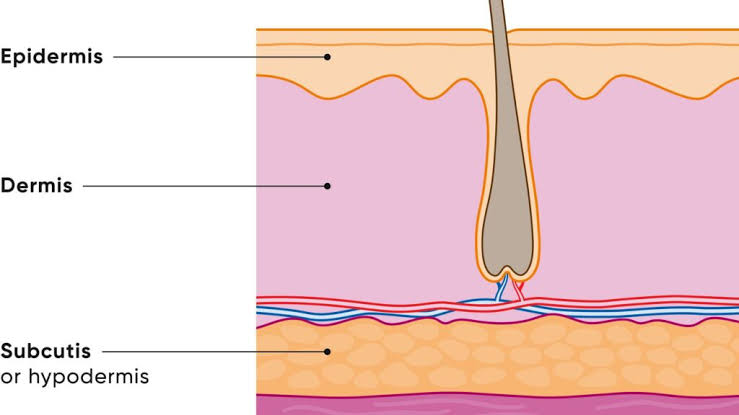
The drug is dissolved in a small volume of vehicle (liquid) and injected deep beneath the epidermis and dermis, directly into the fatty subcutaneous tissue.

  • Because fat tissue has a relatively poor blood supply compared to muscle, absorption is slow and highly uniform.
  • Because absorption is slow, the duration of drug action is heavily prolonged. This makes it incredibly useful when continuous, steady presence of the drug in tissues is needed over a long period.
  • Depot Preparations: The usefulness is astronomically enhanced by "depot" preparations. These are chemically modified drugs that dissolve incredibly slowly in the fat, releasing the active drug over hours, days, or even months (e.g., long-acting basal insulins).
  • Implants: An extreme form of SC delivery. A small incision is made in the skin, and a solid, sterile pellet or porous capsule is surgically slipped into the loose tissues and stitched up. It releases drugs for years (e.g., hormonal contraceptive implants like Nexplanon).
Caution: Substances causing chemical irritation to tissues must never be injected S.C., otherwise they will cause agonizing pain, sloughing, and severe necrosis (deadening/rotting of the tissues) at the injection site.

B. Intramuscular (I.M.)

The injection is made deep, straight down (usually at a 90-degree angle) directly into the belly of skeletal muscle tissue. The best and safest sites are the large, thick muscles: the deltoid muscle in the shoulder, or the gluteus muscles in the buttocks.

Advantages:
  • Absorption is reasonably uniform.
  • Rapid onset of action: Muscle tissue is highly vascularized (rich in blood vessels), meaning the drug is swept into the bloodstream much faster than a subcutaneous injection.
  • Mild irritants can be given: Muscle tissue is much less sensitive to pain and chemical irritation than subcutaneous fat.
  • Absorption is complete, predictable, and fully avoids gastric factors and the first-pass effect.
  • The speed of absorption depends on the liquid vehicle: aqueous (water-based) solutions absorb very quickly, while oily preparations absorb slowly and act as a depot.
Disadvantages:
  • Volume limits: Only up to about 10mL of drug can be forced into a muscle before it becomes dangerous and tearing occurs.
  • Local pain, soreness, and potentially a sterile abscess can form.
  • Risk of infection if the skin isn't cleaned properly.
  • Nerve Damage: If injected in the wrong quadrant of the gluteus, the needle can strike and permanently sever or chemically burn the massive sciatic nerve, causing permanent leg paralysis.

C. Intravenous (I.V.)

The drug solution is injected directly through the wall of a vein into the lumen, where it instantly mixes and is diluted in the returning venous blood. The drug is carried straight to the Right side of the Heart, pumped to the lungs, and then circulated to all body tissues.

Advantages:
  • 100% Bioavailability: Since it goes directly into the blood, the desired therapeutic concentration is achieved immediately, within seconds. This rapid onset is not possible by any other procedure.
  • This is the only route for giving massive volumes of therapeutic fluids (e.g., 1-2 Liters of saline for dehydration, or whole Blood Transfusions).
  • Certain drugs that are highly irritant can only be given IV. Why? Because the rapid flow of blood inside the vein dilutes the irritant instantly, protecting the vessel wall.
Disadvantages:
  • No turning back: Once the drug is pushed into the vein, nothing can be done to physically retrieve it or prevent its action. An overdose here is a catastrophic emergency.
  • Requires immense technical skill to find a vein, insert the needle correctly, and minimize the risk of the needle slipping out of the vein (extravasation). If an irritant drug leaks into the surrounding S.C. tissues, it causes severe necrosis.
  • Air Embolism: If the syringe contains a large air bubble, injecting it into the vein can cause the air to travel to the heart or lungs, blocking blood flow and causing sudden death.
  • Local vein complications: Irritation, cellulitis, and Thrombophlebitis (inflammation and blood clotting of the vein).
  • Generally considered the "less safe" route simply due to the severity and speed of potential adverse reactions.

D. Intradermal (I.D.)

A very shallow injection where the drug is placed exactly into the papillary layer of the dermis (the thick layer of skin just beneath the very outer epidermis). It produces a small "bleb" or blister-like bump on the skin.

  • It is highly painful because the dermis is packed with sensory pain nerves.
  • Main uses:
    • Inoculations: Administration of specific vaccines that require powerful local immune responses (e.g., the BCG vaccination for active immunization against Tuberculosis, or the historical smallpox vaccine).
    • Sensitivity/Allergy Testing: Injecting minute amounts of a substance (like Penicillin, Anti-Tetanus Serum - ATS, or environmental allergens) to visually watch for a localized allergic skin reaction before giving a full systemic dose.

E. Intra-articular (Intra-synovial)

The needle is advanced directly into the joint cavity (the space between two bones filled with synovial fluid). This localizes the drug's intense action precisely at the site of administration without affecting the rest of the body.

  • Example: Injecting strong corticosteroids (like Hydrocortisone acetate) directly into a swollen knee joint for the treatment of severe Rheumatoid Arthritis.
  • Because joints are incredibly sensitive, a local anesthetic is almost always added to the syringe to minimize the agonizing pain of the fluid expansion.
  • Strict asepsis (absolute sterility) must be maintained. Introducing even a single skin bacteria into a joint cavity can cause a devastating, cartilage-destroying joint infection.

F. Intra-cardiac

The needle is plunged through the chest wall, between the ribs, and directly into the muscular wall or chamber of the heart.

  • Used almost exclusively in dramatic cardiac arrest scenarios where intra-cardiac injection of Adrenaline (Epinephrine) is made for emergency resuscitation to restart a stopped heart.
  • Note: Very few modern case reports support this "Pulp Fiction" style injection in closed-chest CPR due to the risk of lacerating coronary arteries. It is largely reserved for use during an emergent open thoracotomy (chest is already cracked open).

G. Intra-arterial

The drug is injected directly into a high-pressure artery (which carries blood away from the heart to a specific organ).

  • It is used to violently localize a drug's effects in one particular tissue, organ, or limb, intentionally starving the rest of the body of the drug.
  • Examples: Potent, highly toxic anticancer drugs (chemotherapy) are shot directly into the artery feeding a tumor, destroying the tumor while sparing the patient systemic toxicity. Also used for injecting radio-opaque contrast dyes to diagnose peripheral vascular blockages via X-ray.
  • Requires a highly competent, specialized physician.
  • There is absolutely zero fear of the first-pass effect, as arterial blood goes straight to the organ tissues.

Inhalation and Topical Routes


A. Inhalation (Pulmonary Absorption)

Gaseous and highly volatile liquid drugs are inhaled deeply into the lungs. The lungs possess a massive surface area of pulmonary endothelium (millions of microscopic alveoli) surrounded by a dense web of capillaries.

  • Because the blood-air barrier is incredibly thin, drugs are absorbed immediately and reach the systemic circulation and brain rapidly (e.g., general anesthetics like Isoflurane).
  • Localized Inhalation: Drugs like Bronchodilators (e.g., Albuterol/Salbutamol for asthma) are given via metered-dose inhalers in aerosolized form. Modern inhalers allow the supply of accurately metered, microgram doses of drugs straight to the smooth muscle of the airways, minimizing systemic side effects like heart palpitations.

B. Topical Routes of Administration

Topical administration is the direct physical application of a drug strictly to the surface of the skin or a specific mucous membrane.

1. Skin (Epidermal / Transdermal)

Normally, drugs applied to healthy, unbroken skin are very poorly absorbed because the outer epidermis (stratum corneum) is a tough, dead, waterproof shield. However, the living layer beneath it (the dermis) is highly permeable to solutes.

  • Local Action: Drugs are applied as creams, thick ointments, pastes, or poultices for local conditions (rashes, eczema).
  • Enhanced Absorption: Systemic absorption happens rapidly and dangerously through abraded, burned, or denuded skin where the barrier is gone. Severe inflammation, which brings massive cutaneous blood flow to the skin, also radically promotes absorption.
  • Inunction: The physical act of vigorously rubbing a drug suspended in a highly oily/lipid vehicle deep into the skin to force absorption.
  • Transdermal Patches: A specialized adhesive patch that deliberately drives drug absorption entirely through the intact skin for a systemic action.
    • Provides beautifully stable, flat-line blood levels of the drug for days.
    • Completely bypasses hepatic first-pass metabolism.
    • Limitation: The drug must be incredibly potent (active at microgram levels) and highly lipophilic (fat-soluble) to penetrate the skin. If a drug requires a large dose, the patch would have to be absurdly, impractically large. Examples include Nicotine patches, Fentanyl pain patches, and Scopolamine motion-sickness patches.

2. Mucous Membranes

Mucous membranes line all the wet, internal pathways of the body exposed to the outside. Drugs are applied here primarily for their local action.

  • Mouth and Pharynx:
    • Bitters: Foul tasting liquids applied to the tongue strictly for their neurological reflex action to stimulate saliva and gastric acid to improve sluggish digestion.
    • Boroglycerine and Gentian Violet: Thick paints applied as astringents and antiseptics for localized mouth ulcers or oral thrush (fungal infections) directly on the buccal mucosa.
  • Stomach & Intestine: While swallowing is usually "enteral," taking a liquid Antacid to chemically neutralize secreted stomach HCl, or an Emetic to locally irritate the stomach to induce violent vomiting after poisoning, are considered local topical actions within the gut tube.
  • Respiratory Tract: For severe sinus infections or colds, Tincture of Benzoin in steam inhalations acts locally to soothe raw airways and give relief from chest congestion. Phenylephrine nasal drops physically shrink swollen local blood vessels to clear a blocked nose.
  • Vagina: Drugs formulated as a solid pessary, cream, or dissolving tablet are inserted to treat aggressive local vaginal infections (like yeast infections or bacterial vaginosis). While some systemic absorption can occur due to the rich blood supply, this route is clinically restricted to local treatment.
  • Conjunctivae (The Eyes): The delicate, wet membrane lining the eyelids and covering the eyeball.
    • Mydriatics: Eye drops forced to locally dilate the pupil (used by eye doctors to see into the back of the eye).
    • Miotics: Drops used to aggressively constrict the pupil (often to treat Glaucoma).
    • Local anesthetics, antiseptic drops, and antibiotic ointments are applied here strictly for superficial eye infections or surgeries.

Summary: Advantages & Disadvantages of Topical Routes

  • Advantages: Provides spectacular local therapeutic effects directly where the problem is. Because it is poorly absorbed into the deeper layers and systemic blood, there is a massively lower risk of severe systemic side effects. The Transdermal sub-route offers the holy grail of steady-state drug levels without pills or needles.
  • Disadvantages: Highly limited to localized problems (with the exception of specialized patches). Messy, can stain clothing (ointments/pastes), and is heavily dependent on the physical condition of the skin barrier.

Pharmacology Introduction Quiz

Pharmacology

Enter your details to begin the examination.

🛡️ Privacy Note: Results are for tracking and certification purposes only.

Introduction to Basic Pharmacology

Introduction to Basic Pharmacology

Pharmacology Intro: Basic & Practicals

Introduction to Basic Pharmacology and Pharmacology Practicals (Instrumentation)

Learning Outcomes of the Lecture

By the end of this comprehensive guide, students should be fully equipped to:

  • Define pharmacology and clearly outline its major branches and sub-disciplines.
  • Distinguish definitively between the concepts of pharmacodynamics and pharmacokinetics.
  • Explain the critical importance of pharmacology practicals and laboratory experiments in medical and scientific training.
  • Identify and understand the major instruments and equipment used in modern and historical pharmacology laboratories.
  • Describe the specific functions of organ bath systems, transducers, and recording devices in depth.
  • Recognize and apply ethical considerations (such as the 3Rs) in experimental pharmacology.

Introduction to Pharmacology


Pharmacology is broadly defined as the rigorous scientific study of drugs and their interactions with living systems. Derived from the Greek words pharmakon (drug or poison) and logos (study), it is a vast field that examines every aspect of how drugs produce their physiological effects, how the human (or animal) body processes these foreign substances, and how these chemicals can be utilized therapeutically to treat disease, or experimentally to understand biological processes.

Definition: A Drug

A drug, in the context of pharmacology, can be defined as any chemical substance (natural, synthetic, or endogenous) that modifies physiological or biochemical functions when administered to a living organism. This includes everything from life-saving antibiotics to everyday pain relievers, as well as substances of abuse and environmental toxins.

The Multidisciplinary Nature of Pharmacology

Pharmacology does not exist in isolation. It acts as a bridge between the physical sciences and the biological sciences. It integrates core knowledge from several crucial disciplines, including:

  • Physiology: Understanding normal body functions is essential before one can understand how a drug alters those functions.
  • Biochemistry: Provides the foundation for understanding the chemical basis of drug action at the enzymatic and metabolic levels.
  • Molecular Biology: Helps in understanding how drugs interact with genetic material, intracellular signaling, and protein synthesis.
  • Medicinal Chemistry: Focuses on the structural design, synthesis, and optimization of pharmaceutical drugs.
  • Toxicology: The study of the adverse or poisonous effects of chemicals, closely tied to drug safety.
  • Clinical Medicine: The ultimate application of pharmacological knowledge to diagnose, prevent, and treat illnesses in human patients.

Major Branches of Pharmacology

To fully grasp pharmacology, the field is traditionally divided into several distinct, yet deeply interconnected, branches.

1. Pharmacodynamics

Pharmacodynamics essentially studies what the drug does to the body. It delves into the specific biochemical and physiological effects of drugs and their mechanisms of action.

Key aspects of pharmacodynamics include:

  • Mechanism of Drug Action: Exactly how a drug produces its effect at the cellular level.
  • Drug–Receptor Interactions: How drugs bind to specific protein targets (receptors) to initiate or block a biological response.
  • Cellular Targets: Drugs typically exert their effects by interacting with four main regulatory proteins:
    • Ion Channels: Drugs can act as openers (increasing ion influx) or blockers (preventing ion passage).
    • Enzymes: Drugs often act as inhibitors, preventing the enzyme from converting a substrate into a product (e.g., aspirin inhibiting COX enzymes).
    • Transporters: Drugs can act as transport inhibitors, preventing the movement of molecules across cell membranes.
    • Receptors: Drugs can be Agonists (activating the receptor for signal transduction) or Antagonists (blocking the receptor and preventing activation).
  • Dose–Response Relationships: The mathematical and graphical relationship between the amount of drug given (dose) and the magnitude of the effect produced. As the log of the drug concentration increases, the effect typically increases until a maximum plateau is reached.
  • Therapeutic and Toxic Effects: Determining the primary intended effects versus unintended side effects.
Example of Pharmacodynamics

How β-blockers reduce heart rate: A beta-blocker (like Atenolol) acts as an antagonist. It specifically targets and blocks β1-adrenergic receptors located in the heart muscle. By blocking these receptors, it prevents adrenaline from binding, which structurally and functionally reduces the heart rate and blood pressure (this is what the drug does to the body).

2. Pharmacokinetics

Pharmacokinetics studies what the body does to the drug. It traces the journey of a drug molecule from the moment it enters the body until it is completely removed.

It involves four major, continuous processes, universally remembered by the acronym ADME:

A - Absorption

The movement of a drug from its site of administration (e.g., gut, muscle, skin) into the systemic blood circulation. Factors like route of administration, lipid solubility, and pH heavily influence this.

D - Distribution

The reversible transfer of a drug from one location to another within the body, typically from the bloodstream into tissues, organs, and intracellular spaces. It is affected by blood flow, tissue binding, and membrane permeability (e.g., the blood-brain barrier).

M - Metabolism (Biotransformation)

The chemical modification or breakdown of drugs, primarily occurring in the liver. The body attempts to make the drug more water-soluble so it can be easily excreted.

E - Excretion

The irreversible elimination of the drug and its metabolites from the body. The kidneys (via urine) are the primary route, but drugs can also be excreted through bile, feces, sweat, saliva, tears, and lungs (exhaled air).

Example of Pharmacokinetics

First-pass metabolism of drugs like propranolol: When propranolol is taken orally, it is absorbed by the digestive tract and carried directly to the liver via the hepatic portal vein. The liver highly metabolizes (destroys) a large portion of the drug before it ever reaches the systemic circulation. This "first-pass effect" drastically reduces the bioavailability of the drug, which is an example of what the body does to the drug.

3. Therapeutics (Clinical Pharmacology/Pharmacotherapeutics)

This branch focuses strictly on the clinical use of drugs to prevent, diagnose, or treat diseases. It is the practical application of pharmacology in a healthcare setting, emphasizing evidence-based medicine, rational prescribing, and patient care.

  • Antihypertensive therapy: Using drugs to lower high blood pressure and prevent cardiovascular events.
  • Antidiabetic therapy: Managing blood sugar levels using insulin or oral hypoglycemic agents.
  • Antimicrobial therapy: Utilizing antibiotics, antivirals, or antifungals to eradicate infections while minimizing harm to the host.

4. Toxicology

Toxicology is the study of the harmful, adverse, or toxic effects of drugs, chemicals, and environmental poisons on living systems. Paracelsus famously stated, "The dose makes the poison," highlighting that any drug can be toxic if taken in excess.

It includes the study of:

  • Acute toxicity: Harmful effects occurring rapidly after a single or short-term exposure.
  • Chronic toxicity: Harmful effects resulting from prolonged, long-term repeated exposure.
  • Organ-specific toxicity: Such as hepatotoxicity (liver damage), nephrotoxicity (kidney damage), or cardiotoxicity (heart damage).
  • Poison management: The clinical strategies to treat overdoses, including the administration of specific antidotes.

5. Experimental Pharmacology

This branch studies drug effects under strictly controlled laboratory conditions using various experimental models. It forms the crucial foundation for the entire pharmaceutical industry's drug discovery pipeline and preclinical testing phases (before a drug is ever tested in humans).

Models include:

  • Isolated tissues: Organs or tissues removed from an animal and kept alive in nutrient solutions (e.g., isolated heart, intestine).
  • Laboratory animals: Whole living organisms (in vivo studies), usually rodents like mice, rats, or guinea pigs, to observe systemic effects.
  • Cellular models: Cultured human or animal cells grown in petri dishes (in vitro studies).
  • Molecular assays: Biochemical tests to observe drug-target interactions at the genetic or protein level.

The Importance of Pharmacology Practicals

Theoretical knowledge alone is insufficient for scientific mastery. Pharmacology practicals (laboratory sessions) are a cornerstone of medical and scientific curricula. They serve to bridge the gap between textbook theories and real-world biological phenomena.

Practicals help students and researchers to:

  • Understand drug actions experimentally: Seeing a physical tissue respond to a drug solidifies abstract concepts.
  • Learn fundamental research techniques: Mastering the use of delicate instruments, precise pipetting, and tissue handling.
  • Develop skills in experimental design: Learning how to formulate hypotheses, set up controls, and execute a valid scientific test.
  • Interpret dose-response relationships: Practically gathering data points to plot logarithmic curves and calculate metrics like ED50 (Effective Dose 50%).
  • Understand biological variability: Recognizing that living tissues do not behave like perfect mathematical machines; responses vary between individual animals and tissues.
  • Practice scientific data recording and analysis: Learning the rigor of maintaining lab notebooks, statistically analyzing data, and drawing objective conclusions.

In modern pharmacology laboratories, experiments may involve:

  • Isolated tissue preparations: (Ex vivo) Testing drugs on organs kept alive outside the body.
  • Animal experiments: (In vivo studies) Measuring parameters like blood pressure, behavior, or toxicology in a whole living animal.
  • Computer simulation experiments: (In silico) Using advanced software to simulate biological responses without using living tissues.
  • Drug bioassays: Determining the concentration or potency of a substance by measuring its biological response relative to a standard.
  • Pharmacokinetic studies: Tracking drug absorption and elimination rates by taking serial blood or urine samples over time.

Introduction to Pharmacology Laboratory Instrumentation

Instrumentation is the lifeblood of experimental pharmacology. High-quality, properly calibrated instruments are absolutely essential for the accurate measurement, recording, and analysis of drug effects.

1. The Organ Bath System

The organ bath is a classic and foundational apparatus used to study the physiological effects of drugs on isolated tissues. By removing a tissue and placing it in a controlled environment, researchers can study local drug effects without interference from systemic reflexes or central nervous system control.

Typical tissues studied include:

  • Ileum (part of the small intestine, commonly from a guinea pig or rat).
  • Uterus (to study drugs that induce or inhibit labor contractions).
  • Trachea (windpipe tissue to study bronchodilators used in asthma).
  • Aorta (blood vessel tissue to study vasoconstriction and vasodilation).
  • Heart muscle (atria or ventricles to study drugs affecting heart rate and contractility).

Components of a Student Organ Bath Assembly:

  • Tissue Chamber (Organ Tube): A specialized inner glass tube where the isolated tissue is suspended. It contains a physiological salt solution (PSS) that mimics the body's natural fluids (e.g., Tyrode's or Krebs solution) to keep the tissue alive.
  • Outer Water Bath: A larger chamber filled with water that surrounds the inner tissue chamber.
  • Temperature Control (Thermostat & Heater): Maintains the water (and thereby the inner solution) at exact body temperature (~37°C for mammals). A stirrer ensures uniform temperature distribution.
  • Aeration System (O2/CO2): Tissues require oxygen to survive. An aeration tube delivers gas (often "carbogen" - 95% Oxygen and 5% Carbon dioxide) directly into the physiological solution. The bubbling also helps mix the drug.
  • Tissue Holder and Hooks: The bottom of the tissue is tied to a fixed hook (aeration tube base), while the top is tied via a fine thread to a transducer or writing lever.
  • Transducer / Recording System: Detects the mechanical movement or tension of the tissue and converts it into a readable format.
Function & Example Experiment

The organ bath allows for precise measurement of muscle contraction, muscle relaxation, drug potency, and the generation of dose-response curves.

Example: Effect of Acetylcholine on Guinea Pig Ileum.
A piece of guinea pig intestine is suspended in the bath. When Acetylcholine (a neurotransmitter) is added via a micropipette into the physiological solution, it binds to muscarinic receptors on the smooth muscle of the ileum, causing a rapid, measurable contraction. By adding increasing doses, a student can plot a dose-response curve.

2. Physiological Recording Systems

These systems are responsible for capturing the physical biological response (like a muscle twitch) and recording it for analysis.

  • a) Kymograph (Classical Instrument)

    The kymograph is a historically significant, mechanical instrument. It essentially records tissue contraction on a rotating drum wrapped with smoked paper.

    • Principle: The physical, mechanical movement from a contracting tissue pulls a thread connected to a magnifying lever (e.g., a simple or frontal writing lever). The tip of the lever lightly touches a rotating drum covered in a layer of black soot (smoked paper). As the tissue contracts, the lever moves up and scratches away the soot, leaving a white line tracing the contraction wave.
    • Historical Use: While largely replaced by digital systems today, it was historically the backbone of isolated tissue studies, muscle contraction experiments, and early physiology research.
  • b) Polygraph / Physiograph

    These are the transitional electronic recording systems. Instead of a mechanical lever scratching paper, they use electronic sensors to record multiple physiological parameters simultaneously onto a scrolling chart paper or basic digital screen. They can concurrently record: Blood pressure, Heart rate, Muscle contraction, and Respiration depth/rate.

  • c) Data Acquisition Systems (Modern Standard)

    Modern laboratories have almost exclusively transitioned to highly sophisticated computer-based systems. Leading examples include systems manufactured by ADInstruments (PowerLab) and Harvard Apparatus.

    • Components: Transducers (to capture the biological signal), Amplifiers (to boost the microscopic electrical signals), Data recording modules (hardware converting analog to digital), and Computer software (such as LabChart, which displays, stores, and analyzes data).
    • Advantages: These modern systems allow for absolute real-time data recording, intricate digital analysis (calculating area under the curve, exact frequencies), and immediate graph generation for publication.

3. Transducers

A transducer is a critical intermediary device. Its primary function is to convert biological signals (mechanical force, pressure, displacement) into electrical signals that a computer or physiograph can understand and record.

There are two major types used in tissue baths:

Isometric Transducers
  • Definition: "Iso" = same, "metric" = length. These measure the force or tension generated by a muscle without allowing the muscle to change its length.
  • Application: Used heavily in smooth muscle contraction studies and vascular tissue (blood vessel) experiments where the tension developed against a fixed resistance is the critical metric.
Isotonic Transducers
  • Definition: "Iso" = same, "tonic" = tension. These measure the physical change in tissue length (shortening) during contraction while keeping the load/tension constant.
  • Application: Used when studying the actual physical shortening of a tissue, such as a piece of gut pulling a lever upward.

4. Perfusion Pumps

Perfusion pumps are automated mechanical devices designed to ensure a steady, constant flow of physiological solutions or drugs to a tissue or animal over extended periods.

  • Applications: Crucial in organ perfusion experiments (e.g., keeping an entire isolated heart continuously supplied with nutrients via the Langendorff setup) and continuous drug delivery studies.

Types include:

  • Peristaltic pumps: Use rotating rollers to squeeze fluid through flexible tubing. Excellent because the fluid never touches the pump machinery, ensuring sterility.
  • Syringe pumps: Slowly and mechanically depress the plunger of a loaded syringe to deliver highly precise, minute volumes of drugs (micro-infusions).

5. Analytical Instruments in Pharmacology Labs

Beyond tissue responses, modern pharmacology practicals frequently involve biochemical and analytical chemistry to determine drug concentration analysis within biological fluids.

  • Spectrophotometers:
    • Function: Used to highly accurately measure drug concentration by evaluating how much light a specific solution absorbs (based on the Beer-Lambert law).
    • Example Type: UV-Visible Spectrophotometer (utilizes ultraviolet and visible light spectrums).
    • Applications: Conducting drug assays, studying enzyme kinetics, and performing metabolic breakdown studies.
  • Centrifuges:
    • Function: Utilize rapid spinning (centrifugal force) to separate components of biological samples based on density.
    • Applications: Separating clear blood plasma from heavy red blood cells, or preparing tissue homogenates (blended tissues) for molecular analysis.
  • Micropipettes:
    • Function: Essential hand-held tools used for the extremely accurate measurement and transfer of very small liquid volumes, usually measured in microliters (µL). They are indispensable for adding exact drug doses to an organ bath.

5. Laboratory Safety and Ethical Considerations


Safety Equipment in Pharmacology Labs

Pharmacology labs deal with potent chemicals, biologically active drugs, and animal tissues. Safety is paramount to protect the researcher and the environment. Standard safety equipment includes:

  • Fume hoods: Ventilated enclosures used to safely handle volatile toxic chemicals, preventing inhalation of hazardous vapors.
  • Personal Protective Equipment (PPE): Specifically, nitrile gloves to prevent skin absorption of drugs, and heavy cotton lab coats to protect clothing and skin from spills. Safety goggles protect the eyes.
  • Biohazard containers: Specially marked, puncture-proof bins (often red or yellow) for the safe disposal of biological tissues, blood-contaminated items, and sharp objects (needles/scalpels).
  • Animal handling equipment: Specialized cages, thick gloves, and restraints to safely handle live animals without causing stress to the animal or injury to the handler.
  • Emergency wash stations: Eye-wash basins and full-body safety showers to immediately dilute and flush away accidental chemical splashes.

These elements are strictly essential for the safe handling of drugs, hazardous chemicals, and biological samples.

Ethical Considerations in Pharmacology Practicals

The use of live animals in science is a serious ethical issue. Modern pharmacology is strictly governed by ethical boards and humane principles. Any animal experiment must follow the internationally recognized framework known as The 3Rs Principle:

The 3Rs Principle

  • Replacement: The absolute first step is to question if an animal is needed at all. Researchers must use alternative methods where possible, such as cell cultures (in vitro) or computer models.
  • Reduction: If animals must be used, the experiment must be statistically designed to minimize the number of animals required to obtain valid, scientifically significant data.
  • Refinement: Experimental procedures must be optimized to minimize animal suffering, pain, and distress. This includes proper housing, adequate anesthesia, and humane endpoints.

The Rise of Computer Simulations

In many modern educational institutions, to adhere to the principle of Replacement, computer simulations are increasingly used to entirely replace animal experiments for undergraduate teaching.

A prime example of this is ExPharm (and similar pharmacology simulation software). These programs allow students to administer "virtual drugs" to simulated tissues (like a virtual rat intestine or dog blood pressure model) on a screen. They generate realistic physiological graphs and data, allowing students to learn dose-response concepts and practical analysis without sacrificing a single animal life.

Pharmacology Introduction Quiz

Pharmacology

Enter your details to begin the examination.

🛡️ Privacy Note: Results are for tracking and certification purposes only.

intracellular accumulation

Intracellular Accumulation & Acute Inflammation

Intracellular Accumulation & Acute Inflammation

Intracellular Accumulation & Acute Inflammation

Intracellular Accumulations

Intracellular accumulations are the buildup of substances—such as lipids, proteins, glycogen, or pigments—within cells due to metabolic derangements, genetic defects, or environmental factors.

These accumulations occur in the cytoplasm or nucleus, ranging from harmless to severely toxic, causing reversible or irreversible cell injury. Key mechanisms include increased production, defective metabolism/transport, or lack of enzymes to break down substances.

General Principles

Cells often act as reservoirs for metabolic products or exogenous substances. These accumulations represent a sign of metabolic derangement.

Subcellular Localization

  • Cytoplasm: Most common (e.g., Fatty change, Glycogen).
  • Organelles: Specifically within Lysosomes (e.g., Pompe disease) or the Endoplasmic Reticulum (e.g., Protein folding defects).
  • Nucleus: Rare, but seen in certain viral infections or lead poisoning.

The Four Pathological Mechanisms

  1. Abnormal Metabolism: A normal endogenous substance (like water, lipids, or proteins) is produced at a normal or increased rate, but the metabolic rate is inadequate for its removal (e.g., Steatosis).
  2. Defect in Protein Folding/Transport: Genetic mutations or acquired defects cause proteins to misfold. These "garbage" proteins build up because they cannot be exported or degraded (e.g., α1-antitrypsin deficiency).
  3. Enzymatic Deficiency: An inherited lack of a vital enzyme (usually lysosomal) means a specific substrate cannot be broken down, leading to massive buildup—known as Storage Diseases.
  4. Inability to Degrade Exogenous Material: The cell encounters a substance (like carbon or silica) for which it has no natural enzymes to digest.

Examples of Abnormal Accumulations

1. Fatty Change (Steatosis)

The abnormal accumulation of triglycerides within parenchymal (functional) cells.

  • Organ Involvement: Primarily the Liver (yellow, greasy, enlarged). It is also significant in the Heart (where it can cause "Tiger effect" banding) and the Kidneys.
  • Etiology (The "Why"):
    • Toxins: Most notably Alcohol, which is a mitochondrial toxin that impairs fat oxidation.
    • Protein Malnutrition: Lack of "apoproteins" needed to carry fat out of the liver.
    • Anoxia: Lack of oxygen prevents the oxidation (burning) of fatty acids.
    • Diabetes Mellitus & Obesity: Causes an oversupply of free fatty acids to the liver.

2. Cholesterol and Cholesteryl Esters

  • Pathology: Unlike triglycerides, cholesterol is usually stored in macrophages or smooth muscle cells.
  • Atherosclerosis: The most critical clinical result. Phagocytic cells in the large arteries become overloaded with lipid, forming "Foam Cells." These accumulate in the intimal layer of arteries, leading to yellow fatty streaks and eventually plaques.

3. Proteins

  • Morphology: Appear as rounded, eosinophilic (bright pink) droplets, vacuoles, or aggregates.
  • Clinical Examples:
    • Nephrotic Syndrome: Excess protein leaks into the kidney tubules; the cells reabsorb it, creating pink protein droplets.
    • Russell Bodies: Found in plasma cells (overproduction of immunoglobulins).
    • Misfolded Proteins: Build up in the brain (Amyloid plaques in Alzheimer's).

4. Glycogen

  • Association: Highly associated with Glucose metabolism disorders.
  • Diabetes Mellitus: Glycogen is found in the epithelial cells of the distal segments of the renal tubules and the liver.
  • Glycogen Storage Diseases (GSD): Genetic defects where glycogen cannot be converted back to glucose, leading to massive cell death and organ failure.

5. Pigments: The "Colored" Pathologies

  • Exogenous (Environmental):
    • Carbon (Anthracosis): The most ubiquitous pigment. Inhaled carbon is phagocytosed by alveolar macrophages. These macrophages travel through the lymphatics to the tracheobronchial lymph nodes. In coal miners, this leads to "Black Lung" disease (Coal Workers' Pneumoconiosis).
  • Endogenous (Produced by the body):
    • Lipofuscin: A "wear-and-tear" pigment. It is a sign of free radical injury and lipid peroxidation. It does not harm the cell but is a tell-tale marker of aging.
    • Melanin: An insoluble brown-black pigment produced by melanocytes in the epidermis to protect against UV radiation.
    • Hemosiderin: A hemoglobin-derived, golden-yellow to brown, granular pigment. It represents local or systemic Iron excess.
    • Staining Tip: On a standard H&E slide, it looks like brown granules. To prove it is iron, pathologists use the Prussian Blue Histochemical Stain (the iron turns bright blue).

Pathologic Calcification

Pathologic calcification is the abnormal deposition of calcium salts (phosphates, carbonates) in soft tissues, commonly due to injury or metabolic dysfunction.

Calcification is a permanent marker of past or present tissue injury. It occurs in two main forms: dystrophic (normal serum calcium, damaged tissue) and metastatic (high serum calcium, normal tissue).

I. Dystrophic Calcification (Local Injury)

Occurs in dead or dying tissues (necrosis) despite normal serum calcium levels, often seen in atherosclerosis, damaged heart valves, or tuberculous lymph nodes.

  • Requirement: Occurs in non-viable (dead) or dying tissues.
  • Calcium Levels: Serum calcium levels are Normal; there is no systemic mineral imbalance.
  • Pathogenesis: Necrotic cells have damaged membranes; calcium binds to the phospholipids in these membranes, initiating the "crystallization" of calcium phosphate.
  • Clinical Examples:
    • Atherosclerosis: The core of an old plaque is often "bone-hard" due to calcification.
    • Tuberculosis (TB): Areas of Caseous Necrosis often calcify, making them visible on X-rays (Ghon complex).
    • Aging/Damaged Heart Valves: Leads to stenosis (narrowing of the valve).

II. Metastatic Calcification (Systemic Imbalance)

Occurs in normal tissues due to hypercalcemia (high calcium levels in the blood), often caused by renal failure, hyperparathyroidism, or Vitamin D intoxication.

  • Requirement: Occurs in normal, healthy tissues.
  • Calcium Levels: Always associated with Hypercalcemia (Elevated blood calcium).
The Four Major Causes of Hypercalcemia
  1. Hyperparathyroidism: Either a primary tumor of the parathyroid gland or "ectopic" secretion of PTH-related protein by cancers (like lung or breast cancer).
  2. Rapid Bone Destruction:
    • Multiple Myeloma: A cancer of plasma cells that "eats" bone.
    • Paget's Disease: Disorganized bone remodeling.
    • Immobilization: Long-term bedrest leads to bone resorption.
  3. Vitamin D Disorders: Intoxication (overdose) or Sarcoidosis (where lung macrophages inappropriately activate Vitamin D).
  4. Renal Failure: Leads to phosphate retention, which triggers a secondary rise in PTH, pulling calcium out of the bones and into the tissues.

Morphology and Distribution

  • Gross (Macroscopic): Calcium deposits are white, chalky granules. When a pathologist cuts through the tissue, it feels "gritty" (like cutting through sand or eggshells).
  • Microscopic (Histology):
    • Stains Basophilic (deep blue/purple) with H&E.
    • Can be found inside cells (mitochondria) or outside cells in the matrix.
    • Psammoma Bodies: In some tumors (like thyroid cancer), the calcification forms beautiful, laminated, sand-like concentric circles.
  • Preferred "Metastatic" Targets: High-calcium levels prefer tissues that have an alkaline (basic) internal environment, which promotes salt precipitation. This includes:
    • Gastric Mucosa (stomach lining).
    • Kidneys (can lead to "nephrocalcinosis" or kidney stones).
    • Lungs (alveolar walls).
    • Systemic Arteries and Pulmonary Veins.

Acute Inflammation

Inflammation is the response of vascularized tissues that delivers leukocytes and host defense molecules from the circulation to the sites of infection and cell damage. Its primary objective is to eliminate the offending agent.

It is a protective response. Without it, infections remain unchecked, wounds fail to heal, and injured tissues become permanent festering sores.

  • Dual Purpose:
    • Destruction of the initial cause of injury (e.g., microbes, toxins).
    • Management of the consequences of injury (e.g., necrotic cells and debris).
  • The Mediators of Defense:
    • Phagocytic Leukocytes: Cells that eat and digest foreign matter.
    • Antibodies: Proteins that identify and neutralize targets.
    • Complement Proteins: A system of plasma proteins that punch holes in bacterial membranes.

The Sequence of an Inflammatory Reaction

An inflammatory response follows a specific, step-by-step biological "protocol":

  1. Recognition: Receptors on host cells identify the noxious agent (the initiating stimulus).
  2. Recruitment: Leukocytes and plasma proteins move from the blood into the extravascular tissues.
  3. Removal: Phagocytic cells ingest and destroy microbes and dead cells.
  4. Regulation: The body activates control mechanisms to terminate the response once the threat is gone.
  5. Repair: A series of events (regeneration or scarring) heals the damaged tissue.

Comparison: Acute vs. Chronic Inflammation

Feature Acute Inflammation Chronic Inflammation
Onset Fast: Seconds, minutes, or hours. Slow: Days to weeks.
Duration Short: Minutes to a few days. Long: Weeks, months, or years.
Cellular Infiltrate Mainly Neutrophils. Monocytes, Macrophages, and Lymphocytes.
Tissue Injury Mild and self-limited. Severe and progressive.
Fibrosis (Scarring) Absent or minimal. Prominent and permanent.
Signs Prominent: Redness, heat, swelling, pain. Subtle: Less obvious local signs.

Diseases Caused by Inflammatory Reactions

When inflammation is misdirected or overactive, it causes specific clinical disorders:

1. Acute Disorders

(Neutrophil/Antibody-Driven)

  • Acute Respiratory Distress Syndrome (ARDS): Neutrophils damage the alveolar-capillary membrane in the lungs.
  • Asthma: Driven by Eosinophils and IgE antibodies, causing bronchial constriction.
  • Glomerulonephritis: Antibodies and Complement proteins attack the kidney's filtration units.
  • Septic Shock: An explosion of Cytokines leads to systemic vasodilation and organ failure.
2. Chronic Disorders

(Macrophage/Lymphocyte-Driven)

  • Arthritis: Lymphocytes and macrophages destroy joint cartilage.
  • Atherosclerosis: Macrophages and lymphocytes drive the formation of plaques in arteries.
  • Pulmonary Fibrosis: Macrophages and Fibroblasts replace lung tissue with thick scar tissue.

The 5 Cardinal Signs of Inflammation

  1. Rubor (Redness): Caused by Hyperemia (increased blood flow).
  2. Calor (Warmth): Caused by heat from the increased blood flow.
  3. Dolor (Pain): Caused by the release of chemical mediators (prostaglandins) and pressure on nerve endings.
  4. Tumor (Swelling): Caused by Edema (fluid accumulation).
  5. Functio Laesa (Loss of Function): Resulting from the combination of pain and swelling.

Component 1: Vascular Changes (The Fluid Response)

Acute inflammation has three major vascular components:

  1. Alteration in Vascular Caliber: Vasodilation increases blood flow to the area.
  2. Structural Changes: The microvasculature becomes "leaky," allowing plasma proteins and leukocytes to leave the blood.
  3. Leukocyte Emigration: Cells accumulate at the focus of injury to eliminate the agent.

Changes in Flow and Caliber

  • Vasodilation: This is the earliest manifestation. It is induced by mediators like Histamine acting on vascular smooth muscle.
  • Increased Permeability: Protein-rich fluid pours into the extravascular tissues.
  • Stasis: As fluid leaves the vessels, blood flow slows. Red blood cells become concentrated and "packed," leading to engorgement of small vessels.

Understanding the Fluid (Edema)

  • Exudation: The escape of fluid, proteins, and blood cells into the interstitial tissue.
  • Exudate: A fluid with high protein concentration, cellular debris, and high specific gravity (>1.020). Indicates an increase in vascular permeability.
  • Transudate: A fluid with low protein concentration, little cellular material, and low specific gravity (<1.012). It is an ultrafiltrate caused by osmotic/hydrostatic imbalance, not increased permeability.
  • Pus (Purulent Exudate): An inflammatory exudate rich in neutrophils, dead cell debris, and microbes.

Component 2: The Lymphatic Response

  • Drainage: Lymphatics act as a "filter" for extravascular fluids. In inflammation, lymph flow increases to drain the accumulating edema.
  • Lymphangitis: Secondary inflammation of the lymphatic vessels (often seen as red streaks).
  • Lymphadenitis: Inflammation of the draining lymph nodes (causing them to become swollen and painful).

Component 3: Leukocyte Recruitment (The Cellular Response)

Vascular endothelium in its normal state does not bind circulating cells. In inflammation, the endothelium is activated.

Step 1: In the Lumen (Margination, Rolling, and Adhesion)

  • Margination: As blood flow slows (stasis), leukocytes leave the center of the vessel and move toward the endothelial wall.
  • Rolling: Leukocytes "tumble" and bind transiently to the endothelium. This is mediated by the Selectin family of adhesion molecules.
  • Adhesion: Leukocytes stop rolling and stick firmly to the vessel wall. This is mediated by Integrins.

Step 2: Migration Across the Endothelium

  • Also known as Diapedesis or Transmigration. Leukocytes "squeeze" through the junctions between endothelial cells to enter the tissue.

Step 3: Chemotaxis

  • Leukocytes follow a chemical "scent" toward the injury site.
  • Chemotactic Stimuli: These include bacterial products, complement components (C5a), and cytokines (Chemokines).

Inflammatory Mediators

Mediators are substances that initiate or regulate inflammatory reactions. They are either cell-derived or plasma protein-derived.

  1. Vasoactive Amines: Histamine and Serotonin. These are stored in mast cells and platelets and cause immediate vasodilation and increased permeability.
  2. Lipid Products: Prostaglandins (cause pain and fever) and Leukotrienes (increase permeability and chemotaxis).
  3. Cytokines: Small proteins (like TNF and IL-1) that mediate the recruitment and activation of leukocytes.
  4. Complement Activation Products: Proteins (C3a, C5a) that increase vascular permeability and "coat" microbes for easier digestion (opsonization).

Morphologic Patterns & Systemic Effects of Acute Inflammation

This is the exhaustive, high-detail master set for the Morphologic Patterns and Systemic Effects of Acute Inflammation. Regardless of the specific pattern, every acute inflammatory reaction is defined by two fundamental microscopic features:

  1. Dilation of Small Blood Vessels: Resulting in increased blood volume at the site.
  2. Accumulation of Leukocytes and Fluid: The migration of cells and protein-rich fluid into the extravascular tissue (Interstitium).

Specific Morphologic Patterns


1. Serous Inflammation

  • Defining Feature: The exudation of cell-poor fluid into spaces created by cell injury or into body cavities (Peritoneum, Pleura, Pericardium).
  • Fluid Composition: The fluid does not contain microbes or large numbers of leukocytes.
  • Sources of Fluid:
    • Plasma: Leaking from blood vessels due to increased permeability.
    • Mesothelial Cells: Secretions from the cells lining the body cavities.
  • Clinical Terminology: The accumulation of this fluid in body cavities is termed an Effusion.
  • Classic Example: A skin blister resulting from a burn or viral infection.

2. Fibrinous Inflammation

  • Mechanism: When vascular permeability increases significantly, large molecules like Fibrinogen escape the blood. Once in the extravascular space, fibrinogen is converted into Fibrin, which is deposited.
  • Stimulus: Occurs when vascular leaks are large or when there is a local procoagulant stimulus (e.g., cancer cells or certain bacteria).
  • Location: Characteristically found in the linings of body cavities: Meninges (brain), Pericardium (heart), and Pleura (lungs).
  • Histology: Fibrin appears as an eosinophilic (bright pink) meshwork of threads or an amorphous (shapeless) coagulum.
  • Outcome: If the fibrin is not removed (dissolved by fibrinolysis), it leads to the ingrowth of fibroblasts and blood vessels, resulting in scarring (Adhesions).

3. Purulent (Suppurative) Inflammation & Abscess

  • Defining Feature: The production of Pus.
  • Pus Composition: A thick exudate containing Neutrophils, liquefied debris of necrotic cells, and edema fluid.
  • Clinical Example: Acute Appendicitis is a common example of acute suppurative inflammation.
  • Abscesses: These are localized collections of pus caused by suppuration buried deep within a tissue, an organ, or a confined space. They often require surgical drainage because they are "walled off" from the blood supply.

4. Ulcers

  • Definition: A local defect or excavation of the surface of an organ or tissue.
  • Mechanism: Produced by the sloughing (shedding) of inflamed, necrotic tissue.
  • Requirement: Ulceration occurs only when tissue necrosis and inflammation exist on or near a surface.
  • Common Sites:
    • Mucosa: Mouth, stomach, intestines, or genitourinary tract.
    • Skin/Subcutaneous Tissue: Particularly in the lower extremities of patients with vascular insufficiency (e.g., Diabetes, Sickle Cell Anemia, or Peripheral Vascular Disease).

Systemic Effects of Inflammation

Inflammation is not just local; it triggers the Acute-Phase Response throughout the body.

1. Fever

  • Elevation: Temperature rises by 1–4° Celsius.
  • Mediators: Induced specifically by IL-1 and TNF. These cytokines trigger the production of prostaglandins in the hypothalamus, resetting the body's "thermostat."

2. Acute-Phase Proteins

Plasma proteins synthesized in the liver increase rapidly during inflammation:

  • C-reactive protein (CRP) & Fibrinogen: Synthesis is stimulated by the cytokine IL-6.
  • Serum Amyloid A (SAA): Synthesis is stimulated by IL-1 or TNF.
  • Note: Elevated fibrinogen causes red blood cells to stack (Rouleaux), increasing the Erythrocyte Sedimentation Rate (ESR), a common clinical test for inflammation.

3. Leukocytosis

  • Definition: An increase in the white blood cell count in the blood.
  • Trigger: Induced by bacterial infections.
  • Leukemoid Reaction: When the count reaches extreme levels (15,000–20,000 cells/ml), mimicking leukemia.
  • Mediators: Driven by TNF and IL-1, which accelerate the release of cells from the bone marrow.

4. Other Clinical Manifestations

  • Circulatory: Increased pulse and blood pressure.
  • Thermoregulation: Decreased sweating, Rigors (shivering), and Chills (seeking warmth).
  • Constitutional: Anorexia (loss of appetite), Somnolence (excessive sleepiness), and Malaise (general feeling of being unwell).

Septic Shock: High Cytokine Levels

In severe infections (Sepsis), massive amounts of cytokines enter the blood, leading to a clinical triad known as Septic Shock:

  1. Disseminated Intravascular Coagulation (DIC): Widespread blood clotting that consumes all clotting factors, leading to hemorrhage.
  2. Hypotensive Shock: Extreme drop in blood pressure due to systemic vasodilation.
  3. Metabolic Disturbances: Including insulin resistance and Hyperglycemia (high blood sugar).

Outcomes of Acute Inflammation

Every acute inflammatory event ends in one of three ways:

  1. Complete Resolution: The injury is short-lived, there is little tissue destruction, and the tissue returns to its normal state.
  2. Healing by Connective Tissue Replacement: Occurs after substantial tissue destruction or in tissues that cannot regenerate. This results in Scarring or Fibrosis.
  3. Progression to Chronic Inflammation: Occurs when the offending agent is not removed or there is interference with the normal healing process.

Acute Inflammation & Accumulations Exam

Pathology

Enter your details to begin the examination.

🛡️ Privacy Note: Results are for tracking and certification purposes only.

pathology pathophysiology intro

Pathology Intro: Concepts & Applications

Pathology Intro: Concepts & Applications

Pathology Intro: Concepts & Applications


What is Pathology?

Pathology is the scientific study of disease. It acts as the bridge between basic sciences (like anatomy, physiology, biochemistry, microbiology) and clinical medicine.

  • Etymology: Derived from Greek words:
    1. Pathos = Suffering
    2. Logos = Study

Pathology seeks to understand the causes (etiology), mechanisms (pathogenesis), structural alterations (morphological changes), and functional consequences (clinical manifestations) of disease.

Definition

Pathology is a branch of natural science that studies the etiology (cause), mechanisms (pathogenesis), and effects (morphological changes and clinical manifestations) produced by diseases in all living organisms, including humans, animals, and plants.

Ancient Foundations (The Roots)

  • Imhotep (Egypt, c. 2600 BC): Recognized as the oldest known physician/doctor in history. He transitioned medicine from purely magic to early observation.
  • The Papyrus (Egypt, c. 1600 BC): Specifically the Edwin Smith Papyrus, it is considered the oldest study of anatomy and surgical trauma, detailing clinical observations and treatments.

The Evolution of Pathological Thought


1. The Era of Religious & Supernatural Beliefs

Before a rational approach was developed, disease was attributed to:

  • Divine Punishment: A "Curse from God" or the result of sin.
  • Magic/Supernatural: Belief in the "evil eye" or malevolent spirits.
  • Scriptural References: Examples found in the Bible (Job 2:7—affliction with boils; Exodus 9:8-12—the plague of boils).
  • Cultural Deities: Different regions had specific gods of disease, such as Walumbe in the Buganda kingdom (associated with death and disease).

2. The Antiquity to AD 1500: The Rational Approach

This period saw the shift from mysticism to observation.

  • Hippocrates (Greece, 460–377 BC): Known as the "Father of Medicine."
    • Dissociation: Permanently dissociated medicine from religious mysticism.
    • Clinical Observation: Established the study of patient symptoms as the primary method for diagnosis.
  • Cornelius Celsus (Rome, 53 BC–7 AD):
    • Described the 4 Cardinal Signs of Inflammation: Rubor (redness), Calor (heat), Tumor (swelling), and Dolor (pain).
  • Claudius Galen (130–200 AD):
    • Postulated the Humoral Theory (Galenic Theory).
    • He argued that illness resulted from an imbalance of four body fluids: Blood, Lymph, Black Bile (associated with the spleen), and Biliary Secretion/Yellow Bile (from the liver).

3. The Era of Gross Pathology (AD 1500 to 1800)

During this time, physicians began correlating symptoms with what they saw during autopsies.

  • Giovanni B. Morgagni (Italy, 1682–1771):
    • The "Father of Anatomical Pathology."
    • Introduced Clinical Pathologic Correlation (CPC)—the practice of linking a patient's symptoms during life to the organ changes found after death.
  • John Hunter (Scotland, 1728–1793):
    • Introduced the Pathology Museum as a vital tool for medical education and the systematic study of diseased specimens.
  • R.T.H. Laennec (France, 1781–1826):
    • Described lung diseases, including various tuberculous lesions and bronchiectasis.
    • Described cirrhosis of the liver (still frequently called Laennec’s Cirrhosis).
    • Invented the stethoscope, allowing for better clinical-pathological correlation during life.

4. The Era of Technology & Cellular Pathology (AD 1800 to 1950s)

The invention of the microscope shifted the focus from organs to cells.

  • Rudolf Virchow (Germany, 1821–1905):
    • Known as the "Father of Cellular Pathology."
    • Proposed the Cellular Theory: Disease does not arise in organs or tissues generally, but primarily in individual cells (Omnis cellula e cellula).
    • Established Histopathology as a formal diagnostic branch of medicine.
  • George N. Papanicolaou (USA, 1883–1962):
    • Known as the "Father of Exfoliative Cytology."
    • Developed the Pap Smear in the 1930s for the early detection of cervical cancer, proving that microscopic examination of individual cells could prevent disease.

5. Modern Pathology (1950s to the 21st Century)

The focus shifted again—from the cell to the molecule and DNA.

  • Watson and Crick (1953): Described the double-helix structure of DNA, opening the door to molecular pathology.
  • Nowell and Hungerford (1960): Discovered the Philadelphia chromosome in Chronic Myeloid Leukemia (CML), identifying the specific translocation t(9;22).
  • Gall and Pardue (1969): Developed In Situ Hybridization, allowing researchers to locate specific nucleic acid sequences within tissues.
  • Kary Mullis (1983): Introduced the Polymerase Chain Reaction (PCR), a revolutionary technique that allows for the amplification of DNA, now used for diagnosing infections, genetic mutations, and cancers.

Modern Diagnostic Modalities: Telepathology

Telepathology is the practice of diagnostic pathology by a remote pathologist utilizing images of tissue specimens transmitted over a telecommunication network. This allows for rapid consultation and diagnosis across different geographical locations.

1. Components of Telepathology

  • Conventional Light Microscope: The primary tool used to view the specimen.
  • Image Capture Method: Usually a high-resolution digital camera mounted on the microscope.
  • Telecommunications Link: A secure network (internet or satellite) to transmit data between the sending and receiving sites.
  • Workstation: A computer at the receiving end equipped with a high-quality, medical-grade monitor for accurate interpretation.

2. Types of Telepathology

  • Static (Store-and-Forward): Images are captured and sent as individual files. The remote pathologist views them later (passive telepathology).
  • Dynamic (Robotic/Virtual Microscopy): This involves Virtual Pathology Slides (VPS). The remote pathologist can interact with the microscope in real-time, moving the slide or changing magnification remotely (robotic interactive telepathology).

Fields and Branches of Pathology

Pathology is not limited to humans; it is a universal study of disease across living systems.

1. Major Study Fields

  • Human Pathology: Study of diseases in humans.
  • Veterinary Pathology: Study of diseases in animals.
  • Plant Pathology: Study of diseases in plants.
  • Teratology: The scientific study of visible conditions/congenital malformations caused by the interruption or alteration of normal development (e.g., birth defects).
  • Nosology: The branch of medicine that deals with the classification and description of known diseases.

2. Functional Branches

  • Etiology: The study of the causes of disease (why it happens).
  • Pathogenesis: The study of the mechanisms and steps of disease development (how it happens).
  • Physiopathology (Pathophysiology): The study of the disordered physiological processes associated with disease or injury.
  • Semiology: The study of the symptoms (subjective, felt by the patient) and signs (objective, observed by the doctor) of disease.
  • Clinic: The practical management and treatment of the disease.

Anatomic Pathology

The study of morphological and structural changes in cells, tissues, and organs that underlie disease.

  • General Pathology: Studies basic reactions of cells and tissues to abnormal stimuli that occur in all diseases (e.g., inflammation, neoplasia, cell death).
  • Systemic Pathology: Studies diseases as they pertain to specific organs and body systems (e.g., Liver Cirrhosis in the GI system).

Specialized Subdivisions of Anatomical Pathology

Histopathology

Microscopic study of diseased tissue.

Molecular Pathology

Study of disease at the level of molecules (DNA, RNA, proteins).

Hematology

Study of blood-related diseases.

Medical Genetics

Study of hereditary and chromosomal disorders.

Others

Chemical, Experimental, Geographic, and Immunopathology.

Health and Disease

  • Health (WHO Definition): "A state of complete physical, mental, and social well-being and not merely the absence of disease or infirmity."
  • Disease: A condition that appears when the delicate balance between the Physical, Mental, and Social pillars is broken.

Classification of Diseases (By Nature)

  • Natural: Occur through biological or environmental processes.
  • Acquired: Developed after birth due to external factors.
  • Genetic: Inherited via genes or chromosomal errors.
  • Idiopathic: Disease of unknown cause or origin.
  • Iatrogenic: Disease or injury caused by medical treatment or diagnostic procedures.
  • Intentional: Self-inflicted or caused by others (e.g., trauma).
  • Experimental: Induced in laboratory settings for research.

Classification by Cause and Onset

  • By Onset:
    • Congenital: Present at birth (e.g., Down's syndrome, Anencephaly).
    • Post-natal: Developed after birth.
  • By Level of Organization: Can be Molecular, Ionic, or cellular.

Examples of Diseases by Etiology

Category Example
Genetic Cause Down's Syndrome (Trisomy 21), Anencephaly (Neural tube defect).
Physical Agents Fractures (Mechanical trauma), Burns, Radiation.
Chemical Agents Lung Cancer (Induced by tobacco chemicals/carcinogens).
Biological Agents Acute Appendicitis (Bacterial), Acute Meningitis (Infection of the meninges).
Immunologic Disorders Systemic Lupus Erythematosus (SLE) (Autoimmune).
Circulatory Disorders Thrombosis in the coronary artery (leads to Myocardial Infarction).
Nutritional Imbalance Rickets (Vit D deficiency), Kwashiorkor (Protein deficiency), Zinc deficiency (Hemorrhagic dermatitis).

Methods of Study in Pathology

The study of pathology relies on three primary investigative pillars: Biopsy, Cytology, and Autopsy, supplemented by advanced experimental and molecular techniques.

Biopsy

  • Etymology: Derived from Greek Bios (Life) and Opsia (To see). Literally, "viewing of the living."
  • Definition: The removal of a representative sample of tissue from a living body for macroscopic (gross) and microscopic examination to reach a diagnosis.

1. Types of Biopsy

  • Incisional Biopsy: Only a small fragment or portion of the lesion is removed. This is typically done when a lesion is too large for immediate removal and a diagnosis is needed first to plan surgery.
  • Excisional Biopsy: The entire lesion is removed, usually along with a margin of healthy surrounding tissue. This is both diagnostic and therapeutic (removes the problem).
  • Trucut (Core Needle) Biopsy: A specialized wide-bore needle (trocar) is used to extract a small cylinder of intact tissue. This preserves the architecture of the tissue better than simple aspiration.
  • Punch Biopsy: Uses a circular "punch" tool or forceps to take a small, deep cylinder of tissue (very common in dermatology for skin lesions).
  • Frozen Section (Transoperatory Biopsy): Performed during surgery. The tissue is rapidly frozen with liquid nitrogen or CO₂, sliced, and stained.
    • Purpose: To provide a "fast diagnosis" (within 15–20 mins) while the patient is still on the table to determine if a tumor is malignant or if margins are clear.
  • Curetting Biopsy: Tissues are removed by scraping the lining of a cavity (e.g., Dilation and Curettage/D&C of the uterus).

2. Importance of Biopsy

  • Gold Standard: It is the most definitive investigative method.
  • High Specificity & Sensitivity: Accurate in distinguishing between different disease types.
  • Therapeutic Planning: Helps the clinician decide on the best treatment (e.g., surgery vs. chemotherapy).
  • Prognostic Value: Helps determine the "grade" (aggressiveness) and "stage" (extension) of a disease.
  • Quality Control: Evaluates the effectiveness of previous treatments.

Cytology

  • Etymology: Kytos/Cito (Cell) and Logos (Study).
  • Definition: The study of individual cells that have been shed (exfoliated) or aspirated from secretions, fluids, or tissues. Unlike biopsy, cytology looks at cells in isolation, not the overall tissue structure.

1. Reporting Results (Standard Classifications)

  1. Negative for Malignancy: Normal cells, no signs of cancer.
  2. Suspicious for Malignancy: Atypical cells present, but not enough to confirm cancer.
  3. Positive for Malignancy: Clear, diagnostic evidence of cancer cells.
  4. Inadequate / Not Useful: Sample lacked enough cells or was obscured by blood/inflammation to give a result.

2. Importance & Advantages

  • Early Detection: Excellent for screening (e.g., Pap smears for cervical cancer).
  • Non-Invasive/Low Cost: Generally painless and significantly cheaper than surgery.
  • Mass Screening: Ideal for large populations.
  • Deep Lesions: Can reach non-palpable lesions using Fine Needle Aspiration (FNA) guided by ultrasound.
  • Repeatability: Because it is low-risk, it can be repeated frequently to monitor progress.

3. Limitations

  • Skill Dependent: Requires a highly skilled cytopathologist to interpret individual cell changes.
  • Lack of Architecture: It cannot show "infiltration" (if the cancer has broken through the basement membrane) or "lymphovascular invasion" because the surrounding tissue structure is missing.

Autopsy (Necropsy)

  • Etymology: Autos (Self) and Opsia (To see) — "To see for oneself."
  • Definition: A specialized surgical procedure performed on a deceased body to determine the cause of death, the extent of disease, and the effectiveness of treatment.

1. Types of Autopsy

  • Clinical Autopsy: Performed in hospitals to understand the disease process and link clinical symptoms to the actual state of internal organs. Requires family consent.
  • Medico-Legal (Forensic) Autopsy: Performed to determine the cause of death in suspicious, violent, or unknown circumstances. Ordered by legal authorities; consent is not required.

2. Importance of Autopsy

  • Clinical-Pathologic Correlation (CPC): Discovering the "truth" of what happened during life.
  • Medical Education: Provides essential teaching material for students and residents.
  • Public Health: Identifies outbreaks of infectious diseases or environmental hazards.
  • Vital Statistics: Validates mortality records (death certificates are often inaccurate without autopsy).
  • Organ Procurement: Occasionally used to harvest tissues (like corneas or heart valves) for transplantation.

Specialized & Advanced Research Methods

Modern pathology uses sophisticated "Special Methods" to look deeper than a standard microscope:

  1. Histochemistry: Using special chemical stains to identify specific substances (like iron, fats, or glycogen) in tissues.
  2. Immunohistochemistry (IHC): Using monoclonal antibodies tagged with enzymes (peroxidase) to detect specific proteins or antigens. This is the modern standard for "typing" cancers.
  3. Immunofluorescence: Using fluorescent dyes and UV light to detect antibodies (common in kidney and skin diseases).
  4. Electron Microscopy: Using electrons instead of light to see cell "ultrastructure" (organelles) at massive magnifications.
  5. Molecular Techniques:
    • In Situ Hybridization: Mapping DNA/RNA sequences directly in the tissue.
    • Flow Cytometry: Rapidly analyzing the physical and chemical characteristics of particles in a fluid (used for blood cancers).
  6. Morphometry: Using mathematical models to measure the size and shape of cells/nuclei.
  7. Telepathology: (As discussed previously) remote diagnosis via digital imaging.

The Structure of a Pathology Department

A modern Pathology department is divided into specific functional zones designed to handle everything from raw tissue to microscopic analysis and data storage.

1. The Cutting Room (Grossing Room)

This is the "reception and preparation" area for all surgical specimens.

  • Purpose: Where large organs or tissue fragments (from biopsies or surgeries) are received, described, and "cut" into small, representative sections.
  • Equipment: Grossing stations with ventilation (to remove formalin fumes), scales, cameras for macroscopic photography, and cassettes to hold tissue for processing.
  • Key Action: A pathologist or pathology assistant performs Macroscopic Examination—noting the size, color, weight, and consistency of the specimen before it is processed for the microscope.

2. The Post-Mortem Room (Morgue/Autopsy Suite)

A specialized surgical suite designed for the examination of deceased bodies.

  • Structure: Must have specialized ventilation (down-draft tables) to prevent the spread of infectious aerosols, waterproof flooring for easy disinfection, and refrigeration units for body storage.
  • Function: Dedicated to performing clinical or forensic autopsies.

3. Laboratories (The Engine Room)

This is where the "magic" of turning raw tissue into a slide happens.

  • Histology Lab: Where tissue is processed, embedded in paraffin wax, sliced into ultra-thin sections (using a Microtome), and stained (usually with Hematoxylin and Eosin - H&E).
  • Cytology Lab: Where fluids, smears, and fine-needle aspirates are processed and stained (e.g., Pap stain).
  • Special Labs: Dedicated areas for Immunohistochemistry (IHC), Molecular Pathology (PCR/Sequencing), and Immunofluorescence.

4. Diagnostic Offices (Sign-out Rooms)

The quiet, clean area where the Pathologists work.

  • Equipment: High-quality multi-headed light microscopes (for teaching and consultation), computers for generating reports, and often Telepathology setups for remote consultation.
  • Function: This is where the final diagnosis is made and the official pathology report is signed.

The Four Functions of the Pathology Department

Pathology is often called the "Foundation of Medicine" because its responsibilities extend far beyond just looking at slides.

1. Assistance

Clinical Support

  • Direct Patient Care: Providing surgeons and physicians with the "Final Diagnosis."
  • Intraoperative Consultation: Performing Frozen Sections to guide a surgeon in real-time (e.g., "Is this tumor margin clear, or do I need to cut more?").
  • Tumor Boards: Participating in multidisciplinary meetings to help clinicians decide on the best treatment plan for cancer patients.
2. Investigative

Research

  • Pathogenesis Research: Investigating how new diseases develop (e.g., studying the mechanism of COVID-19 in lung tissue).
  • Clinical Trials: Testing the effectiveness of new drugs by looking at cellular changes in patients undergoing treatment.
  • Epidemiology: Identifying patterns of disease in a specific population or geographic area.
3. Teaching

Education

  • Undergraduate Training: Teaching medical, dental, and nursing students the basics of disease (General and Systemic Pathology).
  • Postgraduate Training: Training the next generation of Pathologists (Residents and Fellows).
  • Continuing Medical Education (CME): Keeping other doctors updated on new diagnostic criteria and molecular markers.
  • The Pathology Museum: Maintaining a collection of gross specimens for visual learning.
4. Administrative

Management

  • Quality Assurance (QA): Ensuring every diagnosis is accurate and that lab equipment is calibrated correctly.
  • Laboratory Management: Overseeing the budget, staffing, and safety protocols (handling hazardous chemicals like formalin/xylene).
  • Mortality Records: Ensuring death certificates and autopsy reports are filed correctly for legal and statistical purposes.
  • Biobanking: Managing the long-term storage of tissue samples and DNA for future medical use.

Pathology Intro Quiz

Pathology

Enter your details to begin the examination.

🛡️ Privacy Note: Results are for tracking and certification purposes only.

The Eye, Orbit, and Extraocular Muscles

The Eye, Orbit, and Extraocular Muscles

The Eye, Orbit & Extraocular Muscles

The Eye, Orbit, and Extraocular Muscles
HEAD & NECK ANATOMY

The Eye, Orbit, and Extraocular Muscles


I. Embryology of the Eye

The development of the eye is a complex process involving interactions between neural ectoderm, surface ectoderm, and mesenchyme.

1. Early Development (Optic Vesicles):

  • Around day 22 of embryonic development, the eye begins as a pair of shallow optic grooves on the sides of the forebrain.
  • With the closure of the neural tube, these grooves evaginate to form optic vesicles, which are outpocketings of the forebrain.
  • These optic vesicles then grow laterally to make contact with the surface ectoderm.

2. Lens Formation:

  • The optic vesicle induces the overlying surface ectoderm to thicken and invaginate, forming the lens placode.
  • The lens placode then invaginates further to form the lens vesicle.
  • By the 5th week of intrauterine life, the lens vesicle loses contact with the surface ectoderm and comes to lie within the mouth of the optic cup.
  • Germ Layer Origin: The lens is formed from the surface ectoderm.

3. Optic Cup Formation:

  • As the lens vesicle forms, the optic vesicle simultaneously invaginates to form a double-walled structure called the optic cup. This invagination also creates the choroid fissure (or optic fissure) along the inferior surface of the optic cup.
  • The choroid fissure serves as a pathway for the hyaloid artery (which later becomes the central artery of the retina) to reach the inner chamber of the eye.
  • During the 7th week, the lips of the choroid fissure fuse. Failure of this fusion results in a coloboma.
  • The anterior opening of the optic cup, formed by the fusion of the choroid fissure lips, becomes the future pupil.
Optic Cup Layer Derived Retinal Layers (Posterior 4/5, Pars Optica Retinae) Derived Iris & Ciliary Body Layers (Anterior 1/5)
Outer Pigmented Layer Pigment epithelium of the retina Outer layer of the iris (pigmented epithelium) and pigmented epithelium of the ciliary body.
Inner (Neural) Layer
  1. Rods and cones (photoreceptors)
  2. External limiting lamina
  3. Outer nuclear layer (rod & cone cell bodies with nuclei)
  4. Outer plexiform layer
  5. Inner nuclear layer (bipolar, horizontal, amacrine cells)
  6. Inner plexiform layer
  7. Ganglion cell layer
  8. Fibrous layer (axons of ganglion cells)
  9. Nerve fiber layer (axons forming optic nerve)
  10. Inner limiting lamina
Inner layer of the iris (pigmented epithelium) and non-pigmented epithelium of the ciliary body (which forms the ciliary processes and contributes to aqueous humor production).

Congenital Eye Abnormalities

These developmental errors can lead to a range of visual impairments.

1. Coloboma

  • Cause: Failure of the choroid fissure to close during the 7th week of development.
  • Presentation: A persistent cleft, most commonly in the iris (coloboma iridis), resulting in a keyhole-shaped pupil. It can extend into the ciliary body, retina, choroid, or optic nerve.
  • Association: Often associated with other eye defects. Optic nerve colobomas are linked to PAX2 gene mutations and can be part of renal coloboma syndrome (involving kidney defects).

2. Persistence of the Iridopupillary Membrane

  • Cause: Failure of the embryonic membrane covering the pupil to resorb during the formation of the anterior chamber.
  • Presentation: Fine strands of tissue across the pupil, often benign but can impair vision if dense.

3. Congenital Cataracts

  • Cause: The lens becomes opaque during intrauterine life.
  • Etiology: Can be genetically determined or caused by intrauterine infections, particularly Rubella (German measles) infection in the mother between the 4th and 7th weeks of pregnancy. Infection after the 7th week might spare the lens but can cause deafness due to cochlear abnormalities.

4. Persistence of the Hyaloid Artery

  • Normal Degeneration: The distal portion of the hyaloid artery (which supplied the developing lens) normally degenerates, with the proximal part forming the central artery of the retina.
  • Anomaly: Persistence can lead to a fibrous cord or cyst in the vitreous humor, potentially obstructing vision.

5. Microphthalmia

  • Definition: Eye is abnormally small, sometimes only 2/3 of its normal volume.
  • Association: Usually associated with other ocular abnormalities.
  • Causes: Intrauterine infections like cytomegalovirus and toxoplasmosis.

6. Anophthalmia

  • Definition: Complete absence of the eye.
  • Association: Often accompanied by severe cranial abnormalities.

7. Congenital Aphakia & Aniridia

  • Aphakia: Absence of the lens.
  • Aniridia: Absence of the iris.
  • Rarity: Both are rare.
  • Causes: Disturbances in the induction and formation of the tissues involved.
  • Genetic Link: Mutations in the PAX6 gene are associated with aniridia and can also contribute to anophthalmia and microphthalmia.

8. Cyclopia & Synophthalmia

  • Cyclopia: Single eye.
  • Synophthalmia: Fusion of the eyes (partial or complete).
  • Spectrum: Represent a spectrum of defects due to a loss of midline tissue during early gestation (days 19-21 or later, affecting facial development).
  • Association: Invariably linked to severe cranial defects like holoprosencephaly (merged cerebral hemispheres).
  • Etiology: Factors affecting the midline include alcohol exposure, mutations in Sonic Hedgehog (SHH) signaling pathway, and abnormalities in cholesterol metabolism that disrupt SHH signaling.

Bony Orbit

The orbit is a pyramidal-shaped bony cavity that houses the eyeball and its associated structures.

1. Bones Forming the Orbit:

  • Each bony orbit is formed by seven bones:
    • Maxilla
    • Zygomatic
    • Frontal
    • Ethmoid
    • Lacrimal
    • Sphenoid
    • Palatine

2. Boundaries of the Orbit:

  • Apex: The optic foramen (located in the lesser wing of the sphenoid bone).
  • Base (Orbital Rim):
    • Superiorly: Frontal bone.
    • Medially: Frontal process of the maxilla.
    • Inferiorly: Zygomatic process of the maxilla and the zygomatic bone.
    • Laterally: Zygomatic bone, frontal process of the zygomatic bone, and zygomatic process of the frontal bone.
  • Roof (Superior Wall):
    • Mainly orbital part of the frontal bone.
    • Posteriorly, the lesser wing of the sphenoid bone.
  • Medial Wall:
    • Composed of four bones: frontal process of maxilla, lacrimal bone, orbital plate of the ethmoid bone, and a small part of the sphenoid bone (body).
    • The medial walls of the two orbits are parallel to each other.
  • Floor (Inferior Wall):
    • Primarily the orbital surface of the maxilla.
    • Anterolaterally, the zygomatic bone.
    • Posteriorly, the orbital process of the palatine bone.
  • Lateral Wall:
    • Anteriorly, the zygomatic bone.
    • Posteriorly, the greater wing of the sphenoid bone.

3. Orbital Fissures and Foramina:

These openings serve as crucial passageways for nerves, vessels, and other structures.

Orbital Opening Boundaries Contents
Optic Canal (Foramen) Lies within the lesser wing of the sphenoid bone, between its two roots. Optic Nerve (CN II) and the Ophthalmic Artery (a branch of the internal carotid artery).
Superior Orbital Fissure Located between the greater and lesser wings of the sphenoid bone. Connects the orbit with the middle cranial fossa. Cranial Nerves: Oculomotor (CN III), Trochlear (CN IV), Ophthalmic division of Trigeminal (CN V1) - branches include Lacrimal, Frontal, Nasociliary nerves, Abducens (CN VI).
Vessels: Superior Ophthalmic Vein.
Other: Sympathetic fibers to the ciliary ganglion.
Inferior Orbital Fissure Located between the lateral wall (greater wing of sphenoid and zygomatic bone) and the floor (maxilla and orbital process of palatine bone) of the orbit. Connects the orbit with the pterygopalatine and infratemporal fossae. Nerves: Zygomatic nerve (branch of CN V2), Infraorbital nerve (another branch of CN V2), Orbital branches of pterygopalatine ganglion.
Vessels: Inferior Ophthalmic Vein (which drains into the pterygoid plexus), Infraorbital Artery and Vein.
Supraorbital Foramen (or Notch) Located on the superior orbital margin (frontal bone). Supraorbital Nerve (terminal branch of the frontal nerve, which is a branch of V1) and Supraorbital Artery.
Infraorbital Foramen Located on the anterior surface of the maxilla, below the inferior orbital rim. Infraorbital Nerve (continuation of V2 after passing through the infraorbital canal) and Infraorbital Artery and Vein.
Anterior Ethmoidal Foramen Located in the medial wall of the orbit, between the frontal bone and the ethmoid bone. Anterior Ethmoidal Nerve (branch of nasociliary nerve, from V1) and Anterior Ethmoidal Artery and Vein.
Posterior Ethmoidal Foramen Located in the medial wall of the orbit, posterior to the anterior ethmoidal foramen, between the frontal bone and the ethmoid bone. Posterior Ethmoidal Nerve (branch of nasociliary nerve, from V1) and Posterior Ethmoidal Artery and Vein.
Nasolacrimal Canal Formed by the lacrimal bone and maxilla, drains tears from the lacrimal sac into the inferior meatus of the nasal cavity. Contains the nasolacrimal duct.

Extrinsic (Extraocular) Muscles of the Eye

These muscles control the movement of the eyeball. They are primarily innervated by CN III, IV, and VI.

1. Origin and Insertion:

  • Common Origin: All extrinsic muscles (except the inferior oblique) arise from a common tendinous ring (annulus of Zinn), which surrounds the optic canal and part of the superior orbital fissure.
  • Inferior Oblique Origin: The inferior oblique muscle originates from the orbital surface of the maxilla, near the inferior orbital rim.
  • Insertions: They insert onto the sclera of the eyeball. The recti muscles insert anterior to the equator of the eyeball, while the oblique muscles insert posterior to the equator.

2. Muscle Actions and Innervation:

Muscle Innervation Primary Action (from primary gaze) Secondary Action(s)
Superior Rectus Oculomotor Nerve (CN III) Elevation (moves eye upward) Adduction, Intorsion (medial rotation)
Inferior Rectus Oculomotor Nerve (CN III) Depression (moves eye downward) Adduction, Extorsion (lateral rotation)
Medial Rectus Oculomotor Nerve (CN III) Adduction (moves eye medially/inward) -
Lateral Rectus Abducens Nerve (CN VI) Abduction (moves eye laterally/outward) -
Superior Oblique Trochlear Nerve (CN IV) Intorsion (medial rotation, especially when the eye is adducted) Depression (when eye is abducted), Abduction
Inferior Oblique Oculomotor Nerve (CN III) Extorsion (lateral rotation, especially when the eye is adducted) Elevation (when eye is abducted), Abduction
Levator Palpebrae Superioris Oculomotor Nerve (CN III) (and sympathetic fibers for Müller's muscle) Elevates the upper eyelid -

Key Considerations for Muscle Actions:

  • Recti Muscles: All recti muscles pull the eye towards their origin at the apex of the orbit. Because they originate medially to the sagittal axis of the eyeball, all recti (except the lateral rectus) have an adduction component.
  • Oblique Muscles: The oblique muscles insert posterior to the equator of the eyeball.
    • The Superior Oblique depresses and intorts when the eye is adducted, and abducts. It passes through the trochlea (a cartilaginous pulley) before inserting.
    • The Inferior Oblique elevates and extorts when the eye is adducted, and abducts.

3. Laws of Innervation:

  • Hering's Law of Equal Innervation: States that synergistic muscles (muscles that work together to produce a gaze direction) receive equal and simultaneous innervation. For example, when looking to the right, the right lateral rectus and left medial rectus receive equal innervation.
  • Sherrington's Law of Reciprocal Innervation: States that when an agonist muscle contracts, its antagonist muscle simultaneously relaxes. For example, when the medial rectus contracts to adduct the eye, the lateral rectus relaxes.

Clinical Correlates of Extraocular Muscle Palsies

Damage to the cranial nerves innervating the extraocular muscles results in specific patterns of strabismus (misalignment of the eyes) and diplopia (double vision).

1. Oculomotor Nerve (CN III) Palsy:

  • Muscles Affected: Superior rectus, inferior rectus, medial rectus, inferior oblique, and levator palpebrae superioris. Also affects parasympathetic fibers to the iris and ciliary body.
  • Clinical Signs:
    • Ptosis: Drooping of the upper eyelid due to paralysis of the levator palpebrae superioris.
    • "Down and Out" Eye: The unopposed action of the superior oblique (depresses and intorts) and lateral rectus (abducts) causes the eye to look inferolaterally.
    • Diplopia: Double vision.
    • Mydriasis (Dilated Pupil): Due to paralysis of the constrictor pupillae muscle (parasympathetic fibers).
    • Loss of Accommodation: Due to paralysis of the ciliary muscle (parasympathetic fibers).

2. Trochlear Nerve (CN IV) Palsy:

  • Muscle Affected: Superior oblique.
  • Clinical Signs:
    • Vertical Diplopia: Especially when looking down and in (e.g., walking down stairs).
    • Extorsion: The superior oblique normally intorts the eye, so its paralysis leads to unopposed extorsion.
    • Head Tilt: Patients often compensate by tilting their head to the opposite shoulder (chin tuck and head turned away from the affected side) to reduce diplopia, as this position helps to intort the affected eye. This is known as the Bielschowsky head tilt test (or more accurately, the head tilt phenomenon, Bielschowsky test is for differentiating paretic vs non-paretic strabismus).

3. Abducens Nerve (CN VI) Palsy:

  • Muscle Affected: Lateral rectus.
  • Clinical Signs:
    • Medial Deviation (Esotropia): The unopposed action of the medial rectus pulls the eye medially.
    • Inability to Abduct the Eye: The affected eye cannot move laterally past the midline.
    • Horizontal Diplopia: Especially when looking laterally towards the affected side.

Anterior & Posterior Chambers of the Eye

These fluid-filled spaces are crucial for maintaining intraocular pressure and nourishing the avascular lens and cornea.

1. Aqueous Humor:

  • Production: Produced by the ciliary processes (non-pigmented epithelium) of the ciliary body.
  • Circulation:
    • From the ciliary processes, it flows into the posterior chamber (space between the iris and the lens).
    • Passes through the pupil into the anterior chamber (space between the cornea and the iris).
    • Drains into the trabecular meshwork, located in the angle between the iris and cornea.
    • From the trabecular meshwork, it flows into the canal of Schlemm (scleral venous sinus).
    • Finally, it drains into the episcleral veins.

2. Clinical Significance - Glaucoma:

  • Definition: A group of eye conditions that damage the optic nerve, often due to abnormally high intraocular pressure (IOP).
  • Mechanism: Increased IOP is usually caused by an imbalance between the production and drainage of aqueous humor. Most commonly, it's due to impaired drainage through the trabecular meshwork and/or canal of Schlemm.
  • Types:
    • Open-angle glaucoma: The trabecular meshwork appears open, but drainage is still impaired.
    • Angle-closure glaucoma: The iris blocks the trabecular meshwork, preventing drainage.

Innervation of the Eye

A summary of the complex nervous supply to the eye and its associated structures.

1. Motor Innervation:

  • Oculomotor (CN III): Superior rectus, inferior rectus, medial rectus, inferior oblique, levator palpebrae superioris.
  • Trochlear (CN IV): Superior oblique.
  • Abducens (CN VI): Lateral rectus.

2. Sensory Innervation:

  • Trigeminal Nerve (CN V):
    • Ophthalmic Division (CN V1): Supplies sensation to the cornea, conjunctiva, eyelids, forehead, and nasal bridge.
      • Lacrimal Nerve: Sensory to lacrimal gland, upper eyelid, conjunctiva.
      • Frontal Nerve: Divides into supraorbital and supratrochlear nerves, supplying forehead, scalp, upper eyelid.
      • Nasociliary Nerve: Sensory to eyeball (cornea, iris, ciliary body), conjunctiva, part of nasal mucosa. Branches include long ciliary nerves (sensory to iris and cornea) and anterior/posterior ethmoidal nerves.

3. Autonomic Innervation:

  • Parasympathetic Innervation (Pupillary Constriction and Accommodation):
    • Origin: Edinger-Westphal nucleus (midbrain).
    • Pathway: Preganglionic fibers travel with CN III, synapse in the ciliary ganglion. Postganglionic fibers (short ciliary nerves) innervate the sphincter pupillae muscle (causing miosis/pupillary constriction) and the ciliary muscle (causing accommodation/lens thickening for near vision).
    • Reflexes: Important for pupillary light reflex and accommodation reflex.
  • Sympathetic Innervation (Pupillary Dilation):
    • Origin: Hypothalamus (first-order neuron) -> Ciliospinal center of Budge (T1-T2 spinal cord) (second-order neuron).
    • Pathway: Preganglionic fibers ascend through the sympathetic chain, synapse in the superior cervical ganglion. Postganglionic fibers form a plexus around the internal carotid artery, then join the long ciliary nerves (via ophthalmic artery and nasociliary nerve) to reach the eye.
    • Action: Innervates the dilator pupillae muscle (causing mydriasis/pupillary dilation) and Müller's muscle (superior tarsal muscle, contributes to upper eyelid elevation).
    • Clinical Significance - Horner's Syndrome: Damage to the sympathetic pathway results in:
      • Ptosis: Mild drooping of the upper eyelid (due to paralysis of Müller's muscle).
      • Miosis: Constricted pupil (due to paralysis of dilator pupillae).
      • Anhidrosis: Absence of sweating on the ipsilateral face.

Arterial Supply and Venous Drainage of the Orbit

1. Arterial Supply:

  • Main Artery: The ophthalmic artery, a branch of the internal carotid artery.
  • Branches of Ophthalmic Artery:
    • Central Retinal Artery: Enters the optic nerve, supplies the inner layers of the retina.
    • Lacrimal Artery: Supplies lacrimal gland, eyelids, conjunctiva. Gives off zygomatic branches.
    • Posterior Ciliary Arteries (long and short): Supply choroid, ciliary body, iris.
    • Anterior Ethmoidal Artery and Posterior Ethmoidal Artery: Supply ethmoidal air cells and nasal cavity.
    • Supraorbital Artery and Supratrochlear Artery: Supply forehead and scalp.

2. Venous Drainage:

  • Superior Ophthalmic Vein: Drains into the cavernous sinus. Communicates with the facial vein.
  • Inferior Ophthalmic Vein: Drains into the cavernous sinus and/or the pterygoid venous plexus. Communicates with the facial vein.
  • Clinical Significance: The connections between the ophthalmic veins and facial veins are clinically important because infections of the face (e.g., from a pimple on the nose) can potentially spread to the cavernous sinus, leading to cavernous sinus thrombosis.

Other Important Structures

1. Lacrimal Gland

  • Function: Produces the watery component of tears.
  • Location: Situated in the superolateral part of the orbit, within the lacrimal fossa of the frontal bone.

Innervation of the Lacrimal Gland: The lacrimal gland receives complex innervation involving sensory, secretomotor (parasympathetic), and sympathetic components.

Sensory Innervation

  • Pathway: Sensory information from the lacrimal gland, such as irritation or pain, travels back to the central nervous system (CNS).
  • Nerve: These sensory neurons travel via the lacrimal nerve, which is a branch of the ophthalmic division (V1) of the trigeminal nerve (CN V).

Secretomotor (Parasympathetic) Innervation

  • Function: Stimulates fluid secretion (tear production) from the lacrimal gland. This is the primary secretomotor pathway.
  • Pathway:
    1. Origin: Preganglionic parasympathetic neurons originate in the superior salivatory nucleus in the pons.
    2. Facial Nerve (CN VII): These fibers exit the brainstem within the facial nerve (CN VII).
    3. Greater Petrosal Nerve: They then branch off as the greater petrosal nerve.
    4. Nerve of the Pterygoid Canal (Vidian Nerve): The greater petrosal nerve joins with the deep petrosal nerve (sympathetic fibers) to form the nerve of the pterygoid canal.
    5. Pterygopalatine Ganglion: The nerve of the pterygoid canal passes into the pterygopalatine ganglion (located in the pterygopalatine fossa), where the preganglionic parasympathetic fibers synapse with postganglionic parasympathetic neurons.
    6. Maxillary Nerve (V2): The postganglionic parasympathetic fibers do not synapse in the pterygopalatine ganglion for the lacrimal gland. Instead, they "hitchhike" by joining the maxillary division (V2) of the trigeminal nerve.
    7. Zygomatic Nerve: They continue with the maxillary nerve until they branch off with the zygomatic nerve.
    8. Zygomaticotemporal Nerve: Within the orbit, the zygomatic nerve gives off the zygomaticotemporal nerve.
    9. Communicating Branch to Lacrimal Nerve: A small communicating branch from the zygomaticotemporal nerve (carrying the postganglionic parasympathetic fibers) then joins the lacrimal nerve.
    10. Lacrimal Gland: Finally, the postganglionic parasympathetic fibers, now traveling within the lacrimal nerve, reach and innervate the lacrimal gland, stimulating tear production.

Sympathetic Innervation

  • Function: While sympathetic innervation to the lacrimal gland is present, its exact role in tear production is debated. It is thought to primarily influence blood flow to the gland and may have a minor inhibitory role in secretion, or stimulate mucous secretion.
  • Pathway:
    1. Origin: Preganglionic sympathetic neurons originate in the interomediolateral cell column of the upper thoracic spinal cord (T1-T2).
    2. Superior Cervical Ganglion: These fibers ascend the sympathetic chain and synapse in the superior cervical ganglion.
    3. Deep Petrosal Nerve: Postganglionic sympathetic fibers form a plexus around the internal carotid artery. They then leave this plexus as the deep petrosal nerve.
    4. Nerve of the Pterygoid Canal: The deep petrosal nerve joins the greater petrosal nerve (parasympathetic) to form the nerve of the pterygoid canal.
    5. Pterygopalatine Ganglion: The sympathetic fibers pass through the pterygopalatine ganglion without synapsing.
    6. "Hitchhiking": From this point onward, the postganglionic sympathetic fibers follow the same intricate "hitchhiking" path as the postganglionic parasympathetic fibers: Join the maxillary division (V2) → Travel with the zygomatic nerve → Branch off into the zygomaticotemporal nerve → Transfer via a communicating branch to the lacrimal nerve → Reach the lacrimal gland.

2. Lacrimal Apparatus:

  • Lacrimal Gland: Located in the superolateral part of the orbit, produces tears. Innervated by parasympathetic fibers from the facial nerve (CN VII) via the pterygopalatine ganglion.
  • Lacrimal Puncta and Canaliculi: Collect tears.
  • Lacrimal Sac: Collects tears from canaliculi.
  • Nasolacrimal Duct: Drains tears from the lacrimal sac into the inferior meatus of the nasal cavity.

3. Eyelids:

  • Orbicularis Oculi Muscle: Closes the eyelids. Innervated by the facial nerve (CN VII).
  • Levator Palpebrae Superioris: Elevates the upper eyelid. Innervated by CN III.
  • Müller's Muscle (Superior Tarsal Muscle): Smooth muscle that helps elevate the upper eyelid, contributes to widening the palpebral fissure. Innervated by sympathetic fibers.
  • Meibomian Glands (Tarsal Glands): Modified sebaceous glands within the tarsal plates, secrete lipid component of tear film to prevent evaporation.

The Eye

The eye is a complex sensory organ responsible for vision. It can be broadly divided into three main coats or tunics, and its internal contents.

1. Structure of the Eyeball

The eyeball is composed of three concentric layers (tunics) and internal structures.

A. Fibrous Coat (Outer Layer)

This is the outermost protective layer, providing shape and strength to the eyeball.

  • Sclera:
    • The posterior, opaque, and tough part of the fibrous coat.
    • Composed of dense connective tissue.
    • Continuous posteriorly with the dura mater of the optic nerve.
    • Lamina Cribrosa: An area of the sclera near the posterior pole that is perforated by the axons of the retinal ganglion cells (forming the optic nerve) and central retinal vessels. This is a weak point susceptible to damage from increased intraocular pressure.
    • Clinical Note: Staphylomas (anterior/posterior) are localized bulges of the sclera, often thinned.
  • Cornea:
    • The anterior, transparent, and avascular part of the fibrous coat.
    • Refracts light, contributing significantly to the eye's focusing power.
    • Highly innervated by sensory nerves, making it very sensitive to touch.

B. Vascular Coat (Uvea - Middle Layer)

This layer is rich in blood vessels and pigment.

  • Choroid:
    • The highly vascular and pigmented layer located between the retina and the sclera.
    • Consists of an outer pigmented layer and an inner vascular layer.
    • Its primary function is to nourish the outer layers of the retina.
  • Ciliary Body:
    • Located anterior to the choroid, extending from the ora serrata to the iris.
    • Comprises:
      • Ciliary Ring: The posterior part.
      • Ciliary Processes: Folds that produce aqueous humor.
      • Ciliary Muscle: Smooth muscle arranged in meridional and radial fibers. Contraction of this muscle plays a crucial role in accommodation (focusing for near vision) by changing the shape of the lens.
  • Iris:
    • The pigmented, contractile diaphragm that forms the colored part of the eye.
    • Contains a central opening called the pupil.
    • Regulates the amount of light entering the eye through two intrinsic muscles:
      • Sphincter Pupillae: Circularly arranged fibers that constrict the pupil (miosis) under parasympathetic stimulation.
      • Dilator Pupillae: Radially arranged fibers that dilate the pupil (mydriasis) under sympathetic stimulation.

C. Nervous Coat (Retina - Inner Layer)

This is the light-sensitive layer of the eye.

  • Composed of an outer pigmented layer and an inner nervous layer.
  • Posterior ¾: This part is the receptor organ, containing the photoreceptors (rods and cones).
  • Anterior Edge: Forms the ora serrata, the jagged anterior margin of the retina, where the nervous layer ends.
  • Anterior ¼: This part is non-receptive and covers the inner surface of the ciliary body and iris.
  • Macula Lutea: A yellow-pigmented area near the center of the retina, responsible for central and most distinct vision.
  • Fovea Centralis: A small, central depression within the macula lutea, containing the highest concentration of cones, thus providing the sharpest visual acuity.
  • Optic Disc (Blind Spot): The area where the optic nerve leaves the eyeball and retinal blood vessels enter and exit. It contains no photoreceptors, hence it's a "blind spot" in the visual field.

Layers of the Retina (from outermost to innermost):

  1. Pigment cells (part of the retinal pigment epithelium)
  2. Photoreceptor layer (rods and cones)
  3. External limiting membrane
  4. Outer nuclear layer (nuclei of rods and cones)
  5. Outer plexiform layer
  6. Inner nuclear layer (bipolar, horizontal, amacrine cells)
  7. Inner plexiform layer
  8. Ganglion cell layer
  9. Nerve fiber layer (axons of ganglion cells, forming the optic nerve)
  10. Internal limiting membrane

D. Contents of the Eyeball

The eyeball contains various structures and fluid-filled chambers.

  • Aqueous Humor:
    • A clear, watery fluid produced by the ciliary processes.
    • Fills the anterior chamber (between cornea and iris) and posterior chamber (between iris and lens).
    • Maintains intraocular pressure and nourishes the avascular cornea and lens.
  • Lens:
    • A transparent, biconvex, elastic structure located posterior to the iris and anterior to the vitreous humor.
    • Focuses light onto the retina by changing its shape (accommodation).
  • Vitreous Humor:
    • A clear, gelatinous mass that fills the vitreous chamber (posterior to the lens, anterior to the retina).
    • Maintains the shape of the eyeball and helps hold the retina in place.

E. Intrinsic Muscles of the Eye (Orbit)

These are smooth muscles within the eyeball, involved in controlling pupil size and lens shape.

  • Sphincter Pupillae: Constricts the pupil (miosis).
  • Dilator Pupillae: Dilates the pupil (mydriasis).
  • Ciliary Muscle: Changes the shape of the lens for accommodation.

2. Blood Supply of the Eyeball


A. Arterial Supply

The primary arterial supply to the eyeball is from the ophthalmic artery, a branch of the internal carotid artery.

  • Central Artery of the Retina:
    • Enters the eyeball at the center of the optic disc, running within the optic nerve.
    • Supplies the inner layers of the retina. Occlusion leads to sudden, painless vision loss.
  • Ciliary Arteries:
    • Anterior Ciliary Arteries: Supply the anterior structures of the eye, particularly the corneoscleral junction.
    • Posterior Ciliary Arteries (Short and Long): Supply the choroid, ciliary body, and iris. The short posterior ciliary arteries are numerous and supply the choroid directly. The long posterior ciliary arteries run forward to supply the ciliary body and iris.
  • Cilioretinal Artery:
    • Present in a small percentage of individuals.
    • A branch of the posterior ciliary arteries that supplies the macula, potentially preserving central vision in central retinal artery occlusion.

B. Venous Drainage

  • Central Retinal Vein: Drains the inner layers of the retina and usually accompanies the central retinal artery into the optic nerve. It typically drains into the cavernous sinus.
  • Vorticose Veins (4-7 in number): Drain the choroid and exit the sclera obliquely, usually draining into the superior and inferior ophthalmic veins.
  • No Lymph Vessels: The eyeball itself lacks lymphatic vessels.

3. Innervation of the Eyeball

The eyeball receives sensory, parasympathetic, and sympathetic innervation.

  • Sensory Innervation:
    • Primarily via the long ciliary nerves (branches of the nasociliary nerve, from V1 of the trigeminal nerve). These provide general sensation to the cornea, iris, and ciliary body.
    • Short ciliary nerves also carry some sensory fibers.
  • Parasympathetic Innervation (from Oculomotor Nerve - CN III):
    • Pathway: Preganglionic fibers originate in the Edinger-Westphal nucleus, travel with CN III, and synapse in the ciliary ganglion.
    • Postganglionic fibers: Travel via the short ciliary nerves.
    • Action: Innervate the sphincter pupillae muscle (causing pupillary constriction/miosis) and the ciliary muscle (for accommodation/thickening of the lens for near vision).
  • Sympathetic Innervation:
    • Pathway: Postganglionic fibers originate in the superior cervical ganglion. They travel along the internal carotid artery plexus.
    • Innervation: These fibers reach the eye via the long ciliary nerves (and sometimes also via the short ciliary nerves after passing through the ciliary ganglion without synapsing).
    • Action: Innervate the dilator pupillae muscle (causing pupillary dilation/mydriasis) and the smooth muscle components of the levator palpebrae superioris (Müller's muscle, contributing to upper eyelid elevation).

What is a Rod / a Cone?

Rods and cones are the photoreceptor cells in the retina responsible for converting light into electrical signals.

  • Rods:
    • Shape: Long and cylindrical.
    • Function: Responsible for vision in dim light (scotopic vision) and detecting movement. They are highly sensitive but do not detect color.
    • Distribution: More numerous than cones, found primarily in the peripheral retina.
  • Cones:
    • Shape: Shorter and conical.
    • Function: Responsible for color vision and high acuity vision in bright light (photopic vision). There are three types of cones, sensitive to different wavelengths (red, green, blue).
    • Distribution: Concentrated in the macula lutea, especially the fovea centralis.

Describe the Visual Pathway

The visual pathway describes the route of nerve impulses from the retina to the visual cortex in the brain.

  1. Photoreceptors (Rods and Cones): In the retina, light activates rods and cones.
  2. Bipolar Neurons: Photoreceptors synapse with bipolar neurons.
  3. Ganglion Cells: Bipolar neurons synapse with retinal ganglion cells. The axons of these ganglion cells form the optic nerve.
  4. Optic Nerve (CN II): Exits the eyeball at the optic disc.
  5. Optic Chiasm: The optic nerves from both eyes converge. Fibers from the nasal (medial) half of each retina decussate (cross over) to the opposite side, while fibers from the temporal (lateral) half remain uncrossed. This arrangement ensures that the left visual field from both eyes projects to the right side of the brain, and vice-versa.
  6. Optic Tract: After the chiasm, the fibers form the optic tracts. Each optic tract contains fibers from both eyes corresponding to the contralateral visual field.
  7. Lateral Geniculate Nucleus (LGN) of the Thalamus: Most fibers in the optic tracts synapse here. The LGN acts as a relay station, organizing and processing visual information.
  8. Optic Radiations (Geniculocalcarine Tract): Fibers from the LGN form the optic radiations, which project to the visual cortex.
  9. Primary Visual Areas of the Occipital Lobes: The optic radiations terminate in the primary visual cortex (Brodmann area 17) in the occipital lobes, where visual information is consciously perceived and processed.

Explain Accommodation

Accommodation is the process by which the eye changes its optical power to maintain a clear image (focus) of an object as its distance varies. This is primarily achieved by changing the curvature of the lens.

  • For Far Vision (Object > 6 meters):
    • Ciliary muscles: Relax.
    • Ciliary body: Moves backward and outward, increasing tension on the suspensory ligaments.
    • Suspensory ligaments: Taut.
    • Lens: Pulled thinner and flatter due to the tension, reducing its refractive power.
    • Pupils: Tend to dilate slightly.
  • For Near Vision (Object < 6 meters):
    • Ciliary muscles: Contract.
    • Ciliary body: Moves forward and inward, reducing tension on the suspensory ligaments.
    • Suspensory ligaments: Relax.
    • Lens: Becomes thicker and rounder due to its inherent elasticity, increasing its refractive power.
    • Pupils: Constrict (miosis), which increases the depth of field and improves focus.
    • Convergence: The eyes also turn inward (adduct) to maintain focus on the near object.

How does the Light Reflex and the Blink Reflex work?


A. Pupillary Light Reflex

This is an involuntary reflex that controls the diameter of the pupil in response to the intensity of light entering the eye, protecting the retina from overstimulation and optimizing visual acuity. It has both direct and consensual components.

  • Afferent Arm:
    • Light stimulates photoreceptors in the retina.
    • Signals travel via the optic nerve (CN II).
    • At the optic chiasm, some fibers cross.
    • Fibers continue through the optic tract to the pretectal nucleus in the midbrain (bypassing the LGN).
    • From the pretectal nucleus, interneurons project to the Edinger-Westphal nucleus (parasympathetic nucleus of CN III) on both sides of the brainstem.
  • Efferent Arm:
    • Preganglionic parasympathetic fibers from the Edinger-Westphal nucleus travel with the oculomotor nerve (CN III).
    • They synapse in the ciliary ganglion.
    • Postganglionic parasympathetic fibers (short ciliary nerves) innervate the sphincter pupillae muscle.
    • Result: Contraction of the sphincter pupillae causes pupillary constriction (miosis).
    • Direct Light Reflex: Constriction of the pupil in the eye illuminated by light.
    • Consensual Light Reflex: Simultaneous constriction of the pupil in the other eye, even though it was not directly illuminated.

B. Blink Reflex (Corneal Reflex)

This is an involuntary protective reflex that causes rapid blinking (closure of the eyelids) in response to stimulation of the cornea or a sudden bright light, or a perceived threat.

  • Afferent Arm:
    • Stimulation of the cornea (e.g., by touch, foreign body, or sudden bright light).
    • Sensory impulses travel via the nasociliary branch of the ophthalmic division (V1) of the trigeminal nerve (CN V).
    • Signals are relayed to the spinal nucleus of the trigeminal nerve (V) in the brainstem.
  • Efferent Arm:
    • From the trigeminal nucleus, interneurons project to the motor nucleus of the facial nerve (CN VII) on both sides.
    • Motor impulses travel via the facial nerve (CN VII).
    • The facial nerve innervates the orbicularis oculi muscle.
    • Result: Contraction of the orbicularis oculi muscle causes rapid closure of the eyelids (blinking).

Clinical Correlates

1. Horner's Syndrome

  • Cause: Damage to the sympathetic innervation pathway to the eye and face.
  • Symptoms (Triad):
    • Ptosis (partial): Mild drooping of the upper eyelid due to paralysis of the superior tarsal muscle (Müller's muscle).
    • Miosis: Constricted pupil due to paralysis of the dilator pupillae muscle.
    • Anhidrosis: Absence of sweating on the ipsilateral side of the face and neck due to denervation of sweat glands.

2. Holmes-Adie Pupil (Adie's Tonic Pupil)

  • Cause: Damage to the postganglionic parasympathetic innervation to the pupil and ciliary muscle, often idiopathic or associated with viral infections.
  • Symptoms:
    • Unilateral (usually) pupil is larger than the other and reacts poorly to light (slow, tonic constriction).
    • Slow, delayed re-dilation after light stimulation.
    • Blurred vision, especially for near objects, due to impaired accommodation (partial paralysis of ciliary muscle).
    • Often seen in young women.

3. Argyll Robertson Pupil

  • Cause: Associated with neurosyphilis and occasionally diabetes mellitus.
  • Symptoms:
    • "Prostitute's pupil": Accommodates but does not react to light (light-near dissociation).
    • Small, irregular, and often unequal pupils.
    • Bilateral involvement is common.

4. Tolosa-Hunt Syndrome

  • Cause: A rare, painful ophthalmoplegia due to idiopathic granulomatous inflammation of the cavernous sinus or orbital apex.
  • Symptoms:
    • Unilateral, severe orbital pain.
    • Palsies of cranial nerves III, IV, and/or VI, leading to ophthalmoplegia (paralysis of eye movements).
    • Sometimes involves CN V1 and V2, causing sensory deficits in the forehead/face.

5. Cavernous Sinus Syndrome

  • Cause: A mass lesion (e.g., tumor, aneurysm, infection, thrombosis) affecting the structures within or passing through the cavernous sinus.
  • Symptoms:
    • Ophthalmoplegia (due to involvement of CN III, IV, VI).
    • Sensory loss in the V1 and V2 distribution (forehead, cheek) due to trigeminal nerve involvement.
    • Proptosis (exophthalmos) and chemosis (conjunctival swelling) if venous outflow is obstructed (e.g., in cavernous sinus thrombosis).
    • Horner's syndrome may also be present due to sympathetic fiber involvement.

6. Closed-Angle Glaucoma (Acute Angle-Closure Glaucoma - AACG)

  • Cause: A sudden, significant increase in intraocular pressure (IOP) due to the iris blocking the trabecular meshwork, preventing aqueous humor drainage.
  • Mechanism: The iris obstructs the angle between the iris and cornea, where the trabecular meshwork and Canal of Schlemm are located.
  • Symptoms:
    • Acute, severe eye pain.
    • Red eye.
    • Blurred vision, often with halos around lights.
    • Nausea and vomiting.
    • Fixed, mid-dilated pupil.
    • Hard eyeball on palpation.
    • This is an ophthalmic emergency requiring immediate treatment to prevent irreversible vision loss.

7. Orbital Fracture / Blowout Fracture

  • Cause: Trauma to the orbit, often direct blunt trauma to the eye.
  • Types:
    • Blowout fracture: Fracture of the orbital floor (maxilla) or medial wall (ethmoid) where orbital contents herniate into the maxillary or ethmoid sinuses, respectively.
  • Symptoms:
    • Enophthalmos: Sunken eye (if significant herniation).
    • Diplopia (double vision): Especially on upward gaze if the inferior rectus muscle is entrapped in a floor fracture.
    • Impairment of eye movement: Due to muscle entrapment, orbital hemorrhage, or nerve damage.
    • Orbital emphysema: Air from paranasal sinuses enters the orbit, causing swelling and crepitus (crackling sensation) when pressed.
    • Infraorbital nerve anesthesia: Numbness in the cheek, upper lip, and upper teeth if the infraorbital nerve (branch of V2) is damaged in a floor fracture.

8. Ruptured Globe (Open Globe Injury)

  • Cause: Penetrating trauma to the eye, leading to a full-thickness breach of the cornea or sclera and extravasation of intraocular contents.
  • Symptoms:
    • Severe pain, sudden decrease in vision.
    • Hyphema: Blood in the anterior chamber.
    • Loss of anterior chamber depth.
    • "Tear-drop" pupil: Pupil becomes distorted and points towards the site of the scleral or corneal laceration due to iris prolapse or wound gaping.
    • Severe subconjunctival hemorrhage that completely encircles the cornea.
  • Consequences: Irreversible visual loss, endophthalmitis (intraocular infection/inflammation). This is a surgical emergency.

9. Central Retinal Artery Occlusion (CRAO)

  • Cause: Blockage of the central retinal artery, often by an embolus.
  • Symptoms:
    • Sudden, painless, and severe monocular vision loss (often described as a curtain coming down).
  • Fundoscopic Findings:
    • "Cherry-red spot" in the macula (due to the thin macula still being supplied by the choroid, contrasting with the pale, edematous surrounding retina).
    • Retinal pallor (paleness) and arterial narrowing.
  • Prognosis: Often very poor for visual recovery.

10. Chalazion / Stye (Hordeolum)

  • Chalazion:
    • Cause: A chronic, sterile, granulomatous inflammation of a Meibomian gland (sebaceous gland in the eyelid).
    • Symptoms: Painless, firm, round lump in the eyelid.
  • Stye (Hordeolum):
    • Cause: Acute bacterial infection of an eyelash follicle (external hordeolum) or a Meibomian gland (internal hordeolum).
    • Symptoms: Painful, red, swollen lump on the eyelid margin (external) or within the eyelid (internal). Often tender to touch.

11. Retrobulbar Hematoma / Acute Orbital Compartment Syndrome

  • Cause: Hemorrhage into the closed space of the orbit, often secondary to blunt or penetrating trauma (e.g., orbital fracture).
  • Mechanism: The blood accumulation rapidly increases intraocular pressure (IOP) within the confined orbital space.
  • Symptoms (Ophthalmological Emergency):
    • Acute ocular pain.
    • Proptosis: Forward displacement of the eyeball.
    • Ophthalmoplegia: Restricted eye movements.
    • Afferent Pupillary Defect (APD): Reduced or absent direct light reflex in the affected eye, while consensual reflex is intact.
    • Diminished vision or vision loss due to compression of the optic nerve and/or retinal ischemia.
    • Elevated IOP.
  • Treatment: Urgent lateral canthotomy and cantholysis to decompress the orbit and prevent permanent vision loss.

Eye, Orbit & Extraocular Muscles

Systems Anatomy

Enter your details to begin the examination.

🛡️ Privacy Note: Results are for tracking and certification purposes only.

cns embryology

CNS Embryology & Brain Hemispheres

CNS Embryology & Brain Hemispheres

Neuroanatomy: Embryology and Topography
NEUROEMBRYOLOGY

Embryology of the Central Nervous System (CNS)

The development of the nervous system begins very early in embryonic life and is a highly complex and tightly regulated process.

1. Neural Plate Formation (Week 3)

  • Origin: the CNS appears as a slipper-shaped plate of ectoderm called the neural plate.
  • Induction: This process is induced by the underlying notochord (a transient rod-like structure formed from mesoderm) and paraxial mesoderm. The notochord secretes signaling molecules (e.g., Sonic Hedgehog, SHH) that induce the overlying ectoderm to thicken and differentiate into the neural plate.
  • Location: It forms in the mid-dorsal region, anterior to the primitive node, running cranially from the Hensen's node (primitive node).

2. Neural Fold and Neural Tube Formation (Week 3-4)

  • Neural Folds: The lateral edges of the neural plate elevate to form neural folds, with a depressed neural groove forming in the midline.
  • Fusion: The neural folds eventually meet in the midline and fuse. This fusion typically begins in the cervical region (around the 4th somite level) and proceeds bidirectionally:
    • Cranially: Towards the head.
    • Caudally: Towards the tail.
  • Neural Tube: The fusion of the neural folds transforms the neural plate into the neural tube. This hollow tube will ultimately give rise to the entire CNS (brain and spinal cord).
  • Neural Crest Cells: As the neural folds fuse and the neural tube closes, a population of cells at the crests of the neural folds detaches. These are the neural crest cells, a remarkably pluripotent group of cells that migrate extensively throughout the embryo and give rise to a vast array of structures, including:
    • Parts of the PNS (sensory ganglia, autonomic ganglia).
    • Melanocytes (pigment cells).
    • Adrenal medulla.
    • Craniofacial bones and cartilage.
    • Schwann cells.

3. Neuropore Closure (Week 4)

  • Communication with Amniotic Cavity: Once fusion is initiated, the open ends of the neurotube form the cranial (anterior) neuropore and the caudal (posterior) neuropore. These neuropores temporarily communicate with the amniotic cavity, allowing for exchange of fluid.
  • Closure Timing: This is a critical stage.
    • Closure of the Cranial Neuropore: Occurs at approximately the 18-20 somite stage (around day 25). This closure is essential for normal brain development.
    • Closure of the Caudal Neuropore: Occurs approximately 2 days later (around day 27). This closure is essential for normal spinal cord development.
Clinical Significance (Neural Tube Defects - NTDs): Failure of these neuropores to close properly results in severe birth defects:
  • Anencephaly: Failure of the cranial neuropore to close, leading to absence of a major portion of the brain, skull, and scalp. Incompatible with life.
  • Spina Bifida: Failure of the caudal neuropore to close, resulting in incomplete closure of the vertebral column and exposure of the spinal cord. Severity varies (spina bifida occulta, meningocele, myelomeningocele).
  • Folic Acid: Supplementation with folic acid (a B vitamin) before and during early pregnancy significantly reduces the incidence of NTDs.

4. Primary Brain Vesicles (Late Week 4)

Once the cranial neuropore closes, the cephalic (cranial) end of the neural tube undergoes rapid growth and forms three distinct dilations, the primary brain vesicles:

  1. Prosencephalon (Forebrain): The most rostral vesicle.
  2. Mesencephalon (Midbrain): The middle vesicle, a relatively short segment.
  3. Rhombencephalon (Hindbrain): The most caudal vesicle, continuous with the future spinal cord.

5. Secondary Brain Vesicles (Week 5)

By the fifth week, the primary vesicles further subdivide, resulting in five secondary brain vesicles:

  1. Prosencephalon (Forebrain) divides into:
    • Telencephalon: The most rostral part. It consists of a midline portion and two large lateral outgrowths that will become the primitive cerebral hemispheres.
    • Diencephalon: Forms the central core of the forebrain, with outgrowths that include the optic vesicles (which will form the retina and optic nerve).
  2. Mesencephalon (Midbrain) remains undivided.
  3. Rhombencephalon (Hindbrain) divides into:
    • Metencephalon: Will develop into the pons and cerebellum.
    • Myelencephalon: Will develop into the medulla oblongata.
Summary of Derivatives:
Primary Vesicle Secondary Vesicles Adult Brain Structure
Prosencephalon Telencephalon Cerebral Hemispheres (cortex, white matter, basal ganglia)
Diencephalon Thalamus, Hypothalamus, Epithalamus
Mesencephalon Mesencephalon Midbrain
Rhombencephalon Metencephalon Pons, Cerebellum
Myelencephalon Medulla Oblongata
Caudal Neural Tube Spinal Cord

6. Brain Flexures

During this period of rapid growth and subdivision, the developing brain bends at specific points, forming flexures:

  • Cephalic (Midbrain) Flexure: Occurs in the midbrain region, bending the forebrain ventrally.
  • Cervical Flexure: Occurs at the junction of the rhombencephalon and spinal cord.
  • Pontine Flexure: Occurs in the metencephalon, creating the characteristic shape of the pons and cerebellum.

7. Development of the Ventricular System

  • Lumen Continuity: You've correctly highlighted a critical point: The lumen (central canal) of the spinal cord is continuous with the cavities within the brain vesicles. This continuous lumen ultimately forms the entire ventricular system of the adult brain, which is filled with cerebrospinal fluid (CSF).
  • Specific Luminal Derivatives:
    • Lumen of the Telencephalon forms the Lateral Ventricles (one in each cerebral hemisphere).
    • Lumen of the Diencephalon forms the Third Ventricle.
    • Lumen of the Mesencephalon narrows to form the Cerebral Aqueduct (of Sylvius).
    • Lumen of the Metencephalon and Myelencephalon combine to form the Fourth Ventricle.
    • Lumen of the caudal neural tube remains as the Central Canal of the Spinal Cord.
  • Connections:
    • The Lateral Ventricles communicate with the Third Ventricle through the Interventricular Foramina of Monro.
    • The Third Ventricle communicates with the Fourth Ventricle via the Cerebral Aqueduct.
    • The Fourth Ventricle communicates with the subarachnoid space (surrounding the brain and spinal cord) via the Foramina of Luschka (lateral apertures) and the Foramen of Magendie (median aperture), and also with the central canal of the spinal cord.

Congenital Anomalies of the CNS

1. Spina Bifida

A neural tube defect (NTD) resulting from the incomplete closure of the neural tube and/or the vertebrae in the spinal column. The severity varies greatly.

  • Types:
    • Spina Bifida Occulta: The mildest form, a small gap in the vertebrae, usually no neurological deficits, often asymptomatic. A tuft of hair or a dimple on the lower back might be the only sign.
    • Meningocele: The meninges (membranes surrounding the spinal cord) protrude through the vertebral opening, forming a fluid-filled sac. The spinal cord remains within the vertebral canal. May cause minor neurological problems.
    • Myelomeningocele (Meningiomyelocoele): The most severe form, where the spinal cord and nerves protrude through the opening, forming a sac. This leads to significant neurological deficits below the level of the lesion, including paralysis, bladder/bowel dysfunction, hydrocephalus, and learning difficulties.
  • Cause: Failure of the caudal neuropore to close completely during early embryonic development.
  • Prevention: Folic acid supplementation before and during early pregnancy significantly reduces the risk.

2. Hydrocephalus

An abnormal accumulation of cerebrospinal fluid (CSF) within the brain's ventricles or subarachnoid space, leading to increased intracranial pressure and often enlargement of the head (especially in infants before skull sutures close).

  • Causes:
    • Obstruction: Blockage of CSF flow (e.g., aqueductal stenosis, tumors, adhesions). This is non-communicating (obstructive) hydrocephalus.
    • Impaired Absorption: Problems with CSF reabsorption into the bloodstream (e.g., arachnoid granulations dysfunction, post-hemorrhage, post-infection). This is communicating hydrocephalus.
    • Overproduction: Rare, e.g., choroid plexus papilloma.
  • Symptoms (in infants): Rapid increase in head circumference, bulging fontanelle, "sunsetting" eyes, vomiting, irritability, seizures.
  • Treatment: Surgical placement of a shunt (e.g., ventriculoperitoneal shunt) to divert excess CSF to another body cavity where it can be absorbed.

3. Microcephaly

An abnormally small head circumference for the child's age and sex, typically defined as more than two standard deviations below the mean.

  • Diagnosis: As you stated, based on biometry (occipito-frontal diameter (OFD) and biparietal diameter (BPD) are reduced), often detected prenatally or at birth.
  • Causes: A wide range, indicating that the brain either didn't develop properly or stopped growing. Examples include:
    • Genetic abnormalities: Chromosomal disorders, single gene mutations.
    • Prenatal infections: Zika virus, toxoplasmosis, cytomegalovirus, rubella.
    • Exposure to toxins: Alcohol (Fetal Alcohol Syndrome), certain drugs.
    • Severe malnutrition.
    • Perinatal complications: Brain injury, lack of oxygen.
  • Complications: Mental retardation/Intellectual disability, Associated anomalies (seizures, cerebral palsy). Prognosis varies.

4. Macrocephaly

An abnormally large head circumference, typically defined as more than two standard deviations above the mean.

  • Causes:
    • Benign Familial Macrocephaly: Often a harmless genetic trait.
    • Hydrocephalus: Can cause macrocephaly, especially if it develops before the skull sutures fuse.
    • Brain Tumors: Large tumors can increase head size.
    • Subdural Hematomas: Accumulation of blood under the dura mater.
    • Genetic Syndromes: Such as Sotos syndrome, Fragile X syndrome.
    • Megalencephaly: An abnormally large brain.

5. Anencephaly

A severe neural tube defect characterized by the absence of a major portion of the brain, skull, and scalp. The cerebral hemispheres are absent or reduced to small masses.

  • Cause: Failure of the cranial neuropore to close completely during early embryonic development (around day 25).
  • Prognosis: Always fatal, usually within hours or days after birth.

Cerebral Hemispheres

  • Growth and Shape: You correctly note their "C-shape" growth (especially relevant during embryological development as they grow back over the diencephalon and brainstem).
  • Longitudinal Fissure: Divides the brain into two halves.
  • Cerebral Cortex (Grey Matter):
    • The outer layer of each hemisphere, composed primarily of neuron cell bodies, dendrites, unmyelinated axons, and glial cells. This is where most of the higher-level processing occurs.
    • Its convoluted surface (gyri and sulci) significantly increases the surface area for this grey matter, allowing for a much larger number of neurons.
  • Contralateral Control: "The left hemisphere controls the right half of the body, and vice-versa, because of a crossing of the nerve fibers in the medulla." This is known as decussation. The primary motor pathways (corticospinal tracts) cross over (decussate) in the pyramids of the medulla. Similarly, most sensory pathways also decussate.
  • Functional Divisions (Lobes): "The central sulcus and the lateral sulcus, divide each cerebral hemisphere into four sections, called lobes." This is a key anatomical landmarking.
    • Central Sulcus (Fissure of Rolando): Divides the frontal lobe from the parietal lobe. It's especially important because it separates the primary motor cortex (anterior to it, in the precentral gyrus) from the primary somatosensory cortex (posterior to it, in the postcentral gyrus).
    • Lateral Sulcus (Sylvian Fissure): Separates the frontal and parietal lobes from the temporal lobe below.
    • Parieto-occipital Sulcus: Not as deep as the central or lateral, but helps demarcate the parietal lobe from the occipital lobe.
  • Somatotopic Organization: "Starting from the top of the hemisphere, the upper regions of the motor and sensory areas control the lower parts of the body." This refers to the homunculus (little man) representation.
    • In both the primary motor and somatosensory cortices, different body parts are mapped to specific regions of the gyrus in an inverted fashion. For example, the feet and legs are represented at the top of the gyrus (medial surface), and the head and face are represented near the lateral sulcus.

Cerebral Dominance (Lateralization)

The tendency for one cerebral hemisphere to be more involved in certain functions than the other. It's not that one hemisphere is "dominant" over the other for all functions, but rather that specific functions are lateralized.

Language and Manual Skills:

Left Hemisphere

  • Language: For the vast majority of people (around 90-95% of right-handers and 70% of left-handers), the left hemisphere is dominant for language functions (speech production and comprehension).
  • Broca's Area: Located in the frontal lobe, typically in the left hemisphere. Essential for speech production. Damage leads to Broca's aphasia (non-fluent aphasia), where speech is slow, effortful, and grammatically incorrect, but comprehension is relatively preserved.
  • Wernicke's Area: Located in the temporal lobe, typically in the left hemisphere. Essential for language comprehension. Damage leads to Wernicke's aphasia (fluent aphasia), where speech is fluent but often meaningless ("word salad"), and comprehension is severely impaired.
  • Characteristics: Logical, Analytical, Sequential Processing.

Right Hemisphere

  • Non-Verbal Skills: Tends to be dominant for spatial perception, facial recognition, visual-spatial processing, musical ability, and emotional perception (interpreting tone of voice, facial expressions).
  • Characteristics: Holistic, Intuitive, Parallel Processing.
  • Appreciation of sound from left ear: More accurately, sounds from both ears project to both hemispheres, but there's a slight contralateral dominance or specialized processing for certain auditory aspects.
  • Sensation of left body / Perception of left visual field: This refers to the contralateral representation.

Handedness and Language Dominance:

  • Right-handed people: ~95% have left-hemisphere dominance for language.
  • Left-handed people: This group is more diverse.
    • ~70% have left-hemisphere dominance for language (like right-handers).
    • ~15% have right-hemisphere dominance for language.
    • ~15% have bilateral language representation.

Cortical Localization (Specific Gyri and Sulci)

These are key landmarks.

  • AnGy - Angular Gyrus: Located in the parietal lobe, involved in language, number processing, spatial cognition, memory retrieval.
  • Csul - Central Sulcus: Already discussed, divides frontal and parietal.
  • LonFis - Longitudinal Fissure: Already discussed, separates hemispheres.
  • MFGy - Middle Frontal Gyrus: Part of the frontal lobe, involved in working memory, cognitive control.
  • OGy - Occipital Gyri: Part of the occipital lobe, visual processing.
  • PoCGy - Postcentral Gyrus: Located in the parietal lobe, posterior to the central sulcus; contains the primary somatosensory cortex.
  • PoSul - Parieto-occipital Sulcus: Divides parietal and occipital lobes.
  • PrCGy - Precentral Gyrus: Located in the frontal lobe, anterior to the central sulcus; contains the primary motor cortex.
  • PrCSul - Precentral Sulcus: Anterior to the precentral gyrus.
  • SFGy - Superior Frontal Gyrus: Part of the frontal lobe, involved in self-awareness, working memory.
  • SFSul - Superior Frontal Sulcus: Separates superior and middle frontal gyri.
  • SMGy - Supramarginal Gyrus: Located in the parietal lobe, involved in language, empathy.
  • SPLob - Superior Parietal Lobule: Part of the parietal lobe, involved in spatial orientation and working memory.

Hemispheric Specialization

It's crucial to remember that while certain functions are lateralized (predominantly handled by one hemisphere), the brain always works as an integrated whole, with constant communication between the two hemispheres via the corpus callosum. The concept of "left-brain" vs. "right-brain" personalities is an oversimplification; rather, it describes tendencies for processing styles.

Right Hemisphere Functions

The right hemisphere is often described as more involved in "non-linear" or "holistic" processing.

  1. Emotional Functions:
    • Emotional Prosody: The ability to understand and express the emotional tone of voice. Damage can lead to aprosodia.
    • Primary Emotionality: Processing and experiencing raw emotions.
    • Empathy and Comprehension of Emotionality: Understanding and sharing the feelings of others. Interpreting facial expressions, body language.
    • Affective Behavior: Influence on mood and emotional regulation. Right hemisphere damage can sometimes lead to an indifferent or euphoric affect.
    • Wit and Humor: Understanding jokes, irony, and satire.
  2. Attentional Functions:
    • Arousal and Vigilance: Maintaining a general state of alertness.
    • Attentiveness (Spatial Attention): Crucially, the right parietal lobe is dominant for directing attention to both the right and left sides of space. Damage to the right parietal lobe can lead to spatial neglect (hemispatial neglect), where the individual ignores the left side of their body and environment.
  3. Cognitive Functions:
    • Spatial Orientation & Relations: Navigating in space, understanding maps, judging distances, mental rotation of objects.
    • Sequencing of symbols, objects, and events: Involved in non-verbal or visual sequencing.
    • Timing and Time Perception: Contributes to the perception of duration and rhythm.
    • Music Appreciation: Processing melodies, harmonies, and overall musical structure.
    • Recognition of Objects and Faces: Recognizing familiar faces (prosopagnosia can result from damage, often to the fusiform gyrus).
    • Geometric Communication: Understanding visual designs and spatial relationships.
    • Non-verbal Communication: Interpreting gestures, facial expressions, body language.
    • Praxias: Coordinated motor behaviors, particularly those involving spatial reasoning or complex sequences.
  4. Primary Visual Imagery & Symbolization: Picture-to-picture storage/representation; Symbolization; Picture-to-word storage/representation.
  5. Frontal Lobe Contributions (Right Side Specific): Fundamental Movement of Left Body; Left Voluntary Gaze; Motor Persistence; Order (Formal Type); Planning, Volition, Diligence, Executive Control, Social Conduct.

Summary of Right Brain

  • Random
  • Intuitive
  • Holistic
  • Synthesizing
  • Subjective
  • Looks at wholes

Summary of Left Brain

  • Logical
  • Analytical
  • Sequential
  • Linear
  • Objective
  • Focuses on details

Left Hemisphere Functions

  1. Language Representation:
    • Dominance in ~97% (right-handers) and ~70% (left-handers).
    • Brain Plasticity: Neuroplasticity allows the brain, especially in childhood, to reassign functions to spared areas. The earlier the injury, the better the chances for the undamaged hemisphere to compensate for language functions. This capacity diminishes with age.
  2. Cognitive Functions: Uses logic, Detail oriented, Facts rule, Words and language, Present and past, Math and science, Can comprehend (linguistic comprehension).

General Frontal Lobe Functions

These functions apply to both hemispheres but can have lateralized biases.

  • Higher Functions: Abstract thought, personality, emotion (especially social and executive aspects).
  • Motor Function: Primary motor cortex.
  • Problem Solving: Executive function.
  • Spontaneity and Initiative: Initiating actions and thoughts.
  • Memory: Working memory, prospective memory.
  • Language: Especially the left frontal lobe (Broca's area).
  • Judgment and Impulse Control: Regulating behavior.
  • Social and Sexual Behavior: Modulating appropriate responses.
  • Vulnerability to Injury: The anterior location makes them highly susceptible to trauma.

Clinical Anatomy and Considerations

  1. Dementia: "Diffuse hemispheric disease - a progressive and hopeless condition." Characterized by a decline in cognitive function (memory, language, problem-solving) severe enough to interfere with daily life. Causes: Alzheimer's, vascular dementia, Lewy body dementia, etc.
  2. Bilateral Representation of Hearing and Smell:
    • Hearing: Auditory pathways are largely bilateral. Unilateral brain injury typically does not cause complete deafness in either ear.
    • Smell (Olfaction): Olfactory tracts project directly to the primary olfactory cortex and amygdala/hippocampus. Projections are largely ipsilateral initially, but subsequent processing involves both hemispheres. Unilateral damage rarely causes total anosmia.
  3. Treatment Modalities (Neurosurgery):
    • Hemispherectomy: Surgical removal or disconnection of an entire cerebral hemisphere.
      • Indication: Severe, intractable epilepsy (e.g., Rasmussen's encephalitis) in very young children.
      • Goal: To stop debilitating seizures.
    • Temporal Lobectomy: Surgical removal of a portion of the temporal lobe.
      • Indication: Drug-resistant temporal lobe epilepsy.
      • Goal: To remove the seizure focus.
  4. Traumatic Brain Injury (TBI):
    • Cerebral Contusion (Bruising): Bruising of the brain tissue.
      • Pia Stripped: Often implies that the pia mater is damaged or detached from the underlying brain tissue.
    • Cerebral Lacerations: Tearing of the brain tissue. Causes: Severe injuries like gunshot wounds or depressed cranial fractures.

Functional Localization of Cerebral Cortex

A. Sensory Areas

These areas receive and interpret sensory information from the body and external environment.

  1. Primary Sensory Area (Primary Somatosensory Cortex - S1):
    • Location: Primarily located in the postcentral gyrus of the parietal lobe (Brodmann Areas 3, 1, 2).
    • Function: Receives direct input from the thalamus (ventral posterior nucleus) carrying general somatic sensations. It's where the initial conscious perception of these sensations occurs.
    • Somatotopic Organization: Exhibited by the Sensory Homunculus.
  2. Secondary Sensory Areas:
    • Location: Surround the primary sensory areas (e.g., area S2).
    • Function: Involved in more complex processing of sensory information, integration of different sensory modalities, and possibly sensory memory.

B. Motor Areas

These areas are involved in planning, initiating, and executing voluntary movements.

  1. Primary Motor Area (Primary Motor Cortex - M1):
    • Location: Located in the precentral gyrus of the frontal lobe (Brodmann Area 4).
    • Function: Directly controls the execution of voluntary movements. It contains large pyramidal neurons (Betz cells).
    • Somatotopic Organization: Exhibited by the Motor Homunculus.
  2. Secondary Motor Areas (Premotor Cortex):
    • Location: Anterior to the primary motor cortex (Brodmann Area 6). Includes the premotor area proper and the supplementary motor area (SMA).
    • Function:
      • Premotor Area: Involved in planning and orienting movements, especially those guided by external sensory cues.
      • Supplementary Motor Area (SMA): Involved in planning and organizing complex sequences of movements, especially internally generated movements or learned sequences. Crucial for bimanual coordination.

C. Speech Areas

  • Broca's Area: Location: Inferior frontal gyrus (left hemisphere). Function: Speech production. Damage: Broca's aphasia.
  • Wernicke's Area: Location: Posterior part of the superior temporal gyrus (left hemisphere). Function: Language comprehension. Damage: Wernicke's aphasia.

D. Association Areas

These areas integrate information from various sensory and motor areas and are responsible for higher-level cognitive functions like memory, reasoning, decision-making, and personality.

Homunculi (Little Men)

The concept of the homunculus illustrates the somatotopic organization of the primary motor and somatosensory cortices.

  • Sensory Homunculus: Location: Postcentral gyrus. The size of the cortical area is proportional to the density of sensory receptors. Lips, face, and hands have large representations. Orientation: Inverted (feet at top, head lateral).
  • Motor Homunculus: Location: Precentral gyrus. The size of the cortical area is proportional to the fineness and complexity of movements. Hands, fingers, and facial muscles have large representations. Orientation: Inverted.

Blood Supply of the Brain (Cerebral Vasculature)

The brain receives a rich and redundant blood supply from two main arterial systems: the internal carotid arteries and the vertebral arteries.

A. Internal Carotid Artery System

  1. Ophthalmic Artery: Supplies the eye and surrounding structures.
  2. Anterior Choroidal Artery: Supplies choroid plexus, hippocampus, basal ganglia, internal capsule.
  3. Middle Cerebral Artery (MCA):
    • Distribution: Supplies the lateral surface of the cerebral hemispheres (frontal, parietal, temporal lobes). Includes primary motor/sensory cortices for upper limb/face, Broca's, Wernicke's.
    • Clinical Significance: Most common artery in stroke. Leads to contralateral hemiparesis (face/arm > leg), sensory loss, aphasia (dominant hemisphere).
  4. Anterior Cerebral Artery (ACA):
    • Distribution: Supplies medial surface of frontal/parietal lobes. Includes primary motor/sensory cortices for lower limb.
    • Clinical Significance: Stroke leads to contralateral leg weakness and sensory loss.
  5. Anterior Communicating Artery: Connects the two ACAs.

B. Vertebrobasilar System

  1. Vertebral Artery Branches: Posterior Inferior Cerebellar Artery (PICA), Anterior Spinal Artery, Posterior Spinal Arteries.
  2. Basilar Artery Branches: Anterior Inferior Cerebellar Artery (AICA), Pontine Arteries, Superior Cerebellar Artery (SCA), Posterior Cerebral Artery (PCA).
    • Posterior Cerebral Artery (PCA):
      • Distribution: Supplies occipital lobe (primary visual cortex), inferior temporal lobe, thalamus, midbrain.
      • Clinical Significance: Stroke can lead to contralateral homonymous hemianopia and memory deficits.
  3. Posterior Communicating Artery: Connects PCA to internal carotid system.

C. Circle of Willis

  • Formation: Arterial anastomosis at the base of the brain (Anterior communicating, ACA, Internal Carotid, Posterior communicating, PCA).
  • Function: Provides a critical collateral circulation.

D. Arteries of the Scalp and Face

  • External Carotid Artery Branches: Superior Thyroid, Lingual, Facial, Maxillary, Superficial Temporal, Posterior Auricular, Occipital Arteries.
  • Carotid Sinus: Baroreceptor located at the bifurcation of the common carotid artery.

Astrocytes (A Type of Glial Cell)

Astrocytes are the most numerous glial cells in the CNS and play a critical, multifaceted role in brain function and health.

Create Supportive Framework

Provide physical support/scaffolding for neurons, occupy spaces, help define neuronal territories.

Create "Blood-Brain Barrier" (BBB)

Extend end feet encircling capillaries. Induce tight junctions between endothelial cells. Regulate passage of substances from blood to brain.

Monitor & Regulate Interstitial Fluid

Neurotransmitter Uptake (glutamate), Ion Homeostasis (K+), Metabolic Support (lactate, glycogen).

Secrete Chemicals

Neurotrophic factors/signaling molecules guiding neuronal migration and synaptogenesis.

Scar Tissue Formation (Gliosis)

Undergo reactive astrogliosis after injury. Form glial scar. Helps wall off injury but can inhibit axonal regeneration.

CNS Embryology Quiz

Systems Anatomy

Enter your details to begin the examination.

🛡️ Privacy Note: Results are for tracking and certification purposes only.

topography of central nervous system

Topography of the Central Nervous System

Topography of the Central Nervous System

Neuroanatomy: Topography of the CNS
NEUROANATOMY

Diagram showing Central and Peripheral Nervous System Hierarchy

TOPOGRAPHY OF THE CENTRAL NERVOUS SYSTEM (CNS)

The Nervous System (N/S) is indeed the most complex and highly organized system in the body, responsible for integrating and coordinating nearly all bodily functions.

  • Master Control System: It acts as the body's primary communication and control center.
  • Coordination with Endocrine System: It works in close conjunction with the endocrine system (hormonal system) to achieve this coordination.
    • Nervous System: Functions via rapid electrical impulses transmitted along specialized cells called neurons, leading to immediate, short-lived responses.
    • Endocrine System: Functions via slower-acting chemical messengers (hormones) transported through the bloodstream, leading to more widespread and longer-lasting effects.
    • Neuroendocrinology: There's significant overlap, with specialized neurons (neurosecretory cells) releasing hormones, and hormones influencing neuronal activity. The hypothalamus, for example, is a crucial bridge between these two systems.

Functional Organization of the Nervous System

The Nervous System is broadly divided into two main functional components, based on the type of control they exert:

1. Somatic Nervous System (SNS)

  • Control: Primarily controls voluntary functions of the body.
  • Effectors: Targets skeletal muscles, allowing for conscious movement, posture maintenance, and reflexes.
  • Sensory Input: Receives sensory information from the skin, muscles, joints, and special senses (sight, hearing, touch, taste, smell).
  • Pathway: Typically involves a single motor neuron extending from the CNS directly to the skeletal muscle.

2. Autonomic Nervous System (ANS)

  • Control: Regulates involuntary (visceral) functions of the body, largely operating unconsciously.
  • Effectors: Targets smooth muscle (e.g., in walls of organs, blood vessels), cardiac muscle (heart), and glands (e.g., salivary, sweat, digestive).
  • Sensory Input: Receives sensory information from internal organs (viscera).
  • Pathway: Involves a two-neuron chain to reach the effector organ: a preganglionic neuron (originating in the CNS) and a postganglionic neuron (originating in a ganglion outside the CNS).
  • Subdivisions: The ANS is further subdivided into two main antagonistic branches: the Sympathetic Nervous System and the Parasympathetic Nervous System.

Somatic versus Autonomic Organization: Key Differences Summarized

Feature Somatic Nervous System (SNS) Autonomic Nervous System (ANS)
Control Voluntary Involuntary (visceral)
Effectors Skeletal muscles Smooth muscle, cardiac muscle, glands
Consciousness Conscious perception and control Generally unconscious control
Number of Neurons One motor neuron from CNS to effector Two-neuron chain: preganglionic (CNS) and postganglionic (ganglion) to effector
Neurotransmitter Acetylcholine at neuromuscular junction Acetylcholine (preganglionic) and Norepinephrine or Acetylcholine (postganglionic)
Myelination Motor neurons are heavily myelinated Preganglionic are myelinated; Postganglionic are unmyelinated
Target Response Excitation (muscle contraction) Excitation or Inhibition (depending on target organ and receptor type)

Subdivisions of the Autonomic Nervous System

The sympathetic and parasympathetic divisions typically act in opposition to each other to maintain homeostasis, like an accelerator and a brake, respectively.

1. The Sympathetic Nervous System (SNS): "Fight or Flight"

  • Origin (Thoraco-lumbar Division): Preganglionic neurons originate from the lateral horns of the spinal cord gray matter in segments T1 through L2 (or L3).
  • Ganglia:
    • Paravertebral Chain Ganglia (Sympathetic Trunk): These are a series of interconnected ganglia located on either side of the vertebral column. Most preganglionic fibers synapse here.
    • Prevertebral (Collateral) Ganglia: Located more anteriorly, closer to the abdominal aorta and its major branches (e.g., celiac ganglion, superior mesenteric ganglion, inferior mesenteric ganglion). Some preganglionic fibers pass through the paravertebral ganglia without synapsing and instead synapse in these prevertebral ganglia.
  • Neurotransmitters:
    • Preganglionic fibers: Release acetylcholine (ACh) at the ganglion (nicotinic receptors).
    • Postganglionic fibers: Primarily release norepinephrine (NE) (also known as noradrenaline) at the target organ (adrenergic receptors).
    • Exception: Sympathetic postganglionic fibers to sweat glands release ACh. Also, the adrenal medulla acts as a modified sympathetic ganglion, releasing epinephrine (adrenaline) and norepinephrine directly into the bloodstream upon stimulation by preganglionic fibers.
  • Physiological Effects: Prepares the body for stressful situations or emergencies: increased heart rate, increased blood pressure, bronchodilation, pupil dilation, shunting blood to skeletal muscles, inhibition of digestion.

2. The Parasympathetic Nervous System (PNS): "Rest and Digest"

  • Origin (Cranio-sacral System): Preganglionic neurons originate from two distinct regions:
    • Cranial Nerves (CN): Nuclei within the brainstem give rise to preganglionic fibers that travel with specific cranial nerves:
      • CN III (Oculomotor): To the ciliary ganglion, innervating intrinsic eye muscles for pupillary constriction and lens accommodation.
      • CN VII (Facial): To the pterygopalatine and submandibular ganglia, innervating lacrimal, submandibular, and sublingual glands for tear and saliva production.
      • CN IX (Glossopharyngeal): To the otic ganglion, innervating the parotid gland for saliva production.
      • CN X (Vagus): The most extensive parasympathetic nerve, carrying about 75% of all parasympathetic fibers. It distributes widely to the thoracic and abdominal viscera (heart, lungs, digestive tract up to the distal transverse colon) via numerous small ganglia within the walls of the target organs (intramural ganglia).
    • Sacral Spinal Cord: Preganglionic neurons arise from the lateral horns of the sacral spinal cord (segments S2, S3, S4). These fibers form the pelvic splanchnic nerves (pelvic nerves). They distribute to the pelvic organs (distal colon, rectum, bladder, reproductive organs) and associated structures.
  • Ganglia: Parasympathetic ganglia are typically located very close to, or within the walls of, the target organs (intramural or terminal ganglia). This results in very long preganglionic fibers and very short postganglionic fibers.
  • Neurotransmitters:
    • Preganglionic fibers: Release acetylcholine (ACh) at the ganglion (nicotinic receptors).
    • Postganglionic fibers: Release acetylcholine (ACh) at the target organ (muscarinic receptors).
  • Physiological Effects: Promotes body maintenance, energy conservation, and "housekeeping" activities: decreased heart rate, decreased blood pressure, pupillary constriction, increased digestive activity, emptying of bladder and rectum.

The Differences (SNS vs. PNS)

  1. Location of Preganglionic Neuron Cell Bodies (Origin):
    • SNS: Thoraco-lumbar (T1-L2/L3 spinal cord).
    • PNS: Cranio-sacral (Brainstem nuclei of CN III, VII, IX, X and S2-S4 spinal cord).
  2. Length of Fibers:
    • SNS: Short preganglionic, long postganglionic.
    • PNS: Long preganglionic, short postganglionic.
  3. Location of Ganglia:
    • SNS: Ganglia are generally near the spinal cord (paravertebral chain or prevertebral ganglia).
    • PNS: Ganglia are generally near or within the target organs (terminal/intramural ganglia).
  4. Neurotransmitter at the Ganglion (Synapse between Pre- and Post-ganglionic neurons):
    • Both SS and PS preganglionic axons are in the PNS and release acetylcholine (ACh). This ACh acts on nicotinic receptors on the postganglionic neuron. This is a commonality and an important point to remember.
  5. Neurotransmitter at the Effector Organ (Synapse between Post-ganglionic neuron and Target):
    • SNS: Postganglionic fibers primarily release norepinephrine (NE) (adrenergic transmission) at the target organ. (Exception: ACh to sweat glands).
    • PNS: Postganglionic fibers release acetylcholine (ACh) (cholinergic transmission) at the target organ. This ACh acts on muscarinic receptors.

Anatomical Organization of the Nervous System

The nervous system is anatomically divided into two major components based on their physical location:

1. Central Nervous System (CNS)

  • Composition: The CNS is composed of the brain and the spinal cord.
  • Function: It is the main processing center of the body; it receives information from the PNS, integrates it, and sends out commands to the PNS. It is responsible for higher functions like thought, memory, emotion, and complex motor control.
  • Protection: Both the brain and spinal cord are encased in bone (cranium and vertebral column, respectively) and protected by meninges and cerebrospinal fluid (CSF).

2. Peripheral Nervous System (PNS)

  • Composition: The PNS consists of all the neural structures outside the brain and spinal cord. This includes:
    • 31 pairs of spinal nerves: These emerge from the spinal cord at different levels and innervate the trunk and limbs.
    • 12 pairs of cranial nerves: These emerge directly from the brain (mostly the brainstem) and primarily innervate structures of the head, neck, and some visceral organs (e.g., vagus nerve).
    • Ganglia: Collections of neuron cell bodies located outside the CNS.
    • Plexuses: Networks of nerves (e.g., brachial plexus, lumbar plexus).
  • Function: It serves as the communication link between the CNS and the rest of the body. It carries sensory information from the periphery to the CNS (afferent pathways) and motor commands from the CNS to muscles and glands (efferent pathways).

Spinal Cord

The spinal cord is a vital component of the CNS. It is an elongated, cylindrical part of the CNS that extends from the foramen magnum (where it is continuous with the brainstem) down to roughly the level of the L1 or L2 vertebra in adults. It's much shorter than the vertebral column itself.

  • Protection: It is protected by the vertebral column, meninges (dura mater, arachnoid mater, pia mater), and cerebrospinal fluid.
  • Key Functions:
    1. Center for Reflex Actions: The spinal cord houses many neural circuits that mediate rapid, involuntary responses to stimuli, known as spinal reflexes. These reflexes do not require direct input from the brain for their basic execution (e.g., withdrawal reflex from a painful stimulus).
    2. Pathways for Ascending Nerve Tracts: It contains bundles of axons (white matter tracts) that transmit sensory information (touch, pain, temperature, proprioception) from the body up to the brain.
    3. Pathways for Descending Nerve Tracts: It also contains bundles of axons (white matter tracts) that transmit motor commands from the brain down to the muscles and glands of the body.

Forms and Quantity of Grey Matter

The spinal cord, like the brain, is composed of gray matter and white matter.

  • Gray Matter:
    • Composition: Primarily consists of neuron cell bodies, dendrites, unmyelinated axons, and glial cells.
    • Shape: In a cross-section of the spinal cord, the gray matter has a characteristic H- or butterfly-shape, with projections called horns.
    • Horns:
      • Anterior (Ventral) Horns: Contain motor neuron cell bodies that innervate skeletal muscles. These are generally larger in regions associated with limb innervation (cervical and lumbar enlargements).
      • Posterior (Dorsal) Horns: Receive sensory input from the body via afferent fibers. They contain interneurons and projection neurons involved in processing sensory information.
      • Lateral Horns: Present only in the thoracic and upper lumbar (T1-L2/L3) and sacral (S2-S4) segments. They contain preganglionic autonomic neuron cell bodies (sympathetic in thoraco-lumbar, parasympathetic in sacral).
    • Quantity: The amount of gray matter varies along the length of the spinal cord. It is most abundant in the cervical and lumbar enlargements, which correspond to the areas that innervate the upper and lower limbs, respectively. This is because these regions require a greater density of motor neurons for complex limb movements and a greater amount of sensory processing.

Ascending Fiber Systems (Sensory Pathways)

Name Function Origin Ending Location in Cord
Dorsal column system Fine touch, proprioception, two-point discrimination Skin, joints, tendons Dorsal column nuclei. Second-order neurons project to contralateral thalamus (cross in medulla at lemniscal decussation) Dorsal column
Spinothalamic tracts Sharp pain, temperature, crude touch Skin Dorsal horn. Second-order neurons project to contralateral thalamus (cross in spinal cord close to level of entry) Ventrolateral column
Dorsal spinocerebellar tract Movement and position mechanisms Muscle spindles, Golgi tendon organs, touch and pressure receptors (via nucleus dorsalis [i.e., Clarke's column]) Cerebellar paleocortex (via ipsilateral inferior cerebellar peduncle) Lateral column
Ventral spinocerebellar Movement and position mechanisms Muscle spindles, Golgi tendon organs, touch and pressure receptors Cerebellar paleocortex (via contralateral and ipsilateral superior cerebellar peduncle) Lateral column
Spinoreticular pathway Deep and chronic pain Deep somatic structures Reticular formation of brain stem Polysynaptic, diffuse pathway in ventrolateral column

Descending Fiber Systems

System Function Origin Ending Location in Cord
Lateral corticospinal (pyramidal) tract Fine motor function (controls distal musculature), Modulation of sensory functions Motor and premotor cortex Anterior horn cells (interneurons and lower motor neurons) Lateral column (crosses in medulla at pyramidal decussation)
Anterior corticospinal tract Gross and postural motor function (proximal and axial musculature) Motor and premotor cortex Anterior horn neurons (interneurons and lower motor neurons) Anterior column (uncrossed until after descending, when some fibers decussate)
Vestibulospinal tract Postural reflexes Lateral and medial vestibular nucleus Anterior horn interneurons and motor neurons (for extensors) Ventral column
Rubrospinal Motor function Red nucleus Ventral horn interneurons Lateral column
Reticulospinal Modulation of sensory transmission (especially pain), Modulation of spinal reflexes Brain stem reticular formation Dorsal and ventral horn Anterior column
Descending autonomic Modulation of autonomic functions Hypothalamus, brain stem nuclei Preganglionic autonomic neurons Lateral columns
Tectospinal Reflex head turning Midbrain Ventral horn interneurons Ventral column
Medial longitudinal fasciculus Coordination of head and eye movements Vestibular nuclei Cervical gray Ventral column

The Brain

Divisions of the Brain

The primary divisions of the brain are crucial for understanding its organization and function.

  1. Forebrain (Prosencephalon):
    • This is the largest and most complex part of the brain.
    • It is further subdivided into:
      • Telencephalon:
        • Cerebrum: This includes the cerebral cortex (the highly folded outer layer), the white matter underlying it, and the basal ganglia (deep nuclei involved in motor control).
        • Key Functions: Responsible for higher-level functions like thought, language, memory, consciousness, voluntary movement, sensory perception, and executive functions.
      • Diencephalon:
        • Thalamus: The major sensory relay station for most sensory information (except olfaction) en route to the cerebral cortex. It also plays a role in motor control, emotion, and arousal.
        • Hypothalamus: Crucial for homeostasis, regulating vital functions such as body temperature, hunger, thirst, sleep-wake cycles, and endocrine system control (via the pituitary gland). It also influences emotions and behavior.
        • Epithalamus: Includes the pineal gland (produces melatonin, involved in sleep-wake cycles) and the habenular nuclei (involved in limbic system functions).
        • Subthalamus: Involved in motor control, closely linked with the basal ganglia.
  2. Midbrain (Mesencephalon):
    • This is the smallest part of the brainstem.
    • It connects the forebrain to the hindbrain.
    • Key Structures:
      • Tectum: Contains the superior colliculi (visual reflexes, eye movements) and inferior colliculi (auditory reflexes, sound localization).
      • Tegmentum: Contains nuclei involved in motor control (e.g., red nucleus, substantia nigra – crucial for dopamine production and implicated in Parkinson's disease), and parts of the reticular formation.
      • Cerebral Peduncles: Contain descending motor tracts from the cerebrum to the brainstem and spinal cord.
    • Key Functions: Involved in visual and auditory reflexes, motor control, sleep/wake, arousal, and temperature regulation.
  3. Hindbrain (Rhombencephalon): cerebellum, pons, and medulla oblongata.

Hindbrain Components:

A. Cerebellum:

  • Location: Occupies the posterior cranial fossa, situated inferior to the occipital and temporal lobes of the cerebrum, and posterior to the pons and medulla oblongata.
  • Structure:
    • Two hemispheres joined by the vermis (a central constricted region).
    • Surface is characterized by numerous folds called folia (similar to gyri on the cerebrum, but smaller and more tightly packed), separated by fissures.
    • Connects to the brainstem via three pairs of cerebellar peduncles (superior, middle, inferior), which contain both afferent (input) and efferent (output) fibers.
  • Functions (as you stated, but with emphasis):
    • Motor Coordination: This is its primary role. It compares intended movements with actual movements and makes adjustments to ensure smooth, precise, and coordinated voluntary movements. It helps refine movements by influencing timing, force, and extent.
    • Balance and Posture: Receives proprioceptive information from muscles and joints and vestibular information from the inner ear to maintain equilibrium.
    • Motor Learning: Involved in adapting and refining motor skills through practice.
    • Muscle Tone: Helps regulate muscle tone.

Disorders (Cerebellar Ataxia):

  • Hypotonia: Decreased muscle tone.
  • Pendulous knee jerk: Exaggerated and prolonged swing of the leg after patellar reflex.
  • Intention tremors: Tremors that become more pronounced as the individual attempts to perform a voluntary movement.
  • Alteration of gait (ataxic gait): Wide-based, unsteady, staggering walk, often described as "drunk-like."
  • Dysmetria: Inability to accurately judge the distance or range of a movement (e.g., overshooting or undershooting a target).
  • Dysdiadochokinesia: Impaired ability to perform rapid alternating movements (e.g., pronation/supination of the forearm).
  • Nystagmus: Involuntary, rhythmic eye movements.
  • Scanning speech: Slow, monotonous speech with each syllable spoken separately.

Causes: trauma, tumors, toxins (heavy metals, alcohol), hereditary conditions, infections, developmental abnormalities (hypoplasia, agenesis).

B. Pons:

  • Location: Sits superior to the medulla oblongata and anterior to the cerebellum. It forms a prominent bulge on the ventral surface of the brainstem.
  • Structure: Contains many transverse fibers that connect the two cerebellar hemispheres, and longitudinal fibers that run between the cerebrum and spinal cord.
  • Key Nuclei and Tracts:
    • Pontine nuclei: Relay information from the cerebral cortex to the cerebellum, crucial for motor learning and coordination.
    • Cranial Nerve Nuclei: Contains nuclei for several cranial nerves (V, VI, VII, VIII).
    • Respiratory Centers: Contains the pneumotaxic and apneustic centers, which work with the medulla to regulate the rate and depth of breathing.
    • Ascending and Descending Tracts: All major tracts (sensory and motor) pass through the pons.
  • Functions:
    • Relay Station: Connects the cerebrum to the cerebellum via the middle cerebellar peduncles.
    • Respiration Control: Modifies respiratory rhythm.
    • Sleep and Arousal: Involved in regulating sleep stages and consciousness.
    • Facial Sensation and Movement: Houses nuclei for sensory input from the face and motor control of facial expressions, eye movements, and chewing.

C. Medulla Oblongata:

  • Location: The most inferior part of the brainstem, continuous with the spinal cord at the foramen magnum.
  • Structure:
    • Pyramids: Two large, anterior bulges formed by the corticospinal tracts (major motor pathways). The decussation of the pyramids (crossing over of these tracts) occurs here, explaining why each side of the brain controls the opposite side of the body.
    • Olives: Lateral to the pyramids, contain the inferior olivary nuclei, which play a role in motor control and learning (relay to cerebellum).
    • Reticular Formation: Extensive network of nuclei and fibers, extending throughout the brainstem, involved in arousal, sleep, muscle tone, and pain modulation.
  • Key Nuclei and Tracts:
    • Vital Reflex Centers: Contains critical autonomic centers:
      • Cardiovascular Center: Regulates heart rate and force of contraction.
      • Vasomotor Center: Controls blood vessel diameter (and thus blood pressure).
      • Respiratory Rhythmicity Center: Sets the basic rhythm of breathing (in conjunction with the pons).
    • Other Reflex Centers: Vomiting, swallowing, coughing, sneezing, hiccupping.
    • Cranial Nerve Nuclei: Contains nuclei for cranial nerves (IX, X, XI, XII).
    • Nucleus Gracilis and Cuneatus: Relay sensory information for fine touch, proprioception, and vibration to the thalamus (via the medial lemniscus).
  • Functions:
    • Life-Sustaining Functions: Controls many essential involuntary activities. Damage to the medulla is often fatal.
    • Sensory and Motor Relay: All ascending and descending tracts pass through the medulla, connecting the spinal cord to higher brain centers.

Overall Functions of the Brainstem:

  1. Conduit for Tracts: All major ascending (sensory) and descending (motor) pathways pass through the brainstem, acting as a crucial communication link.
  2. Cranial Nerve Nuclei: Houses the nuclei for most of the cranial nerves (III through XII), which control sensory and motor functions of the head, face, and neck, and some visceral organs.
  3. Integrative Functions: Contains vital centers for:
    • Respiration
    • Cardiovascular control
    • Consciousness and Arousal (via the Reticular Activating System - RAS)
    • Sleep-wake cycles
    • Pain modulation
    • Control of posture and balance

Forebrain (Prosencephalon)

The forebrain is the most anterior and largest part of the brain, responsible for higher-order functions. It develops from the prosencephalon in the embryonic brain. It can be broadly divided into:

  1. Telencephalon: This includes the cerebral cortex, white matter, and basal ganglia.
  2. Diencephalon: This includes the thalamus, hypothalamus, epithalamus, and subthalamus.

1. Cerebral Hemispheres and Cerebral Cortex

  • Structure: The cerebrum consists of two large cerebral hemispheres (right and left) that are largely mirror images of each other but specialize in different functions (hemispheric lateralization).
    1. They are separated by the longitudinal fissure and connected by a large commissure called the corpus callosum.
    2. The outer layer is the cerebral cortex, which is highly convoluted (folded) into gyri (ridges) and sulci (grooves), which vastly increases its surface area.
    3. Beneath the cortex lies the cerebral white matter, which contains myelinated axons connecting different parts of the brain.
  • Corpus Callosum: A massive bundle of white matter (around 200-250 million axonal projections) that ensures communication and coordination between the two cerebral hemispheres. Without it, the hemispheres would operate largely independently.
  • Cerebral Cortex - Lobes: Each hemisphere is further divided into four major lobes, generally named after the overlying skull bones:

1. Frontal Lobe:

  • Location: Anterior to the central sulcus.
  • Key Areas:
    • Primary Motor Cortex (Precentral Gyrus): Initiates voluntary movements.
    • Premotor Cortex and Supplementary Motor Area: Plan and coordinate complex movements.
    • Prefrontal Cortex: Higher-order cognitive functions – planning, decision-making, social behavior, personality, working memory, impulse control. Often considered the "executive center."
    • Broca's Area: (Usually in the left hemisphere) Involved in speech production.
  • Functions: Voluntary movement, executive functions, reasoning, problem-solving, personality, language production.

2. Parietal Lobe:

  • Location: Posterior to the central sulcus, superior to the temporal lobe.
  • Key Areas:
    • Primary Somatosensory Cortex (Postcentral Gyrus): Receives and processes tactile (touch), proprioceptive (body position), temperature, and pain information from the body.
    • Somatosensory Association Area: Interprets and integrates sensory information.
  • Functions: Processing sensory information, spatial awareness, navigation, integration of sensory and motor information.

3. Temporal Lobe:

  • Location: Inferior to the lateral sulcus.
  • Key Areas:
    • Primary Auditory Cortex: Processes sound.
    • Wernicke's Area: (Usually in the left hemisphere) Crucial for language comprehension.
    • Hippocampus: Deep within, vital for memory formation (especially new long-term memories).
    • Amygdala: Deep within, involved in processing emotions (especially fear) and emotional memories.
  • Functions: Auditory processing, memory, emotion, language comprehension.

4. Occipital Lobe:

  • Location: Most posterior lobe.
  • Key Areas:
    • Primary Visual Cortex: Processes visual information (color, form, motion).
    • Visual Association Areas: Interpret and recognize visual stimuli.
  • Functions: Visual processing.

Insula (or Insular Cortex): Often considered a fifth lobe, tucked away deep within the lateral sulcus. Involved in taste, visceral sensation, pain processing, and interoception (awareness of internal body states).


2. Basal Ganglia (or Basal Nuclei)

  • Location: A group of subcortical nuclei located deep within the cerebral white matter of the forebrain, adjacent to the diencephalon.
  • Key Components:
    • Caudate nucleus
    • Putamen (together, the caudate and putamen are called the striatum)
    • Globus pallidus
    • (Functionally associated nuclei often included are the subthalamic nucleus and substantia nigra from the midbrain)
  • Functions:
    • Motor Control: Primarily involved in the initiation and modulation of voluntary movement. They help select appropriate movements, suppress unwanted movements, and regulate muscle tone. They do not directly initiate movement (that's the motor cortex) but rather influence it.
    • Cognition and Emotion: Also play roles in procedural learning, habit formation, motivation, and some aspects of cognition and emotion.
  • Disorders: Damage to the basal ganglia can lead to various movement disorders:
    • Parkinson's Disease: Characterized by tremors, rigidity, bradykinesia (slow movement), and postural instability, due to degeneration of dopamine-producing neurons in the substantia nigra.
    • Huntington's Disease: Characterized by involuntary, jerky movements (chorea), cognitive decline, and psychiatric problems, due to degeneration in the striatum.

3. Limbic System

  • Nature: This is a functional system, not a distinct anatomical structure located in one specific place. It is a collection of interconnected brain structures located around the medial edge of the cerebrum and diencephalon.
  • Key Structures (simplified):
    • Hippocampus: Memory formation (converting short-term to long-term memory).
    • Amygdala: Processing emotions (especially fear, anger), emotional memory.
    • Hypothalamus: (part of diencephalon) Autonomic and endocrine responses to emotional states.
    • Cingulate Gyrus: Involved in emotion formation and processing, learning, and memory.
    • Thalamus: (part of diencephalon) Relays sensory information to the limbic system.
    • Olfactory Bulb: Sense of smell, which has strong connections to memory and emotion.
  • Functions:
    • Emotion: Crucial for emotional experience and expression.
    • Memory: Plays a vital role in learning and memory formation.
    • Motivation and Reward: Involved in the brain's reward system.
    • Olfaction: Strong links between smell and limbic system.

4. Diencephalon

  • Location: Centrally located, deep within the brain, superior to the brainstem, and surrounded by the cerebral hemispheres. It acts as a primary relay and processing center for sensory information and autonomic control.
  • Key Components:
    1. Thalamus: Two egg-shaped masses of gray matter, one in each hemisphere.
      • Function: The major relay station for nearly all sensory information (except olfaction) ascending to the cerebral cortex. It acts as a "gateway" to the cortex, filtering and processing information. Also involved in motor control, arousal, and consciousness.
    2. Hypothalamus: Small but incredibly vital structure located inferior to the thalamus. Connected to the pituitary gland.
      • Function: The primary control center for homeostasis. Regulates body temperature, hunger, thirst, sleep-wake cycles (circadian rhythm), sexual drive, and controls the endocrine system by influencing the pituitary gland. It also influences emotional responses.
    3. Epithalamus: Smallest part of the diencephalon, posterior to the thalamus.
      • Function: Contains the pineal gland, which secretes melatonin (involved in sleep-wake cycles and circadian rhythms). Also contains the habenular nuclei (involved in limbic system functions and olfaction).
    4. Subthalamus:
      • Description: Located inferior to the thalamus and lateral to the hypothalamus.
      • Function: Functionally associated with the basal ganglia and involved in motor control. Damage can lead to hemiballismus (violent, flinging movements of one side of the body).

CNS Topography Quiz

Systems Anatomy

Enter your details to begin the examination.

🛡️ Privacy Note: Results are for tracking and certification purposes only.

Abdominal Wall Anatomy

Muscles of the Abdominal Wall & Hernia

Abdominal Wall Muscles & Hernias

Anatomy: Abdominal Muscles, Hernias, and Incisions
MUSCULOSKELETAL ANATOMY

Muscles of the Anterior Abdominal Wall

These muscles provide structural integrity, protect internal organs, enable movements of the trunk, and contribute to vital physiological processes.

Major Muscles (Flat Muscles and Vertical Muscles):

  • External Oblique
  • Internal Oblique
  • Transversus Abdominis
  • Rectus Abdominis
  • Pyramidalis (a small, often absent muscle)

1. External Oblique Muscle

Description: The largest and most superficial of the three flat abdominal muscles. Its fibers run inferomedially, similar to placing hands in pockets.

  • Origin: External surfaces of the lower eight ribs (ribs 5-12).
  • Insertion: Its aponeurosis forms the linea alba, inserts into the pubic crest, pubic tubercle, and the anterior half of the iliac crest. Its thickened inferior border forms the inguinal ligament.
  • Nerve Supply: Anterior rami of the lower five thoracic nerves (T7-T11) and the subcostal nerve (T12).
  • Action: Unilateral contraction flexes and rotates the trunk to the opposite side. Bilateral contraction flexes the trunk and compresses abdominal contents.

2. Internal Oblique Muscle

Description: Lies deep to the external oblique. Its fibers run superomedially, perpendicular to the external oblique fibers.

  • Origin: Thoracolumbar fascia, anterior two-thirds of the iliac crest, and the lateral two-thirds of the inguinal ligament.
  • Insertion: Inferior borders of the lower three ribs and their costal cartilages (ribs 10-12), xiphoid process, linea alba, and pubic crest (via conjoint tendon).
  • Nerve Supply: Anterior rami of the lower five thoracic nerves (T7-T11), subcostal nerve (T12), iliohypogastric nerve (L1), and ilioinguinal nerve (L1).
  • Action: Unilateral contraction flexes and rotates the trunk to the same side. Bilateral contraction flexes the trunk and compresses abdominal contents.

3. Transversus Abdominis Muscle

Description: The deepest of the three flat abdominal muscles. Its fibers run predominantly transversely, hence its name.

  • Origin: Internal surfaces of the lower six costal cartilages (ribs 7-12), thoracolumbar fascia, anterior two-thirds of the iliac crest, and the lateral one-third of the inguinal ligament.
  • Insertion: Xiphoid process, linea alba, and symphysis pubis (via conjoint tendon).
  • Nerve Supply: Anterior rami of the lower five thoracic nerves (T7-T11), subcostal nerve (T12), iliohypogastric nerve (L1), and ilioinguinal nerve (L1).
  • Action: Primarily compresses abdominal contents, significantly increasing intra-abdominal pressure. Important for forced expiration, defecation, urination, and childbirth. It also helps stabilize the trunk.

4. Rectus Abdominis Muscle

Description: A pair of long, strap-like vertical muscles that run on either side of the linea alba, extending from the thorax to the pubis.

  • Origin: Pubic symphysis and pubic crest.
  • Insertion: 5th, 6th, and 7th costal cartilages, and the xiphoid process.
  • Features: Characterized by three or more tendinous intersections (lineae transversae) which are firmly attached to the anterior layer of the rectus sheath, giving the "six-pack" appearance.
  • Nerve Supply: Anterior rami of the lower six thoracic nerves (T7-T12).
  • Action: Powerful flexor of the vertebral column (e.g., sit-ups), compresses abdominal contents, assists in forced expiration.

5. Pyramidalis Muscle

Description: A small, triangular muscle, often not present (absent in about 20% of individuals).

  • Origin: Anterior surface of the pubis.
  • Insertion: Linea alba, halfway between the umbilicus and pubis.
  • Nerve Supply: Subcostal nerve (T12).
  • Action: Tenses the linea alba. Clinically, it's a landmark for identifying the midline during lower abdominal incisions.

Blood Supply and Lymphatic Drainage of the Anterior Abdominal Wall

The anterior abdominal wall has a rich and complex vascular network, ensuring ample blood supply to its muscles, fascia, and skin, and efficient lymphatic drainage.

Arterial Supply:

The arterial supply can be broadly categorized based on its origin and location relative to the umbilicus.

  • Above the Umbilicus (Superior Supply - primarily from thoracic sources):
    • Superior Epigastric Arteries: These are the terminal branches of the internal thoracic arteries. They descend within the rectus sheath, posterior to the rectus abdominis muscle, providing extensive supply to the upper rectus and overlying structures. They anastomose with the inferior epigastric arteries around the umbilical region.
    • Posterior Intercostal Arteries (10th and 11th): Branches of the descending aorta that supply the lateral aspects of the upper abdominal wall.
    • Subcostal Arteries: The continuation of the 12th intercostal arteries, running inferior to the 12th rib, supplying the lateral lower abdominal wall.
    • Musculophrenic Arteries: Branches of the internal thoracic arteries, contributing to the anterolateral supply.
    • Lumbar Arteries (1st-4th): Branches of the abdominal aorta, supplying the posterior and lateral abdominal wall, with branches extending anteriorly.
  • Below the Umbilicus (Inferior Supply - primarily from femoral and external iliac sources):
    • Inferior Epigastric Arteries: These arise from the external iliac artery. They ascend into the rectus sheath, usually entering at the arcuate line, and run superiorly to anastomose with the superior epigastric arteries.
      • Branches: Gives off the cremasteric artery (supplies the cremaster muscle and coverings of the spermatic cord in males) and pubic branch.
    • Deep Circumflex Iliac Artery: Also a branch of the external iliac artery, runs along the iliac crest, supplying the lateral lower abdominal wall.
    • Superficial Epigastric Arteries: Arise from the femoral artery (just below the inguinal ligament), ascend superficially, supplying the skin and superficial fascia of the lower abdominal wall.
    • Superficial Circumflex Iliac Arteries: Also arise from the femoral artery, run laterally, supplying the skin and superficial fascia over the iliac crest.
    • Superficial External Pudendal Arteries: Arise from the femoral artery, supply the skin and superficial fascia of the lower abdomen and external genitalia.

Venous Drainage:

The venous drainage generally mirrors the arterial supply, with superficial veins draining into systemic circulation and deeper veins accompanying the major arteries.

  • Superficial Veins: Generally correspond to the superficial arteries.
    • Above the Umbilicus: Superficial veins (e.g., tributaries of the superior epigastric veins) drain superiorly towards the axillary veins and brachiocephalic veins (via the internal thoracic/internal mammary veins and eventually the subclavian veins). Indirectly, some drainage can go to the azygos venous system.
    • Below the Umbilicus: Superficial veins (e.g., superficial epigastric, superficial circumflex iliac, superficial external pudendal veins) drain inferiorly into the femoral vein (and thence via the great saphenous vein).
Clinical Note: Caput Medusae: The connection between the superficial veins above and below the umbilicus forms a porto-caval anastomosis. In portal hypertension, this connection can dilate, leading to caput medusae.
  • Deep Veins: Accompany the deep arteries.
    • Superior Epigastric Vein: Drains into the internal thoracic vein, which then drains into the brachiocephalic vein.
    • Inferior Epigastric Vein: Drains into the external iliac vein.
    • Deep Circumflex Iliac Vein: Drains into the external iliac vein.
    • Lumbar Veins: Drain into the inferior vena cava (IVC).

Lymphatic Drainage:

The lymphatic drainage also follows a distinct pattern based on the umbilical line.

  • Above the Umbilicus: Lymph from the skin and superficial fascia drains superiorly into the axillary lymph nodes and the parasternal (sternal) lymph nodes (along the internal thoracic vessels).
  • Below the Umbilicus: Lymph from the skin and superficial fascia drains inferiorly into the superficial inguinal lymph nodes.
  • Deep Lymphatics: Lymph from the muscles and deeper structures generally drains to lymph nodes associated with the major deep vessels (e.g., external iliac nodes, lumbar nodes).

Key Surface Features and Ligaments

These landmarks are essential for both anatomical description and clinical examination.

Linea Alba

Description: The median fibrous raphe extending from the xiphoid process to the pubic symphysis.

Location: It lies between the paired rectus abdominis muscles.

Formation: It is formed by the fusion of the aponeuroses of the transversus abdominis, internal oblique, and external oblique muscles from both sides. This makes it a strong, yet relatively avascular, midline structure.

Linea Semilunaris

Description: A curved, tendinous intersection that marks the lateral margin of each rectus abdominis muscle.

Location: It typically crosses the costal margin near the tip of the 9th costal cartilage superiorly and extends down to the pubic tubercle.

Inguinal Ligament (Poupart's Ligament)

Description: This is the thickened, inferior rolled-under border of the aponeurosis of the external oblique muscle.

Attachments: It stretches from the anterior superior iliac spine (ASIS) laterally to the pubic tubercle medially.

Clinical Significance: It forms the floor of the inguinal canal and is a critical landmark for defining the inguinal region and understanding inguinal hernias.

Rectus Sheath:

The rectus sheath is a crucial fibrous compartment that provides strength and protection to the rectus abdominis muscles.

  • Description: It is a strong, tendinous enclosure that surrounds the rectus abdominis muscles (and often the pyramidalis muscle, if present).
  • Formation: It is formed by the fusion and interlacing aponeuroses of the three flat abdominal muscles—the external oblique, internal oblique, and transversus abdominis.
  • Layers: It consists of both anterior and posterior laminae (layers) that surround the rectus abdominis muscle. The composition of these layers varies significantly above and below a specific landmark.

Arcuate Line (Linea Arcuata or Douglas' Line):

  • Definition: This is a distinct, crescent-shaped line that marks the lower free edge of the posterior lamina of the rectus sheath.
  • Location: It typically lies midway between the umbilicus and the pubic symphysis.
  • Anatomical Arrangement at the Arcuate Line:
    • Above the Arcuate Line:
      • Anterior Layer of Rectus Sheath: Formed by the aponeurosis of the external oblique and the anterior lamina (split) of the internal oblique aponeurosis.
      • Posterior Layer of Rectus Sheath: Formed by the posterior lamina (split) of the internal oblique aponeurosis and the aponeurosis of the transversus abdominis.
      • The rectus abdominis muscle is thus sandwiched between these strong anterior and posterior layers.
    • Below the Arcuate Line:
      • Anterior Layer of Rectus Sheath: Formed by the aponeuroses of all three flat abdominal muscles (external oblique, internal oblique, and transversus abdominis), which pass anterior to the rectus abdominis.
      • Posterior Layer of Rectus Sheath: The posterior layer is essentially absent. The only structures deep to the rectus abdominis are the transversalis fascia, a variable amount of extraperitoneal fat, and the parietal peritoneum.
  • Clinical Significance: The change in rectus sheath composition at the arcuate line represents an area of relative weakness in the posterior wall of the rectus sheath. This anatomical difference is important in understanding the mechanics of abdominal wall repair and potential sites of hernia formation.

Functions of the Anterior Abdominal Wall

The anterior abdominal wall is a dynamic structure with numerous vital functions.

  • Respiration: The abdominal muscles, particularly the transversus abdominis and internal obliques, are essential for forced expiration. By increasing intra-abdominal pressure, they push the diaphragm upwards, expelling air from the lungs.
  • Protection: The strong muscular and fascial layers provide a robust protective barrier for the internal abdominal and pelvic organs against external trauma.
  • Parturition (Childbirth): During labor, sustained contraction of the abdominal muscles (bearing down or "pushing") significantly increases intra-abdominal pressure, which aids in expelling the fetus from the uterus.
  • Urination (Micturition): Contraction of abdominal muscles can assist in increasing intra-abdominal pressure, facilitating the emptying of the urinary bladder, especially during difficult urination.
  • Defecation: Similar to urination and parturition, increased intra-abdominal pressure generated by abdominal muscle contraction aids in the expulsion of feces from the rectum.
  • Forceful Expiration: Beyond quiet breathing, actions like coughing, sneezing, and blowing involve strong contractions of the abdominal muscles to forcefully expel air.
  • Weight Lifting: The abdominal muscles play a crucial role in stabilizing the trunk and spine during lifting heavy objects. They increase intra-abdominal pressure, which acts as a "hydraulic cylinder" to support the lumbar spine, reducing stress on intervertebral discs.
  • Thoracoabdominal Pump: The movements of the diaphragm and abdominal wall muscles contribute to a "thoracoabdominal pump" mechanism that aids venous return to the heart and lymphatic flow. Contraction and relaxation cycles create pressure gradients that milk blood and lymph upwards.

Caput Medusae

This is a distinctive clinical sign that indicates a serious underlying medical condition.

Description: Caput medusae refers to the appearance of distended and engorged paraumbilical veins that are seen radiating from the umbilicus across the abdomen. This pattern is reminiscent of the snake-haired Gorgon Medusa from Greek mythology. These engorged veins join systemic veins.

Embryological Context (Umbilical Vein):

In utero, the single umbilical vein (carrying oxygenated blood from the mother to the fetus) connects the placenta to the fetal portal system. After birth, this umbilical vein typically obliterates and becomes the ligamentum teres hepatis. However, recanalized (reopened) remnants of the umbilical vein or surrounding paraumbilical veins can provide a pathway for blood flow in certain pathological states.

Pathophysiology:

  • Cause: Caput medusae forms due to the shunting of blood from the liver circulation (specifically, the portal venous system) to the systemic circulation via the veins surrounding the umbilicus.
  • Mechanism: This shunting occurs when there is increased pressure within the portal venous system (portal hypertension), typically due to severe liver disease (e.g., cirrhosis, fibrosis) which obstructs or blocks blood flow through the liver via the portal vein.
  • Collateral Circulation: The body attempts to bypass this obstruction by opening up or enlarging alternative venous pathways, known as collateral circulation. The paraumbilical veins (which normally carry very little blood) are one such collateral route.
  • Distension: Because these paraumbilical veins are not naturally equipped to receive such high volumes of blood at high pressure, they become distended, engorged, and tortuous, forming the characteristic sunburst pattern radiating around the umbilicus.

Clinical Significance: Caput medusae is a definitive sign of severe portal hypertension, commonly associated with advanced liver disease. It indicates a significant impairment of liver function and represents an attempt by the body to decompress the overloaded portal system.


Abdominal Hernia (General Overview)

Definition: A hernia is a protrusion of a viscus (organ) or part of a viscus (e.g., intestine, omentum) through an abnormal opening or a weak point in the wall of the cavity that normally contains it. In the context of abdominal hernias, this refers to the abdominal wall.

Components of a Hernia:

  • Hernial Sac: This is a diverticulum (outpouching) of the peritoneum that forms the container for the protruding contents. It has:
    • Neck: The narrow opening of the sac where it exits the abdominal cavity. This is often the site of constriction and potential strangulation.
    • Body: The main portion of the sac that contains the herniated contents.
    • Fundus: The most distal part of the sac.
  • Contents of the Sac: Most commonly, omentum, small intestine, or large intestine. Less commonly, bladder, ovary, or other abdominal organs.
  • Coverings of the Sac: Layers of tissue derived from the abdominal wall that surround the peritoneal sac as it pushes through. These layers help determine the specific type of hernia (e.g., indirect vs. direct inguinal hernia).

Etiology (Causes):

  • Congenital: Present at birth due to developmental defects or patent structures (e.g., patent processus vaginalis in indirect inguinal hernias, persistent umbilical ring).
  • Acquired: Develops later in life due to factors that weaken the abdominal wall or increase intra-abdominal pressure.

Classification by Location:

  • External Hernia: Protrudes through the abdominal wall and is visible or palpable externally (e.g., inguinal, femoral, umbilical).
  • Internal Hernia: Protrudes into a peritoneal recess or opening within the abdominal cavity, often not externally visible (e.g., through the foramen of Winslow, paraduodenal hernias).

Clinical Status:

  • Reducible: The contents of the hernia sac can be pushed back into the abdominal cavity, either spontaneously or with manual pressure.
  • Irreducible (Incarcerated): The contents cannot be returned to the abdominal cavity. This does not necessarily mean strangulation, but it carries a higher risk.
  • Strangulated: The blood supply to the herniated contents (especially intestine) is compromised, leading to ischemia, necrosis, and potential perforation. This is a surgical emergency.
  • Obstructed: The lumen of the bowel within the hernia sac is blocked, leading to bowel obstruction, but blood supply may still be intact initially.

Types of Herniae (Specific to Abdominal Wall)

1. Inguinal Hernia

General: Occurs in the inguinal region (groin) and is the most common type of abdominal wall hernia, predominantly affecting males.

Anatomical Location: Protrudes through the inguinal canal.

Differentiation from Femoral: The hernia sac is typically above and medial to the pubic tubercle (whereas femoral is below and lateral).

Types of Inguinal Hernia:
  • Indirect Inguinal Hernia:
    • Etiology: Congenital (though symptoms may present later in life).
    • Pathophysiology: Occurs due to the persistence of a patent processus vaginalis. The hernia sac enters the inguinal canal through the deep (internal) inguinal ring.
    • Path of Herniation: Follows the course of the spermatic cord.
    • Extension: Can extend through the superficial inguinal ring into the scrotum or labia majora.
    • Risk: Higher risk of strangulation due to the narrow neck at the deep inguinal ring.
  • Direct Inguinal Hernia:
    • Etiology: Acquired.
    • Pathophysiology: Occurs due to weakening of the posterior wall of the inguinal canal, specifically through Hesselbach's triangle.
    • Path of Herniation: Pushes directly anteriorly through the posterior wall, exiting via the superficial inguinal ring.
    • Risk: Lower risk of strangulation (wider neck). Often appears as a broad-based, non-painful bulge.

2. Femoral Hernia

Location: Occurs in the femoral triangle, specifically through the femoral canal.

Demographics: Predominantly a problem of women, largely due to their wider pelvises.

Characteristics:

  • Hernia Sac: Typically small, but can be quite firm.
  • Pain: Often very painful.
  • Risk of Strangulation: Has a higher tendency of becoming strangulated compared to inguinal hernias due to rigid boundaries.

Differentiation from Inguinal: The hernia sac is located below the inguinal ligament and lateral to the pubic tubercle.

3. Umbilical Herniae

  • Congenital Umbilical Hernia (Omphalocele): Failure of physiological retraction of intestinal loops. Bowel remains outside covered by a sac. Often associated with other congenital anomalies.
  • Infantile Umbilical Hernia: Incomplete closure of the umbilical ring after birth. Typically small, reducible, often close spontaneously.
  • Acquired Umbilical Hernia (Adult): Breakdown/weakening of the umbilical scar. Common in multiparous women, obese individuals, and those with ascites.

4. Epigastric Hernia

Location: Occurs through a defect in the linea alba in the epigastric region (between xiphoid and umbilicus).

Characteristics: Usually small. Contents often omentum or extraperitoneal fat. Can be painful due to nerve irritation.

5. Separation of Rectus Abdominis (Diastasis Recti)

Note: Technically not a true hernia (no fascial defect).

Description: Separation/widening of rectus abdominis muscles along the linea alba.

Etiology: Common in elderly multiparous women, infants, and occasionally men.

Correction: Exercises or surgery (abdominoplasty).

6. Incisional Hernia

Location: At site of previous surgical incision.

Etiology: Failure of surgical wound to heal.

Risk Factors: Nerve damage, poor technique, infection, obesity, malnutrition, chronic cough.

7. Spigelian Hernia

Location: Defect in the spigelian aponeurosis (transversus abdominis aponeurosis) along the linea semilunaris.

Common Site: Usually below the umbilicus.

Characteristics: Sac often expands between muscle layers ("interparietal"), making diagnosis difficult. High risk of strangulation.

8. Lumbar Hernia

Location: Posterior abdominal wall weak points.

Common Sites:

  • Petit's Triangle (Inferior Lumbar): Bounded by iliac crest, latissimus dorsi, and external oblique.
  • Grynfeltt-Lesshaft Triangle (Superior Lumbar): Less common, more superior.

9. Internal Hernia

Definition: Viscus protrudes into a peritoneal recess or opening within the abdominal cavity, without exiting the wall.

Locations: Paraduodenal, Foramen of Winslow, Transmesenteric, Transomental.

Clinical Challenge: Difficult to diagnose preoperatively. High risk of strangulation/obstruction.


Incisions of the Anterior Abdominal Wall

Surgical incisions are carefully chosen to balance access, healing, cosmetic outcome, and minimization of complications.

1. Vertical Incisions:

  • Midline Incision (Epigastric, Midline, or Low Midline):
    • Path: Runs vertically along the linea alba.
    • Advantages: Almost bloodless, no muscle fibers divided, no nerves injured, excellent access, quick.
    • Disadvantages: Prone to dehiscence and incisional hernia.
  • Paramedian Incision (Pararectus Incision):
    • Path: Placed 2-5 cm lateral to midline. Rectus muscle is retracted.
    • Theoretical Advantages: Offsets vertical incision, potentially more secure closure (rectus muscle acts as "buttress").
    • Disadvantages: Divides anterior rectus sheath, more painful, risk of nerve injury. Less common today.

2. Transverse Incisions:

Kocher Subcostal Incision

Path: Parallel to and below costal margin.

Advantages: Excellent exposure to gallbladder/biliary tract (right) or spleen (left).

Disadvantages: Cuts muscle/nerve, more painful.

McBurney Incision (Gridiron)

Path: Small oblique incision in RLQ at McBurney's point. Muscles split (gridiron).

Use: Classic for appendectomy.

Advantages: Minimally invasive, preserves nerve/muscle, low hernia rate.

Pfannenstiel Incision

Path: Curved transverse in suprapubic region ("bikini line").

Use: Gynecological/Obstetric procedures (C-sections, hysterectomies).

Advantages: Excellent cosmesis, strong closure, less painful.

Rutherford-Morison (Hockey-stick)

Path: Curved in RUQ.

Use: Primarily for kidney access.

Double Kocher's (Rooftop/Chevron)

Path: Two Kocher incisions joined in midline (inverted "V").

Use: Wide exposure to upper abdomen (liver transplant, gastrectomy).

Abdominal Muscles & Hernias Quiz

Systems Anatomy

Enter your details to begin the examination.

🛡️ Privacy Note: Results are for tracking and certification purposes only.

Abdominal Wall Anatomy

Abdominal Wall Anatomy

Abdominal Wall Anatomy

Anatomy: The Abdomen & Anterior Abdominal Wall
GROSS ANATOMY

The Abdomen

The abdomen is a crucial anatomical region of the trunk, forming the large, flexible cavity that lies between the thorax (chest) superiorly and the pelvis inferiorly. It serves as a protective housing for many of the body's vital visceral organs and plays a key role in various physiological processes.

Location:

  • Superiorly: Separated from the thorax by the diaphragm, a dome-shaped musculofibrous septum.
  • Inferiorly: It is continuous with the pelvis at the level of the pelvic inlet, an imaginary plane defined by the sacral promontory, arcuate line, pectineal line, and pubic crest.

Contents:

The abdominal cavity accommodates major components of several organ systems, including:

  • Digestive System: Stomach, small and large intestines, liver, gallbladder, pancreas.
  • Urinary System: Kidneys, ureters (most of their length).
  • Reproductive System: Ovaries and uterine tubes (in females) in the inferior part of the abdomen, though primarily pelvic organs.
  • Other Organs: Spleen, adrenal glands.

Borders of the Abdomen:

Understanding the boundaries is essential for defining this region.

  • Superior Border:
    • Diaphragm: The primary anatomical and physiological separator.
    • Bony landmarks: The inferior margins of the 7th to 12th costal cartilages, forming the costal margin, and the xiphoid process of the sternum.
  • Inferior Border:
    • Bony landmarks: The pubic bone (pubic crest and pubic tubercle) anteriorly, and the iliac crests laterally.
    • Vertebral Level: The inferior border generally approximates the level of the L4 vertebra posteriorly.
  • Anterior Boundary: Formed by the anterior abdominal wall.
  • Posterior Boundary: Formed by the posterior abdominal wall, which includes the lumbar vertebrae, psoas major, quadratus lumborum, and iliacus muscles.

Anterior Abdominal Wall

The anterior abdominal wall forms the front and sides of the abdominal cavity, extending from the thoracic cage down to the pelvis. It is a complex, multilayered structure designed to protect abdominal viscera, assist in breathing, maintain intra-abdominal pressure, and facilitate trunk movements.

Extent:

  1. Superiorly: Extends from the xiphoid process of the sternum and the costal margin (formed by the cartilages of ribs 7-10).
  2. Inferiorly: Extends down to the pubic bones and iliac crests. In the midline, it continues to the scrotum in males or the labia majora in females.
Clinical Significance:
  1. Given its importance in protecting vital organs and its role in many bodily functions, all parts of the anterior abdominal wall are critical for examination and investigation in clinical settings. This includes visual inspection, palpation, percussion, and auscultation.
  2. Understanding its layers and landmarks is fundamental for surgical approaches, diagnosis of hernias, and assessment of abdominal pain or trauma.

Layers of the Anterior Abdominal Wall (from superficial to deep):

  1. Skin: The outermost layer.
  2. Superficial Fascia: Composed of two layers below the umbilicus:
    • Camper's Fascia (Fatty Layer): The superficial, thicker, fatty layer. Continuous with superficial fat over the rest of the body.
    • Scarpa's Fascia (Membranous Layer): The deep, thin, membranous layer. It is attached to the pubic symphysis and perineal fascia (Colles' fascia), which is clinically important in containing extravasated urine or blood from perineal trauma.
  3. Muscles and their Aponeuroses: Three flat muscles and two vertical muscles.
  4. Transversalis Fascia: A thin, strong layer of fascia that lines the abdominal cavity internal to the transversus abdominis muscle.
  5. Extraperitoneal Fat: A variable layer of fat between the transversalis fascia and the peritoneum.
  6. Peritoneum: The innermost serous membrane lining the abdominal cavity.

Lines and Bands of the Anterior Abdominal Wall:

These fibrous structures provide important landmarks and structural integrity to the anterior abdominal wall.

1. Linea Alba ("White Line")

  • Location: A strong, fibrous raphe (seam) located precisely along the midline of the anterior abdominal wall. It extends from the xiphoid process superiorly to the pubic symphysis inferiorly.
  • Formation: It is formed by the fusion of the aponeuroses of the three flat abdominal muscles (external oblique, internal oblique, and transversus abdominis) from both sides.
  • Clinical Significance: It is a relatively avascular area, making it a common site for surgical incisions (e.g., midline laparotomy) as it minimizes bleeding. It is also a site where hernias (epigastric or umbilical) can occur.

2. Linea Semilunaris ("Half-Moon Line")

  • Location: A curved tendinous intersection found on each side of the anterior abdominal wall. It runs vertically, extending from the tip of the 9th costal cartilage to the pubic tubercle.
  • Formation: It represents the lateral border of the rectus abdominis muscle, where the aponeuroses of the three flat abdominal muscles merge before forming the rectus sheath.
  • Clinical Significance: It is a potential site for Spigelian hernias (hernias through the linea semilunaris).

3. Linea Transversa (Tendinous Intersections)

  • Description: These are three or more transverse fibrous bands or inscriptions that interrupt the rectus abdominis muscle. They are typically found at the level of the xiphoid process, umbilicus, and halfway between them.
  • Function: They divide the rectus abdominis muscle into segments, contributing to its "six-pack" appearance and enhancing its mechanical advantage during contraction. They are firmly attached to the anterior layer of the rectus sheath.

Abdominal Quadrants and Regions: Topographical Organization

To facilitate clinical description, examination, and diagnosis, the large abdominal area is divided into smaller, more manageable sections using imaginary lines on the surface of the anterior abdominal wall. There are two primary systems for this division: Quadrants and Regions.

Abdominal Quadrants:

This is a simpler, less precise system commonly used for quick clinical assessment, especially in emergency settings, to localize pain, masses, or injuries.

  • Formation: It divides the abdomen into four major areas using two intersecting imaginary lines:
    1. Median Sagittal Plane: A vertical line that passes superiorly to inferiorly through the midline of the body, bisecting the umbilicus.
    2. Transumbilical Plane: A horizontal line that passes through the umbilicus, perpendicular to the median sagittal plane.
    3. Intersection: These two lines intersect at the umbilicus.

The Four Quadrants:

1. Right Upper Quadrant (RUQ)

Contents (Key Organs): Right lobe of liver, gallbladder, pylorus of stomach, duodenum (parts 1-3), head of pancreas, right adrenal gland, right kidney (upper part), right colic (hepatic) flexure, superior part of ascending colon.

2. Left Upper Quadrant (LUQ)

Contents (Key Organs): Left lobe of liver, spleen, most of stomach, jejunum and proximal ileum, body and tail of pancreas, left adrenal gland, left kidney (upper part), left colic (splenic) flexure, superior part of descending colon.

3. Right Lower Quadrant (RLQ)

Contents (Key Organs): Cecum, appendix, most of ileum, inferior part of ascending colon, right ovary and uterine tube (females), right ureter (abdominal part), right spermatic cord (males). Common site for pain in appendicitis.

4. Left Lower Quadrant (LLQ)

Contents (Key Organs): Sigmoid colon, inferior part of descending colon, left ovary and uterine tube (females), left ureter (abdominal part), left spermatic cord (males). Common site for pain in diverticulitis.

Abdominal Regions:

This system provides a more detailed and anatomically precise division of the abdomen into nine smaller areas. It is generally used for more specific anatomical descriptions and diagnoses.

  • Formation: It divides the abdomen into nine regions using two pairs of imaginary planes:
    1. Two Vertical Planes:
      • Right and Left Midclavicular Planes: These vertical lines are drawn inferiorly from the midpoint of each clavicle to the midpoint between the anterior superior iliac spine (ASIS) and the pubic symphysis. They are sometimes referred to as right and left lateral planes.
    2. Two Horizontal Planes:
      • Transpyloric Plane: An upper horizontal plane, typically located midway between the jugular notch of the sternum and the superior border of the pubic symphysis. This plane roughly corresponds to the level of the L1 vertebra and often passes through the pylorus of the stomach, the duodenojejunal junction, the neck of the pancreas, and the hila of the kidneys. (It is also often described as being midway between the xiphoid process and the umbilicus).
      • Intertubercular Plane: A lower horizontal plane that passes through the tubercles of the iliac crests (the prominent anterior projections of the iliac crests). This plane roughly corresponds to the level of the L5 vertebra.

The Nine Regions and Their Typical Contents:

1. Right Hypochondriac Region

Contents: Right lobe of liver, gallbladder, right kidney (upper pole), parts of duodenum.

2. Epigastric Region

Contents: Most of the stomach, part of the liver (left lobe), pancreas, duodenum, adrenal glands, parts of the major blood vessels (aorta, IVC).

3. Left Hypochondriac Region

Contents: Spleen, part of the stomach, tail of pancreas, left kidney (upper pole), left colic (splenic) flexure.

4. Right Lateral (Lumbar) Region

Contents: Ascending colon, lower part of right kidney, parts of small intestine.

5. Umbilical Region

Contents: Small intestine (most of jejunum and ileum), transverse colon, part of the greater omentum, mesentery.

6. Left Lateral (Lumbar) Region

Contents: Descending colon, lower part of left kidney, parts of small intestine.

7. Right Inguinal (Iliac) Region

Contents: Cecum, appendix, terminal ileum, right ureter (pelvic part), right ovary/spermatic cord.

8. Hypogastric (Pubic) Region

Contents: Small intestine (coils of ileum), urinary bladder (especially when full), pregnant uterus, parts of the sigmoid colon.

9. Left Inguinal (Iliac) Region

Contents: Sigmoid colon, left ureter (pelvic part), left ovary/spermatic cord.


Layers of the Anterior Abdominal Wall (Detailed)

Understanding the distinct layers of the anterior abdominal wall is fundamental for appreciating its strength, flexibility, and surgical considerations. From superficial to deep, these layers are:

1. Skin:

  • The outermost protective layer, providing sensation and acting as a barrier.
  • Contains hair, sweat glands, and sebaceous glands.
  • The direction of Langer's lines (cleavage lines) is important for surgical incisions, as incisions along these lines tend to heal with less scarring.

2. Superficial Fascia:

This layer lies immediately beneath the skin. Below the umbilicus, it typically divides into two distinct layers:

  • Camper's Fascia (Fatty Layer):
    • A superficial, typically thicker layer composed primarily of fat.
    • Its thickness varies greatly among individuals and is a major determinant of abdominal girth.
    • It is continuous with the superficial fat over the rest of the body.
  • Scarpa's Fascia (Membranous Layer):
    • A deeper, thin but strong, fibrous, membranous layer.
    • It is attached inferiorly to the deep fascia of the thigh (fascia lata) just below the inguinal ligament and continuous with the superficial perineal fascia (Colles' fascia) in the perineum.
    • Clinical Significance: This attachment prevents fluid (e.g., urine from a ruptured urethra or blood) from dissecting down into the thighs but allows it to spread superiorly into the anterior abdominal wall or into the perineum.

3. Deep Fascia:

  • A thin, tough layer of fibrous connective tissue that covers the muscles.
  • It is often not considered a separate, distinct layer in the abdominal wall, as it largely fuses with the aponeuroses of the muscles it covers.

4. Muscles of the Anterior Abdominal Wall:

These muscles provide support, protection, allow movement, and increase intra-abdominal pressure. They are arranged in layers.

External Oblique Muscle

  • Location: The most superficial and largest of the three flat muscles. Its fibers run inferomedially (like putting hands in pockets).
  • Origin: External surfaces of ribs 5-12.
  • Insertion: Linea alba, pubic tubercle, iliac crest.
  • Aponeurosis: Forms a strong aponeurosis that contributes to the rectus sheath and forms the inguinal ligament.

Internal Oblique Muscle

  • Location: Lies deep to the external oblique. Its fibers run superomedially (perpendicular to external oblique fibers).
  • Origin: Thoracolumbar fascia, iliac crest, inguinal ligament.
  • Insertion: Costal cartilages of ribs 10-12, linea alba, pubic crest.
  • Aponeurosis: Splits to contribute to both anterior and posterior layers of the rectus sheath.

Transversus Abdominis Muscle

  • Location: The deepest of the three flat muscles. Its fibers run primarily transversely.
  • Origin: Costal cartilages of ribs 7-12, thoracolumbar fascia, iliac crest, inguinal ligament.
  • Insertion: Linea alba, pubic crest.
  • Function: Compresses abdominal contents, crucial for forced expiration, defecation, and parturition.

Rectus Abdominis Muscle

  • Location: A pair of long, vertical muscles running on either side of the linea alba.
  • Origin: Pubic symphysis and pubic crest.
  • Insertion: Xiphoid process and costal cartilages of ribs 5-7.
  • Features: Interrupted by three or more tendinous intersections (lineae transversae). Enclosed within the rectus sheath.

5. Rectus Sheath:

A strong, fibrous compartment enclosing the rectus abdominis muscles (and pyramidalis muscle, if present). It is formed by the aponeuroses of the three flat abdominal muscles (external oblique, internal oblique, and transversus abdominis). The composition of the rectus sheath varies above and below the arcuate line (located midway between the umbilicus and the pubic symphysis).

  • Above Arcuate Line:
    • Anterior Layer: Aponeurosis of external oblique + anterior lamina of internal oblique.
    • Posterior Layer: Posterior lamina of internal oblique + aponeurosis of transversus abdominis.
  • Below Arcuate Line:
    • Anterior Layer: Aponeuroses of all three flat muscles (external oblique, internal oblique, and transversus abdominis).
    • Posterior Layer: Only the transversalis fascia (the aponeuroses pass anterior to the rectus abdominis).

6. Fascia Transversalis:

  • A thin but strong layer of fibrous tissue that lies immediately internal to the transversus abdominis muscle (and its aponeurosis).
  • It forms the deepest muscular layer and lines the entire abdominal cavity, deep to the muscles.
  • Clinical Significance: It forms the posterior wall of the inguinal canal in its lateral part and gives rise to the internal spermatic fascia of the spermatic cord. It is also a site where direct inguinal hernias can protrude.

7. Extraperitoneal Fat:

  • A variable layer of loose connective tissue and fat located between the transversalis fascia and the parietal peritoneum.
  • It allows for movement of the peritoneum over the deeper structures and provides cushioning.

8. Parietal Peritoneum:

  • The innermost layer, a thin, serous membrane that lines the inner surface of the abdominal wall.
  • It is continuous with the visceral peritoneum, which covers the organs, and secretes serous fluid to reduce friction.
  • Innervation: The parietal peritoneum is richly innervated by somatic nerves (similar to the overlying abdominal wall), making it sensitive to pain, temperature, touch, and pressure. Inflammation or irritation of the parietal peritoneum (e.g., peritonitis) causes sharp, localized pain.

Skin of the Anterior Abdominal Wall

The skin forms the outermost protective layer of the anterior abdominal wall, playing crucial roles in sensation, thermoregulation, and acting as a barrier against external threats.

Characteristics:

  • Thickness: Generally, the skin over the abdomen is relatively thin compared to other areas like the back or palms. This can vary somewhat with age and individual body habitus.
  • Hair Distribution: It is typically hairy, especially in males, where the distribution and density of hair can vary from a sparse pattern to a dense, diamond-shaped pattern extending from the pubic region up to the umbilicus and sometimes to the chest. In females, hair is usually sparser and confined to the pubic region.

Lines of Cleavage (Langer's Lines):

  • Description: These are tension lines in the skin that correspond to the orientation of collagen fibers within the dermis. On the anterior abdominal wall, these lines generally run almost horizontally.
  • Clinical Significance:
    • Surgical Incisions: Surgeons are often advised to make incisions parallel to Langer's lines whenever possible.
    • Healing: Incisions made along these lines tend to gape less, heal with less tension, and result in finer, less conspicuous (hairline) scars. Incisions perpendicular to these lines tend to pull open more, leading to wider, thicker, and more noticeable scars.

Attachment to Underlying Structures:

  • The skin of the anterior abdominal wall is generally loosely attached to the underlying superficial fascia. This loose attachment allows for a degree of mobility, which is important for flexibility and accommodating changes in abdominal girth (e.g., during pregnancy or with weight gain/loss).
  • Exception: The Umbilicus: At the umbilicus (navel), the skin is firmly tethered to the deeper structures, specifically to the scar tissue formed by the remnants of the umbilical cord (the obliterated umbilical vessels and urachus). This firm attachment is why the umbilicus remains a fixed point despite changes in abdominal distension.

Nerve and Blood Supply:

The skin of the anterior abdominal wall possesses a rich nerve and blood supply, reflecting its importance in sensation and its metabolic activity.

  • Nerve Supply (Sensory):
    • Innervated by the thoracoabdominal nerves (anterior primary rami of spinal nerves T7-T11) and the subcostal nerve (anterior primary ramus of T12). These nerves pierce the anterior rectus sheath to become superficial and supply the skin.
    • The iliohypogastric and ilioinguinal nerves (L1) supply the skin in the inferolateral and inguinal regions.
    • This rich sensory innervation makes the abdomen sensitive to touch, pain, temperature, and pressure.
    • Dermatomes: Understanding the dermatomal distribution of these nerves is crucial for localizing referred pain or sensory deficits (e.g., the umbilicus is typically at the T10 dermatome level).
  • Blood Supply (Arterial):
    • Derived from numerous branches, ensuring excellent vascularization for healing and metabolic needs.
    • Superiorly: Branches from the superior epigastric artery (a terminal branch of the internal thoracic artery) and intercostal arteries.
    • Laterally: Branches from the segmental lumbar arteries and the circumflex iliac arteries (superficial and deep).
    • Inferiorly: Branches from the inferior epigastric artery (a branch of the external iliac artery) and the superficial epigastric artery (a branch of the femoral artery).
    • These vessels form extensive anastomotic networks throughout the superficial and deep layers of the abdominal wall.
  • Venous Drainage:
    • Superiorly: Drains into the superior epigastric veins and subsequently the internal thoracic veins.
    • Laterally: Drains into the intercostal veins and lumbar veins.
    • Inferiorly: Drains into the inferior epigastric veins (to external iliac vein) and the superficial epigastric veins (to femoral vein).
Clinical Note: Caput Medusae: In conditions like portal hypertension, the superficial veins around the umbilicus can become markedly dilated and tortuous, resembling the head of Medusa, as they provide a collateral pathway for blood to bypass the liver.

Cutaneous Nerves of the Anterior Abdominal Wall

The skin of the anterior abdominal wall receives its sensory innervation from the ventral rami of the spinal nerves, specifically from segments T7 through L1. These nerves not only provide sensation to the skin but also supply motor innervation to the abdominal muscles.

Path of Nerves:

  • After exiting the intervertebral foramina, the ventral rami of T7-L1 typically run anteriorly and laterally.
  • They pass inferiorly and medially in the neurovascular plane, which is located between the internal oblique muscle and the transversus abdominis muscle. This anatomical arrangement is crucial for regional anesthesia techniques.

Types of Innervation:

  • Motor Innervation: The branches of these nerves supply the abdominal muscles (external oblique, internal oblique, transversus abdominis, and rectus abdominis), enabling their contraction for movements, forced expiration, and maintaining intra-abdominal pressure.
  • Cutaneous Innervation: These nerves give off branches that pierce through the muscle and fascial layers to supply the skin:
    • Lateral Cutaneous Branches: Emerge in the midaxillary line, supplying the skin over the lateral aspect of the abdominal wall.
    • Anterior Cutaneous Branches: Continue anteriorly, penetrating the rectus sheath (and rectus abdominis muscle, if applicable) to supply the skin of the anterior midline.

Specific Nerves and Their Dermatomes:

  • Ventral Rami of T7 through T11 (Thoracoabdominal Nerves):
    • These are the continuations of the intercostal nerves beyond the costal margin.
    • They supply the skin and muscles of the upper and middle parts of the anterior abdominal wall.
    • T7 Dermatome: Supplies the skin over the xiphoid process.
    • T10 Dermatome: Supplies the skin at the level of the umbilicus. This is a clinically important landmark.
  • Subcostal Nerve (Ventral Ramus of T12):
    • Runs below the 12th rib and enters the abdominal wall.
    • Supplies the skin and muscles in the lower abdominal wall, inferior to T11.
  • Ventral Ramus of L1: This spinal nerve segment specifically gives rise to two important nerves for the lower abdominal wall and inguinal region:
    • Iliohypogastric Nerve: Supplies sensation to the skin over the anterolateral abdominal wall (superior to the inguinal ligament and pubic region) and motor innervation to the internal oblique and transversus abdominis muscles.
    • Ilioinguinal Nerve: Supplies sensation to the skin over the lower inguinal region, medial thigh, and parts of the external genitalia (scrotum/labia majora), and motor innervation to the internal oblique and transversus abdominis muscles.

Fascia of the Anterior Abdominal Wall

The fascial layers play critical roles in defining compartments, containing infection/fluid, and providing structural support.

Superficial Fascia:

As mentioned previously, below the umbilicus, it is distinctly divided into two layers.

1. Fatty Layer (Camper's Fascia)

  • Description: This is the most superficial layer of the superficial fascia, primarily composed of fat and loose areolar tissue.
  • Continuity: It is continuous with the superficial fascia (fatty layer) over the thorax and the thigh.
  • Thickness: Its thickness varies greatly, being particularly prominent in obese individuals, where it can be extremely thick, reaching up to 10 cm or more, often forming one or more sagging folds, especially in the lower abdomen.
  • Function: Serves as a major site for fat storage in men and women, and provides insulation and cushioning.

2. Membranous Layer (Scarpa's Fascia)

  • Description: A deeper, thin, but relatively strong and elastic fibrous membrane.
  • Location: Primarily present only in the anterior abdominal wall below the umbilicus. It becomes less distinct superior to the umbilicus.
  • Attachments:
    • Superiorly: It is loosely attached to the deep fascia superior to the inguinal ligament and becomes indistinguishable from the fatty layer in the flanks.
    • Inferiorly: It firmly attaches:
      • To the fascia lata (deep fascia of the thigh) approximately 2.5 cm below the inguinal ligament.
      • It passes in front of the pubis and forms a tubular sheath around the base of the penis or clitoris.
      • It continues into the perineum, surrounding the scrotum or labia majora, where it is known as Colles' fascia.
Clinical Significance: Due to its attachments, Scarpa's fascia is crucial in determining the path of extravasated fluid. If there is a rupture of the spongy (penile) urethra, urine can be forced out of the urethra. Because Scarpa's fascia is attached to the pubic rami and fascia lata, it prevents the urine from tracking down into the thighs. Instead, the urine will be contained within the superficial perineal pouch and can spread superiorly into the anterior abdominal wall, creating a characteristic "butterfly" pattern of swelling and bruising in the perineum and lower abdomen.

Deep Fascia:

  • Description: A thin layer of tough, fibrous connective tissue that lies immediately superficial to the abdominal muscles.
  • Continuity: It is continuous with the deep fascia in the rest of the body.
  • Presence: On the anterior abdominal wall, the deep fascia is generally very thin and often fuses intimately with the aponeuroses of the muscles, especially the external oblique. It is not always considered a completely separate, distinct layer from the muscle aponeuroses in this region.
```

Abdominal Wall Quiz

Systems Anatomy

Enter your details to begin the examination.

🛡️ Privacy Note: Results are for tracking and certification purposes only.