Developmental Disorders
A comprehensive study of conditions characterized by significant impairment in physical, cognitive, language, social, or behavioral development. These disorders typically manifest during the developmental period and have lifelong implications for the individual and society.
1. Introduction
Developmental disorders result from a complex interaction of genetic, environmental, and neurological factors. In Uganda, these disorders are often underdiagnosed due to limited specialist services, cultural beliefs, and significant social stigma. Clinical and medical officers play a vital role in recognizing early warning signs and initiating the appropriate referral pathways to optimize lifelong outcomes.
2. Autism Spectrum Disorder (ASD)
Definition: A neurodevelopmental condition characterized by persistent deficits in social communication and social interaction across multiple contexts, combined with restricted, repetitive patterns of behavior, interests, or activities.
2.1 Diagnostic Criteria (DSM-5)
A. Persistent deficits in social communication and interaction:
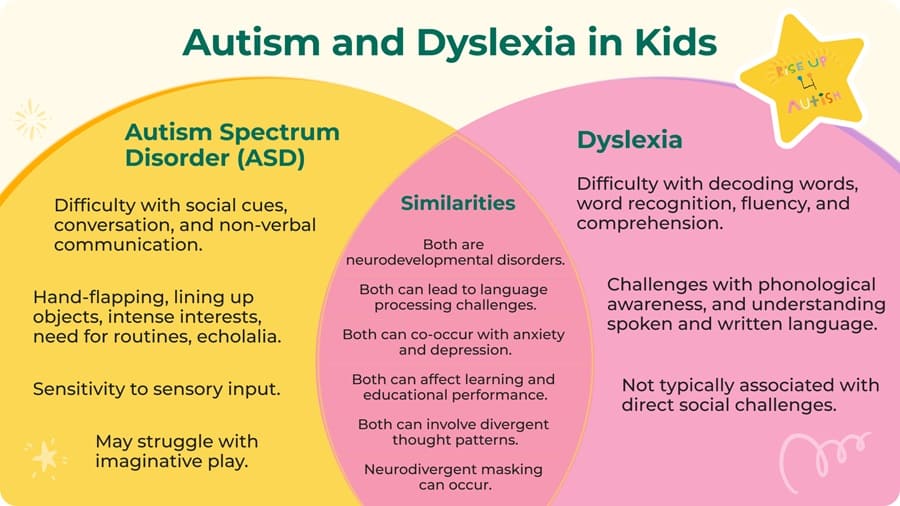
- Social-emotional reciprocity: Abnormal back-and-forth conversation; reduced sharing of interests or emotions.
- Nonverbal communicative behaviors: Poor eye contact, abnormal body language, and a lack of facial expressions.
- Relationships: Difficulty adjusting behavior to various social contexts; absence of interest in peers.
B. Restricted, repetitive patterns of behavior:
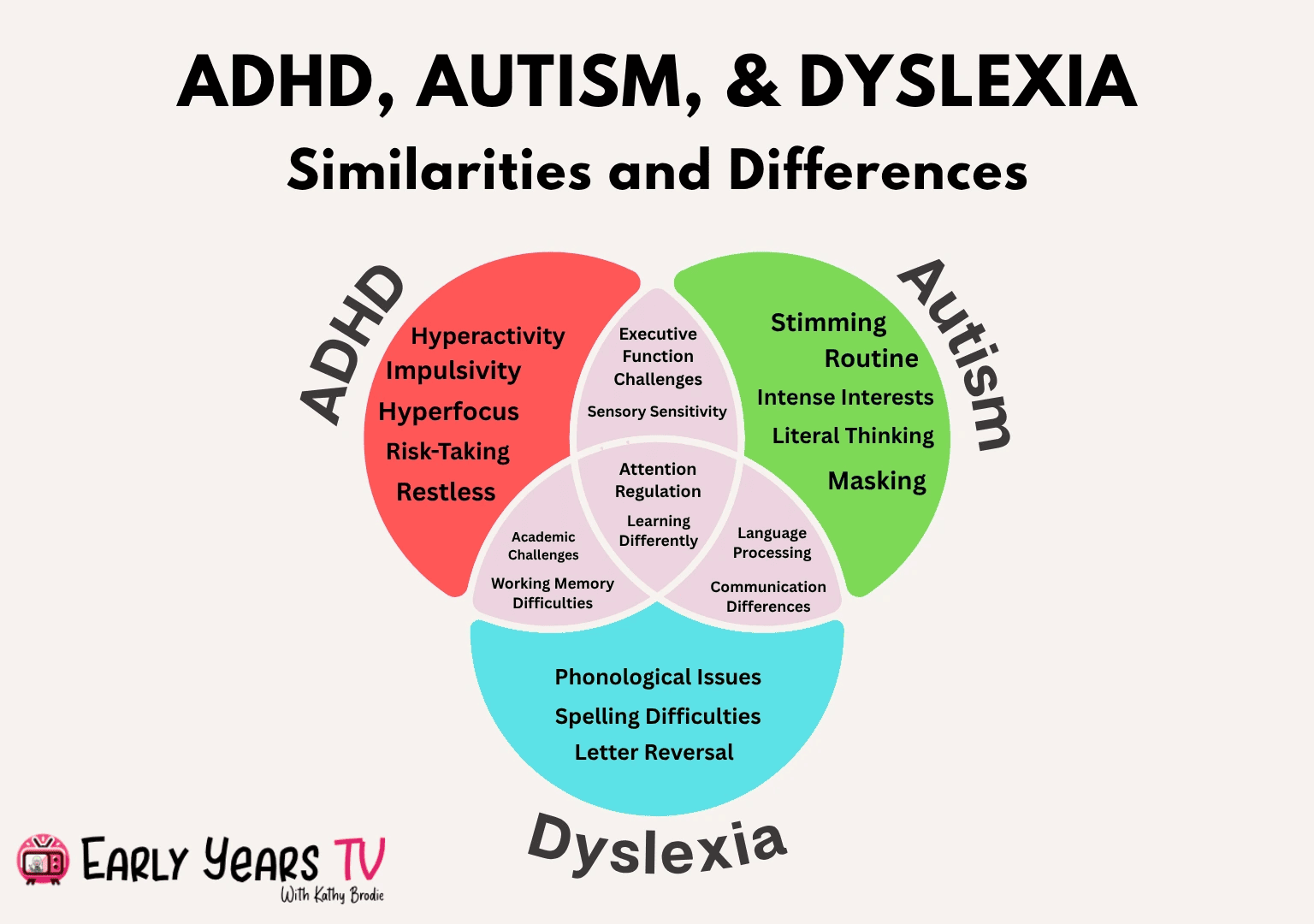
- Stereotyped movements: Hand-flapping, lining up toys, or echolalia (repeating words/phrases).
- Insistence on sameness: Inflexible adherence to routines or ritualized patterns of behavior.
- Fixated interests: Highly restricted interests that are abnormal in intensity or focus.
- Sensory issues: Hyper- or hyporeactivity to sensory input (adverse response to specific textures/sounds; indifference to pain).
2.2 Epidemiology and Aetiology
Global prevalence is approximately 1%, with a male-to-female ratio of 4:1. Risk factors include advanced parental age, prenatal exposure to valproate, and genetic syndromes like Fragile X. There is no scientific evidence linking vaccines to autism.
Children with ASD in Uganda are frequently mislabeled as "possessed," "cursed," or "stubborn." Common presenting complaints include delayed speech, inability to play with peers, and extreme tantrums when routines are disrupted. Some may display "savant skills" in music or mathematics.
2.3 Management
- Early Intervention: Speech therapy, occupational therapy, and behavioral interventions like Applied Behaviour Analysis (ABA).
- Educational Support: Special needs education with Individualised Education Plans (IEPs).
- Pharmacological: No medication treats core symptoms. Risperidone or aripiprazole may be used for severe irritability or self-injury.
3. Attention Deficit Hyperactivity Disorder (ADHD)
Definition: A neurodevelopmental disorder characterized by a persistent pattern of inattention and/or hyperactivity-impulsivity that interferes with functioning. Symptoms must be present before 12 years of age and in two or more settings (e.g., home and school).
3.1 Subtypes
- Predominantly inattentive: Difficulty sustaining attention, following instructions, and completing schoolwork. Appears forgetful and easily distracted.
- Predominantly hyperactive-impulsive: Excessive fidgeting, inability to remain seated, excessive talking, and difficulty waiting for turns.
- Combined presentation: Meets criteria for both inattention and hyperactivity.
Global prevalence is 5–7%. Heritability is approximately 75%. Untreated ADHD increases the risk of conduct disorder, substance abuse, and unemployment. In Uganda, these children are often punished for "laziness" or "disobedience."
3.2 Management
- Behavioral: Parent management training and classroom behavior modification.
- Pharmacological: Stimulants (Methylphenidate, Amphetamines) are first-line. Non-stimulants include Atomoxetine.
- Support: Seating near the teacher, breaking tasks into small steps, and allowing movement breaks.
4. Specific Learning Disorders (Dyslexia)
Definition: Persistent difficulties learning academic skills, with onset during school-age years. Dyslexia refers specifically to impairment in reading accuracy, fluency, or comprehension despite adequate intelligence.
4.1 Clinical Features and Management
- Features: Slow/inaccurate reading, letter reversals (b/d, p/q), word substitutions, and poor spelling.
- Management: Structured literacy instruction (e.g., Orton-Gillingham approach), multisensory teaching, and accommodations such as extra time for tests or text-to-speech technology.
5. Intellectual Disability
Definition: Characterized by deficits in intellectual functioning (reasoning, problem-solving) and adaptive functioning (social skills, self-care) with onset during the developmental period.
5.1 Causes
- Genetic: Down syndrome, Fragile X, Phenylketonuria (PKU).
- Prenatal: Fetal alcohol syndrome, TORCH infections, iodine deficiency.
- Perinatal: Birth asphyxia, prematurity, hypoglycemia.
- Postnatal: Meningitis, encephalitis, head trauma, severe malnutrition, lead poisoning.
6. Cerebral Palsy (CP)
Definition: A group of permanent disorders of movement and posture caused by non-progressive disturbances in the developing fetal or infant brain. It is the most common physical disability in childhood.
6.1 Classification
- Spastic CP (70–80%): Increased muscle tone, hyperreflexia, and contractures (Hemiplegia, Diplegia, Quadriplegia).
- Dyskinetic CP: Involuntary movements (chorea, athetosis) due to basal ganglia injury.
- Ataxic CP: Poor coordination and depth perception (cerebellar involvement).
6.2 Risk Factors and Management
Risk Factors: Prematurity/low birth weight (most significant), birth asphyxia, kernicterus (severe jaundice), and maternal infections.
Management: Multidisciplinary rehab (Physio/OT/Speech), orthopaedic interventions (tendon release, Baclofen, Botox), and assistive devices (wheelchairs, orthoses).
7. Down Syndrome
Definition: A chromosomal disorder caused by the presence of an extra copy of Chromosome 21 (Trisomy 21). It is the most common chromosomal cause of intellectual disability.
7.1 Clinical Features and Complications
- Dysmorphic Features: Flat facial profile, upslanting palpebral fissures, epicanthal folds, protruding tongue, and single palmar crease.
- Medical Complications: Congenital heart disease (40–50%), gastrointestinal anomalies (Hirschsprung disease), hypothyroidism, and increased risk of leukemia.
8. Summary Table: Developmental Disorders
| Disorder | Core Deficit | Key Features | Management |
|---|---|---|---|
| Autism (ASD) | Social communication | Repetitive behaviors; sensory issues | Behavioral therapy; family support |
| ADHD | Attention & Impulse control | Inattention; hyperactivity; impulsivity | Stimulants; behavioral therapy |
| Dyslexia | Reading ability | Phonological deficits; poor spelling | Phonics; assistive technology |
| Intellectual Disability | Intellectual & Adaptive function | Delayed milestones; poor reasoning | Special education; vocational training |
| Cerebral Palsy | Motor control | Spasticity; posture abnormalities | Physiotherapy; orthopaedics |
| Down Syndrome | Chromosomal (Trisomy 21) | Dysmorphic features; heart defects | Early intervention; cardiac screening |
9. Clinical Assessment
- Developmental History: Precise milestone history, pregnancy/birth history, and educational history.
- Physical Examination: Growth parameters, dysmorphic features, and full neurological exam.
- Screening Tools: Denver Developmental Screening Test (DDST), Ages and Stages Questionnaire (ASQ), M-CHAT (Autism), and Conners Rating Scale (ADHD).
- Investigations: Karyotype/microarray, metabolic screening, and neuroimaging (CT/MRI).
10. Key Points
- Developmental disorders are underdiagnosed but have significant lifelong impact.
- ASD focuses on social deficits; ADHD on focus and impulse control.
- Cerebral Palsy is a non-progressive motor disability.
- Down Syndrome requires regular screening for cardiac and thyroid complications.
- Early identification and intervention dramatically improve outcomes.