

Physiology
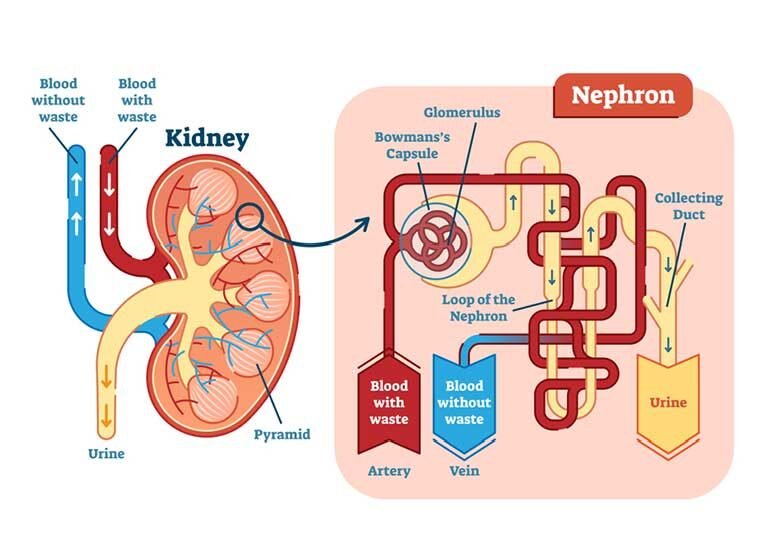
Kidney Function.
The kidneys are two bean-shaped organs, each about the size of a fist, located just below the rib cage on either side of the spine. They act as…
Read notesFind organised class notes, past papers and practice resources for medicine and clinical medicine. Choose your course below or search for a topic to start revising.
Revise clinical conditions and age-specific infant and child health guidance. Use these learning resources alongside current official Uganda guidelines and your institution’s protocols.
The kidneys are two bean-shaped organs, each about the size of a fist, located just below the rib cage on either side of the spine. They act as…
Read notes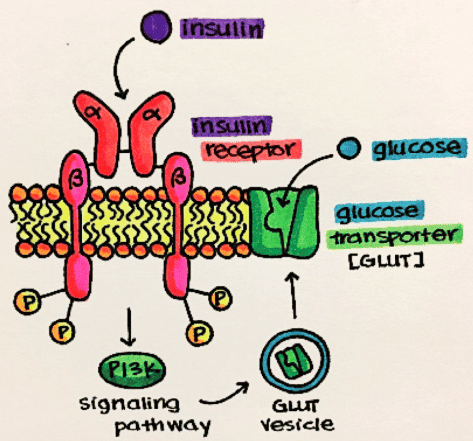
Drugs change cell behavior by binding to receptors—specialized protein molecules located on the cell surface or inside the cell. This binding triggers signal transduction, the step-by-step molecular process…
Read notes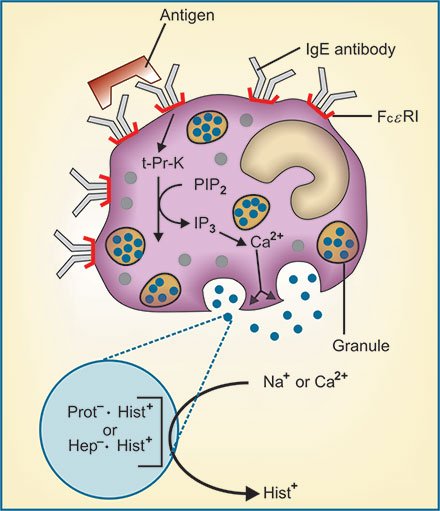
Autacoids are local, short-lived biological molecules synthesized and released near their site of action to regulate nearby cells. Often called "local hormones," they differ from traditional systemic hormones…
Read notes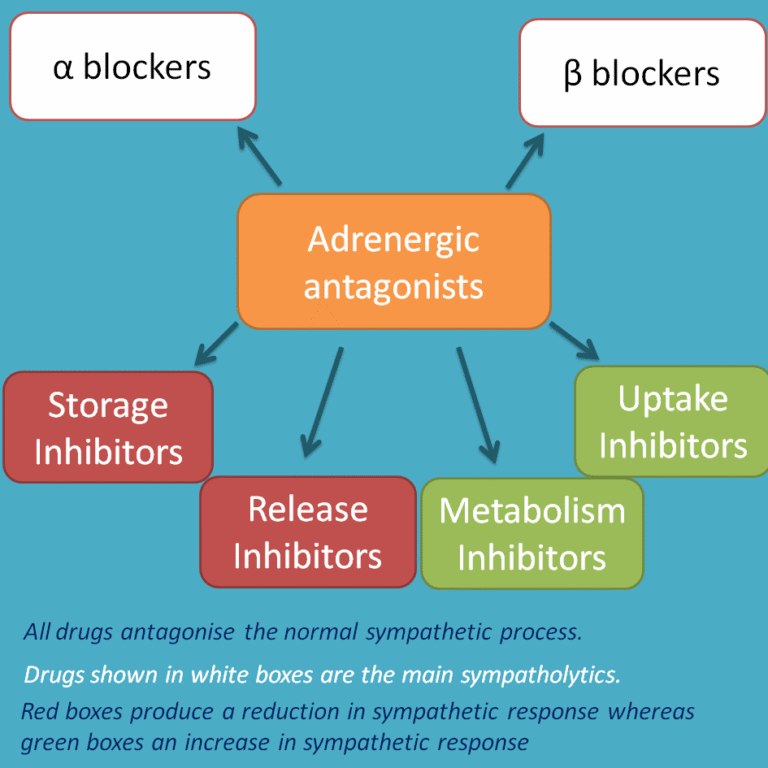
Adrenergic antagonists (also known as sympatholytics) are medications that bind to alpha (α) or beta (β) adrenergic receptors and block the actions of catecholamines like epinephrine and norepinephrine.
Read notes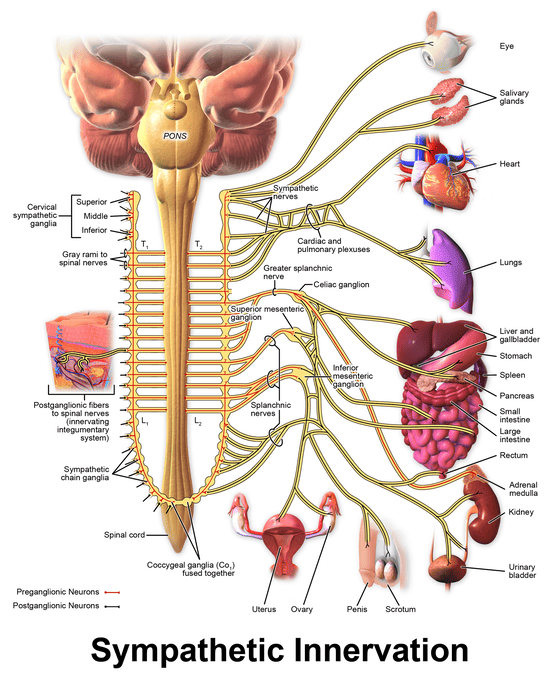
The adrenergic system is a major part of the sympathetic nervous system that regulates the body's "fight-or-flight" response, stress reactions, heart rate, blood pressure, and airway relaxation. It…
Read notes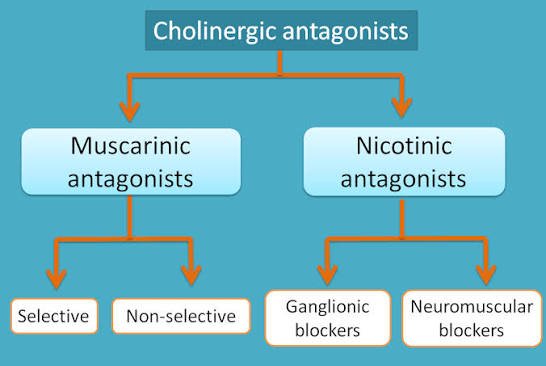
A cholinergic antagonist (also known as an anticholinergic agent or parasympatholytic) is a drug that binds to cholinergic receptors—either muscarinic or nicotinic—and blocks the actions of the neurotransmitter…
Read notesA simple, structured routine for using notes and past papers effectively.
Choose your course, browse a subject curriculum, or use the homepage search. The library is growing, so some topics do not have notes yet.
Use notes alongside your lectures and recommended textbooks. Check clinical guidance against current official sources and ask your tutor about anything unclear.
Try available quizzes and past papers, then revisit topics you found difficult. If you spot an error or a broken link, tell us through the Contact page.