Doctors Revision

Author name: doctorsrevision@gmail.com

Definition and role of health behavior Theories of behavioural acquisition and modification
Medical Psychology

Health behavior Theories (acquisition and modification)

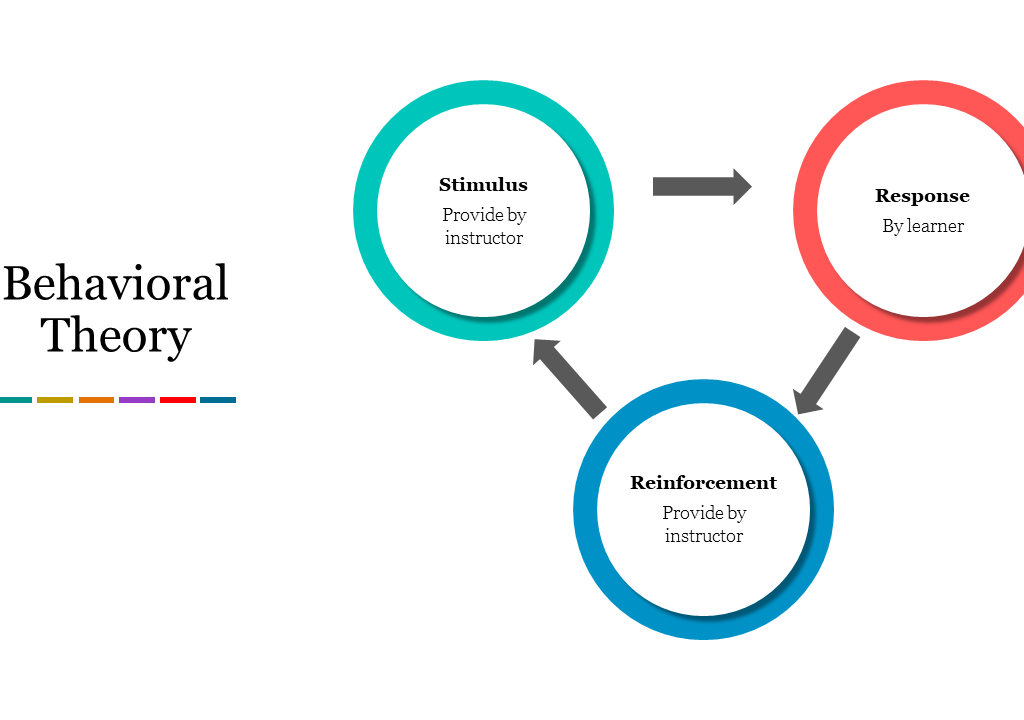
Health Behavior: Acquisition, Modification, and Clinical Application 1. The Definition and Role of Health Behavior In modern medicine, chronic diseases (like diabetes, hypertension, and heart disease) have replaced infectious diseases as the leading causes of death. Because these conditions are largely driven by lifestyle, understanding Health Behavior is critical for any healthcare professional. Core Definition Health Behavior refers to any action taken by an individual that affects their health, mortality, or overall well-being. These actions can either promote health (e.g., exercising, getting vaccinated) or compromise health (e.g., smoking, eating a high-sugar diet, ignoring medical advice). Categories of Health Behavior Preventive Health Behavior: Actions taken by a healthy person to prevent illness (e.g., wearing a seatbelt, eating a balanced diet, regular handwashing). Illness Behavior: Actions taken by a person who feels sick to discover what is wrong and find a remedy (e.g., visiting a doctor, researching symptoms online). Sick-Role Behavior: Actions taken by a person who has already been diagnosed, for the purpose of getting well (e.g., adhering to a prescription, undergoing physical therapy, resting). The Clinical Role of Health Behavior The role of health behavior in healthcare cannot be overstated. It is the bridge between a doctor’s prescription and a patient’s recovery. Poor health behavior leads to medical non-adherence (patients not taking their drugs), increased hospital readmissions, and massive healthcare costs. Modifying these behaviors is often more effective than medication alone. 2. Theories of Behavioral Acquisition (How We Learn Behaviors) Before we can change a bad health habit, we must understand how the patient acquired it. Behavioral psychology provides three foundational theories of how behaviors are learned. A. Classical Conditioning (Ivan Pavlov & John B. Watson) This theory explains how we learn through association. An involuntary, natural reflex becomes associated with a completely new, neutral trigger. Mechanism: A neutral stimulus is paired repeatedly with a stimulus that naturally causes a reaction. Eventually, the neutral stimulus alone causes the reaction. Healthcare Examples of Classical Conditioning: White-Coat Hypertension: A patient repeatedly associates the hospital environment (neutral) with stressful or painful procedures (natural trigger). Eventually, just seeing a doctor in a white coat causes their blood pressure to spike, even if no procedure is happening. Anticipatory Nausea in Chemotherapy: A cancer patient receives chemotherapy (natural trigger) which causes vomiting (natural reflex). After a few sessions, the waiting room or the smell of the clinic (neutral) becomes associated with the drug. The patient begins vomiting before the drug is even administered. B. Operant Conditioning (B.F. Skinner) This theory explains that behaviors are acquired and maintained based on their consequences (rewards and punishments). We repeat behaviors that are rewarded and stop behaviors that are punished. Positive Reinforcement Adding a pleasant reward to increase a behavior. Example: A diabetic patient loses 2kg. The doctor heavily praises them and their family celebrates. The patient is motivated to keep exercising. Negative Reinforcement Removing an unpleasant feeling to increase a behavior. Example: A patient has a terrible headache. They take Panadol (Paracetamol), and the pain goes away. They have “learned” to take medication promptly next time they feel pain. Punishment Adding a negative consequence to decrease a behavior. Example: A patient lifts a heavy box using their back instead of their knees and experiences immediate, sharp spine pain. They learn not to lift that way again. C. Social Learning Theory / Social Cognitive Theory (Albert Bandura) Humans do not just learn from direct rewards or associations; we learn primarily through observation and modeling. Mechanism: We watch others perform a behavior, observe the consequences they face, and then imitate them. Healthcare Example: A child grows up in a house where both parents smoke cigarettes to relieve stress. The child observes this coping mechanism and is highly likely to acquire the smoking habit in adulthood. Conversely, observing peers successfully manage their asthma in a support group teaches a newly diagnosed patient how to use an inhaler correctly. 3. Theories of Behavioral Modification (How We Change Behaviors) Knowing how a behavior was learned allows clinicians to use specific models to modify or replace unhealthy habits with healthy ones. A. The Health Belief Model (HBM) Developed in the 1950s, this model suggests that a patient will only change their behavior if they hold specific beliefs about their health. It is heavily used in preventive medicine (like screening and vaccination). Core Belief Definition Healthcare Example (Breast Cancer Screening) Perceived Susceptibility Does the patient believe they are at risk? “My mother had breast cancer, so I know I am at high risk of getting it.” Perceived Severity Does the patient believe the illness is serious? “Breast cancer is deadly; it could kill me and leave my children without a mother.” Perceived Benefits Will the new behavior actually help? “Getting a mammogram can catch the cancer early, saving my life.” Perceived Barriers What is stopping the patient from acting? “The mammogram is expensive, painful, and the clinic is far away.” Cues to Action The trigger that forces the decision. Receiving a reminder text from the clinic, or seeing a billboard about breast cancer. Clinical Goal: The doctor’s job is to increase perceived susceptibility and benefits, while removing barriers (e.g., offering a free or subsidized screening clinic). B. The Transtheoretical Model (Stages of Change) Behavior change is not a single event; it is a long process. A doctor cannot simply tell a smoker to quit and expect them to do it tomorrow. This model identifies the stages a patient moves through to achieve lasting change. 1. Precontemplation Status: Not thinking about change. In denial. Patient: “My grandfather smoked every day and lived to 90. Smoking isn’t hurting me.” Doctor’s Role: Provide gentle education. Do not force action. 2. Contemplation Status: Aware of the problem, considering change in the next 6 months, but hesitant. Patient: “I know smoking makes my cough worse, but it really helps my stress.” Doctor’s Role: Help weigh the pros and cons. 3. Preparation Status: Ready to take action within the next 30 days. Making small steps. Patient: “I bought nicotine patches and
Human Personality: Characteristics, Theories, and Traits
Medical Psychology

Personality and Personality Traits

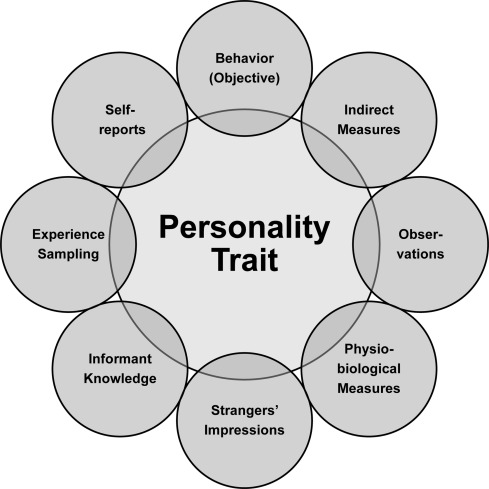
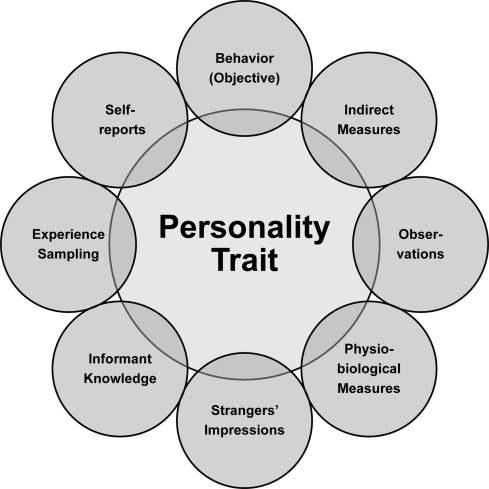
Human Personality: Characteristics, Theories, and Traits 1. Introduction & Concept Every individual has their own characteristic way of behaving, responding to emotions, perceiving things, and looking at the world. No two individuals are exactly similar. For example, while you might enjoy going out for parties, a friend might prefer staying back at home reading a favorite book. Etymology: The word “Personality” is derived from the Latin word Persona, referring to the theatrical masks worn by Roman actors to project a specific role. Upbringing & Background: What an individual experiences in their childhood and growing years forms their personality. A person with a troubled, restricted childhood might not open up easily or may harbor inner fears, while an individual who never faced major life problems might naturally develop into an extrovert. Influence: Personality dictates what we think, our beliefs, values, and expectations, as well as how we view others. Definitions of Personality Personality can be defined through multiple psychological and behavioral lenses: The personal qualities and characteristics of an individual. The sum of characteristics that make an individual unique and different from others. The total of ways in which an individual reacts and interacts with others. A pattern of stable states and characteristics that influences an individual’s behavior toward goal achievement. Gordon Allport (1937): “Personality is the dynamic organization within the individual of those psychophysical systems that determine his unique adjustments to his environment.” 2. Determinants of Personality Human personality is shaped by a complex interplay of forces. These factors determine how one’s personality develops over time: 1. Heredity (Biological) Factors determined once an individual is born. An individual’s physique, attractiveness, body type, complexion, and body weight heavily depend on their parents’ biological makeup. 2. Environment The environment an individual is subjected to during their growing years. This includes the varied cultures we are brought up in and our family backgrounds, both of which play a crucial role in shaping personalities. 3. Situation An individual’s personality changes with current circumstances. For instance, an individual might behave very differently when they have enough savings compared to when they are completely bankrupt. 3. Broad Theoretical Approaches To understand the complexity of human behavior, psychologists rely on four main theoretical frameworks: Trait Theory: Focuses on measuring and describing individual differences in continuous traits. Psychodynamic Theory: Focuses on unconscious drives and childhood conflicts (e.g., Sigmund Freud). Humanistic Theory: Focuses on self-actualization, inherent goodness, and personal growth (e.g., Carl Rogers, Abraham Maslow). Integrative Approach: Combines biological, psychological, and social factors into a unified model. 4. Type Theories of Personality Type theories attempt to categorize people into specific, non-overlapping categories. A. Type A vs. Type B Personalities Developed by cardiologists linking personality behavior to health risks. Type A Personality Type B Personality Always moving, walking, and eating rapidly. Never suffer from a sense of time urgency or impatience. Feel impatient with the rate at which most events take place. Feel no need to display or discuss their achievements. Strive to think or do two or more things at once. Play for fun and relaxation, rather than to exhibit superiority at any cost. Cannot cope with leisure time. Can relax without feeling any guilt. Obsessed with numbers; measuring success by how much they acquire. Focus on the quality of life over the quantity of accomplishments. B. The Myers-Briggs Type Indicator (MBTI) A personality test that taps into four characteristics and classifies people into 1 of 16 personality types based on how they gather information and make decisions. Energy Focus Extroversion (E) vs. Introversion (I) Extraverts: “Outward-turning.” Action-oriented, enjoy frequent social interaction, feel energized after spending time with other people. Introverts: “Inward-turning.” Thought-oriented, enjoy deep/meaningful interactions, feel recharged after spending time alone. Information Gathering Sensing (S) vs. Intuition (N) Sensing: Pay great attention to reality and what they learn from their own senses. Focus on facts, details, and hands-on experience. Intuition: Pay more attention to patterns, impressions, abstract theories, and imagining future possibilities. Decision Making Thinking (T) vs. Feeling (F) Thinking: Emphasize facts and objective data. Tend to be consistent, logical, and impersonal when deciding. Feeling: Consider people and their emotions heavily when arriving at a conclusion. Lifestyle Judging (J) vs. Perceiving (P) Judging: Prefer structure, planning, and firm decisions. Perceiving: Prefer to be more open, flexible, and adaptable to change. 5. Trait Theories of Personality A personality trait is a characteristic that endures over time and across different situations. Trait theories focus on measuring, identifying, and describing individual differences based on what makes them different—not what makes them the same. Traits can be used to accurately predict behavior. A. Raymond Cattell’s 16 Personality Traits Through extensive research, 16 primary traits were identified as the building blocks of human personality: Trait Category Spectrum (Low vs. High) 1. Abstractedness Practical vs. Imaginative 2. Apprehension Confident vs. Worried 3. Dominance Submissive vs. Forceful 4. Emotional Stability High-strung vs. Calm 5. Liveliness Restrained vs. Spontaneous 6. Openness to Change Attached to familiar vs. Flexible 7. Perfectionism Undisciplined vs. Controlled 8. Privateness Open vs. Discreet 9. Reasoning Concrete vs. Abstract 10. Rule-Consciousness Non-conforming vs. Conforming 11. Self-Reliance Dependent vs. Self-sufficient 12. Sensitivity Tough-minded vs. Tender-hearted 13. Social Boldness Shy vs. Uninhibited 14. Tension Relaxed vs. Impatient 15. Vigilance Trusting vs. Suspicious 16. Warmth Reserved vs. Outgoing B. The Big Five Model (O.C.E.A.N.) The most widely accepted dimensional model mapping five core traits: O Openness to Experience Features characteristics such as imagination, insight, artistic sensitivity, and intellectualism. High scorers are curious and enjoy challenges. C Conscientiousness High levels of thoughtfulness, good impulse control, and goal-directed behavior. They are responsible, dependable, reliable, persistent, and highly organized. E Extroversion Includes characteristics such as excitability, sociability, talkativeness, assertiveness, and high amounts of emotional expressiveness. They love excitement and are cheerful. A Agreeableness Includes attributes like trust, altruism, kindness, affection, and pro-social behaviors. They are good-natured, cooperative, warm, generous, and selfless. N Emotional Stability (Neuroticism) Individuals with low stability (high neuroticism) tend to experience anxiety, moodiness, irritability, sadness, and insecurity. High stability individuals are calm, self-confident, and

Theories of motivation
Medical Psychology

Theories of motivation

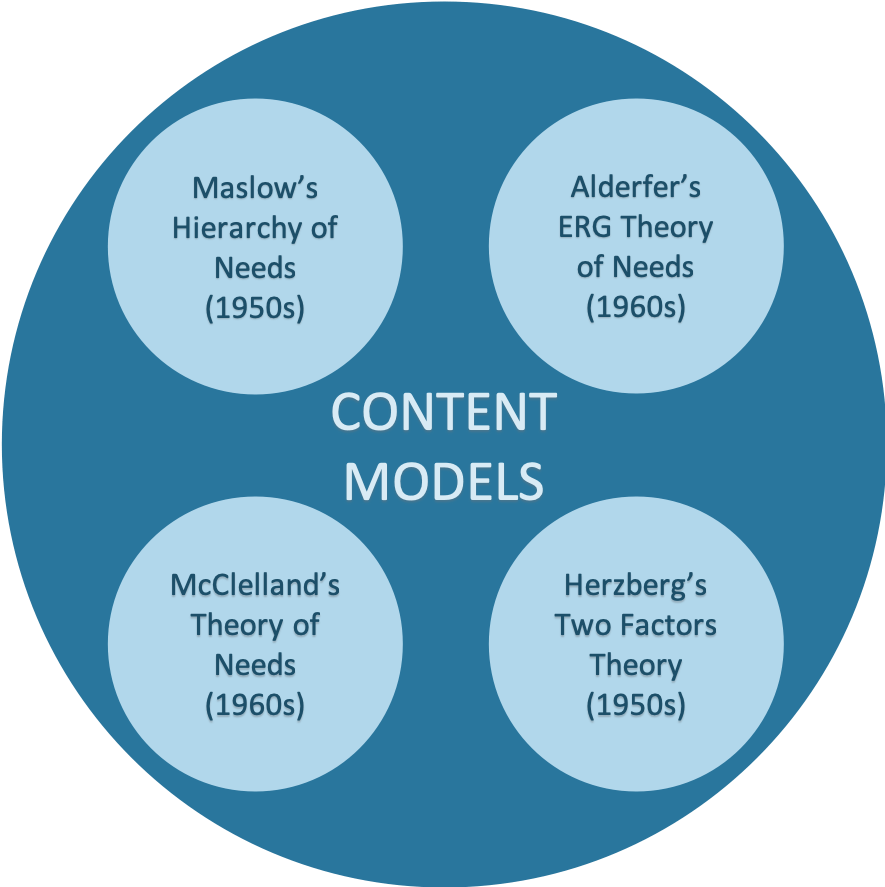
THEORIES OF MOTIVATION 1. Categorization of Motivation Theories This document explores the foundational theories in management and psychology used to understand employee and human motivation. NEED OR CONTENT THEORY Need hierarchy theory – Maslow Two factor theory – Frederick Herzberg ERG theory – Clayton Alderfer Acquired-needs theory – David C. McClelland COGNITIVE THEORIES Equity theory – J. Stacy Adams EXPECTANCY THEORIES Expectancy theory – Victor H. Vroom Porter and Lawler model REINFORCEMENT & BEHAVIOURAL THEORIES Reinforcement theory – B.F. Skinner Theory X and Theory Y – McGregor Theory Z – Ouchi Mnemonic: “NEEDER” To remember the Content Theories: Need ERG Expectancy (Cognitive) Douglas (McGregor) Equity Reinforcement. (Or simply recall: Maslow, Herzberg, Alderfer, McClelland.) 2. Douglas McGregor’s Theory X and Theory Y Theory X and Theory Y are two sets of assumptions about human nature. They describe two contrasting models of workforce motivation. Theory X and Theory Y have to do with the perceptions managers hold on their employees, not the way they generally behave. Assumptions of Theory X The average human being is inherently lazy by nature and desires to work as little as possible. He avoids accepting responsibility and prefers to be led or directed by some other. He is self-centered and indifferent to organizational needs. He has little ambition, dislikes responsibility, prefers to be led but wants security. He is not very intelligent and lacks creativity in solving organizational problems. He is, by nature, resistant to change of any type. Memory Hook Theory X = “X-out Creativity”: Managers assume employees are lazy, avoid responsibility, and resist change. They need constant direction and punishment. Assumptions of Theory Y An average man is not really against doing work. People can be self-directed and creative at work if they are motivated properly. External control and threats of punishment alone do not bring out efforts towards organizational objectives. People have capacity to exercise imagination and creativity. People are not by nature passive or resistant to organizational needs. An average human being learns under proper conditions. He is also willing to accept responsibility. Memory Hook Theory Y = “Yes to Growth”: Managers assume employees are self-directed, creative, and seek responsibility. Motivation comes from proper conditions, not threats. 3. Abraham Maslow’s Hierarchy of Needs Theory Maslow’s theory is based on the Hierarchy of Human Needs. According to Maslow, human behavior is related to his needs. It is adjusted as per the nature of needs to be satisfied. In hierarchy of needs theory, Maslow identified five types / sets of human need arranged in a hierarchy of their importance and priority: Physiological Needs Security / Safety Needs Social Needs Esteem Needs Self-actualization Needs Mnemonic: “P-S-S-E-S” Physiological, Safety, Social, Esteem, Self-actualization. “Please Stop Seeking Empty Satisfaction” (to remember the progression). 4. Clayton Alderfer’s ERG Theory This theory, like Maslow’s theory, describes needs as a hierarchy. Maslow’s Five needs have been condensed into Three needs: Existence needs: These include need for basic material necessities. In short, it includes an individual’s physiological and physical safety needs. Relatedness needs: Maslow’s social needs and external component of esteem needs fall under this class of need. Growth needs: Maslow’s self-actualization needs and intrinsic component of esteem needs fall under this category of need. Mnemonic: ERG Existence, Relatedness, Growth. “Energy, Relationships, Growth.” 5. David McClelland’s Acquired Needs Theory McClelland classified three basic motivating needs: Need for achievement (nACH): The n-ach person is ‘achievement motivated’ and therefore seeks achievement, attainment of realistic but challenging goals, and advancement in the job. Need for Power (nPWR): The n-pow person is ‘authority motivated’. This driver produces a need to be influential, effective and to make an impact. There is a strong need to lead and for their ideas to prevail. Need for Affiliation (nAFF): The n-affil person is ‘affiliation motivated’, and has a need for friendly relationships and is motivated towards interaction with other people. Mnemonic: APA Achievement, Power, Affiliation. The APA model of acquired needs. 6. Frederick Herzberg’s Two-Factor Theory This Theory was propounded by American Psychologist Frederick Herzberg. It is also known as “Herzberg’s motivation-hygiene theory” and “Dual-Factor Theory”. The Theory states that there are certain factors in the workplace that cause job satisfaction, while a separate set of factors cause dissatisfaction. In other words, factors that cause job dissatisfaction are different from the factors that lead to job satisfaction. The opposite of satisfaction is not dissatisfaction but ‘No Satisfaction’. Similarly, The opposite of dissatisfaction is not satisfaction but ‘No Dissatisfaction’. Motivators vs. Hygiene Factors Motivators: (e.g. challenging work, recognition, responsibility) that give positive satisfaction, arising from intrinsic conditions of the job itself, such as recognition, achievement, or personal growth. Hygiene factors: (e.g. status, job security, salary, fringe benefits, work conditions) that do not give positive satisfaction, though dissatisfaction results from their absence. These are extrinsic to the work itself, and include aspects such as company policies, supervisory practices, or wages/salary. Mnemonic: The “M-H” Rule Hygiene factors keep you from being Hurt (Dissatisfaction). Motivators get you More (Satisfaction). 7. Equity Theory (J. Stacy Adams) First developed in 1963 by John Stacey Adams, a workplace and behavioral psychologist, the equity theory is based on the human instinct of comparison with others. Equity theory states that employees seek to maintain equity between the inputs that they bring to a job and the outcomes that they receive from it against the perceived inputs and outcomes of others. While evaluating fairness, employee compares the job input (in terms of contribution) to outcome (in terms of compensation) and also compares the same with that of another peer of equal cadre/category. O/I ratio (output-input ratio) is used to make such a comparison. The persons, system or selves against which individuals compare themselves are known as Referents. Referents can be classified as: 1. Persons, 2. Systems, 3. Self. 8. B.F. Skinner’s Reinforcement Theory According to this theory, past actions and their outcomes influence a person’s present and future actions. Past behaviours associated with positive outcomes are repeated in future and behaviours associated with negative outcomes are not repeated. Therefore, the

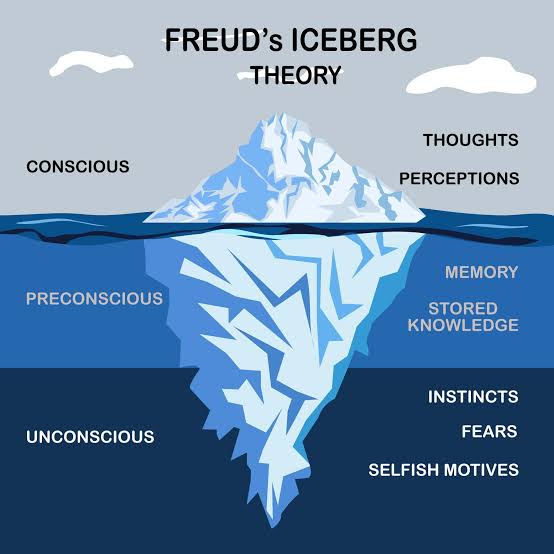
Freuds Iceberg Model of the Mind illustrating conscious preconscious and unconscious levels
Medical Psychology

Medical Psychology Mid-Term Examination

Medical Psychology Examination — Clinical Medicine Year 1 End of Semester Examination Medical Psychology Clinical Medicine • Year 1 • Semester 1, 2025 Contact Hours: 60  |  Credit Units: 4 2 HrsDuration 100Total Marks A · B · CSections Intro & Theories Growth & Development Mental Processes Learning Theories Attitude & Motivation Personality & Defense Stress & Counselling Instructions to Candidates Answer ALL questions in Section A (Objectives & Fill-ins). Answer any THREE questions from Section B. Answer any TWO questions from Section C. Write clearly and legibly, using appropriate psychological terminology. Do not write anything in the margins. Section A 40 MARKS Part I — Objectives (20 Marks). Answer ALL questions. Choose the most appropriate answer. 1. Medical psychology is best defined as the branch of psychology concerned primarily with: A. Animal behaviour in laboratory settingsB. The application of psychological principles to health, illness, and clinical care C. The study of abnormal statisticsD. Educational assessment only Show Answer Answer: B. Medical psychology applies psychological knowledge, attitudes, and skills to understanding and managing patients within clinical medicine and community health. 2. Which school of thought focused on breaking down the mind into its most basic components through introspection? A. FunctionalismB. Structuralism C. BehaviourismD. Gestalt theory Show Answer Answer: B. Structuralism — Associated with Wilhelm Wundt and Titchener; analyzed consciousness into basic elements. 3. “The whole is greater than the sum of its parts” is the guiding principle of which theory? A. Psychoanalytic theoryB. Gestalt theory C. BehaviourismD. Biological theory Show Answer Answer: B. Gestalt theory — Emphasizes that perception and mental processes are organized as unified wholes, not isolated parts. 4. According to Sigmund Freud’s psychosexual stages, fixation during the anal stage may later manifest as: A. Excessive dependencyB. Obsessive orderliness or stubbornness C. Poor identity formationD. Oral aggression Show Answer Answer: B. Obsessive orderliness or stubbornness — Reflects an “anal-retentive” personality resulting from fixation at this stage. 5. Erik Erikson’s psychosocial stage occurring during adolescence centers on the conflict of: A. Trust vs. MistrustB. Industry vs. Inferiority C. Identity vs. Role ConfusionD. Generativity vs. Stagnation Show Answer Answer: C. Identity vs. Role Confusion — The adolescent must establish a coherent sense of self and personal identity. 6. A child who understands that a ball of clay flattened into a pancake still has the same amount of clay has achieved: A. Object permanenceB. Conservation C. EgocentrismD. Abstract reasoning Show Answer Answer: B. Conservation — A hallmark of Piaget’s Concrete Operational stage (approx. 7-11 years). 7. The stage of sleep associated with vivid dreaming and rapid eye movement is: A. Stage 1 NREMB. Stage 3 NREM (Slow-wave sleep) C. REM sleepD. Hypnagogic state Show Answer Answer: C. REM sleep — Characterized by rapid eye movement, muscle atonia, and heightened brain activity resembling wakefulness. 8. Pavlov’s experiment with dogs salivating to the sound of a bell is a classic demonstration of: A. Operant conditioningB. Classical conditioning C. Observational learningD. Insight learning Show Answer Answer: B. Classical conditioning — A previously neutral stimulus (bell) becomes associated with an unconditioned stimulus (food) to elicit a conditioned response. 9. Rewarding a child with praise every time they take their medication without complaint is an example of: A. Negative reinforcementB. Positive reinforcement C. PunishmentD. Extinction Show Answer Answer: B. Positive reinforcement — Adding a desirable stimulus (praise) to increase the likelihood of a behaviour recurring. 10. Bandura’s Bobo doll experiment is the foundational study for which learning theory? A. Classical conditioningB. Operant conditioning C. Social (observational) learningD. Cognitive dissonance theory Show Answer Answer: C. Social (observational) learning — Demonstrated that children learn aggressive behaviour by observing and imitating models. 11. Festinger’s theory describing the mental discomfort felt when holding two contradictory beliefs is: A. Cognitive dissonance theoryB. Drive reduction theory C. Attribution theoryD. Social comparison theory Show Answer Answer: A. Cognitive dissonance theory — Often used to explain why patients rationalize unhealthy behaviours despite knowing the risks. 12. Maslow’s Hierarchy of Needs places which of the following at the base of the pyramid? A. Self-actualizationB. Esteem needs C. Physiological needsD. Belongingness and love Show Answer Answer: C. Physiological needs — Basic survival needs (food, water, sleep) must be met before higher-order needs can be pursued. 13. Hippocrates’ classification of temperament based on bodily fluids (humours) is called the: A. Trait theoryB. Humoral theory C. Type theory (Sheldon)D. Psychoanalytic theory Show Answer Answer: B. Humoral theory — Proposed four temperaments: sanguine, choleric, melancholic, and phlegmatic, based on bodily humours. 14. A patient who has just been diagnosed with a terminal illness insists “the lab must have mixed up my results.” This is an example of the defense mechanism known as: A. ProjectionB. Denial C. RepressionD. Sublimation Show Answer Answer: B. Denial — Refusal to accept a painful reality, common in the initial stage of coping with bad news. 15. A husband who is angry at his boss but comes home and shouts at his wife instead is demonstrating: A. DisplacementB. Reaction formation C. RationalizationD. Regression Show Answer Answer: A. Displacement — Redirecting emotional impulses from the original (threatening) target to a safer substitute. 16. Which of the following is classified as an eustress rather than a distress? A. BereavementB. Chronic illness C. Getting marriedD. Job loss Show Answer Answer: C. Getting married — Eustress is positive stress arising from a pleasant event, still requiring adaptation. 17. Which stage of Hans Selye’s General Adaptation Syndrome (GAS) involves depletion of the body’s resources and increased vulnerability to illness? A. Alarm reactionB. Resistance C. ExhaustionD. Recovery Show Answer Answer: C. Exhaustion — Prolonged stress depletes adaptive energy, leading to burnout and increased susceptibility to disease. 18. One of the most essential qualities of an effective counsellor is: A. Giving direct advice quicklyB. Unconditional positive regard and empathy C. Maintaining emotional distance at all timesD. Speaking more than listening Show Answer Answer: B. Unconditional positive regard and empathy — Core conditions described by Carl Rogers as essential to a therapeutic relationship. 19. Counselling offered immediately after a sudden traumatic event,

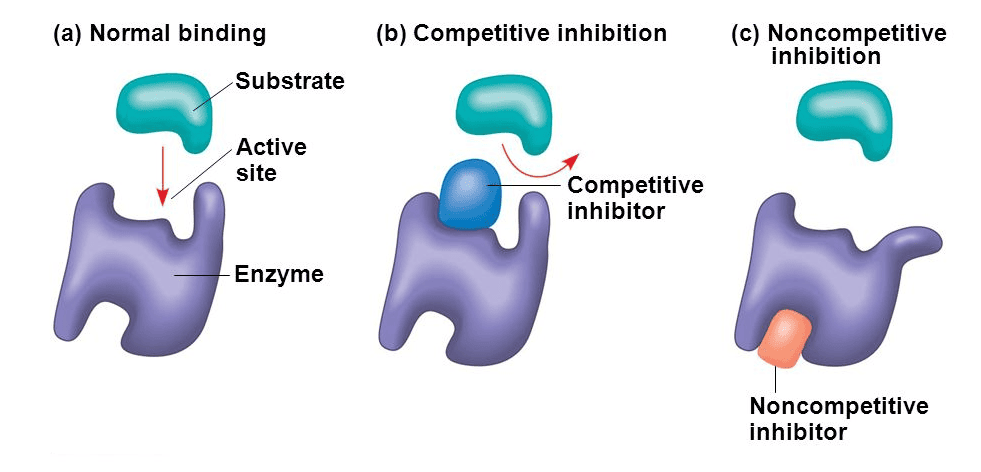
Enzymes as drug 1
Pharmacology

Pharmacology Mid-Term Examination

Pharmacology Mid-Term Examination — MBChB Year 1 Mid-Term Examination Paper Pharmacology Bachelor of Medicine & Bachelor of Surgery (MBChB) • Year 1 • Semester 1, 2026 General, Autonomic & Autacoid Pharmacology (PHA 121)  |  Chemotherapy of Infections & Malignancies (PHA 222) 2 HrsDuration 100Total Marks A · B · CSections General Principles PK/PD Autonomic NS ANS Autacoids Local Hormones Anti-Infectives Bacterial Antifungal & Antiviral Antiprotozoal & Anthelmintic Cancer Chemotherapy Instructions to Candidates Answer ALL questions in Section A (Objectives & Fill-ins). Answer any THREE questions from Section B. Answer any TWO questions from Section C. Write clearly and legibly. Generic drug names are preferred over brand names. Do not write anything in the margins. Section A 40 MARKS Part I — Objectives (20 Marks). Answer ALL questions. Choose the most appropriate answer. 1. The time required for the plasma concentration of a drug to fall by 50% is known as: A. BioavailabilityB. Volume of distribution C. Half-life (t½)D. Clearance Show Answer Answer: C. Half-life (t½) — Determines dosing interval; after ~4-5 half-lives a drug is considered eliminated. 2. A drug that binds to a receptor and produces a submaximal response even at full occupancy is called a: A. Full agonistB. Partial agonist C. AntagonistD. Inverse agonist Show Answer Answer: B. Partial agonist — Has affinity but lower intrinsic efficacy than a full agonist. 3. Atropine exerts its effect by acting as a: A. Muscarinic receptor agonistB. Muscarinic receptor antagonist C. Nicotinic receptor antagonistD. Cholinesterase inhibitor Show Answer Answer: B. Muscarinic receptor antagonist — Used for bradycardia, organophosphate poisoning, and preanesthetic drying of secretions. 4. Which receptor subtype mediates bronchodilation when stimulated by salbutamol? A. α1B. β1 C. β2D. M3 Show Answer Answer: C. β2 — β2-adrenoceptor stimulation relaxes bronchial smooth muscle, hence its use in asthma. 5. Which autacoid is responsible for the classic triple response (redness, wheal, flare) in skin injury? A. Prostaglandin E2B. Histamine C. SerotoninD. Bradykinin Show Answer Answer: B. Histamine — Released from mast cells; acts via H1 receptors on vasculature. 6. Penicillins exert their bactericidal effect primarily by: A. Inhibiting protein synthesis at the 30S ribosomeB. Inhibiting bacterial cell wall (peptidoglycan) synthesis C. Inhibiting DNA gyraseD. Disrupting folic acid synthesis Show Answer Answer: B. Inhibiting bacterial cell wall (peptidoglycan) synthesis — By binding penicillin-binding proteins (transpeptidases). 7. Which class of antibiotics is classically associated with tendon rupture and QT prolongation as adverse effects? A. MacrolidesB. Aminoglycosides C. FluoroquinolonesD. Tetracyclines Show Answer Answer: C. Fluoroquinolones — e.g. ciprofloxacin; also associated with cartilage damage in children. 8. Amphotericin B exerts its antifungal action by: A. Inhibiting ergosterol synthesisB. Binding ergosterol and forming membrane pores C. Inhibiting fungal DNA synthesisD. Inhibiting beta-glucan synthase Show Answer Answer: B. Binding ergosterol and forming membrane pores — Causes leakage of intracellular contents; nephrotoxicity is a key adverse effect. 9. The drug of choice for uncomplicated Plasmodium falciparum malaria in most endemic African settings is: A. ChloroquineB. Artemether-lumefantrine C. DoxycyclineD. Mefloquine alone Show Answer Answer: B. Artemether-lumefantrine — An artemisinin-based combination therapy (ACT), the WHO-recommended first-line regimen. 10. Methotrexate exerts its anticancer effect by inhibiting: A. Topoisomerase IIB. Dihydrofolate reductase C. Ribonucleotide reductaseD. Microtubule assembly Show Answer Answer: B. Dihydrofolate reductase — Blocks folate-dependent synthesis of purines and thymidylate, halting DNA synthesis. 11. Which second messenger is generated when noradrenaline acts on α1-adrenoceptors? A. cAMPB. IP3/DAG C. cGMPD. Direct ion channel opening Show Answer Answer: B. IP3/DAG — α1 receptors are Gq-coupled, activating phospholipase C. 12. Organophosphate poisoning is treated with atropine and which other agent? A. NeostigmineB. Pralidoxime C. PhysostigmineD. Pyridostigmine Show Answer Answer: B. Pralidoxime — Reactivates acetylcholinesterase by removing the phosphate group, if given before “aging” occurs. 13. Which route of administration avoids first-pass hepatic metabolism? A. OralB. Sublingual C. Rectal (upper)D. All of the above Show Answer Answer: B. Sublingual — Drug is absorbed directly into systemic circulation, bypassing the portal system. 14. Aspirin’s antiplatelet effect is due to irreversible inhibition of: A. LipoxygenaseB. Cyclooxygenase-1 (COX-1) C. Phospholipase A2D. Thromboxane synthase only Show Answer Answer: B. Cyclooxygenase-1 (COX-1) — Reduces thromboxane A2 production in platelets for the lifespan of the platelet (~7-10 days). 15. Which anti-tuberculosis drug is most associated with peripheral neuropathy, prevented by co-administration of pyridoxine (Vitamin B6)? A. RifampicinB. Isoniazid C. EthambutolD. Pyrazinamide Show Answer Answer: B. Isoniazid — Depletes pyridoxine, causing peripheral neuropathy if unsupplemented. 16. Metronidazole is particularly effective against which class of organisms? A. Aerobic gram-positive cocciB. Anaerobic bacteria and protozoa C. Atypical bacteria (Mycoplasma)D. Fungi Show Answer Answer: B. Anaerobic bacteria and protozoa — Effective against organisms like Giardia, Entamoeba, Trichomonas, and anaerobes such as Bacteroides. 17. Acyclovir selectively targets virus-infected cells because it requires activation by: A. Host cell kinases onlyB. Viral thymidine kinase C. Viral proteaseD. Viral reverse transcriptase Show Answer Answer: B. Viral thymidine kinase — Phosphorylates acyclovir to its active form, giving it selectivity for HSV/VZV-infected cells. 18. Vincristine, a vinca alkaloid, exerts its anticancer effect by: A. Stabilizing microtubulesB. Inhibiting microtubule polymerization C. Alkylating DNAD. Intercalating DNA Show Answer Answer: B. Inhibiting microtubule polymerization — Arrests cell division in metaphase; notable adverse effect is peripheral neuropathy. 19. The “cheese reaction” (hypertensive crisis with tyramine-containing foods) is a classic risk with which drug class? A. Beta-blockersB. Monoamine oxidase inhibitors (MAOIs) C. Calcium channel blockersD. ACE inhibitors Show Answer Answer: B. Monoamine oxidase inhibitors (MAOIs) — MAO inhibition prevents tyramine breakdown, causing excess norepinephrine release. 20. Albendazole and mebendazole act against helminths primarily by: A. Paralyzing the worm via GABA agonismB. Inhibiting microtubule formation by binding tubulin C. Increasing cell membrane permeability to calciumD. Inhibiting acetylcholinesterase Show Answer Answer: B. Inhibiting microtubule formation by binding tubulin — Disrupts glucose uptake and energy metabolism in helminths, leading to their death. Part II — Fill in the Blanks (20 Marks). Answer ALL questions in this part. 21.The study of what the body does to a drug (absorption, distribution, metabolism, excretion) is called click to reveal. 22.The dose of a drug required to produce a therapeutic effect in 50% of

Definition and role of health behavior
Medical Psychology

Definition and role of health behavior

Behaviour and Health Behaviour A comprehensive study on the definition, classification, and models of behavior, specifically focusing on the critical role of health-related behaviors in clinical medicine and diagnostics. 1. Definition of Behaviour Behaviour is any observable and measurable activity or response of an organism to internal or external stimuli. It is the way an individual acts or conducts themselves and results from the interaction of biological makeup, learning, personality, and the environment. Classification of Behaviour Basis Types Description Origin Innate vs. Learned Innate = Reflexes and instincts; Learned = Behaviour is acquired through experience. Visibility Overt vs. Covert Overt = Directly observable actions; Covert = Internal (thoughts, feelings). Mode Verbal vs. Non-verbal Spoken/written language versus posture, gestures, facial expression, tone. Function Adaptive vs. Maladaptive Promotes adjustment and health versus maintains dysfunction or harm. Control Conscious vs. Reflexive Deliberate actions versus automatic, habituated, or driven by reflexes. Clinical Note Non-verbal behaviour, especially eye contact, posture, facial expression, and gestures, conveys emotional states that patients may not verbalise, and they contribute significantly to doctor-patient communication. 2. Health Behaviour Health behaviour refers to any action undertaken by a person to maintain, promote, or restore health, or to prevent disease. The related concept of illness behaviour describes how people perceive, evaluate, and act upon symptoms. Kasl and Cobb’s Classification Category Definition Examples Preventive health behaviour Activity by a healthy person to prevent disease or detect it early. Immunisation, balanced diet, exercise, condom use, screening (BP, cervical smear). Illness behaviour Activity by a person who feels ill to define the illness and seek relief. Interpreting a headache, self-medication, consulting a traditional healer or clinic. Sick-role behaviour Activity of a person diagnosed with illness to get well. Adhering to prescribed treatment, attending follow-up, modifying lifestyle. 3. Models Explaining Health Behaviour Understanding why people engage in specific health behaviors is vital for clinical intervention. Several psychological models provide frameworks for this analysis. A. The Health Belief Model (HBM) The Health Belief Model posits that demographic and psychological variables shape perceptions which determine the likelihood of action. Perceived Susceptibility: One’s opinion of chances of getting a condition. Perceived Severity: One’s opinion of how serious a condition and its consequences are. Perceived Benefits: One’s belief in the efficacy of the advised action to reduce risk or seriousness of impact. Perceived Barriers: One’s opinion of the tangible and psychological costs of the advised action. Cues to Action: Strategies to activate “readiness” (e.g., reminders, media reports). Self-Efficacy: Confidence in one’s ability to take action. B. Theory of Planned Behaviour Behaviour is predicted by intention, which depends on: Attitude toward the behaviour: Personal evaluation of the behavior. Subjective norms: What important others think of the behavior. Perceived behavioural control: Self-efficacy or belief in one’s control over the action. C. Social Cognitive Theory (Bandura) Behaviour is shaped by self-efficacy, outcome expectations, observational learning of role models, and facilitating or hindering environmental factors. D. Transtheoretical (Stages-of-Change) Model Behaviour change progresses through discrete stages: Pre-contemplation: No intention to take action in the foreseeable future. Contemplation: Intending to start the healthy behavior in the next 6 months. Preparation: Ready to take action within the next 30 days. Action: Recently changed behavior (less than 6 months). Maintenance: Sustained behavior change (more than 6 months). Relapse: Falling back to previous behaviors (a possible stage at any point). 4. Role of Health Behaviour in Clinical Medicine Health behavior is central to the effectiveness of clinical outcomes and the sustainability of health systems. Disease Prevention: Non-communicable diseases (hypertension, diabetes, ischaemic heart disease, cancers) and many communicable diseases (HIV/AIDS, TB, malaria, hepatitis) are strongly influenced by behaviour; modifying risk behaviour is the most cost-effective intervention available. Treatment Adherence: Drug-taking, dietary, and lifestyle prescriptions succeed only when behaviour supports them; non-adherence is a leading cause of treatment failure. Health Education and Promotion: Clinics are ideal settings for counselling on immunisation, nutrition, exercise, safe sex, smoking cessation, and alcohol reduction. Illness Behaviour and Care-seeking: Understanding how patients interpret symptoms and why they may delay or bypass formal care helps clinicians design acceptable services. Community Health: Health behaviour spreads through social networks; role models and community mobilisation amplify prevention efforts. Cost Containment: Preventing disease and complications through behaviour change reduces the burden on families and health systems. Key Points Behaviour is an observable response to stimuli; its health-related forms include preventive, illness, and sick-role behaviour. The Health Belief Model explains why people take action based on perceived susceptibility, severity, benefits, and barriers. The Stages-of-Change Model recognises that behaviour change is a process, not an event, and interventions should match the patient’s current stage. Modifying health behaviour is the most cost-effective intervention for managing the global burden of both chronic and infectious diseases.

Mental Defense Mechanisms
Medical Psychology

Mental Defense Mechanisms

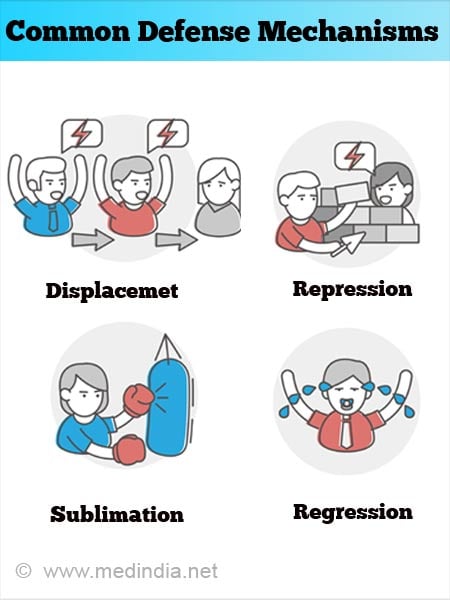
Mental Defence Mechanisms A comprehensive study on the definition, formation, and health implications of ego defence mechanisms within the context of personality and behaviour. 1. Definition Defence mechanisms (ego defence mechanisms) are unconscious psychological strategies used by the ego to protect the individual from anxiety, guilt, and other emotions arising from internal conflicts. These conflicts typically occur between id impulses, superego demands, and reality, or from unacceptable thoughts and feelings. They operate automatically, distorting inner reality or external perception in order to reduce psychological distress. They are a normal part of mental life; only excessive, rigid, or inappropriate use is considered maladaptive. They differ from conscious coping strategies, which are deliberately chosen, and from suppression, which is the conscious postponement of distressing thoughts. 2. Theoretical Basis (Psychoanalytic Foundation) Freud proposed that conflict among the id (instinctual wishes), superego (moral standards), and reality generates anxiety. The ego defends itself against this anxiety by using defence mechanisms, which displace, deny, or transform the unacceptable impulse or its representation. Anna Freud later systematised these mechanisms and described how the ego deploys them developmentally. Types of Anxiety Against Which Defences Operate Type of Anxiety Source Realistic anxiety Objective danger in the external world (e.g. illness, accident). Neurotic anxiety Fear that id impulses will overwhelm control and produce punishment. Moral anxiety Fear of violating the superego’s standards; experienced as guilt or shame. 3. Formation and Classification of Defence Mechanisms Developmental emergence: Defences appear progressively during childhood as the ego matures. A mechanism that appears pathological in one setting may be adaptive in another. Hierarchy of Defence Mechanisms Level Examples Health Significance Psychotic Denial of external reality, delusional projection Severe mental disorder; reality testing is lost. Immature Projection, acting out, passive aggression, fantasy, hypochondriasis Maladaptive; leads to poor relationships and personality pathology. Neurotic Repression, displacement, rationalisation, reaction formation Common in adults; handles moderate distress. Mature Sublimation, humour, altruism, suppression, anticipation Adaptive; enhance functioning and healthy relationships. 4. Normal Versus Pathological Use Adaptive use: Transient, flexible, and proportionate; permits continued functioning during acute stress (e.g. denial during the first hours after learning a cancer diagnosis). Maladaptive use: Chronic, rigid, and excessive; prevents the individual from facing problems, distorts relationships, and maintains symptoms. — Example: A patient who persistently denies a diabetic diagnosis and never takes medication. Defences as symptoms: A defence may present as a symptom itself, such as conversion (e.g., paralysis or blindness without organic disease). 5. Implications in Health and Clinical Practice Clinical Significance Reaction to Illness Patients commonly use denial, projection, or rationalisation when facing serious health threats. Understanding these allows the clinician to: Recognise why a patient may be “uncooperative” or “difficult.” Tailor communication to help the patient move toward more mature coping. Avoid “breaking” a necessary defence too quickly before the patient is ready to handle the underlying anxiety. Key Points Unconscious Nature: Defence mechanisms are automatic and not consciously intended by the patient. Ego Protection: Their primary goal is the reduction of anxiety and the preservation of self-esteem. Hierarchy: Range from Psychotic/Immature to Mature/Adaptive. Clinical Utility: Recognising these mechanisms is vital for effective doctor-patient relationships and adherence to treatment. Psychology & Behavioral Science: Ego Defence Mechanisms 1. Introduction to Defence Mechanisms The concept of Ego Defence Mechanisms was first introduced by Sigmund Freud in 1904 and later expanded upon by his daughter, Anna Freud. They are foundational concepts in psychological and psychiatric nursing, explaining how the human mind copes with stress, trauma, and internal conflict. Definition Defence Mechanisms are unconscious psychological strategies or patterns of adjustment brought into play by the unconscious mind (the Ego) to manipulate, deny, or distort reality. Their primary purpose is to relieve anxiety caused by uncomfortable situations that threaten an individual’s self-esteem, or to protect the mind against feelings of shame, grief, and emotional pain. The Spectrum of Use Defence mechanisms operate on an unconscious level (except for suppression). When these mechanisms are used moderately, they are relatively harmless and act as a necessary psychological shock absorber. However, excessive and persistent use is maladaptive and harmful, leading to severe neuroses, detachment from reality, and impaired interpersonal relationships. 2. Classification of Defence Mechanisms Defence mechanisms are broadly classified according to their results and impact on an individual’s psychological development and relationships. They are divided into Positive (Adaptive) and Negative (Maladaptive) mechanisms. 3. Positive (Adaptive) Defence Mechanisms These mechanisms generally result in socially acceptable behaviors, help the individual cope with reality, and do not severely damage relationships. 1. Compensation A pattern by which an individual attempts to make up for a perceived physical or psychological deficiency by excelling in another area. It channels tension into an area of strength. Hospital Example: A nursing student who struggles heavily with the physical dexterity required for starting IVs (perceived weakness) compensates by studying relentlessly to achieve the highest possible grade on the complex pharmacology written exam (area of strength). 2. Substitution A mechanism by which tension or anxiety is reduced by replacing an unattainable, highly desired goal or object with one that is attainable and acceptable. Hospital Example: A surgical resident who develops a fine motor tremor and realizes they can no longer become a neurosurgeon (unattainable goal) decides to substitute that goal and becomes a highly successful internal medicine diagnostician instead. 3. Sublimation The healthiest of all mechanisms. It involves the channelization of socially unacceptable urges or aggressive desires into productive, socially acceptable, and even admirable actions. Hospital Example: A patient who survives a traumatic amputation and struggles with intense, explosive anger regarding the accident channels that aggressive energy into starting a non-profit organization that fiercely advocates for disability rights and hospital safety. 4. Rationalization An individual justifies their own socially unacceptable behaviors, failures, or feelings by formulating logical-sounding, plausible excuses to avoid accepting the true underlying reason. Hospital Example: A staff nurse who makes a medication error (which was caught in time) avoids taking personal responsibility by rationalizing, “The pharmacy sent the meds up late, the ward was understaffed, and the lights are too dim in the med

Personality Traits (Hippocrates, Sheldon, Eysenk)
Medical Psychology

Personality Traits (Hippocrates, Sheldon, Eysenk)

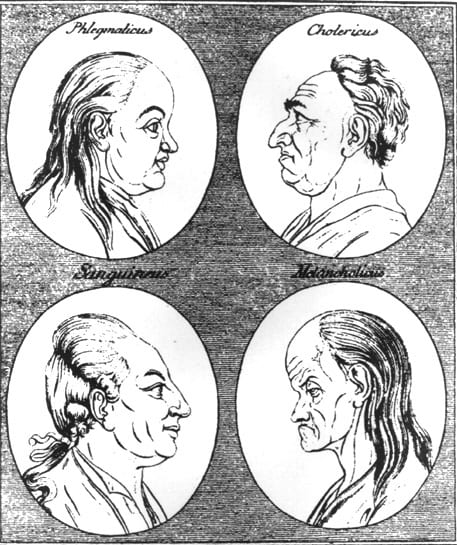
Personality Trait Theories A comprehensive study of classical and modern personality theories, detailing the evolution from categorical “Type” theories to dimensional “Trait” theories, featuring the work of Hippocrates, Sheldon, and Eysenck. 1. Introduction to Trait and Type Theories Personality psychology differentiates between two fundamental conceptual frameworks: Type theories: These classify individuals into discrete, non-overlapping categories (e.g., being either an introvert or an extravert). Trait theories: These describe personality as a set of continuous dimensions or scales. Every person can be placed at a specific point along these dimensions rather than being “boxed” into a single category. The three classical approaches—Hippocrates (humours), Sheldon (body build), and Eysenck (dimensions)—illustrate how our understanding of personality types and traits has transitioned from biological fluids to constitutional builds and finally to empirical dimensions. 2. Hippocrates: The Humoral (Four Temperament) Theory Proposed by the Greek physician Hippocrates (c. 460–370 BC), this theory suggests that both personality and physical health depend on the balance of four primary body humours (fluids). An excess of any one humour produces a distinct characteristic temperament. Humour Temperament Characteristic Traits Blood Sanguine Cheerful, active, sociable, talkative, optimistic, easily aroused but interest fades quickly. Yellow bile Choleric Irritable, hot-tempered, ambitious, energetic, leader-type, quick to anger. Black bile Melancholic Sad, pensive, analytical, perfectionist, quiet, prone to low mood. Phlegm Phlegmatic Calm, relaxed, slow to react, patient, reliable, unemotional. Significance & Limitations The humoral theory represented the first historical attempt to link personality to internal biological processes. While the specific labels are still used descriptively today, the theory is considered pre-scientific. Its proposed mechanisms are biologically unsupported, and it largely ignores the roles of environmental learning, culture, and individual variation. 3. Sheldon: Somatotype Theory In the 1940s, William Sheldon postulated that body build (somatotype) is directly linked to temperament. He argued that physique reflects the dominance of one of the three embryonic tissue layers, which in turn determines personality. Somatotype Body Build Associated Temperament Endomorph Soft, round, plump; predominance of digestive viscera. Viscerotonic — sociable, comfort-loving, tolerant, even-tempered, loves food and people. Mesomorph Hard, muscular, rectangular, strong. Somatotonic — assertive, competitive, energetic, adventurous, risk-taking. Ectomorph Thin, fragile, linear, delicate. Cerebrotonic — quiet, reserved, sensitive, self-conscious, prefers mental activity. Clinical Note & Criticisms Sheldon’s observations influenced early constitutional medicine. However, modern psychology heavily criticizes the theory for overstating the link between physique and personality. Research suggests that temperament is only weakly predicted by body build, and Sheldon’s original findings were likely confounded by social expectations and stereotypes regarding appearance. 4. Eysenck: Dimensional Trait Theory Hans Eysenck developed a more scientifically rigorous model based on statistical analysis. He proposed that personality is composed of two primary super-dimensions: Introversion–Extraversion: Concerns the degree of outward vs. inward orientation. Neuroticism–Stability: Concerns emotional excitability and instability vs. calmness. These dimensions define four quadrants that map closely onto the ancient Hippocratic temperaments: Stable-Extraverted: Corresponds to Sanguine. Unstable-Extraverted: Corresponds to Choleric. Stable-Introverted: Corresponds to Phlegmatic. Unstable-Introverted: Corresponds to Melancholic. This convergence demonstrates how a modern, questionnaire-based dimensional model can account for ancient clinical observations. 5. Comparison of the Three Approaches Feature Hippocrates Sheldon Eysenck Basis Four body humours (fluids) Body build (somatotype) Questionnaire-measured dimensions Categories Sanguine, choleric, melancholic, phlegmatic Endomorph, mesomorph, ectomorph Introversion–Extraversion; Neuroticism–Stability; Psychoticism Nature of theory Type (categorical) Type/Constitutional (categorical) Trait (dimensional) Scientific status Historical; mechanisms disproven Largely unsupported; correlations weak Empirically supported; biological grounding Key Points Hippocrates linked four temperaments to an excess of specific humours: blood, yellow bile, black bile, and phlegm. Sheldon linked three body builds to temperament: endomorph (viscerotonic), mesomorph (somatotonic), and ectomorph (cerebrotonic). Eysenck identified super-traits (dimensions) such as Extraversion and Neuroticism, providing an empirical bridge to historical type theories. Modern personality psychology prefers dimensional trait models over rigid type categories as they provide a more accurate representation of human diversity.

Definition, theories, types/traits, and development
Medical Psychology

Definition, theories, types/traits, and development

Personality: Definition, Theories, and Development A comprehensive study of the relatively stable, consistent, and enduring patterns of thoughts, feelings, and behaviours that characterise an individual. This guide covers psychological determinants, major theoretical frameworks, developmental stages, and clinical assessment methods. 1. Definition of Personality Personality refers to the relatively stable, consistent, and enduring pattern of thoughts, feelings (emotions), and behaviour that characterises an individual and distinguishes that individual from others. The term derives from the Latin persona, meaning the mask worn by actors in classical theatre. It is the sum total of a person’s characteristic reactions to the environment and to other people. It includes both temperament (inborn, biologically based tendencies such as activity level and emotional reactivity) and character (morals, values, and attitudes acquired through learning and experience). Personality is relatively stable across situations and over time, but it is not rigid—it matures and adapts throughout life. Determinants of Personality Factor Contribution to Personality Genetic/Biological Approximately 40–60% of personality variation is heritable; temperament, logical intelligence, and neurotransmitter systems (e.g., dopamine, serotonin) contribute. Family and Upbringing Parenting style, attachment, discipline, and family relationships shape character and self-concept. Culture and Society Norms, religion, education, and peer groups influence behaviour and values. Life Events Illness, bereavement, success, and failure modify personality expression and coping style. Physical Environment Climate, nutrition, and housing affect development, especially in childhood. 2. Theories of Personality A. Psychoanalytic Theory (Sigmund Freud) Focuses on unconscious processes and early childhood experiences. Freud suggested that personality is formed through stages of psychosexual development. For example, fixation at the anal stage may produce traits of orderliness, obstinacy, or miserliness. B. Type Theories These theories classify people into discrete categories. Historical and modern examples include: Hippocrates’ Humoral Temperaments: Sanguine, choleric, melancholic, and phlegmatic. Sheldon’s Somatotypes: Relating body build to personality. Jung’s Types: Focused on introversion versus extraversion. C. Trait Theories Traits are relatively stable dimensions in which individuals vary by degree. Major trait theorists include: Allport: Distinguished between cardinal traits (those that dominate a life), central traits (5–10 core descriptors), and secondary traits (situation-specific preferences). Cattell: Identified 16 source traits using factor analysis, leading to the 16PF Questionnaire. Eysenck: Proposed three major dimensions: Psychoticism, Extraversion, and Neuroticism (PEN model). The Big Five (OCEAN): Currently the most widely accepted trait model, consisting of Openness, Conscientiousness, Extraversion, Agreeableness, and Neuroticism. D. Humanistic Theory Maslow: Personality is directed toward growth and the progressive satisfaction of a hierarchy of needs, culminating in self-actualisation (realising one’s full potential). Carl Rogers: The self-concept develops through interactions; people strive toward self-actualisation when they receive unconditional positive regard. Incongruence between the real self and ideal self produces anxiety. Theory Insight Maslow’s hierarchy suggests that physiological and safety needs must be largely satisfied before belonging, esteem, and self-actualisation needs can direct behaviour. E. Behavioural and Social-Learning Theory Skinner: Personality is the sum of learned behaviour maintained by its consequences (reinforcement and punishment). Bandura: Personality develops through observational learning (modelling). Behaviour results from reciprocal interaction among personal factors, behaviour, and the environment. Belief in one’s capability (self-efficacy) is central. Rotter: Focused on locus of control—internality (events result from one’s own actions) versus externality (events result from chance or powerful others). 3. Development of Personality Personality develops through the continuous interaction of nature (heredity) and nurture (environment). Temperament is evident in infancy, while character matures through childhood and adolescence. Erikson’s Psychosocial Theory Erikson describes eight stages, each presenting a conflict whose resolution shapes personality: Stage (age) Conflict Favourable outcome Infancy (0–1 yr) Trust vs. Mistrust Hope; security in caregivers Toddler (1–3 yrs) Autonomy vs. Shame/Doubt Willpower; self-control Preschool (3–6 yrs) Initiative vs. Guilt Purpose; direction School age (6–12 yrs) Industry vs. Inferiority Competence; mastery Adolescence Identity vs. Role confusion Fidelity; sense of self Young adulthood Intimacy vs. Isolation Love; close relationships Middle adulthood Generativity vs. Stagnation Care; productivity Old age Ego integrity vs. Despair Wisdom; acceptance Developmental Note Adolescence is a critical period for rapid physical change, identity formation, and peer influence, producing the near-adult personality observed in clinical practice. 4. Assessment of Personality Clinical assessment of personality is used to understand individual differences and screen for psychopathology. Method Examples Use Interview & observation Clinical interview Understanding the whole person in context Questionnaires (inventories) Eysenck Personality Inventory (EPI), 16PF, MMPI Objective measurement of traits; screening for psychopathology Projective tests Rorschach inkblot, Thematic Apperception Test (TAT) Exploring unconscious conflicts (interpretation is subjective) Key Points Consistency: Personality describes the stable patterns of an individual across time and situations. The Big Five: Openness, Conscientiousness, Extraversion, Agreeableness, and Neuroticism provide a comprehensive framework for traits. Humanistic View: Emphasises the drive toward self-actualisation and personal growth. Clinical Utility: Personality assessment aids in diagnosing personality disorders and planning therapeutic interventions.

Definition and types of motivation
Medical Psychology

Definition and types of motivation

Motivation: Definition and Types Medical Psychology study notes covering the characteristics, components, and classifications of motivation with specific relevance to health behavior and clinical practice. 1. Introduction and Definition of Motivation Motivation is the internal state or set of processes that arouses, directs, and sustains behaviour toward a goal. It answers three fundamental questions about behaviour: Why it starts. What it is directed toward. How long and how strongly it is pursued. The word comes from the Latin *movere*, meaning “to move.” Motivation moves a person from inactivity to action, channels that action toward a particular goal, and keeps the person persisting despite obstacles. 1.1 Key Characteristics Internal and psychological: Motivation arises from needs, desires, and goals within the person, though it is triggered and shaped by the environment. Goal-directed: Motivated behaviour is aimed at attaining an object, state, or outcome that satisfies a need. Energizing: Motivation increases the vigour and initiation of behaviour. Selective/directional: It directs behaviour toward one goal rather than another. Sustaining: It maintains behaviour until the goal is reached or abandoned. Variable in intensity: The same need produces stronger or weaker motivation depending on importance, deprivation, and expectations. Observable only indirectly: Motivation itself is inferred from behaviour, since it cannot be observed directly. Dynamic and interactive: Motivation fluctuates with experience, feedback, success, and changing circumstances. 1.2 The Components of Motivated Behaviour Component Meaning Clinical/Educational Example Activation (initiation) The start of behaviour; the push to act. A patient decides to stop smoking after a health scare. Direction (goal selection) Choosing which goal to pursue. The patient chooses nicotine patches plus counselling rather than abrupt quitting. Intensity (effort) How hard the person tries. Attending every follow-up visit and using a quit diary diligently. Persistence (maintenance) How long the effort continues despite obstacles. Remaining a non-smoker months later despite cravings and social pressure. 1.3 Needs, Drives, and Incentives Need: A physiological or psychological deficiency or lack that energizes behaviour (e.g., need for food, water, safety, belonging, achievement). Drive: The psychological tension (arousal) produced by an unmet need, which pushes the organism to act (e.g., hunger). Primary drives are biological; secondary (learned) drives include achievement and social approval. Incentive: The external object or goal that pulls behaviour toward it (e.g., food, money, praise, recovery). Incentives explain why behaviour is sometimes directed toward goals with no internal deficiency—behaviour is pulled, not only pushed. 2. Types of Motivation 2.1 Intrinsic and Extrinsic Motivation Feature Intrinsic Motivation Extrinsic Motivation Source Within the activity itself — interest, enjoyment, satisfaction. Outside the activity — rewards, punishments, obligations. Reason for acting “I do it because I enjoy it.” “I do it to get something or avoid something.” Examples Reading medicine from curiosity; exercising for pleasure. Studying for marks; working for salary; taking medication to avoid complications. Effect on performance Produces deep learning, creativity, and persistence; does not require external monitoring. Effective for routine tasks; rewards control attention and can be withdrawn. Risks May fade if the task becomes tedious or competence is threatened. Over-justification effect: large external rewards can undermine existing intrinsic interest. Clinical example A patient with diabetes who enjoys cooking adopts a healthy diet willingly. A TB patient adheres to treatment because of incentives, DOTS supervision, or fear of relapse. Key Point Both types matter in medicine: intrinsic motivation sustains long-term lifestyle change, while extrinsic supports (reminders, incentives, family praise) keep behaviour going until it becomes a habit. Extrinsic rewards should support, not replace, personal meaning. 2.2 Primary (Physiological) and Secondary (Learned) Motivation Primary motivation: Arises from unlearned biological needs essential for survival: hunger, thirst, sleep, sex, avoidance of pain, and regulation of body temperature. These are universal and homeostatic. Secondary (social/psychological) motivation: Is learned through experience and culture: achievement, affiliation, power, status, approval, money, curiosity. These vary between individuals and societies and drive much of human behaviour, including health-seeking behaviour. 2.3 Approach and Avoidance Motivation Approach motivation: Behaviour directed toward attaining a positive outcome (e.g., exercising to gain fitness). Associated with positive affect. Avoidance motivation: Behaviour directed away from an aversive outcome (e.g., taking medication to prevent stroke). Associated with anxiety and vigilance; effective short-term but exhausting if chronic. Clinical Strategy: Effective health messages can frame the same behaviour either way (“gain health” vs “avoid disease”); approach framing is generally more pleasant and sustainable, while fear-based avoidance framing works when an action plan is offered. 2.4 Conscious and Unconscious Motivation Conscious motivation: The person is aware of the goal (e.g., studying to pass an examination). Unconscious motivation: Needs and conflicts the person is unaware of influence behaviour (e.g., psychoanalytic view: illness behaviour expressing unmet dependency needs). Clinicians should consider hidden motives (secondary gain) when behaviour seems irrational. 2.5 Social Motives (McClelland) Need for achievement (nAch): The drive to excel, meet standards, and succeed; high nAch learners set challenging but realistic goals and seek feedback—valuable in medical training. Need for affiliation (nAff): The drive for friendly relationships and belonging; shapes teamwork and patient support-group participation. Need for power (nPow): The drive to influence, lead, or control; relevant to leadership in health teams. 3. Motivation Compared with Related Concepts Concept Meaning Relation to Motivation Drive Internal tension from an unmet need. The push mechanism of motivation. Incentive External reward or goal that attracts behaviour. The pull mechanism of motivation. Emotion A short-lived feeling state with physiological and expressive components. Emotions energize and colour motivation (e.g., fear motivates escape). Attitude Evaluative predisposition toward an object. Positive attitudes toward a goal (e.g., toward health) strengthen motivation to pursue it. 4. Clinical Relevance of Motivation Patient motivation: Is the strongest single predictor of adherence to long-term treatment (TB, HIV, diabetes, hypertension) and of successful lifestyle change (smoking cessation, diet, exercise). Assessment: Assess motivation before prescribing complex regimens; unmotivated patients need motivational interviewing, goal-setting, and support before education will help. Fluctuation: Motivation fluctuates with illness, depression, and side effects; plans should include reminders, social support, and small achievable goals (self-efficacy). Staff motivation: Determines the quality and continuity of care; managers should address both extrinsic conditions (pay, safety, supplies

Scroll to Top