Doctors Revision

Author name: doctorsrevision@gmail.com

Definition and role of health behavior
Medical Psychology

Definition and role of health behavior

Behaviour and Health Behaviour A comprehensive study on the definition, classification, and models of behavior, specifically focusing on the critical role of health-related behaviors in clinical medicine and diagnostics. 1. Definition of Behaviour Behaviour is any observable and measurable activity or response of an organism to internal or external stimuli. It is the way an individual acts or conducts themselves and results from the interaction of biological makeup, learning, personality, and the environment. Classification of Behaviour Basis Types Description Origin Innate vs. Learned Innate = Reflexes and instincts; Learned = Behaviour is acquired through experience. Visibility Overt vs. Covert Overt = Directly observable actions; Covert = Internal (thoughts, feelings). Mode Verbal vs. Non-verbal Spoken/written language versus posture, gestures, facial expression, tone. Function Adaptive vs. Maladaptive Promotes adjustment and health versus maintains dysfunction or harm. Control Conscious vs. Reflexive Deliberate actions versus automatic, habituated, or driven by reflexes. Clinical Note Non-verbal behaviour, especially eye contact, posture, facial expression, and gestures, conveys emotional states that patients may not verbalise, and they contribute significantly to doctor-patient communication. 2. Health Behaviour Health behaviour refers to any action undertaken by a person to maintain, promote, or restore health, or to prevent disease. The related concept of illness behaviour describes how people perceive, evaluate, and act upon symptoms. Kasl and Cobb’s Classification Category Definition Examples Preventive health behaviour Activity by a healthy person to prevent disease or detect it early. Immunisation, balanced diet, exercise, condom use, screening (BP, cervical smear). Illness behaviour Activity by a person who feels ill to define the illness and seek relief. Interpreting a headache, self-medication, consulting a traditional healer or clinic. Sick-role behaviour Activity of a person diagnosed with illness to get well. Adhering to prescribed treatment, attending follow-up, modifying lifestyle. 3. Models Explaining Health Behaviour Understanding why people engage in specific health behaviors is vital for clinical intervention. Several psychological models provide frameworks for this analysis. A. The Health Belief Model (HBM) The Health Belief Model posits that demographic and psychological variables shape perceptions which determine the likelihood of action. Perceived Susceptibility: One’s opinion of chances of getting a condition. Perceived Severity: One’s opinion of how serious a condition and its consequences are. Perceived Benefits: One’s belief in the efficacy of the advised action to reduce risk or seriousness of impact. Perceived Barriers: One’s opinion of the tangible and psychological costs of the advised action. Cues to Action: Strategies to activate “readiness” (e.g., reminders, media reports). Self-Efficacy: Confidence in one’s ability to take action. B. Theory of Planned Behaviour Behaviour is predicted by intention, which depends on: Attitude toward the behaviour: Personal evaluation of the behavior. Subjective norms: What important others think of the behavior. Perceived behavioural control: Self-efficacy or belief in one’s control over the action. C. Social Cognitive Theory (Bandura) Behaviour is shaped by self-efficacy, outcome expectations, observational learning of role models, and facilitating or hindering environmental factors. D. Transtheoretical (Stages-of-Change) Model Behaviour change progresses through discrete stages: Pre-contemplation: No intention to take action in the foreseeable future. Contemplation: Intending to start the healthy behavior in the next 6 months. Preparation: Ready to take action within the next 30 days. Action: Recently changed behavior (less than 6 months). Maintenance: Sustained behavior change (more than 6 months). Relapse: Falling back to previous behaviors (a possible stage at any point). 4. Role of Health Behaviour in Clinical Medicine Health behavior is central to the effectiveness of clinical outcomes and the sustainability of health systems. Disease Prevention: Non-communicable diseases (hypertension, diabetes, ischaemic heart disease, cancers) and many communicable diseases (HIV/AIDS, TB, malaria, hepatitis) are strongly influenced by behaviour; modifying risk behaviour is the most cost-effective intervention available. Treatment Adherence: Drug-taking, dietary, and lifestyle prescriptions succeed only when behaviour supports them; non-adherence is a leading cause of treatment failure. Health Education and Promotion: Clinics are ideal settings for counselling on immunisation, nutrition, exercise, safe sex, smoking cessation, and alcohol reduction. Illness Behaviour and Care-seeking: Understanding how patients interpret symptoms and why they may delay or bypass formal care helps clinicians design acceptable services. Community Health: Health behaviour spreads through social networks; role models and community mobilisation amplify prevention efforts. Cost Containment: Preventing disease and complications through behaviour change reduces the burden on families and health systems. Key Points Behaviour is an observable response to stimuli; its health-related forms include preventive, illness, and sick-role behaviour. The Health Belief Model explains why people take action based on perceived susceptibility, severity, benefits, and barriers. The Stages-of-Change Model recognises that behaviour change is a process, not an event, and interventions should match the patient’s current stage. Modifying health behaviour is the most cost-effective intervention for managing the global burden of both chronic and infectious diseases.
Mental Defense Mechanisms
Medical Psychology

Mental Defense Mechanisms

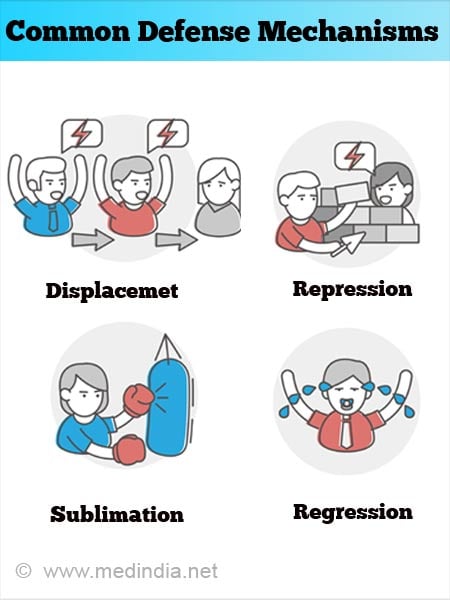
Mental Defence Mechanisms A comprehensive study on the definition, formation, and health implications of ego defence mechanisms within the context of personality and behaviour. 1. Definition Defence mechanisms (ego defence mechanisms) are unconscious psychological strategies used by the ego to protect the individual from anxiety, guilt, and other emotions arising from internal conflicts. These conflicts typically occur between id impulses, superego demands, and reality, or from unacceptable thoughts and feelings. They operate automatically, distorting inner reality or external perception in order to reduce psychological distress. They are a normal part of mental life; only excessive, rigid, or inappropriate use is considered maladaptive. They differ from conscious coping strategies, which are deliberately chosen, and from suppression, which is the conscious postponement of distressing thoughts. 2. Theoretical Basis (Psychoanalytic Foundation) Freud proposed that conflict among the id (instinctual wishes), superego (moral standards), and reality generates anxiety. The ego defends itself against this anxiety by using defence mechanisms, which displace, deny, or transform the unacceptable impulse or its representation. Anna Freud later systematised these mechanisms and described how the ego deploys them developmentally. Types of Anxiety Against Which Defences Operate Type of Anxiety Source Realistic anxiety Objective danger in the external world (e.g. illness, accident). Neurotic anxiety Fear that id impulses will overwhelm control and produce punishment. Moral anxiety Fear of violating the superego’s standards; experienced as guilt or shame. 3. Formation and Classification of Defence Mechanisms Developmental emergence: Defences appear progressively during childhood as the ego matures. A mechanism that appears pathological in one setting may be adaptive in another. Hierarchy of Defence Mechanisms Level Examples Health Significance Psychotic Denial of external reality, delusional projection Severe mental disorder; reality testing is lost. Immature Projection, acting out, passive aggression, fantasy, hypochondriasis Maladaptive; leads to poor relationships and personality pathology. Neurotic Repression, displacement, rationalisation, reaction formation Common in adults; handles moderate distress. Mature Sublimation, humour, altruism, suppression, anticipation Adaptive; enhance functioning and healthy relationships. 4. Normal Versus Pathological Use Adaptive use: Transient, flexible, and proportionate; permits continued functioning during acute stress (e.g. denial during the first hours after learning a cancer diagnosis). Maladaptive use: Chronic, rigid, and excessive; prevents the individual from facing problems, distorts relationships, and maintains symptoms. — Example: A patient who persistently denies a diabetic diagnosis and never takes medication. Defences as symptoms: A defence may present as a symptom itself, such as conversion (e.g., paralysis or blindness without organic disease). 5. Implications in Health and Clinical Practice Clinical Significance Reaction to Illness Patients commonly use denial, projection, or rationalisation when facing serious health threats. Understanding these allows the clinician to: Recognise why a patient may be “uncooperative” or “difficult.” Tailor communication to help the patient move toward more mature coping. Avoid “breaking” a necessary defence too quickly before the patient is ready to handle the underlying anxiety. Key Points Unconscious Nature: Defence mechanisms are automatic and not consciously intended by the patient. Ego Protection: Their primary goal is the reduction of anxiety and the preservation of self-esteem. Hierarchy: Range from Psychotic/Immature to Mature/Adaptive. Clinical Utility: Recognising these mechanisms is vital for effective doctor-patient relationships and adherence to treatment. Psychology & Behavioral Science: Ego Defence Mechanisms 1. Introduction to Defence Mechanisms The concept of Ego Defence Mechanisms was first introduced by Sigmund Freud in 1904 and later expanded upon by his daughter, Anna Freud. They are foundational concepts in psychological and psychiatric nursing, explaining how the human mind copes with stress, trauma, and internal conflict. Definition Defence Mechanisms are unconscious psychological strategies or patterns of adjustment brought into play by the unconscious mind (the Ego) to manipulate, deny, or distort reality. Their primary purpose is to relieve anxiety caused by uncomfortable situations that threaten an individual’s self-esteem, or to protect the mind against feelings of shame, grief, and emotional pain. The Spectrum of Use Defence mechanisms operate on an unconscious level (except for suppression). When these mechanisms are used moderately, they are relatively harmless and act as a necessary psychological shock absorber. However, excessive and persistent use is maladaptive and harmful, leading to severe neuroses, detachment from reality, and impaired interpersonal relationships. 2. Classification of Defence Mechanisms Defence mechanisms are broadly classified according to their results and impact on an individual’s psychological development and relationships. They are divided into Positive (Adaptive) and Negative (Maladaptive) mechanisms. 3. Positive (Adaptive) Defence Mechanisms These mechanisms generally result in socially acceptable behaviors, help the individual cope with reality, and do not severely damage relationships. 1. Compensation A pattern by which an individual attempts to make up for a perceived physical or psychological deficiency by excelling in another area. It channels tension into an area of strength. Hospital Example: A nursing student who struggles heavily with the physical dexterity required for starting IVs (perceived weakness) compensates by studying relentlessly to achieve the highest possible grade on the complex pharmacology written exam (area of strength). 2. Substitution A mechanism by which tension or anxiety is reduced by replacing an unattainable, highly desired goal or object with one that is attainable and acceptable. Hospital Example: A surgical resident who develops a fine motor tremor and realizes they can no longer become a neurosurgeon (unattainable goal) decides to substitute that goal and becomes a highly successful internal medicine diagnostician instead. 3. Sublimation The healthiest of all mechanisms. It involves the channelization of socially unacceptable urges or aggressive desires into productive, socially acceptable, and even admirable actions. Hospital Example: A patient who survives a traumatic amputation and struggles with intense, explosive anger regarding the accident channels that aggressive energy into starting a non-profit organization that fiercely advocates for disability rights and hospital safety. 4. Rationalization An individual justifies their own socially unacceptable behaviors, failures, or feelings by formulating logical-sounding, plausible excuses to avoid accepting the true underlying reason. Hospital Example: A staff nurse who makes a medication error (which was caught in time) avoids taking personal responsibility by rationalizing, “The pharmacy sent the meds up late, the ward was understaffed, and the lights are too dim in the med

Personality Traits (Hippocrates, Sheldon, Eysenk)
Medical Psychology

Personality Traits (Hippocrates, Sheldon, Eysenk)

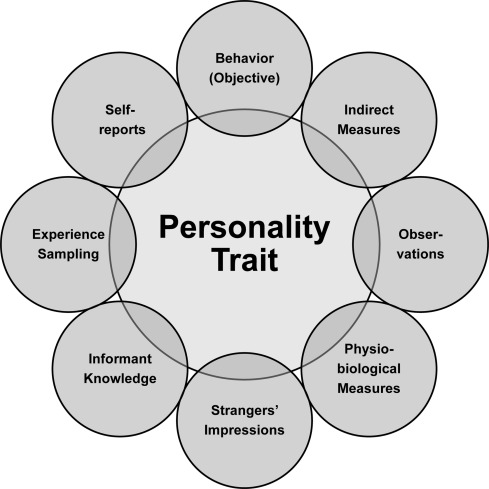
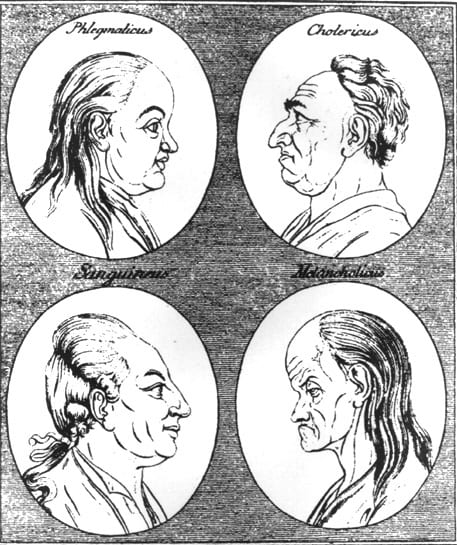
Personality Trait Theories A comprehensive study of classical and modern personality theories, detailing the evolution from categorical “Type” theories to dimensional “Trait” theories, featuring the work of Hippocrates, Sheldon, and Eysenck. 1. Introduction to Trait and Type Theories Personality psychology differentiates between two fundamental conceptual frameworks: Type theories: These classify individuals into discrete, non-overlapping categories (e.g., being either an introvert or an extravert). Trait theories: These describe personality as a set of continuous dimensions or scales. Every person can be placed at a specific point along these dimensions rather than being “boxed” into a single category. The three classical approaches—Hippocrates (humours), Sheldon (body build), and Eysenck (dimensions)—illustrate how our understanding of personality types and traits has transitioned from biological fluids to constitutional builds and finally to empirical dimensions. 2. Hippocrates: The Humoral (Four Temperament) Theory Proposed by the Greek physician Hippocrates (c. 460–370 BC), this theory suggests that both personality and physical health depend on the balance of four primary body humours (fluids). An excess of any one humour produces a distinct characteristic temperament. Humour Temperament Characteristic Traits Blood Sanguine Cheerful, active, sociable, talkative, optimistic, easily aroused but interest fades quickly. Yellow bile Choleric Irritable, hot-tempered, ambitious, energetic, leader-type, quick to anger. Black bile Melancholic Sad, pensive, analytical, perfectionist, quiet, prone to low mood. Phlegm Phlegmatic Calm, relaxed, slow to react, patient, reliable, unemotional. Significance & Limitations The humoral theory represented the first historical attempt to link personality to internal biological processes. While the specific labels are still used descriptively today, the theory is considered pre-scientific. Its proposed mechanisms are biologically unsupported, and it largely ignores the roles of environmental learning, culture, and individual variation. 3. Sheldon: Somatotype Theory In the 1940s, William Sheldon postulated that body build (somatotype) is directly linked to temperament. He argued that physique reflects the dominance of one of the three embryonic tissue layers, which in turn determines personality. Somatotype Body Build Associated Temperament Endomorph Soft, round, plump; predominance of digestive viscera. Viscerotonic — sociable, comfort-loving, tolerant, even-tempered, loves food and people. Mesomorph Hard, muscular, rectangular, strong. Somatotonic — assertive, competitive, energetic, adventurous, risk-taking. Ectomorph Thin, fragile, linear, delicate. Cerebrotonic — quiet, reserved, sensitive, self-conscious, prefers mental activity. Clinical Note & Criticisms Sheldon’s observations influenced early constitutional medicine. However, modern psychology heavily criticizes the theory for overstating the link between physique and personality. Research suggests that temperament is only weakly predicted by body build, and Sheldon’s original findings were likely confounded by social expectations and stereotypes regarding appearance. 4. Eysenck: Dimensional Trait Theory Hans Eysenck developed a more scientifically rigorous model based on statistical analysis. He proposed that personality is composed of two primary super-dimensions: Introversion–Extraversion: Concerns the degree of outward vs. inward orientation. Neuroticism–Stability: Concerns emotional excitability and instability vs. calmness. These dimensions define four quadrants that map closely onto the ancient Hippocratic temperaments: Stable-Extraverted: Corresponds to Sanguine. Unstable-Extraverted: Corresponds to Choleric. Stable-Introverted: Corresponds to Phlegmatic. Unstable-Introverted: Corresponds to Melancholic. This convergence demonstrates how a modern, questionnaire-based dimensional model can account for ancient clinical observations. 5. Comparison of the Three Approaches Feature Hippocrates Sheldon Eysenck Basis Four body humours (fluids) Body build (somatotype) Questionnaire-measured dimensions Categories Sanguine, choleric, melancholic, phlegmatic Endomorph, mesomorph, ectomorph Introversion–Extraversion; Neuroticism–Stability; Psychoticism Nature of theory Type (categorical) Type/Constitutional (categorical) Trait (dimensional) Scientific status Historical; mechanisms disproven Largely unsupported; correlations weak Empirically supported; biological grounding Key Points Hippocrates linked four temperaments to an excess of specific humours: blood, yellow bile, black bile, and phlegm. Sheldon linked three body builds to temperament: endomorph (viscerotonic), mesomorph (somatotonic), and ectomorph (cerebrotonic). Eysenck identified super-traits (dimensions) such as Extraversion and Neuroticism, providing an empirical bridge to historical type theories. Modern personality psychology prefers dimensional trait models over rigid type categories as they provide a more accurate representation of human diversity.

Definition, theories, types/traits, and development
Medical Psychology

Definition, theories, types/traits, and development

Personality: Definition, Theories, and Development A comprehensive study of the relatively stable, consistent, and enduring patterns of thoughts, feelings, and behaviours that characterise an individual. This guide covers psychological determinants, major theoretical frameworks, developmental stages, and clinical assessment methods. 1. Definition of Personality Personality refers to the relatively stable, consistent, and enduring pattern of thoughts, feelings (emotions), and behaviour that characterises an individual and distinguishes that individual from others. The term derives from the Latin persona, meaning the mask worn by actors in classical theatre. It is the sum total of a person’s characteristic reactions to the environment and to other people. It includes both temperament (inborn, biologically based tendencies such as activity level and emotional reactivity) and character (morals, values, and attitudes acquired through learning and experience). Personality is relatively stable across situations and over time, but it is not rigid—it matures and adapts throughout life. Determinants of Personality Factor Contribution to Personality Genetic/Biological Approximately 40–60% of personality variation is heritable; temperament, logical intelligence, and neurotransmitter systems (e.g., dopamine, serotonin) contribute. Family and Upbringing Parenting style, attachment, discipline, and family relationships shape character and self-concept. Culture and Society Norms, religion, education, and peer groups influence behaviour and values. Life Events Illness, bereavement, success, and failure modify personality expression and coping style. Physical Environment Climate, nutrition, and housing affect development, especially in childhood. 2. Theories of Personality A. Psychoanalytic Theory (Sigmund Freud) Focuses on unconscious processes and early childhood experiences. Freud suggested that personality is formed through stages of psychosexual development. For example, fixation at the anal stage may produce traits of orderliness, obstinacy, or miserliness. B. Type Theories These theories classify people into discrete categories. Historical and modern examples include: Hippocrates’ Humoral Temperaments: Sanguine, choleric, melancholic, and phlegmatic. Sheldon’s Somatotypes: Relating body build to personality. Jung’s Types: Focused on introversion versus extraversion. C. Trait Theories Traits are relatively stable dimensions in which individuals vary by degree. Major trait theorists include: Allport: Distinguished between cardinal traits (those that dominate a life), central traits (5–10 core descriptors), and secondary traits (situation-specific preferences). Cattell: Identified 16 source traits using factor analysis, leading to the 16PF Questionnaire. Eysenck: Proposed three major dimensions: Psychoticism, Extraversion, and Neuroticism (PEN model). The Big Five (OCEAN): Currently the most widely accepted trait model, consisting of Openness, Conscientiousness, Extraversion, Agreeableness, and Neuroticism. D. Humanistic Theory Maslow: Personality is directed toward growth and the progressive satisfaction of a hierarchy of needs, culminating in self-actualisation (realising one’s full potential). Carl Rogers: The self-concept develops through interactions; people strive toward self-actualisation when they receive unconditional positive regard. Incongruence between the real self and ideal self produces anxiety. Theory Insight Maslow’s hierarchy suggests that physiological and safety needs must be largely satisfied before belonging, esteem, and self-actualisation needs can direct behaviour. E. Behavioural and Social-Learning Theory Skinner: Personality is the sum of learned behaviour maintained by its consequences (reinforcement and punishment). Bandura: Personality develops through observational learning (modelling). Behaviour results from reciprocal interaction among personal factors, behaviour, and the environment. Belief in one’s capability (self-efficacy) is central. Rotter: Focused on locus of control—internality (events result from one’s own actions) versus externality (events result from chance or powerful others). 3. Development of Personality Personality develops through the continuous interaction of nature (heredity) and nurture (environment). Temperament is evident in infancy, while character matures through childhood and adolescence. Erikson’s Psychosocial Theory Erikson describes eight stages, each presenting a conflict whose resolution shapes personality: Stage (age) Conflict Favourable outcome Infancy (0–1 yr) Trust vs. Mistrust Hope; security in caregivers Toddler (1–3 yrs) Autonomy vs. Shame/Doubt Willpower; self-control Preschool (3–6 yrs) Initiative vs. Guilt Purpose; direction School age (6–12 yrs) Industry vs. Inferiority Competence; mastery Adolescence Identity vs. Role confusion Fidelity; sense of self Young adulthood Intimacy vs. Isolation Love; close relationships Middle adulthood Generativity vs. Stagnation Care; productivity Old age Ego integrity vs. Despair Wisdom; acceptance Developmental Note Adolescence is a critical period for rapid physical change, identity formation, and peer influence, producing the near-adult personality observed in clinical practice. 4. Assessment of Personality Clinical assessment of personality is used to understand individual differences and screen for psychopathology. Method Examples Use Interview & observation Clinical interview Understanding the whole person in context Questionnaires (inventories) Eysenck Personality Inventory (EPI), 16PF, MMPI Objective measurement of traits; screening for psychopathology Projective tests Rorschach inkblot, Thematic Apperception Test (TAT) Exploring unconscious conflicts (interpretation is subjective) Key Points Consistency: Personality describes the stable patterns of an individual across time and situations. The Big Five: Openness, Conscientiousness, Extraversion, Agreeableness, and Neuroticism provide a comprehensive framework for traits. Humanistic View: Emphasises the drive toward self-actualisation and personal growth. Clinical Utility: Personality assessment aids in diagnosing personality disorders and planning therapeutic interventions.

Definition and types of motivation
Medical Psychology

Definition and types of motivation

Motivation: Definition and Types Medical Psychology study notes covering the characteristics, components, and classifications of motivation with specific relevance to health behavior and clinical practice. 1. Introduction and Definition of Motivation Motivation is the internal state or set of processes that arouses, directs, and sustains behaviour toward a goal. It answers three fundamental questions about behaviour: Why it starts. What it is directed toward. How long and how strongly it is pursued. The word comes from the Latin *movere*, meaning “to move.” Motivation moves a person from inactivity to action, channels that action toward a particular goal, and keeps the person persisting despite obstacles. 1.1 Key Characteristics Internal and psychological: Motivation arises from needs, desires, and goals within the person, though it is triggered and shaped by the environment. Goal-directed: Motivated behaviour is aimed at attaining an object, state, or outcome that satisfies a need. Energizing: Motivation increases the vigour and initiation of behaviour. Selective/directional: It directs behaviour toward one goal rather than another. Sustaining: It maintains behaviour until the goal is reached or abandoned. Variable in intensity: The same need produces stronger or weaker motivation depending on importance, deprivation, and expectations. Observable only indirectly: Motivation itself is inferred from behaviour, since it cannot be observed directly. Dynamic and interactive: Motivation fluctuates with experience, feedback, success, and changing circumstances. 1.2 The Components of Motivated Behaviour Component Meaning Clinical/Educational Example Activation (initiation) The start of behaviour; the push to act. A patient decides to stop smoking after a health scare. Direction (goal selection) Choosing which goal to pursue. The patient chooses nicotine patches plus counselling rather than abrupt quitting. Intensity (effort) How hard the person tries. Attending every follow-up visit and using a quit diary diligently. Persistence (maintenance) How long the effort continues despite obstacles. Remaining a non-smoker months later despite cravings and social pressure. 1.3 Needs, Drives, and Incentives Need: A physiological or psychological deficiency or lack that energizes behaviour (e.g., need for food, water, safety, belonging, achievement). Drive: The psychological tension (arousal) produced by an unmet need, which pushes the organism to act (e.g., hunger). Primary drives are biological; secondary (learned) drives include achievement and social approval. Incentive: The external object or goal that pulls behaviour toward it (e.g., food, money, praise, recovery). Incentives explain why behaviour is sometimes directed toward goals with no internal deficiency—behaviour is pulled, not only pushed. 2. Types of Motivation 2.1 Intrinsic and Extrinsic Motivation Feature Intrinsic Motivation Extrinsic Motivation Source Within the activity itself — interest, enjoyment, satisfaction. Outside the activity — rewards, punishments, obligations. Reason for acting “I do it because I enjoy it.” “I do it to get something or avoid something.” Examples Reading medicine from curiosity; exercising for pleasure. Studying for marks; working for salary; taking medication to avoid complications. Effect on performance Produces deep learning, creativity, and persistence; does not require external monitoring. Effective for routine tasks; rewards control attention and can be withdrawn. Risks May fade if the task becomes tedious or competence is threatened. Over-justification effect: large external rewards can undermine existing intrinsic interest. Clinical example A patient with diabetes who enjoys cooking adopts a healthy diet willingly. A TB patient adheres to treatment because of incentives, DOTS supervision, or fear of relapse. Key Point Both types matter in medicine: intrinsic motivation sustains long-term lifestyle change, while extrinsic supports (reminders, incentives, family praise) keep behaviour going until it becomes a habit. Extrinsic rewards should support, not replace, personal meaning. 2.2 Primary (Physiological) and Secondary (Learned) Motivation Primary motivation: Arises from unlearned biological needs essential for survival: hunger, thirst, sleep, sex, avoidance of pain, and regulation of body temperature. These are universal and homeostatic. Secondary (social/psychological) motivation: Is learned through experience and culture: achievement, affiliation, power, status, approval, money, curiosity. These vary between individuals and societies and drive much of human behaviour, including health-seeking behaviour. 2.3 Approach and Avoidance Motivation Approach motivation: Behaviour directed toward attaining a positive outcome (e.g., exercising to gain fitness). Associated with positive affect. Avoidance motivation: Behaviour directed away from an aversive outcome (e.g., taking medication to prevent stroke). Associated with anxiety and vigilance; effective short-term but exhausting if chronic. Clinical Strategy: Effective health messages can frame the same behaviour either way (“gain health” vs “avoid disease”); approach framing is generally more pleasant and sustainable, while fear-based avoidance framing works when an action plan is offered. 2.4 Conscious and Unconscious Motivation Conscious motivation: The person is aware of the goal (e.g., studying to pass an examination). Unconscious motivation: Needs and conflicts the person is unaware of influence behaviour (e.g., psychoanalytic view: illness behaviour expressing unmet dependency needs). Clinicians should consider hidden motives (secondary gain) when behaviour seems irrational. 2.5 Social Motives (McClelland) Need for achievement (nAch): The drive to excel, meet standards, and succeed; high nAch learners set challenging but realistic goals and seek feedback—valuable in medical training. Need for affiliation (nAff): The drive for friendly relationships and belonging; shapes teamwork and patient support-group participation. Need for power (nPow): The drive to influence, lead, or control; relevant to leadership in health teams. 3. Motivation Compared with Related Concepts Concept Meaning Relation to Motivation Drive Internal tension from an unmet need. The push mechanism of motivation. Incentive External reward or goal that attracts behaviour. The pull mechanism of motivation. Emotion A short-lived feeling state with physiological and expressive components. Emotions energize and colour motivation (e.g., fear motivates escape). Attitude Evaluative predisposition toward an object. Positive attitudes toward a goal (e.g., toward health) strengthen motivation to pursue it. 4. Clinical Relevance of Motivation Patient motivation: Is the strongest single predictor of adherence to long-term treatment (TB, HIV, diabetes, hypertension) and of successful lifestyle change (smoking cessation, diet, exercise). Assessment: Assess motivation before prescribing complex regimens; unmotivated patients need motivational interviewing, goal-setting, and support before education will help. Fluctuation: Motivation fluctuates with illness, depression, and side effects; plans should include reminders, social support, and small achievable goals (self-efficacy). Staff motivation: Determines the quality and continuity of care; managers should address both extrinsic conditions (pay, safety, supplies

Attitude formation and change (Persuasion theory, Cognitive dissonance)
Medical Psychology

Attitude formation and change (Persuasion theory, Cognitive dissonance)

Attitude Formation and Change: Persuasion Theory and Cognitive Dissonance A comprehensive study of how attitudes are acquired, the mechanisms of persuasion via the Yale approach and Elaboration Likelihood Model, and the psychological impact of cognitive dissonance on behavior change in healthcare. 1. How Attitudes Are Formed Attitudes are learned; none is inborn. They are acquired gradually through the interaction of the individual with the environment and are continuously shaped, strengthened, or modified by experience. Sources of Attitudes Family and early socialisation: The first and most powerful source; parents transmit attitudes toward food, health, authority, religion, and other groups. Early attitudes tend to be enduring (law of primacy). Peers and reference groups: Friends, classmates, and workmates strongly shape attitudes, especially in adolescence, through conformity and group norms. Culture, religion, and community: Shared values of the cultural group define which attitudes are acceptable; stigma and prejudice are often culturally transmitted. Mass media and social media: Television, radio, films, and the internet model behaviours and present repeated evaluations of issues, celebrities, products, and health practices. Personal experience: Direct experience with an object forms strong attitudes — e.g., a bad hospital experience creates a lasting negative attitude toward hospitals. Learning processes: Classical conditioning: Pairing objects with pleasant/unpleasant events. Operant conditioning: Attitudes reinforced by approval or reward. Observational learning: Imitating models, especially admired ones. Mere exposure effect: Repeated presentation of a neutral object, even without reward, tends to make it more liked — familiarity breeds acceptance. Biological factors: Temperament and genetic variation modestly influence attitude formation through personality, but the content of attitudes is overwhelmingly learned. Key Point Strong attitudes are formed by direct personal experience, early learning, and association with important values; weak attitudes are formed by hearsay and media alone. 2. Persuasion Theory Persuasion is a deliberate attempt to change an attitude (and thereby behaviour) through the transmission of a message. The Yale Approach (Hovland et al., 1950s) This model analyses persuasion as “who says what to whom with what effect.” Four groups of factors determine whether a message changes an attitude: Factor What makes persuasion more effective What weakens persuasion Source (Who communicates) High credibility (expertise, trustworthiness); attractiveness and likability; similarity to the receiver. Low credibility; perceived bias, vested interest, or ulterior motive. Message (What is communicated) Clear, logical, well-organised; moderate two-sided arguments; strong but not extreme fear appeal with a recommended action. Confusing or exaggerated messages; extreme positions; fear without a solution. Channel (How it is communicated) Face-to-face for emotional/personal issues; mass media for wide reach; multiple channels together. Single, inappropriate channel (e.g., complex statistics on radio). Receiver (To whom) Receivers with low initial involvement, moderate self-esteem, younger age; messages matched to beliefs. High prior knowledge; strong opposing attitudes; strong counter-arguing. 2.1 The Elaboration Likelihood Model (ELM) Petty and Cacioppo (1986) explained persuasion through two routes, depending on how motivated and able the receiver is to think about the message: Central route: The receiver carefully processes the arguments (high motivation and ability). Result: attitudes are strong, durable, and predictive of behaviour. Used when the issue is personally relevant. Peripheral route: The receiver relies on superficial cues — the speaker’s attractiveness or status, slogans, emotions, crowd behaviour — without thinking deeply (low motivation or ability). Result: attitudes are weak, temporary, and easily changed again. Key Point For lasting health-behaviour change, aim for central-route persuasion: make the issue personally relevant, give clear evidence, and help the receiver think through the arguments — peripheral cues (posters, slogans) alone rarely change durable behaviour. 2.2 Fear Appeals Fear-arousing messages (e.g., graphic warnings about smoking, HIV, or road accidents) can change attitudes, but only under specific conditions: the message must arouse moderate fear, provide a specific, achievable recommended action, and convince the receiver that the action will avert the threat (response efficacy) and that they can perform it (self-efficacy). Extreme terror without a workable solution is usually dismissed (“fear control”) rather than acted on (“danger control”). 2.3 Resistance to Persuasion Forewarning: Advance notice of a persuasive attempt allows counter-argument preparation and reduces its effect. Inoculation (McGuire): Prior exposure to weak, refutable versions of opposing arguments — like vaccination — builds resistance to later, stronger persuasion; used in anti-smoking and anti-misinformation programs. Reactance: Messages perceived as threatening freedom provoke the opposite attitude — e.g., a coercive “you must” campaign can harden resistance. 3. Cognitive Dissonance Theory Leon Festinger (1957) proposed that people strive for consistency among their cognitions (thoughts, beliefs, knowledge, attitudes) and between cognition and behaviour. When two cognitions conflict, or behaviour contradicts an attitude, an uncomfortable state of tension called cognitive dissonance arises, which motivates the person to reduce it. A cognition is any piece of knowledge — a belief, opinion, or fact about oneself, behaviour, or the environment. Consonant cognitions are consistent with one another; dissonant cognitions are inconsistent and produce psychological discomfort (anxiety, guilt, unease). Example: A person who smokes (behaviour) and who believes smoking causes cancer (cognition) experiences dissonance. 3.1 Magnitude of Dissonance Dissonance is stronger when the cognitions involved are important to the self, when the dissonant cognition is highly valued, and when there are few consonant cognitions resisting change. Dissonance always increases immediately after a decision (post-decision dissonance — doubts about the rejected option) and after insufficient justification, forced compliance, or effortful actions that produce weak rewards. 3.2 Ways of Reducing Dissonance Strategy Mechanism Example (smoking) Change the behaviour Act in line with the cognition Stop smoking Change the attitude/cognition Reinterpret or deny the conflicting belief “The evidence on smoking is not conclusive.” Add consonant cognitions Introduce new beliefs that support the behaviour “Smoking relaxes me; stress kills too.” Reduce the importance of the dissonant cognition Minimise its significance “Everything causes cancer nowadays.” Reduce perceived choice Convince oneself the behaviour was unavoidable “I smoke because of my stressful job.” 3.3 Classic Supporting Evidence Festinger and Carlsmith (1959): Participants who performed a boring task and then told the next person it was interesting for only $1 (insufficient justification) later rated the task as more enjoyable than those paid $20 — the

Definition, components, and types of attitudes
Medical Psychology

Definition, components, and types of attitudes

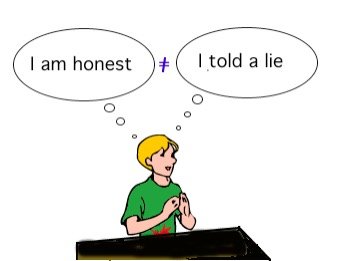
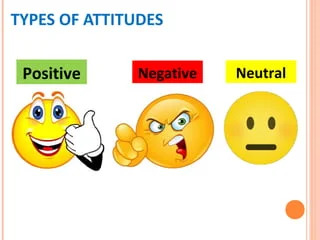
Concept of Attitude: Definition, Components, and Types A comprehensive psychological study covering the definition, characteristics, ABC model, functions, and clinical relevance of attitudes in medical practice. 1. Definition of Attitude An attitude is a relatively enduring, learned predisposition to evaluate an object, person, group, event, or issue in a favourable or unfavourable way, and to behave toward it consistently with that evaluation. Classic definitions include Allport’s (1935): “a mental and neural state of readiness, organized through experience, exerting a directive or dynamic influence upon the individual’s response to all objects and situations with which it is related,” and the description by Krech and Crutchfield of attitude as an enduring organization of motivational, emotional, perceptual, and cognitive processes with respect to some aspect of the individual’s world. In simpler terms, an attitude is what a person thinks and feels about something, and how that predisposes them to act. The “something” toward which the attitude is held is the attitude object (e.g., immunisation, doctors, a disease, a political idea). 1.1 Characteristics (nature) of Attitudes Learned: Attitudes are acquired through experience, learning, and socialisation; they are not innate. Relatively enduring: Attitudes persist over time, although they can be changed by new information, persuasion, or experience. Evaluative: They involve a favourable or unfavourable judgment about the attitude object (like-dislike, approve-disapprove, for-against). Predispositional: An attitude is a readiness to respond in a particular way; it is not the behaviour itself. Directed toward an object: Every attitude has an object — a person, thing, event, idea, or institution. Organized: The components of an attitude tend to be internally consistent, though conflict between them is possible (cognitive dissonance). Influential: Attitudes guide how information is perceived and interpreted and how the person behaves toward the object. Vary in strength: Some attitudes are central and highly resistant to change; others are weak and easily modified. 2. Components of Attitude: The ABC Model Every attitude consists of three components, conventionally arranged in the ABC model: Component Also called What it consists of Example (object: childhood immunisation) Affective Emotional component Feelings and emotions toward the object (like, dislike, fear, anger, trust) “I feel anxious when my child is vaccinated.” Behavioural Conative component The tendency or predisposition to act toward the object in a particular way “I will take my child for vaccination” / “I will refuse it.” Cognitive Belief component Thoughts, beliefs, and knowledge about the object “I believe vaccination protects my child from dangerous diseases.” The three components are usually consistent with one another (believing vaccination is safe, feeling positive about it, and vaccinating the child). When they conflict, the affective component often dominates; persistent inconsistency produces cognitive dissonance. Key Point Attitudes predict behaviour best when all three components are aligned, when the attitude is strong and specific, and when situational pressures are weak. 3. Functions of Attitudes According to Katz (1960), attitudes serve four psychological functions; understanding them explains why people hold and defend their attitudes: Function Purpose the attitude serves Example Knowledge (cognitive) Organizes and simplifies the world; provides a frame for interpreting information quickly “Clinics are for sick people” — organizes how a person views health facilities Utilitarian (adjustive) Helps obtain rewards and avoid punishments by conforming to social expectations A student expresses attitudes approved by the clinical teacher Ego-defensive Protects self-esteem and justifies behaviour the person feels guilty about A smoker belittles anti-smoking evidence to defend the habit Value-expressive Expresses the person’s core values and identity Supporting community health programs expresses a value of compassion 4. Types of Attitudes 4.1 Based on direction (evaluation) Positive attitudes: favourable evaluations that approach the object — e.g., optimism, trust in health services, openness to change. Negative attitudes: unfavourable evaluations that avoid or oppose the object — e.g., prejudice, fear of hospitals, distrust of medication. 4.2 Based on awareness Explicit attitudes: attitudes the person is aware of and can report consciously (e.g., stating a preference for traditional medicine). Implicit attitudes: automatic, unconscious evaluations revealed indirectly through behaviour or reaction-time tests; they may conflict with explicit attitudes. 4.3 Based on importance to the self Central attitudes: closely connected to core values and identity; strong, stable, and highly resistant to change (e.g., religious attitudes, professional ethics). Peripheral attitudes: less important and weakly held; easily changed by new information (e.g., preference for one brand of soap). 4.4 Based on ownership Individual attitudes: held by a single person, based on personal experience. Group (shared) attitudes: common to a social, cultural, occupational, or religious group; transmitted by socialisation and reinforced by group norms (e.g., community attitudes toward blood donation). 4.5 Based on the attitude object Type Description Example Attitude toward persons Evaluations of individuals or groups Trust or distrust of doctors; prejudice toward people with HIV Attitude toward self Self-evaluation; the basis of self-esteem and self-image A patient’s belief in their ability to manage diabetes (self-efficacy) Attitude toward events/situations Evaluations of occurrences or circumstances Fear of surgery; attitude toward ageing Attitude toward ideas/issues Evaluations of concepts or policies Attitude toward contraception, organ donation, vaccination Attitude toward objects/institutions Evaluations of things or organizations Attitude toward hospitals, traditional healers, the government 4.6 Health-related attitudes In clinical practice, attitudes are usefully classified by their effect on health behaviour: Facilitating (positive) attitudes support health — e.g., belief in the value of immunisation, trust in the treatment team, willingness to change lifestyle. Blocking (negative) attitudes hinder health — e.g., fatalism about disease, stigma toward mental illness, distrust of orthodox medicine, denial of illness. Key point Identifying whether a patient’s attitude is facilitating or blocking is the first step in adherence counseling: blocking attitudes must be explored and respectfully challenged, not ignored. 5. Attitude vs Belief vs Value vs Behaviour Concept Definition Example Belief A conviction that something is true or false, without necessarily involving strong feeling or evaluation “Smoking causes lung cancer.” Attitude A learned evaluative predisposition combining beliefs, feelings, and behavioural tendencies toward an object “I disapprove of smoking and avoid smokers.” Value A deep, enduring standard about what is good, right, or desirable, guiding attitudes across many

Social (Observational) learning: Principles and application in healthcare
Medical Psychology

Social (Observational) learning: Principles and application in healthcare

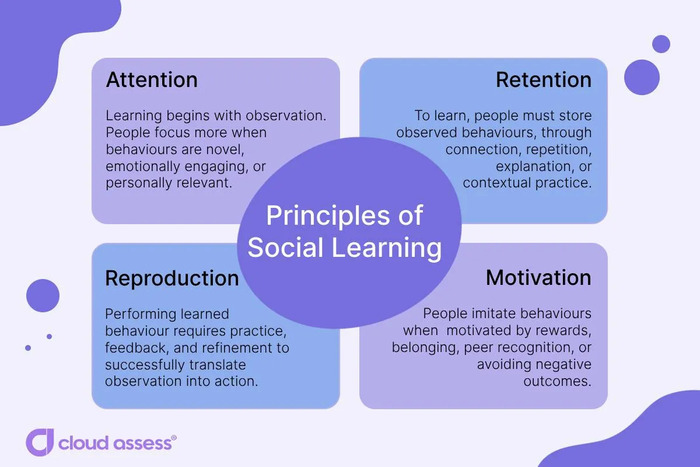
Social (Observational) Learning: Principles and Application in Healthcare An exhaustive study of observational learning theory, exploring Bandura’s foundational research, the cognitive processes underlying modelling, and the critical role of social learning in clinical education and patient behaviour change. 1. Definition and Background Social learning, also referred to as observational learning or modelling, is the process of acquiring new behaviours, attitudes, or information by watching the behaviour of other people (models) and observing the consequences that follow. Unlike classical or operant conditioning, social learning does not require the learner to perform the behavior directly during the learning phase. Albert Bandura (1925–2021) developed social learning theory as a bridge between behaviourism (learning through reinforcement) and cognitive theory (learning through thinking). Bandura demonstrated that observation creates a cognitive representation of a behaviour that the individual can store and execute later when motivated. Key Point In social learning, the observer neither performs the behaviour nor receives direct reinforcement during the learning process. Learning occurs through observation; performance occurs later, if motivated. 2. The Bobo Doll Experiment (1961) Bandura, Ross, and Ross (1961) experimentally demonstrated observational learning using nursery-school children and an inflatable “Bobo doll.” The study proved that children could learn complex aggressive behaviours simply by watching an adult model. The Experimental Stages: Stage 1 — Modelling: Children watched an adult model behave aggressively toward the doll (hitting with a mallet, kicking, shouting). A control group saw a non-aggressive model or no model. Stage 2 — Arousal: All children were mildly frustrated by being told they could not play with certain attractive toys to prime potential aggression. Stage 3 — Test: Children were left alone with the Bobo doll. Their behaviour was observed through a one-way mirror. Key Results: Children who observed the aggressive model imitated the aggressive acts, including novel actions and words. Boys showed significantly more physical aggression than girls. Children were more likely to imitate same-sex models. Significance for Medicine This experiment established that aggressive and health-risk behaviours (like smoking or risky sexual behaviour) can be acquired through social environments. In medicine, this applies to how patients acquire health attitudes from relatives and how medical students acquire professional behaviours from observing senior clinicians—often referred to as the “hidden curriculum.” 3. The Four Processes of Observational Learning Bandura identified four cognitive and physical processes that must operate for observational learning to be successful: Process Definition How to Strengthen in Teaching 1. Attention Noticing and attending to the model’s behaviour. Reduce distractions; use skilled, respected, or similar models. 2. Retention Encoding and storing the behaviour as verbal or visual symbols in memory. Summarise, repeat, and encourage mental practice or rehearsal. 3. Motor Reproduction Being physically capable of converting the stored representation into action. Break complex skills into steps; allow supervised practice with feedback. 4. Motivation Having a reason to perform the behaviour. Show benefits; use praise/rewards; use successful peer models. 4. Models and Vicarious Processes 4.1 Types of Models Live models: Real people observed directly (e.g., teachers, parents, senior clinicians, peers). Symbolic models: Characters or people represented in media (e.g., television, films, internet videos, or instructional health posters). Verbal instructional models: Detailed descriptions and explanations of a behaviour without a physical demonstration. 4.2 Characteristics of Effective Models Learning is strongest when the model possesses the following traits: Similarity: Observers are more likely to imitate models they perceive as similar to themselves (age, sex, background, or medical condition). Competence and Prestige: Skilled, confident, and high-status models (e.g., a respected Consultant) are imitated more. Warmth and Nurturance: Friendly and caring models attract more attention and identification. Relevance: Behaviours seen to bring valued consequences are more likely to be copied. 4.3 Vicarious Reinforcement and Punishment Vicarious reinforcement: Seeing a model rewarded for a behaviour increases the observer’s tendency to perform it. Vicarious punishment: Seeing a model punished for a behaviour decreases the observer’s tendency to perform it. Disinhibition: Seeing a model punished lightly or rewarded for a normally inhibited behaviour (e.g., breaking a safety rule) “releases” the observer to perform it. 5. Reciprocal Determinism Bandura proposed that behavior is not just a result of the environment, but an interaction of three factors. Reciprocal determinism holds that these three components continuously and mutually influence one another: Personal Factors: Cognitive abilities, beliefs, self-efficacy, and knowledge. Behaviour: Physical actions, habits, and skills. Environmental Factors: Situational context, social support, and access. 6. Applications in Healthcare 6.1 Professional Education and the Hidden Curriculum Medical and nursing students learn professional ethics, communication styles, and bedside manner largely by observing role models. Clinical teachers must be aware that their “unspoken” actions—the hidden curriculum—are often more influential than formal lectures. Disrespectful shortcuts or unsafe practices are easily imitated if seen in senior staff. 6.2 Skills Teaching Clinical skills training follows the four processes. A standard effective method is the return demonstration: — Model: The teacher demonstrates the procedure clearly. — Observe: The learner pays attention and retains steps. — Perform: The learner performs while the teacher observes and provides feedback, which serves as reinforcement. 6.3 Patient Education and Behaviour Change Application Principle Used Clinical Example Peer Educators Similarity; Vicarious reinforcement A diabetic patient teaching newly diagnosed patients about insulin management. Reducing Procedure Anxiety Symbolic modelling Showing a child a film of a calm patient receiving a vaccination. Health Promotion Prestige; Identification Using respected community figures in campaigns for immunisation or smoking cessation. Self-care & Rehab Graded modelling; Self-efficacy A video of a patient successfully managing stoma care or a prosthesis. 7. Practical Guidance for Clinicians Best Practice Be a deliberate role model: Ensure students and patients observe high standards in hand hygiene and respectful communication. Match the model to the learner: Whenever possible, use peer models (similar age/background) for patient education to increase self-efficacy. Stepwise demonstration: Keep demonstrations clear, focused, and broken into manageable steps to aid retention. Visible Rewards: Ensure that positive health behaviours or professional clinical actions are seen to be valued and rewarded. 8. Summary: Strengths and Limitations Strengths: It explains how complex learning occurs without trial-and-error; it successfully integrates

Instrumental/Operant Learning: Principles and application in clinical medicine
Medical Psychology

Instrumental/Operant Learning: Principles and application in clinical medicine

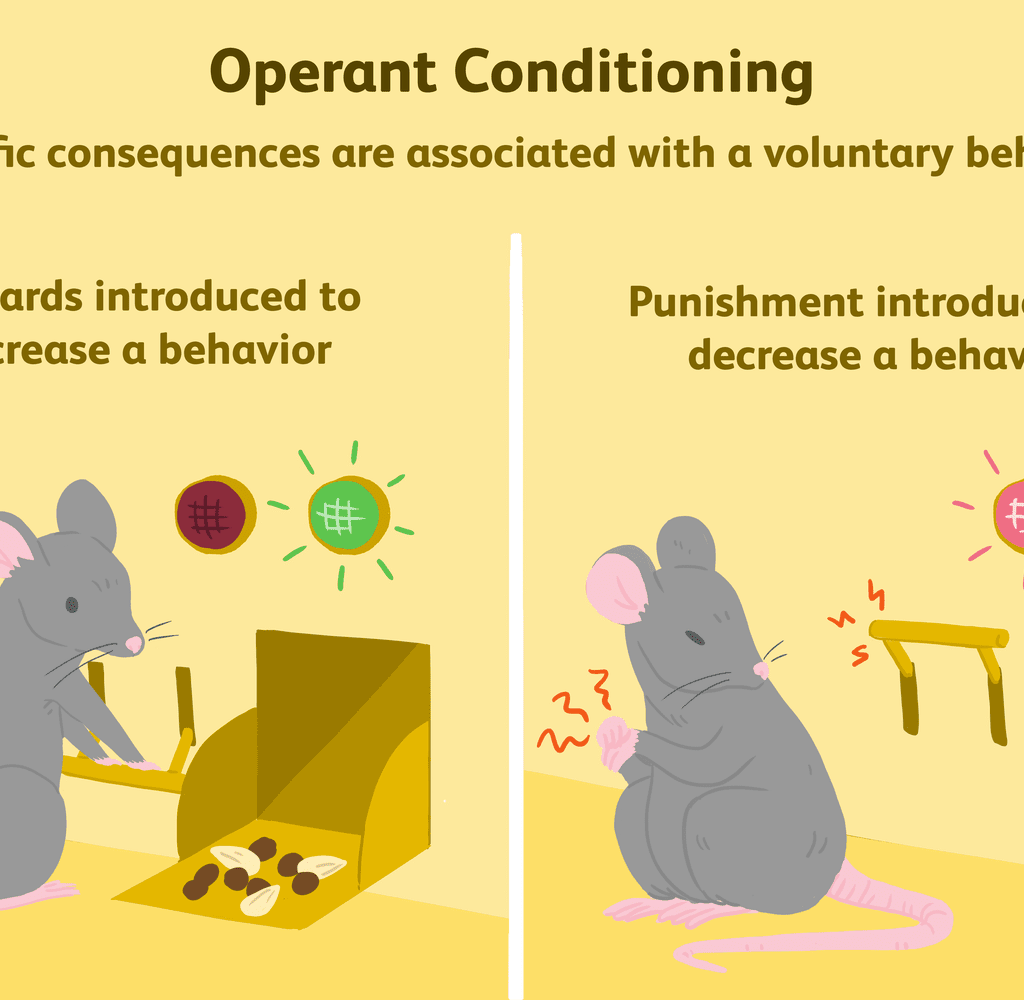
Instrumental/Operant Learning: Principles and Application A comprehensive study of operant conditioning, detailing the historical foundations, mechanisms of reinforcement and punishment, schedules of delivery, and the practical integration of behavior modification within clinical practice. 1. Definition and Historical Background Operant conditioning (also known as instrumental learning) is a process where the consequences of a voluntary behavior determine the likelihood of that behavior being repeated. Unlike classical conditioning, which deals with involuntary reflexes, operant learning involves an active learner whose goal-directed actions operate on the environment to produce specific outcomes. 1.1 Thorndike and the Law of Effect The groundwork was laid by Edward L. Thorndike through his observations of cats in “puzzle boxes.” He formulated the Law of Effect, stating that behaviors followed by satisfying consequences are “stamped in,” while those followed by discomfort are “stamped out.” This established that trial-and-error leads to a faster successful response over time. 1.2 Skinner and the Operant Chamber B.F. Skinner refined these principles by developing the Skinner Box. Using rats and pigeons, he demonstrated that behavior could be precisely shaped and modified entirely by its consequences. He introduced the cumulative recorder to provide objective, measurable data on learning rates. 1.3 Comparison with Classical Conditioning Feature Classical Conditioning Operant Conditioning Behavior Involuntary, reflexive Voluntary, goal-directed Learning Basis Association between two stimuli Association between behavior and consequence Sequence Stimulus precedes the response Consequence follows the behavior Learner’s Role Passive Active 2. Mechanisms of Operant Procedures The core of operant conditioning lies in the relationship between an action and its outcome. Any consequence that makes a behavior more likely is a reinforcer; any that makes it less likely is a punishment. 2.1 Reinforcement vs. Punishment Procedure Stimulus Action Effect on Behavior Positive Reinforcement Add a pleasant stimulus (e.g., praise) Increase frequency Negative Reinforcement Remove an unpleasant stimulus (e.g., stopping a buzzer) Increase frequency Positive Punishment Add an aversive stimulus (e.g., scolding) Decrease frequency Negative Punishment Remove a pleasant stimulus (e.g., time-out) Decrease frequency Common Error Negative reinforcement is NOT punishment. Reinforcement (both positive and negative) always aims to increase a behavior. Punishment always aims to decrease a behavior. 2.2 Specialized Reinforcers and Stimuli Primary Reinforcers: Naturally satisfying without learning (food, water, relief from pain). Secondary Reinforcers: Acquire power through association with primary reinforcers (money, grades, approval). Discriminative Stimulus ($S^D$): A cue that signals reinforcement is available (e.g., a nurse’s presence cues a patient to take medication). Extinction: The decline of a behavior when reinforcement is withdrawn. This is often preceded by an extinction burst (a temporary increase in the behavior). 3. Schedules of Reinforcement The timing and frequency of reinforcement dictate how quickly a behavior is learned and how resistant it is to extinction. Schedule Rule Response Pattern Fixed Ratio (FR) Reinforce after a set number of responses High, steady rate with a brief post-reinforcement pause. Variable Ratio (VR) Reinforce after an unpredictable number Highest and most persistent response rate (e.g., gambling). Fixed Interval (FI) Reinforce after a set time period “Scalloped” pattern; responses increase as the time for reward nears. Variable Interval (VI) Reinforce after unpredictable time Slow, steady, and very persistent responding. 4. Advanced Behavioral Techniques Complex clinical behaviors often require more than simple reinforcement. Shaping: Reinforcing successive approximations toward a target goal. Used to teach complex tasks or help a stroke patient relearn walking. Chaining: Linking a sequence of independent behaviors into a complex chain where each step cues the next. Token Economy: A system where desired behaviors earn tokens (secondary reinforcers) that are later exchanged for privileges or goods. Key Point Behavior is shaped by reinforcing small improvements. Successive approximation is the governing principle behind physical rehabilitation and skill training. 5. Applications in Clinical Medicine Operant principles are the foundation of behavior modification programs across various medical specialties. Clinical Application Principle Used Practical Example Psychiatric Rehabilitation Token economies Earning tokens for self-care in chronic schizophrenia wards. Addiction Medicine Contingency management Vouchers awarded for negative drug screens. Treatment Adherence Positive reinforcement Praise and adherence charts for chronic disease management. Pediatric Management Extinction Strategically ignoring tantrums while maintaining safety. Neuro-rehabilitation Shaping and Chaining Graded steps for relearning ADLs after a stroke. Quality Improvement Feedback and Praise Hand-hygiene audits to reinforce safe clinical practice. 5.1 Clinical Cautions and Ethics Inadvertent Reinforcement: Clinicians must be wary of reinforcing “illness behavior” (e.g., excessive attention given only when a patient complains). Consistency: Behavior modification fails if different staff members or family members apply different rules. Ethical Standards: Programs must respect patient donomy and dignity. Aversive procedures are strictly restricted and require informed consent. 6. Strengths and Limitations Strengths Limitations Highly objective and measurable outcomes. Focuses only on observable behavior. Directly applicable to voluntary behavior change. May underplay internal thoughts, feelings, and insight. Provides the basis for evidence-based interventions. Over-reliance on extrinsic rewards can undermine intrinsic motivation. Mnemonic Interested In Getting Lunch On Friday? Used to remember the core lumbar plexus/clinical outcomes (re-purposed here for behavioral consistency): — Interval/Ratio determines rate. — Individual differences exist. — Goal-directed nature. — Learner is active. — Objective measurement. — Feedback is essential.

Classical conditioning: Principles and application in healthcare
Medical Psychology

Classical conditioning: Principles and application in healthcare

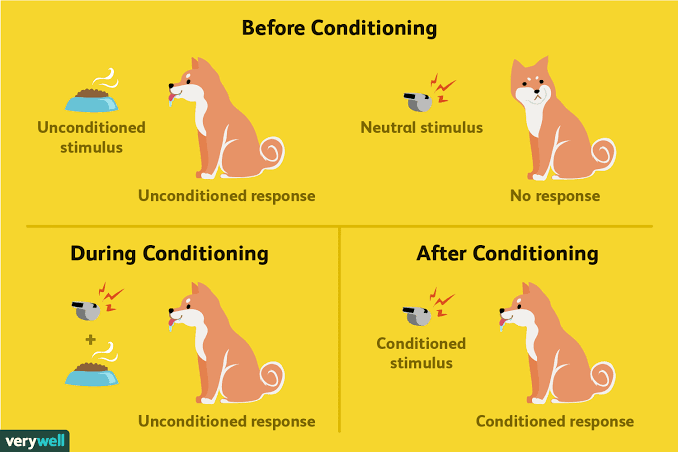
Classical Conditioning: Principles and Application in Healthcare A comprehensive guide on learning theories in Medical Psychology, explaining the principles of respondent conditioning and their management in clinical healthcare settings. Learning Objective Explain the principles of classical (respondent) conditioning and apply them to the understanding and management of clinical problems in healthcare. 1. Definition and Historical Background Classical conditioning (also called respondent conditioning or Pavlovian conditioning) is a form of learning in which a previously neutral stimulus, when repeatedly paired with a stimulus that naturally produces a reflex response, comes to elicit that response by itself. It was discovered accidentally by the Russian physiologist Ivan Petrovich Pavlov (1849–1936) while studying digestion in dogs. Pavlov noticed that dogs began to salivate not only when food was placed in the mouth but also at the sight of the food, the sound of the attendant’s footsteps, or the ringing of a bell announcing food. He redirected his laboratory to study this “psychic secretion” and published his findings in 1903; his work on digestion earned him the Nobel Prize in 1904. Classical conditioning was later developed into a general theory of learning by John B. Watson, the founder of behaviourism. Classical conditioning applies to involuntary, reflexive responses — such as salivation, heart rate, glandular secretion, nausea, and emotional responses like fear and anxiety — rather than to voluntary behaviours. 2. Pavlov’s Experiment and Basic Terminology 2.1 The Basic Experiment Before conditioning: Food placed in a dog’s mouth automatically produces salivation. A bell rung by itself produces only an orienting response (the dog turns its head) — no salivation. During conditioning: The bell (neutral stimulus) is rung repeatedly just before food is presented. Food continues to produce salivation. After conditioning: The bell alone produces salivation. The dog has learned to associate the bell with food. 2.2 Key Terms Term Definition Pavlov’s example Clinical example Unconditioned stimulus (UCS) A stimulus that naturally and automatically triggers a reflex response without prior learning Food Chemotherapy drug (causes nausea) Unconditioned response (UCR) The natural, unlearned response to the unconditioned stimulus Salivation to food Nausea and vomiting to chemotherapy Neutral stimulus (NS) A stimulus that initially produces no relevant response Bell before pairing The chemotherapy room or the smell of the hospital Conditioned stimulus (CS) The previously neutral stimulus that, after repeated pairing with the UCS, elicits a learned response Bell after pairing Sight/smell of the chemotherapy room Conditioned response (CR) The learned response to the conditioned stimulus; it is usually similar to, but weaker than, the UCR Salivation to the bell Nausea at the sight of the chemotherapy room (anticipatory nausea) 3. Principles of Classical Conditioning Acquisition: The initial stage of learning, during which the neutral stimulus is repeatedly paired with the UCS and the conditioned response gradually increases in strength and frequency. Pairing should occur close together in time (contiguity), and the CS should reliably predict the UCS (contingency). Extinction: The gradual weakening and disappearance of the conditioned response when the conditioned stimulus is repeatedly presented without the unconditioned stimulus (e.g., the bell is rung many times without food). Extinction is not the same as forgetting; the association is suppressed rather than erased. Spontaneous recovery: The sudden reappearance of a previously extinguished conditioned response after a rest period, showing that the original learning was retained. Stimulus generalisation: The tendency for stimuli similar to the conditioned stimulus to elicit the conditioned response (e.g., a dog conditioned to a bell also salivates to a buzzer). In the Little Albert experiment, a child conditioned to fear a white rat also feared a rabbit, fur coat, and cotton wool. Stimulus discrimination: The learned ability to distinguish between the conditioned stimulus and similar stimuli that do not predict the UCS, so that only the true CS elicits the response. 4. Higher-order Conditioning and Influencing Factors 4.1 Higher-order (second-order) conditioning Once a neutral stimulus has become a conditioned stimulus, it can itself be paired with a new neutral stimulus, which then also acquires the ability to elicit the conditioned response. This is higher-order conditioning. For example, a dog that has learned to salivate to the sound of a can opener (CS1) can learn to salivate to the squeak of the cabinet door (CS2) that precedes the can opener. In medicine, this explains why cues only indirectly associated with treatment (a particular nurse’s uniform, a hospital corridor) can trigger conditioned responses. 4.2 Factors Influencing Classical Conditioning Contiguity: The CS and UCS must occur close together in time; the CS usually precedes the UCS (forward conditioning works best). Contingency: The CS must reliably predict the UCS; a stimulus that occurs randomly with the UCS is not conditioned. Intensity of the UCS: Stronger unconditioned stimuli produce faster, stronger conditioning. Number of pairings: More pairings produce a stronger conditioned response, up to a plateau. Biological preparedness: Organisms are genetically prepared to associate certain stimuli easily — e.g., taste with illness (explaining conditioned taste aversions after a single pairing) and sounds with danger (explaining phobias). Prior experience (latent inhibition): A familiar neutral stimulus that has repeatedly occurred without consequence is harder to condition than a novel one. 5. Classical Conditioning in Everyday Life and Medicine Conditioned taste aversion: Nausea after eating a particular food produces a lasting aversion to its taste and smell, even if the food did not cause the illness (one-trial learning, biologically prepared). Phobias: Intense irrational fears can be classically conditioned — e.g., a person who experiences a panic attack in a lift may thereafter fear enclosed spaces (generalisation may extend the fear to all small rooms). White-coat (office) hypertension: Blood pressure rises reflexly in the doctor’s office because the clinical environment has been associated with previous painful or frightening procedures. Anticipatory nausea and vomiting: Cancer patients may vomit at the sight of the chemotherapy room, the nurse, or even on the journey to the hospital, before any drug is given. Needle and dental phobia: Repeated pairing of injections or dental treatment with pain conditions fear of the syringe, the drill, or the smell of the

Scroll to Top