Doctors Revision

Medical Psychology

Social (Observational) learning: Principles and application in healthcare
Medical Psychology

Social (Observational) learning: Principles and application in healthcare

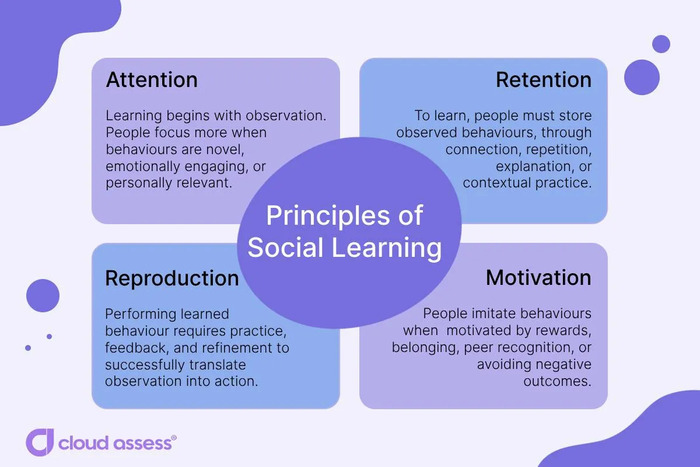
Social (Observational) Learning: Principles and Application in Healthcare An exhaustive study of observational learning theory, exploring Bandura’s foundational research, the cognitive processes underlying modelling, and the critical role of social learning in clinical education and patient behaviour change. 1. Definition and Background Social learning, also referred to as observational learning or modelling, is the process of acquiring new behaviours, attitudes, or information by watching the behaviour of other people (models) and observing the consequences that follow. Unlike classical or operant conditioning, social learning does not require the learner to perform the behavior directly during the learning phase. Albert Bandura (1925–2021) developed social learning theory as a bridge between behaviourism (learning through reinforcement) and cognitive theory (learning through thinking). Bandura demonstrated that observation creates a cognitive representation of a behaviour that the individual can store and execute later when motivated. Key Point In social learning, the observer neither performs the behaviour nor receives direct reinforcement during the learning process. Learning occurs through observation; performance occurs later, if motivated. 2. The Bobo Doll Experiment (1961) Bandura, Ross, and Ross (1961) experimentally demonstrated observational learning using nursery-school children and an inflatable “Bobo doll.” The study proved that children could learn complex aggressive behaviours simply by watching an adult model. The Experimental Stages: Stage 1 — Modelling: Children watched an adult model behave aggressively toward the doll (hitting with a mallet, kicking, shouting). A control group saw a non-aggressive model or no model. Stage 2 — Arousal: All children were mildly frustrated by being told they could not play with certain attractive toys to prime potential aggression. Stage 3 — Test: Children were left alone with the Bobo doll. Their behaviour was observed through a one-way mirror. Key Results: Children who observed the aggressive model imitated the aggressive acts, including novel actions and words. Boys showed significantly more physical aggression than girls. Children were more likely to imitate same-sex models. Significance for Medicine This experiment established that aggressive and health-risk behaviours (like smoking or risky sexual behaviour) can be acquired through social environments. In medicine, this applies to how patients acquire health attitudes from relatives and how medical students acquire professional behaviours from observing senior clinicians—often referred to as the “hidden curriculum.” 3. The Four Processes of Observational Learning Bandura identified four cognitive and physical processes that must operate for observational learning to be successful: Process Definition How to Strengthen in Teaching 1. Attention Noticing and attending to the model’s behaviour. Reduce distractions; use skilled, respected, or similar models. 2. Retention Encoding and storing the behaviour as verbal or visual symbols in memory. Summarise, repeat, and encourage mental practice or rehearsal. 3. Motor Reproduction Being physically capable of converting the stored representation into action. Break complex skills into steps; allow supervised practice with feedback. 4. Motivation Having a reason to perform the behaviour. Show benefits; use praise/rewards; use successful peer models. 4. Models and Vicarious Processes 4.1 Types of Models Live models: Real people observed directly (e.g., teachers, parents, senior clinicians, peers). Symbolic models: Characters or people represented in media (e.g., television, films, internet videos, or instructional health posters). Verbal instructional models: Detailed descriptions and explanations of a behaviour without a physical demonstration. 4.2 Characteristics of Effective Models Learning is strongest when the model possesses the following traits: Similarity: Observers are more likely to imitate models they perceive as similar to themselves (age, sex, background, or medical condition). Competence and Prestige: Skilled, confident, and high-status models (e.g., a respected Consultant) are imitated more. Warmth and Nurturance: Friendly and caring models attract more attention and identification. Relevance: Behaviours seen to bring valued consequences are more likely to be copied. 4.3 Vicarious Reinforcement and Punishment Vicarious reinforcement: Seeing a model rewarded for a behaviour increases the observer’s tendency to perform it. Vicarious punishment: Seeing a model punished for a behaviour decreases the observer’s tendency to perform it. Disinhibition: Seeing a model punished lightly or rewarded for a normally inhibited behaviour (e.g., breaking a safety rule) “releases” the observer to perform it. 5. Reciprocal Determinism Bandura proposed that behavior is not just a result of the environment, but an interaction of three factors. Reciprocal determinism holds that these three components continuously and mutually influence one another: Personal Factors: Cognitive abilities, beliefs, self-efficacy, and knowledge. Behaviour: Physical actions, habits, and skills. Environmental Factors: Situational context, social support, and access. 6. Applications in Healthcare 6.1 Professional Education and the Hidden Curriculum Medical and nursing students learn professional ethics, communication styles, and bedside manner largely by observing role models. Clinical teachers must be aware that their “unspoken” actions—the hidden curriculum—are often more influential than formal lectures. Disrespectful shortcuts or unsafe practices are easily imitated if seen in senior staff. 6.2 Skills Teaching Clinical skills training follows the four processes. A standard effective method is the return demonstration: — Model: The teacher demonstrates the procedure clearly. — Observe: The learner pays attention and retains steps. — Perform: The learner performs while the teacher observes and provides feedback, which serves as reinforcement. 6.3 Patient Education and Behaviour Change Application Principle Used Clinical Example Peer Educators Similarity; Vicarious reinforcement A diabetic patient teaching newly diagnosed patients about insulin management. Reducing Procedure Anxiety Symbolic modelling Showing a child a film of a calm patient receiving a vaccination. Health Promotion Prestige; Identification Using respected community figures in campaigns for immunisation or smoking cessation. Self-care & Rehab Graded modelling; Self-efficacy A video of a patient successfully managing stoma care or a prosthesis. 7. Practical Guidance for Clinicians Best Practice Be a deliberate role model: Ensure students and patients observe high standards in hand hygiene and respectful communication. Match the model to the learner: Whenever possible, use peer models (similar age/background) for patient education to increase self-efficacy. Stepwise demonstration: Keep demonstrations clear, focused, and broken into manageable steps to aid retention. Visible Rewards: Ensure that positive health behaviours or professional clinical actions are seen to be valued and rewarded. 8. Summary: Strengths and Limitations Strengths: It explains how complex learning occurs without trial-and-error; it successfully integrates
Instrumental/Operant Learning: Principles and application in clinical medicine
Medical Psychology

Instrumental/Operant Learning: Principles and application in clinical medicine

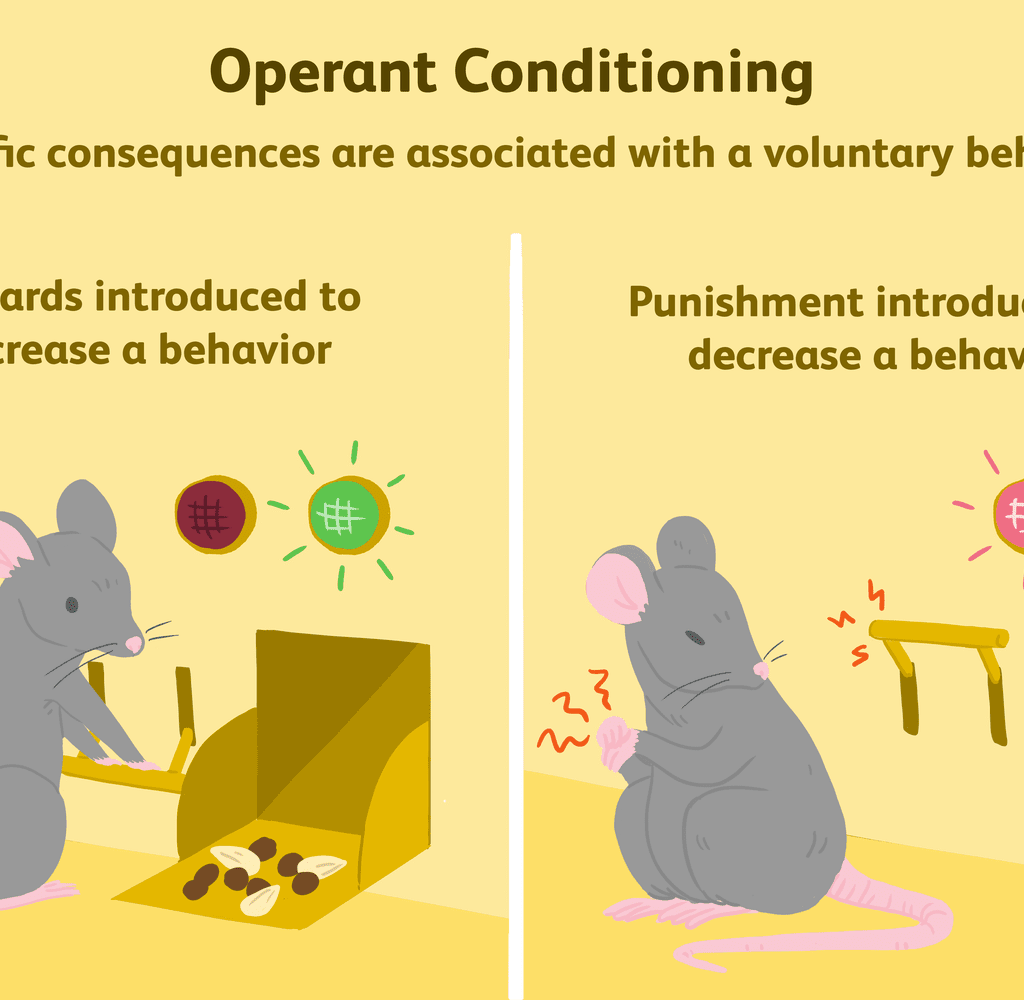
Instrumental/Operant Learning: Principles and Application A comprehensive study of operant conditioning, detailing the historical foundations, mechanisms of reinforcement and punishment, schedules of delivery, and the practical integration of behavior modification within clinical practice. 1. Definition and Historical Background Operant conditioning (also known as instrumental learning) is a process where the consequences of a voluntary behavior determine the likelihood of that behavior being repeated. Unlike classical conditioning, which deals with involuntary reflexes, operant learning involves an active learner whose goal-directed actions operate on the environment to produce specific outcomes. 1.1 Thorndike and the Law of Effect The groundwork was laid by Edward L. Thorndike through his observations of cats in “puzzle boxes.” He formulated the Law of Effect, stating that behaviors followed by satisfying consequences are “stamped in,” while those followed by discomfort are “stamped out.” This established that trial-and-error leads to a faster successful response over time. 1.2 Skinner and the Operant Chamber B.F. Skinner refined these principles by developing the Skinner Box. Using rats and pigeons, he demonstrated that behavior could be precisely shaped and modified entirely by its consequences. He introduced the cumulative recorder to provide objective, measurable data on learning rates. 1.3 Comparison with Classical Conditioning Feature Classical Conditioning Operant Conditioning Behavior Involuntary, reflexive Voluntary, goal-directed Learning Basis Association between two stimuli Association between behavior and consequence Sequence Stimulus precedes the response Consequence follows the behavior Learner’s Role Passive Active 2. Mechanisms of Operant Procedures The core of operant conditioning lies in the relationship between an action and its outcome. Any consequence that makes a behavior more likely is a reinforcer; any that makes it less likely is a punishment. 2.1 Reinforcement vs. Punishment Procedure Stimulus Action Effect on Behavior Positive Reinforcement Add a pleasant stimulus (e.g., praise) Increase frequency Negative Reinforcement Remove an unpleasant stimulus (e.g., stopping a buzzer) Increase frequency Positive Punishment Add an aversive stimulus (e.g., scolding) Decrease frequency Negative Punishment Remove a pleasant stimulus (e.g., time-out) Decrease frequency Common Error Negative reinforcement is NOT punishment. Reinforcement (both positive and negative) always aims to increase a behavior. Punishment always aims to decrease a behavior. 2.2 Specialized Reinforcers and Stimuli Primary Reinforcers: Naturally satisfying without learning (food, water, relief from pain). Secondary Reinforcers: Acquire power through association with primary reinforcers (money, grades, approval). Discriminative Stimulus ($S^D$): A cue that signals reinforcement is available (e.g., a nurse’s presence cues a patient to take medication). Extinction: The decline of a behavior when reinforcement is withdrawn. This is often preceded by an extinction burst (a temporary increase in the behavior). 3. Schedules of Reinforcement The timing and frequency of reinforcement dictate how quickly a behavior is learned and how resistant it is to extinction. Schedule Rule Response Pattern Fixed Ratio (FR) Reinforce after a set number of responses High, steady rate with a brief post-reinforcement pause. Variable Ratio (VR) Reinforce after an unpredictable number Highest and most persistent response rate (e.g., gambling). Fixed Interval (FI) Reinforce after a set time period “Scalloped” pattern; responses increase as the time for reward nears. Variable Interval (VI) Reinforce after unpredictable time Slow, steady, and very persistent responding. 4. Advanced Behavioral Techniques Complex clinical behaviors often require more than simple reinforcement. Shaping: Reinforcing successive approximations toward a target goal. Used to teach complex tasks or help a stroke patient relearn walking. Chaining: Linking a sequence of independent behaviors into a complex chain where each step cues the next. Token Economy: A system where desired behaviors earn tokens (secondary reinforcers) that are later exchanged for privileges or goods. Key Point Behavior is shaped by reinforcing small improvements. Successive approximation is the governing principle behind physical rehabilitation and skill training. 5. Applications in Clinical Medicine Operant principles are the foundation of behavior modification programs across various medical specialties. Clinical Application Principle Used Practical Example Psychiatric Rehabilitation Token economies Earning tokens for self-care in chronic schizophrenia wards. Addiction Medicine Contingency management Vouchers awarded for negative drug screens. Treatment Adherence Positive reinforcement Praise and adherence charts for chronic disease management. Pediatric Management Extinction Strategically ignoring tantrums while maintaining safety. Neuro-rehabilitation Shaping and Chaining Graded steps for relearning ADLs after a stroke. Quality Improvement Feedback and Praise Hand-hygiene audits to reinforce safe clinical practice. 5.1 Clinical Cautions and Ethics Inadvertent Reinforcement: Clinicians must be wary of reinforcing “illness behavior” (e.g., excessive attention given only when a patient complains). Consistency: Behavior modification fails if different staff members or family members apply different rules. Ethical Standards: Programs must respect patient donomy and dignity. Aversive procedures are strictly restricted and require informed consent. 6. Strengths and Limitations Strengths Limitations Highly objective and measurable outcomes. Focuses only on observable behavior. Directly applicable to voluntary behavior change. May underplay internal thoughts, feelings, and insight. Provides the basis for evidence-based interventions. Over-reliance on extrinsic rewards can undermine intrinsic motivation. Mnemonic Interested In Getting Lunch On Friday? Used to remember the core lumbar plexus/clinical outcomes (re-purposed here for behavioral consistency): — Interval/Ratio determines rate. — Individual differences exist. — Goal-directed nature. — Learner is active. — Objective measurement. — Feedback is essential.

Classical conditioning: Principles and application in healthcare
Medical Psychology

Classical conditioning: Principles and application in healthcare

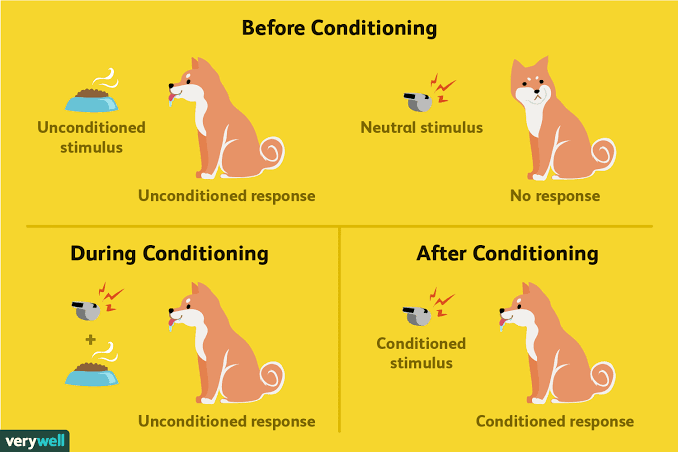
Classical Conditioning: Principles and Application in Healthcare A comprehensive guide on learning theories in Medical Psychology, explaining the principles of respondent conditioning and their management in clinical healthcare settings. Learning Objective Explain the principles of classical (respondent) conditioning and apply them to the understanding and management of clinical problems in healthcare. 1. Definition and Historical Background Classical conditioning (also called respondent conditioning or Pavlovian conditioning) is a form of learning in which a previously neutral stimulus, when repeatedly paired with a stimulus that naturally produces a reflex response, comes to elicit that response by itself. It was discovered accidentally by the Russian physiologist Ivan Petrovich Pavlov (1849–1936) while studying digestion in dogs. Pavlov noticed that dogs began to salivate not only when food was placed in the mouth but also at the sight of the food, the sound of the attendant’s footsteps, or the ringing of a bell announcing food. He redirected his laboratory to study this “psychic secretion” and published his findings in 1903; his work on digestion earned him the Nobel Prize in 1904. Classical conditioning was later developed into a general theory of learning by John B. Watson, the founder of behaviourism. Classical conditioning applies to involuntary, reflexive responses — such as salivation, heart rate, glandular secretion, nausea, and emotional responses like fear and anxiety — rather than to voluntary behaviours. 2. Pavlov’s Experiment and Basic Terminology 2.1 The Basic Experiment Before conditioning: Food placed in a dog’s mouth automatically produces salivation. A bell rung by itself produces only an orienting response (the dog turns its head) — no salivation. During conditioning: The bell (neutral stimulus) is rung repeatedly just before food is presented. Food continues to produce salivation. After conditioning: The bell alone produces salivation. The dog has learned to associate the bell with food. 2.2 Key Terms Term Definition Pavlov’s example Clinical example Unconditioned stimulus (UCS) A stimulus that naturally and automatically triggers a reflex response without prior learning Food Chemotherapy drug (causes nausea) Unconditioned response (UCR) The natural, unlearned response to the unconditioned stimulus Salivation to food Nausea and vomiting to chemotherapy Neutral stimulus (NS) A stimulus that initially produces no relevant response Bell before pairing The chemotherapy room or the smell of the hospital Conditioned stimulus (CS) The previously neutral stimulus that, after repeated pairing with the UCS, elicits a learned response Bell after pairing Sight/smell of the chemotherapy room Conditioned response (CR) The learned response to the conditioned stimulus; it is usually similar to, but weaker than, the UCR Salivation to the bell Nausea at the sight of the chemotherapy room (anticipatory nausea) 3. Principles of Classical Conditioning Acquisition: The initial stage of learning, during which the neutral stimulus is repeatedly paired with the UCS and the conditioned response gradually increases in strength and frequency. Pairing should occur close together in time (contiguity), and the CS should reliably predict the UCS (contingency). Extinction: The gradual weakening and disappearance of the conditioned response when the conditioned stimulus is repeatedly presented without the unconditioned stimulus (e.g., the bell is rung many times without food). Extinction is not the same as forgetting; the association is suppressed rather than erased. Spontaneous recovery: The sudden reappearance of a previously extinguished conditioned response after a rest period, showing that the original learning was retained. Stimulus generalisation: The tendency for stimuli similar to the conditioned stimulus to elicit the conditioned response (e.g., a dog conditioned to a bell also salivates to a buzzer). In the Little Albert experiment, a child conditioned to fear a white rat also feared a rabbit, fur coat, and cotton wool. Stimulus discrimination: The learned ability to distinguish between the conditioned stimulus and similar stimuli that do not predict the UCS, so that only the true CS elicits the response. 4. Higher-order Conditioning and Influencing Factors 4.1 Higher-order (second-order) conditioning Once a neutral stimulus has become a conditioned stimulus, it can itself be paired with a new neutral stimulus, which then also acquires the ability to elicit the conditioned response. This is higher-order conditioning. For example, a dog that has learned to salivate to the sound of a can opener (CS1) can learn to salivate to the squeak of the cabinet door (CS2) that precedes the can opener. In medicine, this explains why cues only indirectly associated with treatment (a particular nurse’s uniform, a hospital corridor) can trigger conditioned responses. 4.2 Factors Influencing Classical Conditioning Contiguity: The CS and UCS must occur close together in time; the CS usually precedes the UCS (forward conditioning works best). Contingency: The CS must reliably predict the UCS; a stimulus that occurs randomly with the UCS is not conditioned. Intensity of the UCS: Stronger unconditioned stimuli produce faster, stronger conditioning. Number of pairings: More pairings produce a stronger conditioned response, up to a plateau. Biological preparedness: Organisms are genetically prepared to associate certain stimuli easily — e.g., taste with illness (explaining conditioned taste aversions after a single pairing) and sounds with danger (explaining phobias). Prior experience (latent inhibition): A familiar neutral stimulus that has repeatedly occurred without consequence is harder to condition than a novel one. 5. Classical Conditioning in Everyday Life and Medicine Conditioned taste aversion: Nausea after eating a particular food produces a lasting aversion to its taste and smell, even if the food did not cause the illness (one-trial learning, biologically prepared). Phobias: Intense irrational fears can be classically conditioned — e.g., a person who experiences a panic attack in a lift may thereafter fear enclosed spaces (generalisation may extend the fear to all small rooms). White-coat (office) hypertension: Blood pressure rises reflexly in the doctor’s office because the clinical environment has been associated with previous painful or frightening procedures. Anticipatory nausea and vomiting: Cancer patients may vomit at the sight of the chemotherapy room, the nurse, or even on the journey to the hospital, before any drug is given. Needle and dental phobia: Repeated pairing of injections or dental treatment with pain conditions fear of the syringe, the drill, or the smell of the

Introduction to learning process and factors that affect it
Medical Psychology

Introduction to learning process and factors that affect it

Introduction to the Learning Process and Factors That Affect It Comprehensive medical psychology notes covering the structural stages of learning, types of conditioning, memory basis, and the diverse learner, environmental, and task-related factors influencing behavioral change in clinical practice. 1. Definition and Characteristics of Learning Learning is a relatively permanent change in behaviour, knowledge, or skill that results from experience, practice, or training, and which cannot be explained by maturation, fatigue, injury, or the temporary effects of drugs. In medical psychology, learning is central because a large part of human behaviour — including health behaviour, coping responses, habits, fears, and adherence to treatment — is learned. Behaviour that has been learned can, in principle, be modified, which is the foundation of behaviour therapy and patient education. 1.1 Key characteristics of learning Change in behaviour or behavioural potential: Learning produces a change in what a person does or is capable of doing (e.g., a student can now interpret an ECG). Relatively permanent: The change endures; performance that disappears quickly (e.g., due to fatigue or motivation) is not true learning. Results from experience or practice: Learning arises from interaction with the environment, not from genetic maturation alone. Not due to temporary states: Changes caused by fatigue, drugs, illness, or sensory adaptation are excluded. Involves active processing: The learner actively attends to, encodes, and stores information; learning is not a passive recording. Progressive and goal-directed: Learning builds on previous learning and moves the organism towards adaptation to its environment. 1.2 Learning compared with related concepts Concept Meaning How it differs from learning Maturation Genetically programmed biological growth and development of the nervous system and body. Occurs without specific experience or practice; follows a predictable sequence and timetable. Performance The observable demonstration of what has been learned at a given moment. Performance is influenced by motivation, fatigue and illness; learning may exist without being demonstrated. Memory The storage and retrieval of learned information. Memory is the mechanism by which learning is retained; learning is the process of acquiring the change. Instinct An unlearned, inborn pattern of behaviour. Requires no prior experience, whereas all learning requires experience. 2. The Learning Process Step by Step Learning is a sequence of interrelated stages. Understanding these stages helps the clinician design effective teaching for patients, students, and communities. Stage Description Clinical Application 1. Motivation An internal state (need, drive, incentive) that energises and directs behaviour toward a goal. In clinical practice, the patient’s own motivation (e.g., fear of complications, desire for recovery) largely determines the success of health education. 2. Attention The selective focusing of awareness on particular stimuli while ignoring others. Attention is limited; fatigue, anxiety, pain, and a noisy environment reduce it. Material must therefore be presented clearly, one point at a time. 3. Perception The interpretation of attended sensory input. Influenced by past experience, expectations, culture, and emotional state. Two learners exposed to the same information may perceive it differently. 4. Encoding Organising information and transferring it into memory. Meaningful organisation (chunking, classification, association with existing knowledge) greatly improves retention. 5. Storage Retention of the encoded information in memory over time. Spaced repetition and rehearsal are necessary to move information from short-term to long-term storage. 6. Retrieval & Use Learned material must be recalled and used in real situations. Practice, rehearsal, feedback, and application in real situations strengthen retrieval and allow transfer to new situations (generalisation). Key Point Effective teaching of patients or students requires arousing motivation, securing attention, presenting material in an organised and meaningful way, and providing repetition, practice, and feedback. 3. Types of Learning Learning may be classified in several ways. A practical classification for clinical medicine is shown below: Type Definition Clinical Example Non-associative learning Change in response to a single repeated stimulus, without pairing with another stimulus. Habituation: a nurse becomes accustomed to the sound of alarms; Sensitisation: a burn patient becomes highly reactive to any touch. Classical conditioning Learning by association between two stimuli; a neutral stimulus comes to evoke a reflex response. A patient feels nauseated at the sight of the chemotherapy room; white-coat hypertension. Operant conditioning Learning from the consequences of voluntary behaviour; behaviour followed by reward increases. A child cooperates with physiotherapy when praised; a patient adheres to medication when given positive feedback. Observational learning Learning by watching and imitating models. Medical students acquire attitudes and procedures by observing senior clinicians; patients learn coping skills from peers. Cognitive learning Learning through understanding, insight, problem-solving and information processing rather than direct reinforcement. A student understands the physiology of shock and then applies the principles to manage different cases. 4. The Memory Basis of Learning Learning depends on memory. The classic information-processing model (Atkinson-Shiffrin) describes three stores through which information passes: Sensory memory: A very brief register of sensory impressions (fractions of a second to a few seconds). Only attended information passes further. Short-term (working) memory: Limited capacity (about 5–9 items) and short duration (seconds) unless rehearsed. Chunking and rehearsal keep information available. Long-term memory: A large-capacity, durable store. Transfer from short-term to long-term memory requires elaboration, organisation, repetition, and association with existing knowledge. Clinical Relevance Anxiety, pain, sleep deprivation, and illness reduce working-memory capacity, so education of sick or anxious patients should be brief, simple, and reinforced with written instructions. Repetition and spaced review consolidate memory. 5. Factors That Affect Learning Learning is influenced by three broad groups of factors: characteristics of the learner, the environment, and the task or teaching method. 5.1 Learner-related factors Factor Effect on Learning Clinical/Educational Implication Age and maturation Readiness for particular learning depends on developmental stage; very young and elderly learners process information more slowly. Match teaching content and pace to the learner’s developmental level. Intelligence and prior knowledge Higher cognitive ability and relevant background knowledge facilitate new learning. Assess baseline knowledge before teaching; build on what is known. Motivation Drives attention, effort, and persistence; intrinsic motivation (personal relevance) is more durable than extrinsic reward. Link learning to the patient’s own goals, e.g., returning to work or preventing complications. Health

Categories: Memory, forgetting, attention, concentration, intelligence, emotions
Medical Psychology

Memory, Forgetting, Attention, Concentration, Intelligence and Emotions

Mental Processes A comprehensive anatomical and psychological study of memory, forgetting, attention, concentration, intelligence, and emotions for Medical students. 1. Memory Definition: Memory is the mental process by which information is encoded, stored, and retrieved over time. It enables individuals to retain and use past experiences, learn new skills, and adapt to changing environments. Memory is not a single entity but a system of interrelated processes and storage systems. 1.1 The Three Processes of Memory Memory involves three fundamental processes that operate sequentially and interactively: Encoding: The process of converting sensory input into a form that can be stored. Effective encoding requires attention and often involves elaboration (making meaningful associations) and organization. Storage: The retention of encoded information over time. Storage can be brief (seconds to minutes) or long-lasting (years to decades). Retrieval: The process of accessing stored information when needed. Retrieval can be deliberate (recall) or triggered by cues (recognition). 1.2 Stages of Memory Stage Duration Capacity Characteristics Sensory Memory 0.5-3 seconds Very large Brief retention; iconic (visual) or echoic (auditory). Short-Term Memory (STM) 15-30 seconds 7 +/- 2 items Temporary storage; vulnerable to interference. Working Memory Seconds to minutes Limited Active manipulation of information; includes phonological loop and visuospatial sketchpad. Long-Term Memory (LTM) Minutes to lifetime Essentially unlimited Relatively permanent storage; requires consolidation. 1.3 Types of Long-Term Memory Explicit (Declarative): Involves conscious recollection. Episodic: Personal experiences and events. Semantic: General knowledge and concepts. Implicit (Non-declarative): Operates without conscious awareness. Procedural: Skills and habits (e.g., riding a bike). Priming: Facilitated processing of previously encountered stimuli. Conditioning: Learned associations. 1.4 Brain Structures in Memory Hippocampus: Critical for encoding new explicit memories and consolidation. Amygdala: Modulates emotional memory and consolidation of significant events. Prefrontal Cortex: Supports working memory and strategic retrieval. Cerebellum & Basal Ganglia: Involved in procedural memory. Clinical Correlation Pathological Memory Loss Alzheimer’s Disease: Progressive decline in episodic memory. Korsakoff’s Syndrome: Caused by thiamine deficiency in chronic alcoholism; produces severe anterograde amnesia and confabulation. Dissociative Amnesia: Memory loss for personal information due to psychological trauma. 2. Forgetting Definition: Forgetting is the loss or failure to retain information over time. It is a normal adaptive process that prevents information overload, though pathological forgetting indicates neurological or psychological disorders. 2.1 Theories of Forgetting Theory Explanation Example Decay Theory Memory traces fade over time if not used. Forgetting a phone number learned briefly. Interference Theory Competition between similar memories. Learning French interferes with old Spanish. Retrieval Failure Information is stored but lacks cues to access it. Tip-of-the-tongue phenomenon. Motivated Forgetting Unconscious suppression of unpleasant memories. Trauma survivor unable to recall details. Key Strategy Spaced Repetition Hermann Ebbinghaus demonstrated that 50% of learned information is forgotten within the first hour. Spaced repetition (reviewing material at increasing intervals) is the most effective strategy to counteract the forgetting curve. 3. Attention Definition: Attention is the cognitive process of selectively concentrating on specific aspects of information while ignoring other distractors. It is a limited resource. 3.1 Types of Attention Selective Attention: Focusing on one stimulus (e.g., listening in a noisy room). Divided Attention: Multi-tasking (e.g., driving while talking). Sustained Attention: Maintaining focus over time (e.g., monitoring vitals during surgery). Alternating Attention: Shifting focus between tasks with different demands. Clinical Relevance ADHD: Characterized by inattention and impulsivity. Delirium: Acute onset of impaired attention and awareness. Hemispatial Neglect: Usually due to right parietal damage; failure to attend to the contralateral side of space. 4. Concentration Definition: Concentration is the mental process of directing and sustaining focused attention on a specific task while excluding distractions. 4.1 Factors Affecting Concentration Factor Effect Clinical Implication Sleep Deprivation Reduces sustained attention. Risk of errors in night shift clinicians. Fatigue Decreases cognitive endurance. Rest breaks improve performance. Substance Use Alcohol impairs; stimulants may enhance temporarily. Long-term use causes cognitive deficits. 5. Intelligence Definition: Intelligence is the mental capacity to learn from experience, adapt to new situations, and handle abstract concepts. 5.1 Theories of Intelligence Spearman’s g Factor: General intelligence underlies all cognitive abilities. Gardner’s Multiple Intelligences: Eight independent intelligences (Linguistic, Musical, Logical, etc.). Emotional Intelligence: The ability to perceive and manage emotions; critical for professional success. Clinical Note Intellectual Disability Diagnosed when IQ is below 70 with concurrent deficits in adaptive functioning. Levels include Mild (50-70), Moderate (35-49), Severe (20-34), and Profound (<20). 6. Emotions Definition: Emotions are complex psychological states involving subjective experience, physiological arousal, expressive behavior, and cognitive appraisal. 6.1 The Four Components of Emotion Subjective Experience: The conscious “feeling” (happy, sad). Physiological Arousal: Autonomic changes (HR, BP, respiration). Expressive Behavior: Facial expressions and body posture. Cognitive Appraisal: Evaluation of a situation’s significance. 6.2 Major Theories of Emotion James-Lange Theory: Emotion results from physiological arousal (we feel afraid because we tremble). Cannon-Bard Theory: Arousal and emotional experience occur simultaneously. Schachter-Singer Two-Factor: Emotion requires physiological arousal plus a cognitive label. Context: Northern Uganda In Northern Uganda, where communities have experienced prolonged conflict, the psychological impact of stress and trauma on child growth and mental development has been documented extensively, emphasizing the need for trauma-informed care. 7. Summary Tables 7.1 Memory Systems Overview System Type Duration Brain Structure Sensory Pre-attentive < 3 sec Sensory cortices STM Explicit 15-30 sec Prefrontal cortex Episodic Explicit/LTM Lifetime Hippocampus Procedural Implicit/LTM Lifetime Basal ganglia/Cerebellum

Categories: Thinking, reasoning, consciousness, sleep, sensation, perception
Medical Psychology

Thinking, Reasoning, Consciousness, Sleep, Sensation and Perception

Mental Processes A comprehensive study of higher-order cognitive functions including Thinking, Reasoning, Consciousness, Sleep, Sensation, and Perception. 1. Thinking Definition: Thinking is a cognitive process involving the manipulation of mental representations (images, concepts, symbols, and ideas) to form new associations, solve problems, make decisions, and create new knowledge. It is a higher-order mental process that goes beyond immediate perception and memory. 1.1 Types of Thinking Type of Thinking Description Example Perceptual/Concrete Thinking based on direct sensory experience and immediate reality. A child sorting objects by color or shape. Conceptual/Abstract Thinking using ideas, concepts, and symbols rather than concrete objects. Understanding justice, freedom, or democracy. Reflective Thinking Deliberate, careful consideration of ideas and experiences. A clinician analyzing a complex case before making a diagnosis. Creative Thinking Generation of novel, original ideas and solutions. An artist developing a new painting style. Critical Thinking Objective analysis and evaluation of information to form judgments. Evaluating the strength of evidence in a research study. Directed/Associative Thinking that follows a logical sequence or makes free associations. Problem-solving vs. daydreaming. 1.2 Elements of Thinking Thinking involves several key structural elements: Concepts: Mental categories that group objects, events, or ideas based on shared characteristics. Propositions: Statements that express relationships between concepts. Mental Images: Visual representations of objects or events in the mind. Schemas: Organized frameworks of knowledge that help interpret new information. 1.3 Problem-Solving and Decision-Making Problem-Solving Steps: (1) Identifying and defining the problem, (2) generating possible solutions, (3) evaluating alternatives, (4) selecting and implementing the best solution, and (5) assessing the outcome. Common Obstacles: Mental set (fixation on familiar solutions), functional fixedness (inability to see new uses for objects), and confirmation bias. Heuristics (Mental Shortcuts): — Availability Heuristic: Judging probability by ease of recall. — Representativeness Heuristic: Judging by similarity to prototypes. Clinical Relevance Impaired Thinking Impaired thinking is a hallmark of several psychiatric and neurological conditions. In Schizophrenia, thought disorder manifests as disorganized speech and delusions. In Dementia, thinking becomes concrete and inflexible. Cognitive rehabilitation aims to restore or compensate for these impaired abilities. 2. Reasoning Definition: Reasoning is the cognitive process of drawing inferences, conclusions, or judgments from evidence, premises, or principles. It enables prediction, explanation, and justification of beliefs. 2.1 Types of Reasoning Type Description Clinical Relevance Deductive Drawing specific conclusions from general principles; must be true if premises are true. Applying general medical knowledge to a specific patient. Inductive Drawing general conclusions from specific observations; conclusions are probable. Formulating a diagnosis from presenting symptoms. Abductive Inferring the most likely explanation from incomplete observations. Differential diagnosis in clinical practice. Analogical Solving problems by comparing to similar situations. Using analogies to explain medical conditions to patients. 2.2 Errors in Reasoning (Cognitive Biases) Confirmation Bias: Seeking information that confirms pre-existing beliefs while ignoring contradictory evidence. Availability Heuristic: Overestimating the likelihood of events that are easily recalled (e.g., overdiagnosing a rare condition recently seen). Anchoring Bias: Relying too heavily on the first piece of information encountered. Attribution Bias: Attributing behavior to internal characteristics rather than situational factors. 3. Consciousness Definition: Consciousness is the state of awareness of oneself and the environment, including the ability to perceive, think, feel, and respond to stimuli. 3.1 Levels of Consciousness Level Characteristics Clinical Significance Alert Fully aware, oriented to time, place, and person. Normal baseline state. Confusion Disorientation, difficulty following commands. Seen in delirium, infections, metabolic disturbances. Lethargy Drowsy but arousable; reduced alertness. Early sign of CNS depression. Obtundation Difficult to arouse; requires strong stimulation. Moderate CNS impairment. Stupor Unresponsive except to vigorous, repeated stimuli. Severe CNS dysfunction. Coma Unarousable, unresponsive to all stimuli. Severe brain injury, overdose, stroke. Clinical Tool Glasgow Coma Scale (GCS) The standard tool for assessing level of consciousness across three domains: Eye opening (1-4), Verbal response (1-5), and Motor response (1-6). Scores range from 3 (deep coma) to 15 (fully alert). 4. Sleep Definition: A naturally recurring state of altered consciousness characterized by reduced responsiveness, decreased muscle activity, and distinct brain activity patterns. 4.1 Stages of Sleep Stage Brain Waves Function N1 (Light Sleep) Theta waves (4-7 Hz) Onset of sleep; relaxation. N2 (True Sleep) Theta with sleep spindles Memory consolidation; motor skill learning. N3 (Deep/Slow-Wave) Delta waves (0.5-4 Hz) Physical restoration; growth hormone release. REM Sleep High-frequency waves Vivid dreaming; muscle atonia; emotional processing. 4.3 Sleep Disorders Insomnia: Difficulty falling or staying asleep; causes daytime fatigue. Sleep Apnea: Repeated pauses in breathing; characterized by loud snoring. Narcolepsy: Sudden, uncontrollable daytime sleep episodes; includes cataplexy. Restless Legs Syndrome (RLS): Irresistible urge to move legs, worsening at rest. Parasomnias: Abnormal behaviors like sleepwalking or night terrors. 5. Sensation Definition: The process by which sensory receptors detect, transduce, and transmit physical energy from the environment into neural signals. 5.1 The Process of Sensation Reception: Detection of energy by specialized receptors. Transduction: Conversion of energy into electrochemical signals. Transmission: Relay of signals through pathways to the CNS. 5.2 The Five Classical Senses Sense Receptor Pathway/Cortex Vision Rods and Cones (Retina) Optic nerve → Lateral geniculate nucleus Hearing Hair cells (Cochlea) Auditory nerve → Cochlear nucleus Touch Mechano/Thermo/Nociceptors Spinal cord → Thalamus → Somatosensory cortex Taste Taste buds (Tongue) CN VII, IX, X → Solitary nucleus Smell Olfactory receptors Olfactory bulb → Piriform cortex 6. Perception Definition: The process by which the brain organizes, interprets, and gives meaning to sensory information. It is an active, constructive process. 6.1 Principles of Perceptual Organization (Gestalt) Figure-Ground: Separation of an object from its background. Proximity: Near elements are perceived as a group. Similarity: Similar elements are grouped together. Continuity: Preference for smooth, continuous patterns. Closure: Filling in gaps to perceive complete objects. Common Fate: Elements moving in the same direction are seen as a unit. 6.3 Perceptual Constancies and Illusions Constancies: Size, Shape, and Color constancy allow stable perception despite changes in sensory input. Illusions: Errors in interpretation, such as the Mueller-Lyer (line length) or Ponzo (size-distance) illusions. Clinical Relevance Perceptual Disturbances Hallucinations: Perceptions in the absence of external stimuli. Illusions: Misperceptions of real stimuli. Agnosia: Inability to recognize sensory information despite

Definition of mental processes & how they affect behavior
Medical Psychology

Definition of mental processes & how they affect behavior

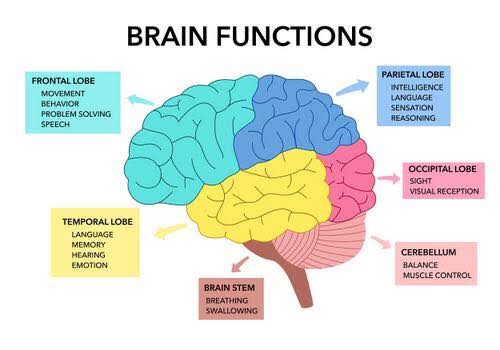
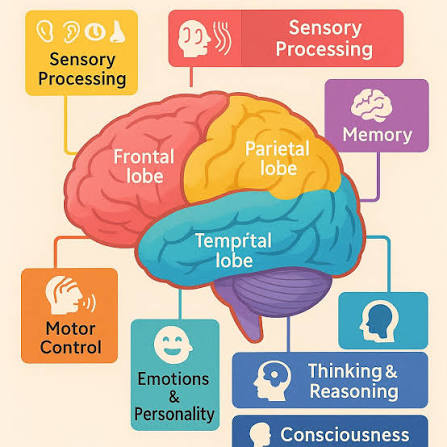
Mental Processes A comprehensive study on the internal activities of the mind, their categories, neurobiological foundations, and their profound influence on human behavior within a clinical context. 1. Introduction to Mental Processes Mental processes represent the internal activities of the mind that enable individuals to interpret, organize, and respond to information from the environment. These processes form the foundation of human cognition and are essential for adaptation, learning, and survival. Understanding these is fundamental to clinical medicine, as disturbances in these processes underlie numerous psychiatric and neurological conditions. For the clinical medicine student in Uganda, knowledge of mental processes provides the basis for assessing cognitive function, diagnosing mental health disorders, and formulating management plans for patients presenting with altered mental states. 2. Definition and Characteristics Definition Mental Processes (also called cognitive or psychological processes) are the internal, dynamic activities of the mind through which an individual acquires, stores, retrieves, and uses information. They include thinking, reasoning, perception, memory, attention, consciousness, and emotion, operating both consciously and unconsciously. 2.1 Characteristics of Mental Processes Internal: They occur within the individual and are not directly observable; they must be inferred from behavior, self-report, or physiological measures. Dynamic: They are active and continuously changing to adapt to new information. Interactive: simultaneous operation where one affects the other (e.g., attention affecting perception). Goal-Directed: They serve adaptive functions to help organisms respond to challenges. Individual Variation: Efficiency and style vary based on genetics, experience, and health status. Key Distinction Mental processes are distinct from mental states. A mental state (like anxiety) is a temporary condition, whereas a mental process is the ongoing operation that produces or maintains that state. 3. Components and Types of Mental Processes Category Description Examples Cognitive Activities involved in acquiring and using information. Thinking, reasoning, problem-solving. Perceptual Organization and interpretation of sensory data. Sensation, perception, recognition. Memory Encoding, storing, and retrieving information. Short-term, long-term, recall. Attentional Selection and focus of mental resources. Selective, divided, and sustained attention. Consciousness Awareness of oneself and the environment. Wakefulness, sleep, altered states. Emotional Experiencing and regulating feelings. Emotion recognition, mood. Motivational Initiating and sustaining goal-directed behavior. Drive, incentive, goal-setting. 3.1 Cognitive Processes Thinking involves manipulating mental representations to form concepts and solve problems. Reasoning is the process of drawing conclusions from evidence. These rely heavily on the prefrontal cortex for executive functions. 3.2 Perceptual Processes Sensation is the detection of physical energy by receptors. Perception is the subsequent organization of these signals into meaningful experiences, influenced by prior knowledge and expectations. 3.3 Memory Processes Includes Encoding (conversion to storable form), Storage (maintenance over time), and Retrieval (accessing info). It comprises subsystems like sensory memory, working memory, and long-term memory. 4. Relationship Between Mental Processes and Behavior Mental processes serve as the mediators between environmental stimuli and behavioral responses. No behavior occurs without underlying mental activity. 4.1 Mediators of Behavior Appraisal: Evaluating a stimulus for relevance or threat (e.g., appraising a snake as dangerous triggers avoidance). Decision-Making: Weighing alternative responses based on goals. Learning and Memory: Past rewards increase the likelihood of repeated behavior; punishments suppress them. 4.2 How Specific Processes Affect Behavior Perception: Shapes responses; two people may react differently to the same medical procedure based on expectations. Emotion: Fear triggers flight; anger triggers aggression. The amygdala modulates these responses. Motivation: Directs behavior toward goals like hunger (biological) or achievement (psychological). The Biopsychosocial Model Behavior results from the interaction of Biological factors (genetics, brain structure), Psychological factors (mental processes, coping styles), and Social factors (culture, family, SES). 5. Neurobiological Basis of Mental Processes Brain Structure Primary Mental Processes Clinical Relevance Prefrontal Cortex Executive functions, planning, working memory Impaired in ADHD, Schizophrenia Hippocampus Memory encoding and consolidation Damaged in Alzheimer’s disease Amygdala Emotion processing, fear conditioning Hyperactive in Anxiety/PTSD Thalamus Sensory relay, attention modulation Altered consciousness in Thalamic stroke Cerebellum Motor learning, procedural memory, timing Ataxia Temporal Lobes Auditory processing, language comprehension Wernicke’s aphasia Parietal Lobes Spatial perception, sensory integration Neglect syndrome Occipital Lobes Visual processing, pattern recognition Visual agnosia, cortical blindness Reticular Activating System Arousal, wakefulness, attention Coma Role of Neurotransmitters Dopamine: Reward, motivation, and executive function. Serotonin: Mood regulation and sleep. Acetylcholine: Essential for memory and attention. Norepinephrine: Modulates arousal and alertness. 6. Clinical Relevance Cognitive Impairment: Assessed via tools like MMSE (Mini-Mental State Examination) and MoCA (Montreal Cognitive Assessment) in dementia or brain injury. Psychiatric Disorders: Depression involves negative cognitive biases; Schizophrenia involves disorganized thinking and hallucinations. Substance Use: Alcohol impairs judgment by depressing CNS activity; stimulants increase dopamine, potentially causing paranoia. Pain Management: Pain perception is modulated by attention and anxiety. Cognitive-behavioral approaches target these mental processes. 7. Summary Table: Mental Processes and Behavioral Effects Mental Process Effect on Behavior Clinical Example Perception Guides response to environmental stimuli Hallucinations in Schizophrenia Attention Determines what info guides behavior ADHD: impaired sustained attention Memory Past experiences shape current responses Amnesia: inability to form new memories Thinking Enables problem-solving and planning Dementia: disorganized thinking Reasoning Supports decision-making and judgment Frontal lobe damage: impaired judgment Emotion Motivates approach or avoidance Depression: persistent low mood Motivation Influences goal pursuit and persistence Anhedonia: loss of motivation 8. Key Points Mental processes are internal, dynamic mind activities mediating between stimuli and behavior. They include cognitive, perceptual, memory, attentional, consciousness, emotional, and motivational categories. Key structures include the prefrontal cortex, hippocampus, amygdala, and thalamus. Neurotransmitters like dopamine and serotonin are critical modulators. Clinical assessment of these processes is essential for diagnosing psychiatric and neurological conditions.

Developmental disorders in childhood and adolescence
Medical Psychology

Developmental disorders in childhood & adolescence

Developmental Disorders A comprehensive study of conditions characterized by significant impairment in physical, cognitive, language, social, or behavioral development. These disorders typically manifest during the developmental period and have lifelong implications for the individual and society. 1. Introduction Developmental disorders result from a complex interaction of genetic, environmental, and neurological factors. In Uganda, these disorders are often underdiagnosed due to limited specialist services, cultural beliefs, and significant social stigma. Clinical and medical officers play a vital role in recognizing early warning signs and initiating the appropriate referral pathways to optimize lifelong outcomes. 2. Autism Spectrum Disorder (ASD) Definition: A neurodevelopmental condition characterized by persistent deficits in social communication and social interaction across multiple contexts, combined with restricted, repetitive patterns of behavior, interests, or activities. 2.1 Diagnostic Criteria (DSM-5) A. Persistent deficits in social communication and interaction: Social-emotional reciprocity: Abnormal back-and-forth conversation; reduced sharing of interests or emotions. Nonverbal communicative behaviors: Poor eye contact, abnormal body language, and a lack of facial expressions. Relationships: Difficulty adjusting behavior to various social contexts; absence of interest in peers. B. Restricted, repetitive patterns of behavior: Stereotyped movements: Hand-flapping, lining up toys, or echolalia (repeating words/phrases). Insistence on sameness: Inflexible adherence to routines or ritualized patterns of behavior. Fixated interests: Highly restricted interests that are abnormal in intensity or focus. Sensory issues: Hyper- or hyporeactivity to sensory input (adverse response to specific textures/sounds; indifference to pain). 2.2 Epidemiology and Aetiology Global prevalence is approximately 1%, with a male-to-female ratio of 4:1. Risk factors include advanced parental age, prenatal exposure to valproate, and genetic syndromes like Fragile X. There is no scientific evidence linking vaccines to autism. Clinical Presentation in Uganda Children with ASD in Uganda are frequently mislabeled as “possessed,” “cursed,” or “stubborn.” Common presenting complaints include delayed speech, inability to play with peers, and extreme tantrums when routines are disrupted. Some may display “savant skills” in music or mathematics. 2.3 Management Early Intervention: Speech therapy, occupational therapy, and behavioral interventions like Applied Behaviour Analysis (ABA). Educational Support: Special needs education with Individualised Education Plans (IEPs). Pharmacological: No medication treats core symptoms. Risperidone or aripiprazole may be used for severe irritability or self-injury. 3. Attention Deficit Hyperactivity Disorder (ADHD) Definition: A neurodevelopmental disorder characterized by a persistent pattern of inattention and/or hyperactivity-impulsivity that interferes with functioning. Symptoms must be present before 12 years of age and in two or more settings (e.g., home and school). 3.1 Subtypes Predominantly inattentive: Difficulty sustaining attention, following instructions, and completing schoolwork. Appears forgetful and easily distracted. Predominantly hyperactive-impulsive: Excessive fidgeting, inability to remain seated, excessive talking, and difficulty waiting for turns. Combined presentation: Meets criteria for both inattention and hyperactivity. Etiology & Complications Global prevalence is 5–7%. Heritability is approximately 75%. Untreated ADHD increases the risk of conduct disorder, substance abuse, and unemployment. In Uganda, these children are often punished for “laziness” or “disobedience.” 3.2 Management Behavioral: Parent management training and classroom behavior modification. Pharmacological: Stimulants (Methylphenidate, Amphetamines) are first-line. Non-stimulants include Atomoxetine. Support: Seating near the teacher, breaking tasks into small steps, and allowing movement breaks. 4. Specific Learning Disorders (Dyslexia) Definition: Persistent difficulties learning academic skills, with onset during school-age years. Dyslexia refers specifically to impairment in reading accuracy, fluency, or comprehension despite adequate intelligence. 4.1 Clinical Features and Management Features: Slow/inaccurate reading, letter reversals (b/d, p/q), word substitutions, and poor spelling. Management: Structured literacy instruction (e.g., Orton-Gillingham approach), multisensory teaching, and accommodations such as extra time for tests or text-to-speech technology. 5. Intellectual Disability Definition: Characterized by deficits in intellectual functioning (reasoning, problem-solving) and adaptive functioning (social skills, self-care) with onset during the developmental period. 5.1 Causes Genetic: Down syndrome, Fragile X, Phenylketonuria (PKU). Prenatal: Fetal alcohol syndrome, TORCH infections, iodine deficiency. Perinatal: Birth asphyxia, prematurity, hypoglycemia. Postnatal: Meningitis, encephalitis, head trauma, severe malnutrition, lead poisoning. 6. Cerebral Palsy (CP) Definition: A group of permanent disorders of movement and posture caused by non-progressive disturbances in the developing fetal or infant brain. It is the most common physical disability in childhood. 6.1 Classification Spastic CP (70–80%): Increased muscle tone, hyperreflexia, and contractures (Hemiplegia, Diplegia, Quadriplegia). Dyskinetic CP: Involuntary movements (chorea, athetosis) due to basal ganglia injury. Ataxic CP: Poor coordination and depth perception (cerebellar involvement). 6.2 Risk Factors and Management Risk Factors: Prematurity/low birth weight (most significant), birth asphyxia, kernicterus (severe jaundice), and maternal infections. Management: Multidisciplinary rehab (Physio/OT/Speech), orthopaedic interventions (tendon release, Baclofen, Botox), and assistive devices (wheelchairs, orthoses). 7. Down Syndrome Definition: A chromosomal disorder caused by the presence of an extra copy of Chromosome 21 (Trisomy 21). It is the most common chromosomal cause of intellectual disability. 7.1 Clinical Features and Complications Dysmorphic Features: Flat facial profile, upslanting palpebral fissures, epicanthal folds, protruding tongue, and single palmar crease. Medical Complications: Congenital heart disease (40–50%), gastrointestinal anomalies (Hirschsprung disease), hypothyroidism, and increased risk of leukemia. 8. Summary Table: Developmental Disorders Disorder Core Deficit Key Features Management Autism (ASD) Social communication Repetitive behaviors; sensory issues Behavioral therapy; family support ADHD Attention & Impulse control Inattention; hyperactivity; impulsivity Stimulants; behavioral therapy Dyslexia Reading ability Phonological deficits; poor spelling Phonics; assistive technology Intellectual Disability Intellectual & Adaptive function Delayed milestones; poor reasoning Special education; vocational training Cerebral Palsy Motor control Spasticity; posture abnormalities Physiotherapy; orthopaedics Down Syndrome Chromosomal (Trisomy 21) Dysmorphic features; heart defects Early intervention; cardiac screening 9. Clinical Assessment Developmental History: Precise milestone history, pregnancy/birth history, and educational history. Physical Examination: Growth parameters, dysmorphic features, and full neurological exam. Screening Tools: Denver Developmental Screening Test (DDST), Ages and Stages Questionnaire (ASQ), M-CHAT (Autism), and Conners Rating Scale (ADHD). Investigations: Karyotype/microarray, metabolic screening, and neuroimaging (CT/MRI). 10. Key Points Developmental disorders are underdiagnosed but have significant lifelong impact. ASD focuses on social deficits; ADHD on focus and impulse control. Cerebral Palsy is a non-progressive motor disability. Down Syndrome requires regular screening for cardiac and thyroid complications. Early identification and intervention dramatically improve outcomes.

Cognitive Growth (Jean Piaget) & Moral Growth (Kohlberg)
Medical Psychology

Cognitive Growth (Jean Piaget) & Moral Growth (Kohlberg)

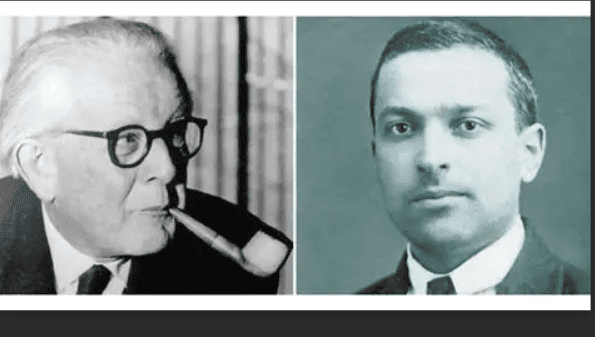
Theory of Cognitive and Moral Development A comprehensive study of Jean Piaget’s stages of intellectual growth and Lawrence Kohlberg’s levels of moral reasoning, with exhaustive detail on milestones, core concepts, and clinical applications in pediatric and adolescent medicine. PART A: JEAN PIAGET’S THEORY OF COGNITIVE DEVELOPMENT 1. Introduction Jean Piaget (1896–1980) proposed that cognitive development occurs through an invariant sequence of four qualitatively distinct stages. Each stage represents a fundamentally different way of understanding and interacting with the world. Progression is driven by the interaction between maturation, experience, and equilibration—the process of balancing existing knowledge with new information. 1.1 Core Concepts Schemas: Mental frameworks or categories that organize knowledge. These become increasingly complex as children develop. Assimilation: The process of incorporating new information into existing schemas. Accommodation: Modifying existing schemas or creating new ones to fit new information that does not fit current frameworks. Equilibration: The internal drive to maintain cognitive balance through the processes of assimilation and accommodation. 2. SENSORIMOTOR STAGE (BIRTH TO 2 YEARS) In this stage, infants learn about the world through sensory experiences and motor actions. Knowledge is limited to what can be directly perceived and manipulated. The child progresses from reflexive behavior to intentional, goal-directed action. 2.1 Key Achievements and Substages Reflexes (0–1 month): Newborns respond to environmental stimuli with innate reflexes such as sucking, grasping, rooting, and the Moro reflex. Primary circular reactions (1–4 months): Infants repeat pleasurable actions centered on their own bodies (e.g., thumb-sucking). Secondary circular reactions (4–8 months): Infants repeat actions that produce interesting effects on the environment (e.g., shaking a rattle to hear the sound). Coordination of secondary schemes (8–12 months): Infants begin to combine actions to achieve specific goals (e.g., removing a cover to reach a hidden toy). Tertiary circular reactions (12–18 months): Toddlers experiment actively with “trial and error” to discover new outcomes (e.g., dropping objects from different heights). Mental representation (18–24 months): The child develops symbolic thought and deferred imitation. Landmark Milestone Object Permanence: The understanding that objects continue to exist even when they are out of sight. This typically develops fully toward the end of the sensorimotor stage. 2.2 Clinical Relevance Object permanence is assessed clinically through the peek-a-boo game and hidden object tasks. Failure to develop this by 12–18 months may indicate cognitive impairment. Encouraging sensory-motor play and object permanence games supports healthy development. 3. PREOPERATIONAL STAGE (2 TO 7 YEARS) This stage is characterized by the emergence of symbolic thought and language. Children begin to use words, images, and symbols to represent objects; however, thinking remains egocentric and illogical by adult standards. 3.1 Key Characteristics Symbolic function: Children engage in pretend play, use language to represent absent objects, and draw pictures symbolically. Egocentrism: The inability to distinguish one’s own perspective from that of others. Demonstrated by the “three mountains task,” where the child assumes a doll sees exactly what they see. Centration: Focusing on only one aspect of a situation while ignoring others. Irreversibility: The inability to mentally reverse actions (e.g., failing to realize that a ball of clay rolled into a “snake” can be rolled back into a ball). Animism: Attributing life and intentions to inanimate objects (e.g., “the moon follows me”). Artificialism: Believing that natural phenomena are created by humans (e.g., “someone made the sun”). Clinical Application Health education for preoperational children must be concrete and visual. Abstract explanations are not understood. Use play therapy, picture books, and role-playing to help them process medical experiences. Clinicians should counsel caregivers that egocentrism is developmental, not a sign of defiance. 4. CONCRETE OPERATIONAL STAGE (7 TO 11 YEARS) Children develop the ability to think logically about concrete, tangible events. They can perform mental operations—actions carried out in the mind rather than through physical manipulation. 4.1 Key Achievements Conservation: Understanding that quantity (number, mass, volume) remains constant despite changes in appearance. Classification: The ability to group objects into categories and subcategories based on multiple attributes (e.g., sorting by color AND shape). Seriation: The ability to arrange objects in a logical quantitative order (e.g., ordering sticks by length). Reversibility: Understanding that mental operations can be reversed (e.g., 3 + 5 = 8, therefore 8 – 5 = 3). Decentration: The ability to consider multiple aspects of a problem simultaneously. 4.2 Limitations and Clinical Relevance Thinking remains tied to concrete reality; “what if” scenarios and abstract metaphors are not yet accessible. School-age children benefit from hands-on learning, diagrams, and step-by-step instructions. Informed assent for medical procedures should be concrete. 5. FORMAL OPERATIONAL STAGE (12 YEARS AND ABOVE) Represents mature, abstract reasoning. Adolescents can think hypothetically, reason deductively, and consider multiple variables simultaneously. 5.1 Key Achievements Hypothetical-deductive reasoning: The ability to formulate hypotheses and systematically test them. Abstract thought: Understanding complex concepts such as justice, love, freedom, and identity. Propositional logic: Reasoning about statements without reference to concrete reality. Metacognition: Thinking about one’s own thinking processes. Idealism: Constructing idealized visions of society. Adolescent Egocentrism Newfound abstract thought may produce the “imaginary audience”—the belief that others are constantly observing and evaluating them. This is critical when discussing sensitive health topics like substance use or sexual health. PART B: LAWRENCE KOHLBERG’S THEORY OF MORAL DEVELOPMENT 6. Introduction Lawrence Kohlberg (1927–1987) proposed that moral reasoning progresses through three levels, each containing two stages. He assessed this through hypothetical moral dilemmas, most notably the Heinz dilemma (deciding whether to steal a drug to save a life). 7. LEVEL 1: PRECONVENTIONAL MORALITY Typical of young children (4–10 years). Moral reasoning is based on direct consequences to the self. Stage 1: Obedience and Punishment Orientation: Behavior is defined by authority. An action is wrong if it results in punishment. Reasoning: “Heinz should not steal because he will go to jail.” Stage 2: Individualism and Exchange: Behavior is guided by self-interest and “fair deals.” Recognizes different viewpoints based on personal needs. Reasoning: “It’s fair to steal if he promises to pay back later.” 8. LEVEL 2: CONVENTIONAL MORALITY Typical of adolescents and most adults. Reasoning is based on conformity to social norms and laws.

Psycho-sexual stages (Sigmund Freud) & Social growth (Erik Erikson)
Medical Psychology

Psycho-sexual stages (Sigmund Freud) & Social growth (Erik Erikson)

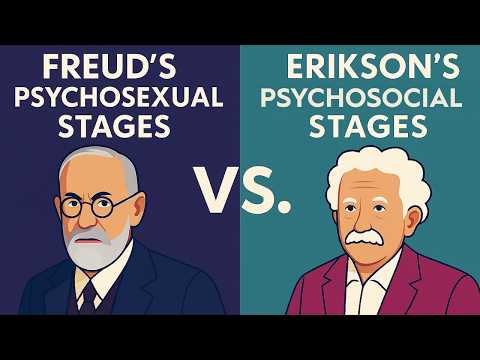
Developmental Theories: Freud & Erikson Comprehensive notes on the stages of human development, contrasting Sigmund Freud’s psychosexual model with Erik Erikson’s psychosocial framework, with specific focus on clinical implications and the Ugandan context. PART A: Sigmund Freud’s Psychosexual Stages 1. Introduction to Freud’s Theory Sigmund Freud (1856–1939) proposed that personality development occurs through five sequential stages. Each stage is defined by the concentration of libidinal (psychosexual) energy on a specific erogenous zone. Successful navigation results in a healthy personality, while failure to resolve conflicts leads to fixation—a persistent focus that influences adult behavior. 1.1 Structural Model of the Psyche The Id: Primitive, pleasure-seeking instincts. The Ego: Rational mediator between the id and reality. The Superego: Internalized moral standards and values. 2. The Psychosexual Stages Stage 1 The Oral Stage (Birth to 1 Year) Erogenous Zone: Mouth (lips, tongue, gums). Tasks: Weaning and establishing trust through feeding. Development of the ego begins. Fixation: Overindulgence or frustration leads to overeating, smoking, alcohol dependence, or excessive dependency in adulthood. Stage 2 The Anal Stage (1 to 3 Years) Erogenous Zone: Anus (bowel and bladder control). Tasks: Toilet training and delaying gratification. Fixation: Harsh training results in anal-retentive traits (perfectionism, rigidity). Lenient training results in anal-expulsive traits (disorganization, cruelty). Stage 3 The Phallic Stage (3 to 6 Years) Erogenous Zone: Genitals. Complexes: Oedipus Complex (boys) and Electra Complex (girls). Boys experience castration anxiety, leading them to identify with their father, through which the superego forms. Fixation: Results in sexual dysfunction, difficulty with authority, or narcissistic traits. Stage 4 The Latent Stage (6 Years to Puberty) Erogenous Zone: None (sexual feelings are dormant). Tasks: Development of social competence, intellectual pursuits, and defense mechanisms. Stage 5 The Genital Stage (Puberty to Adulthood) Erogenous Zone: Genitals (mature sexual expression). Tasks: Establishing identity, balancing personal desires with social responsibility, and consensual relationships. PART B: Erik Erikson’s Psychosocial Stages 7. Introduction to Erikson’s Theory Erik Erikson expanded Freud’s work into a lifespan model. He proposed eight stages, each defined by a central crisis. Successful resolution produce a basic virtue—a psychological strength. Erikson emphasized the role of social and cultural influences over biological drives. 8. The Pediatric Psychosocial Stages Stage 1 Trust vs. Mistrust (0–1 Year) Virtue: Hope. Clinical Relevance: Critical for promoting breastfeeding and kangaroo mother care. In Uganda, early skin-to-skin contact is vital for establishing this trust. Stage 2 Autonomy vs. Shame and Doubt (1–3 Years) Virtue: Will. Clinical Relevance: Toilet training must be patient. Forceful methods contribute to encopresis or enuresis. Stage 3 Initiative vs. Guilt (3–6 Years) Virtue: Purpose. Clinical Relevance: Children benefit from play therapy and preschool education. Community-based development programs in Uganda support this stage. Stage 4 Industry vs. Inferiority (6–12 Years) Virtue: Competence. Clinical Relevance: Monitor school performance. Deworming initiatives and health programs in schools support physical and mental industry. Stage 5 Identity vs. Role Confusion (12–18 Years) Virtue: Fidelity. Clinical Relevance: Risk behaviors (substance use, unsafe sex) may signal role confusion. Comprehensive sexuality education is essential for healthy identity formation. 9. Comparison Table: Freud vs. Erikson Feature Freud (Psychosexual) Erikson (Psychosocial) Focus Libidinal energy / Biological instincts Social and cultural context Span Childhood only (5 stages) Lifespan (8 stages) Driving Force Id, Ego, Superego Social crises and cultural demands Failure Outcome Fixation on erogenous zone Failure to acquire basic virtue Application Uncovering repressed conflicts Developmental assessment and counseling 10. Key Points Summary Freud: Focused on biological drives; unresolved childhood conflicts lead to adult fixations. Erikson: Emphasized conscious choice and social environment across the entire lifespan. Clinical Use: Erikson’s framework is more widely applied in modern counseling and developmental assessment. Early Experience: Both theories agree that early childhood experiences are the foundation for adult personality.

Scroll to Top