Gluconeogenesis Exam
Biochemistry: Gluconeogenesis Exam
Test your knowledge with these 30 questions.
Gluconeogenesis Exam
Question 1/30
Exam Complete!
Here are your results, .
Your Score
28/30
93%
HomeBiochemistry
Test your knowledge with these 30 questions.
Question 1/30
Here are your results, .
Your Score
28/30
93%
Test your knowledge with these 40 questions.
Question 1/40
Here are your results, .
Your Score
38/40
95%
Test your knowledge with these 40 questions.
Question 1/40
Here are your results, .
Your Score
38/40
95%
Heme is a vital molecule. It acts as a "prosthetic group" (a permanent helper) for proteins like Hemoglobin (oxygen transport), Myoglobin (oxygen storage), and Cytochromes (drug detoxification and electron transport).
Porphyrins are large, cyclic compounds made of 4 Pyrrole Rings linked together by methenyl bridges.
They are famous for binding metal ions.
Example: Magnesium in Chlorophyll (plants).
Example: Iron in Heme (humans).
The properties of the porphyrin depend on which "decorations" (side chains) are attached to the rings:
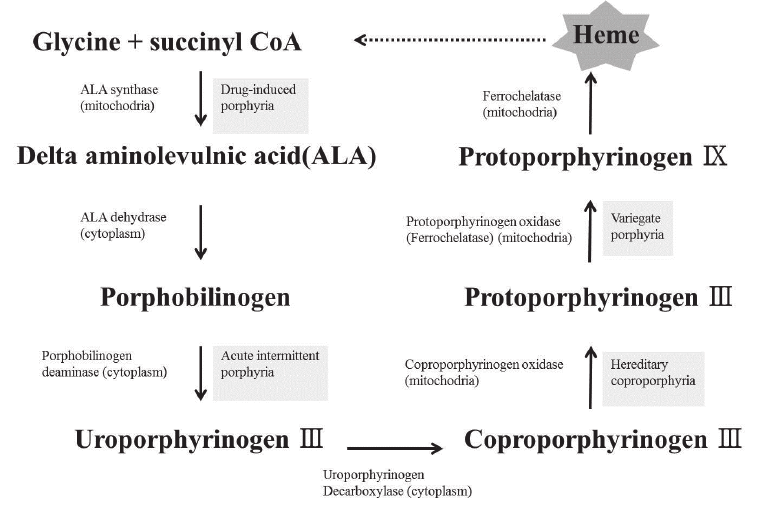
This process is like a relay race. It starts in the Mitochondria, runs out to the Cytosol, and finishes back in the Mitochondria.
The Reaction:
Succinyl CoA (from TCA cycle) + Glycine → δ-Aminolevulinate (ALA) + CO₂
2 molecules of ALA condense to form 1 Ring (PBG).
4 molecules of PBG are linked together in a line (Linear Tetrapyrrole).
The linear chain is curled into a circle.
Uroporphyrinogen III → Coproporphyrinogen III
Protoporphyrin IX + Fe²⁺ (Ferrous) → HEME
The body carefully controls the first enzyme, ALA Synthase, to prevent overproduction.
Heme (the product) acts as a negative regulator.
Drugs like Barbiturates (sedatives) increase Heme synthesis.
High concentrations of Glucose inhibit the induction of ALA Synthase.
Clinical Relevance: Giving glucose (IV sugar) is part of the treatment for acute attacks of Porphyria to try and slow down the pathway.
This is a Tuberculosis drug. It depletes Pyridoxal Phosphate (Vitamin B6).
Since Step 1 requires B6, INH can stop Heme synthesis and cause anemia.
The body must maintain a perfect balance of Heme.
Too Little: You get Anemia (no oxygen transport).
Too Much: Heme and its precursors are toxic to cells.
The main control switch is the very first enzyme: ALA Synthase (ALAS).
Even though they do the same job, there are two different versions of this enzyme depending on where they live.
The liver uses Negative Feedback Inhibition. Heme acts as the "Stop" signal. It attacks the enzyme at three different levels to shut it down.
What happens: High levels of "Free Heme" (heme not attached to proteins) travel to the nucleus.
The Effect: It tells the DNA to stop making the mRNA for ALAS1. This is the most important mechanism.
What happens: Heme makes the ALAS1 mRNA unstable.
The Effect: The mRNA is chopped up (degraded) before it can be used to build the enzyme.
Recall: ALAS1 is made in the Cytosol but must work in the Mitochondria.
The Effect: Heme blocks the door. It prevents the enzyme from entering the mitochondria. If it can't get in, it can't work.
Red blood cells don't care about free heme levels as much. They care about IRON. You cannot make Hemoglobin without Iron.
This acts like a physical switch on the mRNA.
Besides Heme and Iron, outside factors can speed up or slow down the process.
Mechanism: These drugs are metabolized by Cytochrome P450 (a heme protein).
The liver burns up its Heme supply to fight the drug. Low heme levels release the "brake" on ALAS1.
Result: Massive increase in Heme synthesis.
Mechanism: High glucose levels have a "calming" effect on ALAS1 (represses activity).
Clinical Use: We give IV Glucose (sugar) to patients having a Porphyria attack to stop the overproduction of toxic precursors.
Mechanism: Steroids (Estrogen, Androgens) induce ALAS1 synthesis.
This is why Porphyria attacks often happen during puberty or specific phases of the menstrual cycle.
Making Heme is important, but getting rid of old Heme safely is just as critical. This process happens mainly in the Reticuloendothelial System (RES), specifically in the Spleen and Liver.
The Bilirubin made in the spleen is called Unconjugated Bilirubin (UCB) or "Indirect Bilirubin."
We need to make the bilirubin safe to excrete.
Bile carries the Conjugated Bilirubin into the Intestine. Here, bacteria take over.
Gut bacteria remove the glucuronic acid (deconjugation) and convert bilirubin into Urobilinogen (Colorless).
Bacteria oxidize Urobilinogen into Stercobilin.
Color: BROWN
(This is why poop is brown).
Some is reabsorbed, goes to the kidney, and becomes Urobilin.
Color: YELLOW
(This is why pee is yellow).
Some is reabsorbed and goes back to the liver.
Enterohepatic Circulation
We have learned how Heme is built and destroyed. Now we look at the diseases that happen when these processes break. We divide them into two main categories:
These are usually genetic (inherited). Depending on which enzyme is broken, different toxic chemicals accumulate. We classify them by their main symptoms: Nerve Pain (Acute) or Skin Blisters (Cutaneous).
The "Nervous System" Porphyria
Triggers: Things that speed up Heme synthesis (Induce Cyt P450): Barbiturates, Alcohol, Sulfa drugs, Fasting/Dieting.
Treatment:
1. Stop the drug/alcohol.
2. IV Glucose (Sugar) or Hemin. (These inhibit ALAS1 to stop the production line).
The "Skin" Porphyria (Most Common)
Triggered by: Chronic Alcoholism, Iron Overload, Hepatitis C.
Treatment:
1. Avoid Alcohol/Sun.
2. Phlebotomy: Drawing blood to reduce Iron levels.
Also known as Günther's Disease. This is extremely severe and rare.
Jaundice (Hyperbilirubinemia) is the yellowing of skin and eyes (sclera) when Bilirubin blood levels exceed 2–3 mg/dL. We classify it by where the traffic jam is.
| Type | The Problem | Bilirubin Type | Urine & Stool |
|---|---|---|---|
| 1. Pre-Hepatic (Hemolytic) |
Too much breakdown.
Hemolysis (Sickle cell, Malaria) produces bilirubin faster than the liver can handle. |
High Unconjugated (Indirect). |
Urine: Normal color (Unconjugated cannot enter urine).
Stool: Normal/Dark. |
| 2. Hepatic (Hepatocellular) |
Broken Factory.
Liver cells are damaged (Hepatitis, Alcohol) and cannot conjugate or excrete. |
High Mixed (Both).
Also high Liver Enzymes (ALT/AST). |
Urine: Dark (Conjugated leaks out).
Stool: Normal or Pale. |
| 3. Post-Hepatic (Obstructive) |
Blocked Pipe.
Gallstones or Cancer block the bile duct. Bile cannot leave. |
High Conjugated (Direct).
Also high ALP & GGT. |
Urine: Very Dark/Tea-colored (Bilirubinuria).
Stool: Pale/Clay (No stercobilin). Other: Pruritus (Itching). |
Common in newborns (60%). Their liver machinery is immature.
Unconjugated Bilirubin is fat-soluble. It crosses the thin blood-brain barrier of the baby and deposits in the brain, causing permanent damage.
💡 Cure: PhototherapyBlue light converts bilirubin into a water-soluble shape (isomer) so the baby can pee it out without needing the liver.
Test your knowledge with these 40 questions.
Question 1/40
Here are your results, .
Your Score
38/40
95%
To begin our journey, it is essential to clearly define and distinguish between nucleotides and nucleosides, understand their basic chemical structure, and appreciate their diverse and vital roles in biological systems.
A molecule composed of two main parts:
The Bond: The nitrogenous base is attached to the C1' carbon of the pentose sugar via a β-N-glycosidic bond.
A Nucleotide is simply a Nucleoside with one or more Phosphate groups attached.
The type of pentose sugar determines whether the nucleotide is for RNA or DNA.
These are cyclic, planar, relatively water-insoluble compounds that absorb UV light. They are categorized into two classes based on ring structure.
Characterized by a double-ring structure (a six-membered pyrimidine ring fused to a five-membered imidazole ring).
The two major purine bases are:
Characterized by a single-ring structure (a six-membered heterocyclic ring).
The three major pyrimidine bases are:
| Base | Nucleoside (Ribose) | Nucleotide (Ribose-MP) | Nucleoside (Deoxyribose) | Nucleotide (Deoxyribose-MP) |
|---|---|---|---|---|
| Adenine (A) | Adenosine | Adenylate (AMP) | Deoxyadenosine | Deoxyadenylate (dAMP) |
| Guanine (G) | Guanosine | Guanylate (GMP) | Deoxyguanosine | Deoxyguanylate (dGMP) |
| Cytosine (C) | Cytidine | Cytidylate (CMP) | Deoxycytidine | Deoxycytidylate (dCMP) |
| Uracil (U) | Uridine | Uridylate (UMP) | - (rarely found in DNA) | - |
| Thymine (T) | Ribothymidine (rare) | Ribothymidylate (rTMP) | Deoxythymidine | Deoxythymidylate (dTMP) |
Note: For deoxyribonucleotides, the 'd' prefix is used (e.g., dATP, dGMP).
Note: Thymine is predominantly found in DNA. While "ribothymidine" exists, uracil is the primary pyrimidine in RNA.
Nucleotides are far more than just building blocks for nucleic acids; they play incredibly diverse and crucial roles in almost every aspect of cellular life.
Many essential coenzymes, critical for enzymatic reactions, are derivatives of nucleotides:
"De novo" means "from scratch," and indeed, the purine ring is constructed from small, simpler precursors in this pathway. This process primarily occurs in the liver, but also in other rapidly dividing cells.
Unlike pyrimidine synthesis where the base is formed first and then attached to the sugar, purine synthesis begins with the sugar and builds the ring directly upon it.
α-D-Ribose-5-Phosphate (a product of the Pentose Phosphate Pathway).
The purine ring (specifically the imidazole ring, followed by the pyrimidine ring) is built in a series of ten steps, consuming energy (ATP) and incorporating atoms from various small molecules.
Note: The intermediate after 5-phosphoribosyl-1-amine is called Glycinamide Ribonucleotide (GAR), as glycine is incorporated early on.
The atoms that make up the purine ring come from surprisingly diverse and simple sources. It is helpful to visualize the purine ring and where each atom originates:
The series of reactions from 5-Phosphoribosyl-1-amine to IMP involves:
Once IMP is formed, it serves as a branch point for the synthesis of the two major purine ribonucleotides: Adenosine Monophosphate (AMP) and Guanosine Monophosphate (GMP). These two pathways are reciprocally regulated to ensure balanced production.
The synthesis of purine nucleotides is tightly regulated to match the cell's needs and to maintain a balanced pool of ATP and GTP.
Inhibited by both purine nucleotides (AMP, GMP) and pyrimidine nucleotides.
We just learned how to make Purines (the double ring). Now, we look at Pyrimidines (the single ring: C, T, and U).
Location: Like Purines, this happens in the Cytoplasm (fluid) of the cell. It is very active in the liver.
This is the opposite of Purine synthesis.
The Pyrimidine ring is simpler. It comes from just 3 sources:
This amino acid provides the bulk of the ring: N1, C4, C5, and C6.
The goal is to make UMP (Uridine Monophosphate). Once we have UMP, we can make all the others.
Glutamine + CO₂ + 2 ATP → Carbamoyl Phosphate
Carbamoyl Phosphate + Aspartate → Carbamoyl Aspartate
Enzyme: Aspartate Transcarbamoylase (ATCase).
This step fuses the pieces together to start the ring.
Loss of water closes the ring to form Dihydroorotate.
Enzyme: Dihydroorotase.
Note: In humans, enzymes 1, 2, and 3 are combined in one big protein called "CAD".
Dihydroorotate → Orotate.
Enzyme: Dihydroorotate Dehydrogenase.
⚠️ Important Location Exception:
This is the ONLY enzyme in the pathway located on the Inner Mitochondrial Membrane. All others are in the cytosol. It uses FAD to pass electrons to the electron transport chain.
Orotate + PRPP → Orotidine Monophosphate (OMP).
Enzyme: Orotate Phosphoribosyltransferase (OPRT).
This is the moment the Ring meets the Sugar (PRPP).
OMP loses CO₂ → Uridine Monophosphate (UMP).
Enzyme: OMP Decarboxylase.
Goal Achieved! We have the first Pyrimidine Nucleotide.
We have UMP, but we need C, T, and the DNA versions ("d").
We take UTP and add an amino group.
We must remove the oxygen from the Ribose sugar.
DNA needs Thymine (T), not Uracil (U). We must convert dUMP to dTMP.
The Reaction:
dUMP + Methylene-Tetrahydrofolate → dTMP.
The Enzyme:
Thymidylate Synthase
Cancer cells divide fast and need lots of DNA (lots of Thymine). We can kill cancer by stopping this enzyme.
| Enzyme | Activators (Go!) | Inhibitors (Stop!) |
|---|---|---|
| CPS-II (Step 1) | PRPP, ATP | UTP, CTP (The Products) |
| Ribonucleotide Reductase | Complex regulation to ensure a perfect balance of all 4 DNA blocks (dATP, dGTP, dCTP, dTTP). | |
Concept: "De Novo" synthesis is like cooking a meal from scratch (expensive). "Salvage" is like eating leftovers (cheap and efficient).
We take a free Base (Adenine, Guanine, etc.) and re-attach it to a sugar (PRPP).
Adenine + PRPP → AMP.
Deficiency: Causes kidney stones (2,8-Dihydroxyadenine stones).
This enzyme does double duty:
Cause: Total deficiency of HGPRT.
If HGPRT is missing, the body cannot recycle Purines.
This is less critical clinically, but still important.
What happens to old DNA and RNA? The body must break them down safely.
For Purines (A and G), this process is critical because the final waste product is Uric Acid, which can cause disease if it builds up.
The degradation involves three main phases:
AMP needs to be stripped down to Hypoxanthine.
AMP + H₂O → Adenosine + Pi
Enzyme: 5'-Nucleotidase.
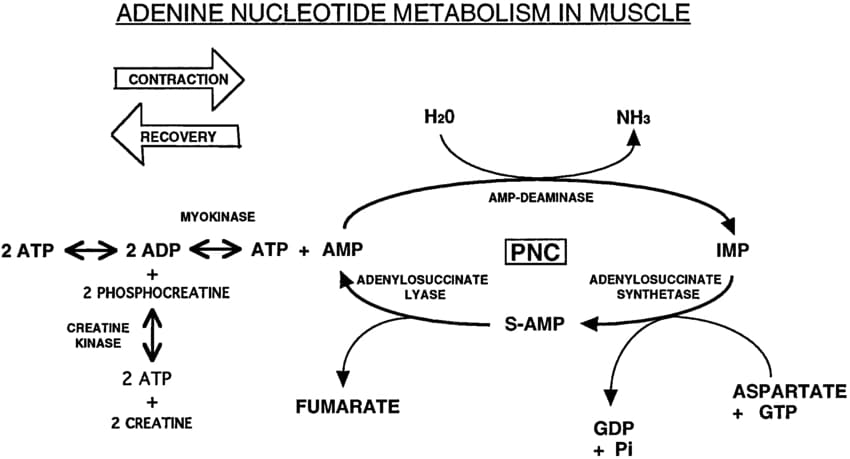
(Alternate path in muscle: AMP Deaminase can turn AMP directly into IMP).
Adenosine + H₂O → Inosine + NH₃
Enzyme: Adenosine Deaminase (ADA)
Inosine + Pi → Hypoxanthine + Ribose-1-P
Enzyme: Purine Nucleoside Phosphorylase (PNP).
GMP is stripped down to Xanthine.
Both Hypoxanthine (from AMP) and Xanthine (from GMP) meet here. The goal is Oxidation.
The drug Allopurinol (used for Gout) works by inhibiting Xanthine Oxidase. This stops the production of Uric Acid.
Unlike Purines, Pyrimidine degradation is "clean." The products are water-soluble.
The final products are simple molecules that dissolve easily:
They share a pathway. Cytosine is converted to Uracil first.
Thymine (DNA only) has a methyl group, so its product is slightly different.
Dihydropyrimidine Dehydrogenase (DPD) is the rate-limiting enzyme for breaking down pyrimidines.
Patients with cancer are often given the drug 5-Fluorouracil (5-FU). This drug mimics Uracil.
The Danger: If a patient has a genetic DPD Deficiency, they cannot break down the drug. The drug builds up to toxic levels, causing death or severe side effects (neurotoxicity, bone marrow failure).
Note: Unlike Purines (Gout), there are no "accumulation diseases" for natural pyrimidines because they are water-soluble.
The body must balance these pools perfectly. Too little DNA means cells can't divide. Too much wastes energy.
This section explains the "Traffic Lights" (Regulation) and what happens when the traffic lights break (Disease).
We control the flow at 3 main checkpoints.
Enzyme: Glutamine:PRPP Amidotransferase
This enzyme makes ALL DNA building blocks (dATP, dGTP, dCTP, dTTP). Its regulation is complex.
What is it? High Uric Acid leads to sharp crystals depositing in joints (painful arthritis) and kidneys (stones).
X-Linked Recessive
Defect: Near total absence of HGPRT (Salvage Enzyme).
Adenosine Deaminase (ADA) Deficiency
Defect: Failure of UMP Synthase (OPRT + OMP Decarboxylase).
Cancer cells need nucleotides to grow. We use drugs to starve them.
Inhibits Dihydrofolate Reductase (DHFR). Prevents regeneration of THF (Folate). Stops Thymine and Purine synthesis.
"Suicide Inhibitor" of Thymidylate Synthase. Directly stops DNA from getting Thymine.
Inhibits Ribonucleotide Reductase. Stops conversion of RNA → DNA.
Inhibits De Novo Purine Synthesis (PRPP Amidotransferase).
To complete our study of nucleotides, we must look at a few specific drugs and environmental factors that affect these pathways.
This is a powerful immunosuppressant drug used to prevent **Graft Rejection** (e.g., after a kidney transplant).
These are antibiotics. They target bacteria by starving them of Nucleotides.
Bacteria must make their own Folic Acid (Folate) from scratch using a molecule called PABA (Para-aminobenzoic acid).
Sulfonamides look exactly like PABA (Structural Analogs). The bacteria try to use the drug instead of PABA, and their Folic Acid synthesis fails.
Humans cannot make Folic Acid. We must eat it in our diet. Therefore, Sulfa drugs kill bacteria but leave human purine synthesis alone.
Historically, Gout was often associated with "High Living" and alcohol. However, there is an environmental link.
We learned that Orotic Aciduria causes Anemia because the body cannot make Pyrimidines (DNA).
Feeding a diet rich in Uridine results in:
Test your knowledge with these 40 questions.
Question 1/40
Here are your results, .
Your Score
38/40
95%
Amino acids are the building blocks of proteins and play a central role in numerous metabolic pathways. Unlike carbohydrates and fats, the body has no dedicated storage form for amino acids. Instead, there's a dynamic "amino acid pool" that constantly receives and donates amino acids for various purposes.
Once available in the body (either from diet, protein turnover, or de novo synthesis), amino acids follow several major metabolic pathways:
The body acquires amino acids primarily from the diet through the breakdown of ingested proteins. This process occurs in several stages:
Summary of Digestion Products for Absorption: The ultimate goal of protein digestion is to convert dietary proteins into free amino acids (the primary form absorbed into the blood), and to a lesser extent, di- and tri-peptides which are then broken down intracellularly.
Amino acids are classified based on the human body's ability to synthesize them de novo (from scratch) or not. This classification is crucial for understanding nutritional requirements and metabolic pathways.
These concepts are fundamental to understanding the dynamic state of amino acid metabolism in the body.
When amino acids are in excess, or when the body needs to convert their carbon skeletons into other molecules, they undergo a series of catabolic reactions. The first and most critical step is the removal of the α-amino group, as this nitrogen cannot be stored and must be detoxified and excreted.
Amino Acid 1 + α-Keto Acid 2 ⇌ α-Keto Acid 1 + Amino Acid 2Alanine + α-Ketoglutarate ⇌ Pyruvate + GlutamateGlutamate + NAD(P)⁺ + H₂O → α-Ketoglutarate + NH₄⁺ + NAD(P)H + H⁺Ammonia (NH₃) and ammonium ions (NH₄⁺) are highly toxic, especially to the central nervous system. Their detoxification and excretion are crucial.
After removal of the amino group, the remaining carbon skeleton can be channeled into various pathways:
The Urea Cycle (sometimes called the Ornithine Cycle) is the body's main safety system for handling nitrogen. It is a metabolic pathway (a series of chemical reactions) that occurs primarily in the Liver.
The Main Goal: To turn Ammonia (NH₃), which is highly toxic and dangerous to the brain, into Urea, which is much less toxic and safe to travel through the blood. The kidneys then filter the urea out into urine so it can leave the body.
The cycle has 5 distinct steps. It is unique because it happens in two different places within the liver cell. It starts in the Mitochondria and finishes in the Cytosol.
Steps 1 and 2 happen here.
⚠️ This is the Rate-Limiting Step (The most critical step)
Detailed Note:
This enzyme, CPS-I, lives in the mitochondria. Do not confuse it with CPS-II, which lives in the cytosol and is used to make DNA building blocks (pyrimidines). This distinction is very important.
How it works:
Think of Ornithine as a "carrier vehicle." It picks up the Carbamoyl Phosphate to form Citrulline. Once Citrulline is formed, it is able to leave the mitochondria and travel out into the cytosol for the next phase.
Steps 3, 4, and 5 happen here.
Now that Citrulline has arrived in the cytosol, it meets a new ingredient.
Important Details:
The Connection:
The product Fumarate is a byproduct (a leftover). However, the body does not waste it. Fumarate enters the TCA Cycle (Krebs Cycle) to help make energy. This links the Urea Cycle to other energy cycles.
Completing the Cycle:
The body is smart. It does not run this cycle at full speed all the time. It regulates (controls) the speed based on how much protein you eat.
The enzyme CPS-I (from Step 1) is the rate-limiting enzyme. It acts like a gate. To open the gate, it needs a specific key.
Simply put, if there is more "stuff" to process, the cycle goes faster. The rate increases if there are higher levels of Ammonia, Bicarbonate, or Aspartate available.
If you change your lifestyle for a long time, the body physically builds more of the urea cycle enzymes.
If we look at the Urea Cycle as one big equation, here is what goes in and what comes out.
Overall Chemical Reaction:
NH₄⁺ + HCO₃⁻ + Aspartate + 3 ATP → Urea + Fumarate + 2 ADP + AMP + 4 Pi + H₂O
Once the body removes the nitrogen (amino group) from an amino acid, what is left? We call the remaining part the "Carbon Skeleton."
The Big Question: What does the body do with this Carbon Skeleton?
The answer depends on the specific amino acid. It can be turned into Glucose (Sugar), Ketones/Fat, or Both.
We classify amino acids into three groups based on what they become after they are broken down (catabolized).
"Gluco" = Glucose (Sugar) | "Genic" = Creating
Definition: These are amino acids whose carbon skeletons can be converted into Pyruvate or intermediates of the TCA Cycle (like α-ketoglutarate, succinyl CoA, fumarate, or oxaloacetate).
Why does this matter? (Significance):
"Keto" = Ketones/Fat
Definition: These amino acids convert into Acetyl-CoA or Acetoacetyl-CoA.
Important Rule: These CANNOT make Glucose.
Why? Because in mammals, the step turning Pyruvate into Acetyl-CoA is irreversible (one-way only). Once you are Acetyl-CoA, you cannot go back up to become sugar.
Significance:
There are only two amino acids that are purely ketogenic:
(Mnemonic: The "L" amino acids differ from the rest).
Glucogenic AND Ketogenic
Definition: These are flexible. When they break down, part of their skeleton becomes a precursor for glucose, and another part becomes a precursor for ketones/fat.
Note: You will see these names appear in the Glucogenic list as well because they fit both categories.
While all amino acids undergo transamination (removing nitrogen), the path for their carbon skeletons is unique. We will look at three special groups.
Who are they? Leucine, Isoleucine, Valine.
Unique Feature: Unlike most amino acids that go to the Liver, BCAAs are primarily metabolized in the Muscles (and other peripheral tissues).
Why? The liver lacks the first enzyme needed to break them down.
The enzyme Branched-chain Aminotransferase (BCAT) removes the amino group.
The BCKAs are processed by a massive enzyme complex called Branched-Chain α-Keto Acid Dehydrogenase (BCKD).
If a person is born without this BCKD enzyme complex, they cannot break down BCAAs. The "Keto Acids" build up in the blood and urine. The urine smells sweet like maple syrup/burnt sugar. This accumulation is toxic to the brain (neurotoxic) and can cause death if not treated.
These amino acids have a ring structure (benzene ring). They are Phenylalanine, Tyrosine, and Tryptophan.
Phenylalanine is an Essential amino acid (you must eat it). Tyrosine is made from Phenylalanine.
Phenylalanine + O₂ + BH4 → Tyrosine + H₂O + BH2
If the enzyme PAH is missing or broken:
What does Tyrosine become?
Tryptophan has a very complex breakdown path. It is a Mixed amino acid.
These contain Sulfur atoms: Methionine and Cysteine.
Methionine is famous for being a "Donor." It gives away methyl groups (CH3) to help build other things.
The Fate of Homocysteine (The Fork in the Road):
Homocysteine is dangerous if it stays. It must go somewhere. It has two choices:
Turn back into Methionine.
Needs: Vitamin B12 + Folate.
Turn into Cysteine.
Needs: Vitamin B6.
If the enzymes needed to clear Homocysteine don't work (genetic defect), Homocysteine levels rise. This causes heart problems, skeletal deformities, and eye issues.
Cysteine is usually made from Methionine. However, if you don't eat enough Methionine, Cysteine becomes essential.
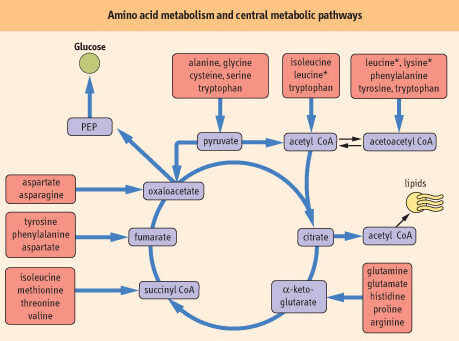
Amino acid metabolism does not happen in a lonely island. It is like a city with many roads connecting to other neighborhoods. It is tightly linked to Carbohydrates (Sugar) and Lipids (Fats).
Why is this important?
This connection gives the body "Metabolic Flexibility." It ensures you can survive different situations—whether you just ate a huge meal (feast) or haven't eaten for days (famine/starvation).
Many amino acids break down into Pyruvate. Pyruvate is a famous "crossroads" molecule. Once an amino acid becomes Pyruvate, it has three choices:
This is a specific transport system that connects your muscles to your liver. Think of Alanine as a "Taxi."
When amino acids break down into Acetyl-CoA, they enter the world of fats.
If you have too much energy (you ate too much protein and carbs), the body uses the Acetyl-CoA from amino acids to synthesize Fatty Acids for storage.
If you are starving, the body turns Acetyl-CoA into Ketone Bodies. These serve as emergency fuel for the Brain and Heart.
Note: Acetyl-CoA is also used to make Cholesterol.
The TCA cycle is the "Central Hub" or the "Roundabout" of metabolism.
Sometimes, the TCA cycle runs out of ingredients (intermediates) because they were taken away to build other things. Glucogenic amino acids can be broken down to refill these ingredients. This refilling process is called Anaplerosis.
Energy Production: Ultimately, the carbon skeletons of all amino acids can be fully burned in this cycle to produce ATP (Energy).
DNA and RNA need Nitrogen and Carbon to be built.
Hormones control these choices:
These are "Inborn Errors of Metabolism." They are usually genetic (inherited from parents). A specific enzyme is broken or missing. This causes a traffic jam: Toxic precursors build up and Essential products run out.
Defect: Phenylalanine Hydroxylase (PAH)
The body cannot convert Phenylalanine into Tyrosine.
Treatment: Lifelong diet restriction. No meat, dairy, or aspartame. Special formula required.
Defect: Branched-Chain α-Keto Acid Dehydrogenase (BCKD)
Defect: Homogentisate 1,2-Dioxygenase (HGD)
This is a defect in Tyrosine breakdown. A chemical called Homogentisic Acid (HGA) builds up.
Defect: Cystathionine β-Synthase (CBS)
The Problem: Methionine and Homocysteine levels are too high. Cysteine becomes essential.
Treatment: High doses of Vitamin B6 (if responsive), low methionine diet, and Betaine.
Defect: Any enzyme in the Urea Cycle
The Killer: Hyperammonemia (High Ammonia).
What happens? Ammonia is not removed. It reaches the brain and causes:
Treatment: Restrict protein intake. Use drugs to scavenge ammonia. Liver transplant may be needed.
While we know how the Urea Cycle works, we must understand why and when the body decides to break down proteins, and exactly why ammonia is so dangerous to the brain.
The body does not store protein like it stores fat. It breaks it down in three specific situations:
Before we can burn the amino acid for energy, we must remove the nitrogen. This happens in two ways.
We swap the Amino Group onto α-Ketoglutarate to form Glutamate.
Removing the amino group completely to release Ammonia (NH₄⁺).
Performed by Glutamate Dehydrogenase. It uses NAD+ or NADP+. This is the main way Glutamate releases ammonia in the liver.
Specific to Serine and Threonine (because they have an -OH group). Used enzymes called Dehydratases (e.g., Serine Dehydratase).
Ammonia is toxic. It cannot swim freely in the blood. It must be carried by safe "Taxi" molecules.
From Brain & Kidney → To Liver
Ammonia + Glutamate → Glutamine.
Glutamine is neutral and non-toxic. It travels to the liver, where the enzyme Glutaminase breaks it back down to release the ammonia.
From Muscle → To Liver
Muscle waste (Pyruvate) + Nitrogen → Alanine.
Alanine travels to the liver. The liver takes the Nitrogen for Urea, and turns the Pyruvate back into Glucose (Glucose-Alanine Cycle).
If the liver fails (Cirrhosis) or the Urea Cycle has a genetic defect, ammonia builds up. It causes tremors, slurred speech, coma, and death. But why?
To try and clean up the ammonia, the brain combines it with α-Ketoglutarate to make Glutamate.
The Problem: α-Ketoglutarate is needed for the Krebs Cycle (energy). If you use it all up to fight ammonia, the Krebs cycle stops. The brain runs out of ATP (Energy).
Excess Glutamate creates excess GABA, an inhibitory neurotransmitter. This slows down brain signals (causing lethargy/coma).
Accumulation of Glutamine inside brain cells pulls water in (osmosis). This causes Cerebral Edema (Brain Swelling), which can be fatal.
Treatment Note: Lactulose
Hepatic Encephalopathy (Brain damage from liver ammonia) is often treated with Lactulose, which helps pull ammonia into the gut to be pooped out.
Biosynthesis (Anabolism) is the process of the body building complex molecules from simple ones. In this section, we explore how the body creates Amino Acids, which are the building blocks of proteins, nucleotides, and lipids.
Before we can build an amino acid, we need Nitrogen. The air is 80% Nitrogen Gas (N₂), but our bodies cannot use gas. It must be "fixed" (turned into a solid/liquid form like Ammonia, NH₃).
Fritz Haber discovered how to do this in a factory.
Bacteria use a complex enzyme system to turn N₂ into NH₃. This system has two distinct parts working together.
Function: This is the power supply. It gathers electrons.
Function: This is the factory where the chemistry happens.
Once we have Ammonia (NH₄⁺), we must attach it to a carbon molecule to start making amino acids. This happens through two main "Gatekeeper" enzymes: Glutamate and Glutamine.
This enzyme combines Ammonia with α-Ketoglutarate (from the TCA cycle).
Significance: Most other amino acids get their α-amino group (their nitrogen) from Glutamate via Transamination.
This enzyme adds a second nitrogen to Glutamate to make Glutamine.
Significance: The sidechain nitrogen of Glutamine is used to build complex amino acids like Tryptophan and Histidine.
Amino acids are grouped into "Families" based on which carbon skeleton they come from.
| Origin (Parent) | Amino Acids Produced (Children) |
|---|---|
| Oxaloacetate | Aspartate → Asparagine, Methionine, Threonine, Lysine |
| Pyruvate | Alanine, Valine, Leucine, Isoleucine |
| α-Ketoglutarate | Glutamate → Glutamine, Proline, Arginine |
| 3-Phosphoglycerate | Serine → Glycine, Cysteine |
| PEP + Erythrose-4P | Phenylalanine, Tyrosine, Tryptophan (Aromatic) |
| Ribose-5-Phosphate | Histidine |
These pathways are simple (few steps).
Examples: Alanine, Glutamate, Aspartate.
These pathways are complex (many steps). We lost the ability to make them.
Examples: Histidine, Lysine, Methionine, Valine.
Observation: The graph in the slides shows a direct link—Essential amino acids require many more enzymatic steps to create than non-essential ones.
These are made by simply swapping the oxygen group for an amino group using Glutamate.
We take Aspartate and add another nitrogen.
Aspartate + ATP + Glutamine (Donor) → Asparagine + Glutamate + AMP + PPi
Both are made from Glutamate.
How to make Glycine?
The enzyme Serine Transhydroxymethylase removes a carbon from Serine to make Glycine. This requires Tetrahydrofolate.
The body often needs to move single carbon atoms (methyl groups) around to build things. It uses two main "Postmen" for this.
Derived from Folic Acid (Vitamin B9).
The "Super" Donor.
Methionine → SAM → (Donates CH3) → S-Adenosylhomocysteine → Homocysteine → (Regenerates) → Methionine
These are the amino acids with rings: Phenylalanine, Tyrosine, and Tryptophan.
Plants and bacteria use this pathway (humans don't—that's why these are essential for us).
The weedkiller Glyphosate works by inhibiting the enzyme that makes Chorismate. Because humans do not have this enzyme, Roundup is toxic to plants but relatively safe for humans.
The body doesn't waste energy. If we have enough amino acids, we stop making them. This is done via Feedback Inhibition.
The final product (Z) goes back and inhibits the first enzyme (A → B).
A → B → C → D → E → Z (Z blocks A)
Serine inhibits the enzyme 3-phosphoglycerate dehydrogenase.
Amino acids are not just for proteins. They are precursors for many vital biomolecules.
Made from Glutamate + Cysteine + Glycine. It is the body's main antioxidant and sulfhydryl buffer.
Made from Arginine. It is a short-lived signal molecule (vasodilator).
Made from Glycine + Succinyl-CoA. Essential for blood (Hemoglobin).
Tyrosine → Dopamine/Adrenaline.
Tryptophan → Serotonin.
Histidine → Histamine.
Introduction: When we break down amino acids, we first remove the Nitrogen (Amino group). What is left is called the "Carbon Skeleton" (the Alpha-Keto Acid).
The Main Goal:
To turn these skeletons into energy. They must be converted into one of the 7 molecules that can enter the central energy pathways (TCA Cycle or Glycolysis).
We categorize amino acids based on their final product.
Makes Glucose (Sugar)
These turn into Pyruvate or TCA cycle intermediates (like Oxaloacetate).
Makes Ketones/Fat
These turn into Acetyl-CoA. They cannot become sugar.
Makes Both
Part of the molecule becomes sugar, part becomes fat.
Glycine has 3 pathways to be broken down:
Threonine has two roads it can take:
Threonine is turned into Glycine first, then into Pyruvate. This accounts for only 10-30% of breakdown in humans.
This is the primary way humans handle Threonine. It yields Propionyl-CoA, which eventually becomes Succinyl-CoA.
Seven amino acids break down into Acetyl-CoA. We will focus on the most clinically important pathway: Phenylalanine and Tyrosine.
Phenylalanine is converted to Tyrosine by the enzyme Phenylalanine Hydroxylase.
Tetrahydrobiopterin (BH4)
BH4 donates electrons to the reaction and becomes BH2. It must be recharged back to BH4 to work again.
Phenylketonuria (PKU) occurs if Phenylalanine Hydroxylase is missing. Phenylalanine builds up and damages the brain.
Tyrosine is further broken down to produce Fumarate and Acetoacetate.
If the enzyme Homogentisate oxidase is missing, Homogentisate accumulates. This causes Alkaptonuria (Black Urine Disease).
Five amino acids enter the cycle here: Proline, Glutamate, Glutamine, Arginine, Histidine.
Uses the enzyme Glutaminase to donate its amide nitrogen, becoming Glutamate.
Proline is a ring. The ring is opened (oxidized) to form a Schiff base, then hydrolyzed to form Glutamate γ-semialdehyde, which becomes Glutamate.
Converted to Ornithine (in the Urea Cycle). Ornithine is then converted to Glutamate γ-semialdehyde.
Follows a complex multistep path. Key detail: One carbon is removed using Tetrahydrofolate as a cofactor.
These are Methionine, Isoleucine, Threonine, and Valine.
All four of these amino acids eventually turn into Propionyl-CoA (a 3-carbon unit). The body must turn this into Succinyl-CoA (a 4-carbon unit) to use it.
If the B12-dependent mutase enzyme is missing, Methylmalonyl-CoA builds up. This causes severe metabolic acidosis.
The BCAAs are Leucine, Isoleucine, and Valine.
Muscle, Adipose, Kidney, Brain.
NOT in the Liver. The Liver is missing the first enzyme (Aminotransferase) needed for BCAAs.
After the amino group is removed, we are left with Alpha-Keto Acids. These are processed by a massive enzyme called the Branched-Chain α-Keto Acid Dehydrogenase (BCKD) Complex.
This complex performs "Oxidative Decarboxylation" (removing carbon as CO₂).
These ultimately enter the cycle as Oxaloacetate.
Test your knowledge with these 30 questions.
Question 1/30
Here are your results, .
Your Score
27/30
90%
Cholesterol often gets a bad rap due to its association with heart disease, but it's crucial to understand that it is an essential molecule for life. Our bodies need cholesterol to function properly. The problem arises when its levels are imbalanced or when it's handled improperly within the body.
Cholesterol is a lipid belonging to the steroid family. Its unique amphipathic structure (a polar hydroxyl group and a nonpolar steroid ring system and hydrocarbon tail) allows it to insert into cell membranes, giving it critical structural and signaling roles.
The body acquires cholesterol from two main sources:
The process of dietary cholesterol absorption primarily occurs in the small intestine:
So, to summarize, cholesterol is a vital molecule for cell structure, hormones, bile acids, and Vitamin D. We get it from both our diet and internal synthesis. Dietary cholesterol is absorbed in the small intestine via NPC1L1, processed, and then packaged into chylomicrons for transport.
Cholesterol is an indispensable molecule, and while we obtain some from our diet, the human body possesses the remarkable ability to synthesize nearly all the cholesterol it requires through a complex process known as de novo synthesis. This internal production ensures a constant supply for vital cellular functions.
While virtually all nucleated cells can synthesize cholesterol, certain tissues are particularly active:
The enzymatic machinery is distributed between two key cellular compartments:
The synthesis of cholesterol is an energetically demanding process:
The complex pathway can be delineated into five principal stages:
The synthesis initiates with the condensation of Acetyl-CoA units:
It is crucial to note the distinction from ketone body synthesis: the cytosolic HMG-CoA synthase produces HMG-CoA for cholesterol synthesis, while the mitochondrial HMG-CoA synthase participates in ketogenesis. This segregation ensures the pathways operate independently.
This stage represents the rate-limiting and committed step in cholesterol biosynthesis:
Mevalonate is subsequently processed to generate activated 5-carbon units:
The activated 5-carbon isoprenoid units are progressively linked:
The linear squalene molecule undergoes cyclization and a series of modifications:
These precise modifications culminate in the formation of cholesterol.
The synthesis of cholesterol is a highly regulated process. The primary point of control is the enzyme HMG-CoA reductase, the rate-limiting step in the pathway. Regulation occurs through several sophisticated mechanisms:
High concentrations of cholesterol also exert an inhibitory effect on the translation of HMG-CoA reductase mRNA, directly reducing the quantity of enzyme synthesized.
High sterol levels induce a conformational change in the reductase enzyme, making it more susceptible to ubiquitination and subsequent degradation by the proteasome. This shortens the enzyme's lifespan, leading to a quick reduction in its activity.
HMG-CoA reductase exists in two interconvertible forms:
Phosphorylation is primarily mediated by AMP-activated protein kinase (AMPK), which is activated when cellular ATP is low. By phosphorylating and inactivating HMG-CoA reductase, AMPK conserves cellular energy.
Hormonal Influence:
Bile acids, which are derivatives of cholesterol, can also contribute to feedback regulation by inhibiting HMG-CoA reductase activity.
While not a direct regulatory mechanism for synthesis, the major players in cholesterol transport are intrinsically linked to overall cholesterol homeostasis:
Bile acids are a family of steroid acids that represent the major catabolic products of cholesterol in the body. Their primary physiological function is to facilitate the digestion and absorption of dietary fats and fat-soluble vitamins in the small intestine. They also play a crucial role in cholesterol homeostasis by being the principal route for cholesterol excretion.
Bile is a complex, watery, yellowish-green fluid produced by the liver. It consists of a watery mixture of organic and inorganic compounds.
The quantitatively most important organic components of bile are phosphatidylcholine (lecithin) and conjugated bile salts.
Bile can either pass directly from the liver into the duodenum (the first part of the small intestine) via the common bile duct, or it can be stored and concentrated in the gallbladder when not immediately needed for digestion.
The synthesis of bile acids, known as cholic acid and chenodeoxycholic acid, occurs exclusively in the liver. This multi-step pathway converts the hydrophobic cholesterol molecule into more polar, amphipathic bile acids, making them water-soluble.
The synthesis pathway involves the insertion of hydroxyl groups at specific positions on the steroid structure of cholesterol. The hydrocarbon chain is also shortened by three carbons.
The first and rate-limiting step in bile acid synthesis is the introduction of a hydroxyl group at carbon 7 of cholesterol, forming 7α-hydroxycholesterol.
This reaction is catalyzed by the enzyme cholesterol 7α-hydroxylase (CYP7A1).
CYP7A1 is a cytochrome P450 enzyme, requiring molecular oxygen (O₂) and NADPH.
Regulation: The activity of CYP7A1 is highly regulated. It is inhibited by bile acids (a feedback mechanism) and induced by cholesterol (when cholesterol levels are high). This ensures that bile acid synthesis is responsive to both bile acid demand and cholesterol availability.
Following the initial hydroxylation, 7α-hydroxycholesterol undergoes a series of additional modifications. These steps involve:
These reactions ultimately lead to the formation of the two primary bile acids:
To significantly improve their ability to emulsify fat and enhance their water solubility, primary bile acids are further modified in the liver through a process called conjugation. They are joined with either the amino acid glycine or taurine.
The carboxyl group (–COOH) at the end of the bile acid side chain forms an amide bond with the amino group (–NH₂) of glycine or taurine.
This reaction is catalyzed by bile acid-CoA ligase (which activates the bile acid by forming a CoA thioester) and bile acid-CoA:amino acid N-acyltransferase.
This generates the conjugated bile acids:
These conjugated forms are all necessary to give bile its essential function in fat digestion.
At physiological pH, these conjugated bile acids exist as anions (negatively charged) due to the low pKa of their conjugates. Therefore, they are referred to as bile salts (e.g., taurocholate, glycocholate). The term "bile salts" specifically refers to these ionized forms.
Bile salts are essential for fat digestion, but the body has a highly efficient system to conserve them rather than synthesizing new ones for every meal. This system is called the enterohepatic circulation.
Synthesized and conjugated bile salts are secreted from the liver, stored in the gallbladder, and released into the duodenum after a fatty meal.
In the duodenum and jejunum, bile salts emulsify dietary fats and form mixed micelles.
A remarkable 95% of bile salts are reabsorbed in the ileum (the final part of the small intestine). This reabsorption occurs via a specialized, active transport system known as the apical sodium-dependent bile acid transporter (ASBT) in the ileal enterocytes. Some passive reabsorption of unconjugated bile acids can also occur in the jejunum and colon.
Once reabsorbed, bile salts enter the portal venous blood and are transported back to the liver, mostly bound to albumin.
The liver efficiently extracts the bile salts from the portal blood via specific transporters.
The liver then re-secretes these reabsorbed bile salts into the bile, completing the circulation. This cycle can occur 4-12 times a day.
Not all bile acids are reabsorbed directly. Bacterial action in the gut leads to the formation of secondary bile acids.
As bile salts travel through the colon, intestinal bacteria can deconjugate them, removing glycine or taurine.
These free primary bile acids can then be further metabolized by gut bacteria, specifically undergoing 7α-dehydroxylation. This results in the formation of secondary bile acids:
Most secondary bile acids are also reabsorbed and return to the liver. In the liver, deoxycholic acid can be re-conjugated. Lithocholic acid, which is less soluble, is often sulfonated before being secreted back into bile, which aids in its excretion.
The excretion of cholesterol from the body primarily occurs via two main routes:
Cholesterol is not merely a structural component of cell membranes or a precursor for bile acids; it is also the obligate precursor for all steroid hormones. These powerful signaling molecules regulate a vast array of physiological processes, including metabolism, inflammation, immune responses, salt and water balance, sexual development, and reproduction.
The synthesis of all steroid hormones follows a common, fundamental pathway that begins with cholesterol. This process primarily occurs in the mitochondria and endoplasmic reticulum of steroidogenic tissues.
While virtually all cells contain cholesterol, steroid hormone synthesis is restricted to specialized endocrine tissues, including:
From pregnenolone, the pathway diverges. The specific hormones produced depend on the enzymatic machinery present in the particular tissue.
The synthesis is tightly regulated by the hypothalamic-pituitary-adrenal/gonadal axes.
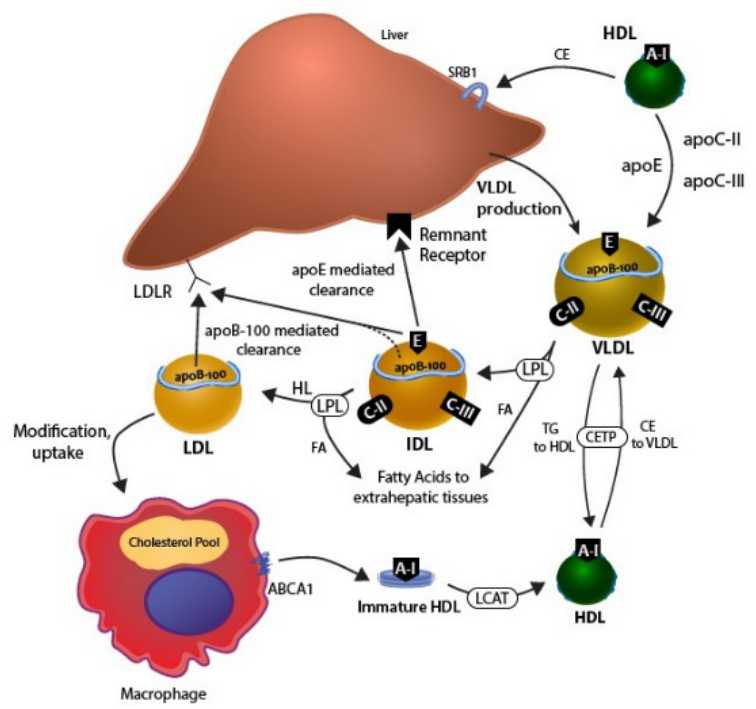
Cholesterol, being a lipid, is largely insoluble in the aqueous environment of blood plasma. To be efficiently transported between tissues for synthesis, utilization, and excretion, cholesterol (along with other lipids like triglycerides and phospholipids) is packaged into complex particles called lipoproteins. These molecular transporters have a hydrophilic exterior and a hydrophobic core, allowing them to carry lipids through the bloodstream.
Cholesteryl ester in the diet is hydrolyzed to cholesterol, which is then absorbed by the intestine together with dietary unesterified cholesterol and other lipids. It is then incorporated into chylomicrons.
Ninety-five percent of the chylomicron cholesterol is delivered to the liver in chylomicron remnants. Most of the cholesterol secreted by the liver in VLDL is retained during the formation of IDL and ultimately LDL, which is taken up by the LDL receptor in liver and extrahepatic tissues.
All lipoproteins share a common structural organization:
Lipoproteins are classified based on their density (more lipid = less dense). From largest/least dense to smallest/most dense, the main classes are:
Maintaining cholesterol homeostasis is critical. The body employs an intricate network of regulatory mechanisms, with the primary point of control being the enzyme HMG-CoA reductase.
The tight regulation is vital because both insufficient (hypocholesterolemia) and excessive (hypercholesterolemia) cholesterol levels are detrimental. Excess cholesterol, particularly carried by LDL, can lead to its deposition in arterial walls, causing atherosclerosis.
Atherosclerosis is a chronic inflammatory disease characterized by the buildup of fatty plaques within the arterial walls, leading to hardening and narrowing of the arteries.
The development of atherosclerotic plaques is a multi-stage process:
Cholesterol is a vital lipid molecule with diverse metabolic fates, playing crucial roles in maintaining cellular structure and serving as a precursor for essential biomolecules. Its metabolism is tightly regulated, and dysregulation can lead to significant health consequences, particularly cardiovascular disease.
Cholesterol is the obligate precursor for several critical compounds:
Cholesterol is transported in lipoproteins, classified by density:
Regulation involves transcriptional control (via SREBP-2), post-translational control (phosphorylation of HMG-CoA reductase by AMPK), feedback inhibition, and LDL receptor modulation.
Increased plasma cholesterol, particularly elevated LDL, is a major risk factor. High LDL leads to cholesterol accumulation in arteries, oxidation, foam cell formation, and plaque development, increasing the risk of heart attacks and strokes. HDL is protective.
Primarily composed of crystalline cholesterol. Linked to the liver secreting bile that is saturated with cholesterol, coupled with abnormally low levels of bile salts and lecithin, which leads to cholesterol precipitation.
Test your knowledge with these 40 questions.
Question 1/40
Here are your results, .
Your Score
38/40
95%
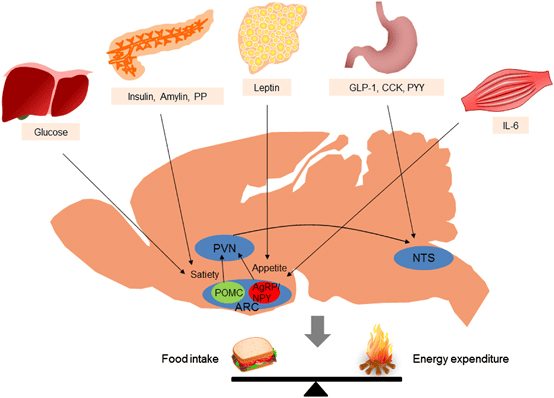
Fuel Homeostasis refers to the dynamic equilibrium and finely tuned regulation of energy substrates (glucose, fatty acids, ketone bodies, amino acids) in the body. Its primary goal is to ensure a continuous and adequate supply of fuel to all tissues, particularly the brain, under varying physiological conditions.
It is crucial for survival, allowing the body to adapt to fluctuations in nutrient availability and energy demand. Disruptions lead to metabolic diseases like diabetes, obesity, and metabolic syndrome.
The human body is a highly integrated system where different organs specialize in fuel storage, production, and utilization.
These hormones act synergistically and antagonistically to maintain metabolic balance.
The fed state is characterized by nutrient absorption from the gastrointestinal tract, leading to elevated levels of glucose, amino acids, and triacylglycerols in the blood. The body's primary response is to store these excess nutrients and utilize glucose as the main fuel.
The fasting state is characterized by the absence of nutrient intake. The body must now shift from storing fuels to mobilizing its endogenous reserves to maintain a steady supply of energy, especially for the brain. This transition is orchestrated by a low insulin:glucagon ratio.
The primary goal is to maintain blood glucose levels for the brain and other glucose-dependent tissues.
To conserve glucose for the brain, other tissues switch their fuel preference to fatty acids and ketone bodies.
The amino groups removed from amino acids are converted to ammonia, which is detoxified in the liver via the urea cycle, producing urea for excretion. The rate of the urea cycle increases during fasting.
In summary, the early fasting state is a period of catabolism driven by a low insulin:glucagon ratio. The body prioritizes maintaining blood glucose through glycogenolysis and gluconeogenesis, while other tissues shift to fatty acid oxidation. Ketone body production begins to ramp up, setting the stage for their increased utilization in prolonged starvation.
The starved state represents an extended period of nutrient deprivation, pushing the body's metabolic adaptations to their limits. The primary goals shift to:
By the time the starved state is reached (typically after 24-48 hours), liver glycogen stores are almost completely depleted. The body can no longer rely on glycogenolysis.
Lipolysis in adipose tissue continues at a very high rate, providing a continuous supply of fatty acids (for fuel) and glycerol (for gluconeogenesis). Fat stores are the largest energy reserve.
The liver's production of ketone bodies reaches its peak. The high influx of fatty acids, coupled with the low insulin state, promotes maximal β-oxidation and subsequent conversion of Acetyl-CoA into acetoacetate and β-hydroxybutyrate. Blood ketone body levels rise to very high concentrations, serving as the primary fuel for the brain, heart, and skeletal muscle.
After an initial period of high protein catabolism, the body adapts to significantly reduce muscle protein breakdown. This is directly linked to the brain's increased use of ketone bodies, as less glucose needs to be synthesized from amino acids. This adaptation is critical for long-term survival.
As amino acid catabolism decreases, the amount of nitrogen released also decreases. Consequently, the liver's production of urea via the urea cycle significantly declines. This is reflected in a reduced excretion of urea in the urine, signifying the shift to protein-sparing metabolism.
Summary of the Starved State: The starved state is characterized by extreme adaptations aimed at survival. The body shifts almost entirely to fat and ketone body metabolism to preserve its vital protein reserves. The brain becomes a major consumer of ketone bodies, dramatically reducing its glucose requirement and allowing for a significant reduction in the breakdown of muscle protein. This allows individuals to survive for extended periods without food.
Diabetes Mellitus (DM) is a group of metabolic diseases characterized by hyperglycemia (high blood glucose) resulting from defects in insulin secretion, insulin action, or both. This chronic hyperglycemia is associated with long-term damage and failure of various organs.
The core problem is a breakdown in the body's ability to regulate glucose, leading to a state that inappropriately resembles a constant "fasted" or even "starved" state in some tissues, despite abundant glucose in the blood.
This leads to a profound metabolic crisis, an exaggerated fasted state, if untreated.
The absence of insulin inhibits protein synthesis and promotes muscle protein breakdown. The released amino acids contribute to hepatic gluconeogenesis, exacerbating hyperglycemia and leading to significant weight loss.
Insulin resistance leads to increased lipolysis, increased VLDL production, low HDL cholesterol, and the formation of small, dense LDL particles, increasing cardiovascular disease risk.
Patients with T2DM usually produce some insulin, which is often enough to suppress massive ketogenesis. A more common acute complication is Hyperosmolar Hyperglycemic State (HHS), characterized by extreme hyperglycemia and dehydration without significant ketoacidosis.
Test your knowledge with these 30 questions.
Question 1/30
Here are your results, .
Your Score
27/30
90%
Fatty acids are fundamental molecules in biology, playing roles in energy, structure, and signaling. Their metabolism is highly regulated and central to energy homeostasis in the body. For more details on Fatty Acids, Click Here.
Fatty acids are long hydrocarbon chains with a carboxyl group (-COOH) at one end. This makes them amphipathic molecules, meaning they have both hydrophobic (the hydrocarbon chain) and hydrophilic (the carboxyl group) regions. They are found esterified to glycerol in triacylglycerols (TAGs) or as components of phospholipids and sphingolipids. In their free form, they are called free fatty acids (FFAs).
Fatty acids are multifaceted molecules critical for life.
Stored as triacylglycerols (TAGs), they are the body's most concentrated and efficient form of long-term energy storage, yielding more ATP per gram than carbohydrates.
They are integral components of phospholipids and sphingolipids, which form the fundamental structure of all biological membranes.
Essential fatty acids are precursors to powerful local signaling molecules called eicosanoids (prostaglandins, thromboxanes, leukotrienes) involved in inflammation, pain, and blood clotting.
Adipose tissue provides thermal insulation and protection for organs. Dietary fats are also necessary for the absorption of fat-soluble vitamins (A, D, E, K).
The body meticulously regulates fatty acid metabolism based on energy availability.
After a meal, excess carbohydrates and proteins are converted into fatty acids (Lipogenesis) and stored as TAGs in adipose tissue. The goal is to store energy.
When nutrient intake is low, stored TAGs are broken down, releasing fatty acids. These are then broken down for energy (Beta-Oxidation). The goal is to release stored energy.
When energy is needed, stored triacylglycerols (TAGs) in adipose tissue must be broken down, and the resulting fatty acids transported to other tissues for oxidation.
Lipolysis is the process of breaking down stored TAGs into fatty acids and glycerol, occurring in adipocytes.
Long-chain fatty acids are hydrophobic and require a carrier in the blood.
Long-chain fatty acids (LCFAs) cannot directly cross the inner mitochondrial membrane. They require the Carnitine Shuttle to enter the mitochondrial matrix for beta-oxidation.
Now, with the fatty acyl-CoA ready in the mitochondrial matrix, we can move on to the actual breakdown process: Fatty Acid Oxidation (Beta-Oxidation).
Once long-chain fatty acids (as fatty acyl-CoA) have successfully entered the mitochondrial matrix via the carnitine shuttle, they are ready for a cyclic process called β-oxidation. This pathway systematically cleaves two-carbon units from the carboxyl end of the fatty acyl-CoA, generating acetyl-CoA, NADH, and FADH₂, which then feed into the citric acid cycle and oxidative phosphorylation for ATP production.
Beta-oxidation is a four-step cyclic process. Each cycle shortens the fatty acyl-CoA by two carbons and produces one molecule of Acetyl-CoA, one NADH, and one FADH₂.
Input: Fatty Acyl-CoA (n carbons) → Output: 1 Acetyl-CoA + 1 FADH₂ + 1 NADH + Fatty Acyl-CoA (n-2 carbons)
Under certain physiological conditions, particularly prolonged fasting, starvation, or uncontrolled diabetes, the liver produces significant amounts of ketone bodies from Acetyl-CoA. These ketone bodies serve as an alternative fuel source for extrahepatic (outside the liver) tissues, especially the brain, which cannot directly use fatty acids for energy.
Ketogenesis is stimulated when:
In essence, ketogenesis is a response to an oversupply of Acetyl-CoA (from fat breakdown) and an undersupply of OAA (due to gluconeogenesis) in the liver.
Ketogenesis occurs exclusively in the mitochondrial matrix of liver cells.
2 Acetyl-CoA → Acetoacetyl-CoA + CoA-SHAcetoacetyl-CoA + Acetyl-CoA + H₂O → β-hydroxy-β-methylglutaryl-CoA (HMG-CoA) + CoA-SHHMG-CoA → Acetoacetate + Acetyl-CoAAcetoacetate + NADH + H⁺ ⇌ β-Hydroxybutyrate + NAD⁺Acetoacetate → Acetone + CO₂).Ketone bodies are water-soluble and can be transported via the bloodstream to peripheral tissues, which then convert them back into Acetyl-CoA for energy. The liver cannot utilize ketone bodies because it lacks a key enzyme for ketolysis.
Tissues that use Ketone Bodies: Brain, heart, skeletal muscle, renal cortex.
β-Hydroxybutyrate + NAD⁺ → Acetoacetate + NADH + H⁺Acetoacetate + Succinyl-CoA → Acetoacetyl-CoA + SuccinateAcetoacetyl-CoA + CoA-SH → 2 Acetyl-CoAThe 2 molecules of Acetyl-CoA produced can then enter the Citric Acid Cycle to generate ATP.
The production and utilization of ketone bodies are normally well-regulated. However, imbalances can lead to serious clinical conditions.
When the body has an abundance of energy, especially from a diet rich in carbohydrates, it converts excess glucose into fatty acids for long-term storage as triacylglycerols. This process is called lipogenesis.
Liver: The most active site of fatty acid synthesis.Adipose Tissue: Also synthesizes fatty acids.Lactating Mammary Glands: Synthesize fatty acids for milk production.
Fatty acid synthesis is essentially a reversal of β-oxidation, but it uses different enzymes, occurs in a different cellular compartment, and employs a different electron donor.
Citrate + ATP + CoA-SH → Acetyl-CoA + OAA + ADP + PiAcetyl-CoA + HCO₃⁻ + ATP → Malonyl-CoA + ADP + PiSynthesis is carried out by a multi-enzyme complex called Fatty Acid Synthase (FAS). It contains seven different enzymatic activities and an acyl carrier protein (ACP).
Each cycle adds a two-carbon unit from Malonyl-CoA and involves four steps:
After 7 cycles, the 16-carbon palmitoyl-ACP is formed and then released as free palmitate by a Thioesterase.
Overall Reaction: 8 Acetyl-CoA + 7 ATP + 14 NADPH → Palmitate + 8 CoA + 7 ADP + 7 Pi + 14 NADP⁺ + 6 H₂O
Once palmitate (16:0) is synthesized, it can be further modified:
The metabolism of fatty acids is not an isolated process; it is intricately woven into the overall metabolic fabric of the cell and the organism. Regulation ensures that energy is stored when abundant and mobilized when needed, all while maintaining metabolic homeostasis.
Hormones are the primary messengers that coordinate fatty acid metabolism across different tissues in response to the body's energy status.
Generally increase metabolic rate, which can indirectly affect fatty acid metabolism by increasing both synthesis and breakdown, depending on the overall energy balance.
Beyond hormones, specific molecules within metabolic pathways can directly activate or inhibit key enzymes.
Citrate (high levels indicate abundant energy and Acetyl-CoA).Malonyl-CoA.Malonyl-CoA), fatty acid oxidation is inhibited at the entry point to the mitochondria. This prevents a "futile cycle".Long-term adaptation to dietary and hormonal changes involves altering the amount of enzymes present.
Acetyl-CoA, NADH, citrate) inhibit glucose utilization in peripheral tissues, sparing glucose for the brain.
Acetyl-CoA inhibits Pyruvate Dehydrogenase.citrate inhibits PFK-1 (Phosphofructokinase-1).NADH/NAD⁺ ratio also inhibits various steps in carbohydrate metabolism.Acetyl-CoA for fatty acid synthesis.When fatty acid oxidation is high and OAA is diverted to gluconeogenesis, excess Acetyl-CoA is converted into ketone bodies in the liver, serving as an alternative fuel for extrahepatic tissues, particularly the brain.
Acetyl-CoA is the sole precursor for cholesterol synthesis. HMG-CoA (an intermediate in ketogenesis) is also an intermediate in cholesterol synthesis.
Test your knowledge with these 40 questions.
Question 1/40
Here are your results, .
Your Score
38/40
95%
The Pentose Phosphate Pathway (PPP), also known as the Hexose Monophosphate Shunt (HMP Shunt), is an alternative metabolic route for glucose metabolism that runs parallel to glycolysis. The HMP pathway is also known as the Warburg-Dickens pathway. About 10% of glucose entering this pathway per day. The liver & RBCs metabolise about 30% of glucose by this pathway.
Unlike glycolysis, its primary purpose is not to generate ATP. Instead, its main functions are:
Think of the PPP as a "shunt" because it diverts glucose-6-phosphate away from glycolysis to serve these distinct purposes, and can then feed intermediates back into glycolysis. It primarily occurs in the cytosol of cells.
The Pentose Phosphate Pathway is divided into two distinct phases:
The PPP is critically important because it provides two essential molecules:
This phase consists of three main reactions, starting with glucose-6-phosphate and culminating in the production of NADPH and ribulose-5-phosphate.
The oxidative phase involves the following sequential reactions:
Glucose-6-phosphate + NADP⁺ → 6-Phosphogluconolactone + NADPH + H⁺6-Phosphogluconolactone + H₂O → 6-Phosphogluconate6-Phosphogluconate + NADP⁺ → Ribulose-5-phosphate + NADPH + H⁺ + CO₂The net reaction for the oxidative phase is:
The non-oxidative phase is a series of reversible reactions that interconvert various sugar phosphates. Its primary functions are:
This phase involves three main enzymes: an isomerase, an epimerase, and two transketolases/transaldolases.
The ribulose-5-phosphate generated in the oxidative phase needs to be converted into other pentose sugars.
Ribulose-5-phosphate ⇌ Ribose-5-phosphateRibulose-5-phosphate ⇌ Xylulose-5-phosphateThese two enzymes are responsible for moving two-carbon and three-carbon units between sugar phosphates to produce glycolytic intermediates.
If 3 molecules of glucose-6-phosphate enter the oxidative phase, they produce 3 molecules of ribulose-5-phosphate and 6 NADPH. These 3 molecules of ribulose-5-phosphate are then processed through the non-oxidative phase:
These glycolytic intermediates can then enter glycolysis, be used for gluconeogenesis, or be recycled to continue the PPP.
The reversibility of the non-oxidative phase is key, allowing the pathway to operate in different modes:
The activity of the PPP varies significantly among different tissues, directly reflecting their metabolic demands for its key products: NADPH and ribose-5-phosphate.
The liver is a central metabolic hub with a high demand for NADPH for:
Adipocytes are specialized for fat storage and have a very high demand for NADPH to support the massive amount of fatty acid synthesis that occurs here.
RBCs lack mitochondria and are constantly exposed to oxidative stress. The PPP is their only source of NADPH for antioxidant defense, used to maintain reduced glutathione (GSH) and protect the cell.
Tissues like the adrenal cortex, testes, and ovaries are primary sites of steroid hormone synthesis and have a high demand for NADPH for these hydroxylation reactions.
During lactation, the mammary gland synthesizes large amounts of fatty acids for milk production, requiring a high supply of NADPH.
Tissues like bone marrow, skin, intestinal mucosa, and tumors are continuously proliferating and require constant DNA and RNA synthesis. They have a high demand for ribose-5-phosphate for nucleotide synthesis.
The non-oxidative phase can be reversed in these cells to primarily produce ribose-5-phosphate from glycolytic intermediates.
The regulation of the Pentose Phosphate Pathway primarily occurs at its committed and rate-limiting step, catalyzed by Glucose-6-Phosphate Dehydrogenase (G6PD). The non-oxidative phase is primarily driven by substrate availability.
G6PD is the most important regulatory enzyme of the PPP. Its activity is controlled by:
Higher levels of G6P generally lead to increased G6PD activity.
The synthesis of G6PD can be regulated at the gene expression level. For example, a high-carbohydrate diet and insulin can lead to an increase in the synthesis of G6PD, increasing the capacity to produce NADPH for fatty acid synthesis.
The reversible reactions are primarily regulated by the availability of substrates and the cell's demand for products.
The PPP and glycolysis compete for the common substrate, glucose-6-phosphate.
NADPH, produced almost exclusively by the PPP, plays essential roles in maintaining cellular homeostasis and facilitating various metabolic processes.
NADPH provides the electrons (reducing power) necessary for many synthetic (anabolic) reactions. Key examples include:
NADPH is crucial for protecting cells from damage by Reactive Oxygen Species (ROS). It maintains the cellular defense system through its role in the glutathione system.
GSSG + NADPH + H⁺ → 2 GSH + NADP⁺2 GSH + H₂O₂ → GSSG + 2 H₂OIn phagocytic immune cells (e.g., neutrophils), NADPH plays a critical role in the "respiratory burst."
NADPH Oxidase: This enzyme uses NADPH to produce superoxide radicals (O₂•⁻), which are then converted into other potent oxidants (like hydrogen peroxide) to kill engulfed bacteria and pathogens.
O₂ + NADPH → O₂•⁻ + NADP⁺ + H⁺The HMP Shunt holds paramount significance due to its unique role in generating two crucial products: pentoses and NADPH. Unlike glycolysis, its value lies in providing essential building blocks and reducing power for various anabolic and protective processes.
The HMP shunt converts hexoses into pentose sugars, with ribose-5-phosphate being the most important. These are indispensable for:
NADPH is a versatile reducing agent, distinct from NADH, and serves as a critical source of electrons for a wide array of anabolic and protective cellular functions.
NADPH provides reducing power for building complex molecules like fatty acids, cholesterol, steroid hormones, and amino acids.
NADPH is critical for regenerating reduced glutathione (GSH), which is used by glutathione peroxidase to neutralize harmful free radicals and peroxides, protecting cells from oxidative damage.
In red blood cells, the concerted action of NADPH and the glutathione system is vital for preserving the integrity of the cell membrane, protecting it from oxidative damage and preventing premature lysis (hemolytic anemia).
NADPH-dependent reductase systems are essential for keeping the iron within hemoglobin in its reduced (ferrous, Fe²⁺) state. This prevents the formation of met-hemoglobin (Fe³⁺), which cannot carry oxygen.
The liver's microsomal cytochrome P450 monooxygenase system depends on NADPH to detoxify drugs and foreign substances by increasing their solubility for excretion.
The eye's lens has a high concentration of NADPH, which is vital for protecting lens proteins from oxidative damage, thereby guarding against conditions like cataracts.
In phagocytic cells, NADPH oxidase uses NADPH to generate large quantities of superoxide radicals in a process called the "respiratory burst." These reactive oxygen species are potent antimicrobial agents used to kill ingested bacteria.
Test your knowledge with these 35 questions.
Question 1/35
Here are your results, .
Your Score
33/35
94%