git neuro and motility

GIT Neuro & Motility

Digestive/GIT Neuro & Motility

Digestive System Physiology
SYSTEMS PHYSIOLOGY

The Digestive System Physiology

The digestive system is a vital organ system responsible for breaking down food into absorbable nutrients, water, and electrolytes, and then eliminating indigestible waste. It can be broadly divided into two main parts: the gastrointestinal tract (GIT), also known as the alimentary canal or gut, and accessory digestive organs.

I. Components of the Digestive System

A. The Gastrointestinal Tract (GIT) / Alimentary Canal

This is a continuous, muscular tube that extends from the mouth to the anus, about 30 feet (9 meters) long in a cadaver (shorter in a living person due to muscle tone). It is the primary site where digestion and absorption occur.

  • Mouth: The entrance, where mechanical digestion (chewing) and initial chemical digestion (salivary enzymes) begin.
  • Pharynx: A common passageway for food and air.
  • Esophagus: A muscular tube that transports food from the pharynx to the stomach via peristalsis.
  • Stomach: A muscular sac for food storage, mechanical churning, and initiation of protein digestion.
  • Small Intestine: The primary site for chemical digestion and nutrient absorption. It's divided into the duodenum, jejunum, and ileum.
  • Large Intestine (Colon): Primarily involved in water and electrolyte absorption, and formation/storage of feces.

B. Accessory Digestive Organs

These organs produce secretions that aid in digestion or help with the mechanical breakdown of food, but food does not pass directly through them.

  • Teeth: Mechanically break down food (mastication).
  • Tongue: Aids in tasting, chewing, and swallowing food.
  • Salivary Glands (parotid, submandibular, sublingual): Produce saliva, containing enzymes (e.g., amylase for starch) and mucus.
  • Liver: Produces bile (important for fat digestion), metabolizes nutrients, and detoxifies.
  • Gallbladder: Stores and concentrates bile produced by the liver.
  • Pancreas (exocrine part): Produces a wide range of digestive enzymes (for carbohydrates, proteins, fats) and bicarbonate to neutralize stomach acid.

II. Key Roles of the GIT

The primary function of the GIT is to provide the body with essential water, electrolytes, and nutrients. To achieve this, it performs six fundamental processes:

  1. Ingestion: Taking food into the digestive tract, typically through the mouth.
  2. Propulsion (Movement of Food): Moving food through the alimentary canal, which includes:
    • Swallowing (Deglutition): Voluntary and involuntary.
    • Peristalsis: Rhythmic waves of contraction and relaxation of smooth muscle in the organ walls, pushing food forward.
  3. Mechanical Digestion: Physical breakdown of food into smaller pieces to increase surface area for enzyme action. This includes chewing (mastication), churning in the stomach, and segmentation in the small intestine.
  4. Chemical Digestion: Enzymatic breakdown of complex food molecules into their simpler chemical building blocks (e.g., carbohydrates into monosaccharides, proteins into amino acids, fats into fatty acids and glycerol).
  5. Absorption: The passage of digested nutrients, vitamins, minerals, and water from the lumen of the GIT into the blood or lymph.
  6. Defecation: Elimination of indigestible substances and waste products from the body in the form of feces.

III. Structure of the GIT Wall (The Four Tunics)

The wall of the GIT from the esophagus to the anal canal has a consistent pattern of four distinct layers, or tunics, from the innermost to the outermost:

  1. Mucosa (Innermost Layer):
    • Epithelium: Lines the lumen, specialized for secretion of mucus, digestive enzymes, and hormones, and for absorption of digested nutrients. Protects against disease.
    • Lamina Propria: Loose connective tissue with capillaries (for absorption) and lymphoid follicles (MALT - mucosa-associated lymphoid tissue, for defense).
    • Muscularis Mucosae: A thin layer of smooth muscle that produces local movements of the mucosa, facilitating absorption and secretion.
  2. Submucosa:
    • Dense connective tissue containing blood and lymphatic vessels, lymphoid follicles, and nerve fibers (submucosal plexus/Meissner's plexus). These nerves help regulate glands and smooth muscle in the mucosa.
  3. Muscularis Externa (Muscularis):
    • Responsible for segmentation and peristalsis.
    • Typically consists of two layers of smooth muscle:
      • Inner Circular Layer: Fibers run around the circumference of the organ. Contraction constricts the lumen.
      • Outer Longitudinal Layer: Fibers run parallel to the long axis of the organ. Contraction shortens the organ.
    • An additional oblique muscle layer is found only in the stomach, aiding in its powerful churning action.
    • Contains the myenteric plexus (Auerbach's plexus) between the two muscle layers, which controls GIT motility.
  4. Serosa (Outermost Layer):
    • The protective outermost layer, which is the visceral peritoneum in most parts of the alimentary canal. It is a thin layer of areolar connective tissue covered with mesothelium.
    • In the esophagus, the outermost layer is an adventitia (fibrous connective tissue) instead of serosa.

IV. Smooth Muscles of the GIT and Electrical Activity

The smooth muscle of the muscularis externa is crucial for the motor functions of the GIT.

A. Characteristics of GI Smooth Muscle:

  • Individual fibers are small (200-500 µm long, 2-10 µm diameter).
  • Arranged in bundles (up to 1000 fibers) separated by loose connective tissue.
  • Functional Syncytium: Muscle fibers within a layer (and between layers) are electrically connected by gap junctions. This allows action potentials to spread rapidly from one fiber to the next, causing the entire muscle layer or bundle to contract as a single unit.

B. Electrical Activity:

The resting membrane potential (RMP) of GI smooth muscle is unstable and fluctuates, typically averaging around -56 mV. Two basic types of electrical waves characterize its activity:

1. Slow Waves (Basic Electrical Rhythm - BER)

  • Not true action potentials. They are undulating, rhythmic fluctuations in the RMP, oscillating between -50 and -60 mV.
  • Caused by pacemaker cells called Interstitial Cells of Cajal (ICCs), which act as electrical pacemakers.
  • They set the maximum frequency of contraction.
  • Slow waves themselves usually do not cause muscle contraction, except in some areas like the stomach where they might be strong enough. Their primary role is to set the stage for action potentials.

2. Spike Potentials (True Action Potentials)

  • These are true action potentials that occur when the RMP of a slow wave depolarizes sufficiently (typically becoming less negative than -40 mV, reaching the threshold for excitation).
  • The higher the peak of the slow wave rises above the threshold, the greater the frequency of spike potentials (1 to 10 spikes/second), leading to stronger and more prolonged muscle contraction.
  • Ionic Basis: These action potentials are primarily caused by the influx of calcium ions (Ca²⁺), along with some sodium ions, through specialized voltage-gated calcium-sodium channels. The influx of Ca²⁺ directly triggers muscle contraction.

C. Smooth Muscle Contractions:

  • Rhythmic Contractions (Phasic Contractions): Characterized by periodic contractions followed by relaxation.
    • Examples: Peristaltic waves in the esophagus, gastric antrum, and small intestine (segmentation). These are generally associated with spike potentials.
  • Tonic Contractions: Maintained contractions without relaxation, lasting for minutes to hours.
    • Examples: In the orad (proximal) region of the stomach, lower esophageal sphincter, ileocecal valve, and internal anal sphincter.
    • These contractions are not always associated with spike potentials and can sometimes be due to slow wave activity alone or sustained Ca²⁺ entry. They are crucial for maintaining pressure or acting as valves.

D. Factors Affecting the RMP and Excitability of GI Smooth Muscle:

The excitability of GI smooth muscle is highly regulated by various factors that alter its RMP:

  • Factors that DEPOLARIZE the membrane (make it less negative, more excitable, closer to threshold):
    1. Stretching of the muscle: Mechanical stretch directly opens ion channels.
    2. Stimulation by acetylcholine (ACh): A key neurotransmitter.
    3. Parasympathetic nerve stimulation: Parasympathetic nerves release ACh at their endings.
    4. Specific gastrointestinal hormones: Certain hormones can increase excitability.
  • Factors that HYPERPOLARIZE the membrane (make it more negative, less excitable, further from threshold):
    1. Norepinephrine (NE) or Epinephrine: Catecholamines.
    2. Sympathetic nerve stimulation: Sympathetic nerves primarily release NE at their endings (or activate adrenal epinephrine release).

Control of the Gastrointestinal Tract (GIT)

The functions of the Gastrointestinal Tract (GIT), including digestion, absorption, and motility, are regulated by both intrinsic (within the gut wall) and extrinsic (outside the gut wall) nervous systems, as well as by hormones and local factors. This comprehensive regulation ensures the precise coordination necessary for nutrient processing.

I. Innervation to the GIT

The GIT possesses a unique and extensive nervous system that allows it a significant degree of autonomy, while also being modulated by external influences. This innervation can be broadly categorized into intrinsic and extrinsic components.

A. Enteric Nervous System (ENS) - The "Brain of the Gut"

The ENS is often referred to as the "brain of the gut" due to its extensive network and ability to operate largely independently. It is the largest and most complex part of the nervous system outside of the brain and spinal cord.

  • Location: The ENS lies entirely within the wall of the gut, extending from the esophagus all the way to the anus.
  • Autonomy: It can function independently of the central nervous system (CNS), though its activity is significantly modulated by the CNS.
  • Neurons: Contains approximately 100 million neurons, making it more extensive than the spinal cord.
  • Primary Function: To control gastrointestinal movements (motility) and secretions.

Myenteric Plexus (Auerbach's Plexus)

  • Location: Situated between the longitudinal and circular muscle layers of the muscularis externa.
  • Structure: Consists mostly of a linear chain of many interconnecting neurons that extends the entire length of the GIT.
  • Primary Control: Mainly controls GIT movements (motility), coordinating the contractions of the muscle layers.
  • Principal Effects when Stimulated:
    • Increased tonic contraction (or "tone") of the gut wall.
    • Increased intensity of rhythmical contractions.
    • Slightly increased rate of rhythmical contractions.
    • Increased velocity of conduction of excitatory waves along the gut wall, leading to more rapid movement of peristaltic waves.

Submucosal Plexus (Meissner's Plexus)

  • Location: Lies within the submucosa layer.
  • Primary Control: Mainly concerned with controlling functions within the inner wall, specifically gastrointestinal secretion, local absorption, and local contraction of the muscularis mucosae, as well as local blood flow.

Neurotransmitters Secreted by the Enteric Nervous System:

The ENS utilizes a wide array of neurotransmitters, however, some key roles have been identified:

  • Excitatory Motor Neurons: These evoke muscle contraction and intestinal secretion. Key neurotransmitters include Substance P and Acetylcholine (ACh).
  • Secretomotor Neuron Neurotransmitters: These are responsible for releasing water, electrolytes, and mucus from crypts of Lieberkühn. Examples include ACh, Vasoactive Intestinal Peptide (VIP), and Histamine.
  • Inhibitory Motor Neurons: These suppress muscle contraction. Key neurotransmitters include Nitric Oxide (NO), Vasoactive Intestinal Peptide (VIP), and Adenosine Triphosphate (ATP).

B. Extrinsic Nerve Supply (Autonomic Nervous System - ANS)

The ENS can function autonomously, but its activity is significantly modulated by extrinsic innervation from the ANS (parasympathetic and sympathetic systems).

  • Overall Role: Extrinsic nerves do not initiate the basic rhythm of gut activity but can greatly enhance or inhibit existing gastrointestinal functions.
  • Sensory Input: Sensory nerve endings originate in the gastrointestinal epithelium or gut wall. These send afferent fibers to:
    • Both plexuses of the enteric system (for local reflexes).
    • Prevertebral ganglia of the sympathetic nervous system.
    • The spinal cord.
    • The brain stem (via the vagus nerves).

Parasympathetic Nerve Fibers

  • Neurotransmitter: Primarily Acetylcholine (ACh).
  • Effect: Generally excitatory to GIT function.
    • Accelerate movements: Increase motility (e.g., peristalsis).
    • Increase secretions: Promote digestive gland activity.
  • Pathways:
    • Cranial Parasympathetics (Vagus Nerves): Supply the upper regions of the alimentary tract, including the mouth and pharyngeal regions, esophagus, stomach, and pancreas. They extend somewhat less to the intestines, down through the first half of the large intestine.
    • Sacral Parasympathetics (Pelvic Nerves): Originate from the 2nd, 3rd, and 4th sacral segments of the spinal cord. They pass through the pelvic nerves to innervate the distal half of the large intestine and all the way to the anus. The sigmoidal, rectal, and anal regions are considerably better supplied with parasympathetic fibers than other intestinal areas, highlighting their critical role in defecation reflexes.

Sympathetic Nerve Fibers

  • Neurotransmitter: Primarily Norepinephrine (Noradrenaline/NE).
  • Effect: Generally inhibitory to GIT function.
  • Origin: Originate from the spinal cord between segments T-5 and L-2.
  • Path: Preganglionic fibers pass through the sympathetic chains to prevertebral ganglia (e.g., celiac ganglion, superior and inferior mesenteric ganglia). Postganglionic fibers then innervate essentially all of the gastrointestinal tract.
  • Inhibitory Effects:
    • Direct effect: To a slight extent, secreted Norepinephrine (NE) directly inhibits intestinal tract smooth muscle.
    • Major effect: To a major extent, NE exerts an inhibitory effect on the neurons of the entire enteric nervous system, reducing its overall activity.
    • Inhibit movements: Decrease motility.
    • Decrease secretions: Reduce digestive gland activity.
    • Cause constriction of sphincters: Helps in storing contents.

C. Afferent Sensory Nerve Fibers from the Gut

These vital fibers transmit sensory information from the GIT to various parts of the nervous system, initiating important reflexes.

  • Transmission: Transmit sensory signals from the GIT into the brain (e.g., medulla), spinal cord, and prevertebral ganglia.
  • Stimuli for Activation: Sensory nerves can be stimulated by:
    • Irritation of the gut mucosa (e.g., presence of toxins, indicating potential harm or need for protective responses).
    • Excessive distention of the gut (e.g., fullness, gas, signaling pressure).
    • Presence of specific chemical substances in the gut (e.g., acid, nutrients, or toxins).
  • Outcome: These signals can initiate vagal reflex signals that return to the GIT to control many of its functions.

II. Types of Movements in the GIT

GIT motility serves two primary functions: propelling food along the tract and mixing it with digestive juices.

A. Propulsive Movements (Peristalsis):

  • Purpose: To move food (chyme) forward along the tract at an appropriate rate for digestion and absorption.
  • Basic Mechanism: Peristalsis is the fundamental propulsive movement.
    • A contractile ring appears around the gut, and then moves forward.
    • Material in front of the contractile ring is moved forward.
  • Stimuli for Peristalsis:
    • Distention of the gut: Stretching of the gut wall is a primary stimulus.
    • Strong parasympathetic nervous signals: Enhance peristaltic activity.
  • Neural Requirement: Effectual peristalsis requires an active myenteric plexus. Without it, peristalsis is weak or absent.
  • Directionality: Although peristalsis can theoretically occur in either direction, it normally moves towards the anus. This is because the myenteric plexus is "polarized" in the anal direction.
  • Law of the Gut: When a segment of the intestinal tract is excited by distention:
    • A contractile ring forms on the oral (proximal) side of the distended segment and moves anally, pushing contents forward (typically 5-10 cm).
    • Simultaneously, the gut downstream (anal side) of the distended segment undergoes "receptive relaxation," allowing easier propulsion of food. This complex pattern is entirely dependent on the myenteric plexus.
  • Other Locations: Peristalsis is not exclusive to the GIT; it also occurs in bile ducts, glandular ducts, ureters, and other smooth muscle tubes.

B. Mixing Movements:

  • Purpose: To thoroughly mix the intestinal contents with digestive juices and to facilitate contact with the absorptive surfaces of the mucosa.
  • Mechanism: These vary in different parts of the alimentary tract. Often, they involve local, intermittent constrictive contractions (e.g., segmentation in the small intestine) that churn the contents without significant forward movement.

III. Regulation of Motility and Secretion

GIT function is regulated through neural reflexes and hormones.

A. Gastrointestinal Reflexes

The interplay between the intrinsic and extrinsic nervous systems gives rise to three basic types of reflexes that integrate and coordinate GIT function. These reflexes are categorized based on the extent of their neural circuits:

  1. Reflexes Entirely Within the Gut Wall (ENS):
    • These are short reflexes that control local phenomena.
    • Control: Regulating secretion, peristalsis, mixing movements, and local inhibitory effects in response to local stimuli (e.g., distention).
    • Example: Peristaltic reflex in response to distention.
  2. Reflexes from the Gut to the Prevertebral Sympathetic Ganglia and Back to the GIT:
    • These are long reflexes that travel outside the gut wall but do not involve the CNS directly.
    • Gastrocolic reflex: Signals from the stomach (e.g., by distention from food intake) cause evacuation of the colon.
    • Enterogastric reflexes: Signals from the colon and small intestine (e.g., due to excessive distention or irritation) inhibit stomach motility and stomach secretion, slowing gastric emptying.
    • Colonoileal reflex: Signals from the colon inhibit emptying of ileal contents into the colon, preventing premature filling.
  3. Reflexes from the Gut to the Spinal Cord or Brain Stem and Then Back to the GIT:
    • These are the longest and most complex reflexes, involving the CNS.
    • Vagovagal reflexes: Reflexes from the stomach and duodenum to the brain stem and back to the stomach (via the vagus nerves) to control gastric motor and secretory activity.
    • Pain reflexes: Strong pain signals from the gut (e.g., from severe injury or inflammation) can cause general inhibition of the entire GIT, shutting down activity.
    • Defecation reflexes: Reflexes that travel from the colon and rectum to the spinal cord and back again to produce the powerful colonic, rectal, and abdominal contractions required for defecation.

B. Hormonal Control

Several hormones regulate various aspects of GIT function, often triggered by the presence of specific nutrients in the lumen.

Gastrin

Secreted by G cells in the stomach. Stimulates gastric acid secretion and mucosal growth.

Cholecystokinin (CCK)

Secreted by I cells in the duodenum and jejunum. Stimulates gallbladder contraction, pancreatic enzyme secretion, and inhibits gastric emptying.

Secretin

Secreted by S cells in the duodenum. Stimulates bicarbonate secretion from the pancreas and liver, and inhibits gastric acid secretion.

Gastroinhibitory Peptide (GIP)

Secreted by K cells in the duodenum and jejunum. Stimulates insulin secretion from the pancreas and inhibits gastric acid secretion.

Motilin

Secreted by M cells in the duodenum. Plays a role in initiating the migrating motor complex (MMC) during the interdigestive period.


IV. Blood Flow to the GIT (Splanchnic Circulation)

The blood supply to the GIT is a vital component of the splanchnic circulation, which includes the vessels supplying the gut, spleen, pancreas, and liver.

A. Pathway of Splanchnic Blood Flow:

  • All blood passing through the gut, spleen, and pancreas drains into the hepatic portal vein.
  • This portal vein carries nutrient-rich, deoxygenated blood to the liver.
  • In the liver, the blood passes through hepatic sinusoids, where nutrients are processed, and toxins are removed.
  • Finally, blood leaves the liver via the hepatic veins and empties into the vena cava, returning to the systemic circulation.

B. Anatomy of GIT Blood Supply:

  • The primary arterial supply comes from the superior and inferior mesenteric arteries.
  • These arteries give rise to an arching arterial system, which then sends smaller arteries around the gut wall.
  • Within the gut wall, these smaller arteries spread:
    • Along the muscle bundles (for motility).
    • Into the intestinal villi (for absorption).
    • Into submucosal vessels beneath the epithelium (for secretion and absorption).

C. Effect of Gut Activity and Metabolic Factors on Blood Flow:

  • Direct Relationship to Activity: Blood flow to the GIT is directly linked to its metabolic activity.
    • During active nutrient absorption, blood flow in the villi and submucosa can increase up to 8-fold.
    • Increased motor activity in the gut muscle layers also increases blood flow to those layers.
  • Post-Meal Hyperemia: After a meal, motor, secretory, and absorptive activities all increase significantly, leading to a substantial increase in blood flow, which gradually returns to resting levels over 2-4 hours.

D. Possible Causes of Increased Blood Flow (Post-Meal):

While not fully understood, several factors contribute to the increased blood flow during digestion:

  • Vasodilator Substances: Hormones released from the intestinal mucosa during digestion act as vasodilators (e.g., CCK, VIP, gastrin, secretin).
  • Kinins: GIT glands release kinins like kallidin and bradykinin, which are potent vasodilators and are secreted along with other glandular secretions.
  • Decreased Oxygen Concentration: Increased metabolic activity and nutrient absorption lead to reduced oxygen concentration in the gut wall, which directly causes vasodilation (via substances like adenosine) to increase blood flow by 50-100%.

E. Importance of Sympathetic Vasoconstriction in the GIT:

  • Redistribution of Blood: The sympathetic nervous system can cause strong vasoconstriction in the splanchnic circulation. This is crucial for:
    • Exercise: Shutting off gut blood flow allows more blood to be diverted to active skeletal muscles and the heart during heavy exercise.
    • Circulatory Shock: In conditions like hemorrhagic shock or other states of low blood volume, sympathetic stimulation can severely decrease splanchnic blood flow for many hours. This protects vital organs like the brain and heart by diverting blood to them.
  • Blood Volume Regulation: Sympathetic stimulation also causes strong vasoconstriction of the large-volume intestinal and mesenteric veins. This significantly decreases the volume of these veins, displacing a large amount of blood (200-400 ml) into the central circulation, thereby helping to sustain general circulation in emergencies.

GIT Motility: Ingestion of Food and Stomach Functions

The journey of food through the digestive system begins with ingestion, a process driven by both physiological and psychological factors, and followed by mechanical and chemical processing in the stomach.

I. Ingestion of Food

Ingestion is influenced by internal drives and preferences, and involves the mechanical processes of chewing and swallowing.

  • Hunger: An intrinsic desire for food. Primarily determines the amount of food ingested.
  • Appetite: Determines the type of food a person preferentially seeks. More psychological, influenced by learned preferences, culture, and sensory experiences.

A. Chewing (Mastication):

  • Purpose: Essential for proper digestion, as digestive enzymes can only act on the surfaces of food particles. It also prevents excoriation of the GIT and aids in smooth emptying from the stomach.
  • Teeth Adaptation:
    1. Incisors: Designed for a strong cutting action.
    2. Molars: Designed for a grinding action.
  • Force: Jaw muscles can exert significant force (up to 55 pounds on incisors, 200 pounds on molars).
  • Muscles: Innervated by the motor branch of the 5th cranial nerve (trigeminal nerve).
  • Control: The chewing process is largely controlled by nuclei in the brain stem and primarily results from the chewing reflex.
  • Chewing Reflex Mechanism:
    1. Presence of food (bolus) in the mouth initiates reflex inhibition of mastication muscles.
    2. This allows the lower jaw to drop.
    3. The drop initiates a stretch reflex in the jaw muscles, leading to rebound contraction.
    4. This raises the jaw, causing teeth closure and compressing the bolus against the mouth linings.
    5. This compression again inhibits the jaw muscles, allowing the jaw to drop and rebound, repeating the cycle automatically.

B. Swallowing (Deglutition):

Nature: A complicated mechanism due to the dual function of the pharynx (respiration and digestion). It is a rapid process to prevent interruption of respiration.

Stages of Swallowing:

  1. Voluntary Stage (Oral Stage): Initiates the swallowing process. Food (bolus) is voluntarily squeezed or rolled posteriorly into the pharynx by the tongue.
  2. Pharyngeal Stage (Involuntary): Food passes through the pharynx into the esophagus. Triggered by stimulation of epithelial swallowing receptor areas (e.g., tonsillar pillars). A complex series of involuntary actions occurs rapidly:
    • Soft palate pulled upward to close off the nasopharynx.
    • Palatopharyngeal folds move medially to form a sagittal slit, allowing only properly chewed food to pass.
    • Vocal cords approximate, and the larynx moves upward and forward.
    • Epiglottis swings backward over the glottis (opening to trachea), preventing food entry into the trachea.
    • The upper esophageal sphincter relaxes, allowing food to enter the esophagus.
    • A rapid peristaltic wave begins in the pharynx, forcing food into the esophagus.
  3. Esophageal Stage (Involuntary): Food moves from the pharynx through the esophagus into the stomach. Primarily accomplished by peristalsis:
    • Primary peristalsis: A continuation of the pharyngeal peristaltic wave, traveling the entire length of the esophagus in about 8-10 seconds.
    • Secondary peristalsis: If the primary wave fails to move all the food, distention of the esophagus by residual food triggers new waves of secondary peristalsis. These waves continue until the esophagus is cleared.
    • The lower esophageal sphincter (LES) relaxes ahead of the peristaltic wave, allowing food to pass into the stomach.
Swallowing Irregularities:
  1. Dysphagia (Difficulty in Swallowing):
    • Causes: Mechanical obstruction (e.g., tumors, strictures), Decreased esophageal movement due to neurological disorders (Parkinsonism, stroke), Muscular disorders.
  2. Esophageal Achalasia: A neuromuscular disease characterized by impaired relaxation of the lower esophageal sphincter and absence of peristalsis in the lower esophagus. Leads to accumulation of food in the esophagus.
  3. Gastroesophageal Reflux Disease (GERD): Regurgitation of acidic gastric content through the esophagus. Results from incompetence of the lower esophageal sphincter, causing heartburn and potential damage.

II. Motor Functions of the Stomach

The stomach plays crucial roles in the initial processing of food, acting as a storage organ, a mixing chamber, and a regulator of chyme delivery to the small intestine.

Three Main Functions:

  1. Storage: Stores large quantities of food until it can be processed.
  2. Mixing: Mixes food with gastric secretions to form a semi-fluid mixture called chyme.
  3. Slow Emptying: Slowly empties chyme from the stomach into the small intestine at a rate suitable for proper digestion and absorption.

A. Physiologic Anatomy of the Stomach:

  • Anatomically: Divided into the fundus, body, and antrum.
  • Physiologically: Divided into two main functional areas:
    1. "Orad" Portion: Comprises about the first two-thirds of the body and the fundus. Primarily functions as a storage area.
    2. "Caudad" Portion: Comprises the remainder of the body plus the antrum. Primarily functions as the mixing and propulsion area.

B. Stomach Motility:

  1. Receptive Relaxation (Storage Function):
    • When food distends the stomach, it initiates a vagovagal reflex.
    • This reflex causes the orad region to relax, accommodating the ingested meal.
    • Cholecystokinin (CCK) increases the distensibility of the orad stomach.
    • Pressure within the stomach remains low until its capacity (about 0.8 to 1.5 liters) is approached.
  2. Mixing and Propulsion (Processing Function):
    • The caudad region contracts vigorously to mix food with gastric secretions.
    • Constrictor waves (mixing waves): These begin from the mid-upper portion of the stomach wall and move towards the antrum, occurring every 15-20 seconds.
    • Basic Electrical Rhythm (BER): These constrictor waves are initiated by the stomach's intrinsic electrical activity (slow waves).
    • As constrictor waves progress towards the antrum, they become more intense, providing a powerful peristaltic action.
    • Retropulsion (Mixing Mechanism): The pyloric muscle contracts, impeding emptying and squeezing the antral contents upstream, back towards the stomach body. This combination of moving constrictor rings and the upstream squeezing action is highly effective for mixing, resulting in the formation of chyme.
  3. Hunger Contractions:
    • Occur when the stomach has been empty for several hours.
    • Rhythmical peristaltic contractions in the body of the stomach.
    • Extremely strong contractions can fuse to form a continuous tetanic contraction lasting 2-3 minutes.
    • Greatly increased in individuals with lower than normal blood sugar levels.
    • Can be associated with mild pain sensation (hunger pangs).

C. Stomach Emptying (Regulation of Chyme Delivery):

  • Mechanism: Intense peristaltic contractions in the stomach antrum generate significant pressure (up to 50-70 cm H2O), acting as a "pyloric pump" to promote emptying.
  • Pyloric Sphincter: The pylorus is tonically contracted, providing resistance to emptying.
  • Regulation of Emptying Rate:
    1. Isotonicity: The rate is fastest when the stomach contents are isotonic.
    2. Duodenal Chyme Volume: Too much chyme in the small intestine inhibits gastric emptying.
    3. Fat Content: Fat is a potent inhibitor of gastric emptying. It stimulates the release of CCK, which reduces gastric motility.
    4. Acidity (H+ in Duodenum): The presence of H+ (acidity) in the duodenum strongly inhibits gastric emptying via direct neural reflexes.

GIT Motility: Small Intestine, Colon, and Defecation

I. Small Intestine Movements

The small intestine is primarily responsible for the digestion and absorption of nutrients. Its motility patterns are crucial for mixing chyme with digestive juices and slowly propelling it forward.

1. Mixing Movements (Segmentation Contractions)

  • Trigger: Distention of the small intestine by chyme.
  • Mechanism: Localized contractions of circular muscles that divide the intestine into segments. These contractions churn the chyme, mixing it thoroughly with digestive enzymes and bringing it into contact with the absorptive mucosa.
  • Frequency: Depends on the electrical activity of slow waves (BER). Maximum freq: ~12/min. Normal range: 8-9/min (decreases along the length, creating a pressure gradient).

2. Propulsive Movements (Peristaltic Waves)

  • Function: To propel chyme through the small intestine.
  • Velocity: Relatively slow (0.5 to 2.0 cm/second).
  • Characteristics: Peristaltic waves are normally very weak and usually die out after traveling 3-5 cm.
  • Time for Transit: 3 to 5 hours from pylorus to ileocecal valve.
  • Gastroileal Reflex: Immediately after a new meal, this reflex enhances ileal peristalsis and causes relaxation of the ileocecal sphincter.
  • Peristaltic Rush: Severe irritation (e.g., infectious agents) leads to powerful and rapid peristaltic contractions sweeping the entire length, often resulting in diarrhea.

II. Movements of the Colon (Large Intestine)

The colon has two primary functions: Absorption of water/electrolytes (proximal half) and Storage of fecal matter (distal half). Movements are generally very sluggish.

1. Mixing Movements (Haustrations)

  • Mechanism: Large circular constrictions involving simultaneous contraction of circular and longitudinal muscles.
  • Appearance: Unstimulated portions bulge outward, forming bag-like sacs called haustrations.
  • Dynamics: Peak contraction in 30 seconds, disappears over next 60 seconds.
  • Effect: Slow, churning action that "digs into" and "rolls over" fecal material, facilitating absorption.

2. Propulsive Movements (Mass Movements)

  • Nature: Strong, rapid, infrequent propulsive movements unique to the colon.
  • Triggers: Often initiated by gastrocolic and duodenocolic reflexes (after a meal).
  • Transit Time: 8 to 15 hours to move chyme from ileocecal valve through the colon.
  • Sequence: A constrictive ring forms -> rapid unified contraction of a segment (20cm) distal to the ring -> propels fecal material down -> contraction lasts ~30 secs, relaxation 2-3 mins. Occurs 1-3 times a day.

III. Defecation

Defecation is the final act of gastrointestinal motility, involving the expulsion of feces from the body.

  • Rectal Status: The rectum is usually empty of feces.
  • Urge to Defecate: When a mass movement forces feces into the rectum, the distention of the rectal wall immediately creates the desire for defecation.
  • Prevention of Incontinence:
    • Internal Anal Sphincter: Smooth muscle, tonic constriction, involuntary control.
    • External Anal Sphincter: Striated (skeletal) muscle, tonic constriction, voluntary control.

IV. Defecation Reflexes

These reflexes initiate and facilitate the act of defecation.

  1. Intrinsic Defecation Reflex:
    • Mediated by: The local Enteric Nervous System (ENS) within the rectal wall.
    • Mechanism: Rectal distention stimulates stretch receptors -> signals via myenteric plexus -> peristaltic waves in descending/sigmoid colon and rectum -> inhibition of internal anal sphincter. (Relatively weak on its own).
  2. Parasympathetic Defecation Reflex:
    • Involves: The sacral segments of the spinal cord (spinal cord reflex).
    • Mechanism: Rectal distention signals to spinal cord -> efferent parasympathetic signals via pelvic nerves -> intensify peristaltic waves and further relax internal anal sphincter.
    • Voluntary Control: The external anal sphincter allows an individual to either permit defecation or consciously constrict the sphincter to inhibit it.

V. Other Autonomic Reflexes Affecting Bowel Activity

Peritoneointestinal Reflex

Trigger: Irritation of the peritoneum (e.g., peritonitis).
Effect: Strongly inhibits excitatory enteric nerves, leading to intestinal paralysis (ileus).

Renointestinal and Vesicointestinal Reflexes

Trigger: Irritation of the kidneys or bladder.
Effect: Inhibits intestinal activity.

```

Digestive System, GIT Neuro & Motility Quiz

Systems Physiology

Enter your details to begin the examination.

🛡️ Privacy Note: Results are for tracking and certification purposes only.

Transport Across Nephron Segments (1)

Renal Clearance and Micturition

Renal Clearance & Micturition

Systems Physiology: Renal Clearance & Micturition
Unit: Systems Physiology

Renal Clearance

Clearance is a quantitative measure of how effectively the kidneys remove a particular substance from the blood plasma.

It represents the hypothetical volume of plasma that would be completely cleared of a substance per unit of time.

Mathematical Definition: The general formula for clearance (Cx) of any substance X is:

Cx = (Ux * V) / Px

  • Cx = Renal clearance of substance X (in mL/min or mL/s)
  • Ux = Concentration of substance X in urine (e.g., mg/dL or mg/mL)
  • V = Urine flow rate (e.g., mL/min)
  • Px = Concentration of substance X in plasma (e.g., mg/dL or mg/mL)

Interpretation of the Formula:

  • (Ux * V) represents the excretion rate of substance X – the total amount of X removed from the body via urine per minute.
  • Px represents the concentration of X in the "incoming" plasma.
  • Thus, clearance essentially asks: "What volume of plasma must have been 'purified' to account for the amount of substance X excreted in the urine?"

Relationship to Renal Handling: The amount of substance excreted is a net result of three processes:

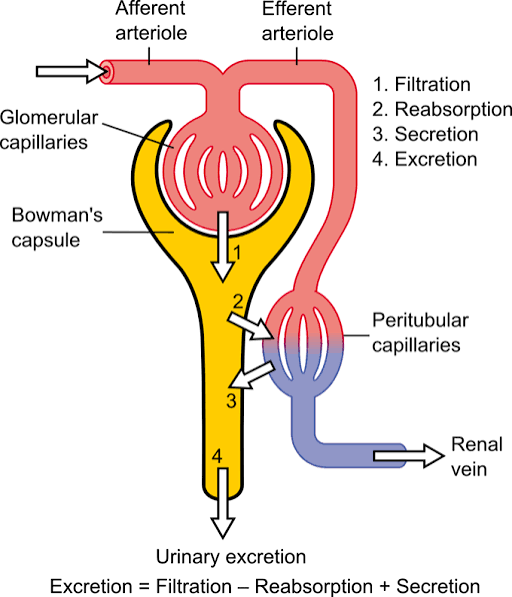
Excretion Rate = Filtration Rate - Reabsorption Rate + Secretion Rate

Ux * V = (GFR * Px) - T_reabsorption + T_secretion

  • GFR = Glomerular Filtration Rate
  • T_reabsorption = Tubular reabsorption rate
  • T_secretion = Tubular secretion rate

Importance of Renal Clearance

Renal clearance measurements are invaluable tools for assessing various aspects of renal function:

  1. Quantifying Glomerular Filtration Rate (GFR): The gold standard for measuring kidney function.
  2. Estimating Renal Plasma Flow (RPF): Gives insight into blood supply to the kidneys.
  3. Assessing Severity of Renal Damage: Decreased GFR and RPF can indicate kidney disease progression.
  4. Characterizing Tubular Reabsorption: By comparing a substance's clearance to GFR, we can determine if it's reabsorbed.
  5. Characterizing Tubular Secretion: Similarly, by comparison to GFR, we can determine if a substance is secreted.

Clearance Tests: Endogenous vs. Exogenous Markers

Endogenous Markers

Substances naturally produced by the body.

  • Creatinine: Clinically most common for GFR estimation.
  • Urea: Not a good GFR marker due to significant reabsorption.
  • Uric Acid: Significant reabsorption and secretion.

Exogenous Markers

Substances administered externally for diagnostic purposes.

  • Inulin: The gold standard for GFR research.
  • Para-aminohippuric acid (PAH): Gold standard for RPF measurement.
  • Diodrast: Similar properties to PAH, historically used for RPF.

Measurement of Glomerular Filtration Rate (GFR)

GFR is the volume of fluid filtered from the glomerular capillaries into Bowman's capsule per unit time. It's the best overall index of kidney function.

Criteria for an Ideal GFR Marker:

An ideal substance for measuring GFR must possess the following characteristics:

  1. Freely Filtered: It must pass unimpeded across the glomerular filtration barrier.
  2. Not Reabsorbed: No reabsorption from the renal tubules back into the blood.
  3. Not Secreted: No secretion from the blood into the renal tubules.
  4. Not Metabolized: It should not be broken down by the kidneys or other tissues.
  5. Not Stored: Should not accumulate in the body.
  6. Not Protein Bound: If bound, only the free fraction is filtered.
  7. Physiologically Inert/Non-toxic: Should not affect renal function or be harmful.
  8. Easily Measured: Detectable in plasma and urine with reliable assays.

1. Inulin Clearance: The Gold Standard for Research GFR

  • Properties: Perfectly fits all criteria for an ideal GFR marker. It is a polysaccharide, freely filtered, and neither reabsorbed nor secreted.
  • Method: Requires continuous intravenous infusion to maintain a steady plasma concentration. Urine is collected over a timed period.
  • Limitation: It is exogenous and requires continuous infusion, making it impractical for routine clinical use.

Calculation Example:
Assume:
- [inulin]urine = 30mg/ml
- [inulin]plasma = 0.5mg/ml
- Urine flow rate = 2ml/ml

GFR = 120ml/min

2. Creatinine Clearance: The Clinical Standard for GFR Estimation

  • Properties:
    • Endogenously produced by muscle metabolism at a relatively constant rate.
    • Freely filtered at the glomerulus.
    • A small amount is secreted by the proximal tubule (error 1: amount excreted > amount filtered). This means creatinine clearance slightly overestimates true GFR.
    • Analytical Interference: Older spectrophotometric methods (e.g., Jaffe reaction) detect chromogens other than true creatinine, leading to an overestimation of plasma creatinine concentration (error 2).
  • Clinical Utility:
    • Convenience: Does not require intravenous infusion. Can be estimated from a 24-hour urine collection or, more commonly, estimated from serum creatinine using prediction equations (e.g., Cockcroft-Gault, MDRD, CKD-EPI).
    • Fortuitous Cancellation of Errors: In healthy individuals, the overestimation of GFR due to secretion is often roughly canceled out by the overestimation of plasma creatinine by older assays. However, this balance is disturbed in kidney disease, extreme muscle mass, or with certain medications.

General Principle: Relating Clearance to Renal Handling

The comparison of a substance's clearance (Cx) with the GFR (measured by Cinulin or estimated by Ccreatinine) provides insight into how the kidney handles that substance:

  1. If Cx = Cinulin (or GFR): The substance is only filtered (not reabsorbed, not secreted).
    • Example: Inulin.
  2. If Cx < Cinulin (or GFR): The substance is filtered and net reabsorbed by the renal tubules.
    • The kidneys remove less of the substance from the plasma than the volume of plasma filtered.
    • Example: Glucose (normally 100% reabsorbed, so clearance is 0 unless plasma glucose exceeds tubular maximum), sodium, urea.
    • Note: If a substance is completely reabsorbed (e.g., glucose at normal plasma levels), its clearance is effectively 0. If Ux * V = 0, then Cx = 0.
  3. If Cx > Cinulin (or GFR): The substance is filtered and net secreted by the renal tubules.
    • The kidneys remove more of the substance from the plasma than the volume of plasma filtered. This indicates that the tubules are actively adding the substance to the urine.
    • Example: PAH, creatinine (to a small extent).

Measurement of Renal Plasma Flow (RPF)

RPF is the volume of plasma flowing through the kidneys per unit time.

Ideal RPF Marker Criteria: An ideal substance for measuring RPF must be:

  1. Freely Filtered.
  2. Completely Secreted: All of the substance that enters the renal artery (both filtered and non-filtered) must be removed by either filtration or tubular secretion in a single pass through the kidney.
  3. Not Reabsorbed.
  4. Not Metabolized or Stored.
  5. Physiologically Inert/Non-toxic.
  6. Easily Measured.

Para-aminohippuric acid (PAH) Clearance: The Gold Standard for RPF

  • Properties: PAH is the prototypical substance for measuring effective RPF (ERPF).
    • It is freely filtered.
    • It is actively secreted by the proximal tubules.
    • At low plasma concentrations, virtually all PAH delivered to the kidneys (both filtered and non-filtered plasma) is removed in one pass. Approximately 90% is extracted from the plasma; therefore, PAH clearance provides a good estimate of effective RPF (ERPF).
  • Method: Requires intravenous infusion.
  • Logic: If all PAH entering the kidney in the renal artery plasma is excreted in the urine, then the volume of plasma containing that amount of PAH must be the RPF.
    • Amount of PAH entering the kidneys per minute = PPAH * RPF
    • Amount of PAH excreted per minute = UPAH * V
    • Since these amounts are equal: PPAH * RPF = UPAH * V
    • Therefore: RPF = (UPAH * V) / PPAH
    • Hence RPF = Clearance of PAH
Calculation Example:
- UPAH = 25.2 mg/ml (conc. Of PAH in urine)
- V = 1.1 ml/min (Urine flow)
- PPAH = 0.05 mg/ml (conc. Of PAH in blood)

Then CPAH = (25.2 X 1.1) / 0.05 = 560ml/min

Renal Blood Flow (RBF) Calculation

Once RPF is known, total Renal Blood Flow (RBF) can be calculated using the hematocrit (Hct), which is the percentage of red blood cells in the blood.

RBF = RPF / (1 - Hct)

This means approximately 1 liter of blood flows through the kidneys per minute, highlighting their immense perfusion.

Filtration Fraction (FF)

The filtration fraction is the proportion of the renal plasma flow that is filtered at the glomerulus.

FF = GFR / RPF

  • Normal Value: Approximately 0.20 (20%), meaning about 20% of the plasma entering the glomeruli is filtered.
  • Clinical Significance: Changes in FF can indicate alterations in glomerular or tubular function. For example, increased FF can occur with efferent arteriolar constriction.

Micturition

Micturition (also known as voiding, urination, or uresis) is the physiological process of expelling urine from the urinary bladder through the urethra and out of the body.

In healthy adults, this is a coordinated process under voluntary control, while in infants or individuals with neurological impairment, it can occur as an involuntary reflex.

I. Physiological Anatomy of the Lower Urinary Tract

Understanding the structures involved is crucial for grasping the mechanics of micturition:

Kidneys & Ureters

  • Kidneys: Urine production occurs here.
  • Ureters: Muscular tubes (smooth muscle arranged in spiral, longitudinal, and circular bundles) that transport urine from the renal pelvis to the urinary bladder.
    • Peristaltic waves (occurring 1-5 times/minute) are initiated in the renal pelvis by increasing pressure from accumulating urine. These waves propel urine towards the bladder.
    • Ureterovesical Junction: The ureters enter the bladder wall obliquely, creating a flap-valve mechanism. This prevents the backflow (reflux) of urine from the bladder into the ureters, especially during bladder contraction.
    • Vesicoureteral Reflux: If the length of the ureter within the bladder wall is too short, this valve can be incompetent, leading to urine flowing backward into the ureters, which can cause kidney infections.
    • Ureterorenal Reflex: A crucial reflex. Severe pain (e.g., from a ureteral stone) triggers intense ureteral constriction. Pain signals also elicit a sympathetic reflex that constricts renal arterioles, reducing blood flow and urine formation in the affected kidney, thus reducing pressure behind the obstruction.

Urinary Bladder

A distensible, muscular sac designed for urine storage.

  • Body: The main storage portion of the bladder.
  • Neck: The funnel-shaped inferior part that connects to the urethra.
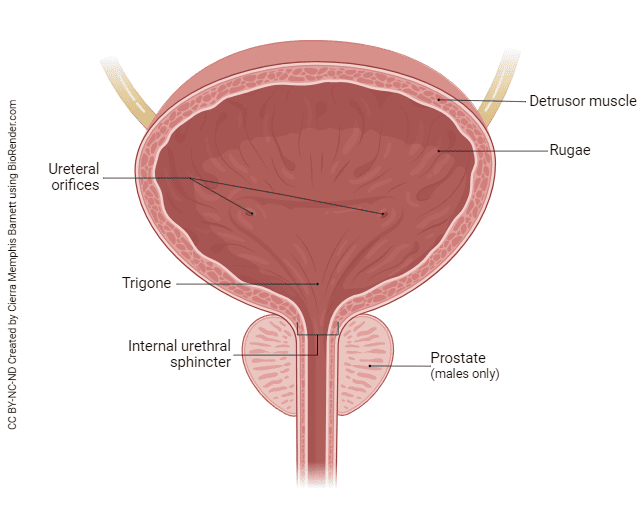
  • Detrusor Muscle: The main smooth muscle of the bladder wall. It's composed of intertwining muscle fibers, and its contraction is responsible for emptying the bladder. It maintains low pressure during filling (compliance) and generates high pressure during voiding.
  • Trigone: A smooth, triangular region on the internal posterior wall of the bladder. It's bordered by the two ureteral openings and the internal urethral orifice. It's less distensible than the rest of the bladder.

Urethra & Sphincters

Urethra: A tube that carries urine from the bladder to the outside of the body.

Sphincters: Crucial for continence.

  • Internal Urethral Sphincter: Located at the bladder neck. It is composed of smooth muscle and is under involuntary (autonomic) control. It is functionally a thickening of the detrusor muscle. In males, it also helps prevent semen reflux into the bladder during ejaculation.
  • External Urethral Sphincter: Located in the urogenital diaphragm, distal to the internal sphincter. It is composed of skeletal muscle and is under voluntary (somatic) control.

II. Innervation of the Bladder and Urethra

The lower urinary tract is innervated by a complex interplay of the autonomic and somatic nervous systems.

1. Parasympathetic Nerves

(Pelvic Nerves - S2-S4 Spinal Cord Segments)

  • Sensory (Afferent): Carry stretch (mechanoreceptor) signals from the detrusor muscle to the spinal cord, indicating bladder filling. These are crucial for initiating the micturition reflex.
  • Motor (Efferent): Excitatory to the detrusor muscle, causing it to contract, and inhibitory to the internal urethral sphincter (causing it to relax). This promotes bladder emptying. Note: Some texts state the internal sphincter is primarily regulated by sympathetic input during storage and parasympathetic inhibition during voiding, or simply that it relaxes passively as the detrusor contracts via its physical connection.

2. Sympathetic Nerves

(Hypogastric Nerves - L1-L3 Spinal Cord Segments)

  • Sensory (Afferent): Primarily transmit signals related to pain and overdistension (extreme fullness) from the bladder.
  • Motor (Efferent):
    • Relax the detrusor muscle (via beta-3 adrenergic receptors) during bladder filling to allow for storage at low pressure.
    • Contract the internal urethral sphincter (via alpha-1 adrenergic receptors) to maintain continence.
    • Innervate blood vessels in the bladder.
  • Role in Ejaculation: Sympathetic activity causes contraction of the internal sphincter to prevent retrograde ejaculation into the bladder.

3. Somatic Nerves

(Pudendal Nerves - S2-S4 Spinal Cord Segments)

  • Sensory (Afferent): Carry sensory information from the urethra and external urethral sphincter, contributing to awareness of bladder fullness and the urge to void.
  • Motor (Efferent): Excitatory to the external urethral sphincter, allowing for voluntary contraction to maintain continence or voluntary relaxation to initiate voiding. This is the voluntary control component.

III. The Micturition Reflex: Storage and Voiding Phases

The process of micturition is a coordinated reflex primarily involving the spinal cord, but it is heavily modulated by higher brain centers.

A. Storage Phase (Bladder Filling):

  • Low Intravesical Pressure: The detrusor muscle is highly compliant, meaning it can stretch significantly without a large increase in internal pressure (due to its viscoelastic properties and sympathetic inhibition).
  • Continence Maintained:
    • Internal Sphincter: Tonically contracted due to sympathetic stimulation.
    • External Sphincter: Tonically contracted due to continuous somatic innervation via the pudendal nerve (voluntary control).
  • Afferent Signals: As the bladder fills, stretch receptors in the detrusor muscle send increasing signals via the pelvic nerves to the sacral spinal cord. These signals also ascend to the brain (pons, cerebral cortex) to create the sensation of bladder fullness.
  • Sympathetic Dominance: During filling, the sympathetic nervous system is dominant, promoting detrusor relaxation and internal sphincter contraction.

B. Voiding Phase (Micturition Reflex):

When bladder volume reaches a threshold (typically 150-300 ml for a conscious urge, 300-400 ml for a strong urge):

  1. Afferent Sensory Signals Intensify: Strong stretch signals from the bladder wall ascend to the pontine micturition center (PMC) in the brainstem and the cerebral cortex.
  2. Voluntary Decision to Void:
    • If appropriate to void, the cerebral cortex sends inhibitory signals to the external urethral sphincter (relaxing it) and excitatory signals to the pontine micturition center.
    • If not appropriate, the cortex sends inhibitory signals to the PMC and reinforces external sphincter contraction.
  3. Activation of the Pontine Micturition Center (PMC): The PMC acts as a "switch." Once activated, it:
    • Inhibits sympathetic outflow to the bladder (stopping detrusor relaxation and internal sphincter contraction).
    • Activates parasympathetic outflow to the bladder via the pelvic nerves (causing detrusor contraction and internal sphincter relaxation).
    • Inhibits somatic outflow to the external urethral sphincter via the pudendal nerves (causing its relaxation).
  4. Detrusor Contraction: The bladder contracts forcefully, increasing intravesical pressure.
  5. Sphincter Relaxation: Both internal (involuntarily) and external (voluntarily) sphincters relax.
  6. Urine Expulsion: Urine is expelled through the urethra.
  7. Reflex Termination: Once the bladder is empty, stretch receptor activity ceases, leading to the inhibition of the PMC and the return to the storage phase (sympathetic dominance and sphincter contraction).

IV. Brain Centers Regulating Micturition

  • Spinal Cord (Sacral Micturition Center): The basic reflex arc is located here. It can operate autonomously in infants or in cases of spinal cord injury above the sacral segments, leading to an involuntary reflex bladder.
  • Pontine Micturition Center (PMC, "Bartholomew's Nucleus"): Located in the brainstem. This is the primary coordinating center for the micturition reflex. It orchestrates the synergistic relaxation of the sphincters and contraction of the detrusor during voiding.
  • Periaqueductal Gray (PAG): A midbrain structure that receives sensory input from the bladder and relays it to the PMC and cortex. It plays a role in the urge to void and emotional modulation of micturition.
  • Cerebral Cortex (Frontal Lobe, Insula, Cingulate Gyrus): Provides voluntary control over the micturition reflex. It can override or initiate the reflex based on social appropriateness and personal will. Damage to these areas can lead to urinary incontinence (e.g., in stroke or dementia).

Modulation by Higher Centers (Voluntary Control)

As the nervous system matures, higher brain centers gain significant control over the basic micturition reflex. This allows for socially appropriate timing of urination.

Role of the Pons (Pontine Micturition Center - PMC):

  • The PMC, located in the brainstem, is a major relay center and coordinates the entire voiding act.
  • During Bladder Filling: Stretch receptor signals ascend from the spinal cord to the pons and then to the brain (cerebral cortex). This creates the perception of bladder fullness and the desire to urinate.
  • Inhibition to Postpone Voiding: Normally, the brain sends inhibitory signals to the PMC to prevent it from activating the micturition reflex. This keeps the detrusor relaxed and the sphincters contracted, allowing urine storage even with a strong urge.
  • Activation to Initiate Voiding: When it is timely and appropriate to urinate, the brain removes its inhibition from the PMC and sends excitatory signals. The PMC then orchestrates voiding by:
    • Activating parasympathetic outflow to the detrusor and internal sphincter.
    • Inhibiting somatic outflow to the external urethral sphincter.
  • Coordination: The PMC ensures the coordinated relaxation of the urethral sphincters and contraction of the detrusor – a crucial synergy for effective voiding.

Role of the Cerebral Cortex (Frontal Lobe):

  • The cerebral cortex (especially the frontal lobe) provides the ultimate voluntary control.
  • It receives sensory input regarding bladder fullness.
  • It sends tonically inhibitory signals to the detrusor muscle (via the PMC) to prevent premature emptying.
  • It also controls the external urethral sphincter via the pudendal nerve (somatic innervation), allowing for voluntary contraction (to hold urine) or relaxation (to initiate voiding).
  • The cortical centers weigh social appropriateness and personal control to decide when to allow micturition.

Micturition Reflex

The micturition reflex process can be summarised as follows:
  • Filling of the urinary bladder
  • Stimulation of stretch receptors
  • Afferent impulses pass through the pelvic nerve and reach the spinal cord
  • Efferent impulses through the pelvic nerve
  • Contraction of the detrusor muscle and relaxation of the internal sphincter
  • The flow of urine into the urethra and stimulation of stretch receptors
  • Afferent impulses through the pelvic nerve
  • Inhibition of pudendal nerve
  • Relaxation of the external sphincter
  • Voiding of the urine or micturition

The micturition reflex is the spinal cord reflex that leads to bladder emptying. While it can function autonomously (as in infants or after certain neurological injuries), it is normally under significant control and modulation by higher brain centers, allowing for voluntary initiation or inhibition.

Basic Micturition Reflex (Spinal Cord Level)

This reflex forms the fundamental mechanism for bladder emptying. It is centered in the sacral spinal cord (S2, S3, S4 segments).

  1. Stimulus: As the bladder fills with urine (typically 300-400 ml, though the first desire to urinate may be around 150-200 ml), stretch receptors in the detrusor muscle of the bladder wall are activated.
  2. Afferent Pathway: Sensory nerve impulses travel from these stretch receptors via the pelvic nerves (parasympathetic afferents) to the sacral spinal cord.
  3. Integration Center: The sacral spinal cord serves as the integration center for this reflex.
  4. Efferent Pathway (Parasympathetic): Motor impulses are conducted through parasympathetic fibers of the pelvic nerves back to the bladder.
  5. Effector Response:
    • Detrusor muscle contracts: The efferent signals excite the detrusor muscle, causing it to contract.
    • Internal Urethral Sphincter relaxes: The same parasympathetic signals (or inhibition of sympathetic tone) cause the involuntary internal urethral sphincter to relax.

Outcome in Infants (Primitive Voiding Center): In infants and young children, whose brain development has not yet established full voluntary control, this spinal reflex predominates. Bladder filling automatically triggers detrusor contraction and sphincter relaxation, leading to involuntary voiding.

The Bladder Filling & Emptying Cycle:

  1. Bladder Fills: Urine enters the bladder via the ureters. The detrusor muscle relaxes (accommodates), and both internal and external sphincters contract to maintain continence.
  2. First Desire to Urinate: (e.g., bladder half full, ~150-200 ml) Stretch receptors send signals to the brain, but the cortical inhibition of the PMC and active contraction of the external sphincter prevent voiding.
  3. Urination Voluntarily Inhibited: Cortical control keeps the external sphincter contracted and inhibits the PMC, thus keeping the detrusor relaxed.
  4. Appropriate Time to Void:
    • The brain removes inhibition from the PMC and activates it.
    • PMC stimulates parasympathetic nerves to the bladder: detrusor contracts, internal sphincter relaxes.
    • PMC inhibits somatic nerves to the external sphincter: external sphincter relaxes.
    • Voluntary contraction of abdominal muscles can aid in increasing voiding pressure.
  5. Voiding: Urine is expelled.
  6. After Voiding: Detrusor relaxes, sphincters close, and the cycle restarts.

Phases of Micturition:

When the micturition reflex is activated and permitted:

  1. Progressive and Rapid Increase in Pressure: Detrusor contraction causes a sharp rise in intravesical pressure.
  2. Period of Sustained Pressure: The detrusor maintains contraction, leading to sustained high pressure, facilitating urine expulsion.
  3. Return of Pressure to Basal Tone: Once the bladder is largely empty, the detrusor relaxes, and pressure returns to the resting (basal) tone.

Abnormalities of Micturition (Neurogenic Bladder Conditions)

Damage to different parts of the nervous system can lead to various forms of neurogenic bladder:

1. Atonic Bladder (Sensory Denervation)

  • Cause: Destruction of sensory nerve fibers from the bladder to the spinal cord (e.g., crush injury, syphilis affecting dorsal roots).
  • Effect: No sensory input means the person doesn't feel bladder fullness. The bladder becomes flaccid, overfilled, and non-contractile.
  • Outcome: Overflow incontinence (urine dribbles out when intravesical pressure exceeds urethral resistance).

2. Automatic Bladder (Spastic Neurogenic Bladder/Upper Motor Neuron Lesion)

  • Cause: Complete transection of the spinal cord above the sacral region, but with intact sacral cord segments and peripheral nerves to the bladder.
  • Effect: The bladder loses all communication with higher brain centers. The basic sacral micturition reflex is intact but uninhibited.
  • Outcome: After an initial phase of spinal shock (where the bladder is flaccid and unresponsive), the sacral reflex returns. The bladder will then empty automatically and completely whenever a certain volume of urine accumulates, without voluntary control. This is often characterized by frequent, small volume voiding.

3. Uninhibited Neurogenic Bladder

  • Cause: Partial damage in the spinal cord or brainstem, interrupting some inhibitory signals from higher centers.
  • Effect: The micturition reflex becomes highly active.
  • Outcome: Even a slight quantity of urine can elicit an uncontrollable and frequent micturition reflex, leading to urgency and sometimes incontinence.

4. Nocturnal Micturition (Bed Wetting/Enuresis)

  • In Children: Normal in infants and children below 3-5 years due to incomplete myelination of motor nerve fibers and insufficient maturation of cortical control over the micturition reflex during sleep.
  • In Adults: Can indicate an underlying medical condition.

5. Incontinence from Impaired Sphincter Function

  • Cause: Weakness or damage to the external urethral sphincter (e.g., after multiple childbirths in women, prostatic surgery in men, or aging).
  • Outcome: Urine leakage, especially in response to sudden increases in intra-abdominal/intravesical pressure (e.g., coughing, sneezing, laughing, lifting) – known as stress incontinence.

Questions (Qns)

  1. Peristaltic contractions in the ureter are enhanced by sympathetic stimulation: a. T b. F
  2. The micturition reflex is centered in the: A. Medulla B. Sacral cord C. Hypothalamus D. Lumbar cord
  3. Which of these is under voluntary control: A. Urethra B. Detrusor muscle C. Internal sphincter D. External sphincter
  4. Which of the following actions happen when the sympathetic is activated: A. bladder contraction, sphincter relaxation B. bladder relaxation, sphincter contraction
  5. A person had a car accident and there was an injury in his spinal cord(L1,L2) after the initial phase of spinal shock, what happened to the bladder? A. paralyzed and flaccid B. Emptying with voluntary control C. Loss of voluntary control

Answers to Practice Questions:

1. Peristaltic contractions in the ureter are enhanced by sympathetic stimulation:

b. F (False) - Ureteral peristalsis is largely intrinsic to the ureteric smooth muscle, influenced by stretch. While autonomic nerves modulate it, sympathetic stimulation tends to decrease activity, while parasympathetic increases it. The ureterorenal reflex (sympathetic constriction of renal arterioles) is a different mechanism.

2. The micturition reflex is centered in the:

B. Sacral cord - This is the primary spinal cord reflex center.

3. Which of these is under voluntary control:

D. External sphincter - Composed of skeletal muscle, it is consciously controlled via the pudendal nerve.

4. Which of the following actions happen when the sympathetic is activated:

B. bladder relaxation, sphincter contraction - Sympathetic activity promotes urine storage by relaxing the detrusor (beta-3 receptors) and contracting the internal sphincter (alpha-1 receptors).

5. A person had a car accident and there was an injury in his spinal cord (L1, L2) after the initial phase of spinal shock, what happened to the bladder?

C. Loss of voluntary control (and it would become an automatic bladder, emptying reflexively). An injury at L1/L2 means the sacral cord and its connections to the bladder are intact, but connections to higher brain centers are cut. Therefore, the bladder would eventually become "automatic" after spinal shock.


https://www.doctorsrevisionuganda.com | Whatsapp: 0726113908

Renal Clearance & Micturition Quiz

Systems Physiology

Enter your details to begin the examination.

🛡️ Privacy Note: Results are for tracking and certification purposes only.

Renal Physiology and Renal Haemodynamics

Renal Physiology and Renal Haemodynamics

Haemodynamics GFR & Diuretics

Systems Physiology: Kidneys, Filtration, GFR & Starling Forces
RENAL PHYSIOLOGY

Functional Anatomy of the Kidneys

The urinary system is a vital organ system responsible for filtering blood, maintaining fluid and electrolyte balance, and excreting waste products.

Components of the Urinary System

  • Paired Kidneys: These are the primary organs, responsible for blood filtration and urine formation.
  • A Ureter for Each Kidney: Muscular tubes that transport urine from the kidneys to the urinary bladder.
  • Urinary Bladder: An expandable muscular sac that stores urine until it's expelled from the body.
  • Urethra: A tube that carries urine from the bladder to the outside of the body.

Main Functions of the Urinary System

  1. Blood Filtration and Waste Excretion:
    • Filter blood: They continuously process blood, removing unwanted substances.
    • Dispose of nitrogenous wastes: These are toxic byproducts of protein metabolism.
      • Urea: The most abundant nitrogenous waste, formed from ammonia in the liver.
      • Uric acid: A byproduct of nucleic acid metabolism.
      • Creatinine: A waste product from muscle metabolism (creatine phosphate breakdown).
    • Remove other toxins: Including drugs, environmental toxins, and various metabolic byproducts.
    • Eliminate excess water and ions: Maintaining appropriate body fluid volume and electrolyte concentrations.
  2. Regulation of Homeostasis:
    • Regulate the balance of water and electrolytes: Essential for maintaining cell volume, nerve impulse transmission, and muscle contraction.
    • Regulate acid-base balance: By excreting hydrogen ions and reabsorbing bicarbonate ions, the kidneys play a crucial role in maintaining blood pH.
  3. Endocrine Functions (Hormone Production):
    • Erythropoietin (EPO): Stimulates red blood cell production in the bone marrow in response to hypoxia.
    • Renin: An enzyme that initiates the Renin-Angiotensin-Aldosterone System (RAAS), which regulates blood pressure and fluid balance.
    • Activation of Vitamin D: Converts inactive vitamin D into its active form (calcitriol), essential for calcium absorption and bone health.

Gross Anatomy of the Kidneys

  • Location:
    • Retroperitoneal organs: This means they are located posterior to the parietal peritoneum, against the posterior abdominal wall. This is a key anatomical landmark.
    • Superior lumbar region: Extending from the T12 to L3 vertebrae. The right kidney is often slightly lower than the left due to the presence of the liver.
  • Shape and Orientation:
    • Bean-shaped: With a characteristic convex lateral surface and a concave medial surface.
    • Hilus (or Hilum): This is the prominent indentation on the medial surface. It serves as the entry and exit point for the renal artery, renal vein, nerves, and the ureter.
  • Associated Structures:
    • Adrenal glands (Suprarenal glands): These endocrine glands sit superior to each kidney, but are functionally separate from the kidneys.

Internal Anatomy of the Kidney: Macroscopic Structure

Upon dissection, the kidney reveals two main regions and further subdivisions:

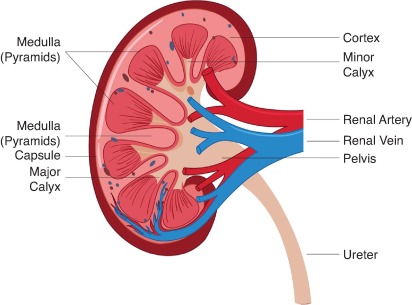
  1. Renal Cortex (Outer Region): Lighter in color, granular texture.
    • Renal Columns: Extensions of the cortex that project down into the medulla, dividing it into distinct pyramid-shaped sections. These columns contain blood vessels and parts of the nephrons.
  2. Renal Medulla (Inner Region): Darker, cone-shaped structures.
    • Renal Pyramids (Medullary Pyramids): 8-18 cone-shaped masses, with their bases facing the cortex and their apices (renal papillae) pointing towards the renal pelvis. These contain parallel bundles of urine-collecting tubules and loops of Henle.
    • Renal Papilla: The apex of each renal pyramid, from which urine drains into a minor calyx.
  3. Renal Lobe: Consists of a renal pyramid and the cortical tissue surrounding it (the renal column on either side and the cortical tissue overlying its base).
    • Number: 5-11 lobes per kidney. Each lobe functions somewhat independently in urine production.
  4. Collecting System:
    • Minor Calyx (plural: Calices): Cup-shaped structures that collect urine directly from the renal papillae of individual pyramids.
    • Major Calyx: Two or three minor calices merge to form a major calyx.
    • Renal Pelvis: The expanded, funnel-shaped superior part of the ureter. It is formed by the convergence of the major calices and acts as a reservoir for urine before it enters the ureter.

Blood Supply to the Kidneys

The kidneys receive a disproportionately large blood supply (about 20-25% of cardiac output) due to their role in blood filtration. Cortex receives >90%.

  • Aorta: The abdominal aorta gives rise to the right and left renal arteries.
  • Renal Artery: Enters the kidney at the hilus.
  • Segmental Arteries: Within the hilus, the renal artery typically divides into 5 segmental arteries.
  • Interlobar Arteries: Segmental arteries branch into interlobar arteries, which pass through the renal columns between the renal pyramids, extending towards the cortex.
  • Arcuate Arteries: At the junction of the medulla and cortex (the corticomedullary junction), the interlobar arteries arch over the bases of the pyramids to become arcuate arteries.
  • Cortical Radiate Arteries (Interlobular Arteries): Arcuate arteries give off numerous cortical radiate arteries that project into the cortex.
  • Afferent Arterioles: Each cortical radiate artery gives rise to numerous afferent arterioles, which supply blood to individual glomeruli.

The Unique Renal Vasculature

Glomerular Capillary Bed

  1. Afferent Arteriole: Carries blood to the glomerulus. Larger in diameter, bringing blood to the glomerulus.
  2. Efferent Arteriole: Carries blood away from the glomerulus. Smaller in diameter, carrying blood away from the glomerulus. This is distinct from most capillary beds, which drain into venules.

    SIGNIFICANCE: The difference in diameter between the afferent and efferent arterioles creates resistance to blood flow, maintaining the high hydrostatic pressure within the glomerulus. This high pressure is the primary driving force for glomerular filtration, literally "forcing" filtrate out of the blood.

Two Capillary Beds in Series

This is a defining feature of the renal circulation:

  1. Glomerulus: The first capillary bed, specialized for filtration.
  2. Peritubular Capillaries (or Vasa Recta): The second capillary bed, arising from the efferent arteriole, specialized for reabsorption and secretion.

A. Peritubular Capillaries

  • Origin: Arise from the efferent arterioles.
  • Location: Primarily surround the PCT and DCT in the renal cortex.
  • Structure: Low-pressure, porous capillaries.
  • Function: Specialized for reabsorption, readily taking up water, solutes, and nutrients that are reabsorbed by the tubule cells. They also play a role in secretion.

B. Vasa Recta

Specific Portion of Peritubular Capillary System. Long, straight capillaries that extend deep into the medulla, running parallel to the loops of Henle of juxtamedullary nephrons. They are crucial for maintaining the medullary osmotic gradient.

Function: The Vasa Recta acts as a countercurrent exchanger

  1. Problem: The high solute concentration (hyperosmolarity) in the medullary interstitium, created by the loop of Henle, is essential for concentrating urine. If regular capillaries simply flowed through, they would rapidly "wash out" this gradient.
  2. Solution: The countercurrent flow within the vasa recta minimizes the loss of solutes from the medullary interstitium. As blood flows down into the hyperosmotic medulla, it picks up solutes and loses water. As it flows back up out of the medulla, it loses solutes and picks up water. This exchange maintains the osmotic gradient.
  3. Result: The vasa recta are able to supply nutrients and remove water from the medulla without dissipating the crucial medullary osmotic gradient.

Role with Loop of Henle: The loop of Henle is the "countercurrent multiplier" (creating the gradient), while the vasa recta is the "countercurrent exchanger" (preserving the gradient).


The Uriniferous Tubule (Renal Tubule) - The Functional Unit

This is the main structural and functional unit of the kidney! It's better known as the nephron. The nephron is the microscopic functional unit of the kidney, responsible for forming urine. There are over a million nephrons in each kidney.

Two Major Parts:

  1. Renal Corpuscle (The urine-forming nephron part): Consists of the glomerulus and Bowman's capsule. This is where filtration occurs.
  2. Renal Tubule: This is where the filtrate is processed (reabsorption and secretion).
Three Main Mechanisms of Urine Formation:
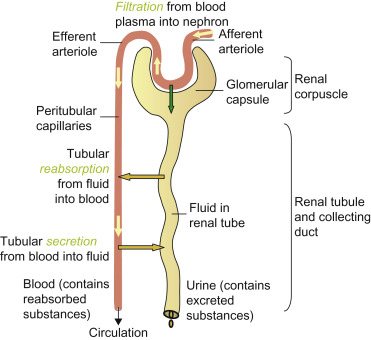
  1. Glomerular Filtration: The bulk movement of fluid and small solutes from the blood in the glomerulus into Bowman's capsule, forming the "filtrate."
  2. Tubular Reabsorption: The selective return of useful substances (water, electrolytes, nutrients) from the filtrate back into the blood in the peritubular capillaries.
  3. Tubular Secretion: The selective movement of additional waste products, excess ions, and toxins from the blood in the peritubular capillaries into the filtrate within the renal tubule, for excretion in urine.

The Nephron

The nephron is indeed the microscopic workhorse of the kidney, responsible for the actual filtration of blood and the formation of urine. Each kidney contains over a million nephrons. A nephron consists of two main parts: the renal corpuscle and the renal tubule.

1. Renal Corpuscle

  • Location: Always found exclusively in the renal cortex.
  • Components:
    • Glomerulus: This is a specialized tuft of fenestrated capillaries. It's unique because it's situated between two arterioles (afferent and efferent), which helps maintain the high pressure necessary for filtration. The primary function of the glomerulus is filtration of blood plasma.
    • Bowman's Capsule:
      • Parietal layer: The outer layer, made of simple squamous epithelium.
      • Visceral layer: The inner layer, which intimately covers the glomerular capillaries. This layer is composed of specialized cells called podocytes. Podocytes have foot-like processes (pedicels) that interdigitate to form filtration slits, which are crucial components of the filtration barrier.
    • Function: Together, the glomerulus and Bowman's capsule form the filtration membrane (or barrier), allowing the passage of water and small solutes from the blood into Bowman's space, while retaining blood cells and large proteins. The fluid collected in Bowman's space is called glomerular filtrate.
  • Classes include: cortical and Juxtamedullary nephrons

2. Renal Tubule

This is a long, convoluted tubule that extends from Bowman's capsule and processes the glomerular filtrate through reabsorption and secretion.

Proximal Convoluted Tubule (PCT):
  • Location: Lies entirely within the renal cortex.
  • Structure: Highly convoluted (twisted) with a lining of cuboidal epithelial cells featuring abundant microvilli (forming a "brush border") on their apical surface, and numerous mitochondria.
  • Function: This is the primary site of non-regulated reabsorption. About 65-70% of filtered water, Na+, Cl-, HCO3-, and nearly all filtered glucose and amino acids are reabsorbed here. It also secretes some organic acids and bases. The brush border significantly increases surface area for reabsorption.
Loop of Henle (Nephron Loop):
  • Structure: A hairpin-shaped loop that dips down into the renal medulla (the extent depends on the type of nephron). It has two limbs:
    • Descending Limb: Permeable to water but impermeable to solutes.
    • Ascending Limb: Impermeable to water but actively transports (reabsorbs) solutes (Na+, Cl-, K+). It has a thin segment (passive transport) and a thick segment (active transport).
  • Function: Creates and maintains the medullary osmotic gradient through its countercurrent multiplier mechanism. This gradient is essential for the kidney's ability to produce concentrated urine.
Distal Convoluted Tubule (DCT):
  • Location: Lies entirely within the renal cortex.
  • Structure: Less convoluted than the PCT, also lined with cuboidal epithelial cells, but with fewer microvilli and mitochondria compared to the PCT.
  • Function: This is the primary site of regulated reabsorption and secretion. Hormones like aldosterone and antidiuretic hormone (ADH) act here to fine-tune the reabsorption of Na+, Cl-, and water, and the secretion of K+ and H+. It plays a critical role in maintaining electrolyte and acid-base balance.

The Collecting Ducts

  • Structure: Collecting ducts receive filtrate from multiple nephrons. They begin in the cortex and extend deep into the renal medulla, converging to form larger papillary ducts that eventually drain urine into the minor calyces.
  • Cell Types: Primarily composed of:
    • Principal cells: Responsible for Na+ and water reabsorption, and K+ secretion, mainly under hormonal control (aldosterone and ADH).
    • Intercalated cells: Play a role in acid-base balance by secreting H+ or HCO3-.
  • Most Important Role: Water Conservation (under ADH control):
    • When the body must conserve water: The posterior pituitary gland secretes Antidiuretic Hormone (ADH), also known as vasopressin.
    • ADH Action: ADH increases the permeability of the principal cells in the collecting tubules and the late distal tubules to water by inserting aquaporin-2 water channels into their apical membranes.
    • Result: This allows more water to be reabsorbed from the filtrate, moving down its osmotic gradient into the hyperosmotic renal medulla.
    • Effect on Urine: This significantly decreases the total volume of urine and makes it more concentrated.
Clinical Relevance - Alcohol: Alcohol inhibits the release of ADH. Without ADH, the collecting ducts remain relatively impermeable to water, leading to less water reabsorption. This results in the production of copious amounts of dilute urine (diuresis), which can contribute to dehydration (and the symptoms of a hangover!).

Determinants of Renal Blood Flow (RBF)

Renal blood flow (RBF) is the volume of blood flowing through the kidneys per unit of time. It directly impacts the glomerular filtration rate (GFR).

Formula: The flow rate through any organ is determined by the pressure difference across the vascular bed and the total vascular resistance.

RBF = (Renal Artery Pressure - Renal Vein Pressure) / Total Renal Vascular Resistance

  • Pressure Gradient:
    • Renal Artery Pressure: Close to systemic arterial pressure (e.g., 90-100 mmHg mean arterial pressure).
    • Renal Vein Pressure: Is significantly lower, around 3-4 mmHg.
    • This large pressure gradient provides a strong driving force for blood flow through the kidneys.
  • Total Renal Vascular Resistance: Resistance to blood flow within the kidney primarily occurs in the small arteries and arterioles, particularly the interlobar arteries, arcuate arteries, cortical radiate arteries, afferent arterioles, and efferent arterioles.
    • Control Mechanisms: This resistance is tightly regulated by:
      • Sympathetic Nervous System: Norepinephrine released by sympathetic nerves causes vasoconstriction, primarily of the afferent arterioles, reducing RBF and GFR.
      • Hormones: Various circulating hormones, such as angiotensin II (vasoconstriction) and prostaglandins (vasodilation), also influence renal vascular resistance.
      • Local Internal Renal Control Mechanisms (Autoregulation): These intrinsic mechanisms are particularly important for maintaining stable RBF and GFR, as detailed below.
    • Impact: An increase in vascular resistance will decrease RBF (and often GFR), and vice versa.
  • Oxygen Consumption: On a per gram weight basis, kidneys usually consume oxygen at twice the rate of the brain but have almost 7 times the blood flow to the brain. If renal blood flow & GFR reduce, less Na+ is filtered & reabsorbed hence consuming less oxygen. Renal O2 consumption is directly related to Na+ re-absorption.

Renal Autoregulation of RBF and GFR

The kidneys possess powerful intrinsic mechanisms to maintain RBF and GFR relatively constant, despite significant fluctuations in systemic arterial blood pressure. This autoregulation works effectively over a wide range of mean arterial pressures, between 80-170 mmHg. This protects the delicate glomerular capillaries from damage due to high pressure and ensures a stable filtration rate for precise waste removal and fluid balance.

There are two primary mechanisms involved in renal autoregulation:

1. Myogenic Response

This is an intrinsic property of the smooth muscle in the walls of the afferent arterioles.

Increased Blood Pressure (and RBF):
  • An increase in systemic blood pressure stretches the smooth muscle cells in the wall of the afferent arteriole.
  • This stretching opens mechanosensitive ion channels (specifically voltage-gated calcium channels) in the smooth muscle cell membrane.
  • Influx of Calcium Ions (Ca2+): The influx of Ca2+ from the extracellular fluid (ECF) into the smooth muscle cells causes them to contract.
  • Vasoconstriction: This leads to constriction of the afferent arteriole, which increases its resistance.
  • Result: The increased resistance counteracts the increased blood pressure, thereby maintaining RBF and GFR at a relatively constant level.
Decreased Blood Pressure (and RBF):
  • A decrease in systemic blood pressure reduces the stretch on the afferent arteriole.
  • This reduces Ca2+ influx, leading to relaxation of the smooth muscle.
  • Vasodilation: The afferent arteriole dilates, decreasing its resistance.
  • Result: This helps to restore RBF and GFR towards normal levels.

2. Tubuloglomerular Feedback (TGF)

This involves communication between the renal tubule and the afferent arteriole, mediated by the juxtaglomerular apparatus (JGA).

Macula Densa: These are specialized chemoreceptor cells located in the wall of the distal convoluted tubule (specifically, the initial part) where it passes adjacent to the afferent and efferent arterioles of its own glomerulus. They are sensitive to the concentration of NaCl in the tubular fluid.

Sequence of Events for Increased GFR:
  1. Increase in GFR: Leads to a faster flow rate of filtrate through the renal tubule.
  2. Increased NaCl Concentration: Due to the faster flow, there is less time for NaCl to be reabsorbed in the PCT and Loop of Henle, resulting in an increase in NaCl concentration reaching the macula densa cells.
  3. Macula Densa Response: The macula densa cells detect this increased NaCl. They release vasoconstrictor substances (e.g., adenosine from ATP breakdown) into the interstitial fluid surrounding the afferent arteriole.
  4. Constriction of Afferent Arteriole: Adenosine causes vasoconstriction of the afferent arteriole.
  5. Decrease in GFR: The increased resistance in the afferent arteriole reduces glomerular blood flow and subsequently decreases GFR back towards normal.
Sequence of Events for Decreased GFR:
  1. Decrease in GFR: Leads to a slower flow rate of filtrate.
  2. Decreased NaCl Concentration: More time for NaCl reabsorption results in a decrease in NaCl concentration reaching the macula densa.
  3. Macula Densa Response: The macula densa cells respond by releasing vasodilator substances (e.g., prostaglandins, nitric oxide) and decreasing the release of vasoconstrictors. Critically, a decrease in NaCl delivery to the macula densa also stimulates the release of renin from the juxtaglomerular (granular) cells of the afferent arteriole. Renin leads to the production of angiotensin II, which can cause both afferent and efferent arteriolar constriction, but in this context, the local vasodilatory signals often dominate the afferent arteriole.
  4. Dilation of Afferent Arteriole: The vasodilatory substances cause dilation of the afferent arteriole.
  5. Increase in GFR: The decreased resistance in the afferent arteriole increases glomerular blood flow and hence increases GFR back towards normal.

Glomerular Filtration

Glomerular filtration is the initial, non-selective step in urine formation. It involves the bulk movement of fluid and small solutes from the blood in the glomerular capillaries into Bowman's capsule.

  • Process: Blood flows through the glomerulus, and a protein-free plasma ultrafiltrate is forced through the specialized filtration barrier into Bowman's space.
  • Fraction Filtered: Approximately 20% of the plasma entering the glomerulus is filtered. This is known as the filtration fraction.

Glomerular Filtration Rate (GFR)

The volume of plasma filtrate produced by both kidneys per minute.

  • Average Rate:
    • Per minute: 125 ml/min (which is about 16-20% of the renal plasma flow, ~650 ml/min * 0.19 = 123.5 ml/min).
    • Per day: 180 L/day.
  • Reabsorption: About 99% of this filtered fluid (178.5 L/day) is reabsorbed back into the blood. Only 1% (1.5 – 2 L/day) is excreted as urine.
  • Consequence of Impaired Reabsorption: If this reabsorption did not occur, death from dehydration would ensue rapidly.
  • Variability: GFR can vary with factors like kidney size, lean body weight, and the number of functional nephrons.

Factors Determining Glomerular Filtration Rate (GFR)

GFR is determined by four main factors:

1. Net Filtration Pressure (NFP) - The Starling Forces

Starling forces are the hydrostatic and oncotic (colloid osmotic) pressure gradients acting across a capillary membrane. In the glomerulus, these forces determine the net pressure driving fluid out of the capillaries and into Bowman's capsule.

Formula: NFP = (Pgl - Pbs) - (πgl - πbs)

Where:

  • Pgl: Glomerular hydrostatic pressure (promotes filtration)
  • Pbs: Hydrostatic pressure in Bowman's capsule (opposes filtration)
  • πgl: Colloid osmotic pressure of glomerular plasma proteins (opposes filtration)
  • πbs: Colloid osmotic pressure in Bowman's capsule (usually negligible, close to 0, as healthy glomeruli prevent protein passage).

Typical Values:

A. Glomerular Hydrostatic Pressure (Pgl): ~ 60 mmHg

This is the main force promoting filtration.

  • Increases Pgl (and thus GFR): Moderate increase in arterial blood pressure (though often buffered by autoregulation).
    • Afferent arteriole vasodilation: Increases blood flow into the glomerulus.
    • Moderate efferent arteriole vasoconstriction: "Backs up" blood in the glomerulus, raising pressure.
  • Decreases Pgl (and thus GFR):
    • Afferent arteriole vasoconstriction: Reduces blood flow into the glomerulus.
    • Efferent arteriole vasodilation: Reduces resistance, allowing blood to flow out of the glomerulus more easily, dropping pressure.
B. Hydrostatic Pressure in Bowman's Capsule (Pbs): ~ 18 mmHg

This force opposes filtration.

  • Increases Pbs (and thus decreases GFR):
    • Urinary obstruction: Any blockage downstream from Bowman's capsule (e.g., kidney stones, enlarged prostate) causes urine to back up, increasing pressure in the capsule.
    • Kidney edema: Swelling of the kidney tissue can compress Bowman's capsule, raising pressure.
C. Colloid Osmotic Pressure of Glomerular Plasma Proteins (πgl): ~ 32 mmHg

This force opposes filtration because the proteins in the blood "pull" water back into the capillaries.

  • Increases πgl (and thus decreases GFR):
    • Dehydration: Increases the concentration of plasma proteins.
    • Decrease in renal blood flow: If RBF slows, more water is filtered, concentrating the proteins in the remaining blood in the glomerulus.
    • Severe efferent vasoconstriction: While initially increasing Pgl, if severe enough, it significantly slows flow, allowing more filtration and thus a higher concentration of proteins in the remaining glomerular blood, which can ultimately decrease NFP and GFR (as you correctly noted, this is a pathological condition).
  • Decreases πgl (and thus increases GFR):
    • Hypoproteinemia: Low plasma protein levels (e.g., due to liver disease, malnutrition, or protein loss syndromes).
    • Increase in renal blood flow: Less time for plasma proteins to become concentrated.

Calculated NFP: Using the typical values, NFP = 60 - 18 - 32 = 10 mmHg. This small net driving pressure underscores the efficiency and delicate balance of glomerular filtration.

2. Blood Circulation Throughout the Kidneys (Renal Blood Flow & Renal Plasma Flow)

The volume of blood delivered to the glomeruli directly influences the amount of plasma available for filtration and the pressures within the glomerulus.

  • Renal Blood Flow (RBF): Approximately 1200 ml/min (~20% of cardiac output).
  • Renal Plasma Flow (RPF): Approximately 650 ml/min (RBF * (1 - hematocrit)).

3. Permeability of the Filtration Barrier

The glomerular filtration barrier is a highly specialized, three-layered structure that allows the passage of water and small solutes but restricts larger molecules (like proteins) and cells.

  • A. The Fenestrated Endothelium of the Glomerular Capillary: The innermost layer. Endothelial cells have numerous large pores (fenestrations) that make them highly permeable. They prevent the filtration of blood cells.
  • B. The Glomerular Basement Membrane (GBM): A fused, non-cellular layer composed of glycoproteins and proteoglycans. It is highly negatively charged due to the presence of proteoglycans. This negative charge is crucial for repelling negatively charged plasma proteins (like albumin), thus preventing their filtration.
  • C. The Filtration Slits formed by Podocytes: The outermost layer. Podocytes are specialized epithelial cells of the visceral layer of Bowman's capsule. Their foot processes (pedicels) interdigitate to form narrow gaps called filtration slits, which are bridged by slit diaphragms. These diaphragms act as a final selective barrier, preventing the passage of most proteins.

4. Filtration Membrane Surface Area

The total surface area available for filtration directly impacts GFR.

  • Factors influencing surface area:
    • Mesangial cells: These specialized cells within the glomerulus can contract, altering the surface area of the glomerular capillaries available for filtration.
    • Disease states: Glomerular diseases (e.g., glomerulonephritis) can reduce the number of functional glomeruli or damage the filtration barrier, decreasing surface area and permeability.
Clinical Significance of GFR
  • Relationship between GFR and NFP:
    • ↑ NFP → ↑ GFR
    • ↓ NFP → ↓ GFR
Importance of GFR Regulation:
If GFR is too high:
  • Fluid flows through the renal tubules too rapidly.
  • There is insufficient time for adequate reabsorption of essential substances (water, electrolytes, nutrients).
  • This leads to excessive urine output, posing a threat of dehydration and electrolyte depletion.
If GFR is too low:
  • Fluid flows sluggishly through the tubules.
  • Tubules reabsorb waste products (like urea, creatinine, uric acid) that should be eliminated from the body.
  • This leads to the accumulation of nitrogen-containing substances in the blood, a condition known as azotemia, which can progress to uremia and cause severe systemic effects.

Regulation of Glomerular Filtration Rate (GFR)

Maintaining a stable GFR is paramount for overall body homeostasis. It's too high, and valuable substances are lost; it's too low, and wastes accumulate. GFR is primarily controlled by adjusting glomerular blood pressure (Pgc) and, to a lesser extent, the filtration coefficient (Kf) (which relates to permeability and surface area of the filtration barrier).

1. Autoregulation (Intrinsic Mechanisms)

These mechanisms operate within the kidney to maintain GFR relatively constant despite changes in systemic arterial pressure (between 80-170 mmHg).

  • A. Myogenic Mechanism: covered
  • B. Tubuloglomerular Feedback (TGF): covered

2. Sympathetic Control (Extrinsic Mechanism)

When the body is under significant stress, the sympathetic nervous system can override renal autoregulation.

  • At Rest: Renal blood vessels are maximally dilated (or only moderately constricted), and autoregulation mechanisms prevail.
  • Under Stress (e.g., severe hemorrhage, "fight-or-flight" situations):
    • Norepinephrine is released from sympathetic nerve endings, and epinephrine is released from the adrenal medulla.
    • These catecholamines act on alpha-1 adrenergic receptors on both afferent and efferent arterioles, causing vasoconstriction. The afferent arteriole is generally more sensitive and constricts more significantly.
    • Result: Significant afferent arteriole vasoconstriction, which drastically reduces renal blood flow and decreases GFR.
    • Physiological Purpose: This shunts blood away from the kidneys and towards more vital organs (brain, heart, skeletal muscle) during acute crises.
    • Additional Effect: Sympathetic stimulation also directly stimulates the juxtaglomerular cells to release renin, activating the renin-angiotensin system, which further contributes to vasoconstriction (especially efferent) and helps maintain systemic blood pressure.

3. Hormonal Control


Renin-Angiotensin-Aldosterone System (RAAS):

  • Stimuli for Renin Release:
    • Decreased NaCl delivery to the macula densa (as in TGF).
    • Decreased renal perfusion pressure (detected by baroreceptors in the afferent arteriole).
    • Sympathetic nerve stimulation (beta-1 receptors on JG cells).
  • Angiotensin II:
    • A potent vasoconstrictor, especially of the efferent arteriole. Efferent constriction increases Pgc and thus GFR (up to a point).
    • Also causes systemic vasoconstriction, helping to raise overall blood pressure.
    • Stimulates aldosterone release (Na+ reabsorption) and ADH release (water reabsorption).

Prostaglandins:

Renal prostaglandins (e.g., PGE2, PGI2) are local vasodilators. They counteract the vasoconstrictive effects of sympathetic activity and angiotensin II, helping to maintain GFR when renal perfusion is threatened. NSAIDs (like ibuprofen) can inhibit prostaglandin synthesis, which can decrease GFR, especially in compromised kidneys.

Natriuretic Peptides (ANP, BNP):

Released in response to high blood volume/pressure. They cause vasodilation (especially of the afferent arteriole) and inhibit renin/aldosterone, generally increasing GFR and promoting Na+/water excretion.

Clinical Application of RAAS Inhibitors (ACEIs and ARBs)

  • ACE Inhibitors (ACEIs): Block the conversion of angiotensin I to angiotensin II.
  • Angiotensin Receptor Blockers (ARBs): Block the binding of angiotensin II to its receptors.

Effect on GFR: Both reduce the effects of angiotensin II, including its efferent arteriolar vasoconstriction.

Consequence: Loss of efferent arteriolar vasoconstriction leads to efferent vasodilation. This reduces Pgc and, therefore, decreases GFR.

Relevance in Renal Artery Stenosis:

  • In renal artery stenosis, the kidney with the narrowed artery relies heavily on efferent arteriole constriction (mediated by locally high angiotensin II due to reduced perfusion) to maintain GFR.
  • Administering ACEIs or ARBs in such patients blocks this compensatory efferent constriction, causing a precipitous drop in GFR and potentially leading to acute renal failure. This is why these drugs are contraindicated or used with extreme caution in bilateral renal artery stenosis (or unilateral stenosis in a patient with only one functional kidney).

GENERAL PRINCIPLES OF RENAL TUBULAR TRANSPORT

All movement of substances across the renal tubule cells and into or out of the tubular lumen relies on fundamental transport mechanisms.

Transport Mechanisms Across Cell Membranes

These are the universal ways substances move across biological membranes:

Passive Transport

Movement of substances down their electrochemical gradient, requiring no direct energy expenditure by the cell.

  • i. Diffusion: Random movement of molecules from an area of higher concentration to an area of lower concentration. Examples in the kidney include the diffusion of urea.
  • ii. Facilitated Diffusion: Movement of molecules down their electrochemical gradient, but requiring the assistance of a membrane protein (channel or carrier). Still passive, as no ATP is directly consumed.
    • Channels: Provide a hydrophilic pore through which specific ions or water can pass (e.g., aquaporin channels for water, ion channels for K+).
    • Carriers (Transporters): Bind to the solute and undergo a conformational change to move it across the membrane.
      • Uniport: Transports a single solute in one direction (e.g., glucose transporters on the basolateral membrane of PCT cells).
      • Coupled Transport (Cotransport): Transports two or more solutes simultaneously.
        • Symport: Transports two or more solutes in the same direction (e.g., Na+-glucose cotransporter on the apical membrane of PCT cells).
        • Antiport: Transports two or more solutes in opposite directions (e.g., Na+-H+ exchanger on the apical membrane of PCT cells).
  • iii. Solvent Drag: Occurs when water moves across an epithelium by osmosis, carrying dissolved solutes with it (dragging them along). This is a passive process, and its importance is particularly noted in the paracellular pathway (between cells). For example, as water is reabsorbed in the proximal tubule, it can "drag" along solutes like Ca2+ and K+.

Active Transport

Movement of substances against their electrochemical gradient, requiring direct (primary active transport) or indirect (secondary active transport) energy expenditure by the cell (ATP hydrolysis).

  • Primary Active Transport: Directly uses ATP (e.g., Na+-K+-ATPase pump on the basolateral membrane of all tubular cells, actively pumping Na+ out of the cell and K+ into the cell, creating gradients).
  • Secondary Active Transport: Uses the electrochemical gradient established by primary active transport (e.g., the Na+ gradient created by the Na+-K+-ATPase) to move another substance against its gradient. Na+-glucose symporter is a classic example.

I. Transepithelial Transport Pathways (Routes of Reabsorption/Secretion)

Substances moving between the tubular lumen and the peritubular capillary must cross the renal tubular epithelium. There are two main routes:

A. Transcellular Pathway ("Through Cells"):

Substances move through the tubular epithelial cells, crossing two cell membranes:

  1. The apical (luminal) membrane: Facing the tubular fluid.
  2. The basolateral membrane: Facing the interstitial fluid and peritubular capillaries.
  • Mechanism: This pathway involves a combination of channels, carriers, and pumps on both membranes.
  • Example: Na+ Reabsorption in the Proximal Tubule (PT):
    1. Movement into the cell across the apical membrane: Na+ enters the cell from the tubular lumen, usually down its electrochemical gradient (due to low intracellular Na+ and negative cell potential). This can occur via channels, symporters (e.g., Na+-glucose), or antiporters (e.g., Na+-H+ exchanger).
    2. Movement into the extracellular fluid across the basolateral membrane: Na+ is actively pumped out of the cell into the interstitial fluid (against its electrochemical gradient) by the Na+-K+-ATPase pump. This pump is the primary engine driving most renal reabsorption, as it maintains the low intracellular Na+ concentration.

B. Paracellular Pathway ("Between Cells"):

Substances move between the tubular epithelial cells, passing through the tight junctions and the lateral intercellular spaces.

  • Permeability: The "tightness" of these junctions varies along the nephron. The proximal tubule has relatively "leaky" tight junctions, allowing for significant paracellular transport. More distal segments have "tighter" junctions.
  • Mechanisms: Primarily passive processes:
    1. Diffusion: Driven by concentration gradients.
    2. Solvent Drag: As water moves paracellularly due to osmotic gradients, it carries dissolved solutes with it.
  • Examples:
    1. Reabsorption of Ca2+ and K+ across the PT: A significant portion of these ions can be reabsorbed paracellularly, especially in the proximal tubule.
    2. Water Reabsorption across the PT: While water also moves transcellularly via aquaporins, a considerable amount (especially in the proximal tubule) moves paracellularly.
    3. Solutes dissolved in water by solvent drag: As water is reabsorbed paracellularly, it drags along ions like Ca2+ and K+.

Tubular Reabsorption

The process of moving substances from the tubular lumen back into the blood of the peritubular capillaries. This is about retention of useful substances.

  • Mechanism: Involves both active transport of solutes and passive movement of water.
  • Substances Reabsorbed: Critically important substances such as:
    • Nutritive value: Glucose, amino acids, vitamins.
    • Electrolytes: Na+, K+, Cl-, HCO3-.
  • Special Case: Small Proteins & Peptide Hormones: These are reabsorbed in the proximal tubule by endocytosis (a form of active transport where the cell engulfs the substance). Once inside the cell, they are usually broken down into amino acids.

Tubular Secretion

The process of moving substances from the peritubular capillaries (or directly from the tubular cells) into the tubular lumen. This is about elimination of unwanted substances or fine-tuning plasma concentration.

  • Mechanism: Primarily active transport, often utilizing specialized carriers.
  • Purpose: Addition of a substance to the glomerular filtrate for excretion.
  • Carrier Specificity: Many secretion carriers are relatively non-selective, meaning one carrier can transport several different, structurally related substances.
    • Example: The carrier that secretes para-aminohippurate (PAH) can also secrete other organic acids like uric acid, bile acids, penicillin, probenecid, cephalothin, and furosemide. This highlights potential drug-drug interactions where one drug can compete with another for secretion, affecting its elimination.


RENAL PHYSIOLOGY

Renal Tubular Transport Maximum (Tm)

The maximum rate (amount per minute) at which a specific substance can be actively transported (either reabsorbed or secreted) by the renal tubules. It reflects the saturation point of the carrier proteins involved in active transport.

When the filtered load of a substance (concentration in plasma * GFR) exceeds the capacity of its specific transporters, the transporters become saturated, and the excess substance is unable to be transported.

Tm-Limited Substances

These are substances transported by active transport.

  • Examples of Tm-Limited Reabsorption: Glucose, amino acids, phosphate, sulfate, uric acid (though uric acid also undergoes secretion), acetoacetate, beta-hydroxybutyrate, albumin (via endocytosis).
Clinical Relevance of Glucose Tm: If blood glucose levels are too high (e.g., in uncontrolled diabetes mellitus), the filtered load of glucose exceeds the Tm for glucose, and glucose appears in the urine (glucosuria).

No Tm (or high Tm)

Substances that are primarily transported by passive diffusion (their transport rate depends on concentration gradients, not carrier saturation) or have such a high transport capacity that saturation is rarely reached under normal physiological conditions.

  • Examples: Urea (passive reabsorption), creatinine (passive filtration and secretion), Na+ (reabsorbed actively, but the active reabsorption rate is so high and tightly regulated that it's often not considered "Tm-limited" in the same way as glucose; rather, it's regulated by overall body fluid and electrolyte balance). HCO3- reabsorption is also highly regulated but not in a classical Tm-limited fashion at physiological concentrations.

Transport Across Nephron Segments


I. Proximal Tubule (PT)

The Proximal Tubule (PT) is the workhorse of reabsorption, reclaiming the bulk of the filtered substances. Non-regulated reabsorption of the majority of filtered water and solutes.

  • ~67% of filtered water, Na+, Cl-, K+, and other solutes.
  • 100% of filtered glucose & amino acids. This prevents the loss of vital nutrients in urine under normal conditions.

Substances NOT Reabsorbed:

  • Inulin, Creatinine, Sucrose, Mannitol: These are important because they are used as markers for GFR measurement (inulin, creatinine) or to induce osmotic diuresis (mannitol). Their non-reabsorption means their excretion rate reflects their filtration rate.
  • H+ (coupled to Na+ reabsorption), PAH (para-aminohippurate), Urate, Penicillin, Sulphonamides, Creatinine (a small amount). This is vital for acid-base balance and eliminating waste products and drugs.

Mechanisms of Na+ Reabsorption in the PT:

Sodium reabsorption is a two-step process driven by the Na+-K+-ATPase pump on the basolateral membrane. This pump actively moves 3 Na+ ions out of the cell (into the interstitial fluid) and 2 K+ ions into the cell, creating:

  • A low intracellular Na+ concentration.
  • A negative intracellular potential.

These two gradients (chemical and electrical) provide the driving force for Na+ entry across the apical membrane.

a) In Early PT (S1 and S2 segments): Cotransport with H+/organic solutes.

Apical Membrane (Lumen to Cell): Na+ moves down its electrochemical gradient into the cell, coupled with other substances.

Na+-H+ Antiporter (NHE3)

This is a crucial transporter. Na+ moves into the cell, and H+ moves into the lumen.

  • Linked to HCO3- Reabsorption: The secreted H+ combines with filtered HCO3- in the lumen to form H2CO3, which then dissociates into H2O and CO2 (catalyzed by luminal carbonic anhydrase). CO2 diffuses into the cell, where it combines with H2O to form H2CO3, which then dissociates into H+ (recycled by NHE3) and HCO3-. This HCO3- then exits the basolateral membrane into the blood. Therefore, Na+-H+ exchange is essential for reclaiming filtered bicarbonate.
  • Carbonic Anhydrase Inhibitors (e.g., Acetazolamide): These drugs inhibit the enzyme, preventing the formation of CO2 and H2O from H2CO3 in the lumen and thus hindering HCO3- reabsorption. This leads to increased HCO3- and Na+ excretion, causing a metabolic acidosis and diuresis.
Na+-Glucose Symporter (SGLT)

This is the primary mechanism for glucose reabsorption. Na+ moves down its gradient, pulling glucose into the cell against its gradient. Similar symporters exist for amino acids, phosphate, and lactate.

  • Transtubular Osmotic Gradient: As these solutes (especially Na+, glucose, amino acids) are actively reabsorbed, the tubular fluid becomes hypotonic relative to the intracellular fluid and interstitial fluid. This creates an osmotic gradient that drives the passive reabsorption of water (via aquaporin-1 channels and paracellularly).

Effect on Cl- Concentration: Because more water is reabsorbed in early PT than Cl- (which is initially reabsorbed to a lesser extent than Na+), the Cl- concentration in the tubular fluid rises along the length of the early PT. This sets up a gradient for Cl- reabsorption in the late PT.

b) In Late PT (S3 segment):

  • Primary Mechanism: Chloride-driven sodium transport (both transcellular & paracellular).
  • Key Characteristic: Fluid entering the late PT has a very low concentration of glucose, amino acids, and HCO3- (as these were largely reabsorbed earlier). Crucially, it has a high concentration of Cl- (up to 140 mEq/L, compared to ~105 mEq/L at the beginning of the PT).
  • Paracellular Cl- & Na+ Reabsorption:
    • This high luminal Cl- concentration creates a concentration gradient favoring the diffusion of Cl- from the lumen, through the "leaky" tight junctions, into the lateral intercellular space.
    • As Cl- moves out of the lumen, it makes the lumen slightly electropositive relative to the interstitial fluid.
    • This positive charge in the lumen then provides an electrical driving force for Na+ to diffuse paracellularly from the lumen into the blood.
  • Transcellular Cl- & Na+ Reabsorption (Apical Membrane):
    • Na+-H+ Antiporter: Still present and active.
    • Cl--Anion Exchangers: One or more Cl- anion antiporters (e.g., Cl- with formate, oxalate, or other organic anions) facilitate Cl- entry into the cell.
  • Basolateral Membrane (Cell to Interstitial Fluid):
    • Na+-K+-ATPase pump: Continues to pump Na+ out.
    • K+-Cl- Cotransporter: Cl- leaves the cell into the interstitial fluid via this cotransporter (or by Cl- channels).

II. Loop of Henle (LOH)

The Loop of Henle is critical for establishing the medullary osmotic gradient, which is essential for concentrating urine.

  • Overall Function: Creates a concentrated interstitial fluid in the renal medulla.
  • Key Reabsorption Figures:
    1. ~20% of filtered Na+ and Cl-.
    2. ~15% of filtered water.
    3. Cations: K+, Ca2+, Mg2+.

Segments of the LOH:

a) Thin Descending Limb (TDLOH):

  • Permeability: Highly permeable to water, but relatively impermeable to solutes (Na+, Cl-).
  • Mechanism: As the filtrate descends into the hypertonic medulla, water moves passively out of the tubule into the interstitial fluid by osmosis.
  • Result: The tubular fluid becomes progressively more concentrated (hypertonic) as it moves down the descending limb.
  • Diffusion of Na+: A small amount of Na+ can diffuse from the hypertonic interstitial fluid into the tubular lumen (down its concentration gradient), contributing to the concentration of the filtrate.

b) Thin Ascending Limb (TALOH):

  • Permeability: Highly permeable to solutes (Na+, Cl-), but largely impermeable to water.
  • Mechanism: Passive diffusion of Na+ and Cl- out of the tubule into the interstitial fluid, driven by their concentration gradients (established by water reabsorption in the TDLOH).
  • Result: The tubular fluid becomes less concentrated (hypotonic) as it moves up the ascending limb.

c) Thick Ascending Limb (TAL):

  • Permeability: Impermeable to water. This is crucial for diluting the tubular fluid.
  • Key Reabsorption: Reabsorbs ~20-25% of filtered Na+, Cl-, and other cations (K+, Ca2+, Mg2+).
  • Mechanisms of Na+ Reabsorption:
    • Transcellular Active Reabsorption (~50% of Na+):
      • Basolateral Membrane: Na+-K+-ATPase pump actively extrudes Na+ into the interstitial fluid, creating a low intracellular Na+ concentration.
      • Apical Membrane: Na+-K+-2Cl- Symporter (NKCC2 transporter): This is the key transporter in the TAL. It moves 1 Na+, 1 K+, and 2 Cl- ions from the tubular lumen into the cell. This is a secondary active transport system, driven by the Na+ gradient.
        • Loop Diuretics (e.g., Furosemide, Ethacrynic Acid): These drugs inhibit the NKCC2 symporter, preventing the reabsorption of Na+, K+, and Cl-. This leads to a significant increase in water and electrolyte excretion, hence their potent diuretic effect.
      • K+ Recycling: Some of the K+ entering the cell via NKCC2 leaks back into the lumen via K+ channels. This "K+ recycling" is crucial for maintaining the K+ concentration in the lumen, ensuring continued operation of the NKCC2 symporter.
      • Lumen-Positive Potential: The back-diffusion of K+ into the lumen, combined with the net reabsorption of negative charge (Cl-), creates a lumen-positive transepithelial potential difference (+6 to +10 mV).
    • Paracellular Passive Reabsorption (~50% of Na+ and other cations):
      • The lumen-positive potential generated by K+ recycling and active transport in the TAL provides the driving force for the paracellular reabsorption of positively charged ions like Na+, K+, Ca2+, and Mg2+ through the tight junctions. This mechanism is critical for reclaiming these important cations.
      • Na+-H+ Antiporter: Also present in the TAL, contributing to H+ secretion and HCO3- reabsorption.

III. Distal Tubule (DT) & Collecting Duct (CD)

These segments are responsible for the fine-tuning of electrolyte and water balance, largely under hormonal control.

  • Overall Function: Regulated reabsorption of remaining Na+, Cl-, and water, and regulated secretion of K+ and H+.
  • Key Reabsorption Figures:
    1. ~7% of filtered NaCl.
    2. ~8-17% of filtered water.
  • Key Secretion Figures:
    1. K+ and H+.

a) Early Distal Tubule (DCT1 or Cortical Diluting Segment):

  • Permeability: Impermeable to water.
  • Key Reabsorption: Reabsorbs Na+ and Cl-.
  • Mechanism:
    • Apical Membrane: Na+-Cl- Symporter (NCC transporter). Na+ and Cl- move into the cell.
    • Basolateral Membrane: Na+-K+-ATPase pumps Na+ out, and Cl- leaves via Cl- channels or cotransporters.
  • Result: Since water cannot follow the reabsorbed solutes, the tubular fluid becomes even more dilute as it passes through this segment. Hence, it's called the "cortical diluting segment."
  • Thiazide Diuretics: These drugs inhibit the NCC symporter, reducing NaCl reabsorption, leading to increased water and electrolyte excretion.

b) Late Distal Tubule (DCT2) and Collecting Duct (CD):

This segment contains two main cell types, and their function is highly regulated by hormones, particularly Aldosterone and Antidiuretic Hormone (ADH).

i. Principal Cells:

  • Function: Reabsorb Na+ and water, and secrete K+.
  • Na+ Reabsorption:
    • Basolateral Membrane: Na+-K+-ATPase pump actively moves Na+ out of the cell.
    • Apical Membrane: Na+ enters the cell from the lumen via Epithelial Sodium Channels (ENaC), moving down its electrochemical gradient. This makes the lumen negatively charged.
  • Cl- Reabsorption: Primarily via the paracellular pathway, driven by the lumen-negative charge created by Na+ influx.
  • Water Reabsorption:
    • Apical Membrane: Presence of Aquaporin-2 (AQP2) water channels.
    • ADH (Vasopressin) Role: ADH binds to receptors on the principal cells, triggering the insertion of AQP2 channels into the apical membrane. This makes the cells permeable to water, allowing water to move by osmosis into the hypertonic medullary interstitium.
    • Absence of ADH: In the absence of ADH, AQP2 channels are withdrawn, and the principal cells are essentially impermeable to water. This results in the excretion of dilute urine.
  • K+ Secretion:
    • Basolateral Membrane: K+ is actively pumped into the cell by the Na+-K+-ATPase.
    • Apical Membrane: K+ then diffuses out of the cell into the lumen via K+ channels (ROMK channels).
    • Factors influencing K+ secretion: Luminal fluid flow rate, luminal Na+ concentration, and especially Aldosterone.

ii. Intercalated Cells (Alpha and Beta):

  • Alpha-Intercalated Cells: Primarily responsible for H+ secretion (via H+-ATPase and H+-K+-ATPase on the apical membrane) and K+ reabsorption (via H+-K+-ATPase on the apical membrane). Important for acid-base balance.
  • Beta-Intercalated Cells: Primarily secrete HCO3- and reabsorb H+. (Less common focus in general overviews).
Role of Aldosterone on Principal Cells:
  • Mechanism: Aldosterone, a steroid hormone, enters the principal cell and binds to intracellular receptors. This complex then acts as a transcription factor, increasing the synthesis and insertion of:
    1. ENaC channels on the apical membrane, increasing Na+ reabsorption.
    2. Na+-K+-ATPase pumps on the basolateral membrane, increasing Na+ extrusion and K+ uptake.
    3. ROMK channels on the apical membrane, increasing K+ secretion.
  • Overall Effect: Increases Na+ reabsorption and increases K+ secretion.
  • Timeframe: This process takes several hours to manifest because it involves protein synthesis.
  • Magnitude: Aldosterone significantly influences Na+ and K+ balance, though it affects a smaller percentage of overall filtered Na+ than the PT or LOH.

Role of Aldosterone on Intercalated Cells (specifically Alpha-Intercalated):
  • Effect: Aldosterone stimulates the H+-ATPase pump on the apical membrane of alpha-intercalated cells, thereby increasing H+ secretion into the lumen (and K+ reabsorption). This is vital for regulating acid-base balance.

Water Reabsorption

Always occurs by osmosis, following the osmotic gradients created by solute reabsorption.

  • Channels: Water moves through specialized water channels called aquaporins.
    • Aquaporin-1 (AQP1): Constitutively expressed in the proximal tubule and descending limb of the Loop of Henle.
    • Aquaporin-2 (AQP2): Regulated by ADH in the collecting ducts.
    • Other aquaporins (e.g., AQP3, AQP4) are on the basolateral membranes of collecting duct cells.
  • Segmental Breakdown:
    • PT: ~67% of filtered water reabsorbed (passively, via AQP1).
    • LOH:
      • Descending Thin Segment: ~15% reabsorbed (passively, via AQP1).
      • Ascending Limbs (Thin & Thick): Impermeable to water. This is crucial for diluting the tubular fluid and establishing the medullary gradient.
    • DT & CD: ~8-17% reabsorbed.
      • Distal Convoluted Tubule (Early DT) & Connecting Tubule (CNT): Impermeable to water.
      • Cortical, Outer, & Inner Medullary CD: Water reabsorption here is entirely dependent on ADH.

Obligatory Reabsorption (Must Reabsorb)

The portion of water reabsorbed that is not under hormonal control and occurs automatically in response to osmotic gradients.

  • Amount: Approximately 85% of filtered water.
  • Location: Occurs in the PT (~67%) and the descending limb of LOH (~15-18%).
  • Mechanism: Driven by the reabsorption of solutes (especially Na+) creating an osmotic gradient.

Facultative Reabsorption (Optional/Regulated)

The portion of water reabsorbed that is under hormonal control, allowing the body to adjust urine volume and concentration based on hydration status.

  • Amount: The remaining 15-18% of water.
  • Location: Occurs primarily in the Collecting Ducts.
  • Control: Entirely dependent on ADH.

Regulation of K+ Tubular Secretion

Potassium balance is tightly regulated, mainly through controlled secretion in the late DT and CD.

  1. Plasma K+ Level (Most Important):
    • Hyperkalemia (High Plasma K+): Directly stimulates K+ secretion by principal cells.
      • Increases K+ channels on the apical membrane.
      • Increases Na+-K+-ATPase activity on the basolateral membrane.
    • Hypokalemia (Low Plasma K+): Decreases K+ secretion.
  2. Aldosterone (Crucial Hormonal Control):
    • Stimuli for Aldosterone Release: Hyperkalemia (most potent direct stimulus), Angiotensin II.
    • Effects of Aldosterone (on Principal Cells):
      • Increases Na+-K+-ATPase activity: More K+ pumped into the cell.
      • Increases Na+ entry into cells (via ENaC): This makes the tubular lumen more negative (lumen-negative transepithelial potential difference - TEPD).
      • Increases permeability of the apical membrane to K+ (more K+ channels).
    • Combined Result: All these actions dramatically increase the driving force for K+ to move from the cell into the tubular lumen, thus increasing K+ secretion.
  3. Glucocorticoids (Indirect Effect):
    • Glucocorticoids (e.g., cortisol) can have a mineralocorticoid-like effect (like aldosterone) if present in high concentrations.
    • They can also indirectly increase K+ excretion by increasing GFR, which increases tubular fluid flow rate.
  4. Tubular Fluid Flow Rate:
    • High Flow Rate (e.g., during diuretic use, osmotic diuresis):
      • "Washes away" secreted K+ more quickly, maintaining a steep concentration gradient for K+ between the cell and the lumen.
      • Increases the activity of K+ channels.
      • Result: Increases K+ secretion. This is why many diuretics (especially loop and thiazide diuretics, which increase fluid delivery to the late DT/CD) can cause hypokalemia.
    • Low Flow Rate (e.g., during dehydration): Decreases K+ secretion.
  5. ADH (Antidiuretic Hormone): ADH has complex and sometimes opposing effects on K+ secretion.
    • Indirect Stimulatory Effect: By increasing water reabsorption in the collecting duct, ADH concentrates the Na+ in the lumen. This increased Na+ uptake creates a more lumen-negative potential, which can favor K+ secretion.
    • Indirect Inhibitory Effect: If ADH leads to a very low tubular flow rate (concentrating the urine), it might reduce the "wash away" effect of K+, potentially decreasing K+ secretion.
    • Overall: The combination of these effects typically maintains K+ secretion relatively constant despite changes in water excretion.

Diuretics

Diuretics are pharmacological agents that increase the rate of urine flow, primarily by increasing the excretion of solutes, which in turn leads to increased water excretion. The term "water pills" aptly describes their main function. Antidiuretics, conversely, reduce water excretion (e.g., Vasopressin/ADH).

Clinical Uses of Diuretics:
  • Heart Failure: Reduce fluid overload, decreasing cardiac workload and pulmonary congestion.
  • Liver Cirrhosis (with ascites): Manage fluid accumulation in the abdomen.
  • Hypertension (High Blood Pressure): Reduce blood volume and, for some, exert vasodilatory effects.
  • Kidney Diseases: Manage edema and fluid overload in certain renal conditions.
  • Cerebral Edema/Increased Intracranial Pressure: Especially osmotic diuretics.
  • Glaucoma: Carbonic anhydrase inhibitors reduce aqueous humor production.
  • Altitude Sickness: Carbonic anhydrase inhibitors.
  • Pregnancy-Associated Edema: Used cautiously.
  • Drug Overdose/Poisoning: To increase excretion of certain substances (e.g., aspirin with acetazolamide to alkalinize urine).

Classes of Diuretics


I. High Ceiling / Loop Diuretics

  • Examples: Furosemide (Lasix), Bumetanide (Bumex), Torasemide (Demadex), Ethacrynic acid (Edecrin).
  • Site of Action: Thick Ascending Limb of the Loop of Henle (TAL).
  • Mechanism of Action:
    • Inhibit the Luminal Na+/K+/2Cl- Symporter (NKCC2 transporter): This is their primary mechanism. By blocking this transporter, loop diuretics prevent the reabsorption of a significant amount of filtered Na+, K+, and Cl-.
    • Impair Medullary Concentrating Ability: By inhibiting solute reabsorption in the TAL, they disrupt the countercurrent multiplier system, reducing the osmolarity of the medullary interstitium. This means less water can be reabsorbed from the collecting ducts, leading to a large increase in urine volume.
    • Lumen-Positive Potential: They also abolish the lumen-positive potential in the TAL, which normally drives the paracellular reabsorption of Ca2+ and Mg2+. This explains why loop diuretics can increase the excretion of these cations.
    • Renal Prostaglandins: Increase the synthesis of renal prostaglandins, which contribute to vasodilation of renal afferent arterioles, increasing renal blood flow and further enhancing diuretic effect. This also leads to reduced peripheral vascular resistance.
  • Efficacy ("High Ceiling"): They are the most potent diuretics because the TAL reabsorbs a large fraction (~20-25%) of filtered Na+ and Cl-. Thus, blocking this reabsorption leads to a substantial increase in electrolyte and water excretion.
  • Side Effects:
    • Electrolyte Imbalances: Hypokalemia, hypomagnesemia, hypocalcemia (due to increased excretion of these ions).
    • Metabolic Alkalosis: Due to increased H+ secretion in distal segments and increased HCO3- reabsorption.
    • Ototoxicity: Hearing loss, especially with rapid IV administration or in combination with other ototoxic drugs (e.g., aminoglycosides).
    • Dehydration and Hypotension: Due to massive fluid loss.

II. Thiazide Diuretics

  • Examples: Hydrochlorothiazide (HCTZ - Esidrix, HydroDIURIL), Chlorothiazide (Diuril), Chlorthalidone, Indapamide, Metolazone.
  • Site of Action: Early Distal Convoluted Tubule (DCT).
  • Mechanism of Action:
    • Inhibit the Luminal Na+/Cl- Symporter (NCC transporter): This prevents the reabsorption of Na+ and Cl- in the DCT.
    • Less Potent than Loop Diuretics: The DCT reabsorbs only about 5-10% of filtered Na+, making thiazides less potent than loop diuretics.
    • Diluting Segment: Like loop diuretics, they impair the kidney's ability to dilute urine (by inhibiting Na+/Cl- reabsorption in a water-impermeable segment), contributing to increased water excretion.
    • Decreased Calcium Excretion ("Calcium-Sparing"): This is a unique and important effect. Thiazides increase the reabsorption of Ca2+ in the DCT. This is thought to be partly due to increased activity of the basolateral Na+/Ca2+ exchanger, which is driven by increased intracellular Na+ (due to NCC inhibition) and facilitated by the lumen-negative potential. This property makes them useful for treating hypercalciuria (excess calcium in urine) and preventing kidney stones.
    • Antihypertensive Action:
      • Short-term: Decrease blood volume, leading to decreased cardiac output and therefore decreased blood pressure.
      • Long-term: Exert a direct vasodilatory effect on peripheral arterioles, which reduces peripheral vascular resistance. This effect is independent of their diuretic action.
  • Side Effects:
    • Electrolyte Imbalances: Hypokalemia, hypomagnesemia, hypercalcemia (due to decreased excretion), hyponatremia.
    • Metabolic Alkalosis.
    • Hyperuricemia: May precipitate gout attacks by decreasing uric acid excretion.
    • Hyperglycemia: Impair glucose tolerance in some patients.
    • Dyslipidemia.

III. Carbonic Anhydrase Inhibitors (CAIs)

  • Examples: Acetazolamide (Diamox), Methazolamide (Neptazane).
  • Site of Action: Primarily Proximal Convoluted Tubule (PT).
  • Mechanism of Action:
    • Inhibit Carbonic Anhydrase Enzyme: This enzyme is crucial in the PT for:
      1. Luminal Side: Converting H2CO3 into H2O and CO2, allowing CO2 to diffuse into the cell.
      2. Cytoplasmic Side: Converting CO2 and H2O back into H2CO3, which then dissociates into H+ and HCO3-.
    • Decreased H+ Secretion: By inhibiting cytoplasmic carbonic anhydrase, less H+ is available for the Na+/H+ antiporter on the apical membrane.
    • Decreased HCO3- Reabsorption: Less H+ secretion means less HCO3- can be reclaimed. Bicarbonate accumulates in the tubular lumen and is excreted.
    • Decreased Na+ Reabsorption: Since Na+ reabsorption in the PT is strongly coupled to H+ secretion via the Na+/H+ antiporter, inhibition leads to decreased Na+ reabsorption and therefore increased Na+ and water excretion.
  • Diuretic Efficacy: Relatively weak diuretics because the body has compensatory mechanisms further down the nephron to reabsorb Na+.
  • Clinical Uses (beyond diuresis):
    • Glaucoma: Reduce aqueous humor production in the eye, lowering intraocular pressure.
    • Metabolic Alkalosis: Excrete bicarbonate to correct the alkalosis.
    • Altitude Sickness: Induce metabolic acidosis, which stimulates respiration and helps acclimatization.
    • Alkalinization of Urine: Increase the excretion of acidic drugs like aspirin in overdose.
  • Side Effects:
    • Metabolic Acidosis: Due to increased bicarbonate excretion.
    • Hypokalemia: Increased Na+ delivery to the collecting duct can lead to increased K+ secretion.
    • Renal Stones: Due to increased calcium phosphate and cysteine excretion in alkaline urine.
    • Sulfonamide Allergy: Many CAIs are sulfonamide derivatives.

IV. Potassium-Sparing Diuretics (KSDs)

  • Examples:
    • Aldosterone Antagonists: Spironolactone (Aldactone), Eplerenone.
    • ENaC Blockers (Sodium Channel Blockers): Amiloride (Midamor), Triamterene (Dyrenium).
  • Site of Action: Late Distal Tubule (DCT2) and Collecting Duct.
  • Mechanism of Action (The key feature: "Sparing Potassium"):
    • They interfere with the Na+/K+ exchange in the principal cells of the late DCT and CD, either by blocking aldosterone's effects or directly blocking Na+ channels. This prevents K+ secretion and leads to K+ retention.
  • Sub-Classes:
    • a) Aldosterone Antagonists:
      • Mechanism: Competitively bind to and block aldosterone receptors in the principal cells. This prevents aldosterone from:
        • Increasing ENaC channel insertion (reducing Na+ reabsorption).
        • Increasing Na+/K+-ATPase activity (reducing Na+ reabsorption and K+ secretion).
        • Increasing K+ channel insertion (reducing K+ secretion).
      • Result: Decreased Na+ and water reabsorption, and decreased K+ secretion (K+ is spared).
      • Clinical Uses: Often used in combination with loop or thiazide diuretics to counteract their K+-wasting effects. Beneficial in conditions with hyperaldosteronism (e.g., cirrhosis, heart failure).
      • Side Effects: Hyperkalemia (most dangerous), metabolic acidosis, antiandrogenic effects (gynecomastia, menstrual irregularities with spironolactone).
    • b) ENaC Blockers (Sodium Channel Blockers):
      • Mechanism: Directly block the Epithelial Sodium Channels (ENaC) on the apical membrane of principal cells.
      • Result: Reduces Na+ entry into the cell, which in turn:
        • Reduces the activity of the basolateral Na+/K+-ATPase.
        • Reduces the electrochemical gradient that drives K+ secretion.
        • Makes the tubular lumen less negative, further reducing the driving force for K+ secretion.
      • Result: Decreased Na+ and water reabsorption, and decreased K+ secretion (K+ is spared).
      • Clinical Uses: Similar to aldosterone antagonists, often used with other diuretics to prevent hypokalemia.
      • Side Effects: Hyperkalemia (most dangerous), metabolic acidosis.

V. Osmotic Diuretics

  • Examples: Mannitol, Urea, Glycerin, Isosorbide. (Glucose is an osmotic diuretic in uncontrolled diabetes but not used therapeutically as one).
  • Site of Action: Primarily Proximal Tubule, Loop of Henle, Collecting Duct (anywhere permeable to water).
  • Mechanism of Action:
    • Pharmacologically Inert, Freely Filtered: These are low molecular weight substances that are freely filtered at the glomerulus.
    • Limited Tubular Reabsorption: They have high water solubility and limited reabsorption (or are completely non-reabsorbable) by the tubular epithelial cells.
    • Osmotically Active: Their presence in the tubular lumen creates an osmotic gradient.
    • "Pulls Water": As they pass along the nephron, they "pull" water with them by osmosis, preventing its reabsorption.
    • Expand ECF and Plasma Volume: Initially, they draw water from intracellular spaces into the extracellular fluid and plasma, increasing circulating blood volume.
    • Increased Renal Blood Flow: This initial expansion can increase blood flow to the kidney, potentially increasing GFR and medullary wash-out.
    • Impairs Urine Concentration: By increasing flow rate and reducing the medullary osmotic gradient (wash-out effect), they impair the kidney's ability to concentrate urine.
  • Clinical Uses:
    • Cerebral Edema / Increased Intracranial Pressure: Draw water out of the brain.
    • Acute Glaucoma: Draw water out of the eye.
    • Acute Renal Failure: To maintain urine flow and prevent anuria in certain situations.
  • Side Effects:
    • Dehydration and Hypovolemia (if water is not replaced).
    • Hyponatremia / Hypernatremia: Depending on fluid balance.
    • Pulmonary Edema: Due to initial plasma volume expansion (contraindicated in severe heart failure).
    • Headache, Nausea, Vomiting.

Additional Classifications Mentioned:

  • Low Ceiling Diuretics: Generally refers to diuretics that have a flatter dose-response curve and reach a maximal effect at lower doses compared to "high ceiling" loop diuretics. Thiazides are often classified as low-ceiling diuretics.
  • Calcium-Sparing Diuretics:
    • Thiazides: As discussed, they decrease calcium excretion by increasing its reabsorption.
    • K+ Sparing Diuretics: Some K+ sparing diuretics (especially ENaC blockers like amiloride/triamterene) can also reduce Ca2+ excretion, though their effect is less pronounced and less direct than thiazides. Aldosterone antagonists have little direct effect on calcium handling.


https://www.doctorsrevisionuganda.com | Whatsapp: 0726113908

```

Kidney, GFR, Haemodynamics and Diuretics

Systems Physiology

Enter your details to begin the examination.

🛡️ Privacy Note: Results are for tracking and certification purposes only.

LOWER RESPIRATORY TRACT (1)

Lower Respiratory Anatomy

Lower Respiratory Anatomy

Systems Anatomy: Lower Respiratory Tract
Respiratory System Overview Diagram

Lower Respiratory Tract Overview

The lower respiratory tract is responsible for conducting air deep into the lungs and for the vital process of gas exchange. It begins immediately inferior to the larynx.

  • Components: It consists of the trachea, the main bronchi (primary, secondary, tertiary), progressively smaller bronchioles, and ultimately the microscopic alveolar sacs (which contain alveoli).
  • Functional Unit: The lungs are the primary organs of respiration, formed by the branching bronchial tree culminating in the respiratory bronchioles, alveolar ducts, and alveolar sacs, all encased within pleural membranes. The statement "Bronchioles and alveolar sacs collectively form lungs" is an oversimplification; the lungs also include the larger bronchi, blood vessels, nerves, lymphatic tissue, and connective tissue.
  • Functions:
    • Air Conduction: Transporting inhaled air from the upper respiratory tract to the alveoli, and exhaled air in the opposite direction.
    • Respiration (Gas Exchange): Facilitating the exchange of oxygen and carbon dioxide between the air in the alveoli and the blood in the pulmonary capillaries.

Trachea

The trachea, or windpipe, is a crucial component of the lower respiratory tract, providing a patent pathway for air to and from the lungs.

  • Structure: It is a mobile, flexible fibrocartilaginous and membranous tube.
  • Origin: It begins in the neck as a direct continuation of the larynx, specifically at the inferior border of the cricoid cartilage, typically at the level of the C6 vertebra.
  • Course: It descends anterior to the esophagus, initially in the midline of the neck, and then slightly deviates in the thorax.
  • Termination: The trachea terminates in the thorax by bifurcating into the right and left main (principal) bronchi. This bifurcation point is known as the carina.
    • Anatomical Landmark: The carina is located approximately at the level of the sternal angle anteriorly, and between the T4 and T5 vertebral bodies posteriorly.
Trachea and Major Bronchi Diagram

Structure of the Trachea

The unique structure of the trachea is adapted for its function of maintaining an open airway while allowing some flexibility.

  • Cartilaginous Support: The trachea is supported by 16-20 C-shaped (incomplete) cartilaginous rings, primarily composed of hyaline cartilage. These rings are crucial for keeping the tracheal lumen continuously patent, preventing collapse during inspiration or changes in neck position.
  • Posterior Deficiency: The tracheal rings are deficient posteriorly. This allows the trachea to flatten slightly against the esophagus during swallowing, facilitating the passage of food.
  • Trachealis Muscle: The posterior, open ends of the C-shaped cartilages are connected by the trachealis muscle, a band of smooth muscle.
    • Function: Contraction of the trachealis muscle can narrow the tracheal lumen, which is important during coughing to increase the velocity of air expulsion, aiding in clearing mucus and foreign material.
  • Shape of Lumen: Due to the posterior trachealis muscle, the trachea's lumen is not perfectly circular but rather slightly D-shaped or flattened posteriorly. The statement "the posterior wall of the trachea is flat" accurately describes this.
  • Dimensions:
    • Adults: The average diameter of the trachea in adults is about 2.5 cm (1 inch). The length is typically 10-12 cm.
    • Infants: In infants, the tracheal diameter is much smaller, roughly equivalent to the diameter of a pencil (or the child's little finger), making them more susceptible to airway obstruction.

Histology of the Trachea

The tracheal wall is composed of several layers, each contributing to its function:

  • Mucosa:
    • Epithelium: Lined by pseudostratified ciliated columnar epithelium with abundant goblet cells. This is characteristic respiratory epithelium.
      • Cilia: Beat synchronously to propel mucus and trapped particles upwards, towards the pharynx.
      • Goblet Cells: Produce mucus, which traps inhaled dust, pollen, and microorganisms.
    • Lamina Propria: A layer of loose connective tissue rich in elastic fibers, lymphoid cells, and mucous glands.
  • Submucosa: Contains seromucous glands (tubular mucous glands in the original description) that supplement the mucus produced by goblet cells, along with blood vessels and nerves.
  • Cartilaginous Layer: Composed of the C-shaped hyaline cartilage rings.
  • Adventitia: The outermost layer of connective tissue, blending with surrounding tissues.
  • Function: The mucociliary escalator system (ciliated epithelium + mucus) is a critical defense mechanism, continuously trapping and moving inhaled foreign particles and pathogens out of the lower respiratory tract, preventing them from reaching the delicate alveoli.

Relations of the Trachea

Understanding the anatomical relations of the trachea is vital, especially in surgical procedures involving the neck and mediastinum.

A. Cervical Trachea (in the Neck)

Anteriorly:

  • Skin, superficial fascia, deep cervical fascia (investing layer).
  • Infrahyoid Muscles: Sternohyoid and sternothyroid muscles.
  • Thyroid Gland Isthmus: Typically lies anterior to the 2nd, 3rd, and 4th tracheal rings.
  • Vascular Structures: Inferior thyroid veins (form a plexus), jugular venous arch, and sometimes the thyroidea ima artery (an anomalous artery arising from the brachiocephalic trunk or aorta).
  • In Children: The left brachiocephalic vein (innominate vein) is higher and may be more anteriorly related to the trachea.

Posteriorly:

  • Esophagus: The trachea is always anterior to the esophagus.
  • Recurrent Laryngeal Nerves: These nerves ascend in the tracheoesophageal grooves on either side.

Laterally:

  • Thyroid Gland Lobes: The lateral lobes of the thyroid gland lie on either side of the trachea.
  • Carotid Sheath Contents: Common carotid artery, internal jugular vein, and vagus nerve are located lateral to the trachea, within their respective carotid sheaths.

B. Thoracic Trachea (in the Thorax)

  • Anteriorly:
    • Manubrium of Sternum.
    • Thymus: In children, the thymus gland is prominent.
    • Major Vessels: Arch of aorta (initially to the left, then over the trachea), brachiocephalic trunk, left common carotid artery, left subclavian artery, left brachiocephalic vein.
  • Posteriorly:
    • Esophagus: Continues its posterior relation.
  • Right Side:
    • Right vagus nerve, azygos vein, right pleura.
  • Left Side:
    • Arch of aorta, left common carotid artery, left subclavian artery, left vagus nerve, left recurrent laryngeal nerve, left pleura.

Neurovascular Supply & Lymph Drainage of the Trachea


A. Nerve Supply

  • Sensory Innervation: Primarily supplied by branches of the vagus nerves (CN X) and the recurrent laryngeal nerves. These nerves convey sensory information (e.g., irritation, cough reflex) from the tracheal mucosa.
  • Autonomic Innervation:
    • Parasympathetic (Vagus/Recurrent Laryngeal): Stimulates tracheal gland secretion and smooth muscle contraction (trachealis muscle).
    • Sympathetic (Sympathetic Trunks): Causes bronchodilation and inhibits glandular secretion (less significant in trachea than bronchioles).
Neurovascular and Lymph Nodes Diagram

B. Blood Supply

  • Arterial Supply: The trachea receives its blood supply from a segmental arrangement of arteries.
    • Upper Two-Thirds: Primarily supplied by tracheal branches from the inferior thyroid arteries.
    • Lower One-Third (Thoracic Trachea): Primarily supplied by branches from the bronchial arteries (which typically arise from the thoracic aorta).
  • Venous Drainage: Tracheal veins drain into the inferior thyroid veins and the azygos, hemiazygos, or accessory hemiazygos veins.

C. Lymph Drainage

  • Lymph from the trachea drains into regional lymph nodes:
    • Prelaryngeal and Pretracheal Lymph Nodes: Located anterior to the larynx and trachea.
    • Paratracheal Lymph Nodes: Located alongside the trachea.
    • Ultimately, these drain into the deep cervical lymph nodes and potentially the bronchopulmonary lymph nodes.

III. Clinical Correlates of the Trachea

Several clinical conditions relate directly to the anatomy and function of the trachea.

Tracheal Pathologies Diagram
  1. Tracheal Deviation: Deviation of the trachea from its normal midline position is a critical clinical sign, often indicative of significant intrathoracic pathology.
    • Causes:
      • Pushed Away (Contralateral Shift): Tension pneumothorax (air accumulation pushing structures away), large pleural effusion (fluid), large neck mass or thyroid goiter.
      • Pulled Towards (Ipsilateral Shift): Atelectasis (collapsed lung), pulmonary fibrosis (scarring), pneumonectomy (surgical removal of a lung).
  2. Tracheal Trauma:
    • Vulnerability: Due to its relatively superficial position in the neck and its close proximity to the esophagus, the trachea can be susceptible to trauma (e.g., blunt neck trauma, penetrating injuries).
    • Esophageal Involvement: Tracheal injuries often involve or are associated with esophageal injury, leading to tracheoesophageal fistulas.
  3. Tracheostomy: A surgical procedure to create a temporary or permanent opening (tracheostoma) in the anterior wall of the trachea, typically below the cricoid cartilage (usually through the 2nd-4th tracheal rings), and inserting a tracheostomy tube.
    • Indications:
      • Upper Airway Obstruction: To bypass an obstruction in the upper airway (e.g., severe laryngeal edema, laryngeal cancer, severe trauma to the larynx/pharynx).
      • Respiratory Failure: To facilitate long-term mechanical ventilation, allowing easier access for suctioning and reducing the risk of laryngeal injury from prolonged endotracheal intubation.
      • Protection of Lower Airway: To prevent aspiration in patients with severe swallowing dysfunction.
    • Risks & Complications: Hemorrhage, infection, pneumothorax, tracheal stenosis, tracheoesophageal fistula.
  4. Tracheal Stenosis: Narrowing of the tracheal lumen, often a complication of prolonged intubation or tracheostomy, or due to trauma, infection, or tumors.
  5. Tracheomalacia: Weakness of the tracheal cartilages, leading to dynamic collapse of the trachea, particularly during expiration. More common in children.

Tracheostomy

Tracheostomy is a surgical procedure to create a temporary or permanent opening (tracheostoma) through the anterior neck into the trachea, allowing for direct access to the lower respiratory tract. It is distinct from cricothyrotomy, which is an emergency procedure performed through the cricothyroid membrane.

A. Indications

Tracheostomy is performed for various reasons, including:

  1. Upper Airway Obstruction: To bypass an obstruction above the trachea (e.g., severe edema, tumor, foreign body, laryngeal trauma, bilateral vocal cord paralysis).
  2. Prolonged Mechanical Ventilation: To facilitate long-term ventilation, reduce airway resistance, and improve patient comfort compared to prolonged endotracheal intubation.
  3. Pulmonary Hygiene: To allow for easier removal of tracheobronchial secretions in patients with impaired cough reflexes.
  4. Airway Protection: To prevent aspiration in patients with severe dysphagia or impaired airway protective reflexes.

B. Procedure Overview (Surgical Tracheostomy)

  1. Patient Positioning: The patient's neck is extended (hyperextended) to bring the trachea into a more superficial position and lengthen the neck. A shoulder roll can aid this.
  2. Anatomical Landmarks: The thyroid cartilage (Adam's apple) and the cricoid cartilage (the only complete ring below the thyroid) are carefully identified by palpation.
  3. Skin Incision:
    • A vertical skin incision is often made in the midline from below the cricoid cartilage towards the suprasternal notch. (A horizontal "collar" incision can also be used for better cosmetic results, typically 2 cm below the cricoid).
    • The incision proceeds through the skin, superficial fascia, and platysma muscle. Careful attention is paid to avoid the anterior jugular veins, which typically run vertically, one on each side of the midline.
  4. Deep Dissection:
    • The investing layer of deep cervical fascia is incised in the midline.
    • The strap muscles (sternohyoid and sternothyroid) are identified and typically separated in the midline or retracted laterally.
    • The pretracheal fascia is then incised, revealing the trachea.
  5. Thyroid Isthmus Management: The isthmus of the thyroid gland, which usually overlies the 2nd to 4th tracheal rings, is identified. Depending on its size and position, it may need to be:
    • Retracted superiorly or inferiorly.
    • Divided and ligated (transected) in the midline if it significantly obstructs access.
  6. Tracheal Incision:
    • The tracheal rings are palpated.
    • The trachea is entered, preferably through the second or third tracheal ring (sometimes the fourth), in the midline. The first tracheal ring is generally avoided to prevent damage to the cricoid cartilage and potential subglottic stenosis.
    • Various types of tracheal incisions can be made (e.g., horizontal, vertical, H-shaped, U-shaped flap).
  7. Tracheostomy Tube Insertion: A tracheostomy tube of appropriate size is inserted into the tracheal opening.
  8. Securing the Tube: The tube is secured, and its position is confirmed.

C. Complications of Tracheostomy

Tracheostomy, while life-saving, carries several potential complications, both immediate and long-term:

  1. Hemorrhage:
    • Intraoperative/Early: Can occur from injury to highly vascular structures like the thyroid gland isthmus, anterior jugular veins, inferior thyroid veins, or a high-riding thyroidea ima artery.
    • Late: Tracheo-innominate fistula (erosion into the brachiocephalic artery) is a rare but catastrophic complication.
  2. Nerve Paralysis (Recurrent Laryngeal Nerve Injury):
    • The recurrent laryngeal nerves ascend in the tracheoesophageal grooves. While less common than with thyroid surgery, direct trauma, thermal injury, or excessive traction during dissection can damage these nerves.
    • Effect: Leads to vocal cord paralysis, causing hoarseness or, if bilateral, severe airway compromise.
  3. Pneumothorax:
    • Mechanism: Injury to the pleural apex (cervical dome of pleura), which extends into the neck, can occur if dissection is too deep or lateral, particularly in infants where the pleura is higher.
    • Effect: Air enters the pleural space, leading to lung collapse.
  4. Esophageal Injury (Perforation):
    • Mechanism: The esophagus lies directly posterior to the trachea. Deep or uncontrolled incision, especially with a sharp instrument, can perforate the esophagus.
    • Risk Factors: Increased risk in infants due to smaller anatomical dimensions and in patients with distorted anatomy.
  5. Subcutaneous Emphysema: Air tracking into the tissues of the neck and chest, usually due to a tight skin incision or tube displacement.
  6. Tracheal Stenosis: Narrowing of the trachea, often at the stoma site or cuff site, due to granulation tissue formation, scar contracture, or prolonged pressure from the tube.
  7. Tracheomalacia: Weakening of the tracheal wall, leading to collapse, often due to prolonged pressure from an overinflated cuff.
  8. Decannulation Complications: Difficulty removing the tracheostomy tube due to airway obstruction above the stoma, or persistent tracheocutaneous fistula (opening that fails to close).
  9. Infection: Stoma site infection, tracheitis, or pneumonia.
  10. Tube Displacement or Obstruction: Accidental decannulation (tube coming out) or blockage of the tube by mucus plugs.

I. Bronchial Tree

The bronchial tree is the elaborate network of progressively smaller airways that branch from the trachea and conduct air into and out of the lungs.

Bronchial Tree Anatomy Diagram

Main Bronchi (Primary Bronchi):

  • The trachea bifurcates at the carina (level of sternal angle, T4-T5) into the right and left main (primary) bronchi.
  • Right Main Bronchus:
    • Characteristics: It is wider, shorter, and more vertical than the left. This anatomical configuration makes it the most common site for aspirated foreign bodies to lodge.
    • Branching: It gives off three lobar (secondary) bronchi for the three lobes of the right lung. The right upper lobar bronchus typically branches off before the main bronchus enters the hilum.

Left Main Bronchus:

  1. Characteristics: It is longer, narrower, and less vertical (more acutely angled) than the right, traversing inferior to the arch of the aorta.
  2. Branching: It gives off two lobar (secondary) bronchi for the two lobes of the left lung. The superior and lingular bronchi on the left are often referred to as the "upper division" and "lingular division" of the left upper lobar bronchus, respectively, reflecting their common origin before separating. The original statement "the upper two are fused for a short distance before separating into the upper lobe and the lingular lobe bronchus" accurately describes this.

Segmental Bronchi and Bronchopulmonary Segments

Beyond the lobar bronchi, the airway further subdivides into segmental (tertiary) bronchi, each supplying a specific region of the lung known as a bronchopulmonary segment.

Bronchopulmonary Segments:

  1. These are the largest subdivisions of a lung lobe.
  2. Each segment is an independent, functionally and anatomically discrete respiratory unit, supplied by its own segmental bronchus and tertiary branch of the pulmonary artery.
  3. They are roughly pyramidal in shape, with their apices pointing towards the hilum of the lung and their bases lying on the pleural surface.
  4. They are separated from adjacent segments by connective tissue septa. This anatomical arrangement allows for the surgical removal of a diseased segment without significantly affecting surrounding segments.

Number and Naming of Segmental Bronchi (and the segments they supply):

Right Lung (3 Lobes, 10 Segments):
  1. Right Upper Lobe (3 segments):
    • a. Apical
    • b. Posterior
    • c. Anterior
  2. Right Middle Lobe (2 segments):
    • a. Lateral
    • b. Medial
  3. Right Lower Lobe (5 segments):
    • a. Superior (Apical)
    • b. Medial Basal
    • c. Anterior Basal
    • d. Lateral Basal
    • e. Posterior Basal
Left Lung (2 Lobes, typically 8-10 segments, often described as 8 due to fusions):
  1. Left Upper Lobe (typically 4 segments, including the lingula):
    • a. Upper Division:
      • i. Apical-Posterior (often fused)
      • ii. Anterior
    • b. Lingular Division:
      • i. Superior Lingular
      • ii. Inferior Lingular
  2. Left Lower Lobe (typically 4-5 segments):
    • a. Superior (Apical)
    • b. Anteromedial Basal (often fused)
    • c. Lateral Basal
    • d. Posterior Basal

Note on Left Lung: The left lung generally mirrors the right, but the apical and posterior segments of the upper lobe are often fused (Apico-Posterior), and the medial basal segment of the lower lobe is often fused with the anterior basal segment (Antero-Medial Basal). The lingula is considered homologous to the middle lobe of the right lung.


II. Lungs

The lungs are the primary organs of respiration, located in the thoracic cavity, where they facilitate gas exchange.

Gross Appearance:

  • Color: In healthy infants, they are pink. In adults, due to inhaled particulate matter, they appear mottled gray-pink.
  • Texture: They are soft, spongy, and crepitant (crackling sensation due to trapped air) to the touch when healthy and aerated.

Shape and Conformity:

Each lung is conical in shape, conforming to the contours of the thoracic cavity.

  • Apex: Rounded superior end, extending into the root of the neck, projecting about 2.5 cm (1 inch) above the clavicle. This makes the apex vulnerable to injury during supraclavicular procedures.
  • Base: Concave, resting on the convex dome of the diaphragm.
  • Surfaces:
    • Costal Surface: Large, convex, facing the ribs and intercostal spaces.
    • Diaphragmatic Surface: Concave, forming the base of the lung.
    • Mediastinal Surface: Concave, facing the mediastinum and containing the hilum.
  • Borders:
    • Anterior Border: Thin and sharp.
    • Posterior Border: Thick and rounded, fitting into the paravertebral gutters (grooves on either side of the vertebral column).
    • Inferior Border: Sharp.

Impressions and Grooves:

  • Cardiac Impression:
    • Left Lung: Features a deep indentation called the cardiac notch (or incisura cardiaca) on its anterior border, accommodating the heart. Inferior to the cardiac notch is the lingula, a tongue-like projection.
    • Right Lung: Has a much shallower cardiac impression on its mediastinal surface.
  • Vascular Grooves:
    • Right Lung: A prominent groove for the arch of the azygos vein curves superiorly over the root of the right lung.
    • Apical Grooves: The apices of both lungs are grooved by the subclavian arteries as they pass superior to the first rib.
  • Other Impressions: Impressions for the aorta, esophagus, SVC, IVC, etc., are also present on the mediastinal surfaces, depending on the lung.

Fissures of the Lungs

The lungs are divided into lobes by deep invaginations of the visceral pleura called fissures.

Lungs Fissures and Lobes Diagram

A. Oblique Fissure (Major Fissure)

  • Presence: Found in both the right and left lungs.
  • Course: Extends from the costal surface, typically beginning around the T3 vertebra posteriorly, running obliquely downwards and forwards to reach the 6th costochondral junction anteriorly.
  • Division:
    • Right Lung: Separates the middle lobe from the lower lobe, and the upper lobe from the lower lobe.
    • Left Lung: Separates the upper lobe from the lower lobe.
  • Completeness: The oblique fissure usually extends from the surface to the hilum, functionally separating the lobes, though they remain connected by the bronchi and pulmonary vessels at the hilum.

B. Horizontal Fissure (Minor Fissure)

  • Presence: Found only in the right lung.
  • Course: Extends horizontally from the anterior border, usually at the level of the 4th costal cartilage, to meet the oblique fissure.
  • Division: Separates the upper lobe from the middle lobe.
  • Completeness: The horizontal fissure is notorious for its anatomical variability. As noted in the original text, it is completely separated from the upper lobe in only about one-third of individuals. In the remainder, the separation can be incomplete to varying degrees, which has surgical implications.

C. Lobes and Segments

  • Lobes:
    • Right Lung: Three lobes (upper, middle, lower).
    • Left Lung: Two lobes (upper, lower), with the lingula being a functional subdivision of the upper lobe.
  • Segments: Each lobe is further subdivided into bronchopulmonary segments, as previously discussed. While the concept of segments is similar on both sides (each having its own bronchus and artery), the precise pattern of bronchial branching and the naming of segments differs between the right and left lungs.
Chest Wall and Lung Layers Diagram

III. Pleura

The pleura is a serous membrane that envelops the lungs and lines the walls of the thoracic cavity, providing a smooth, frictionless surface for lung movement.

  • Structure: It consists of a single layer of flattened mesothelial cells resting on a thin layer of connective (fibrous) tissue.
  • Layers: The pleura has two main continuous layers:
    • Visceral Pleura:
      • Coverage: Directly covers the entire surface of the lung, adhering tightly to it. It dips into and lines the depths of all the interlobar fissures.
      • Mobility: Cannot be dissected from the lung.
    • Parietal Pleura:
      • Coverage: Lines the inner surface of the thoracic wall, mediastinum, and diaphragm. It is named according to the region it covers:
        • Costal Pleura: Lines the inner surface of the ribs and intercostal spaces.
        • Diaphragmatic Pleura: Covers the superior (thoracic) surface of the diaphragm.
        • Mediastinal Pleura: Covers the lateral aspects of the mediastinum (e.g., pericardium, great vessels).
        • Cervical Pleura (Cupula Pleurae): Extends superiorly through the thoracic inlet into the neck, overlying the apex of the lung. It is reinforced by the suprapleural membrane (Sibson's fascia).
      • Attachment: Attached to the thoracic wall by loose connective tissue known as the endothoracic fascia.
  • Pleural Cavity:
    • The pleural cavity is the potential space between the visceral and parietal layers of the pleura.
    • It is a completely closed space (in health) and contains a thin film of pleural fluid.
  • Function of Pleura and Pleural Fluid:
    • Frictionless Movement: The thin film of pleural fluid acts as a lubricant, allowing the two pleural layers to slide smoothly over each other during respiration, minimizing friction between the mobile lungs and the stationary thoracic wall.
    • Surface Tension: The surface tension of the pleural fluid causes the visceral and parietal pleura to adhere to each other, ensuring that the lungs expand and recoil with the thoracic cage.
  • Pleural Recesses: The parietal pleura extends beyond the confines of the lung, creating potential spaces called pleural recesses where the lungs expand during deep inspiration. The most significant are:
    • Costodiaphragmatic Recesses: Between the costal and diaphragmatic pleura.
    • Costomediastinal Recesses: Between the costal and mediastinal pleura.
  • Pulmonary Ligament: At the hilum, where the visceral and parietal pleura meet and become continuous, the pleura extends inferiorly as a double-layered fold called the pulmonary ligament. It is an "empty" fold, contributing to the stability of the lower lobe and allowing for movement of the pulmonary vessels during respiration.

Blood Supply of the Bronchial Tree and Lungs

The lungs receive a dual blood supply: a pulmonary circulation for gas exchange and a bronchial circulation for nourishing the lung tissues.

A. Pulmonary Circulation (For Gas Exchange)

  • Pulmonary Arteries: The pulmonary trunk arises from the right ventricle and divides into the right and left pulmonary arteries. These arteries carry deoxygenated blood to the lungs.
    • They generally follow the branching pattern of the bronchial tree, dividing into lobar, segmental, and subsegmental arteries, accompanying every bronchus down to the respiratory bronchioles.
  • Pulmonary Veins: Typically two pulmonary veins from each lung (superior and inferior) carry oxygenated blood back to the left atrium. They generally run independently of the bronchial tree, mainly between the bronchopulmonary segments.
Pulmonary Circulation Diagram

B. Bronchial Circulation (For Tissue Nutrition)

  • Bronchial Arteries:
    • Origin: The bronchial arteries supply the non-respiratory tissues of the lungs. They typically arise directly from the thoracic aorta or one of its intercostal branches.
    • Number: There is usually one right bronchial artery (often arising from an upper posterior intercostal artery or the left upper bronchial artery) and two left bronchial arteries.
    • Distribution: They supply the walls of the bronchial tree (from the trachea down to the terminal bronchioles), the visceral pleura, connective tissue, and lymph nodes of the lungs. They also supply the pleura.
  • Bronchial Veins:
    • Drainage: Most of the blood supplied by the bronchial arteries drains into the pulmonary veins (mixing with oxygenated blood, leading to a physiological shunt).
    • However, some drainage occurs via the bronchial veins:
      • Right Bronchial Veins: Drain into the azygos vein.
      • Left Bronchial Veins: Drain into the accessory hemiazygos vein or the left superior intercostal vein.
Lymphatic Drainage Diagram

Lymphatic Drainage of the Lungs and Pleura

The lungs have a rich lymphatic network that plays a crucial role in maintaining fluid balance and immune surveillance.

Two Sets of Lymphatic Plexuses:

  1. Superficial (Subpleural) Plexus: Lies deep to the visceral pleura. It drains the visceral pleura and the superficial lung parenchyma.
  2. Deep (Bronchopulmonary) Plexus: Located in the submucosa of the bronchi and in the connective tissue surrounding the bronchi and pulmonary arteries. It drains the lung parenchyma, including the bronchi and structures around the hilum.

Pathways of Drainage (generally towards the hilum):

  1. Superficial plexus drains into bronchopulmonary (hilar) lymph nodes.
  2. Deep plexus drains into pulmonary lymph nodes (within the lung substance, near the larger bronchi) and then to the bronchopulmonary (hilar) lymph nodes.
  3. From the bronchopulmonary (hilar) lymph nodes (located at the hilum, just within and outside the lung substance), lymph ascends to the tracheobronchial lymph nodes (superior and inferior groups), which are situated along the trachea and main bronchi.
  4. From the tracheobronchial nodes, lymph drains into the paratracheal lymph nodes.
  5. Finally, efferent vessels from the paratracheal nodes form the bronchomediastinal trunks, which typically drain into the deep cervical lymph nodes or directly into the brachiocephalic veins (or the junction of the internal jugular and subclavian veins, i.e., the venous angle).

IV. Clinical Correlates of the Lungs and Pleura

Understanding the anatomy of the lungs and pleura is fundamental to diagnosing and treating a wide range of pulmonary conditions.

A. Pleural Pathologies (Fluid/Air in Pleural Cavity)

  1. Pneumothorax: The presence of air in the pleural cavity. This can cause the lung to collapse.
    • a. Causes: Spontaneous (rupture of a bleb), traumatic (penetrating chest injury), iatrogenic (medical procedure).
    • b. Symptoms: Sudden chest pain, shortness of breath.
  2. Hemothorax: The presence of blood in the pleural cavity.
    • a. Causes: Trauma (ruptured blood vessels), malignancy, iatrogenic.
  3. Pleural Effusion: The accumulation of excess fluid in the pleural cavity. This is a general term.
    • a. Causes: Heart failure, pneumonia, cancer, kidney disease, liver disease.
  4. Chylothorax: The accumulation of lymph (chyle) in the pleural cavity.
    • a. Causes: Disruption of the thoracic duct (e.g., trauma, surgery, malignancy).
  5. Pleuritis (Pleurisy): Inflammation of the pleura, typically causing sharp chest pain that worsens with breathing or coughing.

B. Bronchial Tree Pathologies & Procedures

  1. Foreign Body Aspiration:
    • a. Anatomical Predisposition: As previously discussed, the right main bronchus is wider, shorter, and more vertical than the left, making it the most common site for aspirated foreign bodies, especially in children.
    • b. Clinical Relevance: Can cause airway obstruction, infection, or lung damage. Requires prompt removal, often by bronchoscopy.
  2. Chest Physiotherapy (Postural Drainage):
    • a. Purpose: Techniques used to help clear mucus and secretions from the lungs.
    • b. Application: Particularly important in conditions like cystic fibrosis where thick, sticky mucus accumulates in the airways. Patients are positioned to use gravity to drain secretions from specific bronchopulmonary segments into larger airways, where they can be coughed out. Knowledge of segmental anatomy is crucial for effective postural drainage.
  3. Bronchoscopy: A procedure where a flexible or rigid tube with a camera is inserted into the airways to visualize the trachea and bronchi, obtain biopsies, remove foreign bodies, or suction secretions.

C. Diagnostic & Therapeutic Procedures

  1. Thoracoscopy:
    • a. Procedure: A minimally invasive surgical procedure where an endoscope is inserted into the pleural cavity through small incisions in the chest wall.
    • b. Uses: Diagnosis and treatment of pleural diseases, lung biopsies, and staging of lung cancer.
  2. Pulmonary Embolism (PE):
    • a. Pathology: Blockage of a pulmonary artery by an embolus (most commonly a blood clot originating from deep veins in the legs).
    • b. Severity: Can range from asymptomatic to life-threatening, depending on the size and location of the embolism.
  3. Pulmonary Embolectomy:
    • a. Procedure: Surgical removal of a pulmonary embolus from the pulmonary arteries.
    • b. Indication: Reserved for massive, life-threatening pulmonary emboli when less invasive treatments (e.g., thrombolysis) are contraindicated or unsuccessful.

https://www.doctorsrevisionuganda.com | Whatsapp: 0726113908

```

Lower Respiratory Tract Quiz

Systems Anantomy

Enter your details to begin the examination.

🛡️ Privacy Note: Results are for tracking and certification purposes only.

Respiratory System

Upper Respiratory Anatomy

Upper Respiratory Anatomy

Systems Anatomy: Respiratory Tract
UNIT: SYSTEMS ANATOMY

Respiratory Tract

The respiratory tract is the pathway for air, comprising structures that transport, filter, warm, and humidify air for gas exchange in the lungs. It is divided into the upper (nose, nasal cavity, pharynx, larynx) and lower (trachea, bronchi, bronchioles, alveoli) tracts. Key functions include oxygenating blood and removing carbon dioxide.

The respiratory system is functionally and anatomically divided into two main parts:

Upper Respiratory Tract (URT)

Extends from the external nares (nostrils) to the larynx (voice box). Includes the nose (external nose and nasal cavity), pharynx (throat), and larynx.

Primary Functions:
  • Air Conditioning: Crucial for cleaning, warming, and humidifying inhaled air before it reaches the delicate lower airways and lungs.
  • Olfaction (Smell): Specialized receptors in the nasal cavity detect odors.
  • Resonance for Speech: The nasal cavity and paranasal sinuses act as resonating chambers for the voice.
  • Protection: Filters out airborne particles and pathogens.
  • Aesthetics: The external nose significantly contributes to facial appearance.
  • Weight Reduction of Skull: The air-filled paranasal sinuses lighten the skull.

Lower Respiratory Tract (LRT)

Extends from the trachea (windpipe) down to the alveoli (air sacs) within the lungs. Includes the trachea, bronchi, bronchioles, and lungs (which contain respiratory bronchioles, alveolar ducts, and alveoli).

Primary Functions:
  1. Air Conduction: Structures like the trachea and bronchi act as passageways for air.
  2. Gas Exchange (Respiration): The respiratory bronchioles and, most importantly, the alveoli are the primary sites where oxygen enters the blood and carbon dioxide leaves it.

Some classifications might place the larynx, its lower part (below the vocal cords) as part of the LRT from a functional airway perspective. However, anatomically, it's consistently taught as the lowest structure of the URT.


Upper Respiratory Tract

The upper respiratory tract (URT) comprises the nose, nasal cavity, sinuses, pharynx, and larynx, acting as the primary entry point for air, which it filters, warms, and humidifies.

The Nose

The nose is the most prominent anterior structure of the face, serving multiple vital roles.

Functions of the Nose:

  • Olfaction (Smell): Houses olfactory receptors.
  • Respiration: Provides the primary entry point for air into the respiratory system.
  • Air Conditioning: Cleans, warms, and humidifies inspired air.
  • Voice Resonance: Contributes to the timbre of the voice.
  • Aesthetics: A key determinant of facial appearance.

Divisions: The nose is divided into the external nose and the nasal cavity.

External Nose

This is the visible part of the nose, projecting from the face. Its shape and size vary significantly among individuals due to genetics, sex, and ethnicity.

Key Features:
  • Root: The superior attachment of the nose to the forehead.
  • Bridge: The superior, bony part of the nose.
  • Dorsum Nasi: The anterior border from the root to the apex.
  • Apex (Tip): The free, rounded end of the nose.
  • Nares (Nostrils): The two external openings of the nasal cavity, separated by the nasal septum.
  • Alae Nasi: The flared, cartilaginous expansions that form the lateral boundaries of the nares.
External Nose Structure Diagram

Framework of the External Nose

The external nose is supported by a combination of bone and hyaline cartilage.

Bony Framework (Superior Part - "Bridge"):
  • Nasal Bones (paired): Form the superior part of the bridge.
  • Frontal Processes of Maxillae (paired): Extend upwards along the sides of the nasal bones.
  • Nasal Part of Frontal Bone: Forms the root of the nose.
Cartilaginous Framework (Inferior Part - "Apex and Alae"):

These are plates of hyaline cartilage that provide flexibility and shape.

  • Septal Nasal Cartilage: Forms the anterior part of the nasal septum, extending from the perpendicular plate of the ethmoid bone and vomer, maintaining the midline structure.
  • Lateral Nasal Cartilages (paired): Located superior to the major alar cartilages, contributing to the side walls of the nose.
  • Major Alar Cartilages (paired): Form the apex and alae of the nose. Each has:
    • Medial Crus: Forms part of the mobile nasal septum.
    • Lateral Crus: Forms the ala of the nose.
  • Minor Alar Cartilages (variable): Small, accessory cartilages within the alae.
  • Alar Fibrofatty Tissue: Connective tissue and fat that contribute to the shape and flexibility of the alae, especially in the most inferior part.
Summary of Support:
  • Bones: Support the upper one-third (bridge).
  • Upper Cartilages (Lateral Nasal): Support the sides of the mid-nose.
  • Lower Cartilages (Major Alar): Primarily support the tip and help define the shape and patency of the nostrils.
  • Skin and connective tissue: Also contribute to the overall shape and covering.

Nasal Cavity

The nasal cavity is the internal space within the external nose, extending posterior to the pharynx.

Boundaries:

  1. Anteriorly: Communicates with the exterior via the nares (nostrils).
  2. Posteriorly: Opens into the nasopharynx via the choanae (posterior nasal apertures).
Walls of the Nasal Cavity Diagram

Walls of the Nasal Cavity:

Floor: Formed primarily by the hard palate (maxilla and palatine bones) and, to a lesser extent, the anterior part of the soft palate. This separates the nasal cavity from the oral cavity.

Roof: Narrow and arched, composed of several bones:

  • Nasal Bone: Anteriorly.
  • Frontal Bone: Anteriorly, between the nasal bones and ethmoid.
  • Cribriform Plate of Ethmoid Bone: Mid-portion, perforated by olfactory nerve filaments. This is a critical anatomical landmark as it is thin and can be damaged.
  • Body of Sphenoid Bone: Posteriorly.

Medial Wall (Nasal Septum): Divides the nasal cavity into right and left halves. It has both bony and cartilaginous components:

  • Bony Parts:
    • Perpendicular Plate of Ethmoid Bone: Forms the superior posterior part.
    • Vomer: Forms the inferior posterior part.
  • Cartilaginous Part:
    • Septal Nasal Cartilage: Forms the anterior superior part, making up a significant portion of the septum.
    • (Add: "Vomeronasal cartilage" is often a historical or minor finding; focus on the main three components for clarity.)

Lateral Wall: Complex and irregular, characterized by three shelf-like bony projections:

  • Superior Nasal Concha (Turbinate): Part of the ethmoid bone.
  • Middle Nasal Concha (Turbinate): Part of the ethmoid bone.
  • Inferior Nasal Concha (Turbinate): A separate bone, not part of the ethmoid. These conchae increase the surface area of the nasal cavity and create turbulent airflow, facilitating air conditioning.

Nasal Meatus (Air Passages):

These are the spaces inferior to each concha.

  1. Spheno-ethmoidal Recess:
    • Location: A small area located postero-superior to the superior nasal concha.
    • Opening: Receives the opening of the sphenoidal air sinus.
  2. Superior Meatus:
    • Location: Lies inferior to the superior nasal concha.
    • Opening: Receives the opening of the posterior ethmoidal air cells (part of the ethmoid sinus).
  3. Middle Meatus: This is the most complex and clinically important meatus.
    • Location: Lies inferior to the middle nasal concha.
    • Key Structures:
      • Bulla Ethmoidalis: A prominent bulge on the lateral wall, formed by the expansion of the middle ethmoidal air cells, which open onto or near it.
      • Hiatus Semilunaris: A curved, crescent-shaped groove located inferior to the bulla ethmoidalis.
      • Ethmoidal Infundibulum: A funnel-shaped channel that extends anteriorly and superiorly from the hiatus semilunaris.
    • Openings: The hiatus semilunaris (or directly into the infundibulum) receives the drainage from: Maxillary Sinus, Frontal Sinus, & Anterior Ethmoidal Air Cells.
  4. Inferior Meatus:
    • Location: Lies inferior to the inferior nasal concha.
    • Opening: Receives the opening of the nasolacrimal duct, which drains tears from the eye into the nasal cavity.

Clinical Significance: The complex arrangement of conchae and meatuses, particularly the middle meatus, is crucial for understanding sinus drainage and the pathology of sinusitis. Blockage of these openings can lead to infection.


The Palate

The palate forms the roof of the oral cavity and the floor of the nasal cavity, acting as a crucial separator between these two spaces.

Divisions:

Hard Palate (Anterior 2/3):

Bony and immovable.

  • Composition: Formed by the horizontal plates of the palatine bones posteriorly and the palatine processes of the maxillae anteriorly. (The term "premaxilla" is often used in developmental contexts for the anterior part of the maxilla forming the primary palate).
  • Boundaries: Bounded anteriorly and laterally by the alveolar processes containing the teeth and their associated gingivae (gums).
  • Covering: Covered by a thick, keratinized mucous membrane that is firmly attached to the underlying periosteum, making it resilient.
  • Continuity: Continuous posteriorly with the soft palate.
Soft Palate (Posterior 1/3):

Fibromuscular and highly mobile. Lacks any bony support.

  • Attachments: Attached to the posterior edge of the hard palate.
  • Muscles: Contains several muscles that allow for its movement during swallowing, gag reflex, and speech.
  • Uvula: A conical, fleshy projection hanging from the free posterior border of the soft palate.
  • Functions:
    • Swallowing (Deglutition): During swallowing, the soft palate and uvula elevate to close off the nasopharynx, preventing food and liquids from entering the nasal cavity.
    • Speech: Modifies the resonance of speech sounds.
Clinical Correlation: Cleft Palate
A congenital malformation where there is an incomplete fusion of the palatine processes during embryonic development, resulting in an abnormal opening (communication) between the oral and nasal cavities.

Types: Can affect the hard palate, soft palate, or both. Often co-occurs with cleft lip.

Etiology (Causes): Multifactorial, involving both genetic predisposition and environmental factors. Risk factors include:
  • Maternal Factors: Advanced maternal age, certain anticonvulsant medications during pregnancy, smoking, alcohol consumption, folate deficiency.
  • Genetic Factors: Family history of clefting.
  • Sex: Slightly more common in females (though cleft lip +/- palate is more common in males).
Clinical Implications:
  • Feeding Difficulties: Infants struggle with creating suction for feeding, leading to poor nutrition and potential aspiration.
  • Speech Impairment: Difficulty forming certain sounds due to air escaping through the nose.
  • Ear Infections: Increased risk of otitis media due to dysfunction of the Eustachian tube.
  • Dental Problems: Misalignment of teeth.
  • Psychological/Social: Affects aesthetics and can lead to self-consciousness.
  • Respiratory Tract Infections (RTIs): Due to chronic oral breathing and potential for aspiration.

The nasal cavity is lined by two distinct types of mucous membrane, each with specialized functions:

Olfactory Mucous Membrane (Olfactory Epithelium):

The olfactory mucous membrane (olfactory mucosa) is a specialized, yellowish-brown tissue lining the roof of the nasal cavity, superior conchae, and upper nasal septum. It contains bipolar receptor neurons that detect odors, along with supporting cells and glands, facilitating the sense of smell and serving as a barrier against pathogens.

  • Location: Limited to the superior part of the nasal cavity, specifically covering:
    • The superior nasal concha.
    • The superior part of the nasal septum.
    • The roof of the nasal cavity (cribriform plate area) and the spheno-ethmoidal recess itself
  • Composition: Contains specialized olfactory receptor neurons (bipolar neurons).
  • Function: Responsible for the sense of smell (olfaction).
  • Pathway of Olfaction: Olfactory receptor neurons detect chemical odors. Their axons (fila olfactoria) pass superiorly through the small perforations (foramina) in the cribriform plate of the ethmoid bone to synapse with neurons in the olfactory bulb, which is part of the central nervous system located in the anterior cranial fossa.

Respiratory Mucous Membrane (Respiratory Epithelium):

Respiratory epithelium is a specialized ciliated pseudostratified columnar epithelium lining most of the conducting airways (nasal cavity, trachea, bronchi). It acts as a protective barrier, using mucus from goblet cells and mucociliary clearance to trap and expel pathogens/debris. It warms, humidifies, and filters inhaled air.

  • Location: Lines the vast majority of the nasal cavity, covering all areas not occupied by the olfactory epithelium (i.e., inferior to the superior concha and olfactory region).
  • Composition: Characterized by pseudostratified ciliated columnar epithelium with goblet cells (PCC with GC).
  • Functions: Critically important for air conditioning:
    • Warming Air: A rich vascular plexus (especially a dense network of veins known as the venous cavernous plexus or Kiesselbach's plexus in the submucosa) warms incoming air.
    • Moistening Air: Seromucous glands and abundant goblet cells produce mucus, which adds moisture to the inhaled air.
    • Cleaning Air: The sticky mucus traps airborne particles, dust, and pathogens. The cilia on the epithelial cells rhythmically beat, sweeping the contaminated mucus posteriorly towards the nasopharynx, where it is typically swallowed and destroyed by stomach acid. This is known as the mucociliary escalator.

Nerve Supply of the Nasal Cavity

The nasal cavity receives two main types of innervation: The nasal cavity receives sensory input from the olfactory nerve (CN I) for smell, and general sensation (pain, temperature, touch) from the trigeminal nerve (V1 and V2). Autonomic innervation controls mucosa blood flow and secretion via sympathetic (vasoconstriction) and parasympathetic (secretion) fibers.

Special Sensory (Olfaction): Olfactory Nerves (Cranial Nerve I): Responsible for the sense of smell. These fine nerve filaments arise from the olfactory epithelium, pass through the cribriform plate, and synapse in the olfactory bulb.

General Sensation:

  • Provides touch, pain, and temperature sensation. Derived from branches of the Trigeminal Nerve (Cranial Nerve V).
  • Ophthalmic Division (CN V1) through the Nasociliary Nerve:
    • Anterior Ethmoidal Nerve: Supplies the anterior-superior part of the nasal septum and lateral wall, as well as the external nose.
    • Posterior Ethmoidal Nerve: (Often overlooked but important) Supplies a small superior posterior part.
  • Maxillary Division (CN V2) through the Pterygopalatine Ganglion: This ganglion receives fibers from CN V2 and provides a complex distribution of nerves to the posterior nasal cavity.
    • Nasopalatine Nerve: Descends along the nasal septum, supplying the posterior-inferior part of the septum and eventually entering the incisive canal to supply the anterior hard palate.
    • Posterior Superior Lateral Nasal Branches: Supply the posterior superior part of the lateral nasal wall and superior and middle conchae.
    • Posterior Inferior Lateral Nasal Branches: Supply the posterior inferior part of the lateral nasal wall and inferior concha.
    • (Note: The term "nasal" and "palatine" branches from the pterygopalatine ganglion are correct but more precisely broken down as above.)

Autonomic Innervation:

  • Parasympathetic Fibers: Originate from the facial nerve (CN VII), travel via the greater petrosal nerve to the pterygopalatine ganglion. Postganglionic fibers then distribute with CN V2 branches to the nasal glands, causing vasodilation and increased mucous secretion (e.g., rhinorrhea).
  • Sympathetic Fibers: Originate from the superior cervical ganglion. Postganglionic fibers also reach the pterygopalatine ganglion but pass through it without synapsing. They then distribute to nasal blood vessels, causing vasoconstriction (e.g., in response to cold or decongestants).

Blood Supply of the Nasal Cavity

The nasal cavity has a very rich and anastomosing blood supply, which is essential for warming air but also makes it prone to bleeding (epistaxis).

Arterial Supply: Primarily from branches of the Internal Carotid Artery and the External Carotid Artery.

From the Ophthalmic Artery (a branch of the Internal Carotid Artery):

  • Anterior Ethmoidal Artery: Supplies the anterior-superior part of the lateral wall and septum.
  • Posterior Ethmoidal Artery: Supplies the posterior-superior part of the lateral wall and septum.

From the Maxillary Artery (a terminal branch of the External Carotid Artery):

  • Sphenopalatine Artery: This is the major arterial supply to the nasal cavity. It enters through the sphenopalatine foramen and branches extensively to supply the posterior-inferior part of the lateral wall and septum. It is often called the "artery of epistaxis."
  • Greater Palatine Artery: Contributes some supply to the posterior inferior septum.

From the Facial Artery (a branch of the External Carotid Artery):

  • Superior Labial Artery: Gives off a septal branch that contributes to the supply of the anterior part of the septum.
Blood Supply of Nasal Septum Diagram
Clinical Correlation: Kiesselbach's Plexus (Little's Area)

Location: A highly vascularized area on the anterior-inferior part of the nasal septum.

Composition: It's an anastomotic plexus formed by the convergence of branches from all five major arteries supplying the nasal septum:
  • Anterior Ethmoidal Artery
  • Posterior Ethmoidal Artery
  • Sphenopalatine Artery
  • Greater Palatine Artery
  • Superior Labial Artery
Clinical Significance: This area is an extremely common site for epistaxis (nosebleeds), especially in children, often due to trauma, dryness, or hypertension.

Venous Drainage:

  • Veins generally accompany the arteries and form a rich submucosal venous plexus.
  • Blood drains posteriorly into the sphenopalatine vein (which leads to the pterygoid venous plexus) and anteriorly into the facial vein.
  • Ethmoidal veins drain into the ophthalmic veins.
  • Clinical note: Connections to the cavernous sinus via ophthalmic veins are important, as infections in the nasal cavity can potentially spread intracranially.

Lymphatic Drainage of the Nasal Cavity

The lymphatic drainage of the nasal cavity follows a pattern that reflects its anterior and posterior regions.

Anterior Nasal Cavity (including the Nasal Vestibule): Lymphatics drain into the submandibular lymph nodes.

Posterior Nasal Cavity (the larger part of the nasal cavity): Lymphatics drain primarily into the retropharyngeal lymph nodes (often then to deep cervical nodes) and the deep cervical lymph nodes (particularly the upper group).

  • Clinical Significance: Understanding lymphatic drainage is for tracking the spread of infections or malignancies originating in the nasal cavity.

Paranasal Sinuses

The paranasal sinuses are air-filled, mucosa-lined extensions of the respiratory part of the nasal cavity that invaginate into four surrounding cranial bones: the frontal, ethmoid, sphenoid, and maxillary bones.

Paranasal Sinuses Diagram
  • Development: These sinuses begin to develop in fetal life but continue to expand (pneumatize) into the surrounding bones throughout childhood and even into adulthood. This expansion is more pronounced in older individuals.
  • Lining: They are lined with mucoperiosteum, which is a specialized mucous membrane (respiratory epithelium: pseudostratified ciliated columnar epithelium with goblet cells) that is intimately adhered to the underlying periosteum of the bone. This continuity of the mucosal lining means that infections from the nasal cavity can easily spread to the sinuses.

Functions of Paranasal Sinuses

  1. Air Conditioning: The extensive mucosal lining contributes to the warming and humidifying of inspired air.
  2. Mucus Drainage (Mucociliary Clearance): The cilia on the columnar cells of the mucoperiosteum continuously beat, moving mucus (which traps particulate matter and pathogens) towards the openings (ostia) of the sinuses, from where it drains into the nasal cavity.
  3. Voice Resonance: They act as resonating chambers, influencing the timbre and quality of the voice. Blockage or fluid accumulation within the sinuses can significantly alter voice quality (e.g., a "nasal" or "muffled" sound).
  4. Lightening the Skull: Being air-filled spaces, they reduce the overall weight of the skull, which makes it easier for neck muscles to support the head.
  5. Protection: They may play a role in cranial protection by absorbing forces during facial trauma, acting as "crumple zones."
  6. Immune Defense: The mucus and immune cells within the mucosa contribute to local defense against pathogens.

Clinical Correlation: Sinusitis

Sinusitis is the inflammation and swelling of the mucoperiosteum lining one or more paranasal sinuses.

  • Etiology: It commonly arises from infections (viral, bacterial, fungal) or allergic reactions that spread from the nasal cavities due to the continuous mucosal lining.
  • Pathophysiology:
    • Inflammation leads to mucosal swelling and increased mucus production.
    • This swelling can easily block the narrow drainage ostia of the sinuses into the nasal cavity.
    • Blockage leads to mucus accumulation, creating a favorable environment for bacterial growth and increasing pressure within the sinus.
  • Symptoms:
    • Local Pain: Often referred to the area over the affected sinus (e.g., forehead pain for frontal sinusitis, cheek pain for maxillary sinusitis).
    • Pressure/Fullness: Due to accumulated fluid and inflammation.
    • Tenderness: Over the affected sinus.
    • Nasal Congestion and Discharge: Often purulent.
    • Headache, Fever, Fatigue.
    • Voice Change: Muffled quality.
  • Pansinusitis: A severe form where multiple or all paranasal sinuses are inflamed.
  • Complications: While usually benign, severe sinusitis can lead to orbital cellulitis (especially from ethmoid), osteomyelitis, or even intracranial complications due to the close proximity of the sinuses to the brain and orbit.

Frontal Sinuses

Location: Situated within the frontal bone, between its outer and inner cortical tables. They are typically found posterior to the superciliary arches (brow ridges) and the root of the nose.

Structure:

  • Two sinuses, right and left, separated by a bony septum (which is rarely in the median plane).
  • They are often asymmetrical and vary significantly in size and shape among individuals.
  • Each sinus is roughly triangular.

Development: Begin to pneumatize during childhood and are radiographically detectable around 6-7 years of age, reaching full size in late adolescence.

Drainage: Each frontal sinus drains inferiorly through the frontonasal duct (or nasofrontal duct). This duct empties into the ethmoidal infundibulum, which in turn opens into the semilunar hiatus of the middle nasal meatus.

Innervation: Sensory innervation is primarily provided by branches of the supraorbital nerves, which are derived from the ophthalmic division of the trigeminal nerve (CN V1). This explains referred pain from frontal sinusitis to the forehead.

Variations of the Frontal Sinuses

  • Asymmetry: The right and left frontal sinuses are rarely equal in size, and their separating septum is often deviated from the midline.
  • Size: They can range from very small to extensively large, sometimes extending laterally into the greater wings of the sphenoid bone or superiorly towards the parietal bone.
  • Compartmentalization: A frontal sinus may have two parts: a vertical component in the squamous part of the frontal bone and a horizontal component in the orbital part.
  • Clinical Significance of Large Sinuses: When the orbital part is large, its roof forms part of the floor of the anterior cranial fossa, and its floor forms the roof of the orbit. This proximity is clinically important during surgery or in cases of severe infection.

Ethmoidal Sinuses (Ethmoidal Air Cells)

  • Location: These are not single large sinuses but a collection of multiple, small, interconnected air cells located within the ethmoid bone. They lie between the nasal cavity medially and the orbit laterally.
  • Development: Present at birth but continue to grow. They are generally not well visualized on plain radiographs before 2 years of age but are readily identifiable on CT scans.
  • Grouping and Drainage: They are typically divided into three main groups based on their drainage patterns:
    • Anterior Ethmoidal Cells:
      • Drainage: Drain directly or indirectly into the ethmoidal infundibulum, which then opens into the middle nasal meatus (via the semilunar hiatus).
    • Middle Ethmoidal Cells:
      • Drainage: Typically open directly onto the middle nasal meatus, often forming the prominent bulge known as the bulla ethmoidalis on the superior border of the semilunar hiatus.
    • Posterior Ethmoidal Cells:
      • Drainage: Open directly into the superior nasal meatus.
  • Innervation: Sensory innervation is provided by the anterior and posterior ethmoidal branches of the nasociliary nerve (a branch of the ophthalmic division of the trigeminal nerve, CN V1).
Clinical Correlation: Infection of Ethmoidal Sinuses

Vulnerability: The ethmoidal cells have thin bony walls, especially medially (lamina papyracea of the orbit) and superiorly (cribriform plate).

Spread of Infection:
  • Orbital Complications: Infections can easily erode through the fragile medial wall of the orbit, leading to serious complications such as orbital cellulitis or even orbital abscess.
  • Visual Impairment: Some posterior ethmoidal cells are in close proximity to the optic canal, which transmits the optic nerve (CN II) and ophthalmic artery. Spread of infection or inflammation here can compress the optic nerve, potentially causing optic neuritis or even blindness.
  • Intracranial Spread: Infection can also spread superiorly through the cribriform plate to the anterior cranial fossa, leading to meningitis or brain abscess, though this is less common than orbital spread.

Sphenoid Sinuses

  1. Location: Situated within the body of the sphenoid bone, often extending into its greater wings and pterygoid processes.
  2. Development: They begin to pneumatize around 2-3 years of age, often originating from a posterior ethmoidal cell that invades the sphenoid bone. They are fully developed by late adolescence.
  3. Structure:
    • Usually two sinuses, separated by a bony septum, which is frequently asymmetrical.
    • The extensive pneumatization makes the body of the sphenoid bone relatively thin and fragile.
  4. Drainage: Each sphenoid sinus drains into the spheno-ethmoidal recess, which is located superior and posterior to the superior nasal concha.
  5. Innervation: Sensory innervation is primarily from the posterior ethmoidal nerve (a branch of the ophthalmic division of CN V1) and branches from the maxillary nerve (CN V2) (specifically, the pharyngeal branch).
  6. Arterial Supply: Primarily by the posterior ethmoidal arteries and branches from the maxillary artery.
Clinical Significance: Proximity to Vital Structures
The thin walls of the sphenoid sinuses place them in close proximity to numerous critical neurovascular structures, making sphenoid sinusitis or trauma particularly dangerous:
  1. Superiorly:
    • Optic Nerves (CN II) and Optic Chiasm: Inflammation or infection can affect vision.
    • Pituitary Gland: Located in the sella turcica, directly superior to the sinus. This proximity allows for a transsphenoidal surgical approach to the pituitary gland, minimizing external incisions.
  2. Laterally:
    • Cavernous Sinuses: Containing important cranial nerves (III, IV, V1, V2, VI) and the internal carotid artery. Infection can lead to cavernous sinus thrombosis.
    • Internal Carotid Arteries: Run in grooves along the lateral walls of the sinus.
  3. Inferiorly: The nasopharynx.

Maxillary Sinuses (Antra of Highmore)

  • Location: The largest of the paranasal sinuses, occupying the body of the maxilla.
  • Shape: Roughly pyramidal.
  • Boundaries:
    • Apex: Extends laterally towards the zygomatic bone.
    • Base: Forms the inferolateral wall of the nasal cavity.
    • Roof: Forms the floor of the orbit.
    • Floor: Formed by the alveolar process of the maxilla, making it closely related to the roots of the posterior maxillary teeth (premolars and molars).
  • Development: Present at birth as a small furrow and rapidly grows. It reaches full size around 15 years of age.
  • Drainage: Each maxillary sinus drains through one or more small openings, the maxillary ostium (or ostia). Crucially, this ostium is located high on the medial wall of the sinus, near the roof, making drainage against gravity difficult. It opens into the semilunar hiatus of the middle nasal meatus.
  • Arterial Supply:
    • Mainly from the superior alveolar branches of the maxillary artery.
    • The floor also receives contributions from branches of the descending palatine artery (including the greater palatine artery).
  • Innervation: Sensory innervation is provided by the anterior, middle, and posterior superior alveolar nerves, all of which are branches of the maxillary nerve (CN V2).
Clinical Correlation: Maxillary Sinuses
  • Drainage Issues: The high location of the maxillary ostium makes it prone to poor drainage, especially when inflamed and swollen, predisposing it to infection.
  • Dental Relationship: The close proximity of the roots of the maxillary molars and premolars to the floor of the sinus means that:
    • Dental infections (e.g., abscesses) can easily spread to the maxillary sinus, causing sinusitis of dental origin.
    • Tooth extractions can sometimes create an oroantral fistula (a communication between the oral cavity and the maxillary sinus).
    • Pain from maxillary sinusitis can be referred to the maxillary teeth, and vice versa.
  • Trauma: Due to its size and location, the maxillary sinus is commonly involved in facial fractures.

Summary Table: Paranasal Sinuses

Sinus Location Drainage (into Nasal Cavity) Innervation (Sensory)
Frontal Within the frontal bone, posterior to the superciliary arches. Middle Meatus (via the frontonasal duct into the ethmoidal infundibulum). Supraorbital nerves (CN V₁ - Ophthalmic division).
Maxillary Within the body of the maxilla; roof is the orbital floor; floor is the alveolar process. Middle Meatus (via the maxillary ostium and semilunar hiatus). Superior Alveolar nerves (Anterior, Middle, Posterior) (CN V₂ - Maxillary division).
Ethmoidal (Anterior) Within the ethmoid bone (anterior cells). Middle Meatus (via the ethmoidal infundibulum). Anterior ethmoidal nerve (CN V₁ - Ophthalmic division).
Ethmoidal (Middle) Within the ethmoid bone (middle cells / ethmoidal bulla). Middle Meatus (directly onto the ethmoidal bulla). Anterior ethmoidal nerve (CN V₁ - Ophthalmic division).
Ethmoidal (Posterior) Within the ethmoid bone (posterior cells). Superior Meatus. Posterior ethmoidal nerve (CN V₁ - Ophthalmic division).
Sphenoid Within the body of the sphenoid bone (may extend into the wings). Spheno-ethmoidal recess (postero-superior to superior concha). Posterior ethmoidal nerve (CN V₁) and branches of Maxillary nerve (CN V₂).

Embryology of the Nose

The human nose develops between the 4th and 10th week of gestation from five facial prominences (one frontonasal, paired maxillary, paired mandibular) stimulated by neural crest cells.

The development of the nose originates from ectoderm and surrounding mesenchyme.

Embryology of the Nose Diagrams
  • Week 4:
    • Nasal Placodes: Bilateral thickenings of surface ectoderm, called nasal placodes, appear on the frontonasal prominence.
    • Nasal Pits: These placodes soon invaginate to form nasal pits, which are the primordia of the anterior nares and nasal cavities.
    • Nasal Processes: The pits are surrounded by elevated ridges of mesenchyme: the medial nasal processes (medially) and the lateral nasal processes (laterally).
  • Weeks 5-6:
    • Nasal Sacs: The nasal pits deepen significantly to form nasal sacs.
    • Intermaxillary Segment Formation: The two medial nasal processes fuse in the midline. Simultaneously, these medial nasal processes also fuse with the maxillary processes (derived from the first pharyngeal arch) on either side. This fusion creates the intermaxillary segment, a crucial structure that gives rise to:
      • The philtrum of the upper lip.
      • The primary palate (the anterior part of the hard palate, anterior to the incisive foramen).
      • The part of the nasal septum derived from the frontonasal prominence.
  • Week 7:
    • Oronasal Membrane Rupture: The nasal sacs are initially separated from the primitive oral cavity by the oronasal membrane. This membrane ruptures by the 7th week, establishing a connection between the nasal cavity and the oral cavity. The openings formed are called the primitive choanae.
  • Weeks 7-8 (Persistence until Week 17):
    • Epithelial Plug: The developing anterior nares (nostrils) temporarily become occluded by an epithelial plug. This plug typically dissolves via programmed cell death (apoptosis) by the 17th week, re-establishing patent nasal passages.
  • Week 10 Onward:
    • Cartilage and Bone Differentiation: The mesenchyme surrounding the developing nasal cavities begins to differentiate. A cartilaginous nasal capsule forms, providing the initial framework for structures like the nasal septum and the ethmoid bones. This cartilage later ossifies or remains as permanent cartilage.

Week 4 (Initiation): Ectodermal thickenings (nasal placodes) appear on the frontonasal process.

Week 5 (Pit Formation): Nasal placodes invaginate to form nasal pits, which are surrounded by medial and lateral nasal processes.

Week 6 (Fusion): The maxillary prominences grow towards the midline, forcing the medial nasal processes to fuse, creating the nasal septum, bridge, and philtrum.

Weeks 6–7 (Choanae Formation): The oronasal membrane ruptures, creating a communication between the nasal sacs and the oral cavity (primitive choanae).

Weeks 7–16 (Nasal Plugs): Epithelial plugs temporarily seal the nostrils, reopening by the 16th week.

Development of Sinuses: Paranasal sinuses begin as diverticula of the nasal cavity: the ethmoid sinuses develop first (week 4-birth), followed by the maxilla (week 10) and sphenoid (month 3).

Embryology Face Development Diagrams

Congenital Anomalies

  1. Cleft Lip and Palate: Result from incomplete fusion of facial processes, particularly the maxillary processes with the medial nasal processes (for cleft lip and primary palate) and the palatal shelves (for secondary palate).
  2. Choanal Atresia: This is a key anomaly directly related to the developmental timeline. It occurs when the oronasal membrane fails to rupture or, more commonly, due to a persistence of bony or membranous tissue at the posterior choanae.
    • Unilateral: Often asymptomatic or presents with unilateral nasal discharge.
    • Bilateral: A life-threatening emergency in neonates, as they are obligate nasal breathers. It presents with cyclical cyanosis (worse with feeding, improves with crying) and respiratory distress.
  3. Nasal Agenesis/Hypoplasia: Complete absence or underdevelopment of the nose.
  4. Nasal Cysts and Sinuses: Result from incomplete obliteration of embryonic structures or persistence of epithelial rests.

II. Pharynx

The pharynx is a muscular tube extending from the base of the skull to the inferior border of the cricoid cartilage (C6 vertebra), where it becomes continuous with the esophagus.

Pharynx Diagram
  • Location: Situated posterior to the nasal cavity, oral cavity, and larynx.
  • Function: It serves as a common pathway for both air (respiratory tract) and food/fluids (digestive tract).
  • Divisions: For anatomical and functional convenience, it is divided into three parts:
    • Nasopharynx: Posterior to the nasal cavity. Primarily respiratory.
    • Oropharynx: Posterior to the oral cavity. Both respiratory and digestive.
    • Laryngopharynx (Hypopharynx): Posterior to the larynx. Both respiratory and digestive.
  • Walls/Layers: The pharyngeal wall consists of three main layers:
    • Mucosa: Lined by different epithelia in its divisions (respiratory in nasopharynx, stratified squamous in oropharynx/laryngopharynx).
    • Fibrous Layer (Pharyngobasilar Fascia): Provides structural support and attachment to the skull base.
    • Muscular Layer: Composed of an outer layer of three constrictor muscles (superior, middle, inferior) and an inner layer of three longitudinal muscles (stylopharyngeus, salpingopharyngeus, palatopharyngeus).
  • Clinical Significance: Retropharyngeal Space: The pharynx is bounded posteriorly by the retropharyngeal space, a potential space anterior to the prevertebral fascia. This space is a crucial clinical consideration because it acts as a conduit for infections from the pharynx or oral cavity to spread inferiorly into the posterior mediastinum, leading to serious complications.

Nasopharynx

The nasopharynx is the most superior part of the pharynx, located posterior to the nasal cavity and superior to the soft palate. It is exclusively a respiratory passage.

Boundaries:

  • Superiorly (Roof): Formed by the body of the sphenoid bone and the basilar part of the occipital bone. Contains the pharyngeal tonsil (adenoids).
  • Inferiorly: Open communication with the oropharynx, marked by the free border of the soft palate and the pharyngeal isthmus (which can be closed by the soft palate during swallowing).
  • Anteriorly: Communicates with the nasal cavity through the choanae.
  • Posteriorly: Related to the C1 (atlas) vertebra. Contains the pharyngeal tonsil.
  • Lateral Walls: Feature the opening of the pharyngotympanic (Eustachian) tube, which connects the nasopharynx to the middle ear, allowing for pressure equalization. The torus tubarius is an elevation formed by the cartilaginous part of the tube. The pharyngeal recess (fossa of Rosenmüller) is a deep depression posterior to the torus tubarius.

Lining: Lined with pseudostratified ciliated columnar epithelium (respiratory epithelium), similar to the nasal cavity.

Lymphoid Tissue: Contains the pharyngeal tonsil (adenoids) in its roof and posterior wall, which is part of Waldeyer's ring of lymphoid tissue. Enlarged adenoids can obstruct nasal breathing, Eustachian tube function, and affect voice.


III. Larynx

The larynx, commonly known as the "voice box," is a complex cartilaginous structure located in the anterior neck, extending from the level of the C3 to C6 vertebrae. It connects the pharynx superiorly with the trachea inferiorly.

  • Functions:
    • Airway Patency: Maintains an open air passage.
    • Protection of Lower Airway: Acts as a sphincter to prevent food and liquids from entering the trachea during swallowing (primary function of the epiglottis and vocal folds).
    • Phonation (Voice Production): Houses the vocal folds, which vibrate to produce sound.
  • Structure: Composed of nine cartilages (three single, three paired), connected by various membranes and ligaments, and moved by both extrinsic and intrinsic muscles.

Cartilages of the Larynx

There are nine laryngeal cartilages:

A. Single Cartilages (3)

  • Thyroid Cartilage: The largest laryngeal cartilage, forming the anterior and lateral walls.
    • Composed of two laminae that fuse anteriorly to form the laryngeal prominence (Adam's apple), which is more prominent in males.
    • Made of hyaline cartilage.
  • Cricoid Cartilage: The only complete ring of cartilage in the larynx, shaped like a signet ring (narrow anteriorly, broad lamina posteriorly).
    • Located inferior to the thyroid cartilage and superior to the trachea.
    • Made of hyaline cartilage.
  • Epiglottic Cartilage (Epiglottis): A leaf-shaped, elastic cartilage located posterior to the root of the tongue and hyoid bone.
    • Its superior free margin projects posterosuperiorly, while its inferior stalk attaches to the thyroid cartilage.
    • Acts as a "lid", bending posteriorly during swallowing to cover the laryngeal inlet and direct food into the esophagus.
    • Made of elastic fibrocartilage.

B. Paired Cartilages (3 pairs, 6 total)

  • Arytenoid Cartilages:
    • Small, pyramidal cartilages that articulate with the superior border of the cricoid lamina.
    • Crucial for voice production as the vocal ligaments attach to their vocal processes, and laryngeal muscles attach to their muscular processes.
    • Made of hyaline cartilage.
  • Corniculate Cartilages:
    • Small, cone-shaped cartilages that articulate with the apices of the arytenoid cartilages.
    • Made of elastic fibrocartilage.
  • Cuneiform Cartilages:
    • Small, rod-shaped cartilages embedded in the aryepiglottic folds. They do not articulate with other cartilages.
    • Provide support to the aryepiglottic folds.
    • Made of elastic fibrocartilage.

C. Cartilage Composition

  • Hyaline Cartilage: Thyroid, Cricoid, and Arytenoid cartilages. These can calcify and ossify with age, making them visible on X-rays and more brittle.
  • Elastic Fibrocartilage: Epiglottic, Corniculate, and Cuneiform cartilages. These remain flexible throughout life and do not ossify.

Ligaments and Membranes of the Larynx

Laryngeal cartilages are interconnected by various ligaments and membranes, which are classified as extrinsic (connecting larynx to other structures) or intrinsic (connecting parts of the larynx itself).

A. Extrinsic Ligaments and Membranes (connect larynx to outside structures)

  • Thyrohyoid Membrane:
    • Connects: Superior border of the thyroid cartilage to the superior aspect of the hyoid bone.
    • Features: It is pierced on each side by the internal laryngeal nerve (a branch of the superior laryngeal nerve) and the superior laryngeal artery and vein. It also forms the lateral boundaries of the piriform fossae.
    • Thickenings:
      • Median Thyrohyoid Ligament: Central thickening.
      • Lateral Thyrohyoid Ligaments: Posterior thickenings, often containing a small cartilaginous nodule (triticeal cartilage).
  • Cricotracheal Ligament (Membrane):
    • Connects: Inferior border of the cricoid cartilage to the first tracheal ring.
  • Hyoepiglottic Ligament:
    • Connects: Anterior surface of the epiglottis to the body of the hyoid bone.
  • Thyroepiglottic Ligament:
    • Connects: Stalk of the epiglottis to the inner aspect of the thyroid cartilage (just inferior to the thyroid notch).

B. Intrinsic Ligaments and Membranes (connect parts of the larynx)

These structures form the walls and folds within the larynx.

  • Cricothyroid Ligament (Conus Elasticus):
    • Structure: A strong elastic membrane connecting the cricoid cartilage to the thyroid cartilage. Its superior free border forms the vocal ligament (true vocal cord).
    • Location: Extends from the superior border of the cricoid arch to the vocal process of the arytenoid and the inner surface of the thyroid cartilage.
    • Clinical Significance: This membrane is the site for an emergency airway procedure called cricothyrotomy.
  • Quadrangular Membrane:
    • Structure: A broad, thin sheet of connective tissue extending from the lateral border of the epiglottis and the thyroid cartilage to the arytenoid cartilages.
    • Borders:
      • Upper free border: Forms the aryepiglottic folds, which define the lateral margins of the laryngeal inlet.
      • Lower free border: Forms the vestibular ligament (or false vocal cord), which is covered by mucosa to form the vestibular fold.

Summary of Folds:

  • Vocal folds (true vocal cords): Formed by the vocal ligament (superior border of the cricothyroid ligament) covered by mucosa. These are responsible for phonation.
  • Vestibular folds (false vocal cords): Formed by the vestibular ligament (inferior border of the quadrangular membrane) covered by mucosa. They protect the vocal folds and the airway but are not primarily involved in phonation.
  • Aryepiglottic folds: Formed by the superior border of the quadrangular membrane, covered by mucosa. They enclose the cuneiform and corniculate cartilages and define the laryngeal inlet.

Muscles of the Larynx

The muscles of the larynx are divided into two functional groups: extrinsic (move the entire larynx) and intrinsic (move laryngeal cartilages relative to each other).

Muscles of the Larynx Diagram

A. Extrinsic Laryngeal Muscles

These muscles connect the larynx to surrounding structures (e.g., hyoid bone, sternum, skull base) and move the larynx as a whole during swallowing and phonation.

  • Suprahyoid (Laryngeal Elevators): Raise the hyoid bone and thus the larynx.
    • Digastric, Stylohyoid, Mylohyoid, Geniohyoid: These are primarily hyoid elevators.
    • Also, the pharyngeal elevators: Stylopharyngeus, Salpingopharyngeus, Palatopharyngeus can indirectly elevate the larynx.
  • Infrahyoid (Laryngeal Depressors): Lower the hyoid bone and larynx.
    • Sternohyoid, Omohyoid, Sternothyroid. (Note: Thyrohyoid elevates the larynx by raising the thyroid cartilage relative to the hyoid, but depresses the hyoid).

B. Intrinsic Laryngeal Muscles

These muscles act on the laryngeal cartilages themselves, controlling the tension and position of the vocal folds, thereby modulating phonation and protecting the airway. They are mostly supplied by the recurrent laryngeal nerve, with one exception.

  • Muscles Affecting Vocal Fold Length & Tension:
    • Cricothyroid (Primary Tensor): Tenses and elongates the vocal folds. Innervated by the external laryngeal nerve (branch of superior laryngeal nerve).
    • Thyroarytenoid (Relaxer/Shortener): Shortens and relaxes the vocal folds. It forms the main mass of the vocal folds themselves.
  • Muscles Affecting Rima Glottidis (Space between Vocal Folds):
    • Posterior Cricoarytenoid (Only Abductor): Abducts (opens) the vocal folds, widening the rima glottidis. This is the most important muscle for maintaining a patent airway, especially during inspiration.
    • Lateral Cricoarytenoid (Adductor): Adducts (closes) the vocal folds, narrowing the rima glottidis.
    • Transverse Arytenoid (Adductor): Adducts the vocal folds by bringing the arytenoid cartilages together, closing the posterior part of the rima glottidis. This is the only intrinsic laryngeal muscle that is single (not paired).
    • Oblique Arytenoids (Adductor & Sphincter): Work with the transverse arytenoid to adduct the vocal folds. Also act as sphincters of the laryngeal inlet by approximating the aryepiglottic folds.
Functional Summary:
  • Airway Opening (Inspiration): Posterior cricoarytenoids (abduct vocal folds).
  • Airway Closing (Protection/Phonation): Lateral cricoarytenoids, transverse arytenoid, oblique arytenoids (adduct vocal folds).
  • Vocal Fold Tension/Pitch: Cricothyroid (tenses/raises pitch), Thyroarytenoid (relaxes/lowers pitch).

Nerve Supply of the Larynx

The larynx receives its innervation from branches of the Vagus Nerve (CN X): the Superior Laryngeal Nerve and the Recurrent Laryngeal Nerve.

Nerve Supply of Larynx Diagram

A. Superior Laryngeal Nerve (Branch of Vagus Nerve)

Divides into two terminal branches:

Internal Laryngeal Nerve:

  • Sensory: Provides sensory innervation to the laryngeal mucosa above the vocal folds. This includes the epiglottis, aryepiglottic folds, and the superior part of the laryngeal vestibule. It is responsible for the afferent limb of the laryngeal adductor reflex (cough reflex).
  • Autonomic: Contains secretomotor fibers to laryngeal glands.
  • Course: Pierces the thyrohyoid membrane.

External Laryngeal Nerve:

  • Motor: Provides motor innervation to the cricothyroid muscle (the only intrinsic laryngeal muscle not supplied by the recurrent laryngeal nerve).
  • Clinical Significance: Damage to this nerve causes hoarseness due to loss of tension in the vocal folds.

B. Recurrent Laryngeal Nerve (Branch of Vagus Nerve)

  • Motor: Provides motor innervation to all intrinsic laryngeal muscles except the cricothyroid. This includes the posterior cricoarytenoid, lateral cricoarytenoid, transverse arytenoid, oblique arytenoids, and thyroarytenoid muscles.
  • Sensory: Provides sensory innervation to the laryngeal mucosa below the vocal folds.
  • Course:
    • The right recurrent laryngeal nerve loops around the right subclavian artery.
    • The left recurrent laryngeal nerve loops around the arch of the aorta.
    • Both ascend in the tracheoesophageal groove to reach the larynx.
  • Clinical Significance:
    • Highly vulnerable to injury during neck and thoracic surgeries (e.g., thyroidectomy, cardiac surgery, esophageal surgery) due to its long course.
    • Unilateral damage: Causes hoarseness or dysphonia due to paralysis of the ipsilateral vocal fold (typically paramedian position).
    • Bilateral damage: Can be life-threatening, as both vocal folds become paralyzed in the adducted position, leading to severe airway obstruction and inspiratory stridor.

Blood Supply of the Larynx

The larynx has a rich blood supply derived from the superior and inferior thyroid arteries.

Blood Supply of Larynx Diagram

A. Arterial Supply

  1. Superior Laryngeal Artery:
    • Origin: Branch of the superior thyroid artery (which comes from the external carotid artery).
    • Distribution: Supplies the larynx above the vocal folds.
    • Course: Accompanies the internal laryngeal nerve, piercing the thyrohyoid membrane.
  2. Inferior Laryngeal Artery:
    • Origin: Branch of the inferior thyroid artery (which comes from the thyrocervical trunk of the subclavian artery).
    • Distribution: Supplies the larynx below the vocal folds.
    • Course: Accompanies the recurrent laryngeal nerve.

B. Venous Drainage

  1. Superior Laryngeal Vein:
    • Drainage: Drains the larynx above the vocal folds.
    • Termination: Drains into the superior thyroid vein, which in turn drains into the internal jugular vein.
  2. Inferior Laryngeal Vein:
    • Drainage: Drains the larynx below the vocal folds.
    • Termination: Drains into the inferior thyroid vein, which typically drains into the brachiocephalic vein.

Lymph Drainage of the Larynx

Lymphatic drainage of the larynx generally follows its arterial supply and is divided by the vocal folds.

  • Above the Vocal Folds (Supraglottic Region):
    • Lymphatics follow the superior laryngeal artery.
    • Drain into the superior deep cervical lymph nodes (often via prelaryngeal nodes).
  • Below the Vocal Folds (Infraglottic Region):
    • Lymphatics follow the inferior laryngeal artery.
    • Drain into the inferior deep cervical lymph nodes (often via pretracheal and paratracheal nodes).
  • Vocal Folds (Glottic Region): This area has a sparse lymphatic supply, which limits the spread of early glottic cancers.

Clinical Correlates (Larynx)

A. Compromised Airway & Cricothyrotomy

  • Emergency Airway: When the upper airway is acutely obstructed (e.g., severe anaphylaxis, trauma, foreign body high in the airway) and endotracheal intubation is not possible, an emergency surgical airway is required.
  • Cricothyrotomy (Cricothyroidotomy): This procedure involves creating an opening through the cricothyroid membrane to establish an airway. It is often preferred over tracheostomy in emergencies because the membrane is superficial and relatively avascular.
Cricothyrotomy Procedure Diagram
  • Procedure Steps (simplified):
    • Palpation: Identify the thyroid cartilage, cricoid cartilage, and the cricothyroid membrane between them.
    • Incision: A small vertical (or horizontal) incision is made through:
      • Skin
      • Superficial fascia (be mindful of the superficial anterior jugular veins)
      • Investing layer of deep cervical fascia
      • Cricothyroid membrane
    • Tube Insertion: A tube is then inserted through the opening into the trachea.
  • Anatomical Layers Incised (as described): Skin, superficial fascia, investing layer of deep cervical fascia, pretracheal fascia, and then the cricothyroid membrane (part of the larynx itself).
  • Potential Complications:
    • Hemorrhage: While generally less vascular, small branches of the superior thyroid artery often cross the cricothyroid membrane. Care must be taken to avoid these, or a horizontal incision can be used to minimize risk.
    • Esophageal Perforation: The esophagus lies directly posterior to the trachea. A deep, uncontrolled incision can potentially pierce the posterior wall of the cricoid cartilage and then the anterior wall of the esophagus. The incision should be carefully controlled to prevent this.
    • Subglottic Stenosis: Injury to the cricoid cartilage can lead to subsequent scarring and narrowing of the airway.
    • Voice Change: Damage to nearby structures (e.g., recurrent laryngeal nerve, though less likely than with tracheostomy) can affect voice.

B. Other Clinical Correlates of the Larynx

  • Laryngitis: Inflammation of the larynx, often leading to hoarseness or loss of voice (aphonia) due to vocal fold swelling.
  • Vocal Fold Paralysis:
    • Unilateral: Most commonly due to recurrent laryngeal nerve injury, causing hoarseness.
    • Bilateral: Can be life-threatening, leading to inspiratory stridor and airway obstruction.
  • Laryngeal Cancer: Often associated with smoking and alcohol use. Can affect voice quality (persistent hoarseness is a key symptom).
  • Laryngeal Foreign Body: Can cause acute airway obstruction, especially in children.
  • Laryngoscopy: Direct visualization of the larynx, often used for diagnosis or intubation.

https://www.doctorsrevisionuganda.com | Whatsapp: 0726113908

```

Upper Respiratory Tract Quiz

Systems Anantomy

Enter your details to begin the examination.

🛡️ Privacy Note: Results are for tracking and certification purposes only.

Common Disorders of Tissues (1)

Common Disorders of Tissues

Common Disorders of Tissues

Pathology Reference: Common Disorders of Tissues
TISSUE PATHOLOGY

Common Disorders of Tissues

Connective tissues are one of the four basic types of animal tissue (along with epithelial, muscle, and nervous tissues). They are the most abundant and widely distributed of the primary tissues, playing a crucial role in binding, supporting, and protecting organs, as well as storing energy and providing immunity. Unlike epithelial tissue, which is primarily composed of cells, connective tissue is characterized by its extracellular matrix (ECM).

Key Characteristics of Connective Tissues:

  1. Abundant Extracellular Matrix (ECM): This is the distinguishing feature. The ECM consists of two main components:
    • Ground Substance: An amorphous gel-like material that fills the space between cells and fibers. It can be fluid, semi-fluid, gelatinous, or calcified. It contains water, proteoglycans, and glycoproteins.
    • Protein Fibers: Provide strength and elasticity.
      • Collagen fibers: Strongest and most abundant, providing high tensile strength (resistance to stretching).
      • Elastic fibers: Composed of elastin, providing elasticity and recoil.
      • Reticular fibers: Fine, branching collagenous fibers that form delicate networks, providing support in soft organs.
  2. Relatively Few Cells: Compared to epithelial tissue, connective tissues generally have fewer cells, which are often widely dispersed within the ECM.
  3. Vascularity: Most connective tissues are highly vascular (rich blood supply), though there are notable exceptions (e.g., cartilage is avascular, tendons and ligaments have limited vascularity).
  4. No Free Surface: Unlike epithelial tissue, connective tissue does not have a free surface exposed to the environment.
  5. Diverse Functions: Support, binding, protection, insulation, transport, and energy storage.

Major Types of Connective Tissues and Their Functions

Connective tissues are broadly categorized into several types, each with specialized functions and compositions of cells and ECM.

A. Loose Connective Tissue (Areolar, Adipose, Reticular)

These tissues have a relatively open, loose arrangement of fibers and a more abundant ground substance.

1. Areolar Connective Tissue

  • Description: The most widely distributed connective tissue. It has a gel-like matrix with all three fiber types (collagen, elastic, reticular) loosely interwoven. Contains various cell types, including fibroblasts (most common), macrophages, mast cells, and some white blood cells.
  • Location: Underlies epithelia; forms lamina propria of mucous membranes; packages organs; surrounds capillaries.
  • Functions:
    • Support and cushion: Provides flexible support.
    • Fluid reservoir: Holds tissue fluid, acting as a "sponge."
    • Immunity: Plays a role in inflammation due to its high cell diversity.
    • Binding: Connects skin to underlying structures.

2. Adipose Tissue (Fat Tissue)

  • Description: Primarily composed of adipocytes (fat cells), which store triglycerides. These cells are so large that they push the nucleus and cytoplasm to the periphery, giving them a "signet ring" appearance. Very little ECM.
  • Location: Under skin (subcutaneous), around kidneys and eyeballs, within abdomen, breasts.
  • Functions:
    • Energy storage: Primary site for long-term energy reserves.
    • Insulation: Reduces heat loss through the skin.
    • Protection/Cushioning: Protects organs from mechanical shock.
    • Endocrine function: Produces hormones like leptin.

3. Reticular Connective Tissue

  • Description: Contains a delicate network of reticular fibers (a type of collagen) in a loose ground substance. Reticular cells (a type of fibroblast) are prominent.
  • Location: Lymphoid organs (lymph nodes, spleen, bone marrow), liver.
  • Functions:
    • Structural support (Stroma): Forms a soft internal framework (stroma) that supports blood cells, lymphocytes, and other cell types in lymphoid organs.

B. Dense Connective Tissue

These tissues have a high density of collagen fibers, providing significant strength. There is less ground substance and fewer cells than loose connective tissue.

1. Dense Regular Connective Tissue

  • Description: Primarily parallel collagen fibers, providing great tensile strength in one direction. Fibroblasts are the main cell type, squeezed between collagen bundles. Poorly vascularized.
  • Location: Tendons (muscle to bone), ligaments (bone to bone), aponeuroses (sheet-like tendons).
  • Functions:
    • Strong attachment: Connects muscles to bones (tendons) and bones to bones (ligaments).
    • Resists unidirectional pull: Withstands great tensile stress when pulling force is applied in one direction.

2. Dense Irregular Connective Tissue

  • Description: Primarily irregularly arranged collagen fibers. Some elastic fibers and fibroblasts. Provides tensile strength in multiple directions.
  • Location: Dermis of the skin, fibrous capsules of organs and joints, submucosa of digestive tract.
  • Functions:
    • Structural strength: Withstands tension exerted in many directions.
    • Protection: Forms protective capsules around organs.

3. Elastic Connective Tissue

  • Description: Predominantly elastic fibers, allowing for significant stretch and recoil. Also contains some collagen fibers and fibroblasts.
  • Location: Walls of large arteries (aorta), bronchial tubes, vocal cords, ligaments associated with vertebral column (ligamentum nuchae).
  • Functions:
    • Elasticity: Allows recoil of tissue following stretching.
    • Pulsatile flow: Maintains pulsatile flow of blood through arteries; aids passive recoil of lungs following inspiration.

C. Cartilage

A specialized, semi-rigid connective tissue. It is avascular (lacks blood vessels) and aneural (lacks nerves), relying on diffusion from surrounding perichondrium for nutrients. Chondrocytes (cartilage cells) reside in lacunae (small cavities) within a solid, yet flexible, matrix.

1. Hyaline Cartilage

  • Description: Most abundant type. Amorphous but firm matrix; imperceptible collagen fibers (type II); chondroblasts produce the matrix and, when mature, lie in lacunae as chondrocytes.
  • Location: Covers the ends of long bones in joint cavities (articular cartilage), costal cartilage (ribs to sternum), nose, trachea, larynx.
  • Functions: Support and cushioning: Supports and reinforces. Resilient cushioning: Has resilient properties. Reduces friction: Resists compressive stress at joints.

2. Elastic Cartilage

  • Description: Similar to hyaline cartilage, but contains abundant elastic fibers in the matrix.
  • Location: External ear (pinna), epiglottis.
  • Functions: Flexibility and shape retention: Maintains the shape of a structure while allowing great flexibility.

3. Fibrocartilage

  • Description: Matrix similar to hyaline cartilage but less firm, with thick collagen fibers (type I) predominant. Rows of chondrocytes alternating with thick collagen fibers.
  • Location: Intervertebral discs, pubic symphysis, menisci of the knee.
  • Functions: Tensile strength: Possesses tensile strength with the ability to absorb compressive shock. Shock absorption: Acts as a strong shock absorber.

D. Bone (Osseous Tissue)

A hard, rigid connective tissue. It is highly vascular and well-innervated. The hard matrix is primarily composed of collagen fibers and inorganic calcium salts (hydroxyapatite). Osteocytes (bone cells) reside in lacunae within the matrix.

  • Description: Hard, calcified matrix containing many collagen fibers; osteocytes in lacunae. Very well vascularized.
  • Functions: Support and protection, Leverage for movement (provides levers for muscles), Mineral storage (calcium, phosphorus), and Hematopoiesis (site of blood cell formation in red bone marrow).

E. Blood

Often considered a specialized connective tissue because it originates from mesenchyme and consists of cells (red blood cells, white blood cells, platelets) suspended in a fluid extracellular matrix (plasma).

  • Description: Red and white blood cells in a fluid matrix (plasma).
  • Functions: Transport (respiratory gases, nutrients, wastes, hormones), Regulation (body temperature, pH, fluid volume), and Protection (against blood loss and infection).

Summary of Primary Functions of Connective Tissues

  • Binding and Support: Holding tissues and organs together (e.g., ligaments, tendons, areolar tissue).
  • Protection: Physically protecting organs (e.g., bones, adipose tissue), and immunologically protecting the body (e.g., immune cells in areolar tissue and reticular tissue).
  • Insulation: Adipose tissue provides thermal insulation.
  • Transportation: Blood transports substances throughout the body.
  • Energy Storage: Adipose tissue stores fat.
  • Structural Framework: Providing shape and integrity (e.g., bone, cartilage).

Tendinitis

Tendinitis (or less commonly, tendonitis) is, strictly speaking, an inflammation of a tendon. Tendons are strong, fibrous cords of dense regular connective tissue that attach muscles to bones. They are designed to withstand significant tensile stress, acting as power transmitters from muscle contractions to skeletal movement.

Important Note on Terminology: While "tendinitis" implies inflammation, it's increasingly recognized that many chronic tendon conditions are characterized more by degeneration of the tendon collagen fibers with little to no inflammation. This degenerative condition is more accurately termed tendinosis. However, in clinical practice and common parlance, "tendinitis" is still widely used to encompass both acute inflammatory processes and chronic degenerative changes. For the purpose of this objective, we will primarily use "tendinitis" but acknowledge the underlying pathophysiology often involves tendinosis.

Common Affected Areas:

Tendinitis can occur in any tendon in the body, but it is particularly common in areas subjected to repetitive motion and overuse. Key sites include:

  • Shoulder:
    • Rotator Cuff Tendinitis: Involving the supraspinatus, infraspinatus, teres minor, or subscapularis tendons.
    • Bicipital Tendinitis: Affecting the tendon of the long head of the biceps muscle.
  • Elbow:
    • Lateral Epicondylitis (Tennis Elbow): Affecting the extensor tendons of the forearm, particularly the extensor carpi radialis brevis, at their attachment to the lateral epicondyle of the humerus.
    • Medial Epicondylitis (Golfer's/Little Leaguer's Elbow): Affecting the flexor/pronator tendons at their attachment to the medial epicondyle.
  • Wrist and Hand:
    • De Quervain's Tenosynovitis: Affecting the tendons on the thumb side of the wrist (abductor pollicis longus and extensor pollicis brevis).
  • Hip:
    • Gluteal Tendinitis: Involving the tendons of the gluteus medius or minimus.
  • Knee:
    • Patellar Tendinitis (Jumper's Knee): Affecting the patellar tendon, which connects the kneecap (patella) to the shin bone (tibia).
    • Quadriceps Tendinitis: Affecting the quadriceps tendon, which connects the quadriceps muscles to the patella.
  • Ankle and Foot:
    • Achilles Tendinitis: Affecting the Achilles tendon, which connects the calf muscles to the heel bone.
    • Posterior Tibial Tendinitis: Affecting the posterior tibial tendon on the inner side of the ankle.

Etiology (Causes) and Pathophysiology (Mechanisms of Disease)

The underlying causes and mechanisms of tendinitis often involve a combination of factors leading to micro-damage and, depending on the chronicity, either an inflammatory response or a degenerative process.

A. Role of Overuse and Repetitive Motion:

  • Primary Cause: This is the most common contributing factor. Tendons are designed to handle stress, but repetitive motions, especially those involving eccentric (lengthening) muscle contractions, can exceed the tendon's capacity for repair.
  • Mechanism: Repeated small stresses accumulate, leading to microscopic tears in the collagen fibers of the tendon.

B. Role of Microtrauma:

  • Direct Injury: A single, sudden, forceful movement or direct impact can cause acute microtrauma.
  • Cumulative Microtrauma: More commonly, the tiny tears accumulate over time due to repetitive strain, especially if the tendon isn't given adequate time to recover. This is often seen in athletes, manual laborers, and individuals with hobbies involving repetitive movements (e.g., typing, playing musical instruments).

C. Role of Inflammation (Acute Tendinitis):

  • In the acute phase, particularly after a sudden overload or injury, the body initiates an inflammatory response to the microtrauma.
  • Process: Inflammatory cells (e.g., neutrophils, macrophages) are recruited to the site, releasing cytokines and other mediators that cause pain, swelling, heat, and redness. This is a normal healing process, but if prolonged or excessive, it can be detrimental.
  • Clinical Picture: This acute inflammatory phase is what the term "tendinitis" classically refers to.

D. Role of Degeneration (Chronic Tendinosis):

  • When repetitive microtrauma continues without adequate healing, the tendon tissue can undergo degenerative changes, often with minimal or no inflammatory cells present. This is the hallmark of tendinosis.
  • Process:
    • Collagen Disorganization: The normally well-organized, parallel collagen fibers become disorganized, frayed, and weakened.
    • Angiofibroblastic Hyperplasia: There's an increase in immature fibroblasts and new, often disorganized, blood vessels within the tendon. These new vessels can contribute to pain.
    • Mucoid Degeneration: Accumulation of ground substance material, leading to a softer, more gelatinous tendon texture.
    • Loss of Mechanical Strength: The degenerative changes reduce the tendon's ability to transmit force and withstand stress, making it more susceptible to further injury or rupture.
  • Chronic Pain: The absence of classic inflammation often explains why anti-inflammatory medications are less effective for chronic tendinopathy.

E. Other Contributing Factors:

  • Age: Tendons naturally lose elasticity and strength with age, making them more susceptible to injury.
  • Improper Technique: Poor biomechanics in sports or work can place abnormal stress on tendons.
  • Muscle Imbalance/Weakness: Weak muscles supporting a joint can lead to increased tendon strain.
  • Inflexibility: Tight muscles can increase tension on their attached tendons.
  • Systemic Diseases: Conditions like rheumatoid arthritis, diabetes, and gout can predispose individuals to tendinitis.
  • Medications: Certain antibiotics (e.g., fluoroquinolones) have been associated with increased risk of tendinopathy and tendon rupture.
  • Anatomical Abnormalities: Bone spurs or other structural issues can irritate tendons.

Clinical Manifestations (Signs and Symptoms)

The signs and symptoms of tendinitis typically reflect the location and severity of the tendon involvement.

A. Characteristic Pain:

  • Location: Localized to the affected tendon, often near its attachment to bone.
  • Nature:
    • Aching or dull pain at rest, often worsening with activity.
    • Sharp, stabbing pain with specific movements that stress the tendon.
  • Timing: Often worse after periods of inactivity (e.g., morning stiffness), improves with gentle movement, but then worsens again with prolonged or strenuous activity.
  • Referred Pain: In some cases, pain can be referred to adjacent areas.

B. Tenderness:

  • Localized Tenderness: The most consistent finding. Direct palpation (touching) of the affected tendon will elicit pain. This tenderness is often very specific to the tendon itself.

C. Swelling:

  • Visible Swelling: May or may not be present. More common in acute inflammatory tendinitis or if the tendon sheath (tenosynovitis) is involved.
  • Palpable Thickening: In chronic tendinosis, the tendon may feel thickened or nodular due to degenerative changes.

D. Functional Limitations and Impairment:

  • Reduced Range of Motion: Pain often limits the ability to move the affected joint through its full range.
  • Weakness: Pain with resistance against muscle action can indicate tendon involvement. True weakness may also occur if the tendon is severely damaged.
  • Crepitus: A grating or crackling sensation may be felt or heard when moving the affected tendon, especially in cases of tenosynovitis.
  • Difficulty with Activities of Daily Living (ADLs): Simple tasks that involve the affected joint can become painful and challenging (e.g., lifting objects, typing, brushing hair).

E. Redness and Warmth:

  • Less Common: These classic signs of inflammation (rubor and calor) are generally less prominent than pain and tenderness in pure tendinitis, and even less so in tendinosis. They may be present in acute, severe cases or if there is accompanying bursitis or tenosynovitis.

Diagnosis: Diagnosis is primarily clinical, based on patient history, symptoms, and physical examination (localized tenderness, pain with specific movements). Imaging studies like ultrasound or MRI can help confirm the diagnosis, rule out other conditions (e.g., fracture, complete tendon tear), and assess the degree of degeneration (in tendinosis).

Treatment Principles:

  • Rest: Avoiding activities that exacerbate the pain.
  • Ice/Heat: For pain and swelling management.
  • Pain Management: NSAIDs (especially in acute inflammatory phases), topical analgesics.
  • Physical Therapy: Stretching, strengthening, and eccentric exercises to promote tendon healing and strength.
  • Biomechanical Correction: Addressing poor posture, technique, or equipment.
  • Injections: Corticosteroids (for inflammation, but used cautiously due to potential for tendon weakening), platelet-rich plasma (PRP), prolotherapy.
  • Surgery: Rarely needed, usually for chronic cases unresponsive to conservative treatment or in cases of significant tears.

Bursitis:

Bursitis is the inflammation of a bursa. Bursae (plural of bursa) are small, fluid-filled, sac-like structures lined by synovial membrane. They are typically located between bones, tendons, and muscles, or near joints, where they serve as cushions to reduce friction and allow for smooth movement between adjacent structures. They contain a small amount of synovial fluid, similar in composition to that found in joints.

Common Affected Bursae:

Bursitis can occur in any of the approximately 150 bursae in the human body, but it is most common in large joints that undergo repetitive motion or are subjected to pressure. Key sites include:

  • Shoulder:
    • Subacromial (or Subdeltoid) Bursitis: The most common site. This bursa lies between the rotator cuff tendons and the acromion of the scapula. Often associated with rotator cuff tendinitis/impingement.
  • Elbow:
    • Olecranon Bursitis: (Miner's/Student's Elbow): Affects the bursa located over the bony prominence of the elbow (olecranon).
  • Hip:
    • Trochanteric Bursitis: Affects the bursa located over the greater trochanter of the femur (the bony bump on the side of the hip).
    • Ischial Bursitis (Weaver's Bottom): Affects the bursa between the ischial tuberosity (the bony prominence you sit on) and the gluteus maximus.
  • Knee:
    • Prepatellar Bursitis (Housemaid's Knee): Affects the bursa located directly in front of the kneecap (patella).
    • Infrapatellar Bursitis (Clergyman's Knee): Affects the bursa located below the kneecap.
    • Pes Anserine Bursitis: Affects the bursa located on the inner side of the knee, beneath the tendons of the sartorius, gracilis, and semitendinosus muscles.
  • Ankle/Foot:
    • Retrocalcaneal Bursitis: Affects the bursa located between the Achilles tendon and the heel bone (calcaneus).

Etiology (Causes) and Pathophysiology (Mechanisms of Disease)

The underlying causes and mechanisms of bursitis involve factors that lead to irritation or direct damage to the bursa, triggering an inflammatory response.

A. Role of Trauma:

  • Acute Trauma: A direct blow or fall onto a bursa can cause immediate irritation and inflammation. For example, falling directly onto the elbow can cause olecranon bursitis.
  • Repetitive Microtrauma/Pressure: Sustained pressure or repeated friction on a bursa is a very common cause.
    • Examples: Kneeling frequently (prepatellar bursitis), prolonged sitting on hard surfaces (ischial bursitis), repetitive arm movements against the acromion (subacromial bursitis).

B. Role of Overuse and Repetitive Motion:

  • Similar to tendinitis, repetitive movements that involve the sliding of a tendon or muscle over a bursa can lead to friction and irritation.
  • Mechanism: When the surrounding tendons or muscles rub excessively against the bursa, the lining of the bursa becomes inflamed and produces excess synovial fluid, causing the bursa to swell and become painful.
  • Examples: Overhead activities in sports (swimming, throwing) can cause subacromial bursitis. Running or cycling can exacerbate trochanteric or pes anserine bursitis.

C. Role of Infection (Septic Bursitis):

  • This is a less common but more serious cause, especially in superficial bursae (e.g., olecranon, prepatellar) that are susceptible to skin breaks.
  • Mechanism: Bacteria (most commonly Staphylococcus aureus) can enter the bursa through a cut, scrape, insect bite, or even an injection site, leading to a bacterial infection within the bursa.
  • Pathophysiology: The infection triggers a robust inflammatory response, often with pus formation (suppurative bursitis). This can lead to rapid onset of severe pain, marked swelling, redness, warmth, and potentially systemic symptoms like fever and chills.
  • Clinical Importance: Septic bursitis requires prompt medical attention and antibiotic treatment to prevent local tissue damage or systemic infection (sepsis).

D. Other Contributing Factors:

  • Systemic Inflammatory Conditions: Conditions such as rheumatoid arthritis, gout, pseudogout, and ankylosing spondylitis can cause inflammatory bursitis as part of their systemic manifestations.
  • Calcium Deposits: Sometimes, calcium crystals can form within a bursa, leading to irritation and inflammation.
  • Bone Spurs/Anatomical Variants: Bony abnormalities can increase friction on adjacent bursae.
  • Poor Biomechanics/Posture: Like tendinitis, improper body mechanics can place undue stress on bursae.

Pathophysiology (General Inflammatory Response):

Regardless of the trigger (trauma, overuse, or infection), the primary pathophysiological event in bursitis is an inflammatory response within the bursa. This involves:

  1. Increased Fluid Production: The synovial cells lining the bursa produce an excessive amount of synovial fluid.
  2. Bursal Distension: The increased fluid volume causes the bursa to swell and stretch, putting pressure on surrounding tissues and nerve endings.
  3. Inflammatory Mediators: Release of cytokines, prostaglandins, and other inflammatory chemicals, which contribute to pain and further fluid accumulation.
  4. Thickening of Bursal Walls: In chronic cases, the bursal walls can thicken and become fibrotic.

Clinical Manifestations (Signs and Symptoms)

The signs and symptoms of bursitis are largely characterized by localized inflammation, pain, and restricted movement.

A. Pain:

  • Localized Pain: Typically sharp or aching, located directly over the affected bursa.
  • Worsening with Movement: Pain is often exacerbated by specific movements that involve the bursa or by direct pressure on the bursa.
  • Rest Pain: Can be present, especially at night or after activity.
  • Referred Pain: Less common than in tendinitis, but can occur depending on the bursa's location.

B. Swelling:

  • Visible or Palpable Swelling: This is a hallmark sign, especially in superficial bursae (e.g., olecranon, prepatellar). The affected area may appear "puffy" or have a noticeable lump.
  • Fluid Accumulation: The bursa fills with excess fluid, making it feel soft and compressible upon palpation.

C. Tenderness:

  • Localized Tenderness: Extreme tenderness to touch directly over the inflamed bursa is a consistent finding.

D. Restricted Movement:

  • Painful Range of Motion: Movement of the adjacent joint or structures that involve the bursa will often elicit pain, leading to a restricted (though often full) range of motion due to pain rather than a structural block.
  • Weakness: Less common as a primary symptom compared to tendinitis, but severe pain can lead to guarding and apparent weakness.

E. Redness and Warmth (Rubor and Calor):

  • Common, especially in superficial bursae: The skin overlying an inflamed bursa may appear red and feel warm to the touch. This is more pronounced in acute or septic bursitis.
  • Crucial Indicator for Septic Bursitis: The presence of significant redness and warmth, combined with fever or chills, strongly suggests an infection and warrants immediate medical evaluation.

Diagnosis: Diagnosis is primarily clinical, based on the characteristic localized pain, tenderness, swelling, and exacerbation with specific movements or pressure. Imaging (ultrasound, MRI) can help confirm the diagnosis, visualize bursal distension, and rule out other pathologies. Aspiration of bursal fluid (removing fluid with a needle) is crucial if septic bursitis is suspected, allowing for fluid analysis (cell count, Gram stain, culture) to identify infection.

Treatment Principles:

  • Rest/Activity Modification: Avoiding activities that irritate the bursa.
  • Ice: To reduce inflammation and pain.
  • NSAIDs: Oral or topical non-steroidal anti-inflammatory drugs.
  • Physical Therapy: To address underlying biomechanical issues, improve flexibility, and strengthen surrounding muscles.
  • Corticosteroid Injections: Injecting a corticosteroid directly into the bursa can significantly reduce inflammation and pain, but repeated injections are generally avoided due to potential side effects.
  • Antibiotics: Absolutely necessary for septic bursitis.
  • Aspiration: Draining fluid from the bursa can relieve pressure and pain, and is part of the diagnostic process for infection.
  • Surgery (Bursectomy): Rarely performed, usually for chronic, recurrent, or septic bursitis unresponsive to conservative measures, where the bursa is surgically removed.

Osteoarthritis (OA)

Osteoarthritis (OA), often referred to as "wear-and-tear" arthritis or degenerative joint disease, is the most common form of arthritis. It is a chronic, progressive disorder characterized by the breakdown of articular cartilage in synovial joints, leading to structural and functional changes in the entire joint.

Unlike inflammatory arthropathies (like Rheumatoid Arthritis), OA is primarily considered a disorder of joint failure where the cartilage degenerates, followed by secondary changes in the subchondral bone, synovium, and surrounding soft tissues. It is not purely an aging phenomenon but a disease process that becomes more prevalent with age.


Etiology (Causes) and Pathophysiology (Mechanisms of Disease)

The etiology of OA is multifactorial, involving a complex interplay of mechanical, biological, genetic, and metabolic factors. The pathophysiology centers around the degradation of articular cartilage and the subsequent reactive changes in the underlying bone.

A. Role of Mechanical Stress and Joint Overload:

  • Repetitive Microtrauma: Prolonged or excessive mechanical stress on a joint, especially over years, is a primary driver. This can be due to:
    • High-Impact Activities: Certain sports (e.g., long-distance running, professional sports that place high loads on joints).
    • Occupational Stress: Jobs requiring repetitive kneeling, heavy lifting, or prolonged standing.
    • Joint Malalignment: Deformities like bow-legs (varus) or knock-knees (valgus) can create uneven stress distribution across the joint surface.
  • Mechanism: Mechanical stress initially causes micro-damage to the cartilage matrix. Chondrocytes (cartilage cells) in response attempt to repair this damage, but if the stress is chronic and exceeds their repair capacity, a degenerative cascade begins.

B. Role of Age:

  • Increased Prevalence with Age: OA is strongly age-dependent, with most individuals over 60 showing some radiographic evidence of OA.
  • Mechanism: With aging, articular cartilage naturally loses some of its resilience and ability to repair. Chondrocyte activity declines, the proteoglycan content of the matrix decreases (reducing its water-holding capacity), and collagen fibers become more susceptible to damage.
  • Cumulative Effect: Over a lifetime, joints accumulate micro-injuries and undergo biochemical changes that make them more vulnerable to OA.

C. Role of Obesity:

  • Increased Mechanical Load: Excess body weight significantly increases the mechanical load on weight-bearing joints, particularly the knees and hips. Every pound of body weight adds several pounds of force across the knees.
  • Metabolic Factors: Adipose tissue is metabolically active and produces pro-inflammatory cytokines (adipokines like leptin, resistin) that can have systemic effects and directly contribute to cartilage degradation and inflammation in joints, even non-weight-bearing ones (e.g., hands). This suggests that obesity contributes to OA through both mechanical and metabolic pathways.

D. Role of Genetic Factors:

  • Familial Predisposition: A family history of OA, particularly in the hands and hips, increases an individual's risk.
  • Specific Genes: Genetic variations may influence the quality of collagen, proteoglycans, or enzymes involved in cartilage maintenance and repair. Genes related to bone density and joint structure can also play a role.

E. Other Contributing Factors:

  • Previous Joint Injury/Trauma (Post-traumatic OA): Fractures involving joint surfaces, ligament tears (e.g., ACL rupture), or meniscal tears can significantly accelerate OA development in that joint. This is a common cause of OA in younger individuals.
  • Developmental Abnormalities: Congenital hip dysplasia, Legg-Calve-Perthes disease, or other joint malformations.
  • Inflammatory Arthritis: While OA is non-inflammatory, prior inflammatory joint diseases (e.g., RA, septic arthritis) can damage cartilage and lead to secondary OA.
  • Muscle Weakness: Weakness in muscles surrounding a joint can lead to joint instability and increased stress.
  • Gender: Women tend to have a higher prevalence of OA, particularly after menopause, suggesting a hormonal influence.

Pathophysiology: The Cascade of Cartilage Loss and Bone Changes

  1. Initial Cartilage Damage:
    • Starts with micro-cracks and fibrillation (fraying) of the superficial layers of articular cartilage due to mechanical stress or biochemical changes.
    • Chondrocytes initially try to repair the damage by increasing proteoglycan and collagen synthesis.
  2. Chondrocyte Dysfunction:
    • Over time, chondrocytes become less efficient at repair and may even undergo apoptosis (programmed cell death).
    • They begin to release degradative enzymes (e.g., matrix metalloproteinases - MMPs, aggrecanases) that break down the cartilage matrix faster than it can be synthesized.
    • The balance between cartilage synthesis and degradation shifts heavily towards degradation.
  3. Progressive Cartilage Loss:
    • The cartilage loses its elasticity and shock-absorbing capacity.
    • It thins, softens, and develops deeper fissures and erosions, eventually exposing the underlying subchondral bone.
  4. Subchondral Bone Changes:
    • Bone Sclerosis: The exposed subchondral bone thickens and becomes denser (sclerosis) in response to increased mechanical load.
    • Bone Cysts: Small fluid-filled cysts (subchondral cysts) can form within the bone.
    • Osteophytes (Bone Spurs): New bone outgrowths (osteophytes) develop at the joint margins, likely an attempt by the body to stabilize the joint or increase the surface area for load bearing. These can contribute to pain and limit joint motion.
  5. Synovial Involvement:
    • Fragments of cartilage and bone can break off and irritate the synovial membrane, causing mild inflammation (secondary synovitis).
    • The synovial fluid may become less viscous due to a decrease in hyaluronic acid, further impairing lubrication.
  6. Joint Capsule and Ligament Changes:
    • The joint capsule can thicken and contract. Ligaments may become lax or stiff, further destabilizing the joint.

Clinical Manifestations (Signs and Symptoms)

The clinical manifestations of OA typically develop insidiously and progress over years.

A. Joint Pain:

  • "Activity-related" Pain: The most characteristic symptom. Pain worsens with joint use (weight-bearing, movement) and is typically relieved by rest.
  • Morning Stiffness: Brief (usually less than 30 minutes), localized stiffness after periods of rest, easing with movement. This differentiates it from the prolonged morning stiffness of inflammatory arthritis like RA.
  • Pain at Night: As the disease progresses, pain can become constant and interfere with sleep, even at rest.
  • Location: Most commonly affects weight-bearing joints (knees, hips, spine) and hands (DIP and PIP joints, base of the thumb), but can affect any joint.

B. Joint Stiffness:

  • Post-Rest Stiffness: Stiffness after inactivity or prolonged sitting ("gelling" phenomenon).
  • Reduced Range of Motion (ROM): As cartilage loss and osteophyte formation progress, the ability to fully bend or straighten the joint decreases.

C. Crepitus:

  • A grinding, crackling, or popping sound or sensation within the joint during movement. This occurs due to the roughened cartilage surfaces rubbing against each other or due to osteophyte friction.

D. Swelling (Effusion):

  • Mild or Intermittent: Swelling can occur due to synovial inflammation (secondary synovitis) or accumulation of joint fluid (effusion) in response to irritation. It is typically less prominent and less warm than in inflammatory arthritides.

E. Joint Deformity and Instability:

  • Bony Enlargement: Osteophyte formation (bone spurs) can lead to visible and palpable enlargement of the joint, especially in the hands (Heberden's nodes at DIP joints, Bouchard's nodes at PIP joints).
  • Malalignment: Asymmetric cartilage loss can lead to joint misalignment (e.g., bow-leggedness in knee OA).
  • Instability: Weakness of surrounding muscles or ligamentous laxity can lead to a feeling of the joint "giving way."

F. Tenderness:

  • Localized tenderness when pressing on the joint line or surrounding tissues.

G. Functional Impairment:

  • Difficulty performing activities of daily living (ADLs) such as walking, climbing stairs, dressing, or grasping objects, significantly impacting quality of life.

Diagnosis: Diagnosis is primarily based on clinical history, physical examination, and radiographic findings (X-rays). X-rays typically show joint space narrowing, subchondral sclerosis, and osteophyte formation. Blood tests are usually normal (no inflammatory markers like ESR or CRP elevation, which are characteristic of RA).

Treatment Principles:

Treatment aims to manage pain, improve function, and slow disease progression:

  • Non-Pharmacological: Weight management, exercise (strengthening, low-impact aerobics), physical therapy, assistive devices, heat/cold therapy, patient education.
  • Pharmacological:
    • Topical/Oral Analgesics: Acetaminophen, NSAIDs (oral and topical).
    • Intra-articular Injections: Corticosteroids (for acute flares), hyaluronic acid (viscosupplementation).
  • Surgical: Arthroscopy (for specific issues like loose bodies), osteotomy (to realign the joint), and ultimately, joint replacement (arthroplasty) for severe, end-stage OA (e.g., total knee or hip replacement).

Rheumatoid Arthritis (RA)

Rheumatoid Arthritis (RA) is a chronic, systemic autoimmune inflammatory disease that primarily targets the synovial membranes of joints, leading to inflammation, pain, swelling, and eventually, joint destruction and deformity. While joints are the primary target, RA can also affect other organs, including the skin, eyes, lungs, heart, and blood vessels.

Unlike OA, which is primarily a "wear-and-tear" degenerative condition, RA is characterized by the immune system mistakenly attacking the body's own tissues, specifically the synovium (the lining of the joint capsule). This persistent inflammation leads to significant morbidity and functional impairment if not adequately treated.


Etiology (Causes) and Pathophysiology (Mechanisms of Disease)

The exact cause of RA is unknown, but it is understood to be a complex interplay of genetic susceptibility, environmental triggers, and an aberrant immune response.

A. Role of Genetic Predisposition:

  • Strong Genetic Link: Family history is a significant risk factor. Identical twins have a much higher concordance rate for RA than fraternal twins.
  • HLA Genes: The strongest genetic association is with certain alleles of the Human Leukocyte Antigen (HLA) genes, particularly HLA-DRB1. These genes are crucial for presenting antigens to T cells, suggesting a fundamental role in initiating the autoimmune response.
  • Non-HLA Genes: Multiple other genes are also implicated, contributing to immune regulation and inflammation pathways.

B. Role of Environmental Triggers:

  • Smoking: Tobacco smoking is the most consistently identified environmental risk factor for RA, particularly in individuals with genetic predisposition (HLA-DRB1). It is thought to induce post-translational modifications (e.g., citrullination) of proteins, making them appear "foreign" to the immune system.
  • Infections: Certain bacterial or viral infections (e.g., Epstein-Barr virus, periodontal disease) have been hypothesized to act as triggers, perhaps through molecular mimicry (where microbial antigens resemble self-antigens) or by activating immune cells.
  • Other Factors: Exposure to silica, changes in gut microbiota, and certain occupational exposures have also been investigated.

C. Role of Immune System Dysfunction (Autoimmunity):

The core of RA pathophysiology is an uncontrolled and sustained autoimmune attack on the synovial membrane.

Pathophysiology: The Autoimmune Cascade

  1. Initiation: In genetically susceptible individuals, an environmental trigger (e.g., smoking) is thought to initiate an immune response against a "self" protein (e.g., citrullinated peptides).
  2. Antigen Presentation: Antigen-presenting cells (APCs) in the synovium or lymphatic tissue pick up these modified self-antigens and present them to T-helper cells (CD4+ T cells).
  3. T-cell Activation: Activated T-helper cells release cytokines that stimulate other immune cells and B cells.
  4. B-cell Activation and Autoantibody Production: Activated B cells differentiate into plasma cells and produce autoantibodies, notably:
    • Rheumatoid Factor (RF): Antibodies (usually IgM) directed against the Fc portion of IgG.
    • Anti-Citrullinated Protein Antibodies (ACPA or anti-CCP): Highly specific antibodies directed against proteins that have undergone citrullination. ACPAs are often present years before clinical symptoms and are a strong predictor of severe disease.
  5. Synovial Inflammation (Synovitis): The activated T cells, B cells, macrophages, and autoantibodies infiltrate the synovial membrane.
    • This leads to a massive inflammatory response with proliferation of synovial cells, increased vascularity, and accumulation of inflammatory cells.
    • The synovium becomes hypertrophied and edematous.
  6. Pannus Formation: The inflamed, thickened synovial tissue expands and forms an aggressive, destructive vascular granulation tissue called pannus.
    • The pannus invades and erodes the adjacent articular cartilage, subchondral bone, and ultimately ligaments and tendons.
  7. Cartilage and Bone Destruction:
    • Enzyme Release: Cells within the pannus (fibroblasts, macrophages) release a host of destructive enzymes (MMPs, cathepsins) that degrade the collagen and proteoglycans of the articular cartilage.
    • Osteoclast Activation: Pro-inflammatory cytokines (e.g., TNF-alpha, IL-1, IL-6) directly activate osteoclasts, leading to bone resorption and erosions, particularly at the "bare areas" of the joint not covered by cartilage.
  8. Joint Deformity and Dysfunction:
    • Loss of cartilage and bone, combined with stretching and weakening of ligaments and tendons by the destructive pannus, leads to joint instability, subluxation (partial dislocation), and characteristic deformities (e.g., ulnar deviation of fingers, swan-neck and boutonnière deformities).
    • This ultimately results in significant functional impairment and disability.

Clinical Manifestations (Signs and Symptoms)

RA typically presents with a symmetrical polyarthritis (affecting multiple joints on both sides of the body) and can also have systemic features.

A. Joint Symptoms:

  • Symmetrical Polyarthritis: Most characteristic. Affects multiple joints on both sides of the body simultaneously.
  • Small Joints First: Often begins in the small joints of the hands and feet (metacarpophalangeal - MCP, proximal interphalangeal - PIP joints of fingers; metatarsophalangeal - MTP joints of toes). Wrists, elbows, shoulders, knees, and ankles can also be affected. Distal interphalangeal (DIP) joints are typically spared in RA but are commonly affected in OA.
  • Pain: Often described as aching, throbbing, or burning. Worse after rest and improved with activity.
  • Stiffness:
    • Prolonged Morning Stiffness: A hallmark feature, lasting at least 30 minutes, often several hours, and improving with activity. This is a key differentiator from OA.
    • Stiffness after periods of inactivity (gelling).
  • Swelling (Synovitis): Soft, spongy, warm swelling due to synovial inflammation and fluid accumulation. Often palpable.
  • Tenderness: Very tender to touch, especially along the joint lines.
  • Loss of Range of Motion: Due to pain, swelling, and eventual joint destruction.
  • Joint Deformities: In chronic, uncontrolled RA:
    • Ulnar Deviation: Fingers drift towards the little finger.
    • Swan-Neck Deformity: Hyperextension of PIP joint, flexion of DIP joint.
    • Boutonnière Deformity: Flexion of PIP joint, hyperextension of DIP joint.
    • Z-thumb Deformity: Flexion at the MCP joint and hyperextension at the interphalangeal (IP) joint of the thumb.
    • Hammer toes/Claw toes: In the feet.

B. Systemic Symptoms (Constitutional Symptoms):

  • Fatigue: A very common and often debilitating symptom, sometimes out of proportion to joint pain.
  • Malaise: A general feeling of discomfort, illness, or uneasiness.
  • Low-grade Fever: Occasional.
  • Weight Loss: Unexplained weight loss can occur.
  • Anorexia: Loss of appetite.

C. Extra-Articular Manifestations (Beyond the Joints):

RA can affect almost any organ system, indicating its systemic nature.

  • Rheumatoid Nodules: Firm, non-tender lumps that develop under the skin, especially over pressure points (e.g., elbow, fingers). Can also occur in internal organs (lungs, heart).
  • Eyes: Scleritis (inflammation of the sclera), episcleritis, dry eyes (Sjögren's syndrome).
  • Lungs: Pleurisy, pleural effusions, interstitial lung disease, rheumatoid nodules in the lungs.
  • Heart: Pericarditis, myocarditis, increased risk of cardiovascular disease (e.g., atherosclerosis).
  • Blood Vessels: Vasculitis (inflammation of blood vessels), leading to skin ulcers, nerve damage.
  • Blood: Anemia of chronic disease, Felty's syndrome (RA, splenomegaly, neutropenia).
  • Nervous System: Nerve entrapment (e.g., carpal tunnel syndrome), cervical myelopathy (due to atlantoaxial subluxation).

Diagnosis: Diagnosis is based on a combination of clinical criteria (symmetrical synovitis, prolonged morning stiffness), laboratory tests, and imaging.

  • Blood Tests:
    • Rheumatoid Factor (RF): Positive in ~70-80% of patients.
    • Anti-Citrullinated Protein Antibodies (ACPA/anti-CCP): Highly specific (90-98%) and often present early.
    • Inflammatory Markers: Elevated Erythrocyte Sedimentation Rate (ESR) and C-Reactive Protein (CRP) reflect systemic inflammation.
  • Imaging: X-rays show joint space narrowing, erosions, and osteopenia (bone thinning) around the joints. MRI and ultrasound can detect early synovitis and erosions.

Treatment Principles:

Treatment aims to reduce inflammation, prevent joint damage, manage pain, and improve function. Early diagnosis and aggressive treatment are crucial to prevent irreversible joint destruction.

  • Disease-Modifying Anti-Rheumatic Drugs (DMARDs): The cornerstone of RA treatment.
    • Conventional Synthetic DMARDs (csDMARDs): Methotrexate (first-line), sulfasalazine, hydroxychloroquine, leflunomide.
    • Biologic DMARDs (bDMARDs): Target specific inflammatory cytokines (e.g., TNF inhibitors like adalimumab, etanercept) or immune cells (e.g., rituximab).
    • Targeted Synthetic DMARDs (tsDMARDs): JAK inhibitors (e.g., tofacitinib).
  • NSAIDs: For symptomatic relief of pain and inflammation, but do not alter disease progression.
  • Corticosteroids: Used for short-term control of flares or as a bridge until DMARDs take effect, due to side effects with long-term use.
  • Physical and Occupational Therapy: To maintain joint flexibility, strength, and function, and to adapt to limitations.
  • Surgery: May be needed for severe joint damage (e.g., joint replacement, synovectomy).

Gout

Gout is a form of inflammatory arthritis characterized by recurrent attacks of acute inflammatory arthritis, often affecting a single joint initially. It is caused by the deposition of monosodium urate (MSU) crystals in joints, tendons, and surrounding tissues, which triggers a potent inflammatory response.

The underlying biochemical abnormality in gout is hyperuricemia, meaning elevated levels of uric acid in the blood. Uric acid is the end-product of purine metabolism, and its overproduction or underexcretion (or a combination) leads to its accumulation.


Etiology (Causes) and Pathophysiology (Mechanisms of Disease)

The etiology of gout revolves around hyperuricemia, with various factors contributing to its development and the subsequent crystal deposition and inflammation.

A. Role of Hyperuricemia:

  • Definition: Serum uric acid levels exceeding 6.8 mg/dL (404 µmol/L) are considered hyperuricemic, as this is the approximate saturation point of uric acid in extracellular fluid at normal physiological temperature and pH. Above this concentration, MSU crystals can precipitate.
  • Sources of Uric Acid:
    • Endogenous Production (80%): From the breakdown of purines (components of DNA and RNA) in the body's own cells.
    • Exogenous Intake (20%): From the metabolism of purines consumed in the diet.
  • Balance: Uric acid levels are maintained by a balance between production and excretion (primarily via the kidneys, with some intestinal excretion).
  • Causes of Hyperuricemia:
    • Underexcretion of Uric Acid (Most Common - ~90% of cases): The kidneys are unable to adequately excrete uric acid. This can be genetic or due to kidney disease, certain medications (e.g., thiazide diuretics, low-dose aspirin), or lead exposure.
    • Overproduction of Uric Acid (~10% of cases): Increased purine metabolism due to genetic enzyme defects (e.g., Lesch-Nyhan syndrome), high cell turnover rates (e.g., certain cancers, psoriasis), or excessive purine intake.

B. Role of Diet:

  • High-Purine Foods: Consumption of foods rich in purines can increase uric acid levels. Examples include:
    • Red meat and organ meats: Liver, kidney, sweetbreads.
    • Certain seafood: Anchovies, sardines, mussels, scallops, shrimp.
  • Alcohol: Especially beer and spirits, increase uric acid production and reduce its excretion. Wine appears to have less effect.
  • Fructose-Sweetened Beverages: High fructose corn syrup can increase uric acid production.
  • Dehydration: Can concentrate uric acid in the blood.

C. Role of Genetics:

  • Familial Predisposition: A family history of gout is a significant risk factor.
  • Genetic Polymorphisms: Variations in genes coding for uric acid transporters in the kidneys (e.g., SLC22A12 which codes for URAT1) can affect uric acid excretion.

D. Role of Renal Function:

  • Impaired Kidney Function: Any condition that impairs kidney function (e.g., chronic kidney disease, hypertension, diabetes) can lead to reduced uric acid excretion and thus hyperuricemia.

E. Other Contributing Factors:

  • Obesity and Metabolic Syndrome: Strongly associated with hyperuricemia and gout.
  • Certain Medications: Diuretics (thiazides and loop), low-dose aspirin, cyclosporine, niacin.
  • Surgery/Trauma: Can precipitate acute attacks.
  • Hypothyroidism: Can reduce renal excretion of uric acid.

Pathophysiology: The Acute Gout Attack

  1. Crystal Formation: In hyperuricemic individuals, MSU crystals can precipitate out of solution and deposit in cooler, less vascular tissues, particularly in joints, cartilage, and periarticular structures.
  2. Crystal Shedding and Immune Response: For an acute attack to occur, these deposited crystals must "shed" into the joint fluid. Once free in the joint space, MSU crystals act as danger signals to the immune system.
  3. Inflammasome Activation: The crystals are phagocytosed (engulfed) by local macrophages and synovial cells. This process activates the NLRP3 inflammasome, a multi-protein complex within these cells.
  4. Cytokine Release: Activation of the NLRP3 inflammasome leads to the cleavage and release of potent pro-inflammatory cytokines, especially Interleukin-1 beta (IL-1β).
  5. Inflammatory Cascade: IL-1β initiates a rapid and intense inflammatory cascade:
    • Recruitment of neutrophils, monocytes, and other inflammatory cells to the joint.
    • Release of proteases, prostaglandins, leukotrienes, and free radicals, which cause the characteristic pain, swelling, redness, and heat.
    • Vascular dilation and increased capillary permeability.
  6. Self-Limiting Nature: Untreated acute attacks typically last for 7-10 days and then spontaneously resolve. This is partly due to the removal of crystals by phagocytes, production of anti-inflammatory mediators (e.g., TGF-β, IL-10), and coating of crystals by proteins, making them less immunostimulatory.

Pathophysiology: Chronic Tophaceous Gout

  • With recurrent, untreated acute attacks, MSU crystals can accumulate over time, forming large, palpable deposits called tophi.
  • Tophi can develop in various tissues, including joints, bursae (e.g., olecranon, prepatellar), ear helices, fingertips, Achilles tendons, and even internal organs (e.g., kidneys).
  • These tophi cause chronic inflammation, progressive joint destruction, bone erosion, and permanent deformity.

Clinical Manifestations (Signs and Symptoms)

Gout typically progresses through several stages: asymptomatic hyperuricemia, acute gouty arthritis, intercritical gout (periods between attacks), and chronic tophaceous gout.

A. Acute Gouty Arthritis:

  • Sudden Onset: Attacks typically start very suddenly, often at night, with rapidly escalating pain.
  • Excruciating Pain: The pain is usually described as excruciating, intense, and often incapacitating. Even the touch of a bedsheet can be unbearable.
  • Monoarticular (Initially): Affects a single joint in about 80-90% of initial attacks.
  • Podagra: The classic presentation is inflammation of the first metatarsophalangeal (MTP) joint of the big toe, occurring in about 50% of initial attacks.
  • Other Affected Joints: Ankle, knee, wrist, fingers, elbow (olecranon bursa).
  • Signs of Inflammation: The affected joint becomes extremely red, hot, swollen, and exquisitely tender. It mimics a severe infection.
  • Systemic Symptoms: May include low-grade fever, chills, and malaise.
  • Self-Limiting: Untreated attacks usually resolve spontaneously within 7-10 days.

B. Intercritical Gout:

  • The symptom-free periods between acute attacks. During this time, MSU crystals are still present in the joints and hyperuricemia persists, making future attacks likely.

C. Chronic Tophaceous Gout:

  • Develops in individuals with long-standing, untreated hyperuricemia and recurrent attacks.
  • Tophi: Hard, painless (unless inflamed or infected) nodules formed by MSU crystal deposits. Commonly found in:
    • Ear helices
    • Fingers and toes (especially around joints)
    • Olecranon bursa (elbow)
    • Prepatellar bursa (knee)
    • Achilles tendon
  • Chronic Pain and Swelling: Persistent low-grade pain and swelling in affected joints.
  • Joint Damage and Deformity: Tophi can cause significant joint destruction, leading to chronic arthritis, pain, stiffness, limited range of motion, and severe joint deformities.
  • Skin Ulceration: Tophi can sometimes ulcerate, discharging a chalky, white material (MSU crystals).

D. Associated Complications:

  • Uric Acid Nephrolithiasis (Kidney Stones): Elevated uric acid can precipitate in the kidneys, forming kidney stones.
  • Urate Nephropathy: Chronic kidney disease caused by uric acid deposits in the kidney tissue.
  • Cardiovascular Disease: Gout is often associated with other components of metabolic syndrome (obesity, hypertension, dyslipidemia, insulin resistance), increasing the risk of heart disease and stroke.

Diagnosis: The definitive diagnosis of gout is made by aspiration of synovial fluid from an affected joint and identification of negatively birefringent, needle-shaped MSU crystals under a polarized light microscope.

  • Clinical Suspicion: Based on characteristic acute monoarthritis, especially podagra.
  • Serum Uric Acid: Elevated, but can be normal or even low during an acute attack (due to inflammatory effects). A normal uric acid level does not rule out gout during an acute flare.
  • Imaging: X-rays are often normal in early attacks but may show characteristic "punched-out" erosions with overhanging edges ("rat-bite" erosions) in chronic tophaceous gout. Ultrasound can detect MSU deposits.

Treatment Principles:

Treatment involves managing acute attacks and preventing future attacks by lowering uric acid levels.

  1. Acute Attack Management:
    • NSAIDs: High-dose NSAIDs (e.g., indomethacin, naproxen).
    • Colchicine: Effective if started early in an attack.
    • Corticosteroids: Oral or intra-articular injections.
  2. Urate-Lowering Therapy (ULT) for Prevention:
    • Allopurinol: Most common first-line agent, a xanthine oxidase inhibitor that reduces uric acid production.
    • Febuxostat: Another xanthine oxidase inhibitor.
    • Probenecid: A uricosuric agent that increases renal excretion of uric acid (used in underexcreters).
    • Pegloticase: An intravenous enzyme that metabolizes uric acid, used for severe, refractory chronic tophaceous gout.

Goal: To maintain serum uric acid levels below 6 mg/dL (or even lower for severe tophaceous gout) to prevent crystal formation and dissolve existing crystals. ULT is typically initiated after an acute attack has resolved, sometimes with colchicine prophylaxis to prevent flares during initiation.

3. Lifestyle Modifications:

  • Dietary changes: Avoid high-purine foods, alcohol (especially beer), and fructose-sweetened drinks.
  • Weight loss.
  • Hydration.

https://doctorsrevisionuganda.com | Whatsapp: 0726113908

Pathology: Common Disorders of Tissues Quiz
Logo

Common Disorders of Tissues

Test your knowledge with these 20 questions.

Mutations, Genetic Disorders, and Malignancy

Mutations, Genetic Disorders, and Malignancy

Mutations, Genetic Disorders & Malignancy

Pathology: Mutations, Genetic Disorders, and Malignancy
CELLULAR PATHOLOGY

Mutations, Genetic Disorders & Malignancy

At the heart of every living organism, from the simplest bacterium to the most complex human, lies the cell. Within each cell, the nucleus houses the genome – a meticulously organized instruction manual written in DNA. This manual dictates everything from cell structure and function to growth, division, and death. When this blueprint is altered, or when the cellular machinery designed to read and execute its instructions malfunctions, the consequences can range from subtle inefficiencies to devastating diseases.

Our focus in this section is to lay down the precise definitions of three fundamental categories of cellular disorders: Mutations, Genetic Disorders, and Malignancy (Cancer). While intimately linked, they represent distinct levels of biological organization and clinical presentation. Understanding their individual definitions and how they relate to one another is crucial for grasping cellular pathology.

Defining Key Terms


A. Mutation

  1. Definition: A mutation is defined as a heritable change in the nucleotide sequence of the genetic material (DNA or RNA in some viruses). This change can involve a single base pair, a segment of a chromosome, or an entire chromosome. Mutations are the ultimate source of all genetic variation and serve as the raw material for evolution. However, they are also the primary cause of many diseases.
  2. Key Characteristics:
    • Fundamental Unit of Change: A mutation is the most granular level of alteration in the genetic code. It's a change to the DNA itself.
    • Heritable: The change must be capable of being passed on to daughter cells during cell division (mitosis) or to offspring (meiosis, if in germ cells).
    • Random Occurrence: Mutations are generally random events, not occurring in anticipation of beneficial or harmful effects.
    • Variability in Impact: The consequences of a mutation can be:
      • Neutral (Silent): No change in protein function or phenotype.
      • Beneficial: Rare, providing an evolutionary advantage.
      • Harmful (Pathogenic): Leading to disease or impaired function.
  3. Context: Mutations can occur in any cell of the body.
    • Germline Mutations: Occur in germ cells (sperm or egg) and are heritable, meaning they can be passed down to offspring.
    • Somatic Mutations: Occur in somatic cells (body cells) after conception. They are not heritable but can contribute to diseases in the affected individual, most notably cancer.

B. Genetic Disorder

  1. Definition: A genetic disorder is a disease caused, in whole or in part, by a change in an individual's DNA sequence. These disorders arise directly from specific mutations or abnormalities in the genome. The presence of these genetic alterations leads to an abnormal or absent gene product (protein), which in turn disrupts normal cellular function and manifests as a disease.
  2. Key Characteristics:
    • Etiology: The primary cause is a genetic abnormality.
    • Inherited or De Novo: Genetic disorders can be inherited from parents (germline mutations) or can arise spontaneously (de novo mutations) in the egg, sperm, or early embryonic development.
    • Range of Presentation: They can present at any stage of life, from prenatal development to old age, and vary widely in severity and penetrance (the proportion of individuals with the mutation who express the phenotype).
    • Predictable Inheritance Patterns: For many genetic disorders, their inheritance follows Mendelian patterns (e.g., autosomal dominant, recessive, X-linked), allowing for genetic counseling and risk assessment.
  3. Relationship to Mutation: A genetic disorder is the clinical manifestation of one or more underlying mutations. Without a mutation (or a chromosomal abnormality, which itself is a large-scale mutation), a genetic disorder cannot exist. The mutation is the cause; the genetic disorder is the effect/disease.

C. Malignancy (Cancer)

  1. Definition: Malignancy, commonly known as cancer, is a broad group of diseases characterized by the uncontrolled growth and division of abnormal cells, with the ability to invade adjacent tissues (invasion) and spread to distant sites in the body (metastasis). These abnormal cells form masses called tumors (neoplasms), which can be benign (non-cancerous) or malignant (cancerous). Malignancy specifically refers to the latter.
  2. Key Characteristics:
    • Uncontrolled Proliferation: Cancer cells ignore normal growth-regulating signals, leading to continuous and excessive cell division.
    • Loss of Differentiation: Cancer cells often lose their specialized features and functions, becoming more primitive or anaplastic.
    • Invasion: Malignant cells can breach normal tissue boundaries and infiltrate surrounding healthy tissues.
    • Metastasis: The hallmark of malignancy, where cancer cells detach from the primary tumor, travel through the bloodstream or lymphatic system, and establish secondary tumors in distant organs.
    • Genomic Instability: Cancer cells typically accumulate numerous genetic alterations (mutations) over time, contributing to their abnormal behavior.
  3. Relationship to Mutation: Cancer is fundamentally a disease of accumulated somatic mutations. It arises when a series of specific mutations occur in critical genes that control cell growth, division, differentiation, and DNA repair. While some cancers have an inherited genetic predisposition (due to germline mutations in cancer-susceptibility genes), the vast majority of cancers develop from a series of acquired somatic mutations throughout an individual's lifetime. These mutations allow cells to bypass normal regulatory mechanisms and acquire the "hallmarks of cancer."

Differentiating and Recognizing Interconnectedness

While all three terms are linked by changes in DNA, their scope and implications differ significantly:

  • Mutation (The Event/Change): This is the fundamental alteration in the DNA sequence. It's the cause. Think of it as a typo in the instruction manual.
    • Example: A single base pair change from A to T in a specific gene.
  • Genetic Disorder (The Inherited Disease): This is a disease condition that results directly from one or more specific mutations (germline or de novo) that are present in all cells of the affected individual (or at least in the germline if inherited). It's the disease state stemming from a genetic blueprint flaw.
    • Example: Sickle Cell Anemia is a genetic disorder caused by a single point mutation in the beta-globin gene, leading to abnormal hemoglobin. This mutation is present in almost all cells of affected individuals from conception.
  • Malignancy (The Acquired Disease of Uncontrolled Growth): This is a complex disease driven by the accumulation of multiple somatic mutations (and sometimes initial germline mutations) in a subset of cells within a tissue, leading to uncontrolled proliferation, invasion, and metastasis. It's the culmination of multiple "typos" that enable a cell to become rogue.
    • Example: Colon cancer develops from epithelial cells that acquire a series of mutations (e.g., in APC, KRAS, TP53 genes) over years, allowing them to transform into malignant cells. These mutations are typically present only in the cancerous cells, not in the patient's other healthy cells (unless there was an inherited predisposition).
Feature Mutation Genetic Disorder Malignancy (Cancer)
Nature Change in DNA sequence Disease caused by specific genetic alterations Disease of uncontrolled cell growth, invasion, and metastasis
Scope Molecular (DNA level) Organismal (disease phenotype) Organismal (disease phenotype) from specific rogue cells
Primary Cause Error in DNA replication/repair, mutagens Underlying genetic alteration (germline/de novo) Accumulation of somatic mutations in critical regulatory genes (often with germline predisposition)
Inheritability Can be germline (heritable) or somatic (not heritable) Often inherited (Mendelian), or de novo Somatic (not inherited by offspring), but predisposition can be inherited
Cellular Impact Altered gene product/function Dysfunctional cellular processes, disease Loss of growth control, differentiation, invasiveness, metastasis

I. The Nature of Genetic Disorders Revisited

As defined in Objective 1, a genetic disorder is a condition caused by abnormalities in an individual's DNA. These abnormalities can range from a single base pair change (a point mutation) to a large-scale chromosomal defect. The key characteristic is that the genetic alteration directly leads to the disease phenotype.

These disorders manifest due to:

  • Abnormal Gene Products: A mutation might lead to a non-functional protein, a partially functional protein, or an abnormally structured protein.
  • Absent Gene Products: A mutation might prevent a gene from being transcribed or translated, leading to the complete absence of a crucial protein.
  • Over-expression of Gene Products: In some rare cases, a mutation might lead to an overproduction of a gene product, causing cellular imbalance.

Understanding the type of genetic alteration is crucial for diagnosis, prognosis, genetic counseling, and potential therapeutic strategies.

II. Classification of Genetic Disorders

Genetic disorders are broadly categorized into three main types based on the scale and nature of the genetic alteration:

A. Single-Gene (Mendelian) Disorders

These disorders are caused by a mutation in a single gene. Because they follow predictable patterns of inheritance (originally described by Gregor Mendel), they are often referred to as Mendelian disorders. They are typically categorized based on whether the affected gene is on an autosome (non-sex chromosome) or a sex chromosome (X or Y), and whether one or two copies of the mutated gene are required for the disease to manifest (dominant vs. recessive).

1. Autosomal Dominant

Description: A disorder that occurs when only one copy of an altered gene on a non-sex chromosome (autosome) is sufficient to cause the disorder. The affected individual typically has an affected parent, and each child of an affected parent has a 50% chance of inheriting the disorder. The trait appears in every generation.

Key Characteristics:

  • Males and females are affected equally.
  • Affected individuals usually have an affected parent.
  • Can occur de novo (new mutation) in individuals with no family history.
  • Affected individuals have a 50% chance of passing the condition to each child.

Examples:

  • Huntington's Disease: A neurodegenerative disorder characterized by involuntary movements, cognitive decline, and psychiatric problems. Caused by a mutation in the HTT gene.
  • Marfan Syndrome: A connective tissue disorder affecting the skeleton, eyes, heart, and blood vessels. Caused by a mutation in the FBN1 gene.
  • Achondroplasia: A form of dwarfism resulting from a mutation in the FGFR3 gene, affecting bone growth.

2. Autosomal Recessive

Description: A disorder that occurs when two copies of an altered gene (one from each parent) on a non-sex chromosome are required for the disorder to manifest. Individuals with only one copy of the altered gene are "carriers" – they typically do not show symptoms but can pass the gene to their offspring.

Key Characteristics:

  • Males and females are affected equally.
  • Affected individuals often have unaffected parents who are carriers.
  • Parents who are both carriers have a 25% chance with each pregnancy of having an affected child, a 50% chance of having a carrier child, and a 25% chance of having an unaffected, non-carrier child.
  • The trait often "skips" generations in family pedigrees.

Examples:

  • Cystic Fibrosis: A severe disorder affecting mucus and sweat glands, primarily impacting the lungs and digestive system. Caused by mutations in the CFTR gene.
  • Sickle Cell Anemia: A blood disorder characterized by abnormally shaped red blood cells, leading to anemia, pain crises, and organ damage. Caused by a point mutation in the HBB gene.
  • Tay-Sachs Disease: A neurodegenerative disorder prevalent in certain populations, leading to progressive destruction of nerve cells in the brain and spinal cord. Caused by mutations in the HEXA gene.

3. X-Linked Dominant

Description: A disorder caused by a mutation on the X chromosome where only one copy of the altered gene is sufficient to cause the disorder.

Key Characteristics:

  • Affected males are usually more severely affected than affected females (who have a second, normal X chromosome).
  • Affected fathers transmit the trait to all their daughters but none of their sons.
  • Affected mothers have a 50% chance of transmitting the trait to each child (son or daughter).
  • Rarely seen due to severity in males often leading to early lethality.

Examples:

  • Rett Syndrome: A neurodevelopmental disorder almost exclusively affecting females. Caused by a mutation in the MECP2 gene. Males with the mutation usually do not survive to term or die shortly after birth.
  • Fragile X Syndrome: (sometimes considered X-linked dominant with variable penetrance): While often discussed as a cause of intellectual disability, it is also on the spectrum, particularly due to the presence of FMR1 gene mutations.

4. X-Linked Recessive

Description: A disorder caused by a mutation on the X chromosome where two copies of the altered gene are required in females for the disorder to manifest, but only one copy is required in males (who only have one X chromosome).

Key Characteristics:

  • Males are predominantly affected.
  • Affected males cannot pass the trait to their sons, but all their daughters will be carriers.
  • Carrier mothers have a 50% chance of having an affected son and a 50% chance of having a carrier daughter with each pregnancy.
  • Affected females are rare, usually occurring if an affected father and a carrier mother have a daughter together.

Examples:

  • Duchenne Muscular Dystrophy (DMD): A severe, progressive muscle-wasting disease primarily affecting males. Caused by mutations in the DMD gene.
  • Hemophilia A and B: Blood clotting disorders characterized by prolonged bleeding. Hemophilia A is caused by mutations in the F8 gene; Hemophilia B by mutations in the F9 gene.
  • Red-Green Color Blindness: A common condition where individuals have difficulty distinguishing between shades of red and green.

5. Mitochondrial Inheritance

Description: Disorders caused by mutations in the mitochondrial DNA (mtDNA), rather than nuclear DNA. Mitochondria are organelles within cells responsible for energy production, and they contain their own small circular DNA.

Key Characteristics:

  • Passed down exclusively from the mother to all her children (both sons and daughters).
  • Fathers do not pass on mitochondrial disorders to their children.
  • Can affect a wide range of organs, particularly those with high energy demands (brain, muscles, heart).
  • Variable expressivity due to heteroplasmy (mixture of mutated and normal mtDNA).

Examples:

  • Leber's Hereditary Optic Neuropathy (LHON): A condition leading to progressive vision loss, typically in young adulthood.
  • MELAS Syndrome (Mitochondrial Encephalomyopathy, Lactic Acidosis, and Stroke-like Episodes): A severe multisystem disorder affecting the brain, muscles, and other organs.

B. Chromosomal Disorders

These disorders result from changes in the number or structure of chromosomes, rather than mutations in single genes. These changes are often large enough to be visible under a microscope when karyotyping is performed.

1. Aneuploidies

Description: An abnormal number of chromosomes. This usually means having an extra chromosome (trisomy) or missing a chromosome (monosomy). It typically arises from non-disjunction during meiosis (when chromosomes fail to separate properly during egg or sperm formation).

Examples:

  • Trisomy 21 (Down Syndrome): The most common human aneuploidy, characterized by an extra copy of chromosome 21 (47, XX or XY, +21). Leads to intellectual disability, distinctive facial features, and often heart defects.
  • Trisomy 18 (Edwards Syndrome): An extra copy of chromosome 18. Severe intellectual disability and multiple congenital anomalies; most affected infants do not survive beyond the first year.
  • Trisomy 13 (Patau Syndrome): An extra copy of chromosome 13. Very severe developmental anomalies; very poor prognosis.
  • Monosomy X (Turner Syndrome): Females with only one X chromosome (45, X). Characterized by short stature, ovarian dysfunction, and specific physical features.
  • XXY (Klinefelter Syndrome): Males with an extra X chromosome (47, XXY). Leads to infertility, reduced secondary male characteristics, and often learning difficulties.

2. Structural Rearrangements

Description: Changes in the structure of one or more chromosomes, where genetic material is either lost, gained, or rearranged. These can be balanced (no net loss or gain of genetic material) or unbalanced (net loss or gain).

Types:

  • Deletions: A portion of a chromosome is missing or deleted.
    • Example: Cri-du-chat Syndrome: Caused by a deletion on the short arm of chromosome 5, leading to intellectual disability, microcephaly, and a characteristic cat-like cry in infancy.
  • Duplications: A portion of a chromosome is duplicated, resulting in extra genetic material.
    • Example: Some forms of Charcot-Marie-Tooth disease are caused by duplication of the PMP22 gene on chromosome 17.
  • Translocations: A segment of one chromosome breaks off and attaches to another chromosome.
    • Reciprocal Translocation: Segments from two different chromosomes are exchanged. If balanced, the individual is usually healthy but can have reproductive issues. If unbalanced in offspring, it can lead to significant problems (e.g., specific forms of Down Syndrome).
    • Robertsonian Translocation: Involves two acrocentric chromosomes that fuse at the centromere, with loss of the short arms. Can lead to unbalanced offspring (e.g., a form of Down Syndrome where an extra chromosome 21 is attached to another chromosome, usually chromosome 14).
  • Inversions: A segment of a chromosome breaks off, flips upside down, and reattaches. If the genes are still functional and present in the correct dosage, the individual may be healthy but can have reproductive issues.

C. Multifactorial (Complex) Disorders

These disorders result from a complex interaction of multiple genes (polygenic inheritance) and environmental factors. They do not follow simple Mendelian inheritance patterns, making them more challenging to predict and study. Many common chronic diseases fall into this category.

Key Characteristics:

  • Polygenic: Involve multiple genes, each contributing a small effect.
  • Environmental Influence: Non-genetic factors (lifestyle, diet, exposure to toxins, infections, etc.) play a significant role.
  • Familial Clustering: Tend to run in families, but without clear Mendelian patterns.
  • Threshold Effect: A certain number of "risk genes" and environmental triggers must accumulate before the disease manifests.

Examples:

  • Heart Disease: Includes coronary artery disease, hypertension, and stroke. Influenced by genes related to lipid metabolism, blood pressure regulation, and inflammation, combined with diet, exercise, smoking, etc.
  • Diabetes (Type 2): Involves genes affecting insulin production, insulin sensitivity, and glucose metabolism, alongside lifestyle factors like obesity and physical activity.
  • Asthma: Genetic predispositions to allergic responses and airway inflammation, combined with environmental triggers like allergens, pollutants, and respiratory infections.
  • Obesity: Influenced by numerous genes regulating appetite, metabolism, and fat storage, interacting with dietary habits and physical activity levels.
  • Alzheimer's Disease: While some forms are monogenic (early-onset), the more common late-onset form is multifactorial, with genes like APOE (specifically APOE-e4 allele) being a significant risk factor, alongside environmental and lifestyle factors.
  • Cleft Lip and Palate: A birth defect affected by several genes involved in facial development and environmental factors.

I. Mutation

A mutation is a permanent, heritable change in the nucleotide sequence of the genetic material (DNA or, in some viruses, RNA). It represents an alteration from the wild-type (normal) sequence. Mutations are the primary source of genetic variation within populations and are the ultimate driving force of evolution. However, when these changes occur in critical regions of the genome or lead to non-functional gene products, they are often deleterious, causing cellular dysfunction and disease.


Significance as a Change in DNA Sequence: DNA serves as the cell's master blueprint, containing the instructions for building and operating all cellular components, especially proteins. Proteins perform most of the cell's functions and are essential for the structure, function, and regulation of the body's tissues and organs. A change in the DNA sequence directly impacts the genetic code, which, through transcription and translation, dictates the sequence of amino acids in a protein. Even a single nucleotide change can drastically alter a protein's structure, stability, or function, or even prevent its production altogether. This alteration at the molecular level is the root cause of many genetic disorders and plays a central role in the development of cancer.


II. Classification of Mutation Types

Mutations can be broadly classified based on the scale of the change in the genetic material.

A. Gene Mutations (Small-Scale Mutations)

These involve changes in the nucleotide sequence within a single gene.

  1. Point Mutations: A point mutation is a change in a single nucleotide base pair. These are the most common type of gene mutation.
    • a. Substitution: One nucleotide is replaced by another.
      • Missense Mutation: A base pair substitution that results in a codon that codes for a different amino acid. The protein is still produced but has a changed amino acid sequence, which can range from benign to severely debilitating.
        • Example: Sickle Cell Anemia. A single nucleotide substitution (A to T) in the beta-globin gene changes a codon from GAG (coding for Glutamic Acid) to GTG (coding for Valine). This single amino acid change dramatically alters the structure and function of hemoglobin.
      • Nonsense Mutation: A base pair substitution that changes a codon for an amino acid into a stop codon (UAA, UAG, UGA in mRNA). This prematurely terminates protein synthesis, leading to a truncated (shortened) and usually non-functional protein.
        • Example: Many severe genetic disorders like some forms of Duchenne muscular dystrophy or cystic fibrosis can be caused by nonsense mutations.
      • Silent Mutation: A base pair substitution that changes a single nucleotide, but does not change the amino acid sequence of the protein. This occurs because of the degeneracy of the genetic code.
        • Example: A change from GGU to GGC still codes for Glycine.
  2. Frameshift Mutations: These mutations occur when nucleotides are added (insertion) or removed (deletion) from the DNA sequence in numbers that are not multiples of three. Since the genetic code is read in triplets (codons), an insertion or deletion of one or two nucleotides shifts the "reading frame" of the mRNA sequence downstream from the mutation. This typically leads to a completely different sequence of amino acids, often creating a premature stop codon, resulting in a severely altered or truncated, non-functional protein.
    • a. Insertion: The addition of one or more nucleotide base pairs into a DNA sequence.
    • b. Deletion: The removal of one or more nucleotide base pairs from a DNA sequence.
    • Example (Insertion): If the original sequence is THE BIG RED FOX, and BLU is inserted after BIG, it becomes THE BIG BLU RED FOX. The meaning of subsequent words is lost. In DNA, inserting one base will shift all subsequent codons.
    • Example (Deletion): If the original sequence is THE BIG RED FOX, and RED is deleted, it becomes THE BIG FOX. If only R is deleted, it becomes THE BIG EDF OX.
    • Clinical Impact: Frameshift mutations are often highly detrimental, as they usually result in non-functional proteins. Many severe genetic diseases, like Tay-Sachs disease and some types of beta-thalassemia, are caused by frameshift mutations.

B. Chromosomal Mutations (Large-Scale Mutations)

These involve large-scale changes to the structure or number of chromosomes, detectable by karyotyping. It's important to reiterate that they are a type of mutation, just at a larger scale than gene mutations.

  • Changes in Chromosome Number (Aneuploidy):
    • Trisomy (e.g., Down Syndrome - extra chromosome 21)
    • Monosomy (e.g., Turner Syndrome - missing X chromosome)
  • Changes in Chromosome Structure:
    • Deletions (e.g., Cri-du-chat Syndrome - deletion on chromosome 5)
    • Duplications
    • Translocations
    • Inversions

III. Causes of Mutations

Mutations can arise through two main mechanisms:

A. Spontaneous Mutations

These occur naturally as a result of errors in normal cellular processes, primarily during DNA replication and repair.

  • Errors in DNA Replication: DNA polymerase, the enzyme responsible for copying DNA, is highly accurate, but not perfect. Occasionally, it inserts an incorrect nucleotide, leading to a point mutation. These errors are usually corrected by DNA repair mechanisms, but some escape detection.
  • Tautomeric Shifts: Nucleotides can exist in different tautomeric forms. If a base undergoes a tautomeric shift right before or during replication, it can temporarily change its base-pairing properties, leading to a misincorporation of a nucleotide.
  • Slippage during Replication: Especially in regions with repetitive sequences, DNA polymerase can "slip," leading to the insertion or deletion of short stretches of nucleotides, causing frameshift mutations.
  • Spontaneous Chemical Changes:
    • Depurination: The loss of a purine base (Adenine or Guanine) from the DNA backbone. If unrepaired, replication across such a site can lead to nucleotide incorporation errors.
    • Deamination: The spontaneous removal of an amino group from a base (e.g., Cytosine deaminating to Uracil). Uracil pairs with Adenine, leading to a C-G to T-A transition if unrepaired.

B. Induced Mutations

These are mutations caused by external agents called mutagens.

  1. Chemical Mutagens:
    • Base Analogs: Chemicals structurally similar to normal DNA bases that can be incorporated into DNA during replication, leading to mispairing (e.g., 5-bromouracil, a thymine analog, can pair with guanine).
    • Alkylating Agents: Add alkyl groups to DNA bases, altering their pairing properties or causing them to be removed (e.g., mustard gas).
    • Intercalating Agents: Flat, planar molecules that insert themselves between stacked DNA base pairs, distorting the helix and leading to frameshift mutations during replication (e.g., ethidium bromide, acridine dyes).
    • Reactive Oxygen Species (ROS): Byproducts of normal metabolism (or environmental exposure) that can damage DNA bases (e.g., oxidation of guanine to 8-oxo-guanine, which can mispair with adenine).
  2. Radiation:
    • Ionizing Radiation (e.g., X-rays, gamma rays, cosmic rays): High-energy radiation that can cause direct damage to DNA, including single and double-strand breaks, deletions, translocations, and other large chromosomal aberrations. It can also generate free radicals that chemically modify DNA bases.
    • Non-ionizing Radiation (e.g., UV light): Lower-energy radiation (like sunlight) that causes specific types of DNA damage, primarily the formation of pyrimidine dimers (covalent bonds between adjacent pyrimidine bases, especially thymine dimers). These dimers distort the DNA helix and interfere with replication and transcription.
  3. Biological Agents:
    • Viruses: Some viruses (e.g., human papillomavirus HPV, hepatitis B virus HBV) can integrate their genetic material into the host cell's DNA, potentially disrupting genes or altering gene expression, leading to mutations or chromosomal instability.
    • Transposons (Jumping Genes): DNA sequences that can move from one location in the genome to another. Their insertion into a gene can disrupt its function, causing a mutation.

IV. Consequences of Mutations on Protein Function and Cellular Processes

The impact of a mutation depends heavily on its type, location, and the specific gene it affects.

  1. Loss-of-Function Mutations:
    • The most common outcome. The mutation leads to a reduction or complete abolition of the protein's normal function. This can happen if the protein is truncated (nonsense/frameshift), misfolded (missense in a critical region), or not produced at all.
    • Result: The cell or organism lacks a necessary enzyme, structural protein, receptor, or regulatory protein, leading to a disease phenotype.
    • Examples: Most recessive genetic disorders (e.g., cystic fibrosis, PKU), where the gene product is essential.
  2. Gain-of-Function Mutations:
    • Less common. The mutation results in a protein with a new, enhanced, or uncontrolled function. This often involves proteins that regulate cell growth or signaling pathways.
    • Result: The protein might become hyperactive, act in a new context, or be produced at inappropriate times/levels, leading to altered cellular processes.
    • Examples: Many oncogenes in cancer involve gain-of-function mutations, where a proto-oncogene is converted into an oncogene that promotes uncontrolled cell growth (e.g., a mutated receptor that is always "on" even without a ligand).
  3. Dominant Negative Mutations:
    • The mutant protein interferes with the function of the normal protein produced by the non-mutated allele in a heterozygote. This often occurs when the protein functions as a multimer (complex of several protein units).
    • Result: The presence of the abnormal subunit "poisons" the entire complex, leading to a loss of function, even though a normal copy of the gene is present.
    • Examples: Some forms of osteogenesis imperfecta (brittle bone disease) where abnormal collagen chains interfere with the assembly of normal collagen.
  4. Conditional Mutations:
    • The mutation's effect on protein function is dependent on certain environmental conditions (e.g., temperature).
    • Result: The protein may be functional under one condition but non-functional under another.
    • Examples: Some mutations in bacteria or viruses that only manifest at specific temperatures. Less common as a primary cause of human disease but can be relevant in research.
  5. Regulatory Mutations:
    • Mutations in non-coding regions that affect gene expression (e.g., in promoters, enhancers, introns leading to altered splicing). These don't change the protein sequence directly but alter how much or when a protein is produced.
    • Result: Overproduction, underproduction, or inappropriate timing/location of protein expression, leading to cellular imbalance.
    • Examples: Some forms of thalassemia are caused by mutations in regulatory regions affecting hemoglobin gene expression.

Overall Impact leading to Disease Phenotypes: When these changes in protein function (or lack thereof) occur in critical cellular pathways (e.g., cell division, metabolism, DNA repair, signaling, structural integrity), the normal physiology of the cell is disrupted. This cellular dysfunction then cascades upwards to affect tissues, organs, and ultimately the entire organism, leading to the diverse array of disease phenotypes observed in genetic disorders and cancer. The accumulation of these detrimental mutations, especially in somatic cells, is the driving force behind the development of malignancy, as we will explore further in Objective 4.

I. Cancer

As established in Objective 1, cancer (malignancy) is fundamentally a disease driven by genetic changes, specifically the accumulation of somatic mutations. Unlike germline mutations which are inherited and present in every cell from conception, somatic mutations occur in non-germline cells (body cells) after conception. These somatic mutations are acquired throughout an individual's lifetime due to errors in DNA replication, exposure to mutagens (carcinogens), or failures in DNA repair mechanisms.

The development of cancer is typically a multi-step process requiring several distinct mutations in key regulatory genes within a single cell lineage. This means one or two mutations are usually not enough to cause cancer; rather, a critical number and combination of specific mutations must accumulate over time. This explains why cancer is predominantly a disease of aging – the longer an organism lives, the more opportunities its cells have to acquire these necessary mutations.

Once a cell acquires a critical set of mutations, it gains selective advantages that allow it to outcompete normal cells, proliferate uncontrollably, and eventually invade and metastasize.


II. The "Hallmarks of Cancer"

In 2000, Douglas Hanahan and Robert Weinberg published a seminal review outlining a conceptual framework for understanding the biological capabilities acquired by cancer cells during their multistep development. These "Hallmarks of Cancer" were updated in 2011 to include emerging capabilities. They provide a comprehensive overview of the fundamental changes that transform a normal cell into a malignant one.

The 8 core hallmarks (with 2 enabling characteristics):

  1. Sustaining Proliferative Signaling:
    • Cancer cells acquire the ability to grow and divide without external signals (growth factors). They become autonomous, often by overproducing growth factors, overexpressing growth factor receptors, or having activating mutations in downstream signaling components.
    • Mechanism: Mutations in proto-oncogenes leading to their activation as oncogenes.
  2. Evading Growth Suppressors:
    • Normal cells have mechanisms to halt growth (e.g., cell cycle checkpoints, tumor suppressor proteins like p53 and Rb). Cancer cells bypass these brakes on cell proliferation.
    • Mechanism: Inactivating mutations in tumor suppressor genes.
  3. Resisting Cell Death (Apoptosis):
    • Apoptosis (programmed cell death) is a crucial defense mechanism to eliminate damaged or potentially cancerous cells. Cancer cells often acquire mutations that allow them to resist these death signals, ensuring their survival.
    • Mechanism: Mutations affecting genes involved in apoptotic pathways (e.g., p53 inactivation, increased anti-apoptotic proteins like Bcl-2).
  4. Enabling Replicative Immortality:
    • Normal cells have a limited number of divisions due to telomere shortening. Cancer cells overcome this by reactivating telomerase (an enzyme that rebuilds telomeres), allowing them to divide indefinitely.
    • Mechanism: Activation of telomerase, leading to maintenance of telomere length.
  5. Inducing Angiogenesis:
    • Tumors require a blood supply to grow beyond a very small size (1-2 mm). Cancer cells stimulate the formation of new blood vessels (angiogenesis) to supply oxygen and nutrients and to remove waste products.
    • Mechanism: Upregulation of pro-angiogenic factors (e.g., VEGF) and downregulation of anti-angiogenic factors.
  6. Activating Invasion and Metastasis:
    • The defining characteristic of malignancy. Cancer cells acquire the ability to detach from the primary tumor, invade surrounding tissues, enter the bloodstream or lymphatic system, travel to distant sites, and establish secondary tumors (metastasis).
    • Mechanism: Loss of cell adhesion molecules (e.g., E-cadherin), increased motility, and secretion of proteases that degrade the extracellular matrix.
  7. Deregulating Cellular Energetics:
    • Cancer cells often reprogram their metabolism to support rapid growth and division, typically relying on aerobic glycolysis (Warburg effect) even in the presence of oxygen. This allows for rapid production of biomass for cell division.
    • Mechanism: Mutations in metabolic enzymes or signaling pathways that alter metabolic preferences.
  8. Avoiding Immune Destruction:
    • The immune system often recognizes and eliminates nascent cancer cells. However, cancer cells evolve mechanisms to evade immune surveillance and destruction.
    • Mechanism: Loss of MHC class I molecules, expression of immune checkpoint ligands (e.g., PD-L1), secretion of immunosuppressive cytokines.

Enabling Characteristics:

  • Genome Instability and Mutation: This is the underlying force that generates the genetic alterations required for acquiring the other hallmarks. Cancer cells often have defects in DNA repair mechanisms, leading to an accelerated rate of mutation.
  • Tumor-Promoting Inflammation: Chronic inflammation can provide growth factors, pro-angiogenic factors, and other molecules that support tumor growth and progression.

III. Differentiating Benign vs. Malignant Tumors

Understanding the differences between benign and malignant tumors is critical for diagnosis and prognosis. Both are abnormal growths of cells (neoplasms), but their biological behavior is vastly different.

Feature Benign Tumor Malignant Tumor (Cancer)
Growth Rate Slow, progressive Rapid, erratic
Differentiation Well-differentiated (resembles tissue of origin) Poorly differentiated (anaplastic) or undifferentiated
Mitoses Few, normal Numerous, often abnormal
Nuclei Small, uniform, normal nuclear-to-cytoplasmic ratio Large, pleomorphic (variably shaped), high nuclear-to-cytoplasmic ratio
Growth Pattern Expansive, often encapsulated Infiltrative, invasive, destructive of surrounding tissue
Local Invasion None Frequent, invades surrounding tissues
Metastasis None Frequent (spreads to distant sites via blood/lymph)
Recurrence Unlikely after removal Common after removal
Prognosis Generally good Potentially life-threatening

Key Differentiating Features:

  • Differentiation: Malignant cells often lose their specialized features and revert to a more primitive, undifferentiated state (anaplasia). Benign cells maintain their differentiated state.
  • Invasion: The ability to break through the basement membrane and invade adjacent normal tissues is a defining characteristic of malignancy. Benign tumors grow by expansion and are often surrounded by a fibrous capsule.
  • Metastasis: The spread of cancer cells from the primary tumor to distant sites is the most sinister aspect of malignancy and is virtually exclusive to cancer.

IV. Role of Proto-Oncogenes, Oncogenes, and Tumor Suppressor Genes

The development of cancer is fundamentally a dance between the activation of growth-promoting genes and the inactivation of growth-inhibiting genes.

A. Proto-Oncogenes

  • Definition: Normal cellular genes that regulate cell growth, division, and differentiation. They are often involved in signal transduction pathways (e.g., growth factors, growth factor receptors, intracellular signaling molecules, transcription factors).
  • Function: Act as "gas pedals" for cell growth and proliferation. They are essential for normal development and tissue maintenance.
  • Examples: RAS, MYC, EGFR, HER2.

B. Oncogenes

  • Definition: Mutated (activated) forms of proto-oncogenes. They promote uncontrolled cell growth and proliferation.
  • Mechanism of Activation: A proto-oncogene can be converted into an oncogene by several types of mutations:
    • Point Mutations: Lead to a hyperactive protein (e.g., RAS mutations make the protein constantly active).
    • Gene Amplification: Increased copy number of the gene, leading to overproduction of the protein (e.g., HER2 amplification in breast cancer).
    • Chromosomal Translocations: Moving a proto-oncogene to a new location, often under the control of a stronger promoter, or creating a fusion protein with altered function (e.g., BCR-ABL fusion gene in Chronic Myeloid Leukemia, caused by the Philadelphia chromosome translocation).
    • Viral Insertion: Some viruses can insert their DNA near a proto-oncogene, activating its expression.
  • Effect: Oncogenes act in a dominant fashion; a single activated oncogene is usually sufficient to promote uncontrolled growth. They push the cell cycle forward.

C. Tumor Suppressor Genes (TSGs)

  • Definition: Genes that regulate the cell cycle, initiate apoptosis, or repair DNA damage, thereby suppressing cell proliferation and tumor formation.
  • Function: Act as "brakes" on cell growth and proliferation. They prevent genetically damaged cells from dividing. They are the "guardians of the genome."
  • Mechanism: Typically require inactivation of both alleles (copies) for their tumor-suppressive function to be lost (Knudson's "two-hit hypothesis"). This can occur through mutation, deletion, or epigenetic silencing.
  • Examples:
    • p53 (TP53): The "guardian of the genome." Initiates cell cycle arrest or apoptosis in response to DNA damage. Mutations in p53 are found in over 50% of human cancers.
    • Rb (Retinoblastoma gene): Regulates the G1-S phase transition of the cell cycle. When active, it prevents cell division.
    • BRCA1/BRCA2: Involved in DNA repair. Inherited mutations in these genes significantly increase the risk of breast and ovarian cancer.
    • APC (Adenomatous Polyposis Coli): Involved in cell adhesion and signal transduction, often mutated in colorectal cancer.
  • Effect: Loss of tumor suppressor gene function allows cells with damaged DNA to continue dividing, accumulating more mutations, and escaping normal growth control. They fail to stop the cell cycle.

Interplay in Cancer Development: Cancer arises when there is a critical imbalance: the "gas pedals" (oncogenes) are stuck in the "on" position, and the "brakes" (tumor suppressor genes) have failed. This allows the cell to acquire the various "Hallmarks of Cancer" through successive mutations, leading to uncontrolled proliferation, invasion, and metastasis.

I. Cellular Adaptation

Definition: Cellular adaptation refers to the reversible changes in the size, number, phenotype, metabolic activity, or functions of cells in response to changes in their environment. These adaptations are crucial for cells to maintain homeostasis – the stable equilibrium of internal conditions – when faced with physiological stresses (normal demands) or pathological stimuli (abnormal challenges).

Role in Maintaining Homeostasis: The body's internal environment is constantly fluctuating. Cells must be able to adjust to these fluctuations to survive and function correctly. Cellular adaptations are physiological responses aimed at:

  • Minimizing injury: By modifying their structure or function, cells can reduce the impact of stress.
  • Achieving a new steady state: Cells reach a new equilibrium where they can survive and carry out their essential functions under the altered conditions.
  • Avoiding irreversible damage: Adaptations are a protective mechanism. If the stress is too severe, prolonged, or the cell's adaptive capacity is exceeded, it leads to cell injury and eventually cell death.

Adaptations are generally reversible. If the stress is removed, the cell can often revert to its normal state. However, persistent or overwhelming stress can push cells beyond adaptation into injury and death.


II. Types of Cellular Adaptations

There are four primary types of cellular adaptations:

A. Hypertrophy: Increase in Cell Size

  • Description: An increase in the size of individual cells, which in turn leads to an increase in the size of the affected organ or tissue. There is no increase in the number of cells. The enlarged cells synthesize more structural proteins and organelles, enabling them to cope with increased workload.
  • Mechanism: Increased workload or demand triggers increased synthesis of proteins (e.g., contractile proteins in muscle, enzymes) and organelles within the cell, leading to its enlargement.
  • Causes:
    • Physiological (Normal):
      • Skeletal muscle hypertrophy: In response to increased workload (e.g., weightlifting) – muscle cells enlarge to generate more force.
      • Uterine smooth muscle hypertrophy: During pregnancy, individual smooth muscle cells in the uterus enlarge to accommodate the growing fetus.
    • Pathological (Abnormal):
      • Cardiac hypertrophy: In response to increased hemodynamic load (e.g., hypertension, aortic stenosis). Heart muscle cells enlarge to pump against increased resistance. This is initially compensatory but can eventually lead to heart failure if the stress is prolonged.
  • Key Point: Hypertrophy often occurs in tissues composed of cells that have limited capacity for division (e.g., cardiac muscle, skeletal muscle).

B. Hyperplasia: Increase in Cell Number

  • Description: An increase in the number of cells in an organ or tissue, leading to an increase in its overall size. This adaptation occurs in tissues where cells are capable of replication (e.g., epithelia, hematopoietic cells, glands).
  • Mechanism: Stimulated by growth factors, hormones, or other regulatory signals, leading to increased cell proliferation.
  • Causes:
    • Physiological (Normal):
      • Hormonal hyperplasia: Endometrial hyperplasia during the menstrual cycle under estrogen stimulation. Breast glandular hyperplasia during puberty and pregnancy to prepare for lactation.
      • Compensatory hyperplasia: Liver regeneration after partial hepatectomy. Wound healing involving proliferation of fibroblasts and endothelial cells.
    • Pathological (Abnormal):
      • Endometrial hyperplasia: Due to excessive or prolonged estrogen stimulation (e.g., without progesterone counteraction), leading to abnormal uterine bleeding. This can be a precursor to cancer.
      • Benign Prostatic Hyperplasia (BPH): Common in aging men, due to hormonal imbalances, leading to an enlarged prostate gland and urinary obstruction.
      • Psoriasis: Hyperplasia of epidermal cells due to chronic inflammation.
  • Key Point: Pathological hyperplasia is abnormal but reversible if the stimulating factor is removed. However, it can be a fertile ground for cancer development if mutations accumulate (e.g., endometrial hyperplasia to adenocarcinoma).

C. Atrophy: Decrease in Cell Size and/or Number

  • Description: A reduction in the size of an organ or tissue due to a decrease in the size and/or number of its constituent cells. It represents a state where cells have reduced their structural components to a size that allows for survival.
  • Mechanism: Decreased protein synthesis and increased protein degradation (via the ubiquitin-proteasome pathway and autophagy). Cells dismantle nonessential components to survive.
  • Causes:
    • Physiological (Normal):
      • Thymus atrophy during childhood.
      • Post-menopausal ovarian atrophy due to decreased estrogen stimulation.
      • Embryonic structures such as the notochord and thyroglossal duct during development.
    • Pathological (Abnormal):
      • Disuse atrophy: Immobilization of a limb (e.g., in a cast) leads to muscle atrophy.
      • Denervation atrophy: Loss of nerve supply to a muscle.
      • Ischemic atrophy: Reduced blood supply (e.g., renal artery stenosis leading to kidney atrophy).
      • Lack of endocrine stimulation: Testicular atrophy due to decreased gonadotropins.
      • Inadequate nutrition: Wasting in prolonged starvation (e.g., muscle wasting, cachexia).
      • Pressure atrophy: Prolonged pressure on tissues can impair blood supply and cause atrophy (e.g., bedsores).
      • Aging (Senile atrophy): Brain atrophy, bone marrow atrophy, etc., due to reduced workload, blood supply, and hormonal stimulation over time.
  • Key Point: While cells are smaller, they are not dead. If the cause of atrophy is removed, the cells can often return to their normal size and function (e.g., muscle recovery after cast removal).

D. Metaplasia: Reversible Change in Cell Type

  • Description: A reversible change in which one mature differentiated cell type is replaced by another mature differentiated cell type. It is an adaptive substitution of cells that are more sensitive to stress by cell types that are better able to withstand the stressful environment.
  • Mechanism: Reprogramming of stem cells or undifferentiated mesenchymal cells in the tissue to differentiate along a new pathway, rather than a change in phenotype of already differentiated cells.
  • Causes: Chronic irritation or chronic inflammation.
  • Examples:
    • Squamous Metaplasia (most common):
      • Respiratory tract: In chronic cigarette smokers, the normal ciliated columnar epithelial cells of the trachea and bronchi (which are sensitive to smoke) are replaced by more robust, stratified squamous epithelial cells. While these squamous cells are more resilient, they lose the protective functions of cilia and mucus secretion, predisposing to infections and increasing the risk of cancer.
      • Uterine cervix: Normal columnar epithelium replaced by squamous epithelium.
      • Vitamin A deficiency: Can induce squamous metaplasia in the respiratory tract, urinary tract, and salivary glands.
    • Columnar Metaplasia:
      • Barrett Esophagus: In chronic gastroesophageal reflux disease (GERD), the normal stratified squamous epithelium of the lower esophagus is replaced by specialized intestinal-type columnar epithelium (containing goblet cells), which is more resistant to acid. This is a classic example of metaplasia that significantly increases the risk of esophageal adenocarcinoma.
  • Key Point: While metaplasia is an adaptation, it often comes with a trade-off (loss of function of the original cell type) and can be a precursor to malignant transformation if the chronic stress persists. The new cell type might be better suited to the immediate stress, but it may also have an increased propensity for neoplastic change.

Source: https://doctorsrevisionuganda.com | Whatsapp: 0726113908

Pathology: Disorders of a Cell Quiz
Logo

Disorders of a Cell

Test your knowledge with these 20 questions.

Nerve and Muscle Physiology

Nerve and Muscle Physiology

Nerve and Muscle Physiology:Basis and Application

Nerve and Muscle Physiology

Nerve and muscle physiology is a branch of physiology that specifically studies the function and mechanisms of nervous tissue (nerves) and muscle tissue (muscles).

It explores how these "excitable tissues" generate and transmit electrical signals (like action potentials) and how these electrical signals are converted into specific cellular functions.

For Nerves:

It covers how neurons (nerve cells) generate electrical impulses, communicate with each other (synaptic transmission), process information, and transmit signals throughout the body to control various functions, from thought and sensation to movement and organ regulation.

For Muscles:

It focuses on how muscle cells (fibers) respond to electrical signals from nerves, leading to contraction (shortening) and the generation of force. This includes the molecular mechanisms of contraction, the regulation of muscle force, and the different types of muscle tissue and their distinct functional characteristics.

Nervous System Excitability

Nervous system excitability is the ability of nerve cells (neurons) to respond to a stimulus by generating and propagating an action potential, a self-propagating electrical impulse.

This property is fundamental to the nervous system's function and depends on the neuron's membrane's selective permeability, ion channels, and pumps. A change in membrane potential can lead to this event, which is essential for transmitting information throughout the body. The physiology of the nervous system involves its main divisions (the Central Nervous System (CNS) and Peripheral Nervous System (PNS)), which use neurons and electrochemical signals to sense stimuli, integrate information, and produce coordinated responses.

Overall Structure & Function of a Motor Neuron (The Command Pathway)

A motor neuron is a specialized nerve cell that transmits electrical signals from the central nervous system (brain and spinal cord) to muscles or glands, thereby initiating movement or secretion. It acts as the "final common pathway" by which the nervous system controls effector organs.

1. Motor Neuron Anatomy: Key Structural Components

Cell Body (Soma/Perikaryon)

The metabolic center of the neuron, containing the nucleus and other organelles. It synthesizes neurotransmitters and proteins and receives synaptic inputs from other neurons.

Dendrites

Branching, tree-like extensions that are the primary receptive (input) regions. They contain ligand-gated ion channels that receive chemical signals and generate graded potentials (EPSPs and IPSPs).

Axon Hillock

A cone-shaped region where the axon originates. This is the critical "trigger zone" with the highest density of voltage-gated Na⁺ channels. It integrates all incoming potentials, and if the sum reaches threshold, an action potential is generated.

Axon

A single, long projection that transmits the action potential (the output signal) away from the cell body. Its length can exceed a meter.

Myelin Sheath

A fatty, insulating layer that surrounds many axons, formed by Schwann cells in the PNS and oligodendrocytes in the CNS. It is crucial for increasing the speed of action potential conduction.

Nodes of Ranvier

Gaps in the myelin sheath that contain a high concentration of voltage-gated Na⁺ and K⁺ channels. The action potential is regenerated at these nodes, "jumping" from one to the next in a process called saltatory conduction.

Axon Terminals (Synaptic Terminals)

The branched ends of the axon that form synapses with other cells. They contain synaptic vesicles filled with neurotransmitters and are specialized for converting the electrical signal (action potential) into a chemical signal (neurotransmitter release).

2. Functional Zones: Relating Structure to Role

We can map these anatomical components to four distinct functional zones, illustrating the flow of information:

Input Zone (Dendrites & Cell Body): Receives and integrates incoming signals as graded potentials (EPSPs & IPSPs).
Integration Zone (Axon Hillock): Sums all graded potentials. If the net depolarization reaches threshold, it triggers an action potential.
Conduction Zone (Axon): Propagates the "all-or-nothing" action potential without loss of strength over long distances, facilitated by saltatory conduction.
Output Zone (Axon Terminals): Converts the electrical action potential into a chemical signal by releasing neurotransmitters.

3. Role in Motor Control: The Final Common Pathway

Motor neurons are often referred to as the "final common pathway" in motor control. This term emphasizes a fundamental principle: all the complex neural computations happening in higher brain centers (e.g., planning and coordination in the cerebral cortex, basal ganglia, and cerebellum) ultimately converge onto these lower motor neurons.

It is only through the firing of a lower motor neuron that a skeletal muscle can be activated and a movement can occur. Regardless of whether a movement is voluntary or reflexive, the command signal ultimately travels down a lower motor neuron to its target muscle fibers. This makes the motor neuron a critical bottleneck and the ultimate determinant of muscle activity and all bodily movements.

Synaptic Transmission (The Communication Bridge Between Neurons)

Synaptic transmission is the fundamental process by which one neuron (the presynaptic neuron) communicates with another neuron (the postsynaptic neuron) or an effector cell. Most synapses in the nervous system are chemical synapses, meaning they utilize chemical messengers called neurotransmitters to bridge the microscopic gap between cells.

Anatomy of a Chemical Synapse

A chemical synapse consists of three main components:

  1. Presynaptic Terminal (Axon Terminal): The specialized end of the presynaptic axon. It contains synaptic vesicles filled with neurotransmitters, abundant mitochondria for energy, and crucial voltage-gated Ca²⁺ channels.
  2. Synaptic Cleft: The microscopic, fluid-filled space (typically 20-50 nm wide) that separates the presynaptic and postsynaptic membranes.
  3. Postsynaptic Membrane: The specialized region of the receiving cell's membrane, containing a high density of specific neurotransmitter receptors.

Neurotransmitter Synthesis & Storage

Neurotransmitters are synthesized via distinct pathways and then packaged into synaptic vesicles. This packaging protects them from degradation, concentrates them for efficient release, and ensures their availability.

Presynaptic Events: Neurotransmitter Release

This phase converts the electrical signal into a chemical signal:

  1. Action Potential Arrives: An action potential propagates down the axon and depolarizes the presynaptic terminal.
  2. Depolarization Opens Voltage-Gated Ca²⁺ Channels: The change in membrane potential activates and opens these channels.
  3. Ca²⁺ Influx: Due to a steep electrochemical gradient, Ca²⁺ ions rapidly rush into the presynaptic terminal. This influx is the essential trigger for neurotransmitter release.
  4. Ca²⁺ Triggers Vesicle Fusion: The increase in intracellular Ca²⁺ causes synaptic vesicles to fuse with the presynaptic membrane, mediated by SNARE proteins.
  5. Neurotransmitter Release (Exocytosis): As vesicles fuse, neurotransmitters are rapidly expelled into the synaptic cleft.

Postsynaptic Events: Receptor Binding & Ion Channel Opening

Once in the cleft, neurotransmitters diffuse across and bind reversibly to their specific receptors on the postsynaptic membrane, causing a response.

Ligand-Gated Ion Channels (Ionotropic)

The receptor itself is an ion channel. Binding of the neurotransmitter causes an immediate opening, allowing ion flow and a rapid change in the postsynaptic membrane potential. This can generate:

  • Excitatory Postsynaptic Potential (EPSP): Depolarization (e.g., via Na⁺ influx), making the neuron more likely to fire.
  • Inhibitory Postsynaptic Potential (IPSP): Hyperpolarization (e.g., via Cl⁻ influx or K⁺ efflux), making the neuron less likely to fire.

G-Protein Coupled Receptors (Metabotropic)

The receptor activates an intracellular G-protein, which then initiates a slower but more widespread and long-lasting signaling cascade. This can lead to:

  • Direct modulation of nearby ion channels.
  • Production of "second messengers" (e.g., cAMP) that can alter protein synthesis or gene expression.

These events generate graded potentials (EPSPs or IPSPs). If the combined effect of these graded potentials at the axon hillock reaches threshold, a new action potential is triggered in the postsynaptic neuron.

Neurotransmitter Inactivation/Removal: Terminating the Signal

To ensure precise and discrete signaling, the action of neurotransmitters must be swiftly terminated. This happens through several mechanisms:

  • Enzymatic Degradation: Specific enzymes in the synaptic cleft break down the neurotransmitter. The classic example is acetylcholinesterase (AChE) breaking down acetylcholine.
  • Reuptake: Specialized transporter proteins on the presynaptic terminal (or nearby glial cells) actively pump the neurotransmitter back into the cell for recycling. This is the primary mechanism for monoamines like serotonin, dopamine, and norepinephrine.
  • Diffusion: Some neurotransmitters simply diffuse away from the synaptic cleft, where their concentration drops and their effect is diminished.

Generation of a Motor Neuron Action Potential

The motor neuron is constantly bombarded with chemical signals from thousands of other neurons. These signals cause small, localized changes in the membrane potential, which the neuron must integrate to decide whether to fire an "all-or-nothing" action potential.

Synaptic Input: EPSPs and IPSPs

When a presynaptic neuron releases neurotransmitters, they bind to ligand-gated ion channels on the motor neuron, leading to a change in its membrane potential.

Excitatory Postsynaptic Potential (EPSP)

A depolarization of the postsynaptic membrane, making it less negative and more likely to fire. Typically caused by the influx of positive ions, most commonly Na⁺, when an excitatory neurotransmitter (e.g., glutamate) binds.

Inhibitory Postsynaptic Potential (IPSP)

A hyperpolarization or stabilization of the membrane potential, making it more negative and less likely to fire. Typically caused by the influx of negative ions (Cl⁻) or the efflux of positive ions (K⁺) when an inhibitory neurotransmitter (e.g., GABA, glycine) binds.

Spatial and Temporal Summation

A single EPSP is usually too weak to trigger an action potential. Motor neurons integrate thousands of inputs:

  • Spatial Summation: Multiple EPSPs or IPSPs arriving at different locations simultaneously can add together.
  • Temporal Summation: Rapid, successive EPSPs or IPSPs from a single presynaptic neuron can add up over time.

The axon hillock acts as the integrator. If the algebraic sum of all incoming EPSPs and IPSPs reaches the threshold potential (typically around -55 mV), an action potential is generated.

Conduction of the Motor Neuron Action Potential

Once generated at the axon hillock, the action potential propagates along the axon without losing strength.

Action Potential Phases (in a Motor Neuron):

  1. Resting State (-70 mV): The membrane is polarized. All voltage-gated Na⁺ and K⁺ channels are closed. The RMP is maintained by K⁺ leak channels and the Na⁺/K⁺-ATPase pump.
  2. Depolarization to Threshold (-55 mV): The summed EPSPs cause a localized depolarization. If it reaches threshold, the positive feedback loop for Na⁺ channel activation begins.
  3. Rising Phase (Rapid Depolarization to +30mV): At threshold, voltage-gated Na⁺ channels rapidly open. A massive influx of Na⁺ causes a swift and strong depolarization, making the inside of the membrane positive.
  4. Falling Phase (Repolarization): At the peak, voltage-gated Na⁺ channels inactivate (stopping Na⁺ influx), and the slower voltage-gated K⁺ channels fully open. A large efflux of K⁺ rapidly repolarizes the membrane.
  5. Undershoot/Hyperpolarization (below -70 mV): The slow-to-close voltage-gated K⁺ channels cause an excessive efflux of K⁺, making the membrane briefly more negative than the RMP. This phase is critical for the refractory periods:
    • Absolute Refractory Period: During the rising and initial falling phase, no stimulus can generate another action potential because Na⁺ channels are either open or inactivated. This ensures one-way propagation.
    • Relative Refractory Period: During the undershoot phase, a stronger-than-normal stimulus is required to generate another action potential because the membrane is hyperpolarized.
  6. Restoration of Resting Potential: All voltage-gated channels close. The Na⁺/K⁺-ATPase pump works continuously in the background to restore and maintain the long-term ion concentration gradients.

Muscle Physiology: Contraction and Relaxation

Muscle tissue is specialized for contraction, generating force and movement. Here, we'll focus on skeletal muscle.

A. Skeletal Muscle Structure

  • Muscle Fiber (Cell): A single, elongated, multinucleated cell.
  • Sarcolemma: The specialized plasma membrane of a muscle fiber, with invaginations called T-tubules.
  • Sarcoplasm: The cytoplasm of a muscle fiber, containing mitochondria, glycogen, myoglobin, and myofibrils.
  • Myofibrils: Long, rod-like contractile organelles composed of repeating sarcomeres.
  • Sarcoplasmic Reticulum (SR): A specialized smooth ER that surrounds each myofibril, storing and releasing Ca²⁺ ions.
  • T-Tubules (Transverse Tubules): Deep invaginations of the sarcolemma that conduct action potentials into the cell's interior. A triad consists of a T-tubule flanked by two terminal cisternae of the SR.

B. The Sarcomere: The Contractile Unit

The sarcomere is the fundamental, repeating contractile unit of a myofibril, extending from one Z-disc to the next.

Filaments:

  • Thick Filaments (Myosin): Composed of myosin protein. Each molecule has a tail and two globular heads. The heads contain an actin-binding site and an ATP-binding site (which also functions as an ATPase).
  • Thin Filaments (Actin): Composed primarily of actin. Also contain two crucial regulatory proteins:
    • Tropomyosin: A rod-shaped protein that covers the myosin-binding sites on actin in a relaxed muscle.
    • Troponin: A complex of three proteins. Troponin C (TnC) is the component that binds Ca²⁺ ions, initiating contraction.

Bands and Zones:

  • A Band: The entire length of the thick filament (dark). Its length remains constant during contraction.
  • I Band: Contains only thin filaments (light). It shortens during contraction.
  • H Zone: The central region of the A band with only thick filaments. It shortens during contraction.
  • M Line: A dark line in the center of the H zone that anchors thick filaments.
  • Z Disc (Z Line): Defines the ends of a sarcomere and anchors the thin filaments.

The Neuromuscular Junction (The Link from Nerve to Muscle)

The neuromuscular junction (NMJ) is the specialized chemical synapse where a motor neuron's axon terminal meets a skeletal muscle fiber.

Anatomy of the NMJ:

  • Presynaptic Terminal: The end of the motor neuron's axon, containing synaptic vesicles filled with acetylcholine (ACh).
  • Synaptic Cleft: The space between the nerve and muscle, containing the enzyme acetylcholinesterase (AChE).
  • Motor End Plate: A specialized region of the sarcolemma with junctional folds packed with acetylcholine receptors (AChRs).

Neurotransmitter & Receptor: Acetylcholine's Role

  • Acetylcholine (ACh): The sole neurotransmitter used to excite skeletal muscle.
  • ACh Receptors (nAChRs): These are ligand-gated ion channels on the motor end plate. When two ACh molecules bind, the channel opens, allowing both Na⁺ and K⁺ to pass through.

End-Plate Potential (EPP): The Muscle's First Electrical Response

This is the muscle's initial, graded electrical response at the motor end plate:

  1. ACh Release: An action potential in the motor neuron triggers the release of ACh into the synaptic cleft.
  2. ACh Binding: ACh diffuses across the cleft and binds to AChRs on the motor end plate.
  3. Channel Opening: The binding of two ACh molecules opens the ion channel.
  4. Ion Movement: Na⁺ ions rapidly rush into the muscle fiber, while a smaller amount of K⁺ ions move out. The net effect is a significant influx of positive charge.
  5. Depolarization (EPP): This net influx of positive ions causes a rapid, large, localized depolarization of the motor end plate, known as the End-Plate Potential (EPP). An EPP is always large enough to trigger an action potential in the adjacent sarcolemma.
  6. ACh Inactivation: ACh is rapidly degraded by acetylcholinesterase (AChE) in the synaptic cleft, terminating the signal and allowing the muscle fiber to repolarize.

The Muscle Action Potential (Electrical Signal within the Muscle Cell)

The muscle action potential is an "all-or-nothing" electrical signal that rapidly spreads across the entire muscle fiber membrane. Its characteristics are very similar to the neuronal action potential, but its purpose is specifically to initiate muscle contraction.

Propagation: Spreading the Signal Deep Within

The muscle action potential propagates in two critical ways:

  1. Along the Sarcolemma: Spreading in both directions along the length of the muscle fiber.
  2. Into the T-tubules: The action potential rapidly dives down into these deep invaginations of the sarcolemma. This is crucial because it brings the electrical signal into very close proximity with the sarcoplasmic reticulum (SR), which stores the Ca²⁺ needed for contraction.

Excitation-Contraction Coupling

This is the physiological process by which an electrical signal (the muscle action potential) is converted into a mechanical event (muscle contraction).

  1. Muscle AP Propagation: The action potential travels along the sarcolemma and down into the T-tubules.
  2. DHPR Activation: The action potential causes a conformational change in voltage-sensitive proteins in the T-tubule membrane called Dihydropyridine Receptors (DHPRs).
  3. Mechanical Linkage to RyRs: The DHPRs are mechanically linked to Ryanodine Receptors (RyRs), which are Ca²⁺ release channels on the sarcoplasmic reticulum (SR).
  4. RyR Opening and Ca²⁺ Release: The change in the DHPRs mechanically pulls open the RyRs, allowing stored Ca²⁺ ions to flood out of the SR and into the sarcoplasm.
  5. Increase in Intracellular Ca²⁺: This rapid increase in sarcoplasmic Ca²⁺ concentration is the immediate trigger for muscle contraction.

The Mechanism of Muscle Contraction (The "Sliding Filament Theory")

The Sliding Filament Theory proposes that muscle shortening occurs by the thick and thin filaments sliding past one another, thereby increasing their overlap.

1. Role of Ca²⁺: Unlocking the Binding Sites

  1. Ca²⁺ Binds to Troponin C: Ca²⁺ ions released from the SR bind to the Troponin C subunit on the thin filaments.
  2. Tropomyosin Shifts: This binding causes a shape change in troponin, which in turn tugs on the tropomyosin molecule.
  3. Active Sites Exposed: The movement of tropomyosin physically shifts it away from the myosin-binding sites on the actin molecules, which were previously blocked.

Cross-Bridge Cycle (Molecular Events): The Powerhouse

The cross-bridge cycle is a repetitive series of events that causes the thin filaments to slide over the thick filaments.

    1

    Step 1: Cross-Bridge Formation

    The energized ("cocked") myosin head, which is already holding onto ADP and inorganic phosphate (Pi) from the previous cycle, has a strong chemical attraction (affinity) for the actin filament. This binding can only occur if the myosin-binding sites on the actin are exposed. Once the sites are uncovered by the movement of tropomyosin (triggered by Ca²⁺ binding to troponin), the myosin head immediately forms a strong physical link with the actin. This connection is the "cross-bridge."

    2

    Step 2: The Power Stroke

    The formation of the cross-bridge triggers the release of the inorganic phosphate (Pi) from the myosin head. This release unleashes the stored energy, causing the myosin head to pivot forcefully from its high-energy 90° angle to a low-energy 45° angle. This pivotal movement is the power stroke. Because it is firmly attached, the myosin head drags the entire thin filament a short distance (~10 nm) toward the center of the sarcomere. Immediately after the pivot, the ADP molecule is also released, leaving the myosin head in a low-energy state, still tightly bound to actin.

    3

    Step 3: Cross-Bridge Detachment

    After the power stroke, the myosin head is "stuck" to the actin in a low-energy state (the "rigor" state). The only way for it to let go is for a new molecule of ATP to bind to the ATP-binding site on the myosin head. This binding causes a conformational change that weakens the bond between myosin and actin, reducing their affinity for each other and causing the myosin head to detach. Without a fresh supply of ATP, this detachment cannot occur, which is the molecular basis for the muscle stiffness seen in rigor mortis after death.

    4

    Step 4: Re-cocking of the Myosin Head

    The myosin head, now with ATP bound, immediately acts as an enzyme (myosin ATPase) and hydrolyzes the ATP back into ADP and inorganic phosphate (Pi). The energy released from breaking this ATP bond is captured by the myosin head and used to change its shape, moving it from its low-energy bent position back to its high-energy, upright, "cocked" position. It is now energized and reset, ready to begin the cycle again by binding to another active site further down the actin filament (if Ca²⁺ is still present).

    4. Sarcomere Shortening: The Result of Sliding Filaments

    Repeated cycles of the cross-bridge cycle cause:

    • The thin filaments to slide inward, past the stationary thick filaments.
    • The Z-discs to be pulled closer together, shortening the entire sarcomere.
    • The I bands and H zone to shorten.
    • The A band to remain unchanged in length.

    When thousands of sarcomeres shorten simultaneously, the entire muscle shortens and generates force.

    Muscle Relaxation

    Muscle relaxation is an active, energy-requiring process.

    1. Cessation of Motor Neuron Signal: The motor neuron stops firing, and no more ACh is released.
    2. AChE Activity: Remaining ACh in the synaptic cleft is rapidly broken down by acetylcholinesterase.
    3. Repolarization of Sarcolemma: The muscle fiber action potential ceases.
    4. Ca²⁺ Reuptake into SR: As the T-tubules repolarize, the RyRs on the SR close. Simultaneously, active transport pumps called SERCA pumps use ATP to actively pump Ca²⁺ from the sarcoplasm back into the SR.
    5. Tropomyosin Blocks Active Sites: As sarcoplasmic Ca²⁺ levels fall, Ca²⁺ detaches from Troponin C. Troponin returns to its original shape, allowing tropomyosin to shift back and cover the myosin-binding sites on actin.
    6. Muscle Relaxes: With cross-bridge formation prevented, the muscle fiber passively lengthens or remains at its resting length.

Test Your Knowledge

A quiz covering Nerve and Muscle Physiology.

1. Which of the following is the primary role of the T-tubules in skeletal muscle contraction?

  • Store calcium ions
  • Synthesize ATP for muscle contraction
  • Conduct action potentials deep into the muscle fiber
  • Anchor thin filaments in the sarcomere

Correct (c): T-tubules conduct action potentials from the sarcolemma surface deep into the muscle fiber, ensuring simultaneous activation of all myofibrils.

Incorrect: Ca2+ storage is by the SR, ATP synthesis by mitochondria, and thin filament anchoring by Z-discs.

Analogy: Think of T-tubules as a subway system quickly delivering an important message (action potential) to all neighborhoods (myofibrils) within the muscle city.

2. Which ion's rapid influx into the motor neuron terminal triggers the release of acetylcholine (ACh)?

  • Sodium (Na+)
  • Potassium (K+)
  • Calcium (Ca2+)
  • Chloride (Cl-)

Correct (c): Influx of extracellular Ca2+ into the presynaptic terminal acts as the signal that triggers the fusion of ACh-containing vesicles with the presynaptic membrane.

Analogy: Ca2+ is like the "go-ahead" button for vesicles to release their neurotransmitter payload.

Incorrect: Na+ is for AP depolarization, K+ for repolarization, and Cl- for inhibition.

3. What is the primary function of acetylcholinesterase (AChE) at the neuromuscular junction?

  • To synthesize new acetylcholine molecules
  • To transport acetylcholine back into the presynaptic terminal
  • To break down acetylcholine in the synaptic cleft
  • To bind to acetylcholine receptors and open ion channels

Correct (c): AChE rapidly degrades ACh in the synaptic cleft, terminating the signal and allowing the muscle to relax and prepare for the next impulse.

Analogy: AChE is like a cleanup crew removing the "message" (ACh) from the bulletin board (receptor) promptly.

Incorrect: ACh synthesis and receptor binding are distinct processes; AChE's role is degradation.

4. The End-Plate Potential (EPP) at the neuromuscular junction is primarily caused by the net movement of which ions?

  • Na+ out, K+ in
  • K+ out, Na+ in
  • Ca2+ out, K+ in
  • Na+ in, K+ out

Correct (d): ACh opens non-selective cation channels. More Na+ rushes in than K+ leaves, causing a net influx of positive charge and depolarization (EPP).

Incorrect: The directions of ion movement are wrong or the primary ion is incorrect.

5. What is the direct consequence of Ca2+ binding to Troponin C in skeletal muscle?

  • Myosin heads hydrolyze ATP
  • Tropomyosin moves, exposing actin-binding sites
  • Myosin heads detach from actin
  • The sarcoplasmic reticulum reabsorbs Ca2+

Correct (b): Ca2+ binding to Troponin C causes a conformational change that pulls tropomyosin away from the myosin-binding sites on actin, allowing cross-bridge formation.

Analogy: Ca2+ is like a key that unlocks a protective shield (tropomyosin) covering the active sites.

Incorrect: ATP binding causes detachment; ATP hydrolysis cocks the myosin; Ca2+ reuptake occurs during relaxation.

6. During the power stroke, which event immediately follows the binding of the myosin head to actin?

  • ATP binds to the myosin head
  • Pi (inorganic phosphate) is released from the myosin head
  • The myosin head re-cocks
  • Ca2+ is reabsorbed into the SR

Correct (b): The sequence is: energized myosin (ADP+Pi) binds actin -> Pi is released -> Power stroke (ADP released) -> ATP binds causing detachment.

Incorrect: ATP binding causes detachment, Pi release triggers the power stroke, and Ca2+ reuptake is for relaxation.

7. Which component of the sarcomere remains unchanged in length during muscle contraction?

  • I band
  • H zone
  • A band
  • Sarcomere length

Correct (c): The A band corresponds to the length of the thick filament, which does not shorten; thin filaments slide over it.

Incorrect: I band, H zone, and sarcomere length all shorten during contraction.

8. Which statement about the role of ATP in muscle contraction is TRUE?

  • ATP is directly used to move tropomyosin off actin.
  • ATP binding to myosin causes its detachment from actin.
  • ATP hydrolysis directly powers the power stroke.
  • ATP is only required for relaxation.

Correct (b): A new ATP molecule must bind to the myosin head to reduce its affinity for actin, allowing detachment.

Incorrect: Ca2+ moves tropomyosin; ATP hydrolysis energizes myosin for the power stroke after binding; ATP is crucial for both contraction and relaxation.

9. What is the primary role of voltage-gated Ca2+ channels in the motor neuron terminal?

  • Initiate the action potential in the motor neuron.
  • Cause the repolarization of the motor neuron terminal.
  • Trigger the release of neurotransmitter into the synaptic cleft.
  • Generate the end-plate potential in the muscle fiber.

Correct (c): When the action potential arrives, it opens these channels, allowing Ca2+ influx which signals synaptic vesicles to release ACh.

Incorrect: Action potentials are initiated by Na+ channels; repolarization by K+ channels; EPPs are on the muscle fiber.

10. Blocking Ryanodine Receptors (RyRs) on the SR would directly prevent:

  • Acetylcholine release from the motor neuron.
  • The generation of a muscle action potential.
  • The release of Ca2+ into the sarcoplasm.
  • The reuptake of Ca2+ into the SR during relaxation.

Correct (c): RyRs are the Ca2+ release channels on the SR. Blocking them prevents Ca2+ from escaping the SR into the sarcoplasm, thus halting contraction.

Incorrect: ACh release is presynaptic; muscle APs are on the sarcolemma; Ca2+ reuptake is by SERCA pumps.

11. Why is the action potential in a motor neuron considered "all-or-nothing"?

  • Because it travels only in one direction.
  • Because it either fires at full strength or not at all, once threshold is reached.
  • Because it requires all ion channels to open simultaneously.
  • Because it only occurs at the Nodes of Ranvier.

Correct (b): If the threshold is reached, a full-sized action potential occurs; if not, none occurs. Its amplitude is constant, independent of stimulus strength beyond threshold.

Analogy: It's like flushing a toilet – you either push the handle enough to flush completely, or nothing happens. There's no "half-flush."

12. During muscle relaxation, what happens to Ca2+ in the sarcoplasm?

  • It binds to RyRs, causing them to close.
  • It is actively pumped back into the sarcoplasmic reticulum.
  • It is released from troponin, and then diffuses out of the cell.
  • It remains bound to troponin, keeping active sites exposed.

Correct (b): Relaxation requires active pumping of Ca2+ back into the SR by SERCA pumps, which lowers sarcoplasmic Ca2+ levels.

Incorrect: Ca2+ detaches from troponin when its concentration drops; it doesn't diffuse out of the cell; RyRs are closed by low Ca2+ (indirectly).

13. Which component of the thin filament directly binds to Ca2+ ions to initiate contraction?

  • Actin
  • Tropomyosin
  • Troponin T
  • Troponin C

Correct (d): Troponin C (TnC) is the specific subunit of the troponin complex that binds Ca2+ ions, initiating the conformational change leading to contraction.

Incorrect: Actin has myosin-binding sites; tropomyosin blocks them; TnT binds tropomyosin.

14. What happens to ADP and Pi immediately prior to the power stroke?

  • Both ADP and Pi bind to the myosin head.
  • Both ADP and Pi are released from the myosin head.
  • Pi is released, while ADP remains bound.
  • ADP is released, while Pi remains bound.

Correct (c): After the energized myosin head (with ADP + Pi) binds to actin, Pi is released, triggering the power stroke. ADP is released during the power stroke itself.

15. If a motor neuron's action potential fails to reach the presynaptic terminal, what is the direct consequence?

  • Continuous muscle contraction due to uncontrolled ACh release.
  • Increased sensitivity of the muscle to acetylcholine.
  • No acetylcholine release, and thus no muscle contraction.
  • Enhanced Ca2+ reuptake into the sarcoplasmic reticulum.

Correct (c): The action potential reaching the presynaptic terminal is the critical trigger for Ca2+ influx and subsequent ACh release. Without it, the NMJ process fails.

Incorrect: Without the AP, there's no release, controlled or uncontrolled. Receptor sensitivity isn't directly altered. Ca2+ reuptake is for relaxation, not relevant here.

16. The specialized endoplasmic reticulum that stores and releases Ca2+ ions in a muscle fiber is called the ____________________.

Rationale: This organelle is uniquely adapted for rapid sequestration and release of Ca2+, central to regulating muscle contraction and relaxation.

17. The functional contractile unit of a myofibril, extending from one Z-disc to the next, is the _________.

Rationale: The sarcomere is the fundamental, repeating unit whose shortening causes muscle fiber shortening.

18. The release of _________ from the motor neuron terminal initiates the process at the neuromuscular junction.

Rationale: ACh is the neurotransmitter that carries the signal from the nerve to the muscle, initiating excitation-contraction coupling.

19. During the cross-bridge cycle, the binding of new ATP to myosin causes it to _________ from actin.

Rationale: This is a critical step; without new ATP, the myosin head remains attached to actin, leading to rigor.

20. DHPRs in T-tubules are mechanically linked to _________ on the SR, which act as Ca2+ release channels.

Rationale: This mechanical coupling allows the electrical signal from the T-tubules to directly trigger Ca2+ release from the SR into the sarcoplasm, initiating contraction.
PHYSIOLOGY OF EXCITABLE TISSUES

PHYSIOLOGY OF EXCITABLE TISSUES

Excitability: PHYSIOLOGY OF EXCITABLE TISSUES

Excitability

Excitability: The Ability to Respond and Communicate


Excitability refers to the ability of a cell to respond to a stimulus by generating an electrical signal called an action potential. It can be defined as a physical chemical change that occurs when a stimulus is applied on a tissue. A stimulus is an external agent that produces excitation in a tissue. This electrical signal is then propagated along the cell membrane or transmitted to other cells, leading to a specific physiological response.

The action potential is a transient, rapid, and self-propagating reversal of the electrical potential across the cell membrane. This electrical signal is the medium through which cells rapidly transmit information, either along the length of an individual cell or to other cells via specialized junctions. This property is crucial for rapid communication and coordination within the body, underpinning virtually every complex physiological function, from perception and thought to movement and visceral regulation.

Analogy for Understanding: The Tripwire

Think of an excitable cell like a highly sensitive electrical tripwire or alarm system. The resting state is the armed system waiting for a trigger. The stimulus is the pressure that activates the tripwire. The action potential is the immediate, swift, and uniform "alarm bell" that rings loudly and clearly, sending its message through the system to orchestrate a coordinated response.

2. Excitable Cells

While all living cells exhibit some degree of responsiveness, only a select group possess the highly specialized machinery to generate and propagate rapid electrical signals. These are the "excitable cells."

Neurons (Nerve Cells): The Master Communicators

Expanded Role: Neurons are the fundamental units of the nervous system. Their primary function is the transmission of electrical and chemical signals for sensory input, integration, motor output, cognition, and emotion.

Unique Features: They possess specialized structures like dendrites (to receive signals), a cell body (soma), and a long axon (to transmit signals), often insulated by a myelin sheath to speed conduction.

Muscle Cells: The Effectors of Movement

Muscle cells are specialized for contraction, which generates force and movement. Their excitability is the prerequisite for this mechanical action.

Skeletal Muscle Cells:

Responsible for all voluntary movements (walking, speaking, breathing). When a motor neuron sends an action potential, it triggers a muscle action potential, leading to contraction.

Cardiac Muscle Cells:

Found only in the heart, responsible for the rhythmic and involuntary pumping of blood. They possess autorhythmicity and have distinctively long action potentials for coordinated contractions.

Smooth Muscle Cells:

Mediate involuntary movements in the walls of internal organs like the digestive tract, blood vessels, and urinary bladder. Their excitability is influenced by stretch, local chemicals, and the autonomic nervous system.

Glandular Cells: The Secretory Responders

Role Expansion: Many glandular cells (e.g., in the adrenal medulla, pancreas) exhibit excitability. They can respond to an electrical stimulus from a neuron by generating their own electrical event (depolarization or action potential).

Excitability Link: This electrical event is typically coupled to the release of their secretions (e.g., hormones, digestive enzymes). For example, adrenal medullary cells depolarize in response to a neuronal signal, triggering Ca²⁺ influx and the exocytosis of epinephrine. This ensures precise and rapid control over hormone release.

Membrane Potential

The capacity of these cells to generate electrical signals rests entirely on the idea of membrane potential.


This is the voltage difference across the cell's outer boundary, a stored electrical energy created by an uneven distribution of ions (electrically charged particles) inside the cell (ICF) and outside the cell (ECF).

Resting Membrane Potential (RMP)

When an excitable cell is quiet, it maintains a stable, baseline electrical charge called the Resting Membrane Potential (RMP). In this state, the inside of the cell consistently holds a negative charge relative to the outside (e.g., -70 mV in neurons, -90 mV in skeletal muscle).

Creating and Maintaining the RMP

The RMP is a dynamic state, constantly maintained by an interplay of three factors:

  1. Ion Gradients: The Concentration Divide
    The foundation is the different concentrations of key ions: a high concentration of Na⁺ outside the cell and a high concentration of K⁺ inside the cell.
  2. Selective Permeability: The Leaky Gates
    At rest, the membrane is significantly more permeable to K⁺ than to Na⁺ because there are many more open K⁺ "leak" channels than Na⁺ leak channels.
  3. Sodium-Potassium ATPase (Na⁺/K⁺-ATPase) Pump: The Gradient Upholder
    This active transporter continually pumps 3 Na⁺ ions out for every 2 K⁺ ions it pumps in, directly maintaining the concentration gradients and contributing a small amount to the RMP's negativity (making it an electrogenic pump).

Equilibrium Potential (Nernst Potential)

The equilibrium potential for a specific ion is the membrane voltage at which there is no net movement of that ion across the membrane. At this voltage, the electrical force is perfectly balanced by the chemical (concentration) force. The Nernst Equation calculates this value:

E_ion = (RT / zF) * ln([ion]out / [ion]in)

Ion Channels

These are specialized proteins that form pores for specific ions to cross the membrane.

Types Relevant to Excitability:

  • Leak Channels: These channels are always open and are instrumental in establishing the RMP, particularly the K⁺ leak channels.

Gated Channels: The Responsive Switches

These channels open or close only in response to a particular trigger and are essential for generating action potentials.

Voltage-Gated Channels

Open or close in direct response to changes in membrane voltage. They are the key drivers of the action potential.

Ligand-Gated Channels (Chemically Gated)

Open or close when a specific chemical messenger (a ligand), such as a neurotransmitter, binds to them.

Mechanically Gated Channels

Open or close when they are physically deformed or stretched, critical for sensory perception like touch and pressure.

Initiating the Response: Stimulus and Threshold

The Stimulus: A Call to Action

A stimulus is any detectable change (electrical, chemical, or mechanical) in the cell's environment that has the potential to alter its RMP.

  • Depolarization: A shift in membrane voltage where the inside of the cell becomes less negative (e.g., from -70 mV to -50 mV).
  • Hyperpolarization: A shift where the inside of the cell becomes more negative (e.g., from -70 mV to -90 mV).

Threshold: The Point of No Return

Threshold is the crucial voltage level that depolarization must reach for an action potential to fire (typically around -55 mV in neurons). It is an "all-or-none" event: if a stimulus causes a depolarization that reaches threshold, a full action potential fires. If it does not, nothing happens.

The Action Potential

The action potential is the primary electrical signal employed by excitable cells to swiftly transmit information across significant distances. It stands as an "all-or-nothing" phenomenon: once initiated, it proceeds through its entire sequence with consistent strength, never diminishing.

Requirements for an Action Potential:

  • Resting Membrane Potential (RMP): The cell needs a stable, negative baseline electrical charge.
  • Voltage-Gated Ion Channels: These specialized channels respond specifically to changes in the membrane's electrical charge. The key players are:
    • Voltage-Gated Sodium (Na⁺) Channels: Responsible for the rapid depolarization. They have a fast activation gate and a slower inactivation gate.
    • Voltage-Gated Potassium (K⁺) Channels: Responsible for repolarization. They open more slowly in response to depolarization.
  • Threshold Potential: A specific voltage level that must be reached for the action potential to be irrevocably triggered.

Stages of an Action Potential

1. Resting State (e.g., -70 mV)

All voltage-gated Na⁺ and K⁺ channels are closed. The RMP is maintained by K⁺ leak channels and the Na⁺/K⁺ pump.

2. Depolarization to Threshold (to -55 mV)

A local stimulus causes a few voltage-gated Na⁺ channels to open, allowing a small amount of Na⁺ to enter. If enough Na⁺ enters to raise the membrane potential to the threshold level, an action potential is triggered.

3. Rising Phase (Depolarization, to +30 mV)

Once threshold is reached, a vast number of voltage-gated Na⁺ channels open very rapidly. A massive and swift surge of Na⁺ into the cell causes the inside of the membrane to become positive.

4. Repolarization Phase (from +30 mV down)

At the peak, the voltage-gated Na⁺ channels inactivate (their inactivation gates close), stopping Na⁺ influx. Simultaneously, the slower voltage-gated K⁺ channels are now fully open, allowing a significant outflow of K⁺, which rapidly restores the membrane's negative charge.

5. Afterhyperpolarization (Undershoot)

The voltage-gated K⁺ channels close slowly, allowing K⁺ to continue exiting for a brief period. This causes the membrane to become temporarily more negative than the RMP.

6. Return to Rest

The slow K⁺ channels finally close, and the ever-active Na⁺/K⁺ pump helps to re-establish the original ion concentration gradients, returning the membrane to its stable RMP.

Defining Features of Action Potentials

  • All-or-Nothing: If the threshold is crossed, the action potential unfolds completely with the same magnitude. If not, no action potential occurs.
  • Non-Decremental: Action potentials are continuously re-generated along the membrane and do not lose strength as they move.

Refractory Periods

  • Absolute Refractory Period: During the rising and peak phases, when Na⁺ channels are either open or inactivated, no second stimulus, regardless of its intensity, can trigger another action potential. This ensures one-way propagation of the signal.
  • Relative Refractory Period: During the afterhyperpolarization phase, a stimulus that is stronger than normal can provoke another action potential.

Propagation of Action Potentials: Spreading the Message

The electrical shift at one point on the membrane triggers the opening of voltage-gated Na⁺ channels in the immediately adjacent area. This process repeats, moving the signal along the length of the nerve or muscle fiber.

Myelination (in Nerve Cells): Enhancing Speed

Many nerve fibers are insulated by a fatty myelin sheath. Action potentials therefore appear to "jump" from one uninsulated gap (a node of Ranvier) to the next. This rapid "jumping" process is termed saltatory conduction and dramatically increases the signal's speed.

Factors Influencing Conduction Speed:

  • Fiber Diameter: Larger diameter fibers conduct signals more quickly.
  • Myelination: Myelinated fibers transmit signals considerably faster than unmyelinated fibers.

Inhibition of Excitability

Just as cells must generate signals, they also need ways to inhibit them, ensuring precise control and preventing uncontrolled firing.

Hyperpolarization: Driving Further from Threshold

Inhibitory neurotransmitters (like GABA or glycine) open ion channels that either allow Cl⁻ to enter the cell or K⁺ to leave. The outcome is an increase in the negative charge inside the cell (e.g., from -70 mV to -75 mV), making it significantly harder for the cell to reach the threshold and fire an action potential.

Presynaptic Inhibition: Muting the Signal at its Source

An inhibitory neuron releases neurotransmitter (e.g., GABA) directly onto the axon terminal of an excitatory neuron. This reduces the electrical charge of the terminal, so when an action potential arrives, fewer excitatory neurotransmitters are released. This allows for fine-tuning and selective reduction of specific signals.

Pharmacological Inhibition: Manipulating Channels

A vast array of drugs and toxins work by directly interfering with ion channels.

  • Local Anesthetics (e.g., Lidocaine): Block voltage-gated Na⁺ channels, preventing action potentials in pain-sensing nerves.
  • Tetrodotoxin (TTX, from pufferfish): A potent blocker of voltage-gated Na⁺ channels, causing paralysis.
  • Anti-epileptic Drugs: Some work by enhancing GABA's inhibitory effects or stabilizing Na⁺ channels to prevent excessive firing.

Clinical Significance of Excitability

An in-depth comprehension of cellular excitability is absolutely vital for understanding, diagnosing, and creating effective treatments for numerous conditions affecting the nervous system and muscles.

Conditions of the Nervous System and Muscles:

  • Epilepsy: Marked by episodes of abnormal, synchronized, and excessive electrical firing of large groups of neurons in the brain, resulting in seizures.
  • Multiple Sclerosis (MS): An autoimmune disease where the myelin sheath insulating nerve fibers is destroyed. This slows, weakens, or completely blocks action potential propagation, leading to muscle weakness and sensory disturbances.
  • Myasthenia Gravis: An autoimmune disease that destroys acetylcholine receptors at the neuromuscular junction, reducing the ability of nerve signals to excite muscle cells and leading to muscle weakness.
  • Cardiac Arrhythmias: Irregular heart rhythms stemming from abnormalities in the electrical excitability of heart muscle cells, leading to potentially life-threatening disruptions to the heart's pumping action.

Electrolyte Imbalances

The precise balance of ions is paramount for proper excitability.

Hyperkalemia (Elevated K⁺)

High extracellular K⁺ makes the resting membrane potential less negative (closer to threshold). While this might initially increase excitability, prolonged depolarization can inactivate voltage-gated Na⁺ channels, rendering cells inexcitable. This is life-threatening for heart muscle cells and can lead to cardiac arrest.

Hypokalemia (Low K⁺)

Low extracellular K⁺ makes the resting membrane potential more negative (hyperpolarized). This moves the cell further from threshold, making it less excitable and leading to symptoms like muscle weakness and dangerous heart arrhythmias.

Sodium Imbalances (Hypernatremia/Hyponatremia)

Since the influx of Na⁺ is the primary driver of depolarization, imbalances in Na⁺ levels can significantly impair the ability of nerve and muscle cells to generate action potentials.

Calcium Imbalances
  • Hypocalcemia (Low Ca²⁺): Low extracellular calcium paradoxically increases nerve cell excitability by making voltage-gated Na⁺ channels open more easily. This can lead to muscle spasms (tetany).
  • Hypercalcemia (High Ca²⁺): High extracellular calcium stabilizes Na⁺ channels, making them harder to open. This decreases neuronal excitability, potentially leading to muscle weakness and reduced neurological function.

Test Your Knowledge

An Excitability Exam covering core neurophysiology concepts.

1. Which ion is primarily responsible for the rapid depolarization (rising phase) of a typical neuronal action potential?

  • Potassium (K+)
  • Chloride (Cl-)
  • Sodium (Na+)
  • Calcium (Ca2+)

Correct (c): The rapid influx of positively charged Na+ ions through voltage-gated Na+ channels causes the membrane potential to swiftly become positive during the rising phase.

Incorrect: K+ is for repolarization, Cl- for inhibition, and Ca2+ for neurotransmitter release.

Analogy: Think of Na+ as the "gas pedal" for the action potential. Pushing it hard (opening Na+ channels) makes the electrical signal quickly accelerate upwards.

2. The Resting Membrane Potential (RMP) is primarily maintained by which two factors?

  • Voltage-gated Na+ channels and Na+/K+-ATPase pump
  • Leak K+ channels and voltage-gated K+ channels
  • Leak K+ channels and Na+/K+-ATPase pump
  • Ligand-gated channels and voltage-gated Na+ channels

Correct (c): The RMP is established by the Na+/K+-ATPase pump (which creates the gradients) and the high permeability of the membrane to K+ ions through K+ leak channels (allowing K+ to slowly exit).

Incorrect: Voltage-gated and ligand-gated channels are primarily involved in generating signals (action potentials, synaptic potentials), not maintaining the baseline RMP.

3. What event immediately follows the membrane potential reaching threshold?

  • Voltage-gated K+ channels rapidly open.
  • Voltage-gated Na+ channels rapidly open in a positive feedback loop.
  • The Na+/K+-ATPase pump becomes more active.
  • The cell hyperpolarizes due to Cl- influx.

Correct (b): Reaching threshold triggers a massive opening of voltage-gated Na+ channels, leading to a huge Na+ influx and the rapid depolarization. This is a positive feedback loop.

Incorrect (a): K+ channels open slowly and are for repolarization.

Analogy: Reaching threshold is like the first domino falling, triggering a chain reaction where all the other dominoes (voltage-gated Na+ channels) quickly topple over.

4. The absolute refractory period of an action potential is primarily caused by:

  • The slow closing of voltage-gated K+ channels.
  • The inactivation of voltage-gated Na+ channels.
  • The continued activity of the Na+/K+-ATPase pump.
  • The binding of inhibitory neurotransmitters.

Correct (b): During this period, the voltage-gated Na+ channels are in an inactivated state and cannot open again, regardless of stimulus strength, preventing another action potential.

Incorrect (a): Slow closing of K+ channels contributes to the relative refractory period.

Analogy: The inactivation gate of the Na+ channel is like a "do not disturb" sign. Once it's up, no matter how hard you knock, you can't start another action potential until it's taken down.

5. Myelination of an axon primarily serves to:

  • Increase the amplitude of action potentials.
  • Slow down the conduction velocity of action potentials.
  • Prevent the action potential from going backward.
  • Increase the conduction velocity of action potentials.

Correct (d): Myelin acts as an electrical insulator, forcing the action potential to "jump" between nodes of Ranvier (saltatory conduction), which significantly speeds up signal transmission.

Incorrect (a): Action potential amplitude is "all-or-nothing."

Incorrect (c): The refractory period ensures unidirectional propagation.

6. Which condition would make a cell less excitable by hyperpolarizing its RMP?

  • Opening of voltage-gated Na+ channels.
  • Decreased K+ leak channels activity.
  • Increased Cl- influx through ligand-gated channels.
  • Reduced activity of the Na+/K+-ATPase pump.

Correct (c): If negative Cl- ions enter the cell, they make the inside more negative, driving the membrane potential further away from the threshold, thus reducing excitability.

Incorrect (a): Opening Na+ channels causes depolarization, making it more excitable.

7. In the context of action potentials, "all-or-nothing" means:

  • The cell either fires an action potential, or it dies.
  • All ion channels open simultaneously or none do.
  • Once threshold is reached, a full-sized action potential fires, or none fires at all.
  • All parts of the cell depolarize at the exact same time.

Correct (c): If a stimulus is strong enough to reach threshold, a full-sized action potential occurs. If it's below threshold, no action potential occurs. The size of the AP is independent of stimulus strength.

Analogy: It's like flipping a light switch. You either press it hard enough to turn the light completely ON, or it stays OFF. There's no "half-on" setting.

8. Which phase is characterized by K+ outflow and Na+ channel inactivation?

  • Resting state
  • Depolarization to threshold
  • Rising phase
  • Repolarization phase

Correct (d): During repolarization, voltage-gated Na+ channels inactivate (stop Na+ influx), and voltage-gated K+ channels are fully open, allowing K+ to exit the cell, bringing the membrane potential back down.

9. A drug that blocks voltage-gated Na+ channels would primarily affect:

  • Maintaining the resting membrane potential.
  • The ability to generate action potentials.
  • The rate of neurotransmitter release.
  • The speed of K+ efflux during repolarization.

Correct (b): Voltage-gated Na+ channels are essential for the rapid depolarization phase. Blocking them prevents the action potential from initiating and propagating.

Analogy: Blocking Na+ channels is like taking the ignition key out of a car. You can't start the engine (action potential) at all.

10. Which of the following best describes Multiple Sclerosis (MS)?

  • Hyperexcitability of neurons leading to seizures.
  • Impaired action potential conduction due to demyelination.
  • Reduced ability of neurotransmitters to excite muscle cells.
  • Abnormalities in cardiac muscle excitability.

Correct (b): MS is characterized by the destruction of the myelin sheath that insulates axons, which directly disrupts the efficient and rapid propagation of action potentials.

Incorrect (a): This describes epilepsy.

Incorrect (c): This describes Myasthenia Gravis.

11. The Equilibrium Potential for an ion is the membrane potential where:

  • The concentration gradient for that ion is zero.
  • There is no net movement of that ion across the membrane.
  • All channels for that ion are closed.
  • The Na+/K+-ATPase pump stops working for that ion.

Correct (b): At the equilibrium potential, the electrical force pulling the ion is exactly equal and opposite to the chemical (concentration) force pushing it, resulting in no net movement.

12. Presynaptic inhibition reduces an excitatory signal by:

  • Causing the postsynaptic neuron to hyperpolarize.
  • Directly blocking the excitatory neurotransmitter.
  • Reducing neurotransmitter release from the presynaptic terminal.
  • Increasing the reuptake of excitatory neurotransmitter.

Correct (c): Presynaptic inhibition involves an inhibitory neuron acting on the axon terminal of an excitatory neuron, reducing the amount of neurotransmitter released when an action potential arrives.

Incorrect (a): This would be postsynaptic inhibition.

13. A patient with hypokalemia (low extracellular K+) would likely experience:

  • Increased neuronal excitability, leading to seizures.
  • Hyperpolarization of the RMP, leading to muscle weakness.
  • Rapid depolarization of cardiac cells, causing arrhythmias.
  • Enhanced neurotransmitter release due to increased Ca2+ influx.

Correct (b): With less K+ outside, the K+ gradient out of the cell becomes steeper, causing more K+ to leave. This makes the inside more negative (hyperpolarized), moving the RMP further from threshold and making cells less excitable.

14. What is the role of the inactivation gate of the voltage-gated Na+ channel?

  • To open rapidly at threshold to initiate depolarization.
  • To close slowly to ensure prolonged Na+ influx.
  • To close, terminating Na+ influx and causing the refractory period.
  • To allow K+ to exit the cell during repolarization.

Correct (c): The inactivation gate closes a few milliseconds after the activation gate opens, stopping Na+ influx. This is essential for repolarization and prevents immediate re-firing (absolute refractory period).

Incorrect (a): This is the role of the activation gate.

15. Which ion's movement is primarily responsible for the "afterhyperpolarization" (undershoot) phase?

  • Rapid Na+ influx
  • Continued K+ efflux
  • Cl- influx
  • Ca2+ influx

Correct (b): Afterhyperpolarization occurs because voltage-gated K+ channels are slow to close, allowing K+ to continue exiting the cell for a short period, making the membrane temporarily more negative than RMP.

16. The critical electrical level that must be reached for an action potential to be generated is known as the _________ potential.

Rationale: The threshold potential is the specific voltage at which the rapid, regenerative opening of voltage-gated Na+ channels is triggered.

17. Local anesthetics like Lidocaine work by blocking voltage-gated _________ channels.

Rationale: Local anesthetics prevent the crucial influx of Na+ ions required for the rising phase of an action potential, thus blocking pain signals.

18. In Multiple Sclerosis, the loss of the myelin sheath leads to impaired action potential _________.

Rationale: Myelin speeds up and insulates action potentials. Its loss slows down or completely blocks the transmission (conduction) of these signals.

19. The period when a second AP cannot be generated, regardless of stimulus strength, is the _________ refractory period.

Rationale: This period is due to the inactivation of voltage-gated Na+ channels, making them temporarily unresponsive.

20. Neurotransmitters like GABA and glycine can inhibit excitability by causing the influx of _________ ions.

Rationale: When negative chloride (Cl-) ions enter the cell, they make the inside more negative, moving the membrane potential further from threshold.
body-water-compartments-1620

Body Fluids and Compartments

Body Fluids: And Compartments

Body Fluids

To truly appreciate the dynamics of body fluids, we first need to understand where all this fluid is located within the body. Imagine your body as a system of interconnected containers, each holding a specific type of fluid. These "containers" are what we call body fluid compartments.

The human body is largely composed of water, and this water isn't just free-flowing; it's meticulously organized into various functional compartments. This compartmentalization is key to maintaining cellular and systemic homeostasis.

1. Total Body Water (TBW)

TBW refers to all the water contained within the body. It represents a significant proportion of body mass.

Proportion:

Approximately 60% of an adult's body weight is water. This percentage can vary significantly based on several factors:

  • Age: Infants (up to 75-80%), Adults (~60%), and the Elderly (can drop to 45-50%).
  • Sex: Females generally have a slightly lower TBW percentage than males because they typically have a higher percentage of adipose tissue (fat), which contains very little water.
  • Body Fat Content: Individuals with higher body fat percentages will have lower TBW percentages, and vice-versa.

Composition of Water:

TBW is not pure water; it contains numerous dissolved solutes, including electrolytes, proteins, nutrients, gases, and waste products. The total amount of water in an adult human body constitutes about 50-70% of the total body weight. This water is not uniformly distributed but is divided into two primary compartments, which are further subdivided:

A. Intracellular Fluid (ICF)

Location: The ICF is the fluid found within the cells of the body. It is the immediate environment where the vast majority of cellular metabolic activities take place.

Proportion and Significance: The ICF constitutes the largest single fluid compartment, accounting for approximately two-thirds (2/3) of the Total Body Water (TBW). In an adult male weighing 70 kg, this would be roughly 28 liters (40% of body weight). This large volume underscores its critical role: it directly bathes the cellular machinery, providing the aqueous medium for all intracellular biochemical reactions.

Composition - The Cell's Internal Environment:

  • Major Cations:
    • Potassium (K⁺): The predominant cation in the ICF. Its high concentration is crucial for nerve impulse transmission, muscle contraction, and maintaining cell volume.
    • Magnesium (Mg²⁺): Vital as a cofactor for numerous enzymatic reactions, particularly those involving ATP.
  • Major Anions:
    • Phosphate (PO₄³⁻): A critical component of energy currency (ATP), nucleic acids, and intracellular buffering systems.
    • Proteins: The ICF is rich in large, negatively charged protein molecules that contribute to osmolarity and act as important buffers.
  • Low Concentrations: In stark contrast to the ECF, Sodium (Na⁺) and Chloride (Cl⁻) concentrations are very low within the ICF.

Key Characteristics - Functional Blueprint:

  • Selective Permeability of the Cell Membrane: The plasma membrane is the critical barrier separating the ICF from the ECF, maintaining the distinct chemical composition of the ICF.
  • Metabolic Engine: The ICF houses the cell's entire metabolic machinery – organelles like mitochondria, ribosomes, and the nucleus.
  • Osmotic Equilibrium: Despite vastly different chemical compositions, the total osmotic concentration (osmolarity) of the ICF is normally in dynamic equilibrium with the ECF.

B. Extracellular Fluid (ECF)

Location: The ECF is all the fluid found outside the cells. It acts as the body's internal environment that bathes all cells.

Proportion: The ECF constitutes approximately one-third (1/3) of the TBW, which is roughly 14 liters (20% of body weight) in a 70 kg adult.

Composition - The Body's Transport Medium:

  • Major Cations: Predominantly Sodium (Na⁺), which is the primary determinant of ECF osmolarity and volume.
  • Major Anions: Predominantly Chloride (Cl⁻) and Bicarbonate (HCO₃⁻), a crucial component of the body's buffering system.
  • Other Components: A rich soup of nutrients, gases, hormones, and waste products.

Sub-compartments of ECF:

The ECF is not a monolithic entity; it is further subdivided into several distinct yet interconnected compartments:

i. Interstitial Fluid (ISF)

This is the "tissue fluid," filling the microscopic spaces between the cells. It is the largest component of the ECF, comprising about 80% of ECF volume. Its ionic composition is similar to plasma, but it has a significantly lower protein concentration. The ISF is the critical medium for the exchange of nutrients, gases, and waste between the blood and the cells.

ii. Plasma

This is the fluid component of blood, circulating within the cardiovascular system. It accounts for about 20% of ECF volume. Its defining characteristic is its high concentration of plasma proteins (e.g., albumin). Plasma is the primary transport medium for blood cells, nutrients, hormones, and waste products.

iii. Transcellular Fluid

A small, specialized component of the ECF, representing only 1-2% of body weight. It consists of fluids secreted by specific cells into distinct, epithelial-lined spaces. The composition of these fluids is often unique and tailored to their specific function.

Examples: Cerebrospinal Fluid (CSF), Intraocular Fluid, Synovial Fluid, Serous Fluids (pleural, pericardial), and Gastrointestinal Secretions.

Fluid Movement Between Compartments and Regulatory Mechanisms

The precise movement of water and solutes between the body's fluid compartments is a cornerstone of physiological homeostasis. This dynamic equilibrium is meticulously regulated by physical forces, membrane properties, and complex neurohormonal systems.

A. Fluid Movement Between Plasma and Interstitial Fluid (Across Capillary Walls)

The exchange of fluid, nutrients, gases, and waste products between the blood (plasma) and the cells (via the ISF) occurs primarily across the thin walls of the capillaries. This movement is governed by Starling Forces, which represent the interplay of hydrostatic and oncotic pressures.


Starling Forces - The Drivers of Capillary Exchange:
Capillary Hydrostatic Pressure (Pc):
  • Definition: This is the pressure exerted by the blood within the capillaries, effectively the "pushing" force of the blood against the capillary wall.
  • Effect: It tends to force fluid out of the capillary and into the interstitial space (filtration).
  • Dynamics: Pc is highest at the arterial end of the capillary (typically around 30-35 mmHg) and progressively drops to a lower value at the venous end (typically around 10-15 mmHg).
Interstitial Fluid Hydrostatic Pressure (Pif):
  • Definition: This is the pressure exerted by the fluid in the interstitial space surrounding the capillary.
  • Effect: It tends to push fluid back into the capillary.
  • Dynamics: Pif is usually very low, often close to zero or even slightly negative.
Capillary Oncotic (Colloid Osmotic) Pressure (πc):
  • Definition: This is the osmotic pressure exerted by the large, non-diffusible proteins (primarily albumin) within the plasma.
  • Effect: It tends to pull fluid into the capillary from the interstitial space (reabsorption).
  • Dynamics: πc remains relatively constant along the length of the capillary (typically around 25-28 mmHg).
Interstitial Fluid Oncotic (Colloid Osmotic) Pressure (πif):
  • Definition: This is the osmotic pressure exerted by the small amount of proteins in the interstitial fluid.
  • Effect: It tends to pull fluid out of the capillary.
  • Dynamics: πif is normally very low (typically 2-8 mmHg).

Net Filtration Pressure (NFP): The Sum of the Forces

The net movement of fluid is determined by the balance of these forces, expressed by the Starling equation: NFP = (Pc - Pif) - (πc - πif)

  • At the arterial end: NFP = (35 - 0) - (26 - 2) = +11 mmHg. A positive NFP indicates net filtration (fluid moves out).
  • At the venous end: NFP = (15 - 0) - (26 - 2) = -9 mmHg. A negative NFP indicates net reabsorption (fluid moves in).

The Lymphatic System:

There is a slight imbalance where filtration slightly exceeds reabsorption. This excess fluid and any leaked proteins are collected by the lymphatic system, which acts as a drainage system, returning this "lymph" to the circulation. This is vital for preventing interstitial edema. Failure of this system results in lymphedema.

Fluid Movement Between ECF and ICF (Across Cell Membranes)

The exchange between the ISF and the ICF is driven primarily by osmosis. The cell membrane is highly permeable to water (largely via aquaporins) but relatively impermeable to most solutes.

Osmolarity vs. Tonicity

Tonicity describes the effect a solution has on cell volume, based on its concentration of non-penetrating solutes.

  • Isotonic ECF: No net movement of water; cell volume remains stable.
  • Hypotonic ECF: Water moves into the cells, causing them to swell (and potentially lyse). This can cause cerebral edema.
  • Hypertonic ECF: Water moves out of the cells, causing them to shrink (crenation). This can also cause severe neurological symptoms.

Active Transport's Essential Role:

While water movement is passive, the maintenance of the osmotic gradients is dependent on active transport. The Na⁺/K⁺ ATPase pump is critical. By constantly pumping 3 Na⁺ out and 2 K⁺ in, it counters the natural tendency of water to enter the cell (due to the high concentration of trapped intracellular proteins), thereby maintaining cell volume and preventing lysis.

Regulation of Body Fluid Volume and Osmolarity

This is achieved through complex, interconnected neurohormonal feedback systems.

A. Regulation of ECF Volume (primarily Na⁺ balance)

ECF volume is primarily determined by its sodium content, as "where Na⁺ goes, water follows."

  • Renin-Angiotensin-Aldosterone System (RAAS): Activated by low blood pressure/volume. Angiotensin II is a potent vasoconstrictor and stimulates the release of Aldosterone. Aldosterone acts on the kidneys to dramatically increase Na⁺ reabsorption, which in turn leads to water reabsorption, expanding ECF volume.
  • Antidiuretic Hormone (ADH) / Vasopressin: Released in response to increased plasma osmolarity or significantly decreased blood volume. ADH increases water reabsorption in the kidneys by promoting the insertion of aquaporin channels, leading to concentrated urine.
  • Atrial Natriuretic Peptide (ANP) / BNP: Released by the heart in response to high ECF volume/pressure. They are counter-regulatory, promoting Na⁺ and water excretion (natriuresis and diuresis) by the kidneys to reduce volume and pressure.
  • Sympathetic Nervous System: Activation promotes Na⁺ and water retention by reducing renal blood flow and stimulating renin release.

B. Regulation of ECF Osmolarity (primarily water balance)

ECF osmolarity is primarily determined by the concentration of solutes relative to water, and is tightly controlled to stay within 280-300 mOsm/L.

  • ADH (Vasopressin): The primary hormone for osmolarity regulation. Its release is exquisitely sensitive to changes in plasma osmolarity. A small increase in osmolarity strongly stimulates ADH release, leading to water retention to dilute the ECF. A decrease inhibits ADH, leading to water excretion.
  • Thirst Mechanism: The behavioral component. Osmoreceptors in the hypothalamus, stimulated by increased osmolarity, create the conscious sensation of thirst, prompting water intake to dilute the ECF.

Clinical Significance of Fluid Imbalances

Disturbances in fluid regulation can have profound and life-threatening consequences.

  • Hypovolemia (ECF Volume Deficit): Caused by hemorrhage, severe dehydration, or burns. Leads to decreased blood pressure, poor tissue perfusion, and can progress to hypovolemic shock.
  • Hypervolemia (ECF Volume Excess): Caused by heart failure, renal failure, or cirrhosis. Leads to high blood pressure and edema. When in the lungs (pulmonary edema), it impairs gas exchange.
  • Hyponatremia (Low Plasma Na⁺): A disorder of water excess. A hypotonic ECF causes water to shift into cells, leading to cellular swelling, especially in the brain (cerebral edema), which can cause seizures and coma.
  • Hypernatremia (High Plasma Na⁺): A disorder of water deficit. A hypertonic ECF causes water to shift out of cells, leading to cellular shrinkage, especially in the brain, which can also cause seizures and coma.
  • Edema (Excess Interstitial Fluid): Can be caused by increased capillary hydrostatic pressure (e.g., heart failure), decreased plasma oncotic pressure (e.g., liver failure), increased capillary permeability (e.g., inflammation), or impaired lymphatic drainage.

Measurement of Fluid Compartments (Indicator Dilution Method)

The volume of a compartment is calculated as: Volume = Mass of Indicator Injected / Concentration of Indicator in Sample. The key is choosing an indicator that distributes only in the target compartment.

  • Total Body Water (TBW): Measured with heavy water (D₂O) or tritiated water (HTO), which distribute everywhere water does.
  • Extracellular Fluid (ECF): Measured with inulin or mannitol, which cross capillaries but cannot enter cells.
  • Plasma Volume: Measured with Evans blue dye or radioactive albumin, which are large molecules that cannot cross capillaries and remain in the plasma.
  • Interstitial Fluid (ISF) Volume: Calculated indirectly: ISF = ECF - Plasma.
  • Intracellular Fluid (ICF) Volume: Calculated indirectly: ICF = TBW - ECF.

Tonicity, Osmolarity, and Clinical Implications of IV Fluids

The human body is an intricate system highly dependent on the precise balance of water and solutes across its various compartments. Understanding the concepts of osmolarity and tonicity, and their clinical implications, particularly with intravenous (IV) fluid administration, is fundamental to effective medical practice.

1. Osmolarity vs. Tonicity:

These two terms are often used interchangeably, but they possess distinct physiological meanings that are critical when considering fluid shifts across cell membranes.

Osmolarity:

  • Definition: Osmolarity quantifies the total concentration of all solute particles present in a solution, expressed as milliosmoles per liter of solution (mOsm/L).
  • "Effective" vs. "Ineffective" Osmoles:
    • Effective Osmoles (Non-penetrating Solutes): Solutes that cannot readily cross a cell membrane and thus exert an osmotic force. Examples include Na⁺, Cl⁻, HCO₃⁻, and mannitol.
    • Ineffective Osmoles (Penetrating Solutes): Solutes that can readily cross the cell membrane and therefore do not contribute to sustained osmotic gradients. Examples include urea and ethanol.
  • Physiological Reference: Normal plasma osmolarity is tightly regulated between 280-300 mOsm/L.

Tonicity:

  • Definition: Tonicity is a functional term describing the effect a solution has on cell volume, determined solely by the concentration of non-penetrating solutes.
  • Types of Tonicity:
    • Isotonic: A solution with the same concentration of non-penetrating solutes as the cell's cytoplasm. No net water movement occurs, and cell volume remains stable. (e.g., 0.9% Normal Saline, Lactated Ringer's).
    • Hypotonic: A solution with a lower concentration of non-penetrating solutes. Water moves into cells, causing them to swell and potentially lyse. (e.g., 0.45% Saline, D5W after glucose metabolism).
    • Hypertonic: A solution with a higher concentration of non-penetrating solutes. Water moves out of cells, causing them to shrink (crenation). (e.g., 3% Saline, D5NS, Mannitol).

Key Difference (Why it matters):

A solution can be isosmotic but hypotonic. A classic example is 5% Dextrose in Water (D5W). Initially, its osmolarity is ~252 mOsm/L (isosmotic). However, once cells metabolize the glucose, it leaves behind pure water, which is hypotonic to cells, causing water to shift into them. Therefore, tonicity, not just osmolarity, is what truly matters for predicting cell volume changes.

2. Importance of Maintaining Fluid Osmolarity and Tonicity

  • Cellular Function: All cells depend on a stable intracellular volume and extracellular environment.
  • Enzyme Activity: Enzymes are highly sensitive to changes in cell volume, pH, and ion concentrations.
  • Membrane Potential: The electrochemical gradients crucial for nerve and muscle function rely on stable environments.
  • Brain Function: Neurons are exquisitely vulnerable to osmotic shifts. Swelling (cerebral edema in hyponatremia) or shrinking (in hypernatremia) can lead to severe neurological dysfunction, seizures, and death.
  • Circulatory Function: ECF volume, particularly plasma volume, directly impacts blood pressure and tissue perfusion.

3. Effects of External Factors on Fluid Compartments: IV Fluids

Their safe and effective administration requires a deep understanding of their tonicity and how they distribute.

General Principles of IV Fluid Distribution:

  • Initial Introduction: All IV fluids are introduced directly into the plasma.
  • Subsequent Distribution: Depends entirely on the fluid's tonicity.
  • Therapeutic Goal: Isotonic fluids expand ECF volume; hypotonic fluids shift water into cells; hypertonic fluids draw water out of cells.

A. Isotonic Solutions (e.g., 0.9% Normal Saline, Lactated Ringer's)

  • Distribution: They do not cause a significant net shift of water into or out of cells. Therefore, they primarily expand the Extracellular Fluid (ECF) compartment. For every 1L infused, ~250-300 mL remains in the plasma and ~700-750 mL moves into the interstitial fluid.
  • Clinical Uses: Volume resuscitation in hypovolemic shock, severe dehydration, and burns.
  • Hospital Scenario: A hypotensive trauma patient with acute blood loss is given a rapid IV infusion of 1-2 liters of Normal Saline or Lactated Ringer's to rapidly increase circulating blood volume and raise blood pressure.

B. Hypotonic Solutions (e.g., 0.45% Saline, D5W after glucose metabolism)

  • Distribution: Hypotonic solutions cause water to shift from the ECF into the Intracellular Fluid (ICF).
  • Clinical Uses: Treating hypernatremia (cellular dehydration) and providing free water replacement.
  • Hospital Scenario: A patient with severe hypernatremia has their brain cells rehydrated via a slow and controlled infusion of 0.45% Saline or D5W. This must be done slowly to avoid causing cerebral edema.

C. Hypertonic Solutions (e.g., 3% Saline, Mannitol)

  • Distribution: These create a powerful osmotic gradient that draws water out of the ICF and into the ECF, expanding the ECF at the expense of the ICF.
  • Clinical Uses: Treating severe, symptomatic hyponatremia (to pull water out of swollen brain cells) and reducing cerebral edema from conditions like traumatic brain injury.
  • Hospital Scenario: A patient with severe hyponatremia and seizures is given small, controlled boluses of 3% Saline to rapidly reduce brain swelling. Extreme caution is required to avoid Osmotic Demyelination Syndrome (ODS) from too-rapid correction.

4. Effects of Blood Transfusion

Products like packed red blood cells (PRBCs) are considered isotonic. Their distribution primarily expands the intravascular compartment (plasma volume) and directly increases the oxygen-carrying capacity of the blood.

5. Colloids vs. Crystalloids


Crystalloids:

  • Definition: Aqueous solutions of small, water-soluble molecules (e.g., Normal Saline, Lactated Ringer's).
  • Distribution: Can freely cross capillary membranes and distribute throughout the entire ECF.
  • Advantages: Inexpensive and effective for general ECF volume expansion.
  • Disadvantages: A large volume is needed for sustained plasma expansion as much of it moves into the interstitial space, which can cause significant edema.

Colloids:

  • Definition: Solutions containing large molecules (e.g., albumin, starches) that do not readily cross intact capillary membranes.
  • Distribution: Primarily remain within the intravascular compartment (plasma), exerting oncotic pressure that helps retain or pull fluid into the blood vessels.
  • Advantages: More effective at expanding plasma volume per unit infused.
  • Disadvantages: More expensive, potential for allergic reactions, and concerns about kidney injury with some synthetic colloids.

Summary of Fluid Shifts and Clinical Implications

IV Fluid TypeTonicityFinal DistributionEffect on CellsPrimary Clinical Use
IsotonicIsotonicExpands ECF (Plasma + ISF)No changeECF volume expansion (shock, dehydration)
HypotonicHypotonicShifts from ECF to ICFSwellCellular rehydration (hypernatremia)
HypertonicHypertonicShifts from ICF to ECFShrinkReduce cerebral edema, treat severe hyponatremia
ColloidsIsotonicPrimarily remains in PlasmaNo changePlasma volume expansion (severe shock)
Blood ProductsIsotonicPrimarily remains in PlasmaNo changeReplace blood loss, improve O₂ carrying capacity

Solutes, Solvents, and Simple Movement in Body Fluids

At the heart of all physiological processes involving fluids is the interaction between solutes and solvents, and their movement across various compartments.

1. Solutes and Solvents: The Basics

  • Solution: A homogeneous mixture composed of two or more substances.
  • Solvent: The substance that is present in the greatest amount in a solution and does the dissolving.
  • Solute: The substance(s) that are present in a lesser amount in a solution and get dissolved by the solvent.

What is the Solvent of Body Fluid?

The primary and overwhelmingly abundant solvent in all body fluids is WATER (H₂O).

Water's unique properties make it an ideal biological solvent:

  • Polarity: Allows it to dissolve a wide variety of other polar molecules and ions.
  • High Heat Capacity: Helps regulate body temperature.
  • High Heat of Vaporization: Allows for cooling through sweating.

Common Solutes in Body Fluids:

Body fluids are complex solutions containing a vast array of solutes:

  • Electrolytes: Ions that conduct electricity.
    • Cations (positively charged): Sodium (Na⁺), Potassium (K⁺), Calcium (Ca²⁺), Magnesium (Mg²⁺).
    • Anions (negatively charged): Chloride (Cl⁻), Bicarbonate (HCO₃⁻), Phosphate (HPO₄²⁻).
  • Non-electrolytes:
    • Nutrients: Glucose, amino acids, fatty acids, vitamins.
    • Metabolic Wastes: Urea, creatinine, uric acid.
    • Proteins: Albumin, globulins, fibrinogen.
    • Gases: Oxygen (O₂), Carbon Dioxide (CO₂).

2. Simple Movement of Solutes and Solvents

The movement of substances is primarily governed by passive processes that do not require cellular energy (ATP).

A. Movement of Solutes: Diffusion

  • Definition: The net movement of solute particles from an area of higher solute concentration to an area of lower solute concentration (down the concentration gradient).
  • Mechanism: Driven by the inherent random kinetic energy of molecules.
  • Factors Affecting Diffusion Rate: The rate is faster with a larger concentration gradient, higher temperature, smaller molecular size, shorter distance, and larger surface area.
  • Types of Diffusion:
    • Simple Diffusion: Solutes pass directly through the lipid bilayer (e.g., O₂, CO₂, fatty acids).
    • Facilitated Diffusion: Solutes move with the help of membrane proteins (channels or carriers), still following the concentration gradient (e.g., glucose, ions).

B. Movement of Solvents: Osmosis

  • Definition: The net movement of water (the solvent) across a selectively permeable membrane from an area of higher water concentration (lower solute) to an area of lower water concentration (higher solute).
  • Mechanism: Water molecules move down their own concentration gradient.
  • Selectively Permeable Membrane: Crucial for osmosis, as it allows water to pass but restricts most solutes.
  • Osmotic Pressure: The pressure needed to prevent the inward flow of water across a semipermeable membrane. The higher the solute concentration, the higher the osmotic pressure.

Summary of Movement Principles:

  • Solutes move by Diffusion: From high solute concentration to low solute concentration.
  • Water (Solvent) moves by Osmosis: From high water concentration (low solute) to low water concentration (high solute).

These passive movements are essential for:

  • Nutrient delivery and waste removal.
  • Gas exchange in the lungs.
  • Maintaining cell volume and shape.
  • Fluid balance between intracellular and extracellular compartments.

Clinical Scenarios:

Basic Principle: Water follows solutes. Specifically, water moves from an area of lower effective solute concentration (higher water concentration) to an area of higher effective solute concentration (lower water concentration) across a semipermeable membrane.

Scenario 1: Blood Transfusion

  • Product: Whole blood or packed red blood cells.
  • Tonicity: Isotonic.
  • Effect: Primarily increases the plasma volume. No significant shift of fluid between ECF and ICF. Also delivers oxygen-carrying capacity.
  • Clinical Use: To replace blood loss or treat anemia.

Scenario 2: Intravenous (IV) Fluid Administration

1. Isotonic Solutions (e.g., Normal Saline - 0.9% NaCl, Lactated Ringer's - LR)

  • Composition: 0.9% NaCl (NS) contains 154 mEq/L Na⁺ and 154 mEq/L Cl⁻. Lactated Ringer's (LR) contains Na⁺, Cl⁻, K⁺, Ca²⁺, and lactate. Both are effectively isotonic.
  • Distribution: The fluid stays entirely within the ECF compartment, distributing between the plasma (~1/4) and interstitial fluid (~3/4).
  • Clinical Uses: Volume expansion for dehydration, hypovolemic shock, hemorrhage.
  • Hospital Scenario: A hypotensive car accident patient receives a rapid infusion of NS or LR to restore intravascular volume and blood pressure.

2. Hypotonic Solutions (e.g., 0.45% NaCl - Half Normal Saline, D5W - Dextrose 5% in Water)

  • Composition: 0.45% NaCl has half the sodium of NS. D5W is initially isotonic, but the dextrose is rapidly metabolized, leaving free water.
  • Distribution: Water moves from the ECF into the ICF compartment to equalize osmolality, hydrating the cells.
  • Clinical Uses: To treat cellular dehydration (e.g., hypernatremia).
  • Hospital Scenario: A patient with severe hypernatremia is given a slow infusion of Half Normal Saline to allow water to shift into their dehydrated brain cells.

3. Hypertonic Solutions (e.g., 3% NaCl - Hypertonic Saline, D5NS)

  • Composition: 3% NaCl is very hypertonic (1026 mOsm/L). D5NS is initially hypertonic, then becomes isotonic as dextrose is metabolized.
  • Distribution: Water moves out of the ICF and into the ECF compartment, causing cells to shrink.
  • Clinical Uses: To treat severe symptomatic hyponatremia and to reduce cerebral edema.
  • Hospital Scenario: A patient with traumatic brain injury and high intracranial pressure is given a slow infusion of 3% Hypertonic Saline to draw fluid out of the swollen brain cells.

4. Colloids (e.g., Albumin, Dextran, Hetastarch)

  • Composition: Solutions containing large molecules (proteins, large sugars) that do not easily cross capillary membranes.
  • Distribution: Due to their large size, they primarily remain within the intravascular space (plasma), exerting an oncotic pull that draws fluid from the interstitial space into the plasma.
  • Clinical Uses: Rapid plasma volume expansion, especially in severe hypoalbuminemia or burns.
  • Hospital Scenario: A patient with severe burns and plasma volume depletion is given an infusion of Albumin to rapidly restore intravascular volume.

Summary Table of IV Fluid Effects:

IV Fluid TypeEffective TonicityPrimary DistributionEffect on ICF Cells
Isotonic (NS, LR)IsotonicECF only (plasma & ISF)No change
Hypotonic (0.45% NaCl, D5W)HypotonicECF & ICFSwell
Hypertonic (3% NaCl)HypertonicECF (draws from ICF)Shrink
Colloids (Albumin)Effectively Hypertonic (oncotic)Plasma only (draws from ISF)No direct effect

Test Your Knowledge

A quiz on Body Fluids, Osmolarity, Tonicity & IV Solutions.

1. Which of the following best defines osmolarity?

  • The concentration of non-penetrating solutes in a solution.
  • The effect a solution has on cell volume.
  • The total concentration of all solute particles in a solution.
  • The pressure required to stop water movement across a membrane.

Correct (c): Osmolarity measures the sum of all solute particles, both penetrating (ineffective) and non-penetrating (effective), in a given volume of solution.

Incorrect (a, b): This defines tonicity.

Incorrect (d): This describes osmotic pressure.

2. A solution with a lower concentration of non-penetrating solutes than the cell's cytoplasm is described as:

  • Isosmotic
  • Isotonic
  • Hypotonic
  • Hypertonic

Correct (c): Hypotonic solutions have fewer non-penetrating solutes, causing water to move into cells and make them swell.

Incorrect (b): Isotonic solutions have the same concentration, causing no change in cell volume.

Incorrect (d): Hypertonic solutions have a higher concentration, causing cells to shrink.

3. Which solute is generally considered an ineffective osmole in the context of sustained osmotic gradients across cell membranes?

  • Sodium (Na+)
  • Glucose
  • Urea
  • Mannitol

Correct (c): Urea readily crosses most cell membranes, so it does not create a sustained osmotic gradient and is an ineffective osmole.

Incorrect (a): Sodium is the primary effective osmole in the ECF.

Incorrect (d): Mannitol is specifically designed not to cross membranes, making it a potent effective osmole.

4. Normal plasma osmolarity is approximately:

  • 150-200 mOsm/L
  • 280-300 mOsm/L
  • 350-400 mOsm/L
  • 450-500 mOsm/L

Correct (b): This is the tightly regulated normal range for plasma osmolarity in humans.

Incorrect: The other ranges are either too low or too high for a healthy state.

5. When a cell is placed in a hypertonic solution, what will happen to the cell?

  • It will swell and potentially lyse.
  • It will remain stable in volume.
  • It will shrink (crenation).
  • It will undergo active transport of water.

Correct (c): In a hypertonic solution, the ECF has more non-penetrating solutes, pulling water out of the cell via osmosis and causing it to shrink.

Incorrect (a): This happens in a hypotonic solution.

Incorrect (b): This happens in an isotonic solution.

Incorrect (d): Water moves passively by osmosis.

6. A patient with severe hypovolemic shock requires rapid fluid resuscitation. Which IV fluid is most appropriate?

  • 0.45% Saline
  • D5W
  • 3% Saline
  • Lactated Ringer's

Correct (d): Isotonic crystalloids like Lactated Ringer's are first-line for hypovolemic shock because they expand the extracellular fluid volume without causing dangerous fluid shifts.

Incorrect (a, b): These are hypotonic and would shift water into cells, worsening intravascular depletion.

Incorrect (c): This is hypertonic and used for specific conditions like cerebral edema, not routine resuscitation.

7. How does 5% Dextrose in Water (D5W) behave clinically after the glucose is metabolized?

  • It becomes hypertonic.
  • It primarily expands the intravascular compartment.
  • It acts as a hypotonic solution, providing free water.
  • It acts as an isotonic solution long-term.

Correct (c): Once the glucose is metabolized, it leaves behind pure water. This "free water" then moves into cells due to osmosis, effectively acting as a hypotonic solution and rehydrating cells.

8. What is a primary clinical indication for administering a hypertonic saline solution (e.g., 3% NaCl)?

  • Correcting hypernatremia.
  • Treating severe symptomatic hyponatremia with cerebral edema.
  • Routine maintenance fluid.
  • Expanding interstitial fluid volume.

Correct (b): Hypertonic saline is used to rapidly raise ECF sodium and pull water out of swollen brain cells in life-threatening hyponatremia.

Incorrect (a): Hypernatremia is treated with hypotonic solutions.

Incorrect (c): It is a high-risk fluid, not for routine use.

9. What is the main advantage of colloids over crystalloids for plasma volume expansion?

  • Colloids are less expensive.
  • Colloids distribute throughout the entire ECF.
  • Colloids are more effective at expanding plasma volume per unit infused.
  • Colloids are primarily used for cellular rehydration.

Correct (c): Due to their large molecules remaining in the intravascular space and exerting oncotic pressure, colloids expand plasma volume with a smaller amount of fluid compared to crystalloids.

Incorrect (a): Colloids are significantly more expensive.

Incorrect (b): Crystalloids distribute throughout the ECF; colloids largely stay in the plasma.

10. The primary solvent in all human body fluids is:

  • Sodium chloride
  • Plasma proteins
  • Water
  • Glucose

Correct (c): Water is the universal solvent for biological systems, making up the vast majority of all body fluids.

Incorrect: The other options are important solutes, not the solvent.

11. The net movement of solute particles from an area of higher to lower concentration is called:

  • Osmosis
  • Active Transport
  • Diffusion
  • Filtration

Correct (c): Diffusion is the passive movement of solute particles down their concentration gradient.

Incorrect (a): Osmosis is the movement of water (the solvent).

Incorrect (b): Active transport requires energy to move solutes against a gradient.

12. Which type of diffusion requires membrane proteins but not ATP?

  • Simple Diffusion
  • Facilitated Diffusion
  • Active Transport
  • Endocytosis

Correct (b): Facilitated diffusion uses membrane proteins (channels or carriers) to help solutes move down their gradient, without ATP.

Incorrect (a): Simple diffusion does not require proteins.

Incorrect (c): Active transport requires ATP.

13. A patient with severe hypernatremia would most likely benefit from which type of IV fluid?

  • Isotonic crystalloid
  • Hypertonic saline
  • Hypotonic solution
  • Colloid

Correct (c): In hypernatremia, the ECF is hypertonic, causing cells to shrink. A hypotonic solution will dilute the ECF sodium and cause water to move back into the cells, rehydrating them.

14. What is the approximate distribution of 1 liter of an isotonic crystalloid (like Normal Saline) after infusion?

  • All 1L remains in the intravascular space.
  • All 1L shifts into the intracellular fluid.
  • ~250 mL intravascular, ~750 mL interstitial.
  • ~500 mL intravascular, ~500 mL intracellular.

Correct (c): Isotonic crystalloids distribute throughout the entire ECF. Since the ECF is roughly 1/4 plasma and 3/4 interstitial fluid, an infused liter will partition accordingly.

15. Why are brain cells particularly vulnerable to rapid shifts in ECF osmolarity?

  • They produce less ATP than other cells.
  • They are in a rigid skull with limited room for expansion.
  • Their cell membranes are impermeable to water.
  • They only contain ineffective osmoles.

Correct (b): The brain's enclosure within the skull means that significant swelling (from hypotonicity) or shrinking (from hypertonicity) can lead to severe neurological damage.

16. The term describing the effect a solution has on cell volume is _________.

Rationale: This is the direct definition of tonicity, distinguishing it from osmolarity which considers all solutes.

17. In osmosis, water moves toward an area of _________ solute concentration.

Rationale: Water moves down its own concentration gradient, which means it moves from an area of low solute concentration to an area of high solute concentration.

18. _________ are solutions with large molecules that primarily remain within the intravascular compartment.

Rationale: This is the defining characteristic of colloids and how they differ from crystalloids in terms of fluid distribution.

19. The primary cation in the ECF that is a major effective osmole is _________.

Rationale: Sodium (Na+) is the main determinant of ECF osmolarity and tonicity, making it critically important for fluid balance.

20. When a cell is placed in a hypotonic solution, it will _________.

Rationale: A hypotonic solution has fewer non-penetrating solutes than the cell, causing water to move into the cell by osmosis.