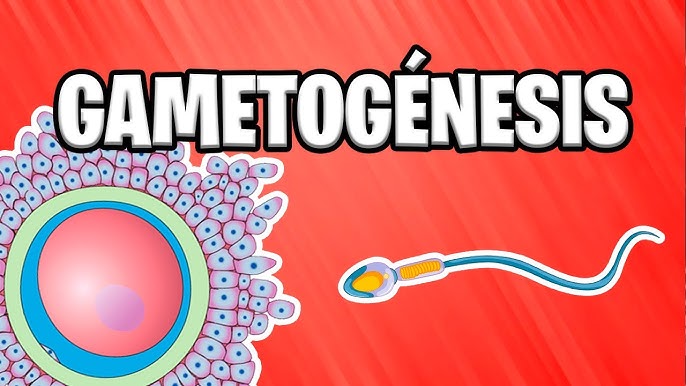
Gametogenesis
Reproductive Cycles & Gametogenesis cells Gametogenesis Gametogenesis is the fundamental biological process where a diploid cell (2n), specifically a primordial germ cell, undergoes meiosis to form a haploid gamete (n). In simpler terms, it’s the creation of sex cells. In males, this process is called spermatogenesis and results in the production of spermatozoa (sperm). In females, it is called oogenesis, which leads to the formation of an ovum (egg). Purpose of Gametogenesis To produce genetically diverse haploid gametes (sperm and egg) that are ready for fertilization. The fusion of these cells forms a diploid zygote, initiating the development of a new, genetically unique individual. Where It Happens (The Gonads) In Males: The testes In Females: The ovaries Common Terms to Know First Understanding the following vocabulary is essential for grasping the concepts of gametogenesis. Diploid (2n) vs. Haploid (n) Diploid cells contain two complete sets of chromosomes (46 in humans), one from each parent. Most body cells are diploid. Haploid cells contain only a single set of chromosomes (23 in humans). Gametes are haploid. Primordial Germ Cells (PGCs) The earliest recognizable precursor cells for gametes. They originate outside the gonads during embryonic development and migrate into them. Mitosis Standard cell division that produces two identical diploid daughter cells. Used to multiply the number of precursor germ cells before meiosis begins. Meiosis A specialized two-stage cell division that reduces the chromosome number by half, producing four genetically unique haploid cells from one diploid cell. Meiosis I: The “reductional division” where homologous chromosome pairs are separated, making the cells haploid. Meiosis II: Similar to mitosis, where sister chromatids are separated. 1. The Fundamental Purpose of Reproduction At its core, reproduction is the biological process by which new individual organisms are produced from their parents. It is a defining characteristic of all known life, and it ensures the continuation of a species from one generation to the next. Without reproduction, a species would become extinct. A. Asexual vs. Sexual Reproduction There are two primary modes of reproduction, each with distinct characteristics and evolutionary implications: Asexual Reproduction Definition: Involves a single parent producing offspring that are genetically identical to itself. There is no fusion of gametes. Mechanisms: Binary Fission: (e.g., bacteria, amoeba) A single cell divides into two identical daughter cells. Budding: (e.g., yeast, hydra) A new organism grows out from the body of the parent. Fragmentation: (e.g., starfish, planaria) A parent organism breaks into fragments, and each fragment develops into a new individual. Vegetative Propagation: (e.g., plants) New plants grow from parts of the parent plant (stems, leaves, roots). Parthenogenesis: (e.g., some insects, reptiles) Development of an embryo from an unfertilized egg. Advantages: Rapid population growth: Can produce many offspring quickly. No need for a mate: Beneficial in sparsely populated or harsh environments. Energy efficient: Less energy investment compared to finding a mate and gamete production/fertilization. Successful in stable environments: If the parent is well-adapted, offspring will also be well-adapted. Disadvantages: Lack of genetic diversity: Offspring are clones, making the entire population vulnerable to environmental changes, diseases, or new predators. Limited adaptation: Slower evolution due to lack of variation. Sexual Reproduction Definition: Involves two parents contributing genetic material to produce offspring that are genetically unique. This typically involves the fusion of two specialized reproductive cells called gametes (sperm and egg). Mechanisms: Fertilization: The fusion of male and female gametes to form a zygote. Meiosis: A specialized type of cell division that produces haploid gametes from diploid germline cells (which we will delve into next!). Advantages: Genetic diversity: Generates new combinations of alleles through meiosis (crossing over, independent assortment) and the random fusion of gametes. This variation is the raw material for natural selection. Adaptation: Increased diversity allows populations to adapt to changing environments, resist diseases, and evolve. Removal of deleterious mutations: Sexual reproduction can help purge harmful mutations from a population more effectively over time. Disadvantages: Slower reproduction rate: Typically fewer offspring produced. Energy intensive: Requires finding a mate, courtship, and often parental care. Risk of disease transmission: Can facilitate the spread of sexually transmitted diseases. In humans and most complex animals, sexual reproduction is the primary mode, emphasizing the crucial role of genetic diversity in long-term species survival and adaptation. 2. The Role of Meiosis in Gametogenesis Sexual reproduction relies on the fusion of two gametes, each contributing a set of chromosomes. To ensure that the offspring ends up with the correct number of chromosomes (and not double the amount with each generation), a specialized cell division called Meiosis is essential. A. Overview of Chromosome Number: Diploid (2n): Cells that contain two sets of homologous chromosomes (one set inherited from each parent). Somatic (body) cells are diploid. In humans, 2n = 46 chromosomes. Haploid (n): Cells that contain only one set of chromosomes. Gametes (sperm and egg) are haploid. In humans, n = 23 chromosomes. B. What is Meiosis? Meiosis is a two-step cell division process that transforms one diploid cell into four genetically distinct haploid cells (gametes). It is unique to sexually reproducing organisms and has two main goals: Reduce the chromosome number by half: From diploid (2n) to haploid (n). Generate genetic diversity: Through processes we’ve touched upon before, and will elaborate here. C. Stages of Meiosis: Meiosis involves two consecutive cell divisions, Meiosis I and Meiosis II, each with prophase, metaphase, anaphase, and telophase stages. Meiosis I (Reductional Division) Homologous chromosomes separate. Prophase I: Chromosomes condense and become visible. Synapsis: Homologous chromosomes pair up, forming bivalents (or tetrads, as they consist of four chromatids). Crossing Over: Non-sister chromatids of homologous chromosomes exchange genetic material at points called chiasmata. This is a critical event for genetic recombination and creating new allele combinations on chromatids. Nuclear envelope breaks down; spindle fibers form. Metaphase I: Homologous chromosome pairs (bivalents) align randomly at the metaphase plate. Independent Assortment: The orientation of each homologous pair is random and independent of other pairs. This further shuffles genetic information. Anaphase I: Homologous chromosomes separate and move to opposite poles of the cell. Sister chromatids remain