
Laryngitis: Causes, Diagnosis, Treatment and Voice Care
On this page
1 Overview
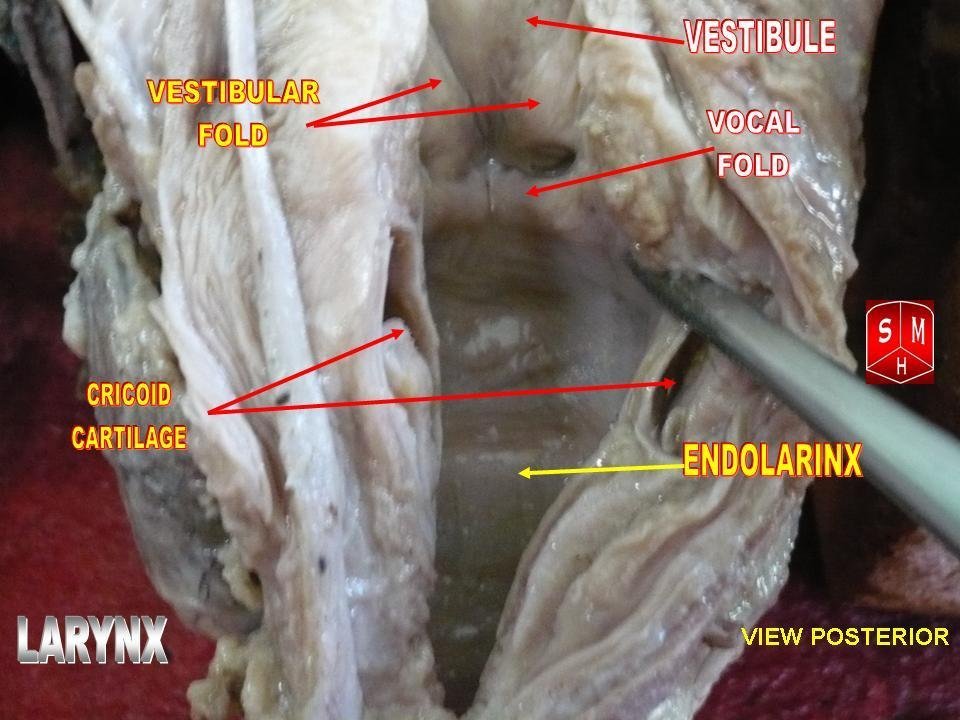
Laryngitis is inflammation of the laryngeal tissues — most often the vocal fold mucosa — presenting with dysphonia, hoarseness or aphonia, throat irritation and cough. It is one of the most common laryngeal conditions in general practice: a sudden change in the voice after an upper respiratory infection is almost always acute viral laryngitis, and it is usually self-limiting. Yet the same symptom — hoarseness — is also the presenting complaint of vocal fold nodules, reflux laryngitis, papillomatosis, and laryngeal cancer, so the clinician's task is to recognise the benign majority and refer the persistent or atypical minority early.
2 Learning Objectives
- Define laryngitis and classify it as acute or chronic.
- List the infectious and non-infectious causes and explain how each injures the vocal fold.
- Describe the clinical features, examination findings and red flags demanding referral.
- Outline evidence-based management — why antibiotics are usually unnecessary and what voice hygiene involves.
- Contrast adult laryngitis with croup (laryngotracheobronchitis) in children and its steroid-based management.
3 Classification
Scroll the table sideways on a smaller screen.
| Type | Duration / behaviour | Typical causes |
|---|---|---|
| Acute laryngitis | < 3 weeks, follows URTI or voice overuse | Viruses (rhinovirus, influenza, parainfluenza, adenovirus, coronavirus), shouting, intubation |
| Chronic laryngitis | > 3 weeks, recurrent or persistent | Laryngopharyngeal reflux, chronic irritants (smoking, dust, chemicals), voice overuse, allergy, chronic infections |
| Specific forms | Situational patterns | Reinke's oedema (smokers), contact ulcer/granuloma (intubation, hyperfunction), fungal laryngitis (immunosuppression, inhaled steroids) |
In children the same inflammatory process at the subglottic level becomes croup (laryngotracheobronchitis) — barking cough and inspiratory stridor — a distinct clinical entity covered below.
4 Pathophysiology & Aetiology
Whatever the trigger, the final common pathway is oedema and inflammatory infiltration of the vocal fold mucosa. Because the vibrating cover of the fold stiffens and thickens, the mucosal wave is damped — hence the hoarse, rough, breathy voice. Aetiological agents act through different routes:
- Viral infection (most common) — direct mucosal invasion during a URTI; usually self-limiting over 1–2 weeks.
- Voice overuse / abuse — shouting, singing, prolonged loud talking causes collision trauma and micro-haemorrhage in the superficial lamina propria.
- Inhaled irritants — cigarette smoke, biomass fuel smoke, dust and chemical fumes produce chronic mucosal inflammation; Reinke's oedema (polypoid degeneration) is the classic smoker's lesion.
- Gastro-oesophageal / laryngopharyngeal reflux — acid and pepsin contact injure laryngeal mucosa that has almost no acid defence; worse in the morning, with throat clearing and globus sensation.
- Bacterial causes (uncommon) — consider in severe systemic illness; historically diphtheria (now rare where immunisation is good) causes a membranous laryngitis.
- Fungal laryngitis — candida in immunosuppressed patients or those using inhaled corticosteroids without mouth rinsing.
- Trauma — endotracheal intubation causes posterior glottic oedema, granulomas and synechiae.
5 Clinical Features
- Voice change — hoarseness, rough or breathy quality; aphonia (no voice at all) in severe acute cases; voice fatigue and pitch breaks in chronic cases.
- Throat symptoms — irritation, dryness, soreness, throat clearing, and a dry or tickling cough.
- Associated features — coryza, fever and malaise in viral cases; heartburn, morning hoarseness and globus in reflux; occupational exposure history in irritant laryngitis.
Red flags requiring laryngoscopy and ENT referral: hoarseness persisting beyond 3 weeks; stridor or progressive dyspnoea; dysphagia or odynophagia; haemoptysis; neck mass; weight loss; heavy smoking or alcohol history; and immunosuppression. A smoker with hoarseness of more than 3 weeks has laryngeal cancer until proven otherwise.
6 Examination
Most acute laryngitis is diagnosed clinically — no laboratory or imaging tests are needed. When indicated (persistent, recurrent or red-flag cases), the criterion standard is laryngoscopy:
- Flexible nasendoscopy (awake, office-based) — shows erythematous, oedematous folds with reduced mucosal wave; assesses cord mobility (fixed cord = tumour or RLN palsy) and excludes papillomas, nodules, leukoplakia and mass lesions.
- Indirect/mirror laryngoscopy — where nasendoscopy is unavailable.
- Stroboscopy — slows the apparent vibration to grade the mucosal wave; key for singers and occupational voice users.
Also examine the nose and pharynx (postnasal drip), neck nodes, and the chest; listen for stridor. In children with suspected croup, do not instrument the airway if epiglottitis is a possibility.
7 Differential Diagnosis of Hoarseness
- Benign vocal fold lesions — nodules (singers/teachers), polyps, cysts, Reinke's oedema (smokers).
- Neoplastic — squamous cell carcinoma (85–95% of vocal fold malignancies; smoking the chief risk factor), papillomatosis (HPV 6/11 — children and adults).
- Neurological — recurrent or superior laryngeal nerve palsy (thyroid surgery, malignancy), vocal fold paralysis, Parkinson disease, myasthenia gravis, spasmodic dysphonia.
- Functional — muscle tension dysphonia, ventricular phonation, aphonia from psychological causes.
- Other — epiglottitis, croup, bacterial tracheitis, foreign body, peritonsillar or retropharyngeal abscess, presbylaryngis (age-related fold atrophy), angioneurotic oedema, inhaled-corticosteroid laryngeal effects.
8 Management
Acute laryngitis
Treatment is supportive: the disease is self-limiting and medication does not cure it — the goals are to moisturise the folds, reduce friction and remove the offending agent.
- Voice rest — relative rest with brief "vocal naps"; speak softly at moderate volume; avoid whispering, which hyperadducts the folds and perpetuates injury.
- Hydration & humidification — increase fluid intake, steam inhalation to loosen secretions and reduce fold friction.
- Avoid irritants — smoking, second-hand smoke, alcohol-based gargles/mouthwashes, spicy/acidic foods, caffeine and late meals (reflux triggers).
- Drugs — antibiotics are not beneficial in acute laryngitis and should be avoided unless a specific bacterial pathogen is identified; antihistamines and decongestants dry the mucosa and give false temporary relief; analgesics (paracetamol/ibuprofen) for throat discomfort are reasonable; mucolytics such as guaifenesin may reduce throat clearing.
Chronic and specific forms
- Reflux laryngitis — lifestyle measures (head-of-bed elevation, weight loss, no late meals) plus a proton pump inhibitor (often twice daily, more effective than H2-blockers for laryngopharyngeal reflux) for an 8–12-week trial.
- Voice therapy — the mainstay for hyperfunctional and overuse-related chronic laryngitis; a speech therapist teaches efficient, low-impact voicing.
- Fungal laryngitis — antifungals (e.g. fluconazole or topical agents) plus inhaled-steroid technique correction (spacer, rinse mouth).
- Reinke's oedema / polyps — smoking cessation and voice therapy; microlaryngeal surgery (phonosurgery) if persistent.
9 Croup (Laryngotracheobronchitis) — the Paediatric Counterpart
Croup is a viral inflammation of the larynx, trachea and bronchi in children under 5, classically from parainfluenza, causing barking cough, hoarseness and inspiratory stridor, often worse at night, preceded by coryza. Narrowing is maximal at the subglottis, so obstruction — not the voice — is the danger.
- Severity (Westley score) — mild: barky cough ± stridor when agitated; moderate: stridor at rest with mild retractions; severe: stridor at rest with marked retractions and distress.
- All severities — corticosteroids: a single dose of oral dexamethasone (0.15–0.6 mg/kg; the doses are equally effective, 0.6 mg/kg most used) reduces severity, return visits and admission.
- Moderate–severe — add nebulised epinephrine (racemic 2.25% 0.05 mL/kg, or L-epinephrine 1:1000, 0.5 mL/kg), which improves symptoms within 30 minutes; observe at least 3 hours after the last dose (effects wane after ~2 hours) before considering discharge.
- Supportive — keep the child calm (agitation worsens obstruction), blow-by oxygen if hypoxic, avoid steam (ineffective) and cough suppressants (dangerous).
- Admit — persistent distress after epinephrine, toxic appearance, hypoxia, or unreliable follow-up; intubate rarely (~0.2%), using a tube 0.5 size smaller for the oedematous subglottis.
- Dangerous mimics — epiglottitis (toxic, drooling, dysphagia, tripod position — do not instrument, secure the airway), bacterial tracheitis (high fever, purulent secretions, toxic), foreign body, retropharyngeal abscess.
10 Voice Care & Prevention
- Vocal hygiene — adequate hydration, avoid shouting and throat clearing, rest the voice when ill, use amplification in noisy workplaces.
- Breath support — diaphragmatic breathing supports the voice and reduces laryngeal strain; semi-occluded vocal tract exercises (humming, lip trills) warm up the voice.
- Irritant avoidance — stop smoking, minimise biomass smoke exposure, use protective masks in dusty occupations.
- Reflux control — meal timing, weight, trigger foods, head-of-bed elevation.
- Technique — professional voice users (teachers, muezzins, singers) benefit from formal voice training; inhaled steroid users should rinse the mouth after use.
11 Viva & Exam Points
- Definition — inflammation of laryngeal tissues, usually the vocal fold mucosa, causing hoarseness.
- Commonest cause — viral URTI; management is supportive: voice rest, hydration, humidification.
- No antibiotics in simple acute laryngitis — justify it.
- Red flags — > 3-week hoarseness, stridor, dysphagia, neck mass, smoking → laryngoscopy.
- Chronic laryngitis — think reflux, irritants and overuse; treat cause, add voice therapy.
- Croup — dexamethasone for all, nebulised epinephrine for moderate–severe, 3-hour observation; watch for epiglottitis.
12 References
- Acute Laryngitis. StatPearls. NCBI Bookshelf — definition, supportive management, drug avoidance, differential.
- Kadam SJ et al. Croup. StatPearls. NCBI Bookshelf — dexamethasone dosing, epinephrine, Westley-based management.
- Laryngotracheobronchitis. StatPearls. NCBI Bookshelf — croup treatment goals and disposition.
- Dysphonia. StatPearls. NCBI Bookshelf — vocal fold lesions and malignancy as causes of hoarseness.
For education only. Apply current Uganda Clinical Guidelines and local protocols when managing patients.