Relevant Theories of Medical Psychology
Comprehensive professional medical notes on the fundamental psychological frameworks including Humanistic Theory, Behaviourism, Gestalt Theory, and Evolutionary Theory, specifically tailored for Diploma in Clinical Medicine students.
Chapter 1: Humanistic Theory
1.1 Definition
Humanistic psychology (often called the "third force" in psychology) is an approach that emphasizes the study of the whole person and the uniqueness of each individual. It focuses on human potential, free will, self-actualization, and the subjective experience of the individual. Humanistic theory assumes that people are fundamentally good and motivated by an innate drive toward growth and fulfillment.
1.2 Historical Background
Humanistic psychology emerged in the mid-20th century (primarily the 1950s and 1960s) as a direct challenge to two dominant forces in psychology: psychoanalysis (which focused on unconscious conflict and pathology) and behaviorism (which reduced human behavior to stimulus-response patterns). Humanistic psychologists argued that both approaches were too deterministic and failed to account for the positive, growth-oriented aspects of human nature.
The movement was formally launched at a meeting in Old Saybrook, Connecticut, in 1964, attended by prominent psychologists including Abraham Maslow, Carl Rogers, Rollo May, and Gordon Allport. The American Association for Humanistic Psychology was established in 1962.
1.3 Core Assumptions
| Core Assumption | Meaning | Contrast with Other Perspectives |
|---|---|---|
| Human dignity and worth | Every person has intrinsic value, regardless of behavior or achievement. | Vs. behaviorism, which treats people as products of conditioning. |
| Free will and agency | People can make meaningful choices about their lives. | Vs. psychoanalysis, which sees behavior as driven by unconscious forces. |
| Subjective experience | Understanding a person requires understanding their inner, phenomenological world. | Vs. trait theory, which focuses on external measurement. |
| Growth orientation | People are inherently motivated toward self-improvement and actualization. | Vs. Freud's focus on pathology and conflict resolution. |
| Holistic view | Cannot understand a person by reducing them to parts (traits, behaviors, drives). | Vs. reductionist approaches across behaviorism and neuroscience. |
1.4 Major Theorists
1.4.1 Abraham Maslow (1908–1970)
Maslow is best known for his hierarchy of needs — a motivational model proposing that human needs are arranged in a priority hierarchy, from most basic physiological needs to the highest level of self-actualization. Maslow studied psychologically healthy and exceptional individuals (including Albert Einstein, Abraham Lincoln, and Eleanor Roosevelt) rather than focusing on pathology.
1.4.1.1 The Hierarchy of Needs
The hierarchy consists of five levels, from bottom to top:
- Physiological Needs: Air, water, food, shelter, sleep, reproduction — the fundamental biological requirements for survival.
- Safety Needs: Personal security, health, financial security, stable environment, safety nets — security and predictability in one's environment.
- Love and Belonging Needs: Family, friendship, romantic relationships, community, group membership, affection, and intimacy — social connection and acceptance.
- Esteem Needs: Self-respect, confidence, respect from others, reputation, recognition, and achievement.
- Self-Actualization: Realizing one's full potential, creativity, personal growth, moral development, pursuit of meaning, purpose-driven action, and peak experiences (joy, transcendence, insight).
Maslow proposed that lower-level needs must be at least partially met before higher-level needs become motivating. A person who is starving cannot focus on self-actualization. However, the hierarchy is not rigid; some individuals may pursue higher needs even when lower needs are unmet (e.g., artists creating despite poverty).
1.4.1.2 Characteristics of Self-Actualized People
- Acceptance of self and others
- Problem-centered rather than ego-centered
- Strong ethical standards
- Creativity and spontaneity
- Deep interpersonal relationships
- Autonomy and independence
- Appreciation of life experiences
- Democratic character structure
- Peak experiences — moments of intense joy, creativity, and fulfillment
1.4.2 Carl Rogers (1902–1987)
Carl Rogers developed client-centered therapy (also called person-centered therapy), a therapeutic approach built on three core conditions that Rogers believed were necessary and sufficient for psychological growth:
- Empathy: Genuinely understanding the client's feelings and subjective experience.
- Genuineness/Congruence: The therapist being authentic and transparent, not playing a role.
- Unconditional Positive Regard: Accepting the client fully, without judgment or conditions.
1.4.2.1 Self-Concept and the Ideal Self
Rogers drew a key distinction between:
- The Self-Concept: The person's current view of who they are.
- The Ideal Self: The person they wish to become.
Psychological health, in Rogers' view, comes from congruence — a close match between self-concept and ideal self. Incongruence — a large gap between who one is and who one wishes to be — produces anxiety and psychological distress. This gap often develops when conditional positive regard causes people to adopt an ideal self shaped by others' expectations rather than their own values.
1.4.2.2 The Actualizing Tendency
Both Maslow and Rogers believed that people have an innate self-actualizing tendency — an inborn drive to grow, develop their unique potential, and move toward greater complexity and integration. This tendency is blocked when people receive conditional positive regard — when love and acceptance are made contingent on behavior, achievement, or conformity.
1.5 Assessment in Humanistic Psychology
Humanistic assessment focuses on the person's subjective experience, self-perception, and personal meaning rather than standardized testing. Key methods include:
- Self-evaluation exercises: Structured reflection on how closely one is living in alignment with personal values and goals.
- Q-sort technique: Rogers' method in which individuals sort descriptors into categories from "most like me" to "least like me," then sort again for their ideal self. The discrepancy reveals incongruence.
- Client-centered interview: Open-ended, non-directive conversation that allows the client to lead. The therapist reflects, paraphrases, and empathizes rather than directing or diagnosing.
1.6 Criticisms
- Lack of scientific rigor: Humanistic concepts are difficult to operationalize and test empirically.
- Cultural bias: The emphasis on individualism and self-actualization may reflect Western values and may not apply universally.
- Overly optimistic: Critics argue that humanistic theory ignores the darker aspects of human nature, such as aggression and evil.
- Vague concepts: Terms like "self-actualization" and "congruence" are difficult to define and measure precisely.
1.7 Clinical Relevance
Humanistic principles are fundamental to patient-centered care. The concepts of empathy, unconditional positive regard, and congruence are essential clinical communication skills. Understanding Maslow's hierarchy helps clinicians recognize that a patient's ability to engage with treatment depends on whether basic needs (nutrition, safety, shelter) are met. Rogers' concept of incongruence helps explain why patients with chronic illness may experience psychological distress when their self-concept ("I am healthy") conflicts with their medical reality ("I have diabetes"). Humanistic therapy techniques, particularly motivational interviewing, are widely used in clinical medicine to help patients make health behavior changes.
Chapter 2: Behaviourism
2.1 Definition
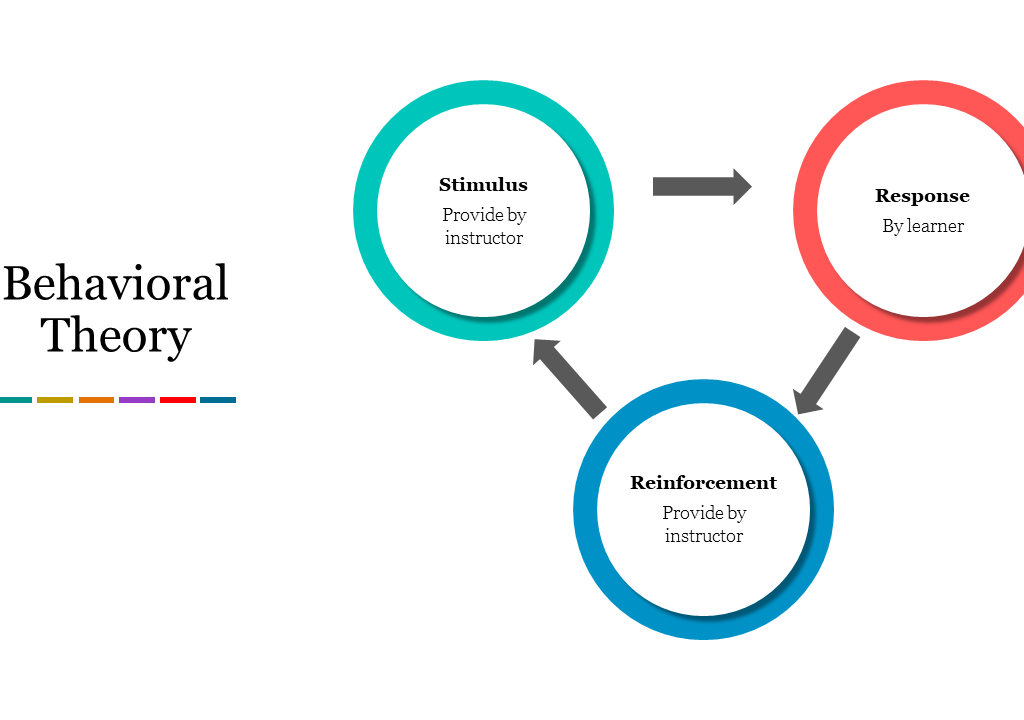
Behaviourism is a school of psychology that focuses on observable, measurable behavior and the environmental factors that shape it. Behaviorists believe that psychology should be a natural science concerned only with objectively observable phenomena, and that all behavior is learned through interaction with the environment.
2.2 Historical Background
Behaviorism emerged in the early 20th century as a reaction against the introspective methods of structuralism and the mentalistic concepts of functionalism. It sought to make psychology a purely objective, experimental science modeled on the natural sciences.
2.2.1 John B. Watson (1878–1958)
Watson is considered the founder of behaviorism. In his landmark 1913 paper "Psychology as the Behaviorist Views It" (often called the "Behaviorist Manifesto"), Watson argued that psychology should abandon the study of consciousness and focus exclusively on observable behavior. He famously claimed:
"Give me a dozen healthy infants, well-formed, and my own specified world to bring them up in and I'll guarantee to take any one at random and train him to become any type of specialist I might select — doctor, lawyer, artist, merchant-chief and, yes, even beggar-man and thief, regardless of his talents, penchants, tendencies, abilities, vocations, and race of his ancestors."
This statement reflects Watson's extreme environmentalism — the belief that behavior is entirely shaped by learning and experience, with little or no role for heredity.
2.2.2 B.F. Skinner (1904–1990)
Skinner extended behaviorism through his development of operant conditioning. He believed that behavior is shaped by its consequences and that internal mental states are irrelevant to understanding behavior. Skinner's work had profound implications for education, therapy, and social policy.
2.2.3 Ivan Pavlov (1849–1936)
Although Pavlov was a Russian physiologist rather than a psychologist, his discovery of classical conditioning provided the foundation for Watson's behaviorism. Pavlov's work demonstrated that reflexive responses could be conditioned to new stimuli through association.
2.3 Core Concepts
2.3.1 Classical Conditioning
Classical conditioning (also called Pavlovian or respondent conditioning) is a learning process in which a neutral stimulus becomes associated with a meaningful stimulus and acquires the capacity to elicit a similar response.
Pavlov's Experiment: Pavlov observed that dogs naturally salivate when presented with food (an unconditioned response to an unconditioned stimulus). He then rang a bell (neutral stimulus) just before presenting food. After repeated pairings, the dogs began to salivate at the sound of the bell alone (conditioned response to a conditioned stimulus).
Key Terms in Classical Conditioning:
- Unconditioned Stimulus (US): A stimulus that naturally triggers a response (e.g., food).
- Unconditioned Response (UR): The natural, automatic response to the unconditioned stimulus (e.g., salivation).
- Neutral Stimulus (NS): A stimulus that initially does not elicit the response of interest (e.g., bell before conditioning).
- Conditioned Stimulus (CS): A previously neutral stimulus that, after association with the US, comes to trigger a conditioned response (e.g., bell after conditioning).
- Conditioned Response (CR): The learned response to the conditioned stimulus (e.g., salivation to the bell).
Principles of Classical Conditioning:
- Acquisition: The initial stage of learning when the CS-US association is formed.
- Extinction: The gradual weakening and disappearance of the conditioned response when the CS is repeatedly presented without the US.
- Spontaneous Recovery: The reappearance of an extinguished conditioned response after a rest period.
- Generalization: The tendency to respond to stimuli that are similar to the conditioned stimulus.
- Discrimination: The learned ability to distinguish between the conditioned stimulus and other similar stimuli.
2.3.2 Operant Conditioning
Operant conditioning (also called instrumental conditioning) is a learning process in which behavior is shaped by its consequences. Behaviors followed by reinforcement are strengthened, while behaviors followed by punishment are weakened.
Skinner used the term "operant" to refer to any active behavior that operates upon the environment to generate consequences. His theory was heavily influenced by Edward Thorndike's law of effect, which states that actions followed by desirable outcomes are more likely to be repeated, while those followed by undesirable outcomes are less likely to be repeated.
Four Types of Consequences in Operant Conditioning:
| Type | Definition | Effect on Behavior | Example |
|---|---|---|---|
| Positive Reinforcement | Adding a pleasant stimulus after a behavior | Increases behavior | Praise for taking medication |
| Negative Reinforcement | Removing an unpleasant stimulus after a behavior | Increases behavior | Stopping an alarm by getting out of bed |
| Positive Punishment | Adding an unpleasant stimulus after a behavior | Decreases behavior | Scolding for smoking |
| Negative Punishment | Removing a pleasant stimulus after a behavior | Decreases behavior | Taking away phone privileges for poor adherence |
Schedules of Reinforcement:
- Continuous Reinforcement: Every instance of the behavior is reinforced. Produces rapid learning but rapid extinction.
- Fixed-Ratio (FR): Reinforcement after a set number of responses (e.g., every 5th response). Produces high, steady response rates.
- Variable-Ratio (VR): Reinforcement after an unpredictable number of responses (e.g., gambling). Produces the highest and most persistent response rates.
- Fixed-Interval (FI): Reinforcement for the first response after a set time period (e.g., weekly medication review). Produces a scalloped response pattern.
- Variable-Interval (VI): Reinforcement for the first response after unpredictable time periods. Produces steady, moderate response rates.
2.4 Criticisms
- Ignores cognition: Behaviorism fails to account for the role of thoughts, beliefs, and expectations in behavior.
- Ignores biology: It underestimates the influence of genetic and neurological factors.
- Animal research: Much behaviorist research used animals, raising questions about generalizability to humans.
- Determinism: It presents a mechanistic view of humans that denies free will and personal agency.
- Ethical concerns: Some behavior modification techniques raise ethical questions about autonomy and manipulation.
2.5 Clinical Relevance
Behaviorist principles are widely applied in clinical medicine and healthcare. Classical conditioning explains the development of phobias, anxiety responses to medical settings (white coat syndrome), and conditioned nausea in chemotherapy patients. Systematic desensitization and exposure therapy — based on extinction principles — are effective treatments for anxiety disorders. Operant conditioning principles guide behavior modification programs for smoking cessation, weight management, medication adherence, and rehabilitation. Token economies in psychiatric settings use positive reinforcement to encourage adaptive behaviors. Understanding reinforcement schedules helps clinicians design sustainable behavior change interventions.
Chapter 3: Gestalt Theory
3.1 Definition
Gestalt psychology is a school of psychology that emphasizes that human perception and experience are best understood as organized wholes rather than as collections of separate parts. The German word Gestalt means "form," "pattern," or "configuration." The central tenet is that "the whole is greater than the sum of its parts."
3.2 Historical Background
Gestalt psychology emerged in Germany in the early 20th century as a reaction against structuralism's attempt to break experience into elements. The founders argued that perception is inherently organized and that the mind actively structures sensory input into meaningful patterns.
3.2.1 Max Wertheimer (1880–1943)
Wertheimer is considered the founder of Gestalt psychology. His 1912 paper on the phi phenomenon — the illusion of movement created by rapidly alternating stationary lights — demonstrated that perception cannot be explained by analyzing individual sensations. The apparent motion occurs because the mind organizes the separate stimuli into a unified perceptual experience.
3.2.2 Kurt Koffka (1886–1941)
Koffka extended Gestalt principles to developmental psychology and applied them to learning and memory. He introduced Gestalt psychology to American audiences through his book The Growth of the Mind (1924).
3.2.3 Wolfgang Köhler (1887–1967)
Köhler conducted famous experiments on insight learning with chimpanzees at Tenerife in the Canary Islands (1913–1920). He demonstrated that problem-solving often occurs through sudden insight (the "aha!" experience) rather than through trial and error. Köhler also studied the physiological basis of Gestalt principles, proposing that brain processes mirror the organized patterns of perception.
3.3 Core Concepts
3.3.1 The Phi Phenomenon
The phi phenomenon is the optical illusion of perceiving continuous motion between separate objects that are presented in rapid succession. This phenomenon is the basis for motion pictures and animated displays. It demonstrates that the brain actively constructs experience rather than passively receiving sensory input.
3.3.2 Insight Learning
Köhler's experiments with chimpanzees showed that problem-solving can occur through insight — a sudden reorganization of the perceptual field that reveals a solution. In one famous experiment, a chimpanzee named Sultan stacked boxes to reach a banana hanging from the ceiling and joined two sticks to reach food outside his cage. These solutions appeared suddenly, not through gradual trial and error.
3.3.3 Isomorphism
Köhler proposed the principle of isomorphism — the idea that there is a correspondence between the structured patterns of perception and the structured patterns of brain activity. When we perceive an organized whole, there is a corresponding organized pattern of electrical activity in the brain.
3.4 The Gestalt Principles of Perceptual Organization
Gestalt psychologists identified a set of principles that describe how the mind automatically organizes sensory information into meaningful wholes:
| Principle | Description | Example |
|---|---|---|
| Law of Proximity | Objects that are close together are perceived as belonging together | Seeing columns rather than rows when dots are spaced vertically |
| Law of Similarity | Similar objects are perceived as belonging together | Grouping red circles together and blue circles together |
| Law of Continuity | Points connected by straight or curving lines are seen as following the smoothest path | Perceiving two crossing lines rather than four separate segments |
| Law of Closure | The mind fills in gaps to perceive complete forms | Seeing a complete circle even when parts are missing |
| Law of Prägnanz (Good Figure) | The mind perceives ambiguous or complex objects as simply as possible | Seeing the Olympic rings as overlapping circles rather than curved lines |
| Law of Common Region | Elements within the same closed region are perceived as a group | Items inside a box are seen as related regardless of distance |
| Figure-Ground | The mind separates visual scenes into a foreground figure and a background | The vase/faces illusion; seeing either a vase or two faces |
3.5 Gestalt Therapy
Although distinct from academic Gestalt psychology, Gestalt therapy was developed by Fritz Perls, Laura Perls, and Paul Goodman in the 1940s and 1950s. It applies Gestalt principles to psychotherapy, emphasizing:
- Here-and-now awareness: Focusing on present experience rather than past events.
- Holism: Viewing the person as a whole, integrating thoughts, feelings, and behaviors.
- Personal responsibility: Encouraging clients to take ownership of their experiences.
- Unfinished business: Addressing unresolved emotional issues that interfere with present functioning.
3.6 Criticisms
- Lack of precision: The principles are descriptive rather than explanatory; they describe what happens but not why.
- Heuristic nature: The "laws" are actually mental shortcuts that can sometimes lead to perceptual errors.
- Limited scope: Gestalt principles primarily address perception and do not provide a comprehensive theory of all psychological phenomena.
3.7 Clinical Relevance
Gestalt principles have direct applications in medical diagnosis and clinical observation. Radiologists and pathologists rely on perceptual organization to identify patterns in X-rays, CT scans, and tissue samples. Understanding figure-ground relationships helps clinicians distinguish relevant clinical signs from background noise. Gestalt therapy techniques are used in counseling patients with anxiety, depression, and relationship difficulties. The emphasis on holistic patient assessment — seeing the patient as a whole person rather than a collection of symptoms — reflects the Gestalt perspective and is central to patient-centered medicine.
Chapter 4: Evolutionary Theory
4.1 Definition
Evolutionary psychology is an approach that seeks to explain human behavior, cognition, and emotions as evolved adaptations to the challenges faced by our ancestors. It applies the principles of natural selection and sexual selection to understand why humans think, feel, and behave as they do.
4.2 Historical Background
Evolutionary psychology is rooted in Charles Darwin's theory of evolution by natural selection, presented in On the Origin of Species (1859). Darwin proposed that species evolve over time through a process in which individuals with advantageous traits are more likely to survive and reproduce, passing those traits to subsequent generations.
William James, the father of American psychology, was among the first to apply Darwinian principles to psychology. His functionalism explicitly sought to understand the adaptive purpose of mental processes. However, evolutionary psychology as a distinct field emerged much later, gaining prominence in the 1980s and 1990s through the work of researchers such as Leda Cosmides, John Tooby, David Buss, and Steven Pinker.
4.3 Core Concepts
4.3.1 Natural Selection
Natural selection is the process by which traits that enhance survival and reproduction become more common in a population over generations. It operates through three principles:
- Variation: Individuals within a population vary in their traits.
- Inheritance: Some of this variation is heritable (passed from parents to offspring).
- Differential Survival and Reproduction: Individuals with traits better suited to their environment tend to survive longer and produce more offspring.
4.3.2 Sexual Selection
Sexual selection is a form of natural selection that operates on traits affecting mating success. It includes:
- Intrasexual selection: Competition among members of the same sex (usually males) for access to mates.
- Intersexual selection: Preference by one sex (usually females) for particular traits in the opposite sex.
4.3.3 Psychological Adaptations
Evolutionary psychologists propose that the mind consists of specialized psychological adaptations — neural circuits and cognitive mechanisms that evolved to solve specific adaptive problems faced by our ancestors. These include:
- Survival adaptations: Mechanisms for finding food, avoiding predators, and navigating environments.
- Mating adaptations: Mechanisms for attracting mates, competing with rivals, and maintaining relationships.
- Parenting adaptations: Mechanisms for protecting and nurturing offspring.
- Social adaptations: Mechanisms for cooperation, reciprocity, detecting cheaters, and forming alliances.
4.3.4 Inclusive Fitness
Inclusive fitness theory, developed by W.D. Hamilton, extends the concept of fitness beyond individual survival and reproduction to include the survival and reproduction of genetic relatives. This explains kin altruism — the tendency to help relatives even at a cost to oneself — because relatives share genes.
4.3.5 The Environment of Evolutionary Adaptedness (EEA)
The EEA refers to the environment in which a given adaptation evolved — typically the Pleistocene era (approximately 1.8 million to 10,000 years ago), when humans lived as hunter-gatherers. Evolutionary psychologists argue that many modern behaviors reflect adaptations to this ancestral environment, which may not always be adaptive in contemporary industrialized societies.
4.4 Examples of Evolutionary Explanations
| Behavior/Trait | Evolutionary Explanation |
|---|---|
| Fear of snakes and spiders | These fears represent evolved survival mechanisms; ancestors who avoided venomous creatures were more likely to survive |
| Preference for sweet and fatty foods | In ancestral environments, these foods were rare and high in calories; the preference motivated seeking valuable energy sources |
| Morning sickness in pregnancy | May protect the developing fetus from toxins in foods that were dangerous during early pregnancy |
| Postpartum depression | May represent an adaptation to evaluate whether environmental conditions support raising an infant |
| Altruism toward kin | Helping genetic relatives increases the survival of shared genes (inclusive fitness) |
| Jealousy | May have evolved to protect against infidelity and ensure parental investment in one's own offspring |
| Cooperation and reciprocity | Enables group survival and resource sharing; "tit-for-tat" strategies promote stable cooperation |
4.5 Criticisms
- Untestability: Critics argue that evolutionary hypotheses about the past are difficult or impossible to test empirically.
- Just-so stories: Some evolutionary explanations may be post hoc rationalizations that could be applied to any observed behavior.
- Genetic determinism: The approach may underestimate the role of culture, learning, and individual choice.
- Environmental mismatch: Not all modern behaviors reflect ancestral adaptations; many are products of cultural evolution.
- Reductionism: Complex social and cultural phenomena may be oversimplified as biological adaptations.
4.6 Clinical Relevance
Evolutionary theory provides a framework for understanding why certain physical and psychological conditions are common. For example, the "thrifty gene hypothesis" suggests that genes promoting efficient fat storage were advantageous during food scarcity but contribute to obesity and type 2 diabetes in modern environments with abundant food. Understanding evolutionary mismatches helps clinicians design lifestyle interventions that account for ancestral biology. Evolutionary perspectives also inform understanding of anxiety disorders (exaggerated fear responses), postpartum depression (maternal investment assessment), and social behaviors relevant to patient compliance and health-seeking behavior.
Summary Tables and Key Points
Comparative Summary of the Four Theories
| Aspect | Humanistic Theory | Behaviourism | Gestalt Theory | Evolutionary Theory |
|---|---|---|---|---|
| Founder(s) | Abraham Maslow; Carl Rogers | John B. Watson; B.F. Skinner; Ivan Pavlov | Max Wertheimer; Kurt Koffka; Wolfgang Köhler | Charles Darwin; William James (applied) |
| Core Focus | Human potential, free will, self-actualization | Observable behavior and environmental conditioning | Perceptual wholes and organized patterns | Behavior as evolved adaptation |
| Key Method | Phenomenology; client-centered therapy | Experimental observation of behavior | Experimental study of perception | Comparative analysis; evolutionary modeling |
| View of Human Nature | Fundamentally good; growth-oriented | Blank slate; shaped by environment | Active organizer of experience | Product of natural selection |
| Primary Influence | Existential philosophy; phenomenology | Physiology; experimental science | Physics; phenomenology | Biology; Darwinian evolution |
| Historical Period | 1950s–1960s | 1910s–1960s | 1910s–1940s | 1859 onward; formalized 1980s–1990s |
Key Points
- Humanistic Theory (Maslow, Rogers) is the "third force" in psychology, emphasizing free will, self-actualization, and the subjective experience of the whole person. Maslow's hierarchy of needs and Rogers' client-centered therapy are central contributions.
- Behaviourism (Watson, Skinner, Pavlov) focuses exclusively on observable behavior shaped by environmental consequences. Classical conditioning (Pavlov) and operant conditioning (Skinner) are the two primary learning mechanisms.
- Gestalt Theory (Wertheimer, Koffka, Köhler) emphasizes that perception and experience are organized wholes. The mind actively structures sensory input according to principles such as proximity, similarity, continuity, closure, and figure-ground organization.
- Evolutionary Theory applies Darwinian principles to psychology, explaining behavior as adaptations that enhanced survival and reproduction among our ancestors. Key concepts include natural selection, sexual selection, psychological adaptations, and inclusive fitness.
- Each theory offers distinct insights into human behavior and has specific applications in clinical medicine, from behavior modification programs (behaviorism) to patient-centered communication (humanism) to perceptual training (Gestalt) to understanding disease susceptibility (evolutionary medicine).
Quick Quiz
Humanistic Theory, Behaviouralism, Evolutional theory Gestalt\'s theory
Medical Psychology - mobile-friendly and focused practice.
Privacy: Your details are used only for quiz tracking and certificates.
Humanistic Theory, Behaviouralism, Evolutional theory Gestalt\'s theory
Medical Psychology
Preparing questions...
Choose your answer and keep your streak alive.
Great effort.
Here is your quick performance summary.