Integrated Metabolism and Fuel Homeostasis
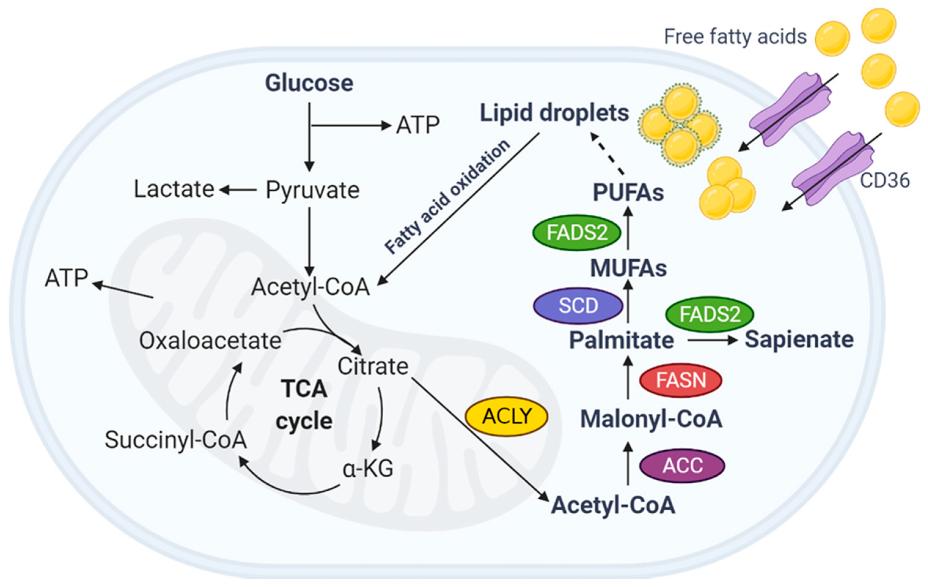
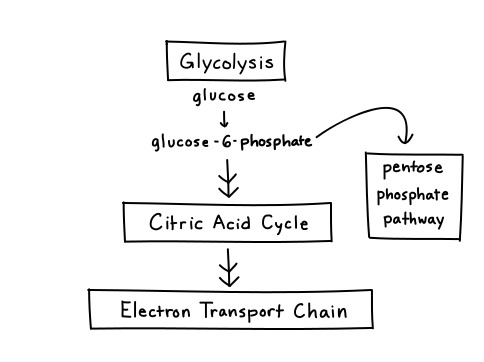
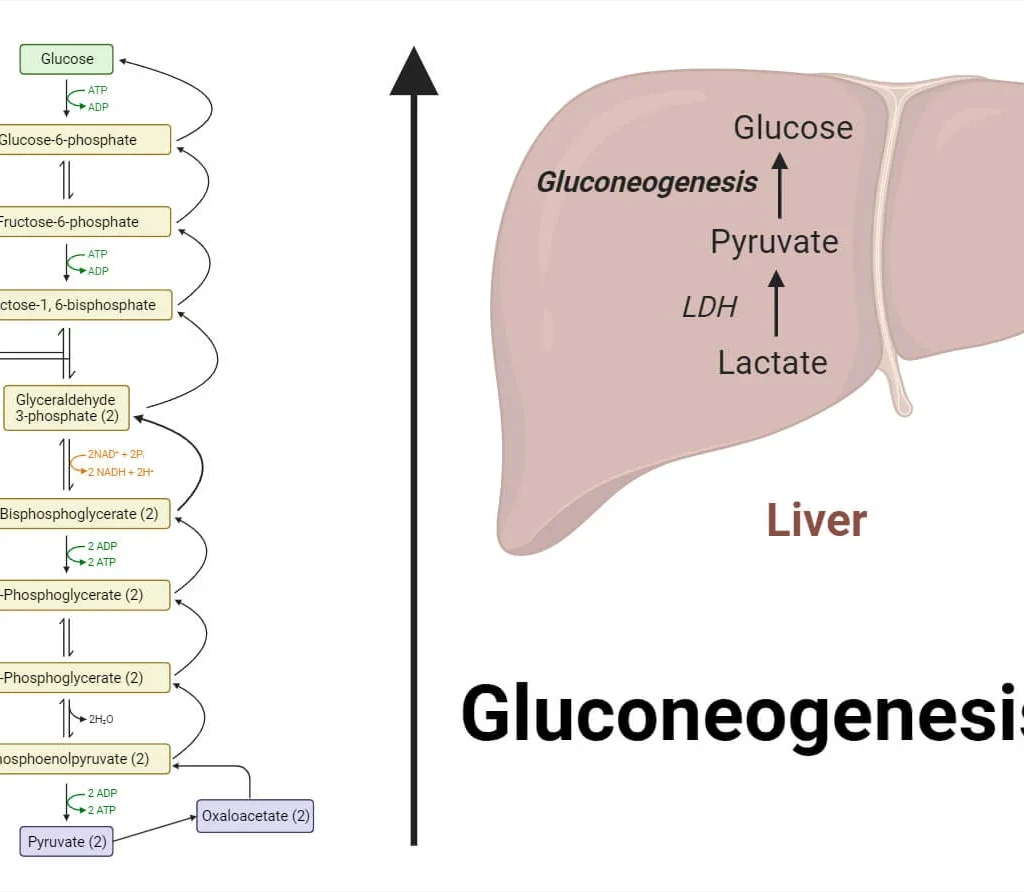
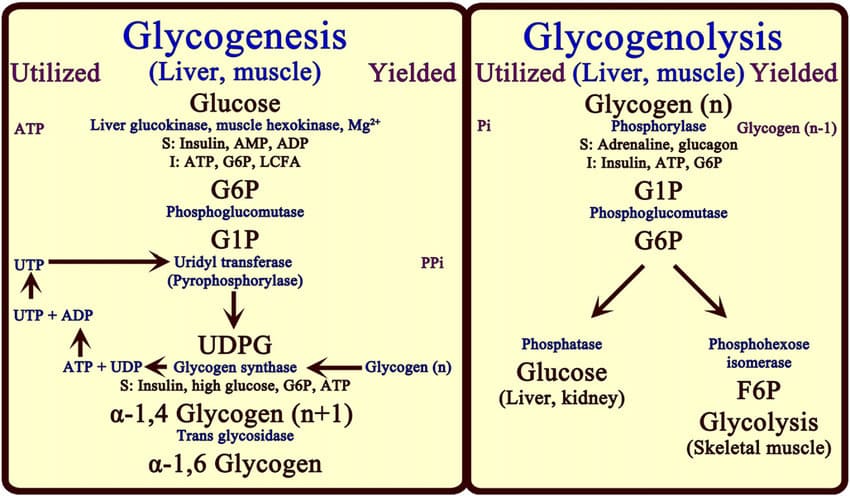
Integrated Metabolism & : Fuel Homeostasis Integrated Metabolism and Fuel Homeostasis Fuel Homeostasis refers to the dynamic equilibrium and finely tuned regulation of energy substrates (glucose, fatty acids, ketone bodies, amino acids) in the body. Its primary goal is to ensure a continuous and adequate supply of fuel to all tissues, particularly the brain, under varying physiological conditions. It is crucial for survival, allowing the body to adapt to fluctuations in nutrient availability and energy demand. Disruptions lead to metabolic diseases like diabetes, obesity, and metabolic syndrome. Key Metabolic Organs and Their Specialized Roles The human body is a highly integrated system where different organs specialize in fuel storage, production, and utilization. Liver (Hepatocytes): The Metabolic Hub Glucose Homeostasis: Central to maintaining blood glucose levels. Fed State: Takes up excess glucose, converting it to glycogen (glycogenesis) or fatty acids (lipogenesis). Fasting State: Releases glucose into the blood via glycogenolysis and gluconeogenesis. Lipid Metabolism: Site of de novo fatty acid synthesis, cholesterol synthesis, and VLDL assembly. It is also the primary site for ketogenesis during prolonged fasting. Amino Acid Metabolism: Site for amino acid uptake, protein synthesis, deamination, and the urea cycle. Lack of Ketone Body Utilization: Cannot use ketone bodies as fuel due to the absence of thiophorase. Adipose Tissue (Adipocytes): The Energy Storehouse Storage: Primary site for the long-term storage of energy as triacylglycerols (TAGs). Mobilization: Releases free fatty acids and glycerol via lipolysis during fasting. Synthesis: Can synthesize TAGs from fatty acids and glycerol-3-phosphate. Endocrine Organ: Produces adipokines (e.g., leptin, adiponectin). Skeletal Muscle (Myocytes): The Major Energy Consumer Fuel Utilization: Highly versatile; can use glucose, fatty acids, and ketone bodies. Glycogen Storage: Stores significant amounts of glycogen, but only for its own use (lacks glucose-6-phosphatase). Fatty Acid Oxidation: Major site for fatty acid oxidation, particularly during exercise and fasting. Protein Reservoir: A significant protein reserve that can be catabolized during prolonged fasting. Brain (Neurons and Glial Cells): Obligate Glucose User, Adaptable in Fasting Primary Fuel: Under normal conditions, relies almost exclusively on glucose. Adaptation in Fasting: During prolonged fasting, the brain can adapt to utilize ketone bodies as a significant alternative fuel, sparing muscle protein. Cannot use Fatty Acids: Fatty acids cannot cross the blood-brain barrier. Pancreas (Islets of Langerhans): The Endocrine Regulator Insulin (Beta Cells): Released in response to high blood glucose (fed state). Promotes fuel storage. Glucagon (Alpha Cells): Released in response to low blood glucose (fasting state). Promotes fuel mobilization. Somatostatin (Delta Cells): Inhibits secretion of both insulin and glucagon. Major Hormones Orchestrating Fuel Homeostasis These hormones act synergistically and antagonistically to maintain metabolic balance. Insulin (Anabolic Hormone) Source: Pancreatic β-cells. Stimulus: High blood glucose, amino acids. Overall Effect: Promotes fuel storage; lowers blood glucose. Actions: Liver: Increases glycogenesis, lipogenesis; inhibits glycogenolysis, gluconeogenesis. Muscle: Increases glucose uptake (via GLUT4), glycogenesis, protein synthesis. Adipose: Increases glucose uptake (via GLUT4), TAG synthesis; inhibits lipolysis (inhibits HSL). Glucagon (Catabolic Hormone) Source: Pancreatic α-cells. Stimulus: Low blood glucose. Overall Effect: Promotes fuel mobilization; raises blood glucose. Actions (primarily liver): Increases glycogenolysis, gluconeogenesis, ketogenesis; inhibits glycogenesis, lipogenesis. Catecholamines (Epinephrine, Norepinephrine – Stress Hormones) Source: Adrenal medulla, sympathetic nervous system. Stimulus: Stress, exercise, hypoglycemia. Overall Effect: “Fight or flight”; rapid mobilization of energy stores. Actions: Liver & Muscle: Increases glycogenolysis. Adipose: Potent activator of HSL, promoting lipolysis. Cortisol (Glucocorticoid – Stress Hormone) Source: Adrenal cortex. Stimulus: Stress (chronic), low blood glucose. Overall Effect: Sustained glucose production; catabolic. Actions: Liver: Increases gluconeogenesis (by increasing enzyme synthesis). Muscle: Increases protein breakdown. Adipose: Increases lipolysis. Decreases peripheral glucose utilization. The Fed State (Post-prandial Metabolism) The fed state is characterized by nutrient absorption from the gastrointestinal tract, leading to elevated levels of glucose, amino acids, and triacylglycerols in the blood. The body’s primary response is to store these excess nutrients and utilize glucose as the main fuel. A. High Insulin:Glucagon Ratio: Following a meal, especially one rich in carbohydrates, blood glucose levels rise. This rise in glucose stimulates the pancreatic β-cells to release insulin. Simultaneously, high glucose inhibits the pancreatic α-cells, suppressing glucagon secretion. The resulting high insulin:glucagon ratio orchestrates the anabolic (storage) and glucose-utilizing responses. B. Carbohydrate Metabolism: Glucose as the Primary Fuel and for Storage Tissue-Specific Glucose Uptake and Utilization: Liver: High Priority Uptake: Glucose enters hepatocytes via GLUT2 transporters. Phosphorylation: Glucokinase rapidly phosphorylates glucose to Glucose-6-Phosphate, trapping it inside. Glycogenesis (Glycogen Synthesis): G6P is directed towards glycogen synthesis. Insulin activates glycogen synthase. Glycolysis and Pyruvate Oxidation: Excess G6P enters glycolysis, and the resulting pyruvate is converted to Acetyl-CoA. Lipogenesis (Fatty Acid Synthesis): When energy and glycogen stores are full, Acetyl-CoA is channeled into de novo fatty acid synthesis. Insulin stimulates this process by activating Acetyl-CoA Carboxylase (ACC). VLDL Synthesis: Newly synthesized fatty acids are esterified to form TAGs, which are packaged into Very-Low-Density Lipoproteins (VLDL) and secreted into the bloodstream. Adipose Tissue (Adipocytes): Insulin-Dependent Glucose Uptake: Insulin stimulates the translocation of GLUT4 transporters to the cell membrane. Glycerol-3-Phosphate Production: Glucose undergoes glycolysis to produce glycerol-3-phosphate, essential for esterifying fatty acids into TAGs. Fatty Acid Uptake: Adipose tissue takes up fatty acids from chylomicrons and VLDL via the action of Lipoprotein Lipase (LPL), which is activated by insulin. Skeletal Muscle: Insulin-Dependent Glucose Uptake: Insulin stimulates GLUT4 translocation, increasing glucose uptake. Glycogenesis: Muscle cells synthesize glycogen for their own energy reserves. Glycolysis and Oxidation: Glucose is used as a primary fuel source for ATP production. Brain: Insulin-Independent Glucose Uptake: Glucose uptake occurs via GLUT1 and GLUT3 transporters, ensuring a constant supply. High Glucose Utilization: The brain consumes a significant amount of glucose (about 120g/day). C. Lipid Metabolism: Storage and Transport Dietary Fat Absorption and Chylomicron Formation: Dietary TAGs are hydrolyzed, absorbed, and then re-esterified within enterocytes. These TAGs are packaged into chylomicrons and released into the lymph and then the bloodstream. Chylomicron Metabolism: As chylomicrons circulate, their TAGs are hydrolyzed by Lipoprotein Lipase (LPL), an enzyme activated by insulin. This promotes the uptake of fatty acids into adipose tissue (for storage) and muscle (for use). Hepatic VLDL Production: As mentioned, the liver converts