Doctors Revision

Author name: doctorsrevision@gmail.com

Pharmacology

CNS Stimulants: Pharmacology, Clinical Use, Dosing and Safety

CNS stimulants: why they matter Central nervous system (CNS) stimulants increase alertness, attention or wakefulness. They include prescribed medicines for attention-deficit/hyperactivity disorder (ADHD) and narcolepsy, as well as substances with major misuse potential. Their benefit depends on selecting the right diagnosis, using one formulation correctly, and monitoring cardiovascular, sleep, growth, psychiatric and misuse risks. Learning outcomes: classify stimulants; explain their mechanisms; use indicative dose/titration tables safely; recognise toxicity; and counsel patients about diversion and sleep hygiene. Use the dose table safely Doses below are common adult teaching ranges, not a substitute for the product label or local protocol. Confirm the exact formulation (immediate versus modified release), indication, age, comorbidity, interacting medicines and controlled-drug requirements before prescribing. Start low, titrate one product at a time, and document response and adverse effects. 1. Classification and mechanisms Group Examples Core pharmacology Amphetamine-type stimulants Dexamfetamine, lisdexamfetamine, amphetamine Increase synaptic dopamine and noradrenaline largely by promoting release and reversing transporters. Methylphenidate-type Methylphenidate Inhibits dopamine and noradrenaline reuptake transporters, increasing synaptic availability. Wakefulness-promoting agents Modafinil, armodafinil Mechanism is not fully defined; promotes wakefulness through several neurotransmitter systems and has interaction potential. Methylxanthines Caffeine, theophylline Adenosine-receptor antagonism; at higher exposures also affects phosphodiesterase activity and calcium handling. Historical/limited-use stimulants Cocaine, ephedrine and others Important for toxicology and misuse teaching; not routine long-term treatment choices. In ADHD, improving signalling in prefrontal networks can improve attention and impulse control. This is not the same as giving a stimulant to a healthy person for “study power”: higher exposure can worsen anxiety, insomnia, hypertension, psychosis and dependence without improving learning. 2. Clinical uses ADHD: part of a structured plan that includes diagnostic assessment, functional goals, education and behavioural support. Narcolepsy/excessive daytime sleepiness: selected wakefulness-promoting medicines or stimulants after sleep-disorder evaluation. Apnoea of prematurity: caffeine citrate is used in neonatal protocols—this is specialist neonatal prescribing, not an adult caffeine dose extrapolation. Other uses: some indications are country- and product-specific; do not assume that a drug approved for one indication is suitable for another. 3. Dose and formulation table Medicine Typical adult starting and titration approach Usual ceiling / practical checks Methylphenidate immediate release Product-dependent. A common adult regimen is divided oral doses 2–3 times daily, with individual titration. Give earlier in the day to reduce insomnia. Many immediate-release labels describe 20–30 mg/day as an average adult total and a maximum of 60 mg/day; modified-release products have different limits. Never interchange mg-for-mg without checking the formulation. Lisdexamfetamine Common ADHD labels start once-daily morning treatment at 30 mg and titrate at weekly intervals if needed. Typical labelled maximum 70 mg/day. Review pulse, blood pressure, appetite, sleep and psychiatric symptoms at each increase. Dexamfetamine Use a low morning dose and titrate cautiously in divided doses according to local ADHD/narcolepsy guidance. Exact maximum varies by indication and product. Avoid late dosing and avoid co-prescribing duplicate stimulant products unless specialist-directed. Modafinil For adult narcolepsy, many labels use 200 mg orally in the morning; some divide morning/noon dosing. Higher doses are not automatically more effective. Review hormonal-contraception interactions, rash, psychiatric history and hepatic impairment. Caffeine Dietary caffeine is not prescribed like ADHD medicine. Assess total daily intake from coffee, energy drinks, tablets and combination analgesics. High intake can produce tremor, anxiety, insomnia, tachycardia and arrhythmia. Do not use adult “energy” doses for neonates or children. Formulation pearl: immediate-release methylphenidate has a shorter duration and more dosing opportunities; modified-release preparations alter the release profile. Record the brand/formulation, dose time and total daily milligrams before changing anything. 4. Baseline assessment before prescribing Check Reason Diagnosis, functional impairment and treatment goal Prevents symptom-only prescribing and provides a measurable review target. Pulse, blood pressure, weight; cardiovascular history and family history of sudden death/arrhythmia Stimulants may increase pulse/BP and can be unsafe in serious structural heart disease or important arrhythmia. Sleep, anxiety, depression, mania, psychosis and tics Stimulants can worsen insomnia, anxiety and psychotic/manic symptoms. Substance use, diversion risk and safeguarding Misuse, snorting/injecting, sharing tablets and coercion can cause harm and legal consequences. Pregnancy potential, lactation, renal/hepatic disease and full medicine list Changes drug choice, dose, interaction risk and counselling. 5. Adverse effects, interactions and toxicity Common adverse effects are reduced appetite, weight loss, headache, dry mouth, nausea, tremor, sweating, anxiety, insomnia, tachycardia and raised blood pressure. Important but less common harms include chest pain, arrhythmia, severe hypertension, peripheral vasculopathy, hallucinations, mania or psychosis. Assess new suicidal thinking or marked behavioural change promptly. Dangerous interactions include monoamine oxidase inhibitors (MAOIs), other sympathomimetics, some decongestants and medicines that independently raise heart rate or blood pressure. Modafinil can reduce the reliability of hormonal contraception through enzyme induction; check the current product information and discuss an effective alternative during treatment and for the recommended period after stopping. Stimulant overdose: initial management Suspect overdose with severe agitation, panic, hyperthermia, hypertension, tachyarrhythmia, chest pain, seizures, delirium or rhabdomyolysis. Use ABCDE assessment, check glucose/temperature/ECG, manage agitation and seizures according to emergency protocol, cool hyperthermia, treat complications and contact toxicology/critical-care support. Do not leave an agitated, hyperthermic patient unmonitored. 6. Dependence, diversion and patient counselling Explain that tablets must never be shared, sold, crushed, snorted or injected. Use the lowest effective dose and review regularly; treatment is not “set and forget.” Take morning/early-day doses as directed; avoid extra caffeine and ask before using cold remedies or supplements. Seek urgent care for chest pain, fainting, severe headache, hallucinations, suicidal thoughts or suspected overdose. Store controlled medicines securely and count remaining tablets when diversion is a concern. 7. OSCE and exam points OSCE structure: confirm the indication and formulation; measure BP, pulse and weight; ask about sleep, appetite, mood, psychosis and substance use; screen for interacting medicines; agree a functional target; explain timing, storage and red flags; schedule review after each titration. In an exam, distinguish methylphenidate reuptake blockade from amphetamine-promoted catecholamine release. Further study CNS stimulants and cognitive enhancers — supplied slides Methylphenidate prescribing information
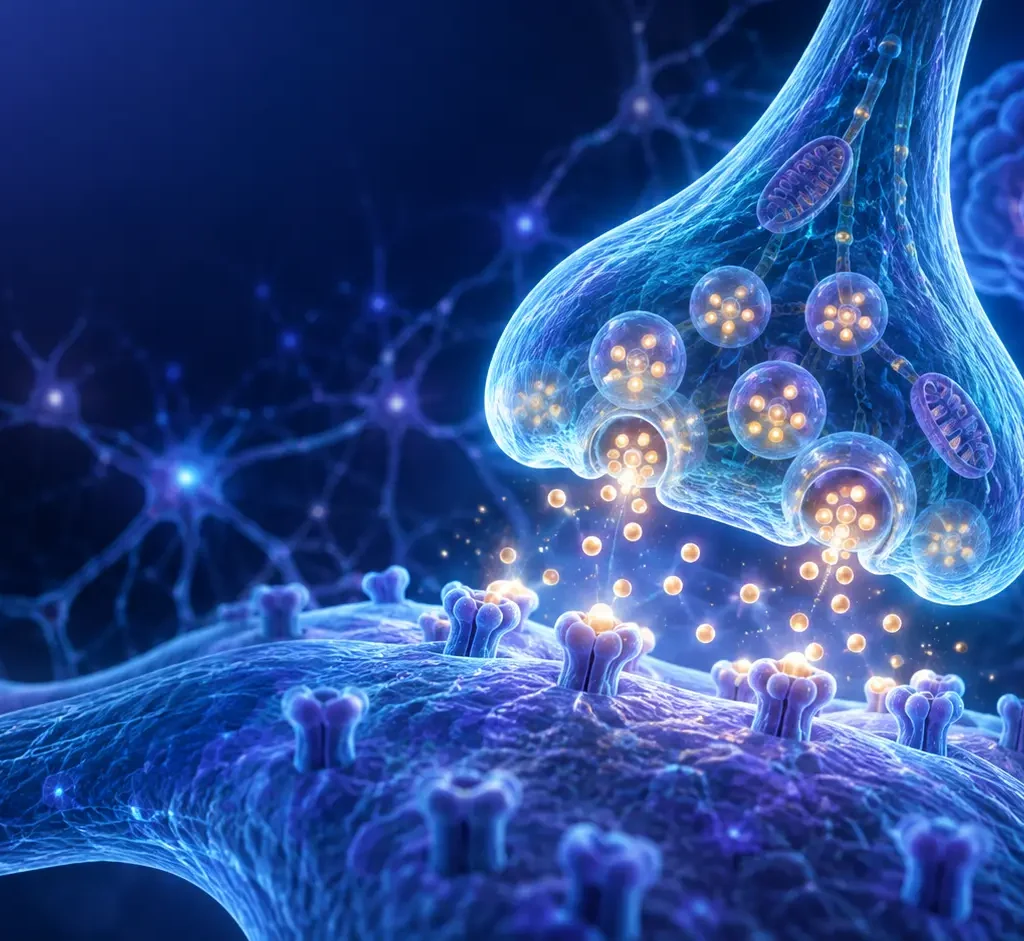

Chemical synapse showing neurotransmitter release and receptors in the central nervous system
Pharmacology

Review of Neurotransmitters: The Foundation of CNS Pharmacology

DCM 2101 · CNS Pharmacology Review of Neurotransmitters: The Foundation of CNS Pharmacology Almost every medicine that changes pain, consciousness, sleep, mood, movement, behaviour, memory or seizure activity works by changing neurotransmission. Before a learner can understand opioids, local anaesthetics, anti-convulsants, antidepressants, antipsychotics, sedatives or medicines used in Parkinson disease, they must understand the chemical language used by the nervous system. A neurotransmitter is an endogenous chemical messenger released from a neuron that acts on a target cell—another neuron, a muscle cell or a gland cell—by binding to a specific receptor. The important clinical question is never simply “what does this chemical do?” It is: where is it made, where is it released, which receptor does it act on, how is its action stopped, and at which point can a medicine modify the process? Learning objectives After studying this lesson, the learner should be able to: Define neurotransmitter, synapse, receptor, agonist, antagonist, reuptake and enzyme inhibition. Describe the sequence of chemical synaptic transmission from synthesis to termination. Differentiate ionotropic from metabotropic receptors and explain why the distinction matters clinically. Classify the important CNS neurotransmitters and relate each to major functions, pathways, receptors, drugs and disease. Explain how pharmacological agents alter neurotransmitter synthesis, storage, release, receptor action, reuptake and metabolism. Apply neurotransmitter physiology to common clinical problems including epilepsy, Parkinson disease, depression, psychosis, dementia, pain, addiction and poisoning. 1. The nervous system communicates at synapses A neuron carries an electrical signal (the action potential) along its axon. At the end of the axon, it must pass information to another cell. The specialised junction where this occurs is a synapse. Most clinically important synapses are chemical synapses. Part of a chemical synapse What it contains or does Why it matters in pharmacology Presynaptic terminal The axon ending. It contains transmitter-synthesising enzymes, storage vesicles, voltage-gated calcium channels and transporters. Drugs may alter synthesis, vesicular storage, calcium-dependent release or presynaptic feedback receptors. Synaptic vesicles Small membrane sacs that concentrate neurotransmitter and protect it from metabolism until release. Botulinum toxin, amphetamines, vesicular transport inhibitors and many toxins act before or during release. Synaptic cleft The tiny gap between cells. Released transmitter diffuses across it in milliseconds. Enzymes and reuptake transporters remove transmitter from this space; their inhibition can increase signalling. Postsynaptic membrane Contains receptors, ion channels and second-messenger systems that convert a chemical message into a cellular response. Most medicines are receptor agonists, partial agonists, antagonists or allosteric modulators. Glial cells Astrocytes and other glia buffer potassium, take up transmitters such as glutamate and GABA, and support neuronal metabolism. Failure of glial clearance can contribute to excitotoxicity; glia are active partners, not passive support cells. Chemical versus electrical synapses Chemical synapse Uses a neurotransmitter. It is slightly slower than an electrical synapse but is highly flexible: the signal can be amplified, inhibited, prolonged, reversed, learned from or modified by drugs. Nearly all CNS pharmacology focuses here. Electrical synapse Uses gap junctions: direct protein channels linking neighbouring cells. Ions flow rapidly from one cell to another. They are useful where synchronisation is required, but they are less common as drug targets. 2. The life cycle of a neurotransmitter Neurotransmission is a repeating cycle. A medicine can increase or decrease signalling at almost every stage. Learn this sequence well—it is the organising principle for the entire CNS pharmacology chapter. Synthesis: A precursor is taken into the neuron and converted into a transmitter by enzymes. For example, tyrosine is converted to dopamine; glutamate is converted to GABA. Storage: The transmitter is transported into vesicles. Storage allows a rapid, controlled pulse of release rather than continuous leakage. Arrival of the action potential: Depolarisation reaches the presynaptic terminal. Calcium entry: Voltage-gated Ca²⁺ channels open. Calcium influx triggers vesicles to dock and fuse with the presynaptic membrane. Exocytosis: Vesicles release transmitter into the synaptic cleft. Receptor binding: The transmitter binds a matching receptor. Depending on the receptor and ion involved, the result may be excitatory, inhibitory or modulatory. Termination: The message ends by reuptake into the nerve terminal or glial cell, enzymatic breakdown, diffusion away, or uptake into surrounding tissue. Recycling: Components are reused to make more transmitter or vesicles. Clinical framework Think “more signal” or “less signal” A medicine may produce more transmitter effect by increasing synthesis or release, blocking reuptake, blocking metabolism, directly stimulating a receptor, or positively modulating receptor activity. It may produce less transmitter effect by reducing synthesis or release, blocking a receptor, accelerating breakdown, or negatively modulating receptor activity. The desired direction depends on the disease: increasing dopamine helps Parkinson disease, whereas blocking excessive dopamine signalling helps psychosis. Key pharmacology words Term Meaning Simple example Agonist Binds a receptor and activates it, imitating the endogenous transmitter. Morphine activates μ-opioid receptors; salbutamol activates β₂ receptors. Partial agonist Activates a receptor, but less strongly than a full agonist. In a high-transmitter state it may reduce the overall effect. Buprenorphine is a partial μ-opioid receptor agonist. Antagonist Binds without activating the receptor and blocks an agonist or transmitter. Naloxone blocks opioid receptors; many antipsychotics block D₂ receptors. Reuptake inhibitor Blocks the transporter that normally returns transmitter to the nerve terminal or glia, increasing transmitter in the synaptic cleft. SSRIs inhibit serotonin reuptake; cocaine blocks monoamine reuptake. Enzyme inhibitor Prevents enzymatic destruction of a transmitter, prolonging its action. Acetylcholinesterase inhibitors increase acetylcholine; MAO inhibitors increase monoamines. Allosteric modulator Binds at a site different from the transmitter-binding site and changes receptor response. Benzodiazepines positively modulate GABAA receptors. 3. Receptors: how the message becomes a response A neurotransmitter has no effect unless the target cell has an appropriate receptor. The receptor determines the speed, direction and duration of the response. A single transmitter can be excitatory in one place and inhibitory in another because receptor subtype—not the transmitter name alone—determines the final effect. Ionotropic receptors Fast, direct ion channels The receptor itself is an ion channel. When transmitter binds, the channel opens within milliseconds and ions move across the membrane. Excitatory example: AMPA or nicotinic acetylcholine receptors permit positive ion entry,

Supportive recovery pathway and substance-use risk factors
Pharmacology

Drug Abuse: Definitions, Risk Factors and Clinical Assessment

DCM 2101 · CNS Pharmacology Drug Abuse: Definitions, Risk Factors and Clinical Assessment Substance-related problems are common in clinical practice and may present in any department: trauma, emergency care, medical wards, mental health, antenatal care, outpatient clinics and community health. A patient may arrive with seizures, confusion, depression, injuries, gastrointestinal bleeding, pneumonia, sexual risk, violence, poor treatment adherence or social collapse—and the underlying contributor may be harmful substance use. This lesson explains the language, biology and biopsychosocial factors behind drug abuse. The aim is not to label or shame a person. It is to help the clinical learner recognise risk early, speak safely and respectfully, assess urgency, and connect the patient to appropriate care. Learning objectives Define drug, psychoactive substance, drug use, misuse, hazardous use, harmful use, dependence and substance use disorder. Explain why the older term drug abuse should be used carefully in modern clinical communication. Describe the neurobiology of reward, tolerance, dependence, withdrawal and craving. Classify psychoactive substances by their main CNS effect without glamorising their use. Identify individual, family, peer, school, community and structural risk factors. Identify protective factors and principles of prevention. Take a brief, non-judgemental substance-use history and identify urgent red flags. 1. What do we mean by “drug abuse”? A drug is any substance capable of changing a biological function. Many drugs are beneficial when prescribed correctly: for example antibiotics, anaesthetics, antiepileptic medicines and opioid analgesics. A psychoactive substance is a substance that changes mental processes such as perception, consciousness, mood, cognition or behaviour. Alcohol, nicotine, cannabis, sedatives, opioids, stimulants and some medicines can all be psychoactive. Important language point: “Drug abuse” is still used in many teaching curricula and public discussions, but it can sound blaming and is not a precise diagnosis. Prefer substance use, hazardous substance use, harmful substance use, substance dependence or substance use disorder when documenting and speaking with patients. Use person-first language: say “a person with an opioid use disorder,” not “an addict.” Term Meaning Clinical example Use Consumption of a substance. Use alone does not automatically mean disorder, but it may still be unsafe in some circumstances. Taking a prescribed sedative exactly as directed after surgery. Misuse Using a medicine in a way that differs from its prescription or intended purpose. Taking another person’s tramadol, doubling a prescribed dose, or using a sedative to sleep after alcohol use. Hazardous / risky use A pattern that increases the probability of future harm, even when harm is not yet clearly established. Drinking alcohol before driving, or recurrent intoxication in a person with epilepsy. Harmful use Use that has already caused physical or mental health damage. Alcohol-associated gastritis, cannabis-associated panic symptoms, or injection-related infection. Dependence A physiological and behavioural adaptation marked by strong desire to use, impaired control, tolerance and/or withdrawal. A person develops tremor and anxiety when alcohol is stopped and drinks to relieve the symptoms. Substance use disorder (SUD) A clinically significant pattern of problematic use with impaired control, social impairment, hazardous use and pharmacological features such as tolerance or withdrawal. Repeated opioid use despite overdoses, family conflict and failure at work, with persistent craving and inability to cut down. Intoxication Reversible, acute behavioural and physiological effects while a substance is active in the body. Slurred speech, unsteady gait and impaired judgement after alcohol. Withdrawal A syndrome that follows reducing or stopping a substance after physiological adaptation. Seizures and delirium after abrupt cessation of heavy alcohol use; diarrhoea, pain and yawning after opioid cessation. Why the definition matters Clinical decisions depend on the pattern, not only the name of the substance. A patient can have serious acute intoxication without dependence; another can have dependence without being intoxicated during the clinic visit. A prescribed medicine can be medically appropriate, harmful, misused or associated with dependence depending on indication, dose, duration, monitoring, co-use with other substances and the patient’s circumstances. 2. How substance use becomes a health problem Substance use is not explained by “weak character.” It develops through an interaction of brain biology, genetics, mental health, trauma, family environment, peer influence, opportunity, culture, poverty, marketing and drug availability. The same substance may have very different effects in different people and situations. The reward pathway Many psychoactive substances, through different mechanisms, increase dopamine signalling in the mesolimbic reward pathway. This pathway includes dopaminergic neurons in the ventral tegmental area and targets such as the nucleus accumbens, limbic structures and frontal cortex. Dopamine is not simply the “pleasure chemical”; it helps assign salience, motivates learning and reinforces behaviours linked with reward. Initial reinforcement A substance may reduce anxiety, relieve pain, produce stimulation, sedation, euphoria or social disinhibition. The brain learns to repeat the action because it is followed by an immediate reward or relief. Conditioning and cues Places, friends, emotions, music, money, stress and even particular times of day become cues linked to use. Later, these cues can trigger craving before the substance is taken. Tolerance Repeated exposure may cause reduced response. The person uses more to obtain the same effect, increasing toxicity and financial/social harm. Tolerance to one effect does not guarantee tolerance to respiratory depression, overdose or accidents. Dependence and withdrawal The body adapts to ongoing exposure. When the substance is removed, symptoms may occur because the adapted brain and body are temporarily unbalanced. Using again may relieve withdrawal, reinforcing continued use. Clinical insight Negative reinforcement is powerful Early use may be driven by seeking pleasure (positive reinforcement). With progression, use may be driven mainly by avoiding withdrawal, distress, insomnia, pain or dysphoria (negative reinforcement). This helps explain why telling a dependent person simply to “stop” is rarely enough. Effective care combines medical assessment, psychological support, social intervention and relapse prevention. 3. Broad classification of psychoactive substances The next lesson examines major drugs and management in detail. For this introduction, classify substances by their predominant CNS effect. A single substance can produce more than one effect, and effects change with dose, route, combinations and patient factors. Group Examples Typical CNS effect Important clinical concern Depressants / sedatives Alcohol, benzodiazepines,

Clinical care pathway for major drugs of abuse: overdose response, monitoring and recovery support
Pharmacology

Major Drugs of Abuse and Their Management

DCM 2101 · CNS Pharmacology Major Drugs of Abuse and Their Management People may present after using a substance because of intoxication, overdose, withdrawal, an injury, infection, a mental-health crisis, family concern, or a complication of long-term use. A safe clinician does not begin by asking, “What sort of person is this?” Begin with: “What is happening physiologically, what is immediately life-threatening, and what care will reduce harm?” This chapter connects the pharmacology of common psychoactive substances to the bedside. It covers alcohol, opioids, sedatives, stimulants, cannabis, hallucinogens, inhalants, nicotine/tobacco, and heavily expands into entactogens (MDMA), GHB, anticholinergics, and anabolic steroids. It also separates acute intoxication, withdrawal, and rehabilitation because their management requires entirely different clinical approaches. Learning objectives Classify major psychoactive substances by their predominant CNS and physiological effects. Recognise typical intoxication, overdose, toxidromes, and withdrawal syndromes. Prioritise emergency assessment logically from point of contact: triage, primary survey (ABCDE), secondary survey, targeted diagnostics, and disposition. Outline evidence-based acute care, withdrawal care (including clinical scoring tools like CIWA-Ar and COWS), relapse-prevention treatment and harm reduction. Identify and manage emerging or less common substances of abuse including GHB, MDMA, synthetic cathinones, and anticholinergics. Understand the modalities, goals, and phases of formal addiction rehabilitation. Give a respectful, non-stigmatising clinical explanation of substance use disorders. 1. The clinical map: depressants, stimulants, and perceptual drugs A psychoactive substance changes mental processes such as consciousness, perception, mood or cognition. It may be legal, prescribed, traditional, commercially sold or illicit. Legal status does not tell us whether a substance is safe, whether it is causing harm, or whether a patient deserves care. Group Examples Predominant acute CNS effect Key immediate danger Depressants Alcohol, benzodiazepines, barbiturates, opioids, GHB/GBL Sedation, impaired coordination, reduced respiratory drive, bradycardia Coma, aspiration, profound respiratory depression, sudden death Stimulants Cocaine, amphetamines, methamphetamine, khat (cathinone), synthetic cathinones (bath salts) Sympathetic activation, alertness, euphoria, psychomotor agitation Hyperthermia, arrhythmia, myocardial infarction, seizure, stroke, severe agitation/delirium Entactogens (Empathogens) MDMA (Ecstasy), MDA Euphoria, increased empathy, mild stimulation, serotonin release Serotonin syndrome, severe hyperthermia, exercise-induced hyponatraemia, jaw clenching Cannabinoids Cannabis; synthetic cannabinoids (Spice, K2) Altered perception, relaxation or anxiety, appetite stimulation Impaired driving, panic, psychosis, cannabinoid hyperemesis; unpredictable toxicity/seizures with synthetics Hallucinogens/dissociatives LSD, psilocybin, ketamine, PCP, Ayahuasca/DMT Distorted perception, visual hallucinations, dissociation, agitation Accidental injury, dangerous behaviour, hyperthermia, self-harm, or prolonged psychosis Anticholinergics Datura (Jimsonweed), diphenhydramine abuse Delirium, hallucinations, blocked parasympathetic tone Hyperthermia, arrhythmias, severe agitated delirium, urinary retention, bowel obstruction Inhalants Petrol, glue, solvents, aerosols, nitrites, nitrous oxide (whippets) Rapid intoxication, CNS depression or excitation Sudden sniffing death (arrhythmia), hypoxia, burns, organ toxicity, B12 deficiency (N2O) Nicotine Cigarettes, shisha, vaping products, oral tobacco Stimulation then dependence; withdrawal irritability Long-term cardiovascular, respiratory and cancer risk; acute poisoning in children Anabolic Steroids Testosterone derivatives, stanozolol, nandrolone Increased muscle mass, altered mood, increased aggression Cardiovascular disease, dyslipidaemia, severe hepatotoxicity, hypogonadism, psychiatric effects Never assume one drug only Polysubstance use is common. Alcohol plus opioids or benzodiazepines can produce much deeper respiratory depression than either alone. A stimulant may hide sedation initially; when its effect wears off, opioid or sedative toxicity may become obvious. Ask specifically about alcohol, prescribed medicines, traditional/herbal products and “energy” or party products. 2. First priorities: A logical flow from point of contact The name of the substance matters, but physiology comes first. A patient with reduced consciousness can deteriorate while staff are still trying to identify what was taken. Approach the patient systematically. Phase 1: Primary Survey (ABCDE + Glucose + Temperature) Airway: Look for vomit, snoring/obstruction, gurgling, facial trauma or seizures. Position safely (recovery position if unconscious but breathing normally), suction if available, and protect the airway with basic or advanced adjuncts when necessary. Breathing: Count respiratory rate, assess depth, and measure oxygen saturation. Slow, shallow breathing is especially concerning with opioids, sedatives, and GHB. Give oxygen and bag-valve-mask (BVM) ventilatory support according to capability. BVM is a crucial bridge to antidotes or intubation. Circulation: Check pulse, blood pressure, capillary refill, and a 12-lead ECG where indicated. Establish large-bore IV access and give isotonic fluids when clinically appropriate. Treat shock, life-threatening arrhythmias, and severe hypertension promptly. Disability: Check conscious level (AVPU/GCS), pupil size and reactivity (pinpoint vs dilated), seizures, focal neurology, and always check bedside capillary glucose. Hypoglycaemia (especially in alcohol use) may perfectly mimic intoxication or stroke and should be corrected promptly. Exposure/Environment: Measure core temperature. Hyperthermia is highly lethal in toxicological emergencies (stimulants, MDMA, anticholinergics). Strip the patient to check for injuries, hidden injection sites, transdermal patches (e.g., fentanyl), concealed drug packets, rashes, and bleeding. Preserve dignity and prevent hypothermia once assessed. Phase 2: Secondary Survey and Targeted History Once stable, gather the AMPLE history (Allergies, Medications, Past medical history, Last meal/use, Events leading up): What was used, by which route (oral, smoked, insufflated/snorted, injected IV/IM/SC), how much, when, and with whom? Was it prescribed? Was there an intention to self-harm, or was the use accidental/recreational? Did bystanders give any home remedies or antidotes before arrival? What else was taken: alcohol, sedatives, opioids, stimulants, over-the-counter medicines (like paracetamol/acetaminophen), herbal remedies? Usual pattern of use, time of last use, past withdrawal seizures or delirium tremens, previous overdoses and treatment. Comorbid illness: epilepsy, liver disease, cardiac disease, pregnancy, HIV/hepatitis/TB risk, underlying psychiatric illness (schizophrenia, bipolar) and medication interactions. Phase 3: Targeted Investigations Do not delay resuscitation for lab results. Use clinical findings to guide tests: Universal: Capillary glucose, 12-lead ECG (look for QRS widening, QTc prolongation, ischaemia), paracetamol (acetaminophen) and salicylate levels in all intentional self-harm cases. Targeted: Pregnancy testing for all women of childbearing age; renal/liver function tests, electrolytes, and creatine kinase (CK) in severe illness, prolonged immobilisation, or hyperthermia (rhabdomyolysis risk). Toxicology screens: Use only when the result will change care. A negative urine screen does not exclude exposure (many synthetics don’t show up), and a positive result does not prove current impairment (cannabis can stay positive for weeks). 3. Alcohol (Ethanol) Alcohol is a CNS depressant that enhances inhibitory GABA signalling and disrupts excitatory glutamate (NMDA), dopamine, and other systems. Acute effects

Uncategorized

The WHO Analgesic Ladder: Applying Stepwise Pain Relief Safely

DCM 2101 · CNS Pharmacology The WHO Analgesic Ladder: Applying Stepwise Pain Relief Safely The WHO analgesic ladder is a practical framework for selecting analgesia according to the severity, mechanism, and effect of pain. Originally developed in 1986 for cancer pain, its core principles—careful assessment, regular review, appropriate escalation, and individualised care—remain the cornerstone of pain management across all clinical practice. It is crucial to remember that the ladder is not a substitute for diagnosis: relieving pain must occur alongside the aggressive investigation and treatment of the underlying cause. Learning outcomes Describe the classical steps of the WHO analgesic ladder and its modern (bidirectional) application. Assess pain systematically before choosing an analgesic using validated tools (e.g., SOCRATES, numerical scales). Detail the pharmacology (Mechanism of Action, Indications, Contraindications, Adverse Effects, Interactions) of non-opioids, opioids, and adjuvants. Recognise when it is appropriate to move directly to strong opioid therapy, refer, or treat the cause of pain urgently. Prevent, monitor, and manage common adverse effects of analgesics, particularly opioid-induced respiratory depression and constipation. 1. The place of the ladder in modern pain care The classical ladder features ascending steps. However, modern clinical pharmacology teaches that the ladder is bidirectional. The central aim is not to force a patient to “climb” from step 1; it is to achieve acceptable comfort, function, sleep, and quality of life with the least harm. Do not apply the steps mechanically A patient with severe cancer pain, a major fracture, acute myocardial ischaemia, bowel obstruction, compartment syndrome, spinal cord compression, sepsis, or an acute abdomen requires immediate strong analgesia (Step 3) alongside urgent definitive treatment. In severe established cancer or acute trauma pain, a patient appropriately begins at the strong-opioid step rather than being made to “fail” weaker treatments first. Conversely, as acute pain resolves (e.g., post-operatively), the ladder should be climbed downwards (de-escalation) to prevent opioid dependence. Pain is a symptom, not the diagnosis Escalating analgesics without looking for a reversible cause can be highly dangerous. New severe back pain with weakness or sphincter disturbance (Cauda Equina/Spinal Cord Compression), sudden severe headache (Subarachnoid Haemorrhage), chest pain, peritonism, a painful cold limb (Ischaemia), or pain with fever and instability needs urgent assessment and escalation of care—not merely a higher analgesic dose. 2. Start with a proper pain assessment Ask the patient to describe pain in their own words and document a baseline. Use the SOCRATES or PQRST mnemonic. A numerical rating scale (0–10), verbal scale, or Wong-Baker faces scale can be used, but the number alone is insufficient. Assessment domain Questions and clinical meaning Site and radiation Where is it? Does it move? Map focal, dermatomal, bone, or visceral distribution. Onset, timing, and pattern Sudden or gradual? Constant, intermittent, incident-related, or nocturnal? New pain in a cancer patient may be a new complication (e.g., pathological fracture). Quality (Mechanism) Burning, electric shock, shooting (Neuropathic); Aching, tender, throbbing (Somatic Nociceptive); Cramping, colicky, deep pressure (Visceral Nociceptive). Severity and functional effect How does it affect walking, breathing, sleep, eating, work, mood, and personal care? Functional goals guide treatment. Triggers and relief Movement, cough, meals, position, dressing changes. Identifies incident pain requiring planned rescue doses. Previous treatment What drug, route, dose, timing, and adverse effects? Confirm adherence, availability, and use of traditional/herbal medicines. Context and Comorbidities Renal/hepatic disease, pregnancy, bleeding risk, substance-use history, depression/anxiety, family support, and medicine access. Breakthrough Pain Breakthrough pain is a transient flare of pain despite otherwise controlled background pain. Ask whether it is predictable (incident pain, e.g., during wound care) or spontaneous; this changes the pharmacological rescue plan. 3. The classical WHO analgesic ladder Step Usual pain severity Analgesic strategy Key message Step 1 Mild pain (1-3/10) Non-opioid: paracetamol and/or an NSAID, ± adjuvant. Use a safe, regular regimen; avoid NSAID duplication and assess organ risk. Step 2 Mild-to-moderate pain (4-6/10) that persists despite step 1 Weak Opioid (codeine, tramadol) ± non-opioid ± adjuvant. Review early. A weak opioid is not always the best bridge to a strong opioid; sometimes it just delays effective relief. Step 3 Moderate-to-severe pain (7-10/10), persistent or escalating Strong opioid (morphine, fentanyl) ± non-opioid ± adjuvant. Individual titration, prevention of adverse effects (constipation, nausea), and regular monitoring are essential. Step 4 (Modern addition) Refractory, intractable pain Interventional procedures (nerve blocks, epidurals, neurolysis, PCA) ± adjuvant. Requires specialist pain/anaesthesia referral. 4. The five practical principles of WHO pain management By the mouth: Use the least invasive effective route. Oral treatment supports comfort and home care. Use IV/SC routes only when vomiting, dysphagia, malabsorption, or rapid titration makes oral therapy unsuitable. Avoid painful IM injections. By the clock: Persistent pain needs regular scheduled analgesia (e.g., q6h or q12h), not only PRN (when pain becomes unbearable). Add a separate PRN plan for predictable breakthrough or procedural pain. By the ladder: Choose the step that matches the patient’s present pain and clinical situation. Escalate, de-escalate, or bypass a step when clinically indicated. For the individual: Choose the agent, route, and monitoring plan tailored to that patient’s pain mechanism, organ function (renal/hepatic clearance), co-morbidity, beliefs, and treatment goals. Attention to detail: Write clear instructions, check understanding, anticipate constipation/nausea, check drug interactions, and review response. Good prescribing is only effective when the patient can follow the plan. 5. Step 1: Non-Opioid Analgesics (Pharmacology Deep-Dive) Paracetamol (Acetaminophen) Mechanism of Action (MOA): Exact mechanism debated. Believed to inhibit COX-3 in the CNS and interact with the peroxidase site of COX enzymes. Has potent analgesic and antipyretic effects, but virtually no anti-inflammatory effects in the periphery. Indications: Mild nociceptive pain, fever, osteoarthritis (mild), adjunct to opioids for severe pain (opioid-sparing effect). Contraindications: Severe active liver disease. Adverse Effects: Extremely well tolerated at therapeutic doses. Overdose depletes hepatic glutathione, causing accumulation of the toxic metabolite NAPQI, leading to fatal centrilobular hepatic necrosis. Interactions & Dosing: 1g every 6 hours (max 4g/day in healthy adults). Reduce max dose (e.g., 2g-3g/day) in malnutrition, frailty, chronic alcoholism, or liver disease. Beware of accidental duplication in OTC cold remedies. NSAIDs (Ibuprofen, Diclofenac, Naproxen, Celecoxib) Mechanism of

Pharmacology

Adrenergic Agonists: Classification, Pharmacology and Clinical Use

Adrenergic Agonists (Sympathomimetics): Comprehensive Pharmacological Guide, Dosing, and Safe Clinical Use What this comprehensive chapter covers This guide provides an extensive, medicine-by-medicine deep dive into adrenergic pharmacology. Synthesizing standard physiological foundations with clinical applications, it ensures students and practitioners understand the biosynthesis, mechanism of action (MOA), pharmacokinetics, receptor profiles, and precise indications for each major adrenergic agonist. Detailed sections are provided for every drug, segregating common side effects from severe adverse events, outlining strict contraindications, and cataloging vital drug-drug interactions. Critical Pre-Prescription Safety Review Identify the exact clinical problem: Anaphylaxis, acute asthma exacerbation, cardiogenic shock, septic shock, symptomatic bradycardia, and orthostatic hypotension possess entirely different pathological mechanisms requiring highly specific receptor targeting. Baseline & Continuous Assessment: Check BP, pulse rate, cardiac rhythm, continuous ECG (for IV infusions), oxygenation (SpO2), serum K+, blood glucose, renal function, hydration/volume status, and pregnancy status. Verify Formulations & Concentrations: A classic lethal error is confusing adrenaline concentrations. Adrenaline 1 mg/mL (1:1000) is for IM use only. Adrenaline 0.1 mg/mL (1:10,000) is for IV resuscitation. They are never interchangeable [1]. IV Vasoactive Protocol: Always use a central line when possible, an infusion pump, a traceable protocol, and frequent reassessment with documented targets (e.g., MAP > 65 mmHg, improved capillary refill, urine output > 0.5 mL/kg/hr). Introduction to Adrenergic Pharmacology The sympathetic nervous system (SNS) regulates the body’s “fight or flight” response through the release of endogenous catecholamines (dopamine, noradrenaline, and adrenaline). Understanding how to manipulate this system pharmacologically requires a firm grasp of catecholamine life cycles and receptor mechanics. Biosynthesis: Synthesized in adrenergic neurons and the adrenal medulla. The pathway begins with the amino acid Tyrosine → DOPA (via Tyrosine Hydroxylase, the rate-limiting step) → Dopamine → Noradrenaline (Norepinephrine) → Adrenaline (Epinephrine) [1]. Storage & Release: Catecholamines are stored in presynaptic vesicles (protected from degradation) and released into the synaptic cleft upon calcium influx triggered by an action potential. Termination of Action: Reuptake into the presynaptic neuron (via NET/DAT) is the primary termination method. Enzymatic degradation is handled by Monoamine Oxidase (MAO) in the mitochondria and Catechol-O-Methyltransferase (COMT) in the synaptic space and liver. The final urinary metabolite for epinephrine and norepinephrine is Vanillylmandelic Acid (VMA) [1]. 1. Receptor Foundation & Second Messengers Receptor G-Protein / 2nd Messenger Major Physiologic Effect Clinical Consequence & Application α1 Gq → PLC → IP3/DAG → ↑ Intracellular Ca2+ Smooth muscle contraction (arterial/venous vasoconstriction), mydriasis (pupil dilation), contraction of bladder sphincter. Raises Systemic Vascular Resistance (SVR) and BP; relieves nasal mucosal edema; causes urinary retention and potential tissue ischemia. α2 Gi → inhibits Adenylyl Cyclase → ↓ cAMP Presynaptic inhibition of noradrenaline release; decreases central sympathetic outflow. Lowers BP and heart rate centrally; abrupt withdrawal causes severe rebound hypertension. β1 Gs → stimulates Adenylyl Cyclase → ↑ cAMP Increased chronotropy (heart rate), inotropy (contractility), dromotropy (AV conduction), and renin release (kidneys). Raises cardiac output; increases myocardial oxygen demand; may provoke angina or tachyarrhythmias. β2 Gs → stimulates Adenylyl Cyclase → ↑ cAMP Smooth muscle relaxation (bronchodilation, uterine relaxation, vasodilation of skeletal muscle beds), glycogenolysis, cellular K+ uptake. Relieves bronchospasm; suppresses premature labor; triggers fine muscle tremor, reflex tachycardia, hyperglycemia, and hypokalemia. D1 Gs → stimulates Adenylyl Cyclase → ↑ cAMP Vasodilation in renal, mesenteric, and coronary beds. Improves renal and splanchnic blood flow at low dopamine doses (though “renal-dose dopamine” to prevent AKI is no longer supported by evidence). Detailed Drug Profiles 2. Adrenaline (Epinephrine) Class & Receptor Profile: Endogenous catecholamine; potent direct non-selective agonist at α1, α2, β1, and β2 receptors. Pharmacokinetics: Poorly absorbed orally (rapidly destroyed by gut MAO/COMT). Given IM, SC, IV, or via inhalation. Does not readily cross the blood-brain barrier. Extremely short half-life (~2 minutes). Mechanism of Action (MOA): Dose-dependent effects. Low doses primarily stimulate β receptors (causing vasodilation and increased heart rate). High doses heavily stimulate α1 receptors (causing profound vasoconstriction that overrides β2 vasodilation). β2 agonism provides strong bronchodilation and inhibits mast cell degranulation. Clinical Indications: Acute anaphylaxis (first-line), cardiac arrest (VF, pulseless VT, asystole, PEA), severe acute asthma (when inhaled agents fail), combined with local anesthetics (to induce local vasoconstriction, reducing systemic absorption and prolonging anesthesia). Dosage & Administration: Anaphylaxis: 0.3–0.5 mg IM of 1 mg/mL (1:1000) into the anterolateral mid-thigh. Repeat every 5–15 minutes PRN. Cardiac Arrest: 1 mg IV/IO of 0.1 mg/mL (1:10,000) every 3–5 minutes during CPR. Contraindications: No absolute contraindications in life-threatening anaphylaxis. Relative contraindications in non-emergencies: narrow-angle glaucoma, severe cardiac disease, non-anaphylactic shock, and known sulfite allergy (present in some formulations) [2]. Common Side Effects: Tremor, restlessness, anxiety, tension, palpitations, headache, sweating, pallor, and nausea. Severe Adverse Effects: Ventricular arrhythmias (VF/VT), fatal myocardial ischemia (due to massive increase in O2 demand), severe hypertension, cerebrovascular accident (hemorrhage), and pulmonary edema. Extravasation can cause severe tissue necrosis. Drug Interactions: Non-selective Beta-Blockers (e.g., Propranolol): Blocks β2 vasodilation, leaving α1 vasoconstriction unopposed → life-threatening hypertensive crisis with reflex bradycardia. MAOIs & TCAs: Prevent catecholamine breakdown/reuptake → exaggerated pressor effects. Halogenated Anesthetics (e.g., Halothane): Sensitize the myocardium to epinephrine, greatly increasing the risk of arrhythmias. Monitoring: Continuous ECG, BP, heart rate, SpO2, blood glucose (can cause hyperglycemia), and serum potassium (can cause transient hypokalemia). 3. Noradrenaline (Norepinephrine) Class & Receptor Profile: Endogenous catecholamine; potent α1 and α2 agonist, moderate β1 agonist, minimal to no β2 activity. Pharmacokinetics: Administered exclusively via IV infusion. Rapid onset (1-2 mins), very short duration (metabolized by COMT/MAO). Mechanism of Action (MOA): Massive α1 stimulation leads to intense peripheral vasoconstriction, significantly increasing systemic vascular resistance (SVR) and both systolic and diastolic blood pressures. While it has β1 chronotropic effects, the sudden surge in blood pressure often triggers a vagal baroreceptor reflex that causes reflex bradycardia, masking the direct heart rate increase. Clinical Indications: First-line vasopressor for distributive/septic shock, neurogenic shock, and profound hypotension unresolved by adequate fluid resuscitation. Dosage & Administration: Titrated IV infusion via a central venous catheter (to avoid extravasation). Typically starts at 8–12 mcg/min and titrated to achieve a Mean Arterial Pressure (MAP) > 65 mmHg. Contraindications: Uncorrected hypovolemia (must replace fluids first), mesenteric

Pharmacology

Adrenergic Antagonists: Alpha Blockers, Beta Blockers and Clinical Pharmacology

Adrenergic Antagonists (Sympatholytics): Comprehensive Drug-by-Drug Pharmacology, Dosing, and Safe Clinical Use What this comprehensive chapter covers Adrenergic antagonists (sympatholytics) are pharmacological agents that bind to adrenoceptors (alpha and beta) but do not trigger the usual intracellular response, thereby blocking the actions of endogenous catecholamines (noradrenaline and adrenaline). This extensively detailed, advanced-level guide dissects every major alpha and beta antagonist. For each individual drug, you will find an expanded exploration of its receptor profile, mechanism of action (MOA), pharmacokinetics, specific formulations, precise clinical indications, common side effects, severe adverse events, strict contraindications, and major drug-drug interactions. Critical Pre-Prescription Safety Review & The “Alpha Before Beta” Rule Identify the exact clinical problem: Beta-blockers are life-saving for chronic Heart Failure with reduced Ejection Fraction (HFrEF), but they can be fatal if initiated during acute decompensated heart failure (cardiogenic shock/pulmonary edema). The Pheochromocytoma Rule (Alpha First, Beta Second): In states of massive catecholamine excess (e.g., pheochromocytoma, cocaine toxicity, MAOI crisis), you MUST establish adequate alpha-blockade first. Administering a beta-blocker first blocks β2-mediated vasodilation, leaving α1-mediated vasoconstriction completely unopposed. This results in a catastrophic, life-threatening hypertensive crisis and acute pulmonary edema. Assess Baseline Hemodynamics: Always check baseline BP, heart rate, continuous ECG (for pre-existing AV block), respiratory history (asthma/COPD), renal/hepatic function, and peripheral vascular status before initiating sympatholytics. 1. Introduction to Adrenergic Antagonism & Pharmacological Concepts Adrenergic antagonists exert their effects by inhibiting the sympathetic nervous system. To master this class, you must understand three advanced pharmacological properties that differentiate these drugs: Selectivity vs. Non-Selectivity: Selective agents (e.g., β1 blockers) target specific receptors, minimizing unwanted side effects (like β2 bronchoconstriction). However, selectivity is dose-dependent; at high doses, selective agents lose their specificity. Intrinsic Sympathomimetic Activity (ISA): Some beta-blockers (like Pindolol and Acebutolol) are actually partial agonists. They block potent endogenous catecholamines but provide a weak baseline stimulation, preventing severe resting bradycardia. Membrane Stabilizing Activity (MSA): Also known as local anesthetic action. Drugs like Propranolol block fast neuronal sodium channels at high doses, which is useful for treating arrhythmias but dangerous in overdose (causing widened QRS and seizures). Receptor Blocked Mechanism of Blockade Useful Clinical Effect Predictable Hazard / Adverse Effect α1 Blocks Gq pathway (↓ IP3/DAG & Ca2+) Vasodilation (↓ BP); relaxation of prostate capsule and bladder neck smooth muscle. Postural (orthostatic) hypotension, first-dose syncope, reflex tachycardia, nasal congestion, miosis. α2 Blocks Gi pathway (removes negative feedback) Historically not targeted alone; blocking it increases presynaptic noradrenaline release. Significant reflex tachycardia (seen with non-selective alpha-blockers like phentolamine). β1 Blocks Gs pathway (↓ cAMP in heart/kidneys) Decreases heart rate (chronotropy), contractility (inotropy), AV conduction (dromotropy), and renin release. Severe bradycardia, complete heart block, acute worsening of heart failure, fatigue. β2 Blocks Gs pathway (↓ cAMP in smooth muscle/liver) Historically used to reduce skeletal muscle tremor. Life-threatening bronchospasm in asthma; prevents glycogenolysis (prolonging and masking hypoglycemia). 2. Non-Selective Alpha Blockers Phenoxybenzamine Class & Receptor Profile: Non-selective, irreversible (covalent) α1 and α2 blocker. (Haloalkylamine derivative). Mechanism of Action (MOA): Binds covalently (alkylates) to alpha receptors, causing an irreversible blockade. The body must synthesize entirely new adrenoceptors to overcome the drug’s effect, which takes several days. α1 block: Causes massive peripheral vasodilation, lowering BP. α2 block: Removes presynaptic negative feedback, causing excess noradrenaline to flood the synapse, which strongly stimulates β1 receptors (causing profound reflex tachycardia). Pharmacokinetics: Oral absorption is variable. Slow onset (takes hours to fully act as the active intermediate forms) but highly prolonged duration of action (3-4 days). Formulations & Dosing: Oral capsules (10 mg). Pre-operative pheochromocytoma preparation usually begins at 10 mg twice daily, slowly titrated over weeks to 20–40 mg two or three times daily depending on BP response. Indications: Pre-operative preparation and chronic medical management of Pheochromocytoma to prevent fatal hypertensive crises during surgical tumor manipulation. Never used for essential hypertension. Common Side Effects: Severe postural dizziness, intense reflex tachycardia, palpitations, profound nasal congestion, miosis, fatigue, and failure of ejaculation. Serious Adverse Effects: Severe syncope, profound hypotension (patients require aggressive IV fluid loading pre-operatively), and angina/myocardial infarction driven by extreme reflex tachycardia. Contraindications: Severe hypotension, cardiogenic shock. Extreme caution in patients with severe coronary artery disease (CAD) or cerebrovascular disease. Interactions: Nitrates, PDE-5 inhibitors (e.g., sildenafil), and alcohol cause catastrophic additive hypotension. Monitoring: Lying and standing BP, heart rate, and strict volume status. Phentolamine Class & Receptor Profile: Non-selective, reversible competitive α1 and α2 blocker. (Imidazoline derivative). Mechanism of Action (MOA): Competitively antagonizes alpha receptors causing rapid, short-acting vasodilation. Because it is competitive, its effects can be overcome by massive surges of circulating catecholamines. It also possesses mild histamine-releasing and cholinergic properties. Pharmacokinetics: Administered IV or locally. Very rapid onset and short duration of action (half-life ~19 minutes). Formulations & Dosing: IV injection or local tissue infiltration. Emergency Crisis: 5 mg IV slowly, repeated PRN. Extravasation: 5-10 mg diluted in 10 mL saline injected subcutaneously around the ischemic site. Indications: Intra-operative management of hypertensive crises during pheochromocytoma resection. MAOI-tyramine crisis (the “cheese reaction”), severe cocaine toxicity, or clonidine withdrawal crisis. Extravasation Antidote: Saves tissue from necrosis when a severe vasoconstrictor (like noradrenaline or dopamine) leaks into subcutaneous tissue. Common Side Effects: Flushing, headache, nasal congestion, reflex tachycardia, GI hypermotility (diarrhea). Serious Adverse Effects: Severe hypotension, fatal arrhythmias, angina, or acute MI (due to reflex tachycardia). Contraindications: Recent MI, history of coronary artery disease. Interactions: Potentiates all other antihypertensive medications; epinephrine reversal (giving epinephrine after phentolamine causes paradoxical hypotension because only β2 vasodilation is left intact). 3. Selective Alpha-1 Blockers Prazosin, Doxazosin, and Terazosin Class & Receptor Profile: Highly selective α1 receptor competitive blockers. (Quinazoline derivatives). Mechanism of Action (MOA): Selectively block α1 receptors on arterioles and venules, reducing systemic vascular resistance, preload, and afterload. They also relax smooth muscle in the prostate and bladder neck. Crucially, they leave α2 intact, which maintains negative feedback on noradrenaline release—resulting in significantly less reflex tachycardia compared to non-selective agents. They also modestly improve lipid profiles (↓ LDL, ↑ HDL). Pharmacokinetics: Prazosin is short-acting (dosed BID/TID). Doxazosin and Terazosin have longer half-lives (up to 22 hours), allowing

Pharmacology

Cholinergic Agonists: Muscarinic, Nicotinic and Anticholinesterase Drugs

Cholinergic Agonists: Muscarinic, Nicotinic and Anticholinesterase Drugs Cholinomimetics reproduce acetylcholine (ACh) effects either by directly stimulating muscarinic/nicotinic receptors or by inhibiting acetylcholinesterase (AChE). They are powerful but unforgiving medicines: the same mechanism that restores bladder tone or neuromuscular transmission can cause bronchospasm, bradycardia, diarrhoea, seizures or cholinergic crisis. Doses below are common adult teaching ranges; prescribe only after checking the current product, indication, patient factors and local protocol. Learning outcomes Differentiate direct muscarinic agonists, nicotine-receptor agonists and indirect AChE inhibitors. Predict organ effects using M1, M2, M3, NN and NM receptors. Give drug-by-drug indications, doses, adverse effects, contraindications and interactions. Recognise cholinergic crisis and organophosphate poisoning as emergencies. 1. Receptor map Receptor Where it matters Stimulation effect Clinical consequence M2 SA/AV node Slows rate and conduction. Bradycardia and AV block in toxicity. M3 Glands, bronchi, gut, bladder, eye Secretions, bronchoconstriction, gut/bladder contraction, miosis. Useful for dry mouth/glaucoma/bladder atony; dangerous in asthma/obstruction. NM Neuromuscular junction Skeletal muscle depolarisation. Improves MG with AChE inhibitors; excess causes fasciculation then weakness. NN Autonomic ganglia/CNS Autonomic stimulation and CNS reward pathways. Nicotine dependence, variable BP/HR effects. Cholinergic toxidrome: recognise it early Muscarinic: salivation, lacrimation, urination, diarrhoea, GI cramp, emesis, miosis, sweating, bronchorrhoea, bronchospasm and bradycardia. Nicotinic: fasciculation, weakness, hypertension/tachycardia early, then paralysis. CNS: anxiety, confusion, seizures and coma may occur with agents that enter the brain or organophosphates. Emergency action: PPE/decontamination where needed, ABC support, suction/oxygen/ventilation and protocol-directed atropine plus oxime therapy for organophosphate poisoning. 2. Classification Direct muscarinic agonists Choline esters: bethanechol, carbachol. Alkaloids/analogues: pilocarpine, cevimeline. Nicotinic agonists Nicotine replacement products. Varenicline: partial α4β2 nicotinic agonist. Indirect agonists: AChE inhibitors Neostigmine, pyridostigmine (peripheral). Physostigmine (crosses CNS). Irreversible organophosphates: toxicology, not routine treatment. 3. Individual drug cards Bethanechol Mechanism and receptor profile Synthetic choline ester that directly stimulates muscarinic receptors; it has negligible nicotinic action. Increases detrusor contraction and GI smooth-muscle tone; it is resistant to AChE relative to acetylcholine. Formulation and common adult teaching dose Oral tablets; common teaching dose 10–50 mg orally three or four times daily, using the lowest effective dose. Give on an empty stomach if possible: nausea/vomiting may be more troublesome near meals. Check local product guidance. Indications Acute postoperative/postpartum non-obstructive urinary retention. Selected neurogenic bladder atony with retention after mechanical obstruction has been excluded. Common side effects Abdominal cramps and diarrhoea: M3 stimulation increases gut tone/motility. Salivation, sweating and flushing: glandular and autonomic stimulation. Urinary urgency: detrusor stimulation may be excessive. Headache/dizziness: can accompany BP or autonomic changes. Serious adverse effects Bronchospasm/bronchorrhoea: potentially severe in asthma or COPD. Bradycardia/hypotension: muscarinic cardiac and vascular effects can compromise perfusion. Bladder rupture risk: do not stimulate a bladder against an unrecognised obstruction. Contraindications and cautions Contraindicated/cautioned in mechanical urinary or GI obstruction, peptic ulcer disease, asthma, marked bradycardia/hypotension, coronary disease, epilepsy and Parkinsonism. Confirm that retention is functional, not due to enlarged prostate, stone, clot, stricture or pelvic pathology. Interactions Other cholinergic drugs and AChE inhibitors increase muscarinic toxicity. Antimuscarinics oppose the desired effect; beta blockers can worsen clinically important bradycardia. Monitoring and counselling Assess voiding, post-void residual where available, abdominal pain, BP, pulse, wheeze and diarrhoea. Seek urgent review for severe colic, inability to pass urine, fainting, wheeze or profuse secretions. Pilocarpine Mechanism and receptor profile Direct muscarinic agonist that stimulates exocrine secretion and contracts the iris sphincter/ciliary muscle. In the eye it causes miosis and ciliary muscle contraction, increasing trabecular outflow; orally it increases salivation. Formulations and common adult teaching doses Oral: commonly 5 mg three times daily for radiation-related xerostomia; Sjögren syndrome regimens may use 5 mg four times daily, subject to product guidance. Ophthalmic: concentration and frequency depend on glaucoma indication and ophthalmology protocol; do not copy an oral dose into eye-drop prescribing. Indications Dry mouth from salivary-gland hypofunction after head/neck radiotherapy or in Sjögren syndrome. Selected glaucoma/ocular uses under ophthalmology care. Common side effects Sweating: a dose-limiting consequence of glandular M3 stimulation. Salivation, nausea, diarrhoea and urinary frequency: general muscarinic effects. Blurred vision/headache: miosis and accommodation spasm alter visual function, particularly in dim light. Serious adverse effects Bronchospasm or increased bronchial secretions: dangerous in uncontrolled airway disease. Bradyarrhythmia/hypotension: risk is greater in important cardiovascular disease. Retinal detachment risk: rare ocular concern in susceptible patients; new flashes/floaters require urgent eye review. Contraindications and cautions Avoid where miosis is undesirable, such as narrow-angle glaucoma unless specialist-directed; use caution in asthma, peptic ulcer and cardiovascular disease. Patients with night-driving duties need counselling about impaired dark adaptation/blurred vision. Interactions Antimuscarinics reduce efficacy; other cholinergic medicines increase toxicity. BP/rate-lowering medicines may magnify symptomatic hypotension or bradycardia. Monitoring and counselling Assess salivary response, hydration, sweating, wheeze, GI tolerance and ocular symptoms. For drops, teach exact instillation and punctal occlusion; avoid driving in poor light until vision effects are understood. Cevimeline Mechanism and receptor profile Direct muscarinic agonist with relative M1/M3 activity; promotes salivary secretion. It is a practical alternative to pilocarpine where available, but shares cholinergic systemic hazards. Formulation and common adult teaching dose Oral capsules; a common adult regimen for Sjögren-related xerostomia is 30 mg three times daily. Use the product-specific hepatic/renal advice and do not treat dose as interchangeable with pilocarpine. Indications Symptomatic dry mouth in Sjögren syndrome where licensed/available. Common side effects Excess sweating: often the most limiting adverse effect. Nausea, diarrhoea and abdominal discomfort: increased GI smooth-muscle activity/secretions. Rhinitis and urinary frequency: mucosal/bladder muscarinic stimulation. Serious adverse effects Bronchospasm: can worsen asthma or chronic obstructive disease. Cardiac rhythm/BP effects: susceptible patients may not tolerate autonomic haemodynamic changes. Visual disturbance: may impair driving or machine operation. Contraindications and cautions Contraindicated in uncontrolled asthma and where miosis is undesirable, including narrow-angle glaucoma without specialist direction. Use caution with cardiovascular disease, active peptic ulcer and airway disease. Interactions Antimuscarinics oppose benefit; other cholinomimetics/AChE inhibitors add toxicity. Review medicines that lower pulse/BP before starting. Monitoring and counselling Monitor symptom relief, fluid loss from sweating, GI effects, wheeze and visual symptoms. Maintain hydration and report breathlessness, severe diarrhoea or troublesome blurred vision. Carbachol Mechanism and receptor profile Direct cholinergic agonist with muscarinic and

Pharmacology

Antipsychotic Drugs: Pharmacology, Clinical Use and Safe Monitoring

Antipsychotic Drugs: Individual Medicines, Doses, Adverse Effects and Safe Monitoring Antipsychotics are used mainly for schizophrenia-spectrum psychosis, acute mania and selected severe behavioural disturbance after medical causes have been assessed. Their therapeutic effect comes chiefly from dopamine D2 antagonism or partial agonism; their harms arise because dopamine, histamine, muscarinic and alpha1 receptors also regulate movement, prolactin, alertness, metabolism and autonomic function. The doses below are common adult teaching ranges—not personal prescriptions. Always verify the diagnosis, product, local mental-health protocol, pregnancy status, organ function, ECG risk and drug interactions. Learning outcomes Use receptor pharmacology to predict benefit and adverse effects. Choose between typical and atypical agents using individual drug risks, not only class labels. Recognise acute dystonia, akathisia, parkinsonism, tardive dyskinesia, NMS, hyperprolactinaemia and metabolic toxicity. Plan baseline and ongoing physical monitoring, including the special requirements for clozapine. 1. Dopamine pathways: why D2 blockade helps and harms Pathway Effect of D2 blockade Clinical meaning Mesolimbic Reduces dopamine signalling. Reduces hallucinations, delusions and thought disorganisation. Nigrostriatal Interferes with movement pathways. Acute dystonia, akathisia, parkinsonism and tardive dyskinesia. Tuberoinfundibular Removes dopamine’s restraint on prolactin. Galactorrhoea, sexual dysfunction, menstrual disturbance, infertility and bone-risk effects. Mesocortical Strong blockade may be unhelpful for cognition/negative symptoms. Drug choice should consider function, not positive symptoms alone. 2. Class pattern—then individualise First-generation / typical High potency: haloperidol, fluphenazine—more D2 blockade and EPS/prolactin risk. Low potency: chlorpromazine—more sedation, antimuscarinic effects and postural hypotension. Second-generation / atypical Serotonin–dopamine pharmacology often means less EPS at usual doses, but not zero EPS. Metabolic, prolactin, cardiac, anticholinergic and haematological risks differ markedly by agent. Before starting any agent Exclude delirium, hypoglycaemia, hypoxia, infection, intoxication/withdrawal, pain and neurological disease. Record target symptoms, capacity/consent, suicide/violence risk, medicines and physical baseline. 3. Individual antipsychotic drug cards Chlorpromazine Mechanism and receptor profile Low-potency first-generation antipsychotic: D2 antagonism with substantial H1, M1 and alpha1 blockade. Less EPS than high-potency typicals at comparable clinical effect, but more sedation, hypotension and anticholinergic toxicity. Formulations and common adult teaching doses Oral tablets/liquid and IM injection; product availability varies. For psychosis, a common oral start is 25–50 mg two or three times daily, then gradual titration; total daily ranges vary widely by setting and local protocol. Indications Schizophrenia-spectrum psychosis and acute mania where appropriate. Selected severe agitation, nausea/vomiting or intractable hiccups only under indication-specific guidance. Common side effects Sedation: H1 blockade impairs alertness and increases falls risk. Dry mouth, constipation and blurred vision: antimuscarinic action. Postural dizziness: alpha1 blockade lowers BP on standing. Weight gain: appetite/metabolic receptor effects may be substantial. Serious adverse effects QT prolongation/arrhythmia: risk rises with high dose, electrolyte disturbance and other QT drugs. Cholestatic jaundice: new pruritus, dark urine or jaundice needs urgent review. NMS or seizures: rare but life-threatening dopamine-blockade complications. Contraindications and cautions Caution in dementia/frailty, cardiovascular disease, glaucoma, prostatic obstruction, constipation/ileus, seizure disorder and hepatic impairment. In Parkinson disease or Lewy-body dementia, antipsychotic sensitivity and motor worsening can be severe. Interactions Alcohol, opioids, benzodiazepines and sedatives add CNS/respiratory depression. Other anticholinergics add retention/ileus; QT-prolonging drugs increase arrhythmia risk. Monitoring and counselling Monitor BP sitting/standing, sedation/falls, bowel/bladder function, weight and ECG when risk factors exist. Advise slow standing, avoid alcohol/driving until response is known, and report fever/rigidity, jaundice, palpitations or severe constipation. Haloperidol Mechanism and receptor profile High-potency first-generation D2 antagonist with relatively little antimuscarinic or alpha1 activity. Strong D2 blockade gives reliable control of positive psychosis but high EPS and hyperprolactinaemia risk. Formulations and common adult teaching doses Oral tablets/liquid, short-acting IM and long-acting decanoate injections exist. Common oral adult starts for psychosis are 0.5–2 mg once or twice daily; acute IM regimens and depot conversion must follow specialist/local protocol with ECG risk review. Indications Schizophrenia-spectrum psychosis, acute agitation when appropriate, mania and selected delirium pathways with careful medical assessment. Choice in agitation must never replace de-escalation, diagnosis and treatment of cause. Common side effects Acute dystonia: painful neck/jaw/eye spasm can occur within hours–days, especially in young men. Akathisia: unbearable inner restlessness/pacing may be mistaken for worsening agitation. Parkinsonism: tremor, rigidity, bradykinesia and masked face reflect nigrostriatal D2 blockade. Hyperprolactinaemia: causes galactorrhoea, sexual dysfunction and menstrual disturbance. Serious adverse effects QT prolongation/torsades: ECG risk increases with high dose, IV use, low K/Mg or other QT-prolonging drugs. NMS: fever, lead-pipe rigidity, autonomic instability, altered mental state and raised CK are an emergency. Tardive dyskinesia: late, potentially persistent involuntary oro-facial/limb movements. Contraindications and cautions Caution/avoidance in Parkinson disease, Lewy-body dementia, known long-QT/arrhythmia, severe electrolyte disturbance and seizure disorder. Older adults with dementia have increased mortality/cerebrovascular risk with antipsychotics—use only when justified and reviewed. Interactions QT-prolonging antiarrhythmics, macrolides, fluoroquinolones, methadone and some antidepressants add torsades risk. Levodopa/dopamine agonists oppose efficacy and may worsen parkinsonism; CNS depressants increase sedation. Monitoring and counselling Document an EPS baseline, check pulse/BP, ECG/electrolytes when indicated, and ask about restlessness, rigidity, fever and involuntary movements every review. Urgent review is required for eye/neck spasm, severe restlessness, collapse/palpitations, fever with rigidity or swallowing/breathing difficulty. Risperidone Mechanism and receptor profile Second-generation antipsychotic with D2 and 5-HT2A antagonism; EPS becomes more likely as dose rises. Notable for comparatively high and persistent prolactin elevation among atypical antipsychotics. Formulations and common adult teaching doses Oral tablets, solution, orodispersible tablets and long-acting injectables exist. For adult schizophrenia, start commonly at 1–2 mg/day, titrating gradually; common range 2–6 mg/day. Long-acting preparations have different initiation/oral-overlap rules. Indications Schizophrenia-spectrum psychosis and acute mania; other licensed uses vary with age and local protocol. Long-acting injection may support adherence after an effective/tolerated oral trial. Common side effects Hyperprolactinaemia: D2 blockade may cause amenorrhoea, galactorrhoea, erectile dysfunction, reduced libido and infertility. EPS/akathisia: dose-related, especially at higher doses. Weight gain and sedation: usually less than olanzapine/clozapine but still clinically important. Postural dizziness: alpha1 blockade can lower BP. Serious adverse effects Persistent hyperprolactinaemia: hypogonadism can reduce bone density over time. Stroke/mortality warning in dementia-related psychosis: avoid casual use for non-psychotic behaviour. NMS, severe EPS or QT risk: uncommon but serious class events. Contraindications and cautions Use caution in Parkinson/Lewy-body disease, epilepsy, cardiovascular disease, diabetes, hyperprolactinaemia history and renal/hepatic

Pharmacology

Antidepressant Drugs: Classification, Pharmacology and Safe Clinical Use

Antidepressants: Drug-by-Drug Pharmacology, Doses and Safe Clinical Use Antidepressants are prescribed for depression and selected anxiety, obsessive-compulsive, panic and pain disorders. Benefit is gradual, whereas adverse effects, activation and drug interactions may occur early. The following are common adult teaching doses, not individual prescriptions: verify diagnosis, bipolar history, suicide risk, product, organ function, pregnancy and local protocol. Before treatment Screen for bipolar disorder: previous mania/hypomania, reduced need for sleep, episodic elevated/irritable mood or family history make antidepressant monotherapy hazardous. Assess suicide risk: document thoughts, plan, means and supports; review early after starting or changing dose. Check interactions: serotonergic drugs, MAOIs, OTC cold remedies, NSAIDs/anticoagulants, alcohol and herbal products can materially change safety. Individual drug cards Fluoxetine Mechanism and dose SSRI; start 20 mg once daily, commonly 20–60 mg/day. Long half-life reduces withdrawal but prolongs interactions. Indications Depression, OCD, panic disorder and selected eating-disorder pathways. Common side effects Nausea/diarrhoea: serotonergic GI stimulation. Insomnia/activation: consider morning dosing and review anxiety. Sexual dysfunction: ask specifically; it is often not volunteered. Serious effects, cautions and interactions Serotonin syndrome: clonus, hyperreflexia, fever, sweating and agitation require urgent assessment. Hyponatraemia/bleeding: increased risk in frail adults and with NSAIDs/anticoagulants. Do not combine with MAOIs; CYP2D6 inhibition affects several medicines. Long washout is needed when switching. Monitoring and counselling Review mood, suicidal thoughts, sleep, sexual function and interactions early; do not stop without a plan. Sertraline Mechanism and dose SSRI; start 25–50 mg once daily, usual range 50–200 mg/day. Indications Depression, anxiety disorders, OCD, panic disorder and PTSD where locally indicated. Common side effects Diarrhoea/nausea: commonly early and dose-related. Sexual dysfunction: libido, orgasm and erection effects need review. Sleep change/tremor: distinguish from anxiety or relapse. Serious effects, cautions and interactions Serotonin syndrome, hyponatraemia and bleeding: key class emergencies/risks. MAOIs/linezolid are unsafe combinations; NSAIDs, aspirin and anticoagulants increase bleeding risk. Monitoring and counselling Review benefit, activation, suicidality, sodium/bleeding risk and withdrawal before any taper. Venlafaxine and duloxetine Mechanism and dose SNRIs increase serotonin and noradrenaline. Venlafaxine: 37.5–75 mg/day to start, commonly 75–225 mg/day. Duloxetine: 30 mg daily then commonly 60 mg daily. Indications Depression/anxiety; duloxetine also has selected neuropathic and chronic-pain uses. Common side effects Nausea, sweating and sexual dysfunction: serotonergic effects. Insomnia/activation and raised BP: noradrenergic effects, particularly with higher venlafaxine doses. Serious effects, cautions and interactions Severe discontinuation syndrome: dizziness, electric-shock sensations, anxiety and flu-like symptoms after abrupt venlafaxine cessation. Hypertension/serotonin syndrome: monitor BP and combinations. Duloxetine needs caution in liver disease, heavy alcohol use and severe renal impairment. Monitoring and counselling Monitor BP/pulse, pain/function, mood and withdrawal; taper slowly. Amitriptyline and clomipramine Mechanism and dose TCAs block monoamine reuptake plus muscarinic, histamine, alpha and cardiac sodium channels. Amitriptyline pain starts at 10–25 mg at night; depression doses need gradual specialist titration. Clomipramine commonly begins 25 mg/day for OCD/depression pathways. Common side effects Dry mouth, constipation, blurred vision and retention: antimuscarinic block. Sleepiness/weight gain: histamine block. Postural hypotension: alpha-blockade causes falls. Serious effects, cautions and interactions Cardiotoxic overdose: seizures, QRS widening and ventricular arrhythmia can be fatal. Delirium, ileus and angle closure: anticholinergic emergencies. Avoid casual use with MAOIs/SSRIs, QT drugs or in high overdose risk, conduction disease, glaucoma, BPH or severe constipation. Monitoring and counselling Consider ECG when risk is present; dispense limited quantities where overdose risk matters. Suspected overdose needs urgent ECG/ABC care. Mirtazapine Mechanism and dose Alpha2 antagonist with serotonergic and H1 effects; start 15 mg at night, commonly 15–45 mg nightly. Indications Depression when insomnia, poor appetite or weight loss is prominent. Common side effects Sleepiness: histamine blockade can be useful or disabling. Increased appetite/weight gain: requires active monitoring. Dry mouth/constipation: may occur. Serious effects, cautions and interactions Neutropenia: fever/sore throat/infection needs urgent FBC evaluation. Do not combine with MAOIs; alcohol, opioids and benzodiazepines add sedation. Monitoring and counselling Monitor weight, daytime sedation, mood and infection symptoms; report mania or self-harm thoughts urgently. Bupropion, trazodone and MAOIs Mechanism and dose Bupropion: noradrenaline–dopamine reuptake inhibitor; XL often 150 mg each morning then 300 mg/day. Trazodone: serotonergic antidepressant with sedating H1/alpha effects; often 50–100 mg at night initially. MAOIs: irreversible monoamine-oxidase inhibitors for specialist treatment-resistant depression; doses and washouts must follow exact protocol. Critical safety Bupropion seizure: contraindicated in seizure disorder and anorexia/bulimia; avoid with abrupt alcohol/sedative withdrawal. Trazodone priapism: painful prolonged erection is an emergency; also causes orthostasis/falls. MAOI hypertensive crisis/serotonin syndrome: tyramine, sympathomimetics, SSRIs/SNRIs/TCAs, tramadol and linezolid can be dangerous. Monitoring and counselling For bupropion review sleep, anxiety, alcohol, seizures and eating disorder; for trazodone warn about sedation/slow standing; MAOI patients need written food and drug-interaction instructions. Serotonin syndrome, withdrawal and suicide safety Serotonin syndrome: stop serotonergic agents, assess ABCs, cool/support, treat agitation/seizures by protocol and obtain urgent toxicology/emergency help. Withdrawal: taper rather than stopping suddenly, especially venlafaxine/paroxetine; distinguish discontinuation symptoms from relapse. Suicide/mania: review early after initiation and dose changes; urgent escalation for imminent self-harm risk or new mania. Further study Antidepressants — supplied SlideShare resource DailyMed — verify current product-specific doses and switching requirements

Scroll to Top