
Cholinesterase Inhibitors: Dementia Pharmacology, Dosing and Safe Monitoring
On this page
1 Overview
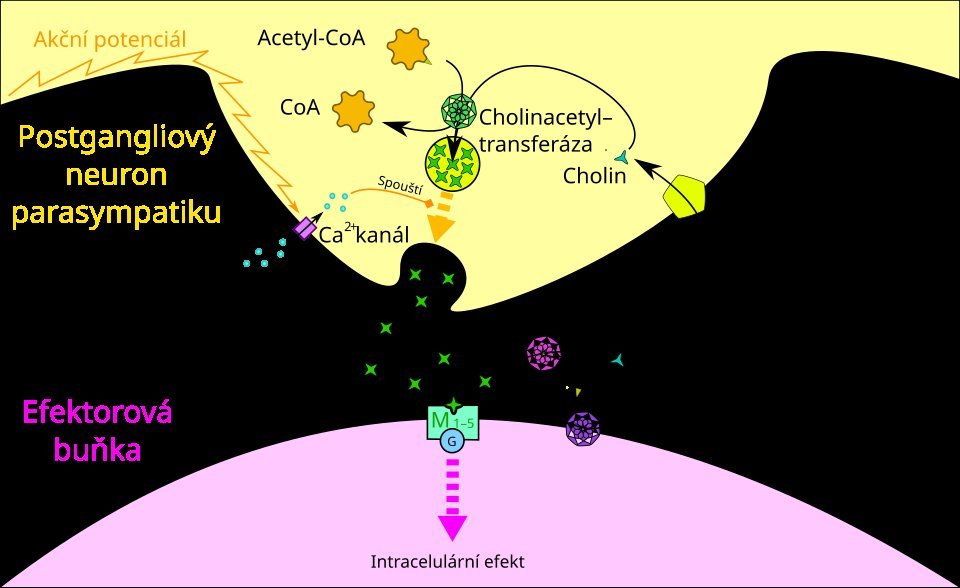
Cholinesterase inhibitors increase acetylcholine at synapses by blocking its breakdown. The class splits into two clinical families: the centrally acting agents used in dementia — donepezil, galantamine and rivastigmine — and the peripherally acting agents used in myasthenia gravis (pyridostigmine, neostigmine), reversal of neuromuscular block and anticholinergic poisoning (physostigmine). In dementia they are symptomatic, modestly effective and never curative: the honest prescribing skill is setting expectations, titrating slowly and managing the cholinergic adverse-effect burden.
2 Learning Objectives
- Explain the cholinergic hypothesis behind the dementia agents and their symptomatic (not disease-modifying) nature.
- Compare donepezil, galantamine and rivastigmine — mechanisms, dosing, formulations.
- Describe the peripheral uses and safety of pyridostigmine, neostigmine and physostigmine.
- Anticipate adverse effects, drug interactions and perioperative concerns.
- Counsel patients and caregivers on realistic expectations and adherence.
3 The Rationale in Alzheimer Disease
Alzheimer disease damages the basal forebrain cholinergic system; the degree of cholinergic loss correlates with the severity of cognitive impairment. Cholinesterase inhibitors raise acetylcholine availability at surviving synapses, modestly improving cognition, function and behaviour in mild-to-moderate disease (and severe disease for donepezil/rivastigmine patch). Three honest limitations govern their use: (1) they do not modify the underlying disease — amyloid and tau pathology progress regardless; (2) benefit is a modest delay of decline, typically measured in months, not restoration; (3) efficacy declines as cholinergic neurons are lost. All three central agents have similar efficacy — choice rests on tolerability, formulation and convenience, not potency. Memantine (an NMDA antagonist) is the other mainstay and combines safely with them.
4 The Three Dementia Agents in Detail
Donepezil
A reversible, centrally selective acetylcholinesterase inhibitor (piperidine derivative), well absorbed and once daily. Dosing: 5 mg once daily at night, increase to 10 mg after 4–6 weeks; a 23 mg formulation exists for moderate–severe disease after tolerating 10 mg. The best-tolerated of the three (fewer GI events than rivastigmine in comparative data). Adverse effects: nausea, diarrhoea, insomnia, vivid dreams, muscle cramps, fatigue; rarely dizziness, bradycardia. Give at night to reduce GI upset; insomnia and dreams can be reduced by morning dosing.
Galantamine
A reversible competitive inhibitor with an additional nicotinic receptor allosteric potentiating action (dual mechanism). Dosing: 4 mg twice daily (or 8 mg once-daily ER) titrated every 4 weeks to 12 mg bd / 24 mg ER; slower titration than donepezil and more GI upset. Renal caution (CrCl 9–59 mL/min: max 16 mg/day; avoid below 9). Metabolised by CYP2D6 and CYP3A4 — interacting drugs (fluoxetine, paroxetine, ketoconazole, digoxin) matter.
Rivastigmine
Inhibits both acetylcholinesterase and butyrylcholinesterase; the only agent also indicated for Parkinson disease dementia. Oral: 1.5 mg twice daily with food, titrate by 1.5 mg every ≥4 weeks to 3–6 mg bd (highest GI burden of the three). The transdermal patch (4.6 mg/24 h → 9.5 mg/24 h; up to 13.3 mg/24 h in severe disease) markedly improves GI tolerability and suits patients with poor adherence or swallowing — application-site reactions are the trade-off. May improve gait stability and reduce falls in Parkinson disease.
5 Peripherally Acting Inhibitors
- Pyridostigmine — myasthenia gravis mainstay (quaternary amine, poor CNS penetration): 60 mg tablets multiple times daily, or 180 mg sustained-release once/twice daily; onset ~30–45 min, duration 3–4 hours. Titrate to symptom control and avoid cholinergic excess (muscarinic: cramps, diarrhoea, bradycardia, secretions; nicotinic: fasciculations → weakness).
- Neostigmine — injectable, for myasthenic crisis and reversal of non-depolarising neuromuscular block (with glycopyrrolate/atropine to block muscarinic effects); also used for acute colonic pseudo-obstruction (Ogilvie).
- Physostigmine — a tertiary amine that crosses the blood–brain barrier; IV use is reserved for anticholinergic (atropine-type) toxicity with delirium. Short half-life, narrow index, cholinergic adverse effects — specialist use only.
- Organophosphates (irreversible inhibitors) — the toxicology side: pesticides and nerve agents cause cholinergic crisis (muscarinic SLUDGE/DUMBBELS syndrome, nicotinic fasciculations and paralysis, CNS effects). Manage with atropine (large repeated doses), pralidoxime (oxime, before ageing), airway support, and red-cell cholinesterase measurement for diagnosis/monitoring.
6 Drug Monographs: Doses, Indications & Safety
Each cholinesterase inhibitor as a full monograph: mechanism → indications → adult dose → paediatric dose → adverse effects → contraindications → interactions → patient advice. Doses are standard teaching doses — confirm against the current Uganda Clinical Guidelines before prescribing.
Donepezil
Scroll the table sideways on a smaller screen.
| Donepezil — reversible, centrally selective AChE inhibitor | |
|---|---|
| Mechanism | Reversible inhibition of acetylcholinesterase (selective for the CNS) → ↑ acetylcholine at surviving cholinergic synapses |
| Indications | Mild, moderate and severe Alzheimer disease; off-label in vascular and other dementias where cholinergic deficit contributes |
| Adult dose | 5 mg once daily at night, increase to 10 mg after 4–6 weeks; 23 mg once daily for moderate–severe disease after tolerating 10 mg |
| Paediatric dose | Not established |
| Adverse effects | Nausea, diarrhoea, anorexia, weight loss, insomnia, vivid dreams, muscle cramps, fatigue; bradycardia, syncope, GI bleeding risk |
| Contraindications | Hypersensitivity to piperidines; caution with sick sinus syndrome, conduction disease, active peptic ulcer, seizures |
| Interactions | Anticholinergic drugs antagonise its effect; beta-blockers add bradycardia; enzyme inducers (phenytoin, carbamazepine, rifampicin) increase clearance; prolongs succinylcholine; antacids/cholinergics add GI effects |
| Patient advice / monitoring | Take at night; give with food if nausea; expect GI upset for 1–2 weeks at each dose step; report slow pulse, fainting, poor appetite or weight loss; regular pulse and weight checks |
Galantamine
Scroll the table sideways on a smaller screen.
| Galantamine — reversible AChE inhibitor + nicotinic allosteric potentiator | |
|---|---|
| Mechanism | Reversible competitive AChE inhibition plus allosteric potentiation of presynaptic nicotinic receptors (dual cholinergic action) |
| Indications | Mild–moderate Alzheimer disease (tablets, oral solution, once-daily ER capsules) |
| Adult dose | Start 4 mg twice daily (or 8 mg ER once daily) with food; increase every ≥4 weeks to 12 mg twice daily / 24 mg ER; take with the morning and evening meals |
| Paediatric dose | Not established |
| Adverse effects | More GI upset than donepezil — nausea, vomiting, diarrhoea, anorexia, weight loss; dizziness, headache, bradycardia; rare fainting |
| Contraindications | Severe hepatic impairment; renal: max 16 mg/day if CrCl 9–59 mL/min; avoid if <9 |
| Interactions | CYP2D6 inhibitors (fluoxetine, paroxetine, quinidine) and CYP3A4 inhibitors (ketoconazole) raise levels; inducers lower them; additive bradycardia with beta-blockers, digoxin |
| Patient advice / monitoring | Take with food (reduces nausea); the titration is slower than donepezil — don't rush dose steps; report poor appetite, dizziness or fainting; review interacting medicines at each visit |
Rivastigmine
Scroll the table sideways on a smaller screen.
| Rivastigmine — dual AChE + butyrylcholinesterase inhibitor | |
|---|---|
| Mechanism | Inhibits both acetylcholinesterase and butyrylcholinesterase → broad cholinergic potentiation in brain and periphery |
| Indications | Alzheimer disease; Parkinson disease dementia and Lewy body dementia (rivastigmine is the agent with this indication); may improve gait stability and reduce falls in PD |
| Adult dose | Oral: 1.5 mg twice daily with food, increase by 1.5 mg every ≥4 weeks to 3–6 mg twice daily. Patch: 4.6 mg/24 h → 9.5 mg/24 h after 4 weeks (13.3 mg/24 h for severe disease) |
| Paediatric dose | Not established |
| Adverse effects | Highest GI burden of the three (nausea, vomiting, diarrhoea, anorexia, weight loss); patch: application-site reactions but much less GI upset; bradycardia |
| Contraindications | As other cholinesterase inhibitors; caution in hepatic impairment (hepatic metabolism) |
| Interactions | β-blockers: additive bradycardia — avoid; anticholinergic antagonism; prolongs succinylcholine; NSAID/peptic ulcer bleeding risk |
| Patient advice / monitoring | Take oral doses with food and titrate slowly; consider the patch when GI upset or adherence limits oral therapy; rotate patch sites daily; report skin reactions, poor appetite or slow pulse |
Pyridostigmine (peripheral)
Scroll the table sideways on a smaller screen.
| Pyridostigmine — reversible quaternary AChE inhibitor (peripheral) | |
|---|---|
| Mechanism | Reversible AChE inhibition at the neuromuscular junction; quaternary amine → poor CNS penetration |
| Indications | Myasthenia gravis (maintenance); sometimes used off-label for postural orthostatic tachycardia |
| Adult dose | 60 mg tablet 3–4 times daily (onset 30–45 min, duration 3–4 h); or 180 mg sustained-release once–twice daily (not for acute crisis); titrate to symptoms |
| Paediatric dose | 1 mg/kg per dose 4–6 times daily (max 300 mg/day; specialist, e.g. 7 mg/kg/day divided) |
| Adverse effects | Cholinergic excess — muscarinic: cramps, diarrhoea, sweating, salivation, bradycardia; nicotinic: fasciculations then weakness (cholinergic crisis) |
| Contraindications | Mechanical intestinal or urinary obstruction; caution in asthma, arrhythmias |
| Interactions | Antibiotics that impair neuromuscular transmission (aminoglycosides, fluoroquinolones, macrolides, telithromycin) can worsen weakness; beta-blockers may aggravate myasthenia; other anticholinergics antagonise |
| Patient advice / monitoring | Dose to effect, spaced around symptoms (e.g. before meals to help swallowing); know the difference between under-treatment (weakness) and over-treatment (cramps, diarrhoea, fasciculations); report new antibiotics to the prescriber |
Neostigmine (peripheral, injectable)
Scroll the table sideways on a smaller screen.
| Neostigmine — reversible quaternary AChE inhibitor, injectable | |
|---|---|
| Mechanism | Same peripheral AChE inhibition; quaternary amine — does not cross the BBB |
| Indications | Myasthenic crisis (injectable bridge); reversal of non-depolarising neuromuscular block after surgery; acute colonic pseudo-obstruction (Ogilvie syndrome) |
| Adult dose | MG crisis: 1–2 mg IM or slow IV every 2–4 hours (with atropine 0.6–1.2 mg to limit muscarinic effects); reversal of block: 0.5–2.5 mg slow IV with glycopyrrolate/atropine |
| Paediatric dose | 0.025–0.08 mg/kg IM/IV per dose (specialist, per indication) |
| Adverse effects | Muscarinic effects (bradycardia, salivation, cramps, diarrhoea) — hence co-prescribed antimuscarinic; fasciculations; weakness in excess |
| Contraindications | Mechanical GI/urinary obstruction; peritonitis; caution in asthma, arrhythmias |
| Interactions | Aminoglycosides and other neuromuscular-blocking antibiotics antagonise myasthenia treatment; additive bradycardia with beta-blockers |
| Patient advice / monitoring | Hospital-administered; monitor pulse and secretions during use; train-of-four monitoring when used for block reversal |
Physostigmine (tertiary, CNS-penetrating)
Scroll the table sideways on a smaller screen.
| Physostigmine — tertiary-amine AChE inhibitor (crosses the blood–brain barrier) | |
|---|---|
| Mechanism | Reversible AChE inhibition centrally and peripherally; the tertiary amine structure allows CNS penetration |
| Indications | Anticholinergic (atropine-type) toxicity with delirium; historical use in glaucoma |
| Adult dose | 1–2 mg slow IV over 2 minutes; repeat every 5–20 minutes to effect (max cumulative ~4 mg); cardiac monitoring required; short half-life (~30 min) → repeated dosing or infusion may be needed |
| Paediatric dose | 0.02 mg/kg slow IV (max 0.5 mg/min, max cumulative 2 mg) — specialist toxicology use |
| Adverse effects | Cholinergic excess — salivation, vomiting, diarrhoea, bradycardia, fasciculations, seizures in overdose; asystole if pushed too fast |
| Contraindications | TCA overdose (conduction disease → asystole risk), mechanical obstruction, asthma |
| Interactions | Additive cholinergics; antagonises anticholinergic drugs (by design) |
| Patient advice / monitoring | Resuscitation setting only; continuous cardiac monitoring; reassess mental status after each dose — awakening confirms anticholinergic toxicity |
7 Comparison Table
Scroll the table sideways on a smaller screen.
| Drug | Selectivity / extra action | Dosing | Notes |
|---|---|---|---|
| Donepezil | AChE-selective, reversible | 5 mg nocte → 10 mg after 4–6 wks | Best tolerated; once daily; 23 mg for severe disease |
| Galantamine | Reversible AChE inhibitor + nicotinic allosteric potentiator | 4 mg bd (8 mg ER od) → 12 mg bd (24 mg ER) | Dual mechanism; CYP2D6/3A4 interactions; renal caution |
| Rivastigmine | AChE + butyrylcholinesterase inhibitor | 1.5 mg bd → 3–6 mg bd; patch 4.6–9.5 mg/24 h | Parkinson dementia; patch = better GI tolerability |
| Pyridostigmine | Peripheral (quaternary amine) | 60 mg tds–qid, or 180 mg SR od/bd | Myasthenia gravis |
| Neostigmine | Peripheral, injectable | IV per indication | MG crisis; reversal of non-depolarising block |
| Physostigmine | Crosses BBB | 1 mg/mL IV/IM | Anticholinergic toxicity only; narrow index |
8 Adverse Effects
- Cholinergic (expected, dose-related) — nausea, vomiting, diarrhoea, anorexia, weight loss are the commonest; abdominal cramps, salivation, sweating, urinary frequency. Manage by slow titration, taking with food (rivastigmine, galantamine), switching to the rivastigmine patch, or dose reduction. Persistent anorexia/weight loss needs review — in a frail elderly patient this can be serious.
- Cardiovascular — bradycardia, syncope, AV block: vagomimetic effect; caution with sick sinus syndrome, conduction disease and beta-blocker co-prescription (additive bradycardia — avoid with rivastigmine). Check pulse at visits.
- Neurological — insomnia, vivid dreams (donepezil), headache, dizziness, muscle cramps, tremor, rare seizures; increased gastric acid — GI bleeding risk, caution with NSAIDs and ulcer history.
- Other — urinary obstruction in prostatism (cholinergic bladder contraction), worsening asthma/COPD in theory (bronchial secretions), patch site reactions.
9 Key Interactions
- Anticholinergics — mutual antagonism (rivastigmine vs oxybutynin/tolterodine); reconcile deliberately.
- Beta-blockers — additive bradycardia with rivastigmine; avoid in bradycardia/syncope history.
- Succinylcholine / neuromuscular blockers — cholinesterase inhibition prolongs succinylcholine effect (enzyme that metabolises it is inhibited); plan anaesthesia accordingly and use quantitative neuromuscular (train-of-four) monitoring.
- CYP effects — galantamine: fluoxetine/paroxetine/quinidine (2D6), ketoconazole (3A4) raise levels; enzyme inducers (phenytoin, carbamazepine, rifampicin) increase donepezil clearance — a real interaction in patients with epilepsy.
- Digoxin — galantamine co-administration may raise bradyarrhythmia risk.
10 Monitoring & Honest Counselling
- Baseline & follow-up — pulse/BP, weight, GI history; review after each dose increase (GI tolerance, appetite, sleep) and every 6 months for ongoing benefit vs burden.
- Measure benefit objectively — cognition scales (MMSE/MoCA), function and caregiver reports; continue only if there is perceived benefit. Guidelines commonly suggest a trial of 3–6 months then review, tapering and stopping if no clear benefit or poor tolerability.
- Set expectations — "This medicine may help memory and daily function for a time and slow the worsening; it does not cure or stop the disease." Caregiver education on adherence and adverse effects predicts success better than any dose.
- Stopping — taper rather than stop abruptly when ceasing; benefit is lost either way but abrupt cessation can unmask behavioural deterioration. An overdose or abrupt withdrawal is not associated with a rebound syndrome, but the patient simply loses the symptomatic gain.
11 Special Situations
- Parkinson disease dementia / Lewy body dementia — rivastigmine is the agent with this indication; avoid anticholinergics entirely in Lewy body disease (severe sensitivity).
- Hepatic/renal impairment — galantamine dose-capped in renal impairment; rivastigmine is hepatically metabolised (hepatic caution); donepezil hepatically cleared (moderate impairment: slower titration).
- Perioperative — inform anaesthesia (succinylcholine prolongation, bradycardia); continue through surgery where possible; patch can bridge nil-by-mouth periods.
- Cost and access — in settings where only donepezil is available, it is a rational default: cheapest, once daily, best tolerated.
12 Viva & Exam Points
- Three dementia agents — donepezil, galantamine, rivastigmine; similar efficacy; choice by tolerability/formulation.
- Dual action — galantamine (AChE inhibition + nicotinic potentiation); rivastigmine (AChE + butyrylcholinesterase).
- Symptomatic only — modest delay of decline; trial 3–6 months; taper if no benefit.
- Adverse core — GI (nausea, diarrhoea, anorexia, weight loss), bradycardia/syncope, insomnia/dreams.
- Interactions — anticholinergic antagonism, beta-blocker bradycardia, succinylcholine prolongation, CYP inducers reduce donepezil.
- Peripheral agents — pyridostigmine = MG; neostigmine = MG crisis/block reversal; physostigmine = anticholinergic poisoning (crosses BBB).
13 References
- Cholinesterase Inhibitors. StatPearls. NCBI Bookshelf — formulations, dosing, interactions, monitoring.
- Donepezil. StatPearls. NCBI Bookshelf — mechanism and adverse-effect profile.
- Rivastigmine. StatPearls. NCBI Bookshelf — Parkinson dementia indication, patch, GI tolerability.
- Galantamine. StatPearls. NCBI Bookshelf — dual mechanism, titration, interactions.
- Cholinesterase inhibitors for Alzheimer's disease (Cochrane summary) — comparable efficacy of the three agents.
For education only. Apply current Uganda Clinical Guidelines and local protocols when managing patients.