Doctors Revision

Nursing Informatics

Nursing Informatics

Batch 4 of 4 Nursing Informatics Exam

Nursing Informatics – Batch 4 Cumulative Assessment Nursing Informatics: Batch 4 Communication, Counseling, and Ethics Test your knowledge with these 30 questions. Start Assessment Nursing Informatics: Batch 4 Question 1/30 Submit Next Assessment Complete! Here are your results, . Your Score 27/30 90% Download Full Report

Nursing Informatics

Batch 3 of 4 Nursing Informatics Exam

Nursing Informatics – Batch 3 Cumulative Assessment Nursing Informatics: Batch 3 Documentation, Nursing Language, and Standardized Terminologies Test your knowledge with these 30 questions. Start Assessment Nursing Informatics: Batch 3 Question 1/30 Submit Next Assessment Complete! Here are your results, . Your Score 27/30 90% Download Full Report

Nursing Informatics

Batch 2 of 4 Nursing Informatics Exam

Nursing Informatics – Batch 2 Cumulative Assessment Nursing Informatics: Batch 2 ICT in Practice, Patient Education, and Research Test your knowledge with these 30 questions. Start Assessment Nursing Informatics: Batch 2 Question 1/30 Submit Next Assessment Complete! Here are your results, . Your Score 27/30 90% Download Full Report

Nursing Informatics

Batch 1 of 4 Nursing Informatics Exam

Nursing Informatics – Batch 1 Cumulative Assessment Nursing Informatics: Batch 1 Foundations, DIKW, and Key Models Test your knowledge with these 30 questions. Start Assessment Nursing Informatics: Batch 1 Question 1/30 Submit Next Assessment Complete! Here are your results, . Your Score 27/30 90% Download Full Report

Communication and Counseling in Nursing
Nursing Informatics

Communication and Counseling in Nursing

Communication and Counseling in Nursing : Skills Learning Objectives Upon completion of this module, students will be able to: Define the core concepts of communication and counseling and articulate their foundational importance in all aspects of patient care. Differentiate between the distinct levels of communication in nursing, from social interaction to the therapeutic use of self. Identify and describe the various types of counseling practiced by nurses, including health education, motivational interviewing, and crisis intervention. Analyze and apply key principles from influential nursing and psychological theories, including Hildegard Peplau’s Interpersonal Relations, Carl Rogers’ Person-Centered Therapy, and Motivational Interviewing. Demonstrate essential therapeutic communication techniques and counseling skills through the analysis of practical, context-specific scenarios. The Foundations of Communication and Counseling Communication: The Cornerstone of Patient Care Communication in nursing is far more than the simple exchange of words; it is a dynamic, two-way process involving verbal and non-verbal cues, active listening, and the establishment of a genuine human connection. It serves as the bedrock upon which all safe and effective nursing care is built. Core Importance: Building Trust: Through consistent, honest, and empathetic communication, nurses create a safe space where patients feel comfortable sharing sensitive information. Understanding Patient Needs: Effective communication allows nurses to understand the holistic needs of the patient—their physical, emotional, social, and spiritual concerns. Providing Therapeutic Support: Communication is a primary tool for providing comfort, empathy, and emotional support to patients and families. Ensuring Patient Safety: Clear, precise, and timely communication is essential for safe medication administration, accurate assessments, and coordinated care. Miscommunication is a leading cause of medical errors. Counseling: A Focused and Goal-Oriented Process Counseling in nursing is a purposeful, patient-centered interaction designed to empower individuals to manage their health more effectively. It is a focused and goal-oriented process that helps patients: Cope: Develop strategies to cope with a new diagnosis, the challenges of a chronic illness, or the emotional impact of a health crisis. Understand: Gain a clear and deep understanding of their health condition, treatment options, and self-care responsibilities. Make Decisions: Become active partners in their care by making informed decisions that align with their personal values and goals. The Continuum of Communication in Nursing Nursing communication exists on a continuum, ranging from simple social exchanges to profound therapeutic engagement. A skilled nurse can fluidly move along this continuum based on the patient’s needs and the clinical context. Level 1: Social Communication Description: The polite, superficial, and conventional interaction used to initiate contact and build rapport. It follows common social norms and helps put patients at ease. Examples include greeting a patient by name and making brief, non-health-related small talk. Caution: While essential for rapport, nurses must maintain professional boundaries and avoid oversharing personal information. Level 2: Structured / Informational Communication Description: The factual, task-oriented communication that forms the backbone of clinical data exchange. It must be clear, direct, and accurate. Examples include asking about pain on a scale of 0-10, giving a shift report, providing patient education, or using SBAR to communicate with a physician. Level 3: Therapeutic / Helping Communication Description: A patient-centered, goal-directed form of communication where the nurse helps the patient express feelings, explore problems, and find solutions. Examples include using open-ended questions (“Tell me more about…”), reflecting feelings, and using silence effectively. Level 4: Therapeutic Use of Self (Highest Level) Description: The deepest level where the nurse’s self-awareness, authenticity, and profound empathy form the foundation of the relationship. The nurse consciously uses their genuine personality and presence as a therapeutic tool. Examples include sitting in silence with a grieving family or sharing a brief, appropriate personal insight to normalize a patient’s fear. Types of Communication & Counseling in Nursing Nurses employ various counseling styles depending on the patient’s needs and the situation. 1. Health Education and Informational Counseling Focus: Providing clear, accurate, and understandable information. The nurse’s role is a teacher, using skills like the teach-back method and simple language. Example: Counseling a new mother on breastfeeding benefits and techniques, then asking, “Can you tell me in your own words what you will be looking for?” 2. Motivational Interviewing (MI) Focus: A collaborative style to explore and resolve a patient’s ambivalence about behavior change. The nurse’s role is a guide, not a lecturer. Example: For a patient not taking hypertension medication, asking, “What are some of the things that get in the way of taking your medicine every day?” 3. Crisis Intervention Counseling Focus: Providing immediate, short-term psychological first aid during an acute crisis. The nurse’s role is a stabilizer and safety net. Example: Supporting a family in the ED after an unexpected death by providing a private space and connecting them with a chaplain. 4. Supportive Counseling Focus: Providing emotional validation, empathy, and encouragement. The nurse’s role is an empathizer and source of reassurance. Example: Sitting with an anxious pre-op patient and saying, “It is completely normal to feel nervous right now. We are all here for you.” 5. Decision-Making Counseling Focus: Assisting patients in weighing the benefits and risks of treatment options to make informed decisions. The nurse’s role is an advocate and information clarifier. Example: Helping a family understand the implications of choosing palliative care versus aggressive chemotherapy. 6. Brief Action Planning (BAP) Focus: A structured, quick technique to help patients create a specific, achievable plan (a SMART goal) for a health behavior change. The nurse’s role is a coach. Example: Helping a patient with hypertension plan to walk for 15 minutes, three days a week, and writing the plan down together. Summary of Communication Levels and Counseling Types This table provides a quick reference for the different levels of communication and types of counseling discussed, highlighting their primary focus, the nurse’s associated role, and a key example for each. Level/Type Primary Focus Nurse’s Role Key Example Social Communication Building Rapport Friendly Professional Greeting a patient Informational Comm. Exchanging Facts Educator / Coordinator Teaching about a new medication Therapeutic Comm. Exploring Feelings Helper / Facilitator Reflecting a patient’s fear Therapeutic Use of Self Deep Healing

DOCUMENTATION AND THE NURSING LANGUAGE
Nursing Informatics

DOCUMENTATION AND THE NURSING LANGUAGE

DOCUMENTATION AND THE NURSING LANGUAGE : NANDA, NIC, NOC Documentation and the Nursing Language Nursing documentation is the systematic, accurate, and comprehensive recording of all aspects of the nursing process – from initial patient assessments and diagnoses to the planning and implementation of interventions and the evaluation of outcomes. This encompasses both written and, increasingly, electronic formats within an Electronic Health Record (EHR) system. In contemporary healthcare, the EHR is the primary, legally binding repository for nursing documentation. Importances of Nursing Documentation While often perceived as a legal safeguard, accurate and thorough nursing documentation is the bedrock of professional nursing practice and the engine driving modern healthcare. Evidence of Care & Legal Protection It is irrefutable proof that care was delivered. In legal disputes, “if it wasn’t documented, it wasn’t done.” Continuity & Coordination of Care Serves as the primary communication conduit among the multidisciplinary team, ensuring seamless care transitions. Accountability & Professional Practice Demonstrates the nurse’s clinical judgment, decision-making, and professional accountability for their actions. Billing, Reimbursement & Resource Justification Justifies the services rendered, which is essential for accurate billing and impacts the financial sustainability of health institutions. Auditing & Quality Improvement Patient records are audited to ensure compliance with standards, identify deviations, and pinpoint areas for systemic improvement. Research & EBP Advancement Aggregated, de-identified nursing data from EHRs is an invaluable asset for research, helping to evaluate interventions and develop new evidence-based practices. Nursing Language A nursing language, or standardized nursing terminology, is a structured vocabulary specifically developed by nurses for nurses. Its purpose is to accurately describe, communicate, and quantify the unique contributions of nursing practice – patient problems (diagnoses), interventions, and outcomes. The Necessity of Standardized Nursing Language: Enhancing Communication: Provides a common language for nurses globally, reducing ambiguity. Making Nursing Work Visible: Quantifies the intellectual work and impact of nursing. Facilitating Data Aggregation and Analysis: Enables researchers to extract and analyze nursing data across different settings. Supporting Clinical Decision Support: Allows EHRs to integrate nursing knowledge and provide intelligent prompts or alerts. Driving Evidence-Based Practice: Provides the structured data necessary to evaluate the effectiveness of nursing interventions. Key Standardized Languages: NANDA-I (NANDA International) – Nursing Diagnoses Focus: Clinical judgments about patient responses to health problems. It helps nurses systematically identify and articulate problems within the nursing scope. Example: Acute Pain related to surgical incision as evidenced by patient verbalizing pain score of 8/10. NIC (Nursing Interventions Classification) – Nursing Interventions Focus: A comprehensive classification of treatments that nurses perform. It provides a clear, consistent way to describe what nurses do. Example: Pain Management, with activities like “Administer prescribed analgesia” and “Provide non-pharmacological comfort measures.” NOC (Nursing Outcomes Classification) – Nursing Outcomes Focus: A standardized classification of patient states or behaviors that are influenced by nursing interventions. It allows nurses to objectively measure the effectiveness of their care. Example: Pain Level, with indicators like “Patient reports pain score less than 3/10.” Omaha System Focus: A comprehensive practice and documentation standard for community, public health, and home care settings. It is highly valuable in the Ugandan context for community health nurses and VHTs. ICNP (International Classification for Nursing Practice) – The Global Standard Focus: A unified, global nursing terminology developed by the ICN to represent nursing practice worldwide. It promotes data interoperability and strengthens nursing’s voice on the global stage. Data Needs in Nursing Documentation Nurses are the largest and most consistent generators of patient data. They are at the bedside 24/7, and their constant interaction yields a wealth of information that, when systematically documented, forms the holistic narrative of a patient’s health journey. Key Data Categories Generated and Utilized by Nurses: Patient Demographics Content: Name, age, sex, contact details, next of kin, and unique identifiers. In Uganda, this may include tribe and district of origin for cultural context and public health tracking. Relevance: Crucial for accurate patient identification, contextualizing care, and forming the foundational layer for all other health data. Vital Signs Content: Blood pressure, temperature, pulse, respiratory rate, oxygen saturation, and pain level. Relevance: Provide immediate, critical insights into a patient’s physiological status. Trends in vital signs are primary triggers for nursing interventions. Clinical Assessments Content: Detailed evaluations of all body systems, including pain, wound, neurological, nutritional, respiratory, and psychosocial assessments. Relevance: Form the basis for nursing diagnoses, provide a baseline for evaluating changes, and guide the development of individualized care plans. Nursing Interventions Content: All actions performed by the nurse, including medication administration, patient and family education, wound care, therapeutic communication, monitoring, and ADL assistance. Relevance: Demonstrates the direct impact of nursing care and provides data for evaluating the effectiveness of specific interventions. Patient Outcomes Content: The patient’s measurable response to nursing interventions, including improvement in symptoms, functional gains, stabilization, and discharge readiness. Relevance: Essential for evaluating the effectiveness of the care plan, modifying interventions, and demonstrating the value of nursing care. The Professional Nurse and The Power of Data Nursing is a dynamic profession with a distinct set of attributes. Understanding these characteristics is crucial to appreciating the profound impact of nursing informatics on professional practice. Defining Characteristics of the Nursing Profession: A Unique Body of Knowledge: Grounded in its own scientific discipline and evidence base. A Defined Language: Standardized terminologies to articulate practice with precision. A Specific Discipline: A legally defined scope of practice and professional standards. A Code of Ethics: A robust ethical framework guiding moral decision-making. Three Main Types of Nursing Activities: Managerial Activities: Leadership, coordination, delegation, and resource management. Dependent (Physician-Directed) Activities: Actions performed under medical orders (e.g., administering prescribed medications). Independent (Autonomous) Activities: Unique nursing functions initiated based on a nurse’s independent assessment and judgment (e.g., patient education, developing care plans, comfort measures). The Challenge: The Historical Invisibility of Independent Nursing Work Historically, health information systems have been effective at capturing managerial and dependent activities. However, the crucial independent work of nurses—the clinical observations, critical thinking, patient education, and compassionate care—has too often been buried in unstructured narrative notes, remaining largely “invisible” within healthcare data systems. Consequences

ICT IN HEALTH & NURSING CARE
Nursing Informatics

ICT in Health and Nursing Care

ICT in Health & Nursing Care : Impact of Technology Learning Objectives Upon successful completion of this module, students will be able to: Define key concepts including Nursing Informatics, client education, discharge planning, mHealth, and health information systems within the Ugandan context. Identify and Analyze various ICT methodologies used to enhance patient education and engagement. Evaluate the role of nursing informatics in ensuring safe, effective, and patient-centered discharge planning. Describe the structure and function of major health information systems used in Uganda, such as DHIS2 and OpenMRS. Assess the benefits and significant challenges of implementing ICT solutions in both urban and rural Ugandan healthcare settings. Apply theoretical frameworks, such as Roy’s Adaptation Theory, to understand and facilitate the adoption of new health technologies. Critically analyze case studies to understand the real-world application and impact of nursing informatics on health research and practice in Uganda. Definition: Information and Communication Technologies (ICT) ICT in health and nursing care involves using digital tools to improve the efficiency, accuracy, and accessibility of clinical information, ultimately enhancing patient care. These technologies are used in various areas, such as electronic health records (EHRs), remote monitoring, and telemedicine. While ICT offers significant benefits like reducing geographic barriers and enabling better communication, challenges persist regarding implementation, training, and potential depersonalization of care. Nursing Informatics in Client Education Nursing informatics in client education is the strategic and purposeful application of ICT to design, deliver, and manage educational interventions for patients, their families, and caregivers. It moves far beyond simply handing out a leaflet or giving verbal instructions. Instead, it leverages digital tools to create dynamic, interactive, and personalized learning experiences tailored to individual needs and cultural contexts. The core objective is to significantly improve health literacy – the degree to which individuals can obtain, process, and understand basic health information to make appropriate health decisions. By integrating informatics, nurses can: Foster Active Participation: Shift patients from passive reception to active engagement with their health journey using tools like interactive quizzes or goal-setting apps. Ensure Cultural Relevance and Accessibility: Develop content that is culturally sensitive and available in appropriate languages and formats. In Uganda, this means reflecting local diets, practices, and languages. Bridge Knowledge Gaps: Systematically help individuals comprehend complex medical conditions, treatments, and lifestyle modifications. Empower Informed Decision-Making: Provide the foundation for individuals to confidently manage their conditions and participate in shared decision-making with their providers. Advantages and Disadvantages of ICT in Healthcare The integration of Information and Communication Technologies (ICT) into healthcare delivery offers a powerful set of tools to improve care, but it also presents significant challenges that must be carefully managed. Advantages One nurse can interact with patients remotely. A single nurse can manage a larger caseload through remote monitoring. Improved and faster information sharing among healthcare providers. Reduced risk of cross-infection and lower patient costs (e.g., travel). Doctors and nurses can hold joint remote consultations with patients and families. Timely enhancements of patient self-care and health education. Allows for virtual titration of medication and remote prescription changes. Efficient signposting to other services, maximizing health resources. Enhances public health surveillance for real-time disease outbreak detection. Improves access to specialist care for rural and underserved populations. Disadvantages Potential for dehumanization of healthcare delivery. Reduction of “traditional” in-person services may not be acceptable to all patients. Challenge of controlling the quality and accuracy of virtual information. A formulaic approach may constrain practice and inhibit professional judgment. Significant investment is needed for technology and to ensure all practitioners are well-trained. Patient expectations for immediate access may be unattainable or unmet. Reinforcement and widening of the “digital divide.” Compatibility and interoperability issues across different ICT systems. System failure (due to power outages, server issues) can undermine the entire healthcare process. Major infrastructure gaps, including unreliable electricity and poor internet in many areas. Summary Table Advantages Disadvantages One nurse can interact with patients remotely. One nurse can manage a larger caseload. Improved information sharing. Reduced cross-infection and other patient ‘costs’. Less travel time and other health care costs. Doctors and nurses can hold joint remote consultations. Timely enhancements of patient self-care. Virtual titration of medication and prescription changes. Efficient signposting to other health services. Enhanced public health surveillance. Improved access to specialist care for rural areas. Better data for research and health policy. Dehumanization of healthcare delivery. Reduction of “traditional” services may not be acceptable to all. Challenge of controlling virtual information. Formulaic approach may inhibit professional judgment. Significant investment needed for tech and training. Patient expectations may be unattainable / unmet. Reinforcement of the “digital divide.” Compatibility issues across different ICT systems. Failure of ICT can undermine the healthcare system. Infrastructure gaps (power, internet). High cost of data for many patients. Data privacy and security risks. The Critical and Evolving Role of Nurses in ICT-Driven Client Education Nurses have always been at the forefront of patient education. With the advent of ICT, their role has become even more central, sophisticated, and impactful. By leveraging informatics tools, nurses can transform how they educate, leading to more effective and sustainable patient outcomes. Reinforce with Rich, Interactive Aids Instead of just telling a patient how to use an inhaler, a nurse can use an animated video on a tablet to visually demonstrate the technique. This enhances comprehension, especially for complex procedures or visual learners. Provide Standardized, Evidence-Based Information ICT platforms ensure all patients receive consistent, up-to-date information that aligns with current clinical guidelines. This reduces variations in care and minimizes misinformation. Extend Reach Beyond Clinic Walls Mobile technology and telehealth allow nurses to connect with patients remotely, providing education and support where it is most convenient. This is vital for patients in rural or underserved areas with transportation barriers. Support Ongoing Self-Management For chronic conditions like diabetes, hypertension, and HIV, nurses can use ICT to deliver personalized reminders, educational modules, and monitor patient-reported outcomes, enabling continuous support outside of clinic visits. Assess and Adapt Education Informatics tools can help nurses track patient engagement with educational materials (e.g., through quizzes or feedback) and

Theoretical Models in Nursing Informatics
Nursing Informatics

Theoretical Models in Nursing Informatics

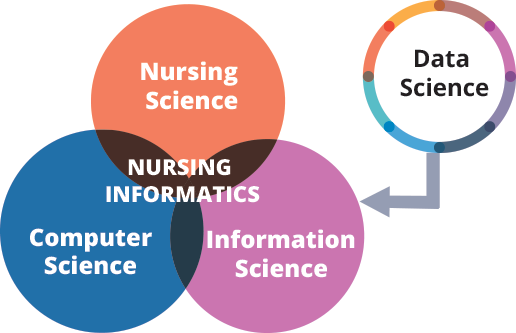
Theoretical Models in Nursing Informatics : Theories Theoretical Models in Nursing Informatics Theoretical models are like maps or blueprints that help us understand concepts. In nursing informatics, these models provide a framework for understanding and applying informatics principles, guiding how we think about data, manage change, and implement technology effectively in healthcare. 1. The DIKW Model: From Data to Wisdom This is a foundational model, often depicted as a pyramid, illustrating how raw, unprocessed facts evolve into profound understanding and expert judgment. It’s crucial for understanding the value proposition of nursing informatics – transforming simple observations into actionable wisdom for patient care. Data Raw, isolated, and unprocessed facts without context or meaning. By itself, it doesn’t tell a story or answer a question. Simplified: Just numbers, words, or observations. Expanded Example: A single blood pressure reading: “150/95 mmHg”. A patient’s temperature: “39°C”. A lab result: “White Blood Cell count: 15,000”. A patient’s complaint: “I have a headache”. In a Ugandan clinic: A register entry showing “Patient John Doe, Age 45, Malaria test positive”. Information Data that has been organized, structured, processed, or interpreted within a specific context. It answers “who,” “what,” “where,” and “when.” Data with meaning. Expanded Example: A series of blood pressure readings over 24 hours (e.g., 150/95, 148/92, 155/98) showing a consistently high trend, which the EHR flags as “hypertension” based on predefined ranges. The 39°C temperature is flagged as a “fever” by comparing it to normal body temperature ranges. This gives context. A patient’s medication list, their history of allergies, and current lab results, all presented together in their EHR profile. In a Ugandan clinic: Seeing that “John Doe, Age 45” (data points) tested positive for malaria after visiting a specific village where there’s a known outbreak (context), and correlating this with his symptoms of fever and chills (more context). This provides actionable information about his condition and potential exposure. Knowledge The synthesis of information, often through experience, education, and research, to identify relationships, patterns, and principles. It answers “how” to apply information and understand its implications. Understanding why something is happening and what it means. Expanded Example: The nurse combines the information (consistently high blood pressure, persistent fever, high WBC count) with their clinical knowledge (nursing science). They recognize that high blood pressure increases cardiovascular risk, that a fever and high WBC count could indicate an infection (e.g., bacterial), and that the patient’s complaint of headache might be related to these findings. Knowing that patients on certain medications are more prone to falls or that a particular cough pattern is indicative of a specific respiratory illness. In a Ugandan context: A nurse knowing that a positive malaria test in a patient from a high-transmission area, combined with a persistent fever, means they need specific antimalarial treatment and patient education on prevention. Wisdom The ability to apply knowledge, experience, and intuition with judgment to manage and solve problems effectively and ethically, especially in complex or novel situations. It involves understanding “why” to do something and “when” to do it, considering values and societal implications. Expert judgment and decision-making that leads to the best outcome. Expanded Example: Knowing the patient’s history of sepsis and considering the current high fever and elevated WBCs, the seasoned nurse uses their wisdom not just to treat the fever symptomatically, but to immediately initiate the sepsis protocol. This involves drawing blood cultures before administering antibiotics, administering broad-spectrum antibiotics promptly, monitoring vital signs intensely, alerting the physician with a specific concern for sepsis, and educating the family on the gravity of the situation. This proactive, expert decision-making significantly improves the patient’s outcome by acting rapidly and holistically. A nurse informaticist, using their wisdom, might recommend designing an EHR alert system to be subtle for common benign interactions but highly prominent for life-threatening situations, balancing user experience with patient safety. In a Ugandan context: A community health nurse, observing a pattern of increasing malaria cases after a specific rainfall period in their region (knowledge), uses their wisdom to mobilize community leaders for a mass bed net distribution campaign and initiate an immediate health education drive, rather than just treating individual cases as they present. 2. Graves & Corcoran’s Model (1989) This early and influential model provided a crucial conceptual framework for nursing informatics. It’s often visualized as three overlapping circles (nursing science, computer science, information science) with data, information, and knowledge flowing through them, all directed towards supporting nursing practice. It was groundbreaking because it shifted the focus from merely using technology to understanding the purpose of information processing in nursing care. Core Idea: Nursing informatics integrates the three core sciences to manage and process data, information, and knowledge effectively for the benefit of nursing practice. Aims of the Model The model was designed to provide a clear roadmap for nursing informatics with three primary goals: Identify the information needs in nursing: To figure out exactly what information nurses need to do their jobs effectively, whether they are at the bedside, in a classroom, or managing a clinic. _ Specify the sources and systems that provide information: To pinpoint where this necessary information comes from (e.g., the patient, lab results, other departments) and what technological systems (like EHRs) are needed to deliver it. Show how informatics can help nurses achieve their goals: To demonstrate how technology can be a powerful tool to help nurses accomplish their objectives in all areas, including patient care, education, research, and management. Main Components Users: The people who need and use the information. This isn’t just nurses; it includes doctors, administrators, technicians, and even patients and their families who interact with health information. Roles: The specific functions or jobs these users perform. A person’s role determines what kind of information they need. For example, a clinician needs patient data, an educator needs learning resources, a researcher needs aggregated data, and an administrator needs operational data. Settings: Where the nursing activities take place. The setting heavily influences the technology and information needed. A nurse in a high-tech urban hospital

Nursing Informatics Introduction
Nursing Informatics

Nursing Informatics Introduction

Nursing Informatics: Definition and Scope Learning Objectives for Lesson 1 Upon completing this module, you will be able to: Define nursing informatics and explain its three core scientific components. Describe the scope of nursing informatics across practice, education, administration, and research. Analyze the importance of nursing informatics in enhancing patient safety, quality of care, and workflow efficiency. Explain and apply key theoretical models in nursing informatics, including the DIKW Model, Graves & Corcoran’s Model, Change Theories, and General Systems Theory. Identify the overall benefits of integrating informatics into nursing practice. Recognize the roles, responsibilities, and necessary skills of a nurse informaticist. Discuss the key ethical considerations in nursing informatics, particularly concerning data privacy and security. Evaluate your own informatics competencies and identify areas for professional growth. Foundations of Nursing Informatics What is Nursing Informatics? Imagine a nurse taking care of a patient. Traditionally, this involved paper charts, handwritten notes, and verbal updates. Now, picture that same nurse using a tablet to access a patient’s full medical history instantly, scanning a barcode on medication before administering it, or even using a telehealth app to check in with a patient remotely. This powerful blend of nursing care with technology is what we call Nursing Informatics. At its heart, nursing informatics is the specialty that combines the art of nursing (your skills, knowledge, and compassion) with the power of computer and information sciences (technology and how we organize information). The American Nurses Association (ANA) offers a formal definition that helps us understand it better: it’s “the integration of nursing science, computer science, and information science to manage and communicate data, information, knowledge, and wisdom in nursing practice.” In simpler terms: Think of nursing informatics as the bridge between the clinical side of nursing and the technological tools used to deliver and document care. This field ensures that technology truly serves the needs of nurses and patients, making healthcare safer, more efficient, and ultimately, more effective. Example: Consider a remote health clinic in Uganda. Nursing informatics isn’t just about having a computer; it’s about how that computer helps a nurse track patient vaccinations, manage drug inventory digitally, or even connect via video call with a specialist in Kampala for advice on a complex case. The Three Pillars Nursing informatics stands on three essential scientific pillars: Nursing Science This is the foundation – the clinical knowledge, critical thinking, judgment, and patient care skills that every nurse possesses. It’s what nurses do and why they do it. It encompasses understanding diseases, patient responses, care planning, and therapeutic interventions. Example: A nurse recognizing the signs of malaria, knowing the appropriate nursing interventions, and understanding patient education needs. This clinical expertise guides how technology should be designed and used. Computer Science This involves the tools themselves – the hardware (physical computers, tablets, servers), software (applications, operating systems), and the underlying systems (networks, databases) that manage and process data. It’s how the technology works. Example: The Electronic Health Record (EHR) system that stores all patient data, the internet connection enabling telehealth, or the barcode scanner used for medication administration. Information Science This focuses on how data is collected, organized, stored, retrieved, interpreted, and used to create meaningful information that supports decision-making. It’s about making sense of the data. It’s about turning raw facts into useful insights. Example: Instead of just having a list of patient temperatures (data), information science helps organize these temperatures over time into a graph (information) that clearly shows a fever trend, allowing the nurse to understand the patient’s condition better and make decisions. Scope of Nursing Informatics Nursing informatics is not confined to the hospital ward or patient’s bedside. Its principles and applications extend across all domains of the nursing profession, influencing every aspect of healthcare. Practice This is the most visible area, where informatics directly supports nurses in providing patient care. Examples: Electronic Health Records (EHRs): Instead of paper charts, nurses document care, access patient history, lab results, and physician orders digitally. In Uganda, this could mean using a tablet at a rural clinic to instantly pull up a patient’s immunization record, even if they were last seen months ago. Barcode Medication Administration (BCMA) systems: Scanning a patient’s wristband and a medication’s barcode ensures the “five rights” of medication administration (right patient, right drug, right dose, right route, right time). This dramatically reduces errors. Telehealth platforms: Nurses can conduct virtual consultations, monitor patients remotely (e.g., blood pressure, blood glucose), and provide health education without the patient needing to travel long distances, which is particularly vital for scattered populations. Clinical Decision Support (CDS) tools: These are built into EHRs and provide real-time alerts (e.g., “Patient X is allergic to Penicillin!”), reminders, and evidence-based guidance to assist nurses in making informed decisions. Education Informatics plays a crucial role in training the next generation of nurses and continuously educating current practitioners. How technology helps nurses learn and stay updated. Examples: Virtual simulation labs: Nursing students can practice complex procedures or critical care scenarios in a safe, simulated digital environment, making mistakes without harming a real patient. Online learning platforms (Learning Management Systems – LMS): Providing flexible access to course materials, lectures, and quizzes, which is essential for students in diverse geographical locations or those balancing work and study. Access to digital research databases: Students and practicing nurses can quickly find the latest evidence-based research to inform their practice, instead of relying on outdated textbooks. Training on new technologies: Nurse informaticists are often responsible for teaching nurses how to use new EHR systems, telehealth equipment, or other digital tools effectively. Administration Nurse leaders and managers use informatics tools to manage resources, monitor quality, and make strategic decisions for healthcare organizations. How technology helps manage hospitals, clinics, and nursing staff. Examples: Staff scheduling software: Optimizing nurse assignments based on patient acuity and staff availability, preventing burnout and ensuring adequate staffing levels. Budget management systems: Tracking expenditures, forecasting needs for supplies and equipment, and ensuring financial sustainability. Quality improvement dashboards: Visualizing key metrics like infection rates, patient fall rates,

Scroll to Top