HIV/AIDS and Opportunistic Infections: Comprehensive Clinical Diagnosis and Management
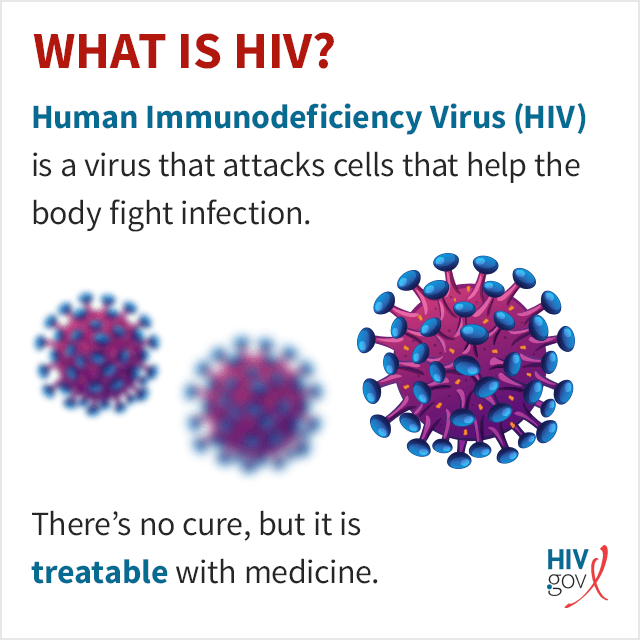
HIV/AIDS and Opportunistic Infections: Comprehensive Clinical Diagnosis and Management Clinical Medicine Year 3 • a future-doctor chapter for HIV care in Uganda Clinical safety note: Antiretroviral regimens, opportunistic-infection doses, prophylaxis thresholds, pregnancy care and timing of ART must follow the current Uganda Clinical Guidelines, national HIV treatment guidelines, resistance results and specialist advice. Doses below are learning examples—not a substitute for a current prescription chart. Why HIV and opportunistic infections require one integrated approach HIV is not simply a positive test or a low CD4 number. It is a chronic viral infection that progressively impairs cellular and humoral immunity, allowing organisms that are harmless or easily controlled in healthy people to cause severe disease. A patient may present with pneumonia, chronic diarrhoea, meningitis, visual loss, weight loss, fever, lymphadenopathy, malignancy or a combination of several conditions. Successful care has five linked components: confirm HIV safely; assess the stage, viral load, CD4 count and comorbidities; identify and treat active opportunistic infections (OIs); start and monitor effective antiretroviral therapy (ART); and prevent recurrence through prophylaxis, vaccination, screening, adherence, nutrition and social support. Learning outcomes Define HIV infection, AIDS, immune failure, opportunistic infection and immune reconstitution inflammatory syndrome. Explain HIV structure, CD4-cell infection, viral replication, immune activation and progressive immune dysfunction. Describe transmission, prevention, testing, counselling, disclosure, stigma and the principle of undetectable = untransmittable. Stage disease using symptoms, WHO clinical staging, CD4 count, viral load and OI patterns. Take a complete HIV/OI history and perform a system-based examination. Order and interpret HIV tests, viral load, CD4, resistance testing, cultures, imaging, CSF, ophthalmology and tissue studies. Recognise the clinical presentation and emergency management of major fungal, bacterial, protozoal and viral OIs. Plan ART initiation, drug interactions, adherence, monitoring, prophylaxis, pregnancy/paediatric care and IRIS management. Prevent OIs through cotrimoxazole and other appropriate prophylaxis, TB preventive treatment, vaccination, safe water, food safety and screening. 1. Definitions Human immunodeficiency virus (HIV) is an enveloped RNA retrovirus that targets cells expressing CD4, especially CD4 T lymphocytes, macrophages and dendritic cells. HIV-1 causes most global disease; HIV-2 is less common and has different geographic and resistance considerations. AIDS describes advanced HIV infection with severe immune suppression, an AIDS-defining condition or both. A patient can have advanced disease despite a single apparently acceptable CD4 result, and a person with a high CD4 can still develop an OI if another immune or structural problem exists. Opportunistic infections are infections that occur more often, are more severe or behave atypically when host immunity is weakened. The organisms and body sites vary with CD4 level, ART exposure, prophylaxis, geography and local prevalence. The supplied SlideShare sources group OIs into bacterial, fungal, protozoal and viral categories and emphasise that falling CD4 increases OI risk. See the organ-based OI overview. 2. HIV microbiology and replication Attachment and entry: viral gp120 binds CD4 and a co-receptor (usually CCR5 early or CXCR4 later), while gp41 mediates fusion. Reverse transcription: viral RNA is converted into DNA by reverse transcriptase; errors create genetic diversity and drug resistance. Integration: integrase inserts viral DNA into the host genome, creating a long-lived reservoir. Transcription and translation: infected cells produce viral RNA and proteins. Assembly and budding: immature virions bud from the cell membrane. Maturation: protease cleaves polyproteins into functional components; the new virion becomes infectious. ART targets these stages using nucleoside/nucleotide reverse-transcriptase inhibitors (NRTIs), non-nucleoside reverse-transcriptase inhibitors (NNRTIs), integrase inhibitors, protease inhibitors, entry/fusion inhibitors and pharmacokinetic boosters. Combination therapy prevents one drug from selecting resistant variants. 3. Natural history and pathogenesis 3.1 Acute retroviral syndrome Two to four weeks after infection, viraemia can cause fever, rash, sore throat, lymphadenopathy, myalgia, headache, diarrhoea, oral/genital ulcers, aseptic meningitis or hepatitis. Symptoms are non-specific and may resemble malaria, EBV, influenza or COVID-like illness. Antibody tests can be negative during the window period; laboratory testing must follow the current algorithm. 3.2 Clinical latency is not viral latency After acute infection, viral replication continues in lymphoid tissues even when the patient is asymptomatic. CD4 cells are progressively lost through direct infection, apoptosis, immune-mediated killing, exhaustion and damage to gut-associated lymphoid tissue. Without ART, viral load, immune activation and opportunistic disease risk eventually rise. 3.3 Advanced disease When cellular immunity fails, latent organisms reactivate and new pathogens cause invasive disease. Mucosal barriers, neutrophil function, antibody responses and macrophage activation are also impaired. ART can restore immune function, but rapid immune recovery against a hidden pathogen can trigger inflammatory disease—IRIS. 4. Transmission, prevention and counselling 4.1 Routes of transmission Sexual exposure to infected genital/rectal/pharyngeal secretions. Blood exposure through shared needles, unsafe injections, unscreened blood or unsterile procedures. Vertical transmission during pregnancy, delivery or breastfeeding. Occupational exposure to infected blood; casual contact, hugging, sharing food, mosquitoes and intact skin do not transmit HIV. 4.2 Prevention package Condoms, lubricants, HIV testing and treatment of STIs. PrEP for eligible HIV-negative people and PEP after significant exposure, started urgently according to national policy. Safe blood, sterile instruments, injection safety and harm-reduction services. Universal ART and support for viral suppression: sustained undetectable viral load prevents sexual transmission (U=U), but does not prevent other STIs. Prevention of mother-to-child transmission through antenatal testing, maternal ART, safe delivery, infant prophylaxis/diagnosis and breastfeeding guidance under Uganda’s programme. 4.3 Counselling essentials Obtain consent, protect privacy, use non-judgemental language, assess safety and disclosure risk, involve a chosen treatment supporter, discuss partner testing and screen for depression, violence, substance use, food insecurity and stigma. “Disclosure” is a supported clinical process, not an instruction to tell everyone immediately. 5. HIV diagnosis and staging 5.1 Testing algorithm Use the national serial or parallel testing algorithm with validated assays. A reactive screening test is not the same as a confirmed diagnosis. Resolve discordant or indeterminate results through the reference algorithm, repeat testing at the correct interval and assess recent exposure. Window period: recent exposure may precede detectable antibodies; antigen/antibody or nucleic-acid testing may detect infection earlier. Confirmatory testing: never diagnose or label a patient from one unconfirmed reactive test. Infants under 18 months: maternal antibody makes antibody testing unreliable; use virological early-infant