
Anti-Vertigo Drugs: Pharmacology, Dosing and Rational Symptom Control
On this page
1 Overview
Vertigo is an illusion of movement — spinning, rocking or tilting — arising from imbalance between the paired vestibular inputs reaching the brain. Anti-vertigo drugs are symptomatic vestibular suppressants: they damp the abnormal vestibular signal or its central interpretation while the brain compensates. The central prescribing principle is short courses matched to the cause: long-term suppression is not benign — it blocks central compensation and prolongs disability. And in the commonest cause of all, BPPV, drugs are a second-class citizen — repositioning maneuvers are the treatment.
2 Learning Objectives
- Explain how vestibular suppressants reduce vertigo, and why duration must be limited.
- Differentiate peripheral from central vertigo at the bedside.
- Compare the classes of anti-vertigo drugs — antihistamine/anticholinergics, betahistine, benzodiazepines, antiemetics, diuretics and corticosteroids — with doses and adverse effects.
- Select rational drug–cause combinations for BPPV, vestibular neuritis, labyrinthitis and Ménière's disease.
- Counsel safely in the elderly, pregnancy and patients with glaucoma/prostatism.
3 Physiological Rationale for the Drugs
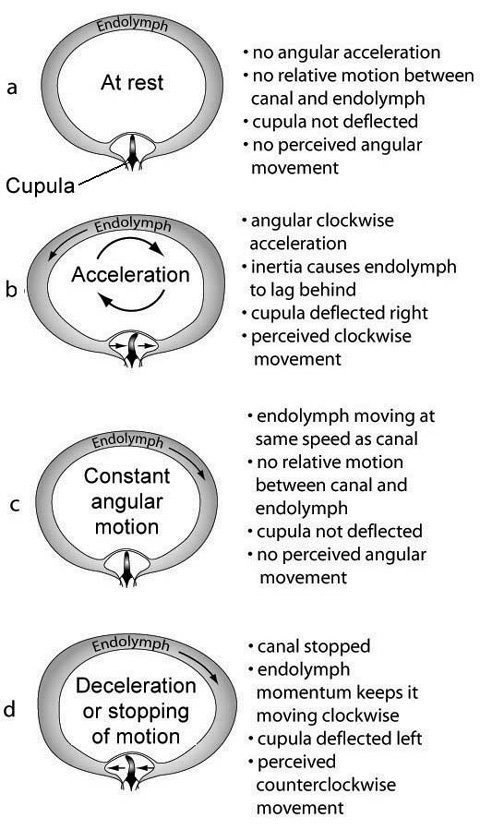
Balance depends on symmetric resting activity of the two vestibular nuclei. When one labyrinth is injured (neuritis) or fires aberrantly (otolith in a canal), the nuclei become asymmetric and the brain interprets the mismatch as spinning — with the vestibulo-ocular reflex producing nystagmus, and vagal output producing nausea and vomiting. Anti-vertigo drugs act at three levels:
- At the labyrinth — antihistamine/anticholinergic agents (meclizine, cinnarizine, scopolamine) reduce labyrinthine excitability and vestibular nuclei firing.
- In the brainstem — benzodiazepines (diazepam, clonazepam) damp vestibular nuclear and cerebellar output through GABAA enhancement; histamine pathways at the vomiting centre are blocked by the same H1 agents.
- At the emetic pathway — antiemetics (prochlorperazine, promethazine, metoclopramide, ondansetron) control nausea; promethazine and prochlorperazine add their own vestibular suppression.
Recovery comes not from drugs but from vestibular compensation — central recalibration that needs active exposure to movement. Chronic suppression prevents that learning and delays recovery.
4 Causes of Vertigo — Before the Prescription
Scroll the table sideways on a smaller screen.
| Feature | Peripheral (inner ear/vestibular nerve) | Central (brainstem/cerebellum) |
|---|---|---|
| Onset / severity | Sudden, intense | Gradual, often milder but persistent |
| Nausea/vomiting | Marked | Variable |
| Nystagmus | Unidirectional, horizontal-rotatory, fatigable, inhibited by fixation | Multidirectional, vertical/purely vertical-torsional, non-fatigable, not inhibited by fixation |
| Hearing loss / tinnitus | May be present (Ménière's, labyrinthitis) | Usually absent (but AICA strokes can) |
| Other signs | None neurological | Diplopia, dysarthria, ataxia, weakness — posterior circulation stroke until proven otherwise |
| Common causes | BPPV, vestibular neuritis, labyrinthitis, Ménière's disease | Stroke, TIA, vestibular migraine, cerebellar lesions, MS |
Any central feature, new severe headache, or inability to walk mandates urgent neuroimaging — no anti-vertigo drug changes that.
5 Drug Classes in Detail
Antihistamine–anticholinergics (first-line vestibular suppressants)
- Meclizine — the best-supported agent; H1 antagonist with central anticholinergic action at the vestibular nuclei, vomiting centre and CTZ. 25–100 mg/day in divided doses; onset ~1 hour. Indications: acute peripheral vertigo, Ménière's flares, motion sickness; useful short-term in BPPV while awaiting/repositioning. Sedating but among the better-tolerated; drug of choice in pregnancy. Avoid with alcohol and other sedatives.
- Cinnarizine — H1 blocker plus calcium-channel inhibition of vestibular hair cells; widely used for vertigo and motion sickness (25 mg three times daily acutely, then taper). Sedation, weight gain, and extrapyramidal effects with chronic use.
- Dimenhydrinate / diphenhydramine — effective but markedly sedating; useful when sedation is acceptable (e.g. severe acute neuritis with vomiting).
- Scopolamine (hyoscine) — transdermal anticholinergic, best for motion sickness; avoid in glaucoma and prostatism.
Betahistine
An H3-antagonist/weak H1-agonist that increases vestibular nuclei excitability and inner-ear microcirculation — in effect it hastens compensation rather than suppressing, so it suits recurrent or residual symptoms (Ménière's, post-neuritis residual dizziness). Usual dose 16 mg three times daily, tapering to 8 mg bd maintenance; effect builds over weeks. Generally well tolerated (headache, GI upset). It does not help the acute spinning attack itself.
Benzodiazepines
Diazepam (2–5 mg), lorazepam, clonazepam suppress central vestibular pathways; reserved for severe acute vertigo with distressing anxiety or refractory symptoms, short course only. Habituation, falls in the elderly and impaired compensation are the costs; avoid chronic use.
Antiemetics
- Prochlorperazine / promethazine — phenothiazines with their own vestibular-suppressant effect; the workhorses when vomiting dominates. Extrapyramidal effects, hypotension, anticholinergic burden — caution in the elderly.
- Ondansetron — 5-HT3 antagonist; controls nausea without vestibular suppression or sedation; preferred when the patient must stay alert or in Parkinson disease (no dopamine blockade).
- Metoclopramide — useful when nausea coexists with dysmotility; avoid in Parkinson disease (D2 blockade).
Cause-modifying drugs (not suppressants)
- Diuretics — potassium-sparing (e.g. bendroflumethiazide or amiloride per protocol) for Ménière's disease, with low-salt diet.
- Corticosteroids — early course in vestibular neuritis (e.g. prednisolone taper) may hasten recovery in severe loss.
6 Drug Monographs: Doses, Indications & Safety
Each anti-vertigo drug as a full monograph: mechanism → indications → adult dose → paediatric dose → adverse effects → contraindications → interactions → patient advice. Doses are standard teaching doses — confirm against the current Uganda Clinical Guidelines before prescribing.
Meclizine (antihistamine–anticholinergic)
Scroll the table sideways on a smaller screen.
| Meclizine — H1 antagonist with central anticholinergic action | |
|---|---|
| Mechanism | Blocks H1 receptors and has central anticholinergic action at the vestibular nuclei, vomiting centre and chemoreceptor trigger zone |
| Indications | Acute peripheral vertigo, Ménière's flares, motion sickness, BPPV symptom relief while awaiting repositioning; drug of choice for vertigo/nausea in pregnancy |
| Adult dose | 25–100 mg/day in divided doses (e.g. 25–50 mg 2–3 times daily); motion sickness: 25–50 mg 1 hour before travel |
| Paediatric dose | >12 years: as adult; <12 years: not recommended |
| Adverse effects | Drowsiness, dry mouth, blurred vision, constipation, urinary retention; generally among the best-tolerated suppressants |
| Contraindications | Narrow-angle glaucoma, urinary retention/prostatism (caution); caution with other sedatives |
| Interactions | Additive sedation with alcohol, benzodiazepines, opioids and other CNS depressants; additive anticholinergics |
| Patient advice / monitoring | Causes drowsiness — no driving until the response is known; use for days, not weeks; swallow whole with water; dry mouth — sips of water, sugar-free gum |
Cinnarizine (antihistamine–calcium-channel blocker)
Scroll the table sideways on a smaller screen.
| Cinnarizine — H1 blocker + vestibular calcium-channel inhibitor | |
|---|---|
| Mechanism | Blocks H1 receptors and inhibits calcium influx into vestibular hair cells, reducing labyrinthine excitability |
| Indications | Vertigo of labyrinthine origin (neuritis, Ménière's), motion sickness, vestibular vertigo prophylaxis |
| Adult dose | Acute vertigo: 30 mg 3 times daily, tapering to 15 mg 3 times daily as symptoms settle; motion sickness: 30 mg 2 hours before travel |
| Paediatric dose | 5–12 years: half the adult dose (15 mg 2–3 times daily); <5 years: not recommended |
| Adverse effects | Sedation, weight gain, dry mouth, GI upset; extrapyramidal symptoms and depression with chronic use |
| Contraindications | Parkinson disease; caution in elderly, glaucoma, prostatism |
| Interactions | Additive sedation with alcohol and CNS depressants; may enhance antihypertensives |
| Patient advice / monitoring | Taper as symptoms improve; report involuntary movements or low mood on long courses; avoid alcohol; may impair driving |
Betahistine (compensation facilitator)
Scroll the table sideways on a smaller screen.
| Betahistine — H3 antagonist / weak H1 agonist | |
|---|---|
| Mechanism | Inhibits presynaptic H3 autoreceptors → increases histamine turnover and vestibular nuclei excitability; improves inner-ear microcirculation — facilitates compensation rather than suppressing the signal |
| Indications | Ménière's disease (recurrent attacks, tinnitus, hearing fluctuation); residual dizziness after vestibular neuritis; not for the acute spinning attack |
| Adult dose | 16 mg 3 times daily (max 48 mg/day); maintenance 8 mg twice daily; effect builds over weeks — take continuously |
| Paediatric dose | Not established — specialist use only |
| Adverse effects | Headache, GI upset, rash — generally very well tolerated |
| Contraindications | Phaeochromocytoma; caution in asthma, peptic ulcer disease (histaminergic effect) |
| Interactions | Antihistamines (H1) may blunt its effect — avoid combining with meclizine concurrently; minimal other interactions |
| Patient advice / monitoring | Take with food (reduces GI upset); expect benefit over weeks, not hours; continue through maintenance; report worsening asthma or ulcer symptoms |
Prochlorperazine (phenothiazine antiemetic)
Scroll the table sideways on a smaller screen.
| Prochlorperazine — D2 antagonist with vestibular suppression | |
|---|---|
| Mechanism | Blocks dopamine D2 at the CTZ and has H1/anticholinergic actions that add vestibular suppression |
| Indications | Severe vertigo with vomiting (acute neuritis, labyrinthitis, Ménière's attack); nausea and vomiting of other causes; labyrinthine disorders |
| Adult dose | Vertigo/nausea: 5 mg 3 times daily oral; acute: 12.5 mg IM or slow IV; antiemetic max 30 mg/day |
| Paediatric dose | 1–5 years: 2.5 mg twice daily; 6–12 years: 2.5–5 mg 2–3 times daily (short courses, specialist guidance) |
| Adverse effects | Extrapyramidal effects (acute dystonia, akathisia, parkinsonism), hypotension, sedation, anticholinergic effects; tardive dyskinesia with chronic use |
| Contraindications | Parkinson disease; caution in elderly, epilepsy, hepatic impairment, hypotension |
| Interactions | Additive sedation and hypotension with alcohol, opioids, antihypertensives; anticholinergics compound EPS-adjacent effects; CYP2D6 inhibitors raise levels |
| Patient advice / monitoring | Shortest effective course; report stiffness, restlessness or involuntary movements immediately; rise slowly (postural hypotension); avoid driving |
Ondansetron (5-HT3 antagonist)
Scroll the table sideways on a smaller screen.
| Ondansetron — selective 5-HT3 receptor antagonist | |
|---|---|
| Mechanism | Blocks 5-HT3 receptors in the gut and CTZ — controls nausea without vestibular suppression or sedation |
| Indications | Nausea/vomiting when the patient must stay alert; preferred antiemetic in Parkinson disease (no dopamine blockade); chemotherapy/radiotherapy-induced nausea |
| Adult dose | 8 mg 2–3 times daily oral; or 4–8 mg slow IV/IM 8-hourly |
| Paediatric dose | 0.15 mg/kg per dose (max 8 mg), 8-hourly |
| Adverse effects | Headache, constipation, flushing; QT prolongation (caution with other QT drugs, electrolyte disturbance) |
| Contraindications | Congenital long QT; caution with other QT-prolonging drugs and hypokalaemia/hypomagnesaemia |
| Interactions | QT-prolonging drugs (amiodarone, haloperidol, citalopram); serotonergic drugs (theoretical syndrome risk — large doses); CYP3A4/2D6 inhibitors raise levels |
| Patient advice / monitoring | No sedation — preferred when alertness matters; correct potassium/magnesium if depleted; report palpitations or fainting |
Metoclopramide (prokinetic antiemetic)
Scroll the table sideways on a smaller screen.
| Metoclopramide — D2 antagonist + prokinetic | |
|---|---|
| Mechanism | Blocks D2 at CTZ and increases gastric motility — empties the stomach, reducing both nausea and reflux |
| Indications | Nausea/vomiting, especially with gastric stasis/dyspepsia; migraine-associated nausea; not for Parkinson patients |
| Adult dose | 10 mg 3 times daily, 30 minutes before meals; max 30 mg/day; limit to 5 days |
| Paediatric dose | >1 year: 0.1 mg/kg per dose up to 3 times daily (max 0.5 mg/kg/day) |
| Adverse effects | Drowsiness, diarrhoea; extrapyramidal effects (dystonia, especially young women), hyperprolactinaemia; tardive dyskinesia with prolonged use |
| Contraindications | Parkinson disease, GI obstruction/perforation/bleeding, phaeochromocytoma, epilepsy (caution) |
| Interactions | Opioids and anticholinergics oppose its prokinetic effect; additive sedation; CYP2D6 inhibitors raise levels |
| Patient advice / monitoring | Take before meals; stop after 5 days; report restlessness, stiffness or involuntary movements; avoid in children except specialist advice |
Diazepam (vestibular suppressant, short course)
Scroll the table sideways on a smaller screen.
| Diazepam — GABAA positive allosteric modulator | |
|---|---|
| Mechanism | Potentiates GABAA inhibition in vestibular nuclei and cerebellar pathways, damping central vestibular output |
| Indications | Severe acute vertigo with distressing anxiety, refractory symptoms — rescue use only, a few days at most |
| Adult dose | 2–5 mg 2–3 times daily for 1–3 days, then stop; avoid repeat courses |
| Paediatric dose | Not recommended for vertigo |
| Adverse effects | Sedation, amnesia, ataxia, dependence with repeated courses; falls in the elderly |
| Contraindications | Respiratory insufficiency, sleep apnoea, myasthenia gravis; caution in elderly |
| Interactions | Additive sedation with alcohol, opioids, other sedating anti-vertigo drugs |
| Patient advice / monitoring | Days, not weeks — habituation and falls are the cost; no alcohol; no driving while sedated; do not save tablets for "next time" without review |
Scopolamine (hyoscine, transdermal anticholinergic)
Scroll the table sideways on a smaller screen.
| Scopolamine (hyoscine) — muscarinic antagonist | |
|---|---|
| Mechanism | Blocks muscarinic receptors in vestibular pathways and the vomiting centre — one of the most effective agents for motion sickness |
| Indications | Motion sickness prophylaxis (travel, sea sickness); less used for spontaneous vertigo |
| Adult dose | Transdermal patch 1 mg applied behind the ear every 72 hours (apply ≥4 hours before travel); oral 0.3–0.6 mg |
| Paediatric dose | <10 years: not recommended (patch); children are especially susceptible to anticholinergic toxicity |
| Adverse effects | Dry mouth, blurred vision, drowsiness, confusion, urinary retention; dilated pupils if the drug transfers to the eye via fingers |
| Contraindications | Narrow-angle glaucoma, prostatism/urinary retention, myasthenia gravis; caution in elderly |
| Interactions | Additive anticholinergic burden with antihistamines, TCAs, antipsychotics; alcohol adds sedation |
| Patient advice / monitoring | Wash hands after applying; avoid touching eyes; remove the patch if eye pain or haloes appear (acute glaucoma); expect dry mouth |
7 Cause-Specific Treatment
Scroll the table sideways on a smaller screen.
| Diagnosis | Primary treatment | Drug role |
|---|---|---|
| BPPV | Epley (posterior canal) repositioning maneuver — highly effective, first-line | Minimal — short course meclizine/cinnarizine for severe episodes or while awaiting repositioning; antiemetics for nausea |
| Vestibular neuritis | Early mobilisation; corticosteroids in severe acute loss | Short (3–5 day) suppressant course (meclizine/cinnarizine ± prochlorperazine); stop early to allow compensation |
| Labyrinthitis | Treat infection if bacterial; support | As neuritis; longer symptom course possible |
| Ménière's disease | Low-salt diet ± diuretic; betahistine maintenance; ENT follow-up | Meclizine/promethazine or benzodiazepine for acute attacks; betahistine for recurrence |
| Vestibular migraine | Migraine prophylaxis (propranolol, topiramate, amitriptyline) | Acute suppressants as needed |
| Central vertigo | Treat the cause — stroke pathway, imaging | Suppressants give only partial, temporary relief |
8 Rational Use & Duration
- Short courses — vestibular suppressants for days, not months: acute neuritis 3–5 days, Ménière attacks as needed. Chronic use inhibits compensation and prolongs dizziness, causes falls and cognitive slowing, and masks treatable causes.
- BPPV = maneuver, not medicine — medications do not reposition otoliths; treating BPPV with pills alone is the commonest irrational use of these drugs.
- Add non-drug measures — treat the cause, review culprit drugs (antihypertensives, aminoglycosides, loop diuretics cause ototoxicity), hydrate, and start vestibular rehabilitation early.
- Reassess persistent symptoms — vertigo beyond 2–3 weeks, recurrent episodes, or hearing change warrants audiometry, vestibular testing and ENT/neurology review.
9 Safety in Special Groups
- Elderly — anticholinergic and sedative burden: falls, confusion, urinary retention, constipation; use the lowest dose for the shortest time; prefer ondansetron for nausea when sedation must be avoided.
- Glaucoma, prostatism, asthma — avoid or use great caution with anticholinergics (scopolamine, promethazine).
- Pregnancy — meclizine is the drug of choice for nausea/vertigo in pregnancy; promethazine also used; avoid benzodiazepines where possible.
- Parkinson disease — avoid metoclopramide and prochlorperazine (dopamine blockade); prefer ondansetron.
- Driving & machinery — all suppressants impair; counsel patients until compensation and off sedation.
10 Vestibular Rehabilitation
Compensation is experience-dependent: graded exposure to the movements that provoke dizziness retrains the vestibulo-ocular and vestibulospinal reflexes. Components include gaze-stabilisation exercises (VOR adaptation), habituation exercises for provoking movements, and balance/gait training (e.g. Cawthorne–Cooksey exercises). It is indicated after neuritis/labyrinthitis, for residual dizziness post-BPPV, in the elderly with fall risk, and as maintenance in chronic unilateral vestibular loss — and it works best when suppressant drugs have been stopped.
11 Viva & Exam Points
- First-line suppressant — meclizine (H1 + anticholinergic at vestibular nuclei); 25–100 mg/day.
- Betahistine — H3 antagonist; facilitates compensation; Ménière's maintenance 16 mg tds.
- Duration discipline — suppressants for days; chronic use blocks compensation.
- BPPV — Epley maneuver first; drugs are adjuncts only.
- Nystagmus — peripheral: unidirectional, fatigable, fixation-inhibited; central: red flags for stroke.
- Safety — anticholinergics in glaucoma/prostatism; phenothiazines in Parkinson disease; meclizine in pregnancy.
12 References
- Benign Paroxysmal Positional Vertigo. StatPearls. NCBI Bookshelf — repositioning first; meclizine dosing; suppressant classes.
- Meclizine. StatPearls. NCBI Bookshelf — mechanism, indications (Ménière's, motion sickness, BPPV), safety.
- Vertigo in Clinical Practice. NCBI Bookshelf — antihistamines, calcium-channel blockers, benzodiazepines, antiemetics; duration limits.
- Merck Manual Professional — Dizziness and Vertigo — suppressant use limited to acute episodes; chronic use inhibits compensation.
For education only. Apply current Uganda Clinical Guidelines and local protocols when managing patients.