
Sympatholytics & adrenoceptor antagonists: alpha, beta & mixed blockers
Overview & receptor cascades
Sympatholytic agents (also termed adrenoceptor antagonists, adrenergic blocking agents, or sympathoplegics) are drugs that bind selectively to alpha- or beta-adrenergic receptors, competitively or non-competitively preventing their activation by endogenous catecholamines (adrenaline / epinephrine and noradrenaline / norepinephrine) or exogenous sympathomimetic agonists.
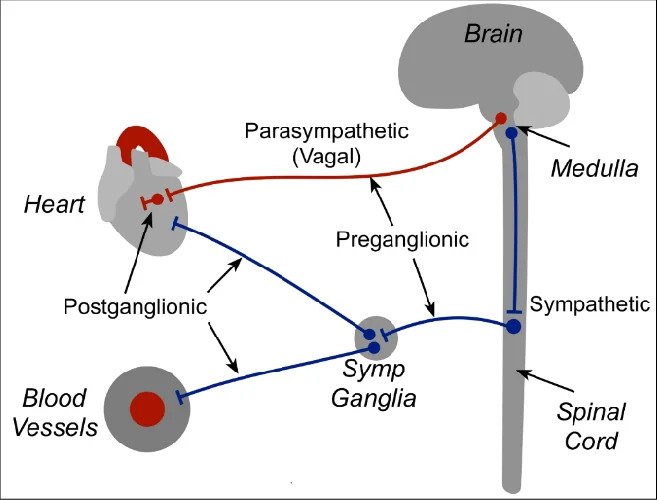
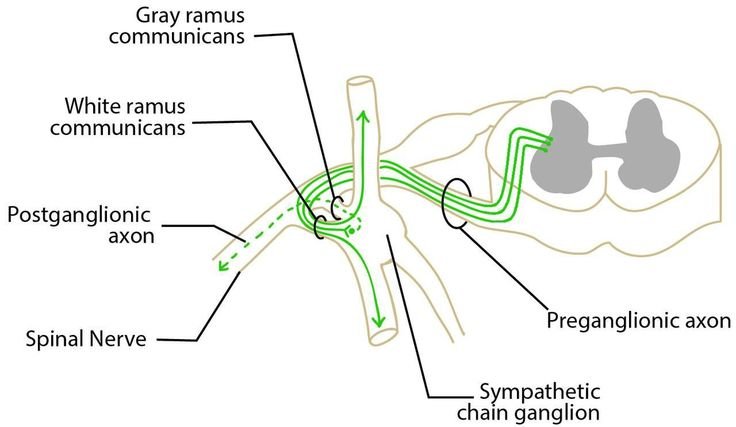
Adrenoceptor Subtypes & Intracellular Signaling
Endogenous catecholamines act on five primary adrenoceptor subtypes divided into two major classes: alpha (α) and beta (β) receptors. All five are 7-transmembrane G-protein coupled receptors (GPCRs) with distinct molecular signaling cascades:
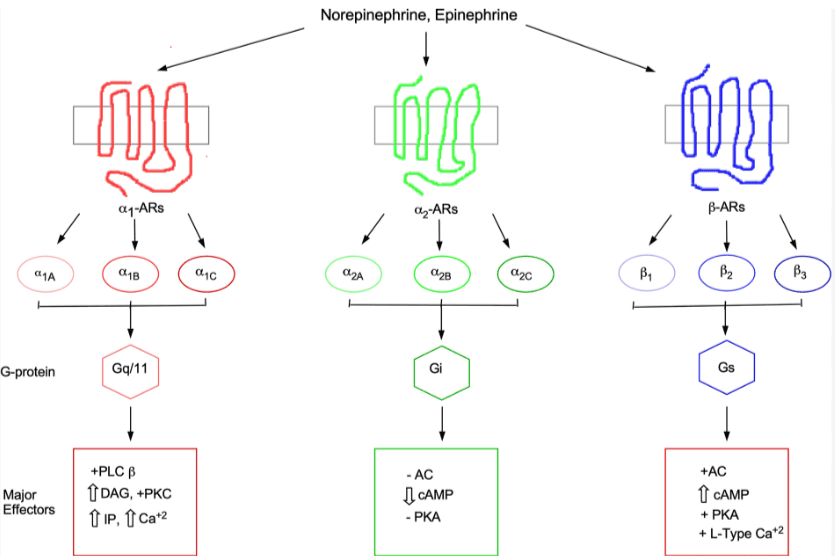
1. Alpha-1 (α1) Receptors (Gq/11 Coupled)
- Signaling: Activates phospholipase C (PLC) → hydrolyzes phosphatidylinositol 4,5-bisphosphate (PIP2) into inositol 1,4,5-trisphosphate (IP3) and diacylglycerol (DAG) → releases stored Ca2+ from the sarcoplasmic reticulum and activates protein kinase C (PKC).
- Location: Vascular smooth muscle of resistance arterioles, capacitance veins, and splanchnic beds; bladder trigone, prostate capsule, and prostatic urethra; radial pupillary dilator muscle of the eye; and hepatic parenchyma.
- Agonist Effect: Intense vasoconstriction, systemic hypertension, contraction of urinary sphincter (urinary retention), pupillary mydriasis, and glycogenolysis.
2. Alpha-2 (α2) Receptors (Gi/o Coupled)
- Signaling: Inhibits adenylyl cyclase → decreases cyclic AMP (cAMP) → inhibits voltage-gated Ca2+ channels and opens inwardly rectifying K+ channels, hyperpolarizing the membrane.
- Location: Presynaptic adrenergic and cholinergic nerve terminals (inhibitory autoreceptors and heteroreceptors); vascular smooth muscle postjunctional membranes; pancreatic β-cells; and central vasomotor centers in the brainstem (nucleus tractus solitarii).
- Agonist Effect: Suppresses norepinephrine exocytosis (negative feedback autoinhibition); suppresses insulin release; reduces central sympathetic outflow.
3. Beta-1, Beta-2 & Beta-3 (β) Receptors (Gs Coupled)
- Signaling: Stimulates adenylyl cyclase → converts ATP into cyclic AMP (cAMP) → activates protein kinase A (PKA). In cardiac myocytes, PKA phosphorylates L-type Ca2+ channels, phospholamban, and ryanodine receptors, enhancing calcium influx and contractility. In smooth muscle, PKA phosphorylates and inactivates myosin light-chain kinase (MLCK), causing relaxation.
- β1 Locations: Sinoatrial (SA) node, atrioventricular (AV) node, atrial and ventricular myocardium; and juxtaglomerular apparatus of renal afferent arterioles.
Agonist Effect: Positive chronotropy (↑ heart rate), inotropy (↑ contractility), dromotropy (↑ conduction velocity), bathmotropy (↑ excitability), and increased renin secretion. - β2 Locations: Bronchial smooth muscle; skeletal muscle vascular beds and coronary arteries; gastrointestinal and genitourinary smooth muscle; hepatocytes; and skeletal muscle.
Agonist Effect: Bronchodilation, arteriolar vasodilation (lowering diastolic blood pressure), glycogenolysis, gluconeogenesis, hypokalemia (via Na+/K+-ATPase pump activation driving K+ into cells), and physiological skeletal muscle tremor. - β3 Locations: White and brown adipose tissue, and the detrusor muscle of the urinary bladder.
Agonist Effect: Stimulates lipolysis in adipocytes and mediates detrusor relaxation (targeted clinically by mirabegron in overactive bladder).
Comprehensive classification
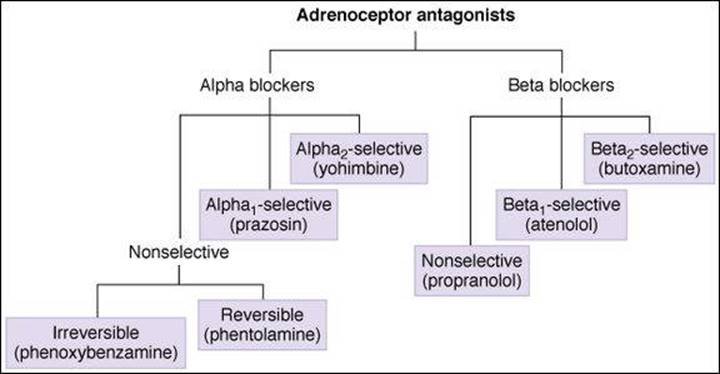
Sympatholytic agents are classified based on their receptor selectivity, binding kinetics (reversible competitive vs. irreversible non-competitive), generation, and secondary ancillary properties (such as intrinsic sympathomimetic activity, membrane stabilizing activity, or vasodilating mechanisms).
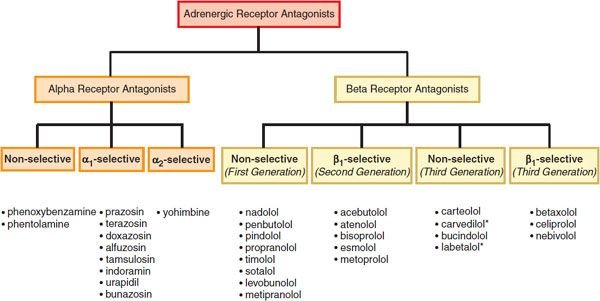
| Major Class | Subcategory | Representative Drug Entities | Pharmacological Mechanism & Key Properties |
|---|---|---|---|
| α-Adrenoceptor Antagonists | Non-Selective (α1 + α2) | Phenoxybenzamine (irreversible/covalent), Phentolamine (reversible competitive), Tolazoline, Ergotamine, Ergotoxine | Blocks vascular α1 vasoconstriction (causing vasodilation and hypotension) while simultaneously blocking presynaptic α2 autoreceptors (causing increased norepinephrine release and marked reflex tachycardia). |
| Selective α1-Blockers | Prazosin (prototype), Terazosin, Doxazosin, Alfuzosin, Tamsulosin (α1A-selective), Silodosin, Bunazosin, Indoramin, Urapidil | Selectively blocks vascular and genitourinary α1 receptors. Lowers blood pressure and relaxes prostatic smooth muscle without blocking presynaptic α2 autoreceptors, minimizing reflex tachycardia. | |
| Selective α2-Blockers | Yohimbine, Idazoxan (research tool) | Blocks presynaptic α2 autoreceptors, accelerating central and peripheral norepinephrine exocytosis. Elevates blood pressure and heart rate; historically investigated for erectile dysfunction. | |
| β-Adrenoceptor Antagonists | 1st Generation (Non-Selective: β1 + β2) | Propranolol (prototype), Nadolol, Timolol, Sotalol (Class III antiarrhythmic), Pindolol (has ISA), Levobunolol, Metipranolol, Penbutolol | Blocks both β1 (cardiac depression, reduced renin) and β2 receptors (bronchoconstriction, peripheral vasoconstriction, impaired glycogenolysis). |
| 2nd Generation (β1-Cardioselective) | Metoprolol, Atenolol, Bisoprolol, Esmolol (ultra-short acting), Acebutolol (has ISA), Betaxolol | Preferentially blocks cardiac β1 receptors at therapeutic doses. Less likely to trigger bronchospasm, peripheral vasoconstriction, or metabolic dysregulation. | |
| 3rd Generation Non-Selective (Vasodilating) | Carvedilol (α1 block + antioxidant), Labetalol (α1 block + β2 agonism), Bucindolol, Carteolol | Combines non-selective β-blockade with vascular α1-adrenoceptor antagonism, reducing peripheral vascular resistance without causing reflex tachycardia. | |
| 3rd Generation β1-Selective (Vasodilating) | Nebivolol (endothelial NO release), Celiprolol (β2 agonism), Betaxolol | Cardioselective β1 blockade paired with direct endothelial nitric oxide synthase (eNOS) activation, improving arterial compliance and hemodynamics. |
Alpha-blocker pharmacodynamics
Vascular Actions & Hemodynamics
Alpha-adrenoceptors maintain basal sympathetic vascular tone. Blockade of these receptors alters systemic hemodynamics and neuroeffector signaling:
- Vascular Resistance & Blood Pressure: α1-adrenoceptor antagonism prevents catecholamine-mediated contraction of vascular smooth muscle across both arterial resistance beds and venous capacitance vessels. This results in decreased total peripheral vascular resistance (afterload reduction) and increased venous capacitance (preload reduction), causing a significant fall in systemic arterial blood pressure.
- Postural (Orthostatic) Hypotension: The most prominent adverse manifestation of α-blockade. Under normal conditions, standing upright triggers gravity-induced venous pooling in lower extremities, instantly activating the arterial baroreceptor reflex to cause sympathetic vasoconstriction. α1-blockers abolish this compensatory venoconstriction, leading to persistent blood pooling, decreased cardiac venous return, compromised cerebral perfusion, lightheadedness, and first-dose postural syncope.
- Mechanisms of Reflex Tachycardia:
- Selective α1 Blockers (e.g., Prazosin): The fall in blood pressure unloads arterial baroreceptors, triggering compensatory sympathetic firing. However, because presynaptic α2 autoreceptors remain functional, norepinephrine exocytosis is physiologically limited by autoinhibition. Reflex tachycardia is therefore mild to moderate.
- Non-Selective α1 + α2 Blockers (e.g., Phentolamine, Phenoxybenzamine): Produce severe, exaggerated reflex tachycardia. In addition to baroreflex activation, blockade of presynaptic α2 autoreceptors prevents negative feedback, leading to uncontrolled norepinephrine release from cardiac sympathetic terminals. This excess norepinephrine acts unhindered on cardiac β1 receptors, driving marked chronotropic and inotropic stimulation.
Non-Vascular Smooth Muscle Effects
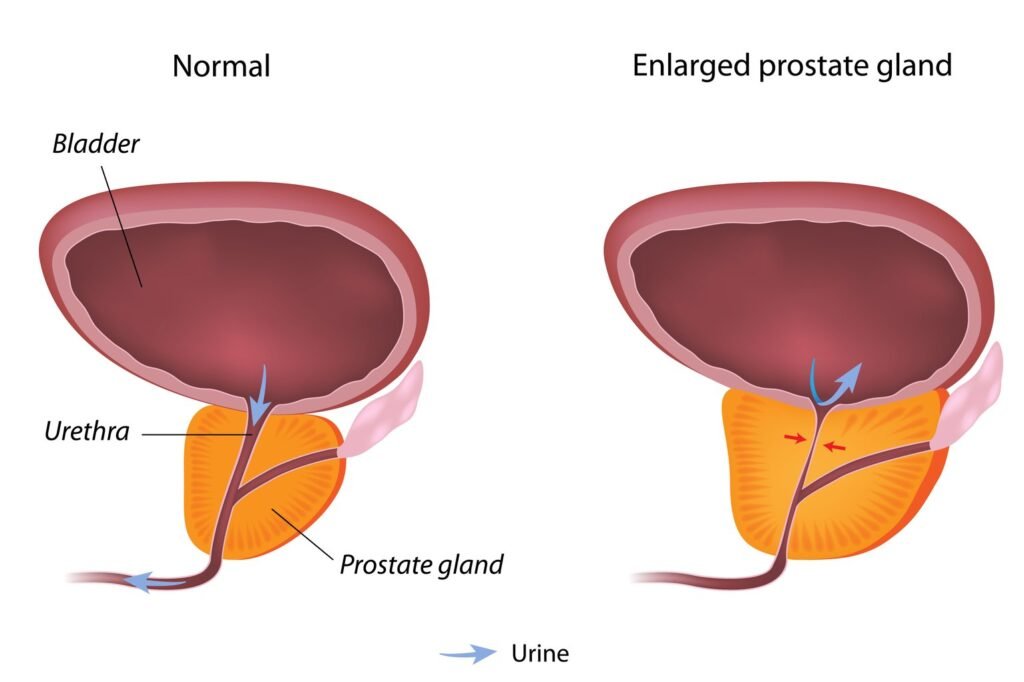
- Genitourinary Tract (Bladder & Prostate): The base of the urinary bladder (trigone), the prostatic capsule, and the proximal urethral stroma are rich in α1 receptors (predominantly the α1A subtype). Blockade relaxes this smooth muscle, reducing dynamic outflow resistance and significantly improving peak urinary flow rates in patients with benign prostatic hyperplasia (BPH).
- The Eye: The radial pupillary dilator muscle expresses α1 receptors. Blockade prevents sympathetic pupillary dilation, leaving parasympathetic constrictor tone unopposed and resulting in pupillary constriction (miosis). During cataract surgery, α1-blocker therapy (especially tamsulosin) can cause loss of iris tone and progressive intraoperative pupil constriction, termed Intraoperative Floppy Iris Syndrome (IFIS).
- Nasal Mucosa: Blood vessels within the nasal mucosa express α1 receptors that maintain vasoconstriction. α-blockade produces vasodilation, vascular engorgement, and marked nasal congestion (stuffiness).
- Male Sexual Function: Sympathetic α1 signaling mediates contraction of the vas deferens, ampulla, and seminal vesicles during ejaculation. α-blockers frequently cause impaired or retrograde ejaculation into the bladder.
| Receptor Target | Anatomical Location | Pharmacological Action of Adrenaline | Pharmacological Action of α-Sympatholytics |
|---|---|---|---|
| α1 Receptors | Vascular smooth muscle (arterioles, veins) | Vasoconstriction → elevation of systemic blood pressure | Vasodilation → reduction in systemic blood pressure (hypotension) |
| Internal urethral sphincter & prostate | Contraction → urinary retention and closure of bladder neck | Relaxation → reduced outflow resistance, facilitating micturition | |
| Eye (radial pupillary dilator muscle) | Contraction → active pupillary dilation (mydriasis) | Blockade → unopposed sphincter constrictor tone (miosis) | |
| α2 Receptors | Presynaptic adrenergic nerve terminals | Autoinhibition → suppresses further exocytosis of norepinephrine | Blockade of autoinhibition → increased release of norepinephrine |
| Vascular smooth muscle | Vasoconstriction (secondary component) | Vasodilation → reduction in peripheral vascular resistance |
Dale’s adrenaline reversal
In 1906, Sir Henry Dale demonstrated a classic physiological phenomenon using ergot alkaloid extracts (ergotoxine) in anesthetized cats. He discovered that administering a non-selective α-adrenergic antagonist completely converts the normal hypertensive pressor response of intravenous adrenaline into a paradoxical hypotensive depressor response—a phenomenon termed Dale’s Adrenaline Reversal.
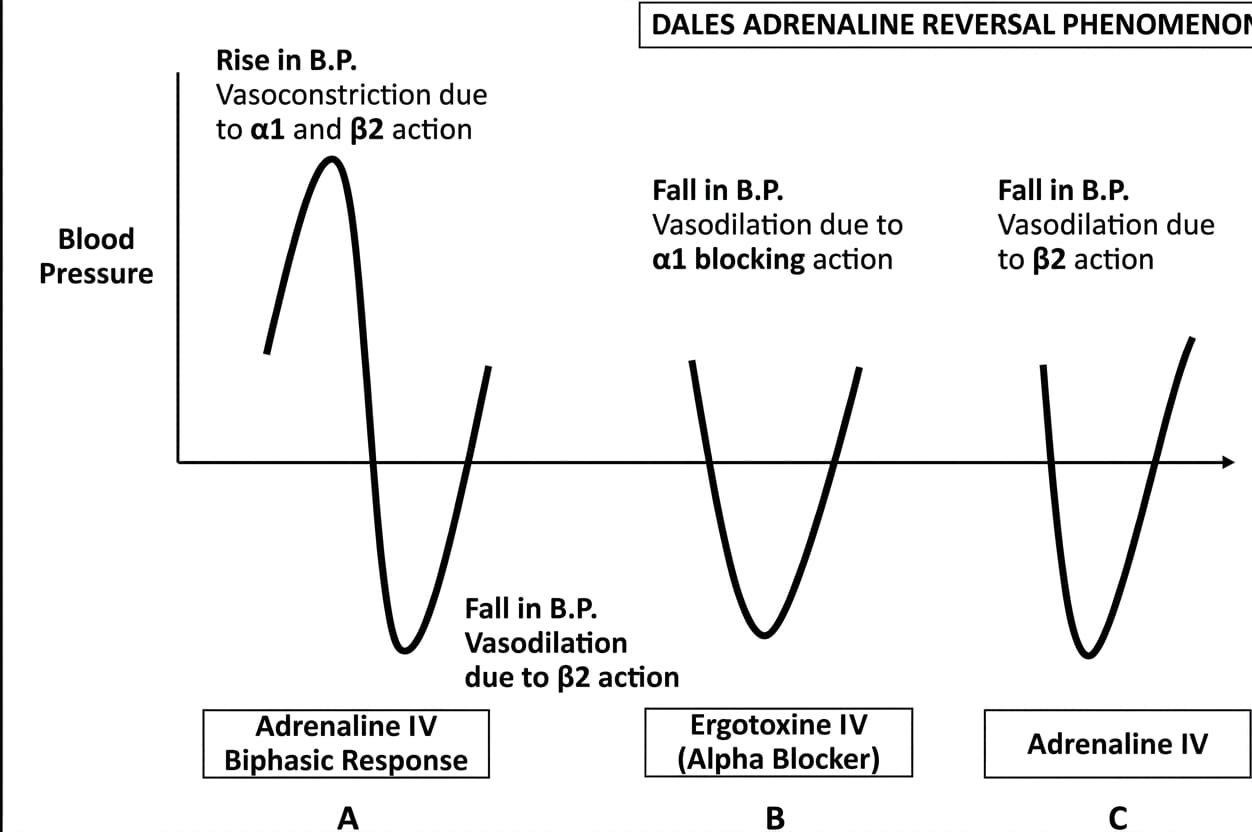
Receptor Affinity Dynamics & The Three Phases
The mechanism relies on differences in receptor affinity and vascular distribution. Adrenaline possesses high affinity for both α1 (vasoconstrictor) and β2 (vasodilator) receptors. However, β2 receptors are more sensitive to low concentrations of adrenaline than α1 receptors:
Phase 1: Intravenous Adrenaline Alone (Biphasic Pressor Response)
When an adequate dose of adrenaline is administered intravenously to an untreated subject:
- Initial Sharp Rise in Blood Pressure: Peak plasma concentrations of adrenaline activate both vascular α1 and cardiac β1 receptors. Despite simultaneous β2 stimulation, the vasoconstrictor effect of widely distributed α1 receptors overwhelms β2 vasodilation. Systemic vascular resistance increases, while cardiac output, heart rate, and contractility rise (β1 effect), causing a steep spike in mean arterial pressure.
- Secondary Fall Below Baseline (The Depressor Phase): Over subsequent minutes, circulating adrenaline levels fall rapidly due to neuronal re-uptake (Uptake-1) and hepatic/endothelial enzymatic degradation by monoamine oxidase (MAO) and catechol-O-methyltransferase (COMT). At these lower concentrations, α1 stimulation wanes, while the more sensitive β2 receptors remain fully activated. Unopposed β2-mediated vasodilation in skeletal muscle vascular beds causes total peripheral resistance and blood pressure to dip transiently below baseline before returning to normal. This sequence represents the classic biphasic response.
Phase 2: Administration of a Non-Selective α-Blocker
When an α-receptor antagonist (ergotoxine, phentolamine, or phenoxybenzamine) is administered alone, it competitively or irreversibly blocks vascular α1 receptors. Basal vasoconstrictor tone is abolished, causing peripheral vasodilation and a modest, sustained decline in resting blood pressure.
Phase 3: Adrenaline Following α-Blockade (The Reversal)
When the same dose of adrenaline is re-administered in the presence of the α-blocker, the drug cannot activate the blocked α1 receptors. However, vascular β2 receptors remain completely uninhibited. Adrenaline binds freely to β2 receptors, producing profound arteriolar vasodilation. Instead of the expected hypertensive spike, blood pressure undergoes an immediate, steep paradoxical fall (pure vasodepressor response).
Individual alpha-antagonists
1. Non-Selective α-Blockers
Phenoxybenzamine
- Chemical Class & Mechanism: A synthetic haloalkylamine derivative. Acts as an irreversible, non-competitive antagonist at both α1 and α2 receptors. Inside the body, it cyclizes spontaneously to form a highly reactive, electrophilic ethyleneiminium (carbonium / aziridinium) intermediate that forms covalent bonds with the receptor binding pocket.
- Kinetics: Because the blockade is covalent and insurmountable, recovery requires de novo synthesis of new adrenoceptors. Plasma elimination half-life is ~24 hours, but the biological duration of action persists for 48 to 72 hours.
- Clinical Indications: Preoperative management of pheochromocytoma (started 10 to 14 days before surgical resection to control blood pressure and restore intravascular volume); long-term medical management of inoperable or metastatic pheochromocytoma; and off-label management of severe Raynaud’s disease and frostbite.
- Adverse Effects: Severe postural hypotension, reflex tachycardia, cardiac arrhythmias, nasal congestion, and inhibition of ejaculation.
Phentolamine
- Chemical Class & Mechanism: A substituted imidazoline derivative that acts as a potent reversible, competitive antagonist at both α1 and α2 receptors. Also exerts weak agonism at muscarinic receptors and histamine H1/H2 receptors.
- Clinical Indications:
- Pheochromocytoma: Intraoperative management of paroxysmal hypertensive surges triggered by surgical manipulation of the tumor; historically used as a diagnostic agent (Phentolamine Blocking Test: a >35 mmHg systolic and >25 mmHg diastolic drop following IV phentolamine indicated pheochromocytoma, now largely superseded by plasma metanephrines).
- Hypertensive Emergencies: Reverses acute hypertensive crises caused by sudden clonidine withdrawal, sympathomimetic amine overdoses (cocaine, amphetamines), or monoamine oxidase inhibitor (MAOI) interactions with dietary tyramine (“cheese reaction”).
- Extravasation Necrosis Prevention: Infiltrated locally (5 to 10 mg diluted in saline) into subcutaneous tissue within 12 hours of accidental extravasation of intravenous norepinephrine, epinephrine, or dopamine infusions to prevent ischemic tissue necrosis and sloughing.
- Adverse Effects: Profound reflex tachycardia (risk of precipitating angina or acute myocardial infarction), postural hypotension, gastrointestinal hypermotility, diarrhea, and peptic ulcer exacerbation (due to histamine and muscarinic stimulation).
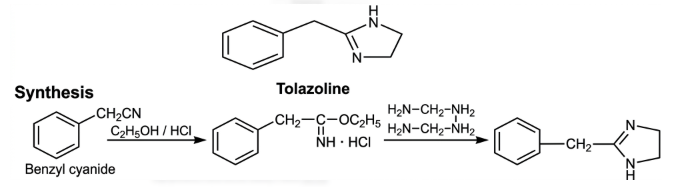
Tolazoline
- Properties & Mechanism: An imidazoline derivative related to phentolamine that acts as a competitive α1 and α2 antagonist. Possesses direct vasodilator activity on vascular smooth muscle and indirect actions mediated by endogenous histamine release. Can exert weak cardiac stimulant and mydriatic effects through secondary sympathomimetic actions.
- Clinical Indications: Administered subcutaneously, intramuscularly, or intravenously to manage persistent pulmonary hypertension of the newborn (PPHN) and pulmonary vascular anomalies by reducing pulmonary arterial pressure and resistance. Also investigated for peripheral vasospastic disorders (Raynaud’s disease).
2. Selective α1-Adrenoceptor Blockers
Selective α1-blockers represent the primary clinical class for chronic outpatient management of essential hypertension and benign prostatic hyperplasia.
- Prazosin (Prototype): A quinazoline derivative with a 4-aminoquinazoline ring (responsible for high α1 affinity), a piperazine linker, and a furan acyl side chain. Selectively blocks postsynaptic α1 receptors with ~1000-fold higher affinity over α2 receptors. Dilates both arterioles and veins, reducing blood pressure and cardiac preload/afterload in severe congestive heart failure. Half-life is ~2 to 3 hours, requiring twice- or thrice-daily dosing. Can cause severe first-dose postural hypotension (avoided by initiating at a low 0.5 to 1 mg bedtime dose).
- Terazosin & Doxazosin: Structural quinazoline analogs of prazosin engineered with modified acyl groups to improve pharmacokinetic profiles. They feature higher oral bioavailability and significantly longer elimination half-lives (terazosin ~12 hours; doxazosin ~20 hours), allowing convenient once-daily dosing for both essential hypertension and BPH.
- Tamsulosin & Silodosin: Phenethylamine-derived compounds exhibiting high functional selectivity for the α1A subtype concentrated in the prostate gland and bladder neck over the α1B subtype found in vascular smooth muscle. At therapeutic doses, they relieve BPH urinary outflow obstruction with minimal vasodilation, resulting in a significantly lower incidence of orthostatic hypotension compared to prazosin or doxazosin. Side effects include abnormal/retrograde ejaculation and Intraoperative Floppy Iris Syndrome (IFIS).
- Alfuzosin: A quinazoline derivative that concentrates functionally within prostatic tissue despite lacking strict biochemical α1A-subtype selectivity; once-daily extended-release formulations are widely used in BPH.
- Other Selective Agents: Bunazosin, Indoramin, and Urapidil (which also possesses central 5-HT1A agonism and weak β1 blockade, used intravenously for acute hypertensive emergencies).
3. Selective α2-Blockers
- Yohimbine: An indole alkaloid derived from the bark of the Pausinystalia johimbe tree. Selectively blocks presynaptic α2 receptors, accelerating central and peripheral norepinephrine release. Enhances central sympathetic outflow, increases motor activity, elevates heart rate and blood pressure, and promotes peripheral vasodilation via nitric oxide mechanisms. Historically used as an oral therapy for male erectile dysfunction; primarily utilized today as a research tool.
4. Ergot Derivatives with Alpha-Blocking Properties
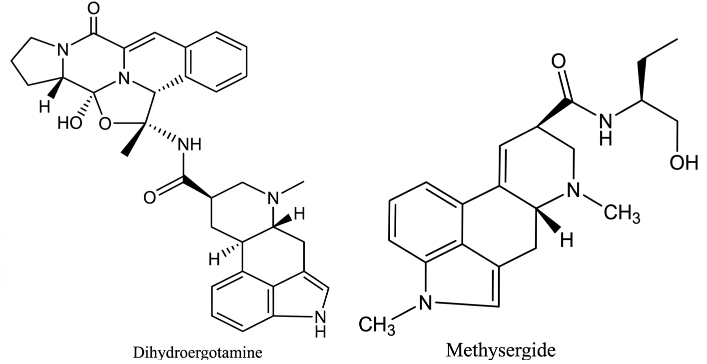
- Dihydroergotamine (DHE): The 9,10-dihydro derivative of ergotamine. Acts as a partial agonist at 5-HT1D and 5-HT1B receptors, while exerting competitive antagonist and partial agonist activity at α-adrenergic receptors. Relieves acute migraine and cluster headaches by constricting dilated intracranial extracerebral blood vessels and inhibiting pro-inflammatory neuropeptide release from trigeminal sensory nerve terminals.
- Methysergide: A semisynthetic ergot derivative structurally related to lysergic acid diethylamide (LSD). Acts as an antagonist at 5-HT2A and 5-HT2C receptors and possesses weak α-adrenergic blocking activity. Historically prescribed for the prophylaxis of severe vascular migraine headaches. Chronic use is constrained by a serious risk of retroperitoneal, pleuropulmonary, and endocardial fibrotic reactions.
- Hydergine (Co-Dergocrine Mesylate): An equimolar mixture of three hydrogenated ergotoxine alkaloids (dihydroergocristine, dihydroergocornine, and dihydroergocryptine). Possesses central α-blocking and metabolic stimulant properties; historically investigated for senile cerebrovascular insufficiency and age-related cognitive decline.
Beta-blocker pharmacodynamics
β-Adrenoceptor antagonists competitively inhibit the binding of catecholamines to β-receptors. Their clinical utility spans cardiology, ophthalmology, neurology, and endocrinology.
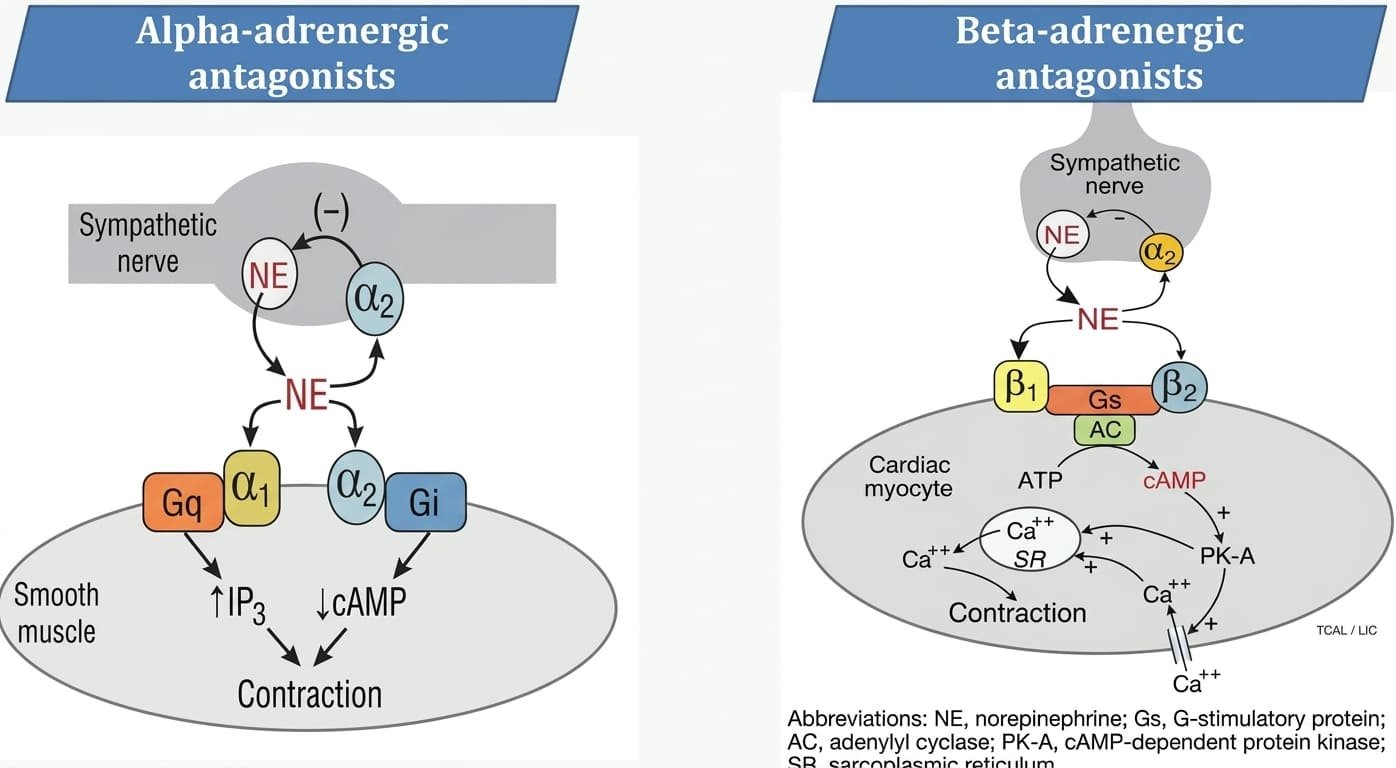
1. Cardiovascular Electrophysiology & Hemodynamics
- Negative Chronotropic Effect: Blocks β1 receptors in the sinoatrial node, depressing phase 4 spontaneous diastolic depolarization and slowing pacemaker discharge rate, leading to a reduction in resting and exercise-induced heart rate.
- Negative Inotropic Effect: Inhibits PKA-mediated calcium entry into ventricular myocytes, reducing the force and velocity of myocardial contraction. Decreases stroke volume, reduces cardiac output, and lowers systemic systolic blood pressure.
- Negative Dromotropic Effect: Slows atrioventricular (AV) nodal conduction velocity and prolongs AV refractory periods (manifesting as prolongation of the PR interval on the surface ECG). Class II antiarrhythmic action; protects ventricles from rapid conduction during atrial fibrillation and flutter.
- Reduction of Myocardial Oxygen Demand (MVO2): By lowering heart rate, contractility, and systolic arterial pressure (afterload), β-blockers significantly decrease myocardial work and oxygen consumption, relieving angina pectoris.
- Systemic Vascular Resistance & Blood Pressure:
- Acute Effects: Non-selective β-blockers initially increase peripheral vascular resistance (PVR) due to blockade of vasodilating vascular β2 receptors, leaving sympathetic α1 vasoconstrictor tone unopposed.
- Chronic Antihypertensive Mechanism: On chronic maintenance therapy, peripheral resistance declines back to or below pretreatment baseline. The sustained reduction in blood pressure is mediated by: (1) persistent reduction in cardiac output, (2) suppression of renal juxtaglomerular β1-mediated renin release (halting angiotensin II and aldosterone production), (3) central reduction of sympathetic outflow, and (4) long-term resetting of baroreceptors.
2. Non-Cardiovascular Organ System Effects
- Respiratory System: Blockade of bronchial smooth muscle β2 receptors prevents Gs-mediated cAMP generation, leading to unopposed parasympathetic bronchoconstriction and increased airway resistance. In patients with asthma or severe COPD, non-selective β-blockers can trigger life-threatening bronchospasm.
- Ocular Dynamics: β1 and β2 receptors on non-pigmented ciliary epithelial cells normally stimulate cAMP-dependent active transport of ions to produce aqueous humor. Topical β-blockers (timolol, betaxolol, metipranolol) decrease aqueous humor synthesis, significantly lowering intraocular pressure (IOP) in open-angle glaucoma and ocular hypertension.
- Metabolic & Endocrine Effects:
- Carbohydrate Metabolism: β2 receptors promote hepatic glycogenolysis and gluconeogenesis in response to hypoglycemia. Non-selective β-blockers impair recovery from insulin-induced hypoglycemia in type 1 diabetes mellitus. Furthermore, β-blockers mask the sympathoadrenal warning signs of hypoglycemia (tachycardia, palpitations, tremor), leaving diaphoresis (sweating, mediated by sympathetic cholinergic M3 receptors) intact.
- Lipid Metabolism: Chronic non-selective β-blockade without intrinsic sympathomimetic activity inhibits hormone-sensitive lipase, elevating plasma triglycerides and very-low-density lipoproteins (VLDL) while reducing high-density lipoproteins (HDL).
- Portal Hemodynamics in Liver Cirrhosis: Non-selective β-blockers (propranolol, nadolol) block β1 receptors to decrease cardiac output and block β2 receptors to allow unopposed α1 splanchnic vasoconstriction, significantly reducing portal venous inflow and pressure to prevent variceal bleeding.
| Receptor Subtype | Primary Location | Pharmacological Action of Adrenaline | Pharmacological Action of β-Blockers |
|---|---|---|---|
| β1 Receptors | Heart (SA node, AV node, myocardium) | Increased heart rate, contractility, conduction velocity, and excitability | Decreased heart rate, contractility, conduction velocity, and excitability |
| Kidney (Juxtaglomerular apparatus) | Stimulates renin release → elevates systemic blood pressure | Inhibits renin secretion → lowers blood pressure and circulating angiotensin II | |
| β2 Receptors | Bronchial smooth muscle | Relaxes smooth muscle → bronchodilation | Bronchoconstriction → increased airway resistance (danger in asthma/COPD) |
| Skeletal muscle blood vessels | Vasodilation → fall in diastolic blood pressure | Abolishes vasodilation → transient increase in peripheral resistance | |
| Liver & Skeletal muscle | Stimulates glycogenolysis, gluconeogenesis, and tremor | Inhibits glycogenolysis (delays recovery from hypoglycemia); suppresses tremor |
Structure-activity & synthesis
Structure-Activity Relationship (SAR) of β-Blockers
Historically, β-adrenoceptor antagonists evolved structurally from the non-selective β-agonist isoproterenol (isoprenaline). They are categorized chemically into three main architectural classes:
- Class I: Arylethanolamines: Early first-generation molecules derived by modifying isoproterenol (e.g., pronethalol, dichloroisoproterenol). They maintain the direct -CH(OH)-CH2-NH- ethanolamine bridge attached to an aromatic ring. Pronethalol was effective but abandoned due to carcinogenicity (thymic tumors in mice).
- Class II: Aryloxypropanolamines: Developed by Sir James Black, who inserted an oxymethylene bridge (-O-CH2-) between the aromatic nucleus and the ethanolamine side chain. This creates the aryloxypropanolamine core (propranolol, atenolol, metoprolol, bisoprolol, betaxolol, esmolol), which yields higher receptor affinity and antagonistic potency.
- Class III: Mixed Aryl Ethanolamine/Propanolamine Hybrids: Complex molecules containing bulky alkylamine substituents (e.g., labetalol, an arylethanolamine derivative; and carvedilol, a carbazole-containing aryloxypropanolamine derivative) that confer concurrent α1-adrenoceptor antagonism.
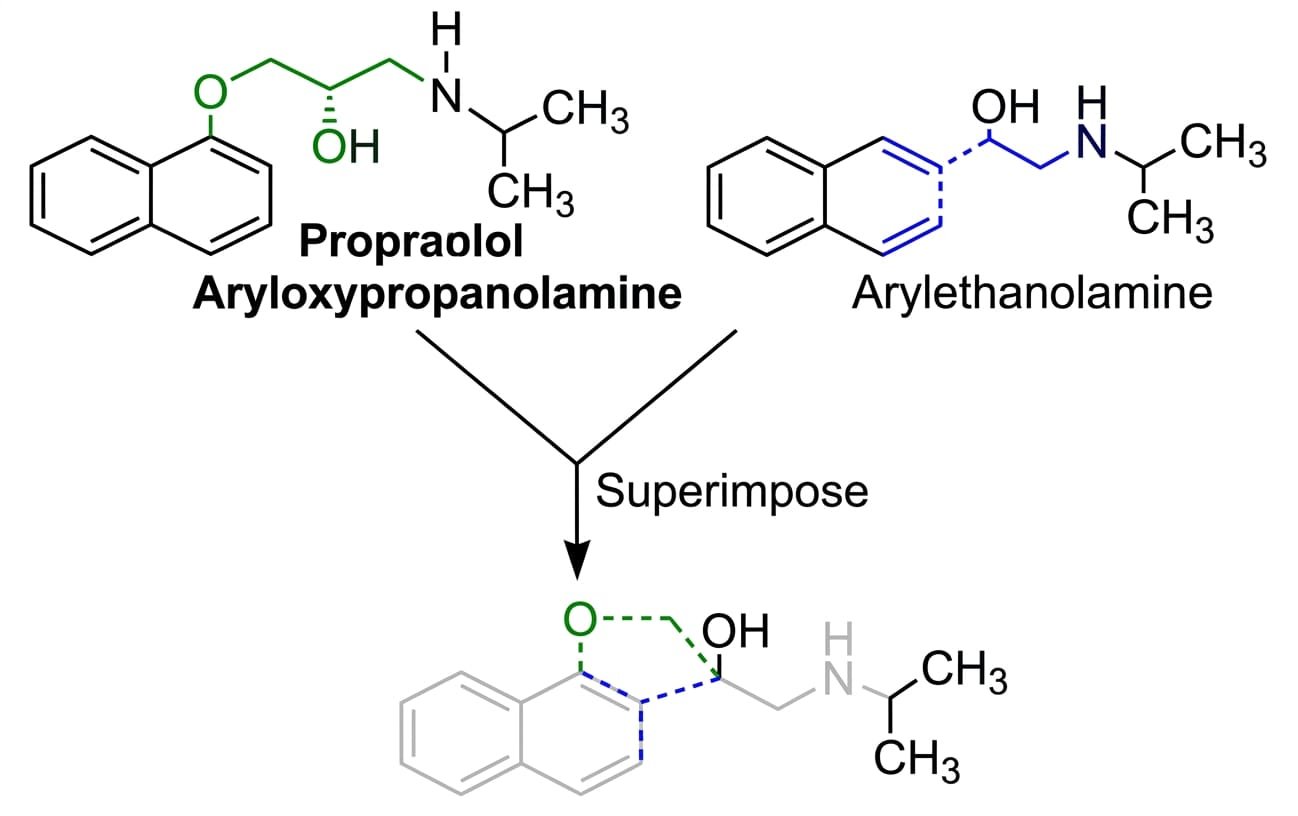
Key SAR Rules for β-Antagonists
- Aromatic Ring System: An aromatic ring (e.g., the naphthalene ring of propranolol, the substituted benzene ring of atenolol/metoprolol, or the carbazole ring of carvedilol) is essential for lipophilic interactions with the receptor pocket.
- Side Chain Length: The standard three-carbon propanolamine side chain (-O-CH2-CH(OH)-CH2-NH-) provides the optimal distance between the aromatic ring and the amine nitrogen. Increasing or decreasing this chain length reduces receptor affinity.
- Chiral Center & Stereospecificity: The secondary alcohol on the β-carbon constitutes a chiral center. In all aryloxypropanolamines, the S(-)-enantiomer possesses 50- to 500-fold higher β-blocking affinity than the R(+)-enantiomer.
- Para-Substitution & β1-Cardioselectivity: Monosubstitution at the para (4-) position of the benzene ring with hydrogen-bonding or amide groups (e.g., the acetamide group of atenolol, the methoxyethyl group of metoprolol, or the 2-methoxyethoxy-methyl group of bisoprolol) confers selectivity for β1 over β2 receptors. Bulky ortho-substitutions diminish cardioselectivity.
- Amine Substituent: A bulky, branched secondary aliphatic group (such as an isopropyl group in propranolol/atenolol or a tertiary-butyl group in timolol) protects against enzymatic degradation by MAO and optimizes hydrophobic binding to the receptor.
Chemical Synthesis of Propranolol
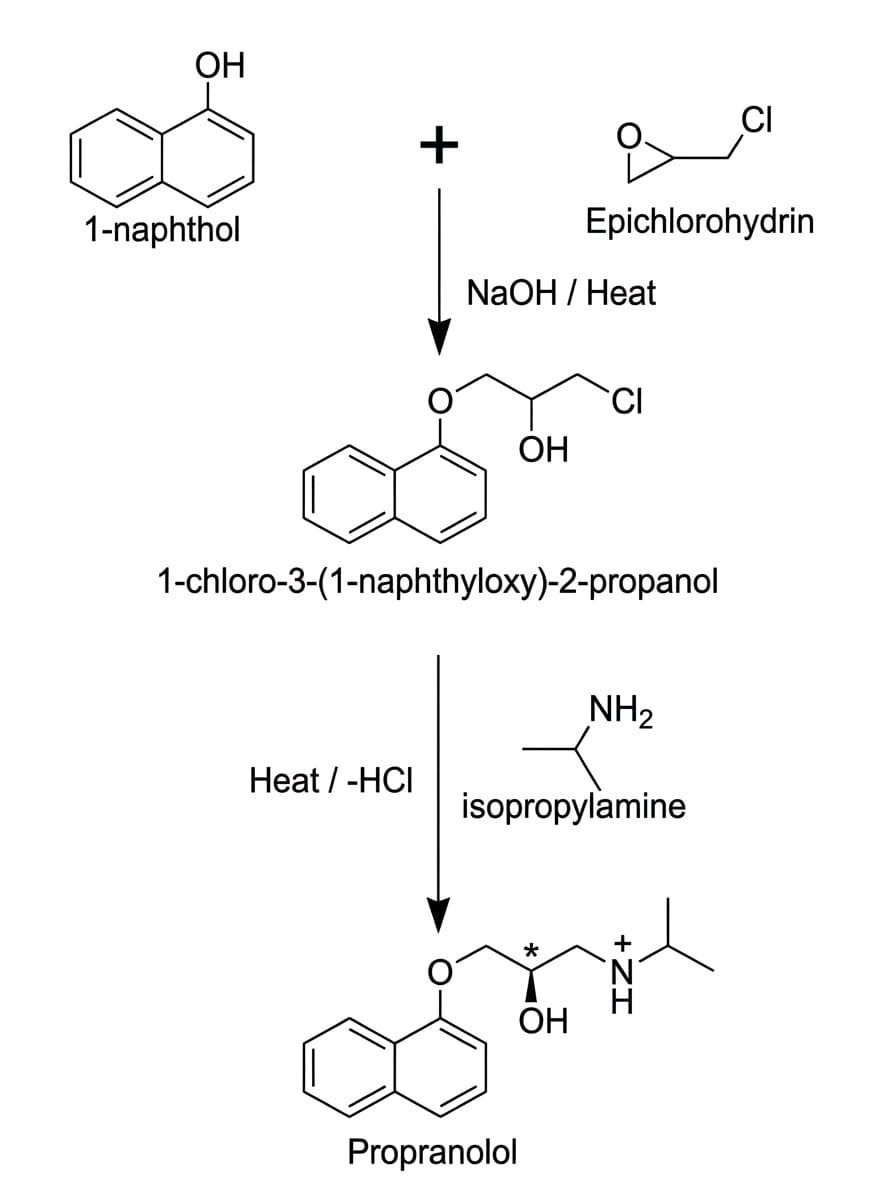
Propranolol, the prototype aryloxypropanolamine, is synthesized via a two-step reaction sequence:
- Step 1 (Etherification & Epoxide Opening): 1-Naphthol is reacted with epichlorohydrin in the presence of a base (sodium hydroxide), producing the intermediate 1-chloro-3-(1-naphthyloxy)-2-propanol.
- Step 2 (Amination): The chlorohydrin intermediate undergoes nucleophilic displacement with isopropylamine, yielding racemic (RS)-1-(isopropylamino)-3-(1-naphthyloxy)propan-2-ol (propranolol).
Generations & cardioselectivity
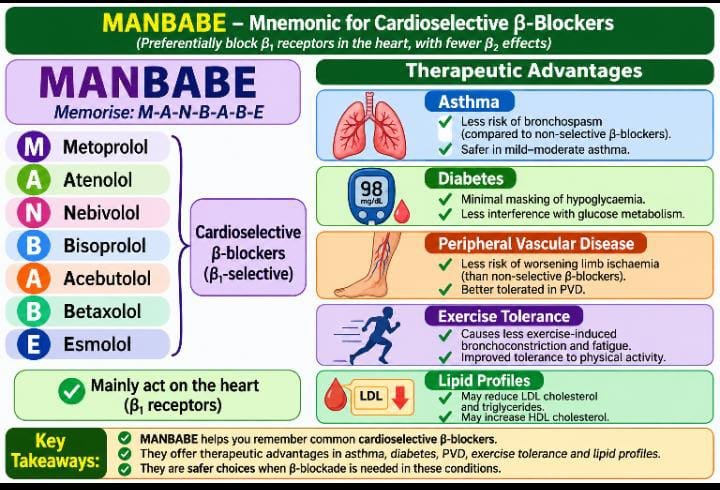
Clinical Advantages of β1-Cardioselectivity
- 1. Safer in Reactive Airway Disease: Second-generation β1-selective blockers have a 50- to 100-fold higher affinity for cardiac β1 than bronchial β2 receptors. They are significantly less likely to provoke bronchoconstriction in patients with concomitant COPD or mild-to-moderate asthma. Critical Warning: Cardioselectivity is dose-dependent; at high doses, selectivity is lost and β2 receptors are blocked.
- 2. Safer in Diabetes Mellitus: Cardioselective agents do not block hepatic β2-mediated glycogenolysis, allowing normal recovery from hypoglycemia. They are preferred in insulin-dependent diabetics requiring β-blocker therapy.
- 3. Safer in Peripheral Vascular Disease (PVD): By sparing vascular β2 receptors, cardioselective agents do not unmask α1-mediated peripheral vasoconstriction, reducing the risk of cold extremities and worsening intermittent claudication.
- 4. Exercise Tolerance & Lipids: Less likely to impair skeletal muscle glycogenolysis or trigger fatigue during exercise, and associated with lower risks of atherogenic dyslipidemia.
Ancillary Pharmacological Properties
Intrinsic Sympathomimetic Activity (ISA / Partial Agonism)
Certain β-blockers (pindolol, acebutolol, penbutolol, carteolol) possess weak partial agonist activity. They bind and activate the receptor to a low degree while competitively preventing full catecholamine stimulation:
- Clinical Impact: Cause less resting bradycardia and minimal lipid disturbances compared to pure antagonists.
- Limitation: They are not recommended in post-myocardial infarction or chronic heart failure, where full, uncompromised sympathetic blockade is required to reduce mortality.
Membrane Stabilizing Activity (MSA / Local Anesthetic Effect)
Certain lipophilic β-blockers (propranolol, acebutolol, carvedilol) block cardiac fast inward voltage-gated Na+ channels at high concentrations, mimicking quinidine-like local anesthetic effects:
- Clinical Relevance: Contributes to antiarrhythmic efficacy at high doses and explains toxicity in overdose (QRS widening).
- Ocular Contraindication: β-blockers possessing MSA cannot be used topically as eye drops for glaucoma, as they anesthetize the cornea, abolishing protective corneal blink reflexes and risking ulceration. Only agents without MSA (timolol, betaxolol) are formulated for ophthalmic use.
Individual beta-antagonists
Propranolol (Prototype Non-Selective Blocker)
- Pharmacokinetics: Highly lipophilic; completely absorbed from the gastrointestinal tract, but undergoes extensive first-pass hepatic metabolism via CYP2D6 and CYP1A2, yielding an oral bioavailability of only 25% to 30%. Highly plasma protein-bound (90%). Readily crosses the blood-brain barrier, producing central side effects (drowsiness, vivid dreams, nightmares, and depression). Elimination half-life is 2 to 3 hours.
- Hemodynamic Autoregulation: By decreasing cardiac output, propranolol reduces hepatic blood flow, decreasing its own hepatic clearance over chronic therapy. In renal failure, elimination of the parent drug is unaffected, but active metabolites (e.g., 4-hydroxypropranolol) accumulate.
- High-Risk Drug Interactions:
- Local Anesthetics: Decreases the hepatic clearance of amide local anesthetics (bupivacaine clearance is decreased by 35%, lidocaine clearance is also diminished) via reduced hepatic perfusion and enzyme inhibition, increasing the risk of systemic cardiovascular and CNS toxicity.
- Opioids: Inhibits the initial pulmonary first-pass uptake of lipophilic basic amines like fentanyl, causing 2 to 4 times more injected fentanyl to enter systemic circulation, increasing the risk of respiratory depression and overdose.
Atenolol (Hydrophilic β1-Selective Blocker)
- Pharmacokinetics: Incomplete oral absorption (~50%); highly polar and hydrophilic. Undergoes negligible hepatic metabolism and is cleared almost entirely unchanged by glomerular filtration in the kidneys. Elimination half-life is 6 to 8 hours in normal renal function, but prolongs to >24 hours in renal failure (requiring dose reduction). Minimal CNS entry (lower incidence of nightmares, though fatigue still occurs).
- Clinical Dosing: Administered orally at 50 to 100 mg once daily for hypertension and angina. In acute myocardial infarction, early intravenous administration (5 mg IV over 5 minutes, repeated in 10 minutes, followed by oral dosing) reduces infarct size and post-infarction mortality.
Metoprolol (Lipophilic β1-Selective Blocker)
- Formulations & Kinetics: Formulated as metoprolol tartrate (immediate-release) and metoprolol succinate (extended-release). Undergoes extensive hepatic first-pass metabolism (~40% bioavailability); low protein binding (10%); elimination half-life is 3 to 4 hours. Extensively metabolized by hepatic CYP2D6; genetic poor metabolizers show several-fold higher plasma concentrations.
- Clinical Value: Metoprolol succinate extended-release is one of three β-blockers proven in clinical trials (MERIT-HF) to significantly reduce mortality in chronic heart failure. Also used in acute MI, supraventricular tachycardias, and migraine prophylaxis.
Esmolol (Ultra-Short Acting β1-Selective Blocker)
- Unique Metabolism & Kinetics: An ester-containing aryloxypropanolamine administered exclusively by intravenous infusion. Hydrolyzed rapidly by esterases within red blood cell cytoplasm (enzymes distinct from plasma cholinesterase). Clearance is entirely independent of renal and hepatic function. Elimination half-life is extremely short: t1/2 ≈ 9 to 10 minutes. Heart rate and blood pressure return to pre-treatment baselines within 15 to 30 minutes of discontinuing the infusion.
- Dosing & Clinical Indications: Administered as a loading bolus of 0.5 mg/kg over 1 minute followed by 50 to 300 μg/kg/min:
- Rapid control of ventricular rate in acute atrial fibrillation, atrial flutter, and non-compensatory sinus tachycardia.
- Attenuation of hypertensive and tachycardic surges during tracheal intubation, laryngoscopy, and intraoperative noxious stimuli.
- Attenuation of cardiovascular surges during electroconvulsive therapy (ECT).
- Management of thyroid storm and cocaine- or amphetamine-induced adrenergic toxicity.
Bisoprolol, Betaxolol & Timolol
- Bisoprolol: A synthetic β1-selective blocker with balanced renal (50%) and hepatic (50%) clearance. Long elimination half-life (10 to 12 hours) permits once-daily dosing. Proven to reduce all-cause mortality in chronic heart failure (CIBIS-II trial).
- Betaxolol: High β1-selectivity with no intrinsic sympathomimetic activity; formulated as topical ophthalmic drops for open-angle glaucoma (associated with lower risk of bronchospasm than timolol).
- Timolol: Prototype non-selective β-blocker lacking membrane stabilizing activity; widely used as first-line topical ophthalmic drops to lower aqueous humor production in open-angle glaucoma.
Mixed alpha- and beta-blockers
Third-generation adrenergic antagonists combine non-selective β-receptor blockade with vascular α1-adrenoceptor antagonism, lowering systemic blood pressure via peripheral vasodilation while blunting reflex tachycardia through concurrent β1 blockade.
1. Labetalol
- Chemistry & Receptor Affinities: A salicylamide derivative containing two chiral centers, administered as an equimolar mixture of four stereoisomers. It acts as a competitive selective α1 blocker and non-selective β1/β2 blocker, with weak intrinsic β2 agonist activity. The β- to α-blocking potency ratio is 3:1 for oral administration and 7:1 for intravenous dosing.
- Hemodynamics: Reduces systemic vascular resistance and arterial blood pressure without causing significant reductions in resting heart rate, cardiac output, or stroke volume.
- Clinical Indications:
- Hypertensive Emergencies & Aortic Dissection: Intravenous bolus (20 to 80 mg every 10 minutes) or continuous infusion rapidly lowers blood pressure without reflex tachycardia.
- Pregnancy-Induced Hypertension & Preeclampsia: The first-line drug of choice for managing chronic hypertension and preeclampsia in pregnancy (does not compromise uteroplacental blood flow).
- Sympathetic Crises: Severe tetanus-associated autonomic storm, pheochromocytoma, and perioperative controlled hypotension during surgical procedures.
2. Carvedilol
- Stereochemistry & Receptor Affinities: A carbazole derivative administered as a racemic mixture. The S(-)-enantiomer is a non-selective β1/β2 and α1 blocker; the R(+)-enantiomer acts selectively as an α1-blocker. The overall β- to α1-antagonist potency ratio is approximately 10:1.
- Antioxidant & Antiproliferative Properties: Highly lipid-soluble. Carvedilol and its active metabolite BM-910228 are potent antioxidants that scavenge free radicals, prevent lipid peroxidation in cell membranes, protect sarcoplasmic reticulum Ca2+-ATPase (SERCA), and inhibit vascular smooth muscle proliferation and remodeling.
- Mortality Benefit in Heart Failure: The landmark US Carvedilol and COPERNICUS trials demonstrated that adding carvedilol to standard ACE-inhibitor and diuretic regimens in patients with mild, moderate, or severe systolic heart failure (left ventricular ejection fraction ≤35%) reduces mortality by up to 65% and significantly decreases hospitalizations.
Therapeutic applications
1. Cardiovascular Disorders
- Hypertension: β-Blockers are indicated as monotherapy or combination therapy in hypertensive patients with compelling cardiac indications (e.g., prior MI, angina, heart failure). α1-Blockers (prazosin, doxazosin) are reserved for refractory hypertension or hypertensive patients with concomitant BPH.
- Angina Pectoris: β-Blockers are the first-line foundation for chronic stable angina. They decrease resting and exercise heart rate and contractility, reducing myocardial oxygen demand and increasing diastolic perfusion time. (Contraindication: Avoid in vasospastic / Prinzmetal angina, where β2 blockade unmasks α1 coronary vasoconstriction).
- Acute Myocardial Infarction (MI): Early β-blocker administration (within hours) limits ischemic infarct size, prevents malignant ventricular arrhythmias, and reduces acute mortality. Long-term therapy (1 to 3+ years) reduces re-infarction rates and sudden cardiac death.
- Congestive Heart Failure (Systolic HF): Standard guideline-directed medical therapy. Three specific β-blockers—Carvedilol, Bisoprolol, and Metoprolol Succinate (extended-release)—counteract chronic sympathetic overstimulation, reduce pathological myocardial remodeling, upregulate β1 receptors, and improve long-term survival.
- Cardiac Arrhythmias: Class II antiarrhythmics. Suppress ectopic pacemaking automaticity, terminate AV nodal re-entrant tachycardias, and control rapid ventricular response in atrial fibrillation and flutter. Intravenous esmolol provides rapid rate control in emergency settings.
- Aortic Dissection: Intravenous β-blockers (labetalol, esmolol, propranolol) are the immediate first-line medical therapy. They decrease the velocity of left ventricular contraction (dP/dt) and reduce shear stress on the aortic wall. Must be initiated before vasodilators (e.g., sodium nitroprusside) to prevent reflex sympathetic-driven increases in dP/dt that can worsen tearing.
2. Endocrine & Neuroendocrine Disorders
- Pheochromocytoma: Catecholamine-secreting neuroendocrine tumor of the adrenal medulla. The Absolute Clinical Rule: ALWAYS administer an α-blocker FIRST, and NEVER administer a β-blocker alone. Phenoxybenzamine or phentolamine must be established to block α1 vasoconstriction. If a β-blocker is administered first, it blocks vasodilating β2 receptors, leaving circulating catecholamines to act unopposed on vascular α1 receptors, precipitating a catastrophic, potentially fatal hypertensive crisis. β-Blockers are added later solely to control reflex or catecholamine-induced tachycardia.
- Hyperthyroidism & Thyroid Storm: Severe thyrotoxicosis upregulates cardiac β-adrenoceptors, causing palpitations, arrhythmias, tremor, and anxiety. Propranolol is the drug of choice; in addition to β-blockade, high doses inhibit the peripheral 5′-monodeiodinase enzyme, blocking conversion of inactive thyroxine (T4) to active triiodothyronine (T3).
3. Neurological, Ocular & Other Indications
- Glaucoma: Topical β-blockers (timolol, betaxolol) decrease aqueous humor synthesis by the ciliary epithelium, lowering intraocular pressure without affecting pupil size or accommodation.
- Migraine Prophylaxis: Lipophilic β-blockers (propranolol, metoprolol, timolol) reduce the frequency, duration, and severity of migraine attacks through central vascular and neuronal stabilization. Ergot alkaloids (dihydroergotamine) treat acute attacks.
- Essential Tremor: Propranolol is the first-line therapy; blocks peripheral β2 receptors located on skeletal muscle spindles.
- Performance Anxiety (Stage Fright): Low-dose oral propranolol (10 to 40 mg taken 30 to 60 minutes before an event) suppresses somatic manifestations of sympathetic activation (palpitations, vocal and hand tremor, diaphoresis) without impairing cognitive alertness.
- Benign Prostatic Hyperplasia (BPH): α1-Blockers (tamsulosin, alfuzosin, doxazosin) relax smooth muscle in the bladder neck and prostate, rapidly relieving lower urinary tract obstructive symptoms.
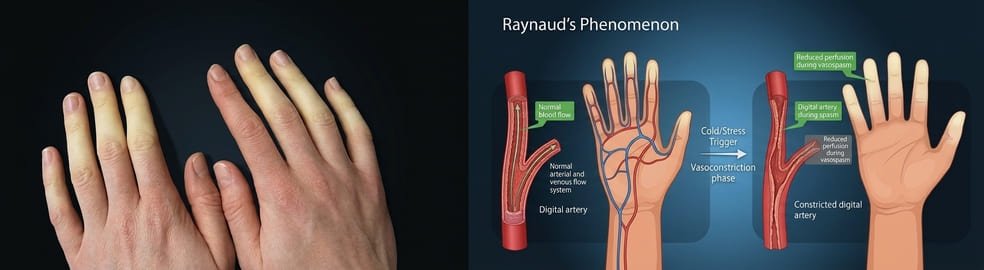
- Peripheral Vasospastic Conditions: α1-Blockers relieve digital vasospasm in Raynaud’s disease, frostbite, and Buerger’s disease (thromboangiitis obliterans) by improving microvascular blood flow.

Adverse effects & toxicity
α-Adrenoceptor Antagonist Toxicity
- Postural Hypotension & First-Dose Syncope: Seen commonly with non-selective blockers and initial doses of prazosin. Prevented by starting at low bedtime doses and titrating slowly.
- Reflex Tachycardia & Palpitations: Marked with non-selective agents (phentolamine, phenoxybenzamine) due to concurrent α2-blockade; can precipitate myocardial ischemia in coronary disease.
- Nasal Congestion & Miosis: Caused by mucosal pooling and pupillary dilator relaxation.
- Sexual Dysfunction: Impaired, delayed, or retrograde ejaculation into the bladder.
- Fluid Retention: Chronic vasodilation lowers renal perfusion, stimulating secondary hyperaldosteronism and edema (managed by co-administering diuretics).
β-Adrenoceptor Antagonist Toxicity
- Bradycardia & AV Conduction Block: Excessive negative chronotropy and dromotropy can precipitate symptomatic bradycardia and complete heart block.
- Acute Heart Failure Decompensation: Initiating high doses during acute decompensated heart failure can worsen hemodynamic failure due to loss of sympathetic compensatory support.
- Life-Threatening Bronchospasm: Non-selective agents trigger bronchoconstriction in patients with asthma or active COPD.
- Central Nervous System Toxicity: Lipophilic agents (propranolol) cause depression, fatigue, sleep disturbances, hallucinations, and nightmares.
- Hypoglycemia Masking: Blunts autonomic tachycardia and tremor during hypoglycemic episodes in diabetics; delays recovery from hypoglycemia.
- Peripheral Vasoconstriction: Cold extremities and worsening of Raynaud’s disease or intermittent claudication.
- Rebound Withdrawal Hyperactivity: Never discontinue chronic β-blockers abruptly. Prolonged blockade leads to up-regulation (increased receptor density) of β-receptors. Abrupt withdrawal exposes sensitized receptors to endogenous catecholamines, precipitating severe rebound hypertension, tachyarrhythmias, unstable angina, or fatal myocardial infarction. Medications must be tapered over 10 to 14 days.
| Drug Class | Absolute Contraindications | Relative Contraindications & Precautions |
|---|---|---|
| α-Adrenoceptor Antagonists | Hypersensitivity; severe systemic hypotension; mechanical gastrointestinal or urinary obstruction | Coronary artery disease (reflex tachycardia can worsen angina); concurrent use of PDE-5 inhibitors (e.g., sildenafil, tadalafil → severe synergistic hypotension); scheduled cataract surgery (IFIS risk). |
| β-Adrenoceptor Antagonists | Severe symptomatic sinus bradycardia (heart rate <45 bpm); second- or third-degree AV block (without a functioning pacemaker); cardiogenic shock; acute decompensated heart failure; severe, unstable bronchial asthma; Prinzmetal (vasospastic) angina (unless combined with vasodilators). | Mild-to-moderate COPD (use cardioselective agents cautiously); insulin-dependent diabetes mellitus (masking of hypoglycemia signs); severe peripheral vascular disease; concurrent use of non-dihydropyridine calcium channel blockers (verapamil, diltiazem → severe bradycardia and asystole). |
Quick recap
References
The following authoritative medical pharmacology textbooks and national guidelines support this curriculum study note:
- Goodman & Gilman’s: Brunton, L.L., Hilal-Dandan, R. and Knollmann, B.C. (2018) Goodman & Gilman’s The Pharmacological Basis of Therapeutics. 13th edn. New York: McGraw-Hill Education. [Chapter 12: Adrenergic Agonists and Antagonists].
- Katzung’s Pharmacology: Katzung, B.G. and Vanderah, T.W. (2021) Basic & Clinical Pharmacology. 15th edn. New York: McGraw-Hill Education. [Chapter 10: Adrenoceptor Antagonist Drugs].
- Rang & Dale’s Pharmacology: Ritter, J.M., Flower, R., Henderson, G., Loke, Y.K., MacEwan, D. and Rang, H.P. (2020) Rang & Dale’s Pharmacology. 9th edn. Edinburgh: Elsevier. [Chapter 15: Noradrenergic Transmission].
- Lippincott Illustrated Reviews: Whalen, K. (2019) Lippincott Illustrated Reviews: Pharmacology. 7th edn. Philadelphia: Wolters Kluwer. [Chapter 7: Adrenergic Antagonists].
- Uganda Clinical Guidelines: Ministry of Health Uganda (2023) Uganda Clinical Guidelines: National Guidelines for the Management of Common Conditions. Kampala: Ministry of Health. [Section 5: Cardiovascular Conditions – Hypertension and Heart Failure Protocols; Section 16: Obstetric Emergencies – Severe Preeclampsia and Labetalol Administration].