Mental Processes
A comprehensive anatomical and psychological study of memory, forgetting, attention, concentration, intelligence, and emotions for Medical students.
1. Memory
Definition: Memory is the mental process by which information is encoded, stored, and retrieved over time. It enables individuals to retain and use past experiences, learn new skills, and adapt to changing environments. Memory is not a single entity but a system of interrelated processes and storage systems.
1.1 The Three Processes of Memory
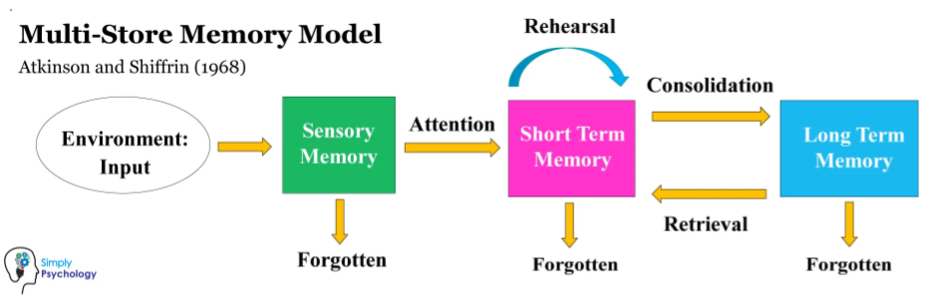
Memory involves three fundamental processes that operate sequentially and interactively:
- Encoding: The process of converting sensory input into a form that can be stored. Effective encoding requires attention and often involves elaboration (making meaningful associations) and organization.
- Storage: The retention of encoded information over time. Storage can be brief (seconds to minutes) or long-lasting (years to decades).
- Retrieval: The process of accessing stored information when needed. Retrieval can be deliberate (recall) or triggered by cues (recognition).
1.2 Stages of Memory
| Stage | Duration | Capacity | Characteristics |
|---|---|---|---|
| Sensory Memory | 0.5-3 seconds | Very large | Brief retention; iconic (visual) or echoic (auditory). |
| Short-Term Memory (STM) | 15-30 seconds | 7 +/- 2 items | Temporary storage; vulnerable to interference. |
| Working Memory | Seconds to minutes | Limited | Active manipulation of information; includes phonological loop and visuospatial sketchpad. |
| Long-Term Memory (LTM) | Minutes to lifetime | Essentially unlimited | Relatively permanent storage; requires consolidation. |
1.3 Types of Long-Term Memory
- Explicit (Declarative): Involves conscious recollection.
- Episodic: Personal experiences and events.
- Semantic: General knowledge and concepts.
- Implicit (Non-declarative): Operates without conscious awareness.
- Procedural: Skills and habits (e.g., riding a bike).
- Priming: Facilitated processing of previously encountered stimuli.
- Conditioning: Learned associations.
1.4 Brain Structures in Memory
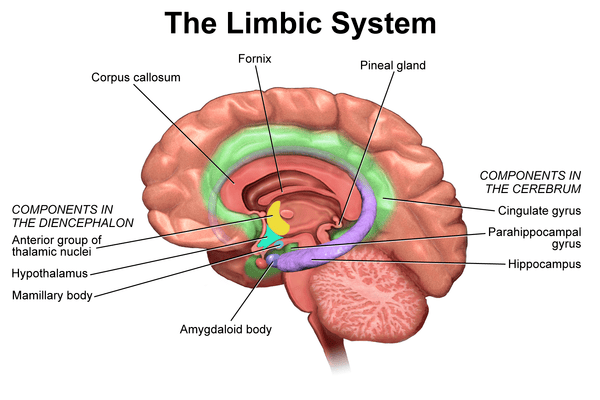
- Hippocampus: Critical for encoding new explicit memories and consolidation.
- Amygdala: Modulates emotional memory and consolidation of significant events.
- Prefrontal Cortex: Supports working memory and strategic retrieval.
- Cerebellum & Basal Ganglia: Involved in procedural memory.
Pathological Memory Loss
- Alzheimer's Disease: Progressive decline in episodic memory.
- Korsakoff's Syndrome: Caused by thiamine deficiency in chronic alcoholism; produces severe anterograde amnesia and confabulation.
- Dissociative Amnesia: Memory loss for personal information due to psychological trauma.
2. Forgetting
Definition: Forgetting is the loss or failure to retain information over time. It is a normal adaptive process that prevents information overload, though pathological forgetting indicates neurological or psychological disorders.
2.1 Theories of Forgetting
| Theory | Explanation | Example |
|---|---|---|
| Decay Theory | Memory traces fade over time if not used. | Forgetting a phone number learned briefly. |
| Interference Theory | Competition between similar memories. | Learning French interferes with old Spanish. |
| Retrieval Failure | Information is stored but lacks cues to access it. | Tip-of-the-tongue phenomenon. |
| Motivated Forgetting | Unconscious suppression of unpleasant memories. | Trauma survivor unable to recall details. |
Spaced Repetition
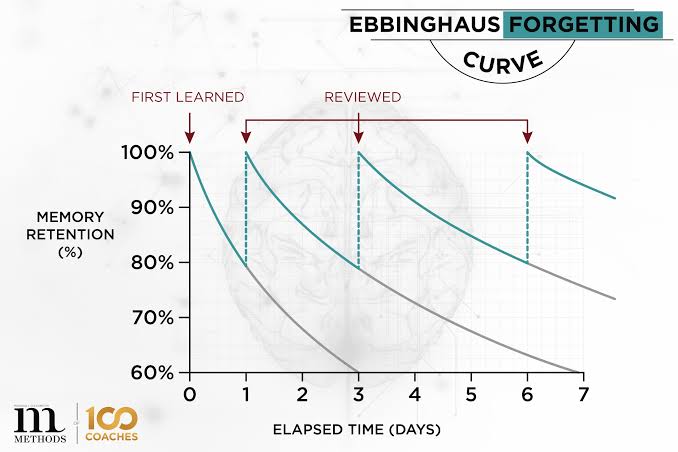
Hermann Ebbinghaus demonstrated that 50% of learned information is forgotten within the first hour. Spaced repetition (reviewing material at increasing intervals) is the most effective strategy to counteract the forgetting curve.
3. Attention
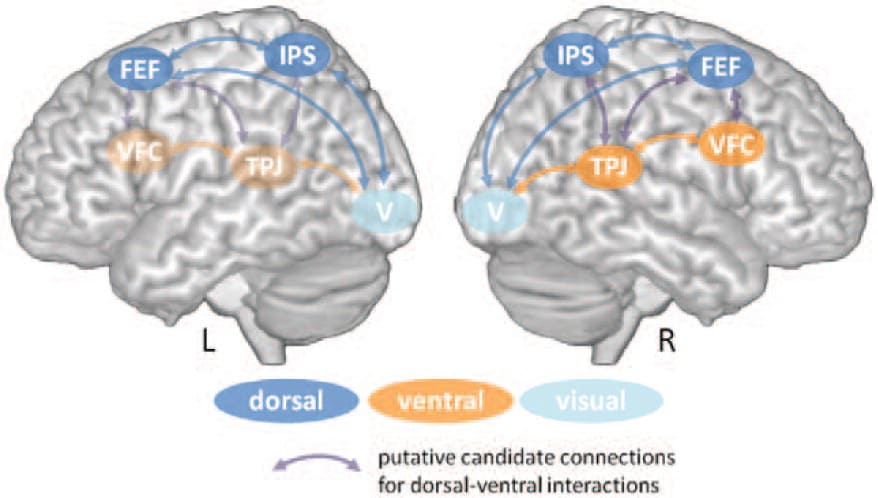
Definition: Attention is the cognitive process of selectively concentrating on specific aspects of information while ignoring other distractors. It is a limited resource.
3.1 Types of Attention
- Selective Attention: Focusing on one stimulus (e.g., listening in a noisy room).
- Divided Attention: Multi-tasking (e.g., driving while talking).
- Sustained Attention: Maintaining focus over time (e.g., monitoring vitals during surgery).
- Alternating Attention: Shifting focus between tasks with different demands.
- ADHD: Characterized by inattention and impulsivity.
- Delirium: Acute onset of impaired attention and awareness.
- Hemispatial Neglect: Usually due to right parietal damage; failure to attend to the contralateral side of space.
4. Concentration
Definition: Concentration is the mental process of directing and sustaining focused attention on a specific task while excluding distractions.
4.1 Factors Affecting Concentration
| Factor | Effect | Clinical Implication |
|---|---|---|
| Sleep Deprivation | Reduces sustained attention. | Risk of errors in night shift clinicians. |
| Fatigue | Decreases cognitive endurance. | Rest breaks improve performance. |
| Substance Use | Alcohol impairs; stimulants may enhance temporarily. | Long-term use causes cognitive deficits. |
5. Intelligence
Definition: Intelligence is the mental capacity to learn from experience, adapt to new situations, and handle abstract concepts.
5.1 Theories of Intelligence
- Spearman’s g Factor: General intelligence underlies all cognitive abilities.
- Gardner’s Multiple Intelligences: Eight independent intelligences (Linguistic, Musical, Logical, etc.).
- Emotional Intelligence: The ability to perceive and manage emotions; critical for professional success.
Intellectual Disability
Diagnosed when IQ is below 70 with concurrent deficits in adaptive functioning. Levels include Mild (50-70), Moderate (35-49), Severe (20-34), and Profound (<20).
6. Emotions
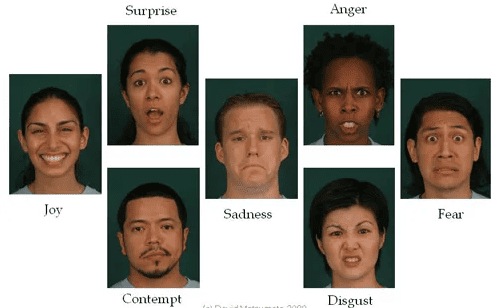
Definition: Emotions are complex psychological states involving subjective experience, physiological arousal, expressive behavior, and cognitive appraisal.
6.1 The Four Components of Emotion
- Subjective Experience: The conscious "feeling" (happy, sad).
- Physiological Arousal: Autonomic changes (HR, BP, respiration).
- Expressive Behavior: Facial expressions and body posture.
- Cognitive Appraisal: Evaluation of a situation's significance.
6.2 Major Theories of Emotion
- James-Lange Theory: Emotion results from physiological arousal (we feel afraid because we tremble).
- Cannon-Bard Theory: Arousal and emotional experience occur simultaneously.
- Schachter-Singer Two-Factor: Emotion requires physiological arousal plus a cognitive label.
In Northern Uganda, where communities have experienced prolonged conflict, the psychological impact of stress and trauma on child growth and mental development has been documented extensively, emphasizing the need for trauma-informed care.
7. Summary Tables
7.1 Memory Systems Overview
| System | Type | Duration | Brain Structure |
|---|---|---|---|
| Sensory | Pre-attentive | < 3 sec | Sensory cortices |
| STM | Explicit | 15-30 sec | Prefrontal cortex |
| Episodic | Explicit/LTM | Lifetime | Hippocampus |
| Procedural | Implicit/LTM | Lifetime | Basal ganglia/Cerebellum |